REVIEW · BAKU
Baku: Gobustan, Volcanoes, Fire Temple and Yanardag Day Trip
Book on GetYourGuide →Operated by Baku City Tours · Bookable on GetYourGuide
Fire, rock art, and oil history in one day. I love that this trip is a no-shopping day out to the UNESCO Gobustan area, so your time goes to ancient petroglyphs and the odd geology instead of sales pitches. It also runs with hotel pickup and a guide who connects Stone Age life, oil-era beginnings, and the idea of fire worship.
My other favorite part is the fire sequence. The Ateshgah Temple recalls Zoroastrian fire traditions, then Yanardag keeps burning on a hillside from natural gas. Guides such as Mahabat and Sayed are repeatedly praised for making the explanations clear, fun, and easy to follow.
One consideration: on rainy days, the mud volcano stop gets skipped for safety. That means you’ll still have plenty to do, but you won’t get the bubbling-earth spectacle.
In This Review
- Quick Takeaways
- Oil Well and Bibi-Heybat Area: Starting With Azerbaijan’s Industry
- Gobustan National Park Museum: Stone Age Art You Can Read
- Mud Volcanoes on Absheron: When the Ground Looks Alive
- Lunch in a Local Azeri Buffet: Keep It Simple and Budgeted
- Ateshgah (Fire Temple): Zoroastrianism Beyond the Textbook
- Yanardag: The Burning Mountain That Refuses to Go Out
- Price and Value: Why 29 USD Can Work for a Full Day
- Guides, Groups, and How to Use the Time Well
- What I’d Pack and Plan for This Day Trip
- Who Should Book This Tour (and Who Might Not)
- Should You Book This Gobustan–Mud Volcanoes–Fire Temples Day Trip?
- FAQ
- How long is the Baku Gobustan, Volcanoes, Fire Temple and Yanardag day trip?
- Where does hotel pickup and drop-off happen?
- Is lunch included in the price?
- Are there shopping stops on this tour?
- What happens if it rains?
- What sites are included during the day?
- Are museum tickets included?
- How much does it cost?
- What languages are the guided explanations available in?
Quick Takeaways
- No-shopping format focused on history and sites so you can actually see things
- Bibi-Heybat area oil stop tied to one of the world’s first industrialized wells
- Gobustan Museum of Petroglyphs (indoor + outdoor) built for the UNESCO rock art experience
- Mud volcano fields in a coastal area known for hundreds of cones
- Ateshgah fire temple a former holy place for fire-worshippers
- Yanardag burning mountain natural gas flame that stays lit continuously
Oil Well and Bibi-Heybat Area: Starting With Azerbaijan’s Industry
The day starts with pickup from a long list of convenient spots around Baku, including major hotel areas and hostels. It’s designed for a smooth morning, with the kind of scheduling that helps when you want to see the outskirts without spending your day figuring out transport.
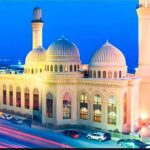
The first real “wow” moment is the stop near Bibi-Heybat Mosque at an industrialized oil well site. The tour frames it as the first industrialized oil well in the world, and that’s exactly why it’s such a good opener. You get a sense of how quickly Azerbaijan’s story moved from older worlds into the modern oil age.
Even if you’re not a petroleum history person, I like this stop because it gives you context before you hit the prehistoric sites. You’re basically walking through layers of time: oil industry roots in one pocket of the peninsula, and much older human traces not far away.
You can also read our reviews of more tours and experiences in Baku.
Gobustan National Park Museum: Stone Age Art You Can Read
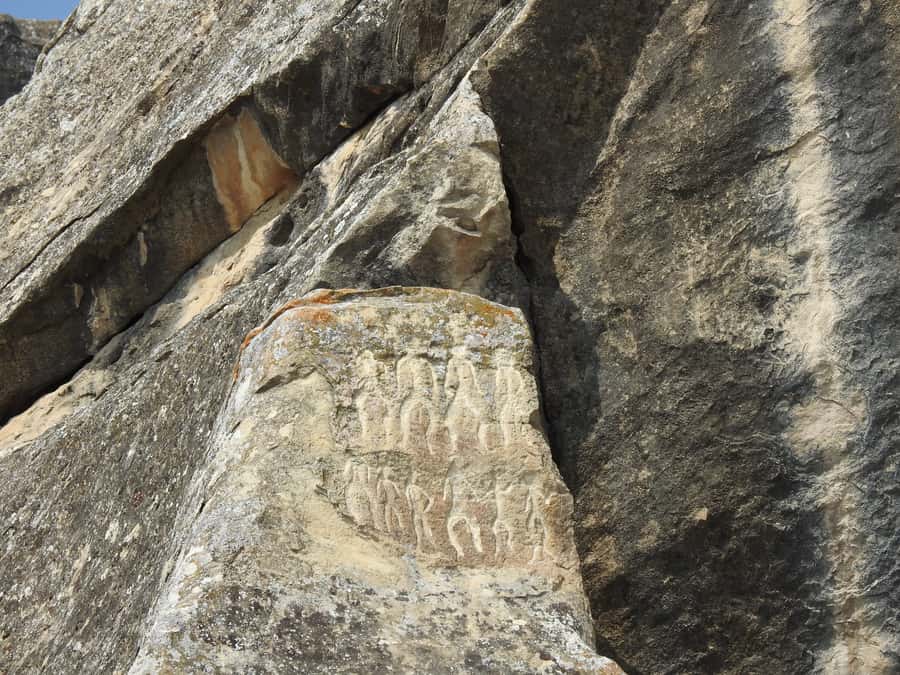
Next comes Gobustan National Park and the Museum of Petroglyphs, about 70 kilometers from Baku. This is an indoor-and-outdoor setup, which matters because you’ll want options depending on the weather, crowd levels, and how long you want to stare at carvings.
What makes Gobustan special is that you’re not just seeing “pretty rocks.” You’re seeing rock drawings and petroglyphs carved by prehistoric people, and the tour approach focuses on how those images reflect Stone Age culture, economy, and worldview. That’s the difference between passing by and actually getting something out of the visit.
There’s usually enough variety here that you can pace yourself. I like that you can spend time with the indoor displays first to get oriented, then step outside to connect the art to the surrounding cliffs and cave-like areas. In a day tour, that kind of structure saves you from feeling rushed even when the clock is ticking.
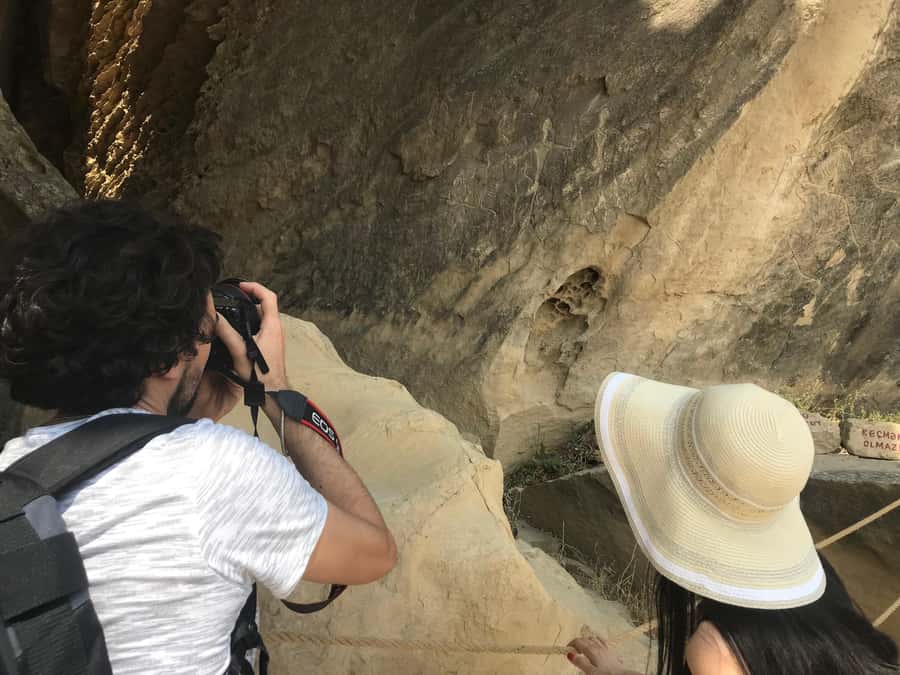
The guides are a big reason people rate this stop so highly. Names like Mahabat, Leyla, and Musa show up often in feedback, and the common theme is clear explanations and good handling of crowded moments at Gobustan National Park. If you enjoy photos, this is also where you’ll find frames that feel genuinely local, not postcard copy.
Mud Volcanoes on Absheron: When the Ground Looks Alive
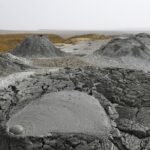
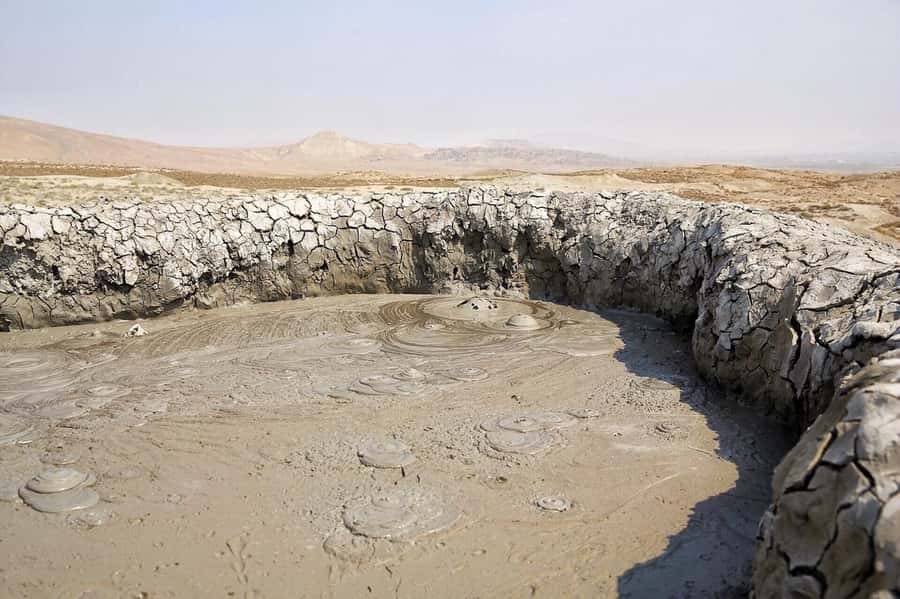
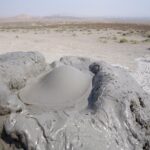
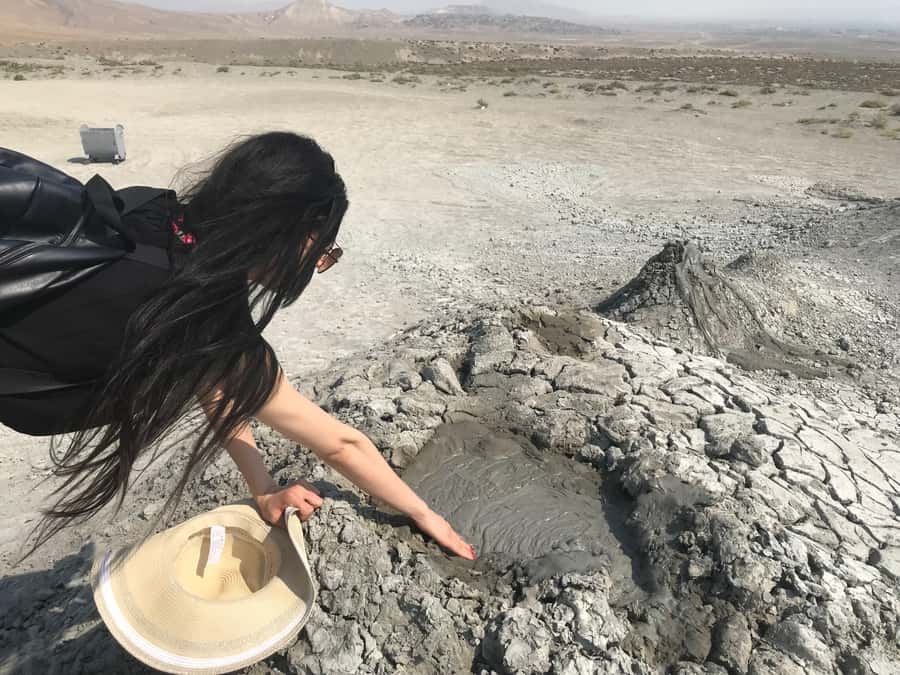
After Gobustan, you head to the coastal zone of Azerbaijan, famous for mud volcanoes. The tour emphasizes that you’re visiting a region with hundreds of mud volcano cones, and that’s the right scale-setting. These aren’t small, one-off sights; this area is basically a whole system.
The best part is watching mud volcano activity, which can feel surprising if your mental image of a volcano comes from movies with ash clouds and fire. Here, you’re watching thick earth materials move and breathe. It’s odd and scientific at the same time, and it gives the day a real sense of place.
Timing here is shorter than at Gobustan, but that’s okay because the spectacle is visual. Still, I recommend planning for the physical side of the visit. You’ll be outside, often on uneven ground, and you’ll want comfortable shoes.
One extra detail from guide feedback is that you might get closer via more adventurous transport, including older Soviet-style or off-road rides when conditions allow. Don’t assume that’s guaranteed every day, but it’s a common way the experience becomes more than just a roadside viewpoint.
Rain is the big limiter. On rainy days, the mud volcano stop can be skipped for safety reasons. If you’re visiting in a wetter season, keep that in mind and be ready for a plan that shifts toward the museum and fire sites instead.
Lunch in a Local Azeri Buffet: Keep It Simple and Budgeted
Lunch is not included in the tour price. You’ll make a stop at a buffet-style restaurant where you can purchase lunch, typically in the 8–12 USD range.
I like that the setup is straightforward: you’re not hunting for food while your group is waiting. At the same time, budgeting helps. A day that’s already packed around several major sights can turn into decision fatigue if you haven’t decided what kind of meal you want.
Because this is a full day, I’d also treat lunch as fuel, not a long break. Use the time to eat, hydrate, and reset your feet before the fire sites. If you’re the kind of person who gets snacky in between, bring a small bottle of water or something similar, since some feedback specifically calls out the heat and the benefit of having water available.
Ateshgah (Fire Temple): Zoroastrianism Beyond the Textbook
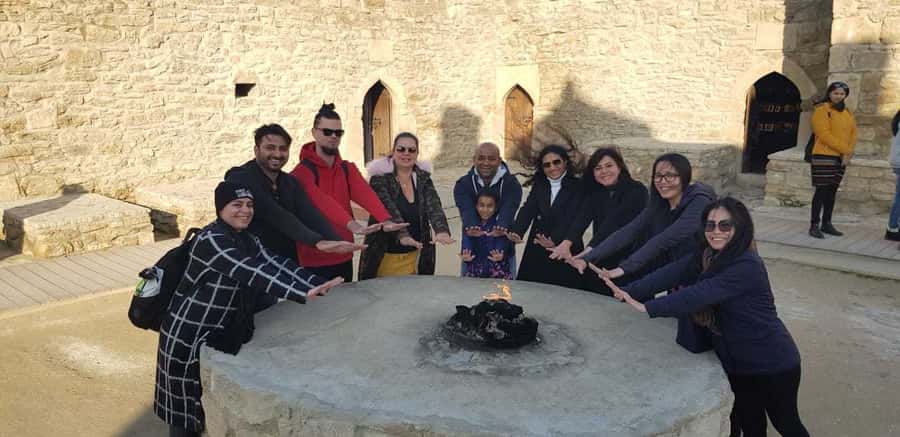
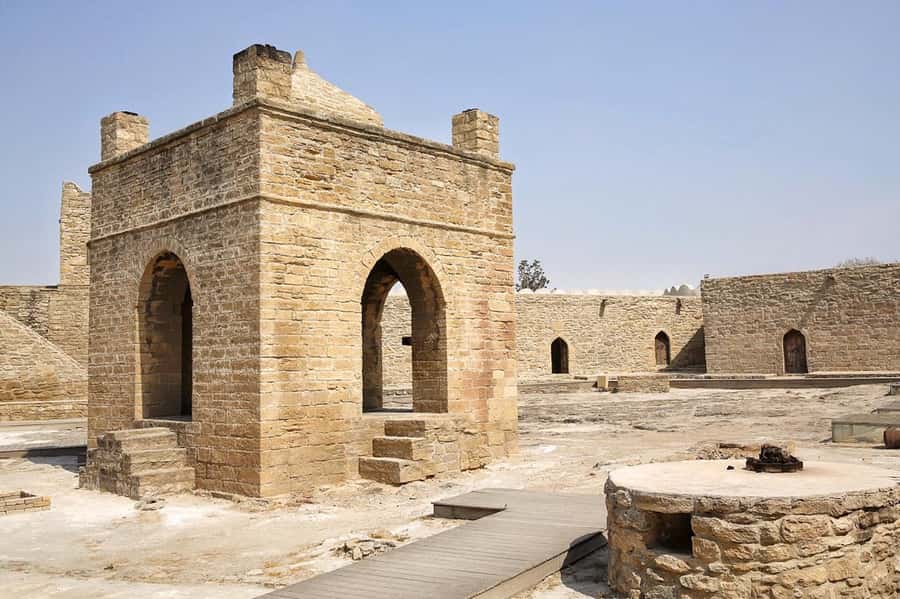
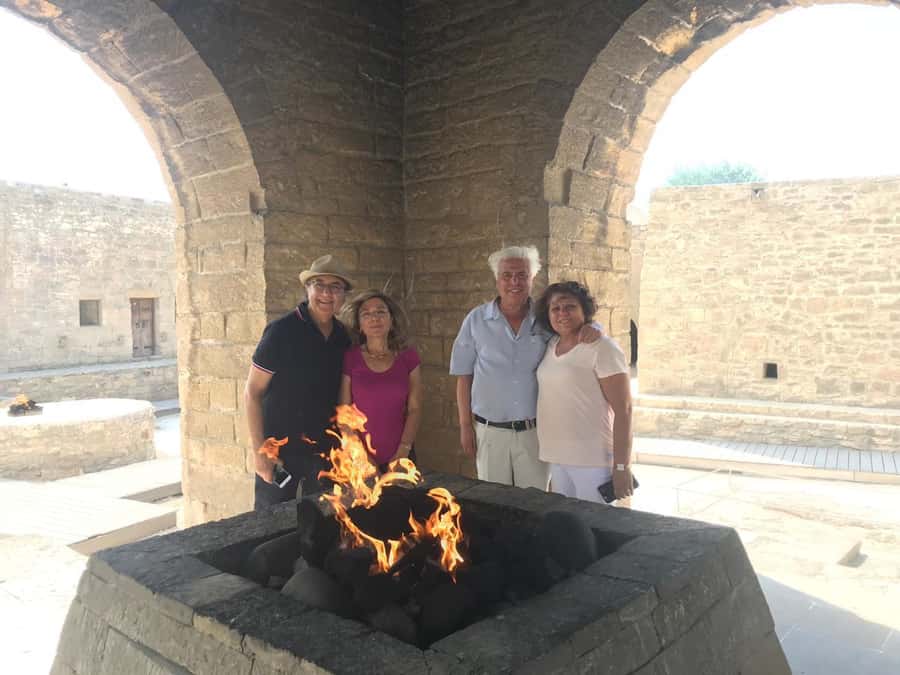
After lunch, the day turns spiritual in a very grounded way at the Ateshgah Temple. The tour describes it as a former holy place for fire-worshippers, tied to Zoroastrian traditions.
This is where the tour’s theme starts to pay off. You go from prehistoric rock art to living geology to fire worship, and it all connects through the idea that people shaped their lives around what they could see, predict, and mythologize. Even if your religious background is different, the site gives you a visual reason why fire mattered.
The visit is guided, with enough time to take in the setting without feeling like you’re just following a checklist. I also like that it’s not presented as a vague legend. It’s handled as a specific place with a specific function in the past, and that makes your mental picture sharper.
Because the group size can be private or small, you’ll usually get better interaction with the guide here. That’s the moment where questions often come up: why fire worship here, what people believed, and how these traditions survived in local memory.
Yanardag: The Burning Mountain That Refuses to Go Out
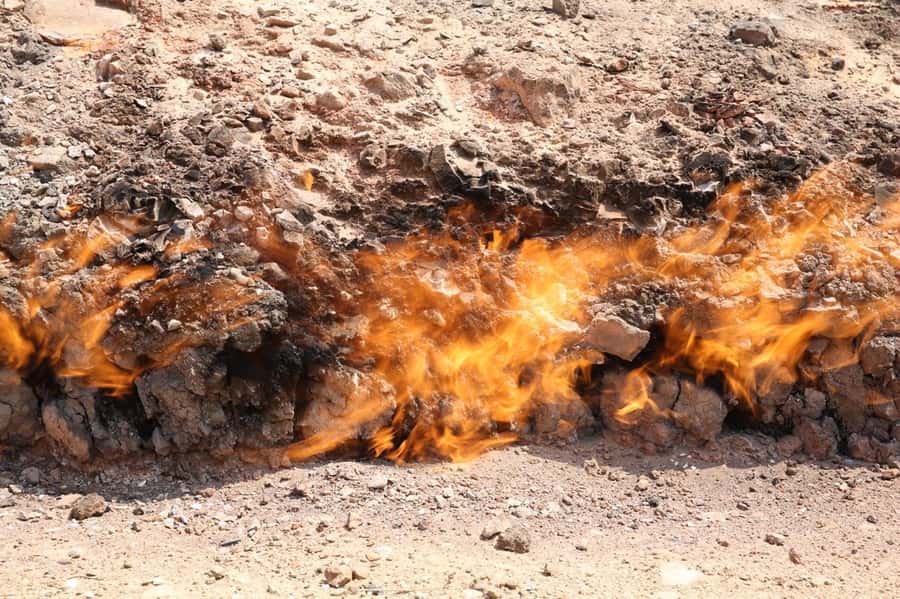
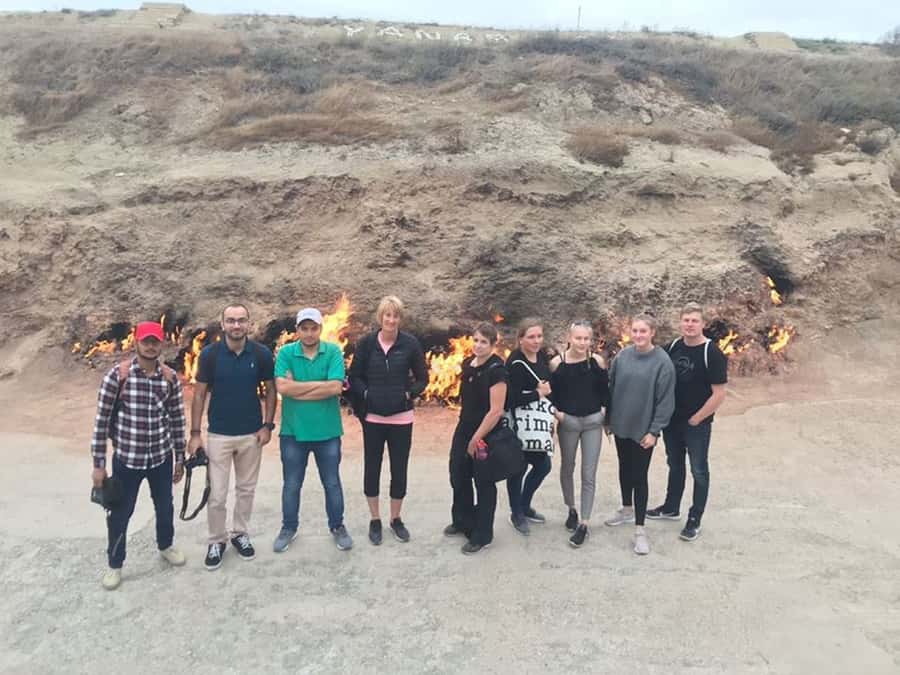
The finale is Yanardag, often described as the burning mountain. The tour explains it as a natural gas fire that blazes continuously on a hillside on the Absheron Peninsula.
This stop is pure atmosphere. You walk up to a real, ongoing flame and you’re reminded that sometimes the most dramatic “legend” has a physical cause. Yanardag isn’t an imitation or a trick display. It’s a functioning natural phenomenon, and that’s part of what makes it such a memorable closing act.
The tour provides guided time for sightseeing, usually around half an hour. That’s enough to take photos, watch the flame, and listen to the explanation without dragging the day into late evening. If you like calmer moments at the end of a trip, Yanardag is usually where that happens.
Also, if you’re traveling with family or friends, this is an easy site to enjoy together. People who don’t care about petroglyphs still tend to stop and stare here.
Price and Value: Why 29 USD Can Work for a Full Day
The listed price is about $29 per person, with a 6 to 8 hour duration. On paper, that looks like a budget half-day. In practice, it feels like better value because the tour covers several major locations outside the center of Baku, and it includes hotel pickup and drop-off plus transportation.
You’re paying for time and coordination. Instead of hiring separate rides or trying to stitch together Gobustan, mud volcanoes, and the fire sites on your own, you’re buying a structured route with a professional guide and ticket handling. The tour also notes skip-the-ticket-line benefits, which matters when popular sites get crowded.
Lunch isn’t included, and museum tickets or entrance fees are included only if you select the option. So you should budget for lunch separately and confirm what’s covered when you book. Even with that, this still tends to be strong value for a day built around multiple standout stops.
Duration matters too. A full 6–8 hours is a commitment, but it’s also what allows you to see both UNESCO rock art and the fire sites without losing an entire day to transit.
Guides, Groups, and How to Use the Time Well
Guides can make or break day tours, and this one has lots of praise for guide performance. Names that come up include Mahabat, Sayed, Elcan, Leyla, Musa, Aqil, Asaf, Nazir, Irana, and Janny. The consistent themes are clear storytelling, good question-answering, and a relaxed pace.
Language options are listed as English and Russian, and guides are described as capable of explaining the sites clearly in those languages. If your group includes mixed-language travelers, choose the language that gives everyone the best comprehension.
Group type can be private or small groups available. Smaller groups usually mean more breathing room at each stop, and you’re less likely to feel herded. Even if you join a larger group, the structure still helps: each site has a guided segment, then time for photos and your own reading of the place.
One practical tip: ask your guide for the quick version of what to look for at Gobustan before you head into the rock art areas. It makes the whole experience more “seeable,” not just “there.”
What I’d Pack and Plan for This Day Trip
This day is mostly outdoors at least part of the time, and you’ll be moving between multiple locations. Dress like you’re doing a long day of sightseeing: comfortable shoes, sun protection in warmer weather, and a light layer for changing conditions.
Because mud volcanoes may be skipped on rainy days, I’d also keep your schedule flexible if your trip dates are sensitive. If the weather is questionable, you’ll still have Gobustan and the fire sites as solid backups.
Bring water if you can. Some feedback specifically calls out the usefulness of water due to heat. Even if the tour provides a vehicle ride and structured stops, you’ll enjoy Yanardag more if you’re not running low on fluids.
Finally, charge your phone and camera batteries early. Yanardag and Gobustan are the kinds of stops where you’ll keep wanting one more photo.
Who Should Book This Tour (and Who Might Not)
This tour fits best if you want a concentrated Baku region story in one day: prehistoric art, industrial oil history, mud volcano geology, and fire-worship connections. It’s also a good option if you dislike shopping stops and prefer your time spent on sites with meaning.
You might skip it if you’re only interested in one narrow theme. If you’re solely focused on modern Baku architecture or museum-only days, this one will feel too wide-ranging. Also, if you strongly want mud volcanoes no matter what, watch the weather since rainy conditions can affect that stop.
For first-time visitors to Baku who want to see beyond the city, this is the kind of day trip that gives real perspective fast.
Should You Book This Gobustan–Mud Volcanoes–Fire Temples Day Trip?
I’d book it if your priority is variety with solid structure. The no-shopping format keeps the focus on what you came for, and the route links major sites without leaving you to figure out logistics. The guides are a major strength, and the mix of Gobustan rock art, mud volcano spectacle, and Yanardag’s continuous flame creates a day that feels memorable rather than generic.
If your dates are in a weather-risk window, go in knowing mud volcanoes may be skipped on rainy days. Still, you’ll likely end up with enough Gobustan and fire-temple time to make the day worthwhile.
FAQ
How long is the Baku Gobustan, Volcanoes, Fire Temple and Yanardag day trip?
It runs about 6 to 8 hours.
Where does hotel pickup and drop-off happen?
Pickup and drop-off are offered at multiple locations around Baku, with a guide meeting you at your hotel lobby. The exact pickup time is confirmed by the provider the day before.
Is lunch included in the price?
No. Lunch is available at a buffet-style restaurant where you can purchase a meal for roughly 8–12 USD.
Are there shopping stops on this tour?
This is described as a no-shopping stop tour, focusing on the historic and natural highlights instead.
What happens if it rains?
On rainy days, the mud volcano visit may be skipped for safety reasons.
What sites are included during the day?
The day includes stops for Gobustan National Park and its petroglyph museum, mud volcanoes, the Ateshgah Temple, and Yanardag, plus a stop near Bibi-Heybat connected to an industrialized oil well.
Are museum tickets included?
Museum tickets and entrance fees are included if you select the option.
How much does it cost?
The price is listed as $29 per person.
What languages are the guided explanations available in?
Guidance is available in English and Russian.