REVIEW · CAPE TOWN
Cape Town: Langa Township Walking Tour
Book on GetYourGuide →Operated by seemore tours · Bookable on GetYourGuide
Township stories start right on your doorstep. This Cape Town Langa walk is led by people from the neighborhood, with culture stops around Guga S’thebe and community projects that explain how the past lives on.
I like this tour for two big reasons. First, you get a clear history starter, including why Langa’s name is tied to Xhosa meaning for sun and how apartheid-era policies shaped the township’s growth. Second, I really like the human scale: you’re not just looking from the sidewalk—there’s a local home visit and time at art and heritage spaces where people can answer your questions in context.
One possible drawback: this is a walking route with real-life contrasts, so it can feel heavy at times, and you’ll want to be ready for etiquette moments like tipping and donation requests.
In This Review
- Key things that make this Langa walk worth your time
- Why the Langa walking tour hits differently than a typical Cape Town outing
- Price and what $37 actually buys you in real terms
- Starting point on King Langalibalele Drive: get oriented fast
- Guga S’thebe: where the culture starts before the walking begins
- History that isn’t trapped in a textbook
- Langa Heritage Museum and art stops: learning through exhibits and murals
- The community center, social projects, and youth support you can actually picture
- A local home visit: respectful, not sensational
- Langa Market and food: taste local life, with your budget in mind
- Donations, tipping, and what to bring (and what to skip)
- Safety and comfort: how to handle a walk in a real neighborhood
- Who should book this Langa township walking tour
- Practical packing checklist for Langa
- Should you book this Cape Town Langa walking tour?
- FAQ
- How long is the Cape Town Langa Township Walking Tour?
- What does it cost?
- Where do I meet the tour?
- Is the tour guided in English?
- What’s included in the tour?
- Should I bring money or small gifts?
Key things that make this Langa walk worth your time

- Local guides from Langa lead the day, and you might get a guide like Mike Zuma, Wanda, Thando, or Kido, who tailor the pace to questions.
- Guga S’thebe sets the tone with arts, crafts, and a traditional dance show (about 15 minutes), often with music energy right away.
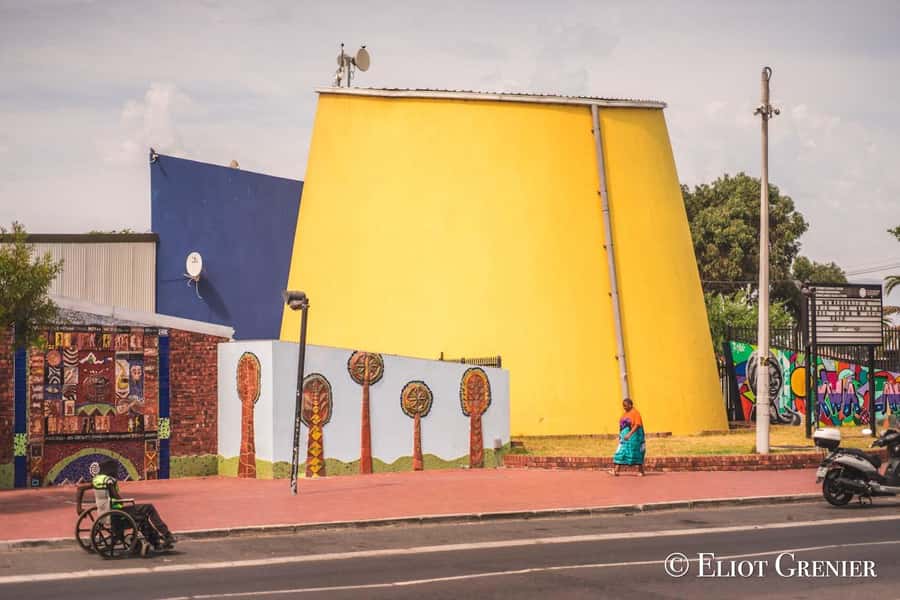
- Heritage and art are part of the story, including Langa Heritage Museum and street murals that reflect struggle, hope, and daily identity.
- You’ll see community projects, not just buildings, with discussion of cooperatives, youth programs, and social enterprises.
- A home visit adds perspective, showing everyday life beyond the usual photos-and-views tourism.
- Bring small cash and skip random school-supply giveaways, since some guides strongly prefer donations (and may discourage pencils/books for kids).
Why the Langa walking tour hits differently than a typical Cape Town outing
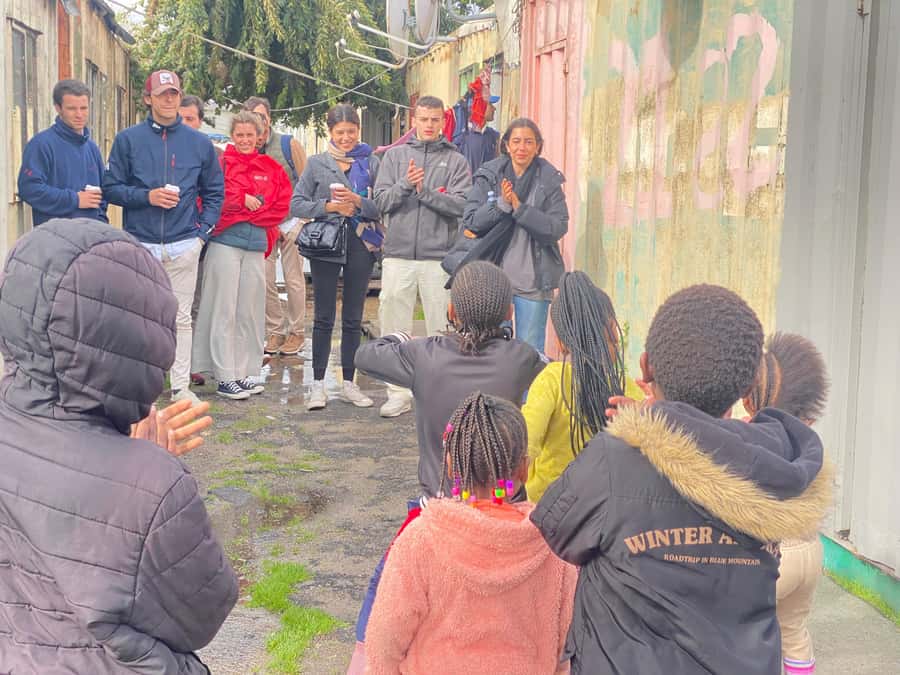
Cape Town can be easy to tour like a brochure: views, drives, a few highlights, then back to the hotel. Langa is different. On this walk, you’re dealing with a living neighborhood where history, art, and survival skills all sit next to each other.
What I like is how quickly the tone becomes personal. You’ll start with cultural anchors at Guga S’thebe—arts and a short traditional dance show—then the day turns into a guided conversation about how people build a future where resources are tight. It’s also explicitly designed so the guiding work benefits Langa directly, which changes the feel of the visit from spectator mode to shared effort.
At around 150 minutes, it’s long enough to feel like you actually learned the place, but not so long that it becomes a blur. And the most repeated theme from guide experiences is that you’re treated with respect and you can ask questions. That matters, because townships aren’t a theme park. You’re walking through real streets, with real residents who decide how much to share—and that’s part of the value.
You can also read our reviews of more tours and experiences in Cape Town.


Price and what $37 actually buys you in real terms
At $37 per person for about 2.5 hours, this tour is priced like a “full value” activity, not a cheap add-on. Why? Because you’re paying for several things that often cost extra elsewhere: a live English-speaking guide, entrance-style access to key stops (with ticket-line skipping mentioned), and structured time at heritage and arts locations.
You also get something harder to price: being guided by someone connected to Langa. Multiple guides are described as Langa residents with strong English and a deep sense of what visitors should understand. That’s not just narration. It’s context—why murals look the way they do, why certain projects exist, and what development efforts are trying to fix.
One practical note: food and crafts purchases are not listed as included, so if the day includes a food stop or you want to buy something at the market, plan for spending money on the spot. The market visit is part of the cultural walk, but the tour isn’t promising a built-in shopping spree.
Starting point on King Langalibalele Drive: get oriented fast

You’ll meet at Guga S’thebe Art Center, in the King Langalibalele Drive area (42 King Langalibalele Dr). I’d treat this as a useful orientation moment rather than just a meet-and-greet. When you start at a cultural center, you’re already in the right mindset: arts first, story second, then streets.
The tour runs as a guided walk back into the neighborhood’s main areas, with a few short pauses built in—like a quick photo stop (around 10 minutes). That short photo window is good planning. You’ll want your camera ready, but you won’t be stuck stopping every ten steps.
Also, the day is built for interaction. You’re likely to meet residents and community-linked people during the cultural center time and community-project stops. That’s why arriving on time matters. If your group shows up late, it compresses the moments when the guide can make introductions smoothly.
Guga S’thebe: where the culture starts before the walking begins

Guga S’thebe is more than a quick stop. It’s where the tour earns its credibility by beginning with culture you can see and hear, right away. Expect an arts and crafts market visit plus a traditional dance show lasting about 15 minutes.
In guides’ descriptions, there’s often music energy too. Some groups begin with local drumming lessons tied to the community center vibe. Even if you don’t get the exact same moment, the idea is consistent: this is where you start learning how Langa expresses itself through sound, movement, and art.
This is also where you’ll likely pick up early guidance on behavior and respectful photography. In a place like this, that guidance isn’t “nice to have.” It helps you avoid awkward moments and makes residents more comfortable sharing their stories.
History that isn’t trapped in a textbook
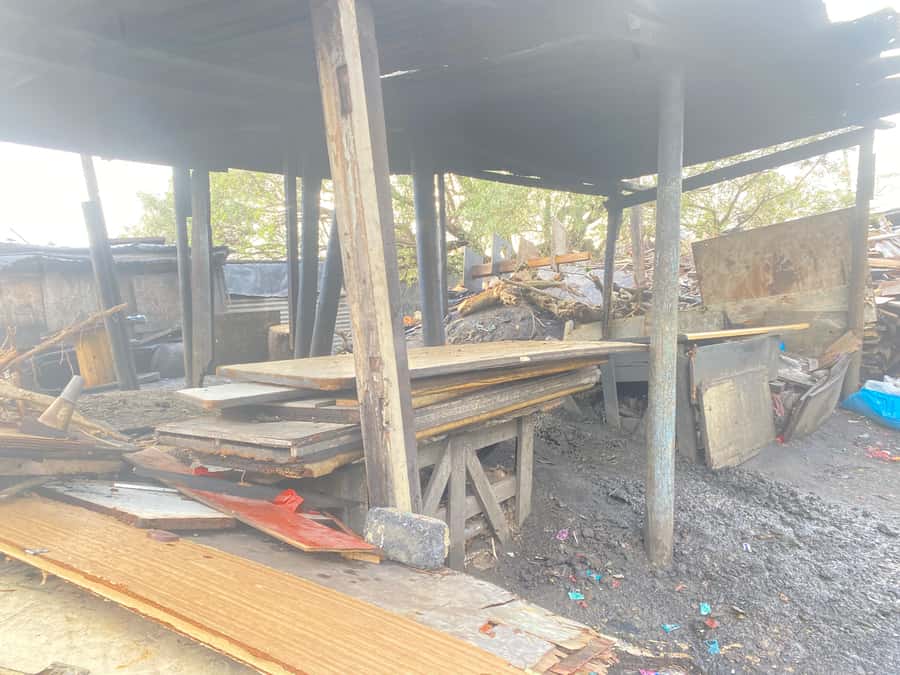
After the cultural start, the walk becomes a history lesson that stays connected to real street life. You’ll hear about Langa as one of the oldest townships in South Africa, established in the 1920s, and you’ll connect that timeline to the apartheid-era forces that shaped where people lived and how opportunities were controlled.
One detail I’d call out because it helps make the history stick: the meaning of the name. Langa is explained through Xhosa, including that the name is associated with “sun.” That kind of language detail turns history into something human, not abstract.
The tour also addresses the socio-economic challenges people still face today, without turning the day into pure doom and gloom. You’ll hear about ongoing efforts for development and empowerment. The goal is balance: understand the constraints, then understand the work being done to push beyond them.





Langa Heritage Museum and art stops: learning through exhibits and murals
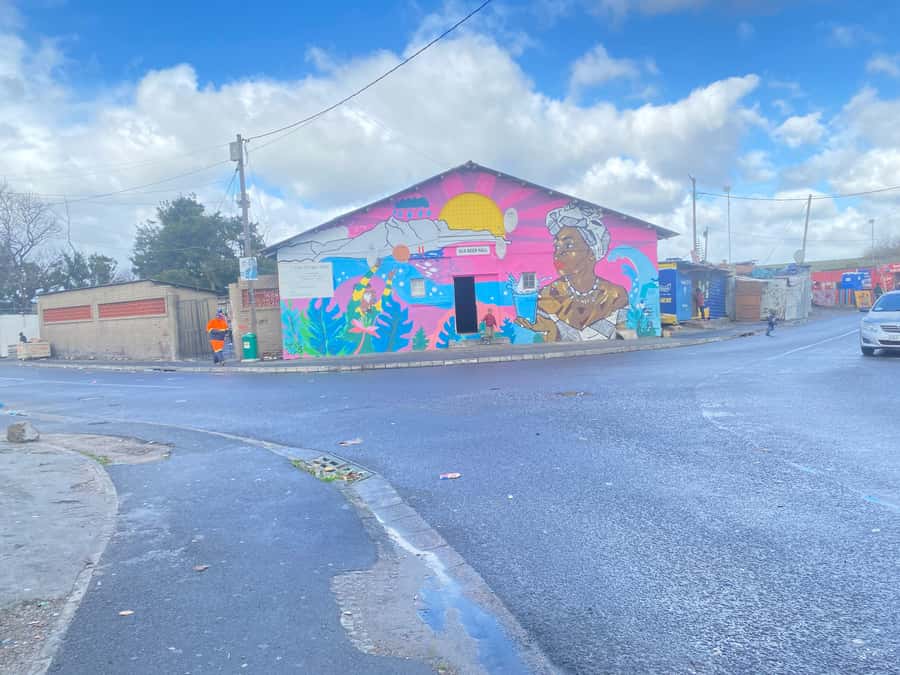
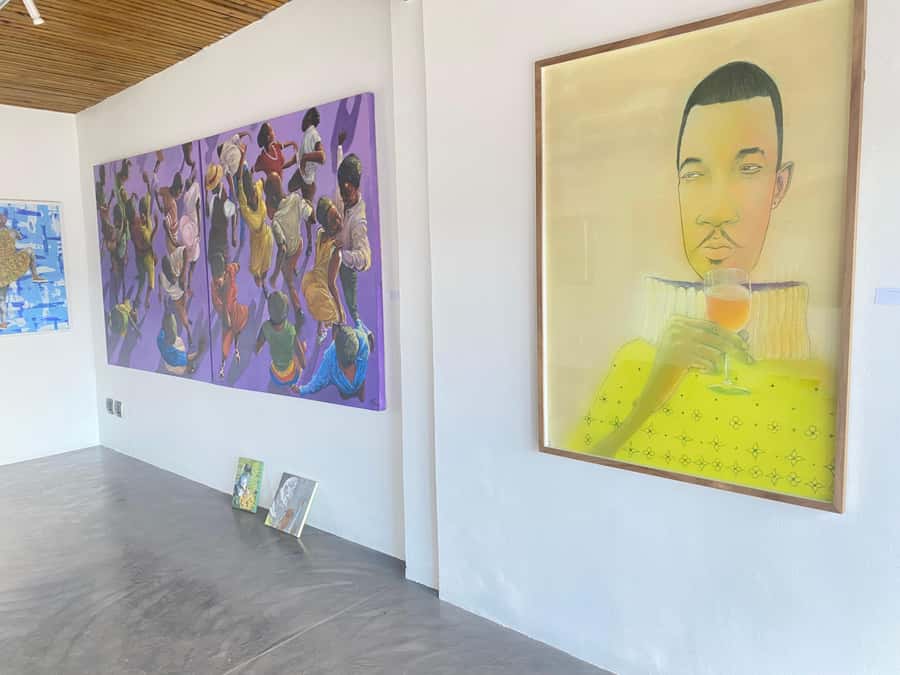
A standout part of this tour is how it mixes “indoor learning” with “street learning.” You’ll visit Langa Heritage Museum and also spend time with arts spaces like Guga S’thebe and a Langa art gallery stop (listed as an art gallery on 16).
Then comes the street art. Murals aren’t just decoration here. The guide uses them as visual commentary—showing struggles, hopes, and aspirations, and explaining how art works as identity and social message.
I like that this combination keeps you from thinking you understand the place after one museum visit. Museums give structure. Murals give immediacy. Put together, you see how memory and current life overlap.
Practical upside: there’s mention of skipping ticket lines, so you’re less likely to waste time waiting around indoors. That keeps the day moving while the guide’s story stays fresh.
The community center, social projects, and youth support you can actually picture
This is where the tour shifts from “learning about Langa” to “learning how Langa works.” You’re guided through community-linked projects and initiatives, including discussions of cooperatives and educational programs aimed at youth.
In real conversation terms, this means you’ll hear about what people are building—small businesses, training pathways, and community spaces designed to help the next generation. Some guides are very clear about showing how residents meet daily needs while also planning for longer-term improvement.
You may also spend time at visitor-center type spaces connected to arts and community activities, where you can see the work in motion rather than only hearing about it.
What to watch for: the tour doesn’t pretend everything is solved. Expect honest talk about constraints. The value is that the guide also points to what’s improving and who’s pushing change.
A local home visit: respectful, not sensational
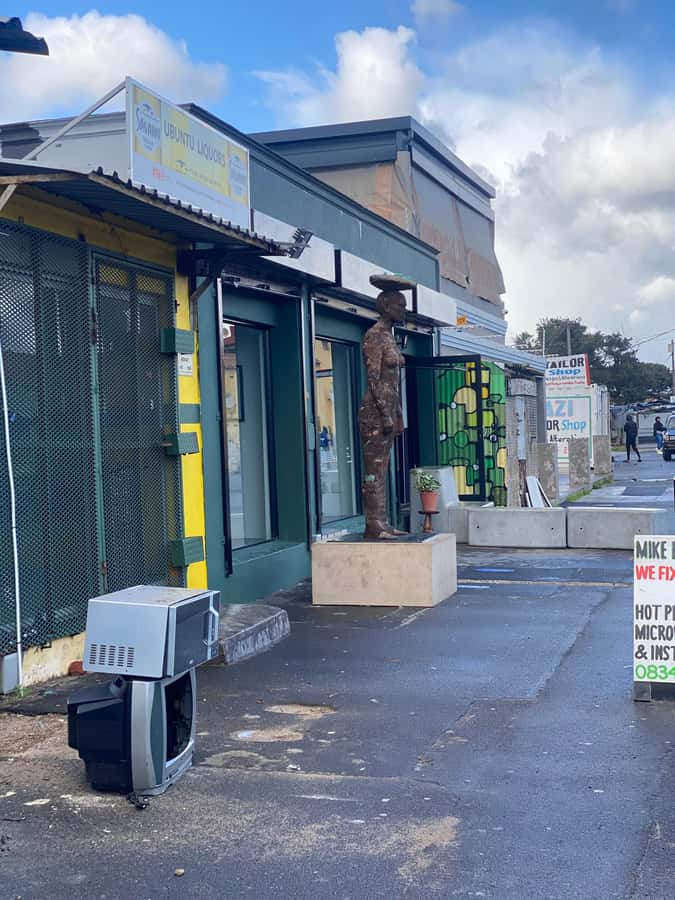
One of the tour inclusions is visiting one local home. That is the part that can change your perspective the most, because it turns the tour into something closer to a conversation than a sightseeing session.
This is also where respectful behavior matters most. Don’t assume you can wander, take long videos, or treat the visit like content. Follow the guide’s lead. If the group is offered an invitation into a home space, keep your questions focused and your tone warm.
It’s also a reminder that townships aren’t “areas” in your frame—they’re households, family routines, and personal decisions. That’s why the home visit is priced like a major component, not a small bonus stop.
Langa Market and food: taste local life, with your budget in mind

The tour includes time connected to a market feel—arts, crafts, and browsing. Even if you don’t buy anything, the market stop helps you see how small businesses operate and how artisans present their work.
Food can be part of the experience too. Traditional options you might encounter in the tour context include dishes like bunny chow, braai, or koeksisters, and some tours include a bite at a local spot.
Here’s the practical advice: don’t count on food being covered since it’s not clearly listed as included. Carry some spending money. If your guide encourages a specific purchase that supports a local business, that’s usually the point.
If you do buy something, keep it simple and cash-friendly. That also lines up with the broader “bring small cash” theme that comes up again and again.
Donations, tipping, and what to bring (and what to skip)
This tour explicitly reminds you to tip your guide, and the day tends to include moments where your guide directs you toward community initiatives.
From guide advice shared in traveler experiences, I’d follow three rules:
- Bring small cash, because you’ll likely see donation points and on-the-spot requests.
- If you want to help kids, follow your guide’s guidance about what’s appropriate. Some guides suggest bringing candy or small toys.
- Skip handing out school supplies like pencils or books. One guide explicitly discouraged it because items can trigger conflict among children and create pressure.
In practice, donations generally fit better than surprise gifts. It’s also more respectful, because your guide can suggest where it’s needed most and how to handle it responsibly.
Safety and comfort: how to handle a walk in a real neighborhood
Safety on this tour is repeatedly described as strong, with guides creating a steady, controlled flow. That doesn’t mean you should act on autopilot. Use common sense.
Keep your phone secure when not in use. Use your camera during the designated photo moments. Stay with the group. Let your guide handle conversations if someone approaches.
Also, dress like you’re walking for a while. The guidance is clear: wear comfortable shoes and clothes for the walking tour. You’ll be on your feet, and the ground is not designed for “vacation sneakers that look cute but don’t grip.”
The emotional side matters too. You’ll see tough realities and development challenges. The good part is you won’t see those topics in isolation—your guide also points to resilience and community work.
Who should book this Langa township walking tour
This is a smart choice if you want more than postcard Cape Town. Book it if you care about:
- understanding how Cape Town’s neighborhoods connect to the country’s political history
- seeing culture through murals, community arts spaces, and museums
- meeting locals through a guide who lives the story
It’s especially good for people who like asking questions and want guided context. If you prefer silent sightseeing only, this may feel too conversational.
One more fit note: the tour is listed as not suitable for wheelchair users, even though there’s also a wheelchair-related accessibility line. Because this is walking-heavy, confirm with the operator if you have mobility concerns.
Practical packing checklist for Langa
Keep it simple. I’d plan for a straight, comfortable day:
- comfortable shoes with good grip
- breathable clothes (the walk is long enough to matter)
- a light layer in case the weather shifts
- cash in small bills for tipping and donation moments
- your camera, but expect it to be managed with etiquette
If you’re tempted to bring gifts for kids, ask your guide what works best first. That approach matches the guidance you’ll hear on the ground and helps prevent the awkward situations people can accidentally create.
Should you book this Cape Town Langa walking tour?
Yes, if your goal is to understand Cape Town beyond the usual highlights. For $37 and about 150 minutes, you get a concentrated mix of history, art, community projects, and a home visit—plus the value of guiding that stays rooted in Langa itself.
Skip this only if you want a low-walking, comfort-first tour with minimal discussion. Langa is real life, not staged entertainment, and the day can carry heavy topics. If that doesn’t fit your travel style, pick a different kind of Cape Town activity.
If it does fit your style, this is one of the most direct ways to see a complex side of South Africa with context you can actually use.
FAQ
How long is the Cape Town Langa Township Walking Tour?
The tour runs for about 150 minutes, roughly 2.5 hours.
What does it cost?
The price is listed as $37 per person.
Where do I meet the tour?
You meet at the Guga S’thebe Art Center area (King Langalibalele Dr / 42 King Langalibalele Dr).
Is the tour guided in English?
Yes. The live tour guide speaks English.
What’s included in the tour?
Included items are a qualified guide, a visit to one local home, a Langa art gallery stop, and the tour generally includes cultural center time with an arts/crafts market visit and a traditional dance show.
Should I bring money or small gifts?
Bring small cash for tipping and for the community stops, since your guide may encourage donations. If you want to bring something for children, follow your guide’s preferences and avoid bringing items that could cause conflict.