REVIEW · MARRAKESH
Marrakech: Moroccan Cooking Workshop at La Maison Arabe
Book on GetYourGuide →Operated by La Maison Arabe Marrakech · Bookable on GetYourGuide
Tea, tajine, and a real cooking setup. This workshop pairs a spotlessly clean kitchen with hands-on lessons led by a traditional cook, plus live translation so you actually get the why behind each step. The one thing to weigh is the price, since $35 is higher than many Marrakech cooking classes.
You’ll start near the Riad-Hotel La Maison Arabe (or be guided to the quieter garden area), then move into individual stations with fresh local ingredients and modern tools. Depending on the length you book, you’ll also add Morocco’s tea ceremony and flatbread-making to your meal, not just the cooking.
It’s a great choice if you want practical skills and a calm break from the medina. Just note it’s not suitable for wheelchair users and children must be 12 or older.
In This Review
- Quick hits: what makes La Maison Arabe different
- Finding La Maison Arabe and getting into the right mood
- Pick your workshop length: 1 hour vs 3 hours
- The kitchen setup: why cleanliness and tools matter
- Tea ceremony and flatbread: Morocco’s flavor primer
- Cooking with a dada: spices, technique, and live translation
- What you eat: lunch, tasting, and that sit-down payoff
- Price and value: what $35 buys you in Marrakech
- Who should book this workshop, and who should skip it
- Tips to get the best results (and feel comfortable)
- Should you book La Maison Arabe?
- FAQ
- How long is the Moroccan cooking workshop?
- Where do I meet for the class?
- What’s included in the experience?
- Are drinks included or allowed?
- What languages do instructors offer?
- Is it suitable for children or wheelchair users?
Quick hits: what makes La Maison Arabe different
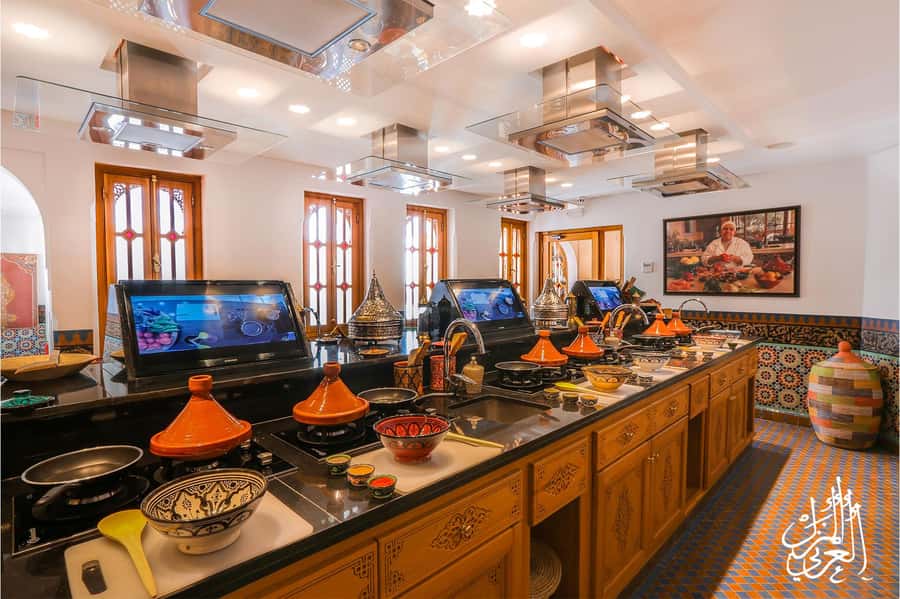
- State-of-the-art, individual workstations so you’re doing the work, not watching it
- Tea ceremony plus flatbread as part of the food experience, not tacked on at the end
- Small-group feel with clear, patient teaching, often with a screen to follow steps
- A gift at the end, including a small tagine mentioned by many people
- Two time options: a faster express class or a longer session with more dishes
Finding La Maison Arabe and getting into the right mood
Your meeting point is simple: the front desk of La Maison Arabe. You’ll then head into the experience from there, either near the riad area or sometimes toward the secret gardens away from the medina’s constant motion. That small shift matters. It’s easier to focus when you’re not arriving to a loud, crowded scene.
Even if you’re short on time, I like that the class starts with structure. People describe the team as polite and organized, and that shows in how smoothly the group gets moving. You should still plan to arrive a few minutes early so you can settle in, get your water, and feel ready to cook.
The setting is also part of the value. You’re not just buying a recipe. You’re buying a comfortable place to learn and cook without the usual friction.
You can also read our reviews of more tours and experiences in Marrakesh.



Pick your workshop length: 1 hour vs 3 hours
La Maison Arabe gives you two main formats: an express 1-hour workshop or a 3-hour cooking workshop. The express version is best when you want something fun and fast, like a hands-on taste of Moroccan technique and flavors without a long time commitment.
If you have the time, the 3-hour session is where you get the full rhythm of the meal. It includes starters, a main dish in the tagine or couscous style, dessert, plus the tea ceremony and a flatbread-making demonstration. People also mention that the session includes sitting down to eat what you prepared, not just cooking and leaving.
One practical drawback: even in the 3-hour format, you may not be actively chopping and stirring every minute. That’s not bad, but it’s worth knowing. Some time is spent on explanations, tea ritual, and demonstrations, so the schedule feels like a cooking experience, not a continuous prep line.
The kitchen setup: why cleanliness and tools matter
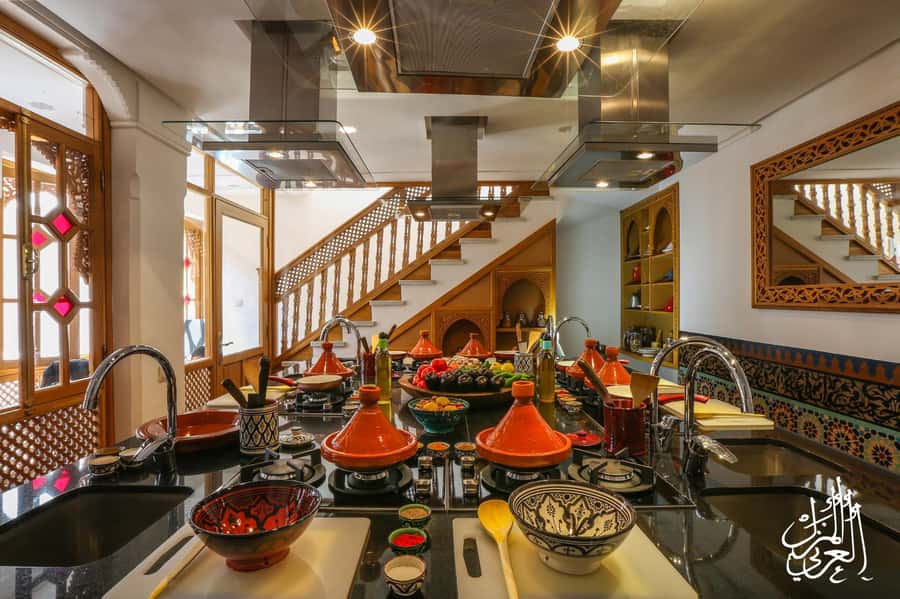
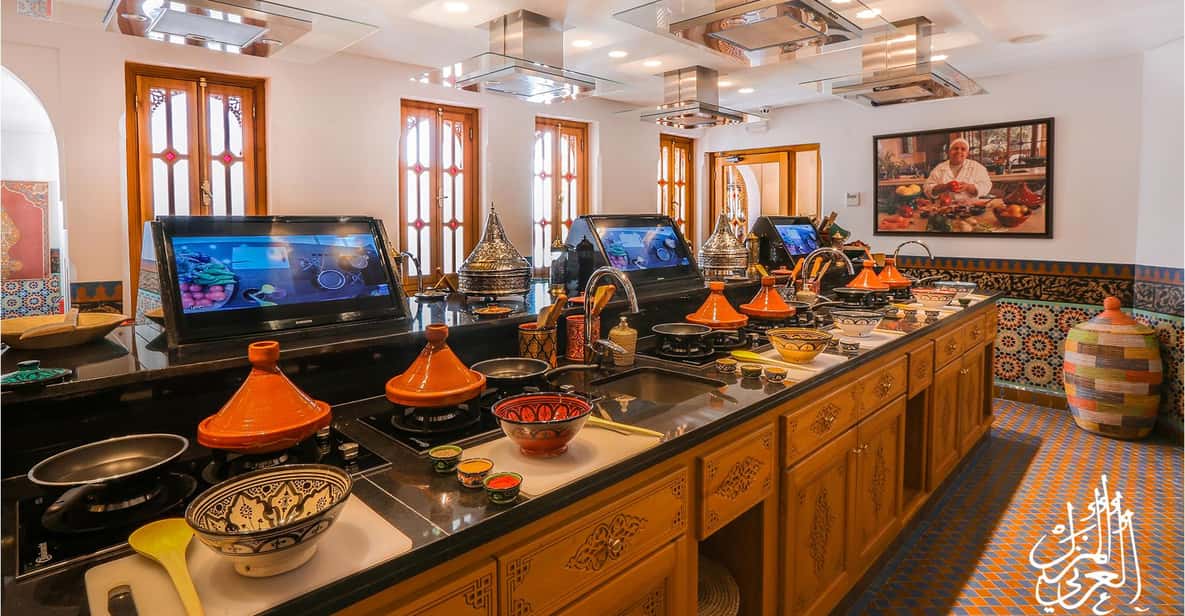
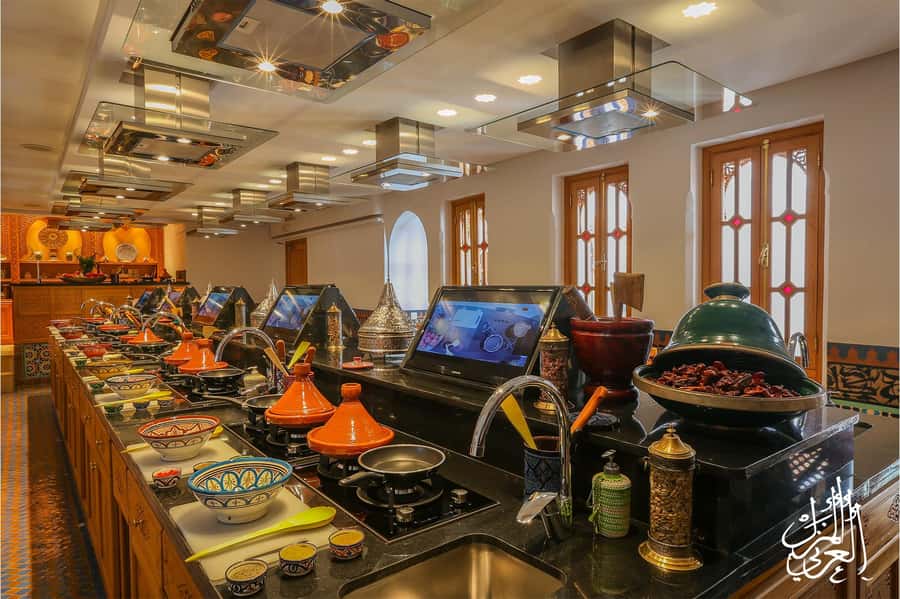
This is one of the most praised parts of the experience: the workspace is very clean and clearly set up for teaching. People repeatedly call out the cleanliness and the professional organization, and it’s easy to see why that changes the class.
When your station is organized, you don’t waste time hunting for ingredients or tools. And when everything looks and feels well maintained, you feel comfortable cooking right away. Many participants describe having their own station, which means you control what goes into the pot and how it’s handled.
You also get modern support for following steps. Some people note instructions displayed with a screen, which helps if you’re not fluent in Arabic or French. It turns the cooking into something you can repeat later instead of a blur of vague directions.
Tea ceremony and flatbread: Morocco’s flavor primer
The tea ceremony is not treated like filler. It’s part of the learning flow. People mention learning the Moroccan tea ritual and getting explanations while the tea is served, which helps you understand why the experience is more than just drinking something warm.
Flatbread making enters as a demonstration (and it’s a smart one). You see the technique, you connect it to how the meal is served, and you leave knowing how this bread fits into Moroccan eating culture. In Morocco, bread is often the tool for enjoying sauces and dips, so even a short demonstration adds meaning to the rest of the cooking.
If you’re planning your day in Marrakech, I’d treat the tea and flatbread segments as the moments that slow the experience down. They’re the break between the hands-on steps and the final meal, and they help everything feel cohesive.
Cooking with a dada: spices, technique, and live translation
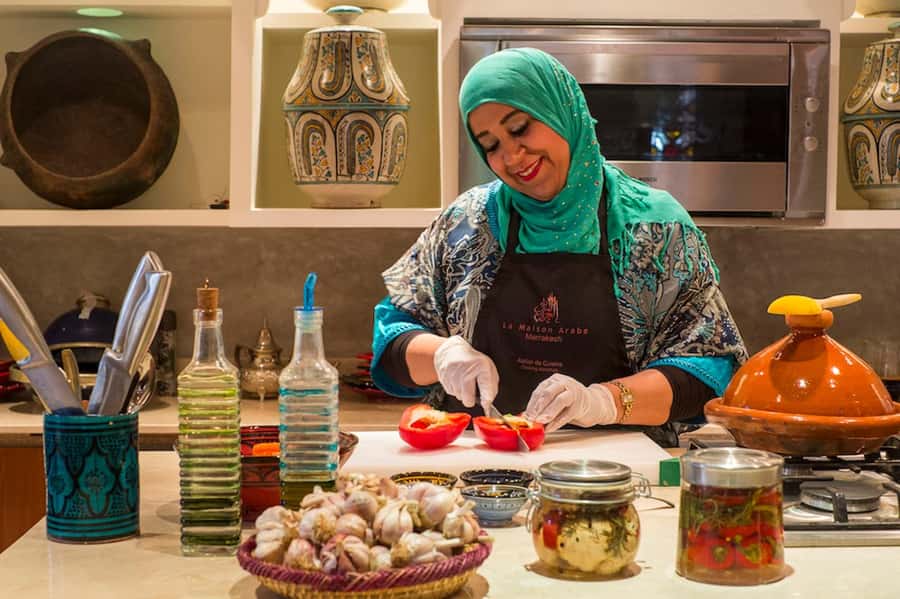
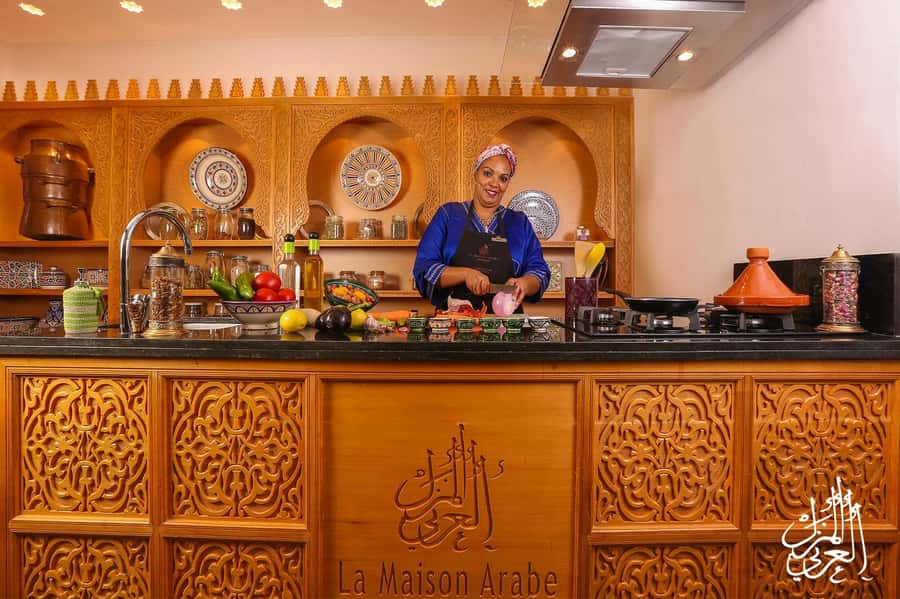
The heart of this workshop is the combination of fresh ingredients and guided technique. You learn from an experienced traditional Moroccan cook, often referred to as a dada, and a translator supports the group so the instructions land clearly.
You’ll hear names like Chef Hayat, Mohammed, Wafa, Chef Sanaa, Fatiha, and Rokaya in the feedback, and the common thread is patience. People consistently describe instructors as friendly, enthusiastic, and clear about what they’re doing and why.
Live translation matters here because Moroccan cooking has its own logic. Spices aren’t random. Chopping styles, timing, and heat levels are all part of the outcome. When you understand the method, you can recreate it later at home with fewer guesses.
One more detail I really value: you’re cooking with fresh local ingredients of high quality and using modern equipment. That combo makes your dish feel reliable. Even beginners can get a satisfying result, and you’ll likely leave with a recipe you can follow again.




What you eat: lunch, tasting, and that sit-down payoff
After the cooking and learning, the meal is the reward. Your experience includes food tasting and a sit-down lunch. You also get afternoon tea, so you’re not scrambling for snacks afterward.
In the 3-hour workshop, the meal tends to cover multiple parts of a traditional Moroccan spread: starters, a main dish such as tagine or couscous, and dessert. For the express version, the focus is tighter: you’re cooking one traditional dish and then eating what you make.
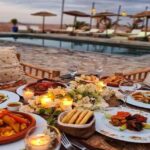
Many people say the timing feels relaxed. You don’t feel herded out the door the moment your pot is done. And some sessions include extra atmosphere—one participant specifically mentions rooftop dining—so if you’re curious about the setting, bring a little extra time in your schedule and enjoy the moment.
Finally, there’s a small ending touch that keeps showing up: a gift, including a small tagine. It’s not essential, but it signals a “thank you” feeling, not a rushed exit.
Price and value: what $35 buys you in Marrakech
At $35 per person, this isn’t the cheapest cooking class in Marrakech. But the price makes more sense when you look at what you’re getting: a clean, modern teaching kitchen, individual stations, live translation, and a full food experience that includes tea and lunch.
If you’re comparing options, I’d weigh these factors:
- You cook at your own station, so the class feels hands-on.
- The instructors include translation, so you don’t lose the meaning of the technique.
- The location and setup reduce stress. You’re learning somewhere designed for this, not squeezed into a chaotic corner.
- You eat multiple parts in the longer format, which is usually where the value jumps.
Two small cost-related considerations to keep in mind. Drinks are not included, and also not allowed in the workshop. Tea is part of the program, but if you rely on other beverages, plan around that. Also, transportation to/from attractions isn’t included, so you’ll want to handle getting there yourself.
Overall, if you want a class that feels organized and repeatable at home, the price feels fair.
Who should book this workshop, and who should skip it
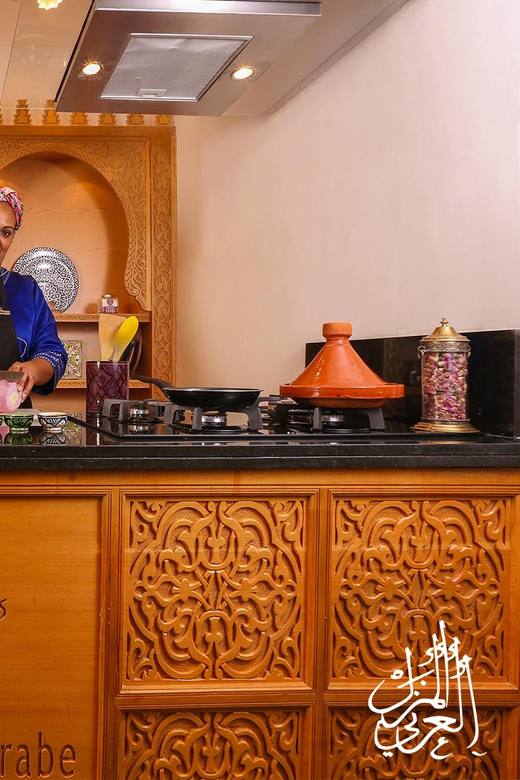
This is a strong pick for couples, solo travelers, and small groups who want a break from navigating the medina while still doing something deeply Moroccan. People also describe it as fun for different ages, but the official rule is children under 12 are not suitable.
It’s also not designed for wheelchair users. If mobility is an issue, you’ll need to look at other options in Marrakech that explicitly handle accessibility.
You’ll also enjoy this if you care about learning technique over just collecting photos. The workshop teaches you how ingredients and heat work together, and the tea and flatbread segments give you context for how the meal fits into everyday Moroccan life.
Tips to get the best results (and feel comfortable)
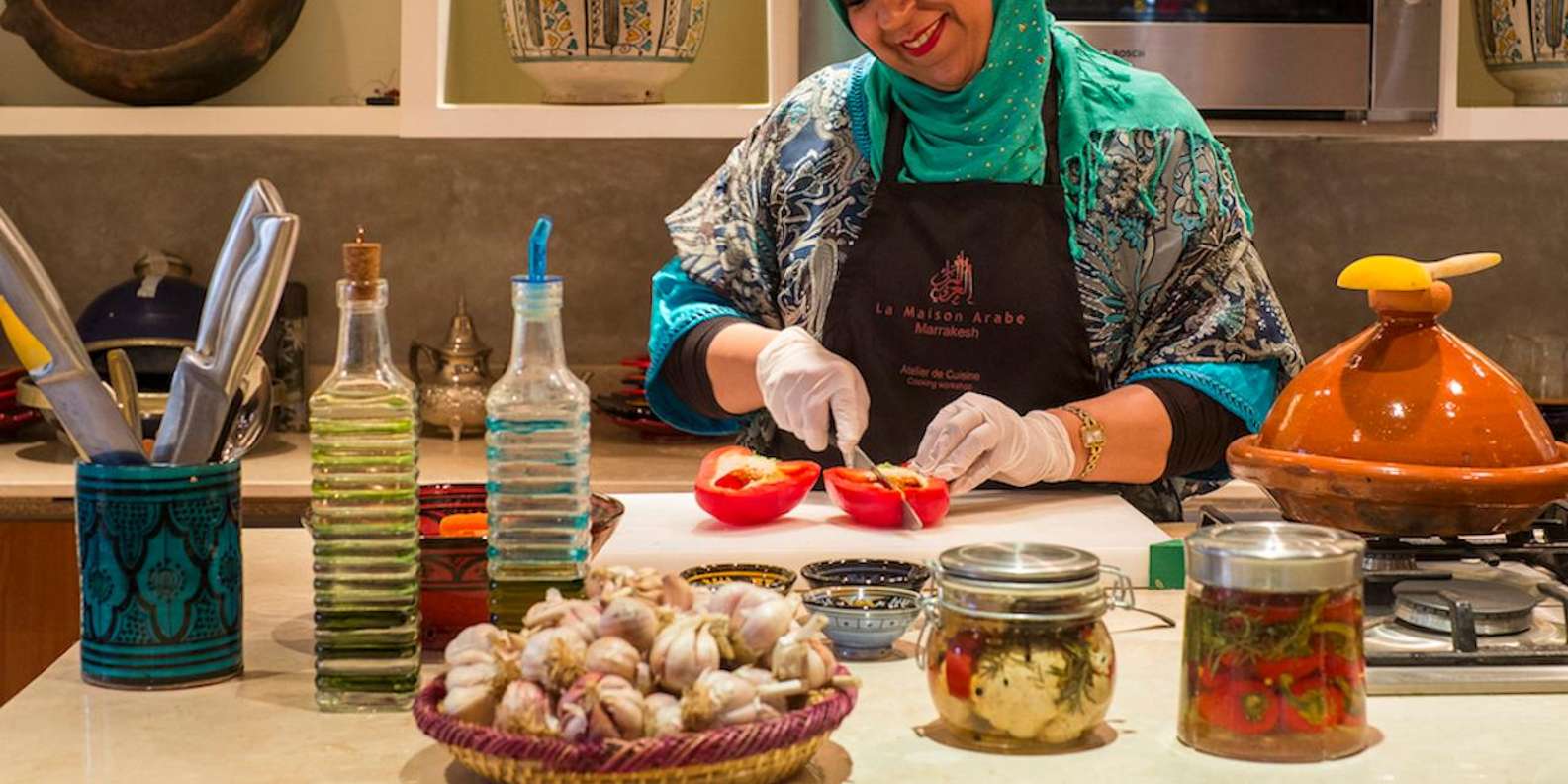
Bring water and wear comfortable clothes. That’s not a throwaway line. You’ll be working with warm ingredients and moving around your station.
Because drinks are not allowed, don’t count on grabbing anything during the class besides what’s included in the program. If you tend to get thirsty while cooking, arrive a bit early and take care of it before you start.
If you’re choosing between the two times, here’s my practical take:
- Choose the 1-hour express if you’re short on time and just want a confident first Moroccan dish.
- Choose the 3-hour if you want the fuller meal flow: starters, main (tagine or couscous), dessert, plus the full tea-and-flatbread experience.
If language matters to you, this workshop runs in Arabic, English, and French, and you’ll have live translation during teaching. That support is one of the biggest reasons the class feels easy to follow.
Should you book La Maison Arabe?
Yes, if you want Moroccan cooking with a calm, clean kitchen and real instruction you can use again. The strong points—clean facilities, individual stations, live translation, tea ceremony, and eating what you make—add up to more than a short activity. It’s a full food experience with practical takeaways.
Skip it only if $35 feels too tight for your budget, or if you need a workshop that allows drinks beyond tea and program service. Also, don’t book if wheelchair access is required, since it’s not suitable for wheelchair users.
FAQ
How long is the Moroccan cooking workshop?
You can choose an express 1-hour workshop or a 3-hour cooking workshop. The exact start times depend on availability.
Where do I meet for the class?
The meeting point is the front desk of La Maison Arabe.
What’s included in the experience?
The workshop includes afternoon tea, food tasting, lunch, and live commentary. Live entertainment is also included.
Are drinks included or allowed?
Drinks are not included, and drinks are not allowed during the workshop.
What languages do instructors offer?
Instructors provide instruction in Arabic, English, and French, with live translation.
Is it suitable for children or wheelchair users?
It’s not suitable for children under 12 and not suitable for wheelchair users. You should also wear comfortable clothes and bring water.