REVIEW · MARRAKESH
From Marrakech: Merzouga 3-Day Desert Safari with Food
Book on GetYourGuide →Operated by Ando Travel Ltd · Bookable on GetYourGuide
This desert trip is nonstop Morocco magic. You get sunrise and sunset camel rides plus a real night in a Berber camp under stars, and the UNESCO stop at Aït Ben Haddou makes the road feel cinematic. The one thing to watch: it is a long day of driving, and the desert nights can get brutally cold.
What I like most is that the itinerary mixes big-name sights with hands-on desert time. You’ll travel in an air-conditioned minibus or minivan with a multilingual guide-driver, sleep in an AC hotel with private bathroom on night one, then switch to a desert camp tent with either shared or private facilities. For value, it also includes dinner, breakfast, camel rides, and entertainment around campfire music and Tam Tam drums.
In This Review
- Key Highlights You’ll Actually Feel
- The 3-Day Pacing: Big Sights Without Feeling Rushed
- Day 1: Crossing the High Atlas Mountains Past Berber Villages
- Aït Ben Haddou: UNESCO Kasbah Time and a Lunch Break
- Ouarzazate and Dades Valley: The Gate of the Sahara Road Trip
- Day 3 Morning: Tinghir and Todgha Gorges Canyon Walk
- Merzouga Camel Caravan: Erg Chebbi at Golden Hour
- Desert Camp Night: Dinner Under Stars, Drums, and Real Cold
- Food and Drinks: What’s Included, What You’ll Pay for
- Standard vs Luxury Camp: Where Your Money Goes
- Optional Add-Ons: Quad Biking and Sandboarding Choices
- Drivers and Guides: The Real Secret Sauce
- Practical Stuff You’ll Be Glad You Planned
- Should You Book This Marrakech to Merzouga Safari?
- FAQ
- What does the Merzouga 3-day desert safari include?
- How long is the tour and what time does it start?
- Where do you go on the route?
- What’s the difference between standard and luxury desert camp tents?
- Are camel rides included, and are there alternatives?
- Is quad biking included?
- Is sandboarding included?
- Where are meals included?
- What language options and pickup method are provided?
Key Highlights You’ll Actually Feel
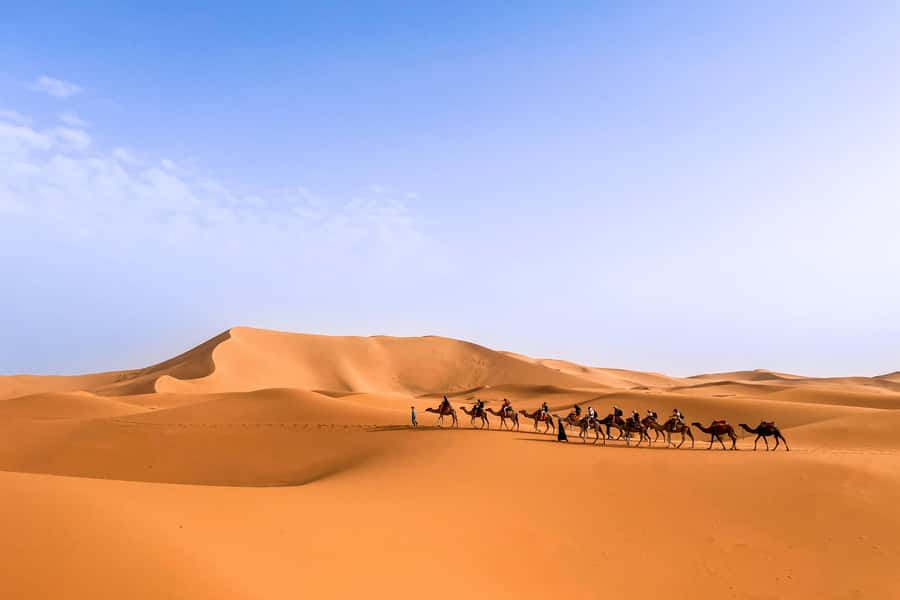
- Erg Chebbi dunes at golden hour: the classic Sahara moment, timed for sunrise and sunset rides
- Aït Ben Haddou kasbah stop: a UNESCO site tied to major film fame
- Todgha Gorges walking time: dramatic canyon views with free time for photos
- Bedouin camp night with drumming and dinner: starry atmosphere with real music and campfire vibes
- Choice of standard or luxury tents: private bathrooms in luxury, shared facilities in standard
The 3-Day Pacing: Big Sights Without Feeling Rushed
This is the kind of Morocco trip that works because it changes scenery every day. You leave Marrakech early, cross the High Atlas, then thread through Aït Ben Haddou, Ouarzazate, the Dades Valley, and finally down toward Merzouga and the Erg Chebbi dunes.
On paper, it’s a lot. In real life, the day is broken up with planned stops for toilet breaks, water, and quick photo moments, so you’re not stuck staring at the road the whole time. Still, you should expect it to be tiring. This is not a slow-camping vacation.
You can also read our reviews of more tours and experiences in Marrakesh.
Day 1: Crossing the High Atlas Mountains Past Berber Villages
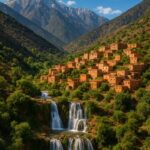
Day 1 starts at 7:00 AM from Marrakech, and you’re immediately on the mountain road. You’ll pass one Berber village after another as you climb and then roll through the High Atlas crossings.
What makes this day worthwhile is the variety of what you’re seeing between Marrakech and the Sahara. It’s not just driving; it’s a changing view of daily life, architecture, and road-country rhythm. Plan for comfort over style: you’ll sit for long stretches, and the bumps are part of the experience.
Aït Ben Haddou: UNESCO Kasbah Time and a Lunch Break
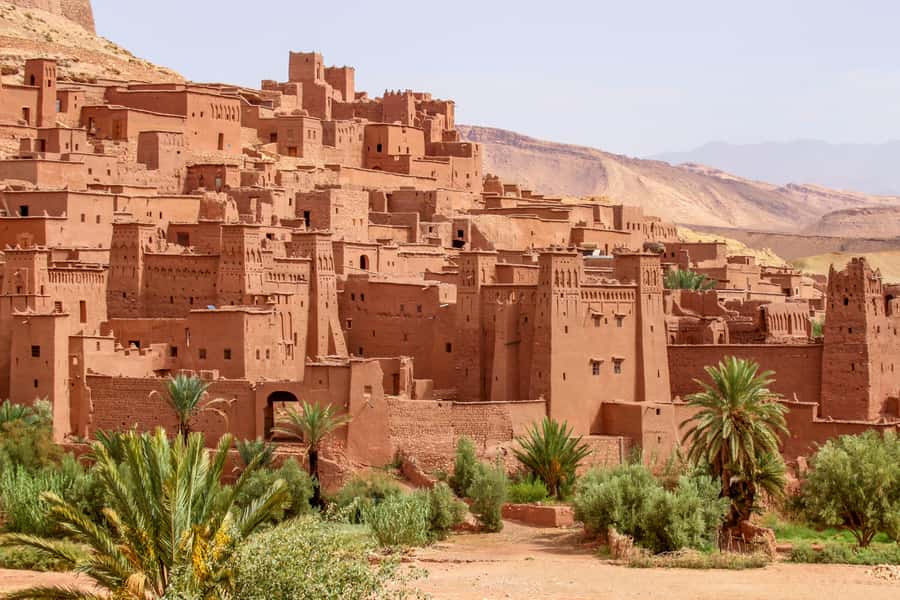
Aït Ben Haddou is the star of the mid-day stop. This fortified kasbah village is UNESCO-listed, and it’s famous for being used as a film set, including big-name productions such as Gladiator and Game of Thrones.
You’ll get leisure time to explore, plus lunch in the area at a local restaurant. If you want extra context, a local guide is optional (stated as available for €2 per person). It’s a simple way to make the site feel less like a quick photo stop and more like a living living place.
Practical tip: wear shoes you can walk in. The kasbah areas aren’t designed like museum walkways.
Ouarzazate and Dades Valley: The Gate of the Sahara Road Trip
After Aït Ben Haddou, your route goes through Ouarzazate, often called the Gate of the Sahara. Then you continue into the Dades Valley, heading toward Boumalne Dades.
This is where the trip starts to feel like a real “road movie.” The drive is scenic and slow enough to take in the changing terrain, but still structured with a clear plan for the night.
You’ll end the day with dinner and sleep at a Kasbah in Dades or Kelaat Mgouna. Expect a restful evening after a full day, since tomorrow is the canyon and then the desert.
Day 3 Morning: Tinghir and Todgha Gorges Canyon Walk
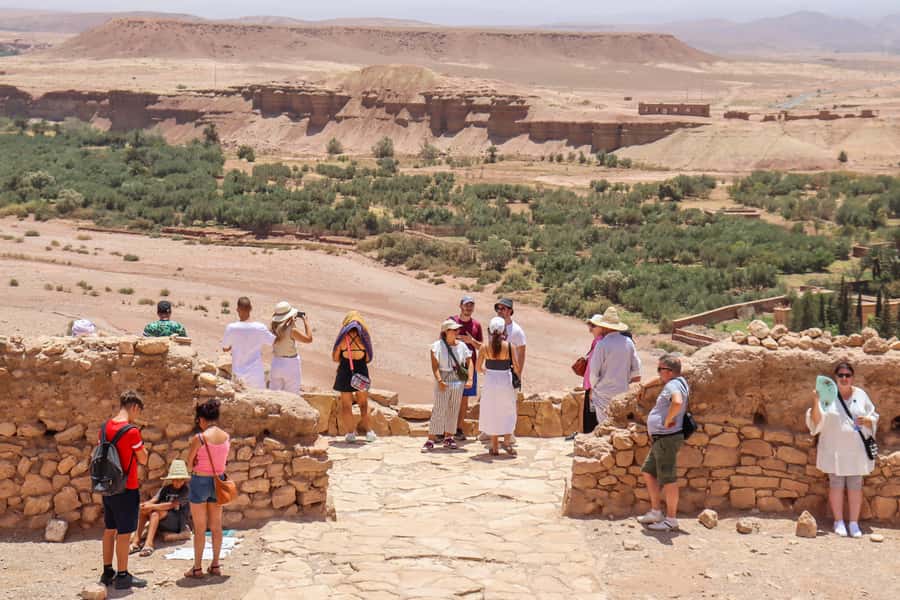
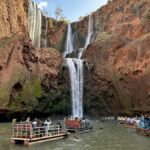
Next up is Tinghir and the Todgha Gorges. You’ll depart your hotel after breakfast and arrive with time to explore the canyons on foot and for photos.
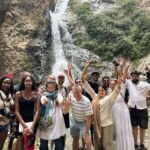
This is one of the easiest “stretch-your-legs” moments in the whole itinerary. The gorge views are dramatic, and the free time matters because you can walk at your own pace instead of feeling rushed by a strict schedule.
Lunch is handled in the area with time at a local cafe in Todgha Gorges, and then it’s onward to Merzouga to meet your camel caravan.
Merzouga Camel Caravan: Erg Chebbi at Golden Hour
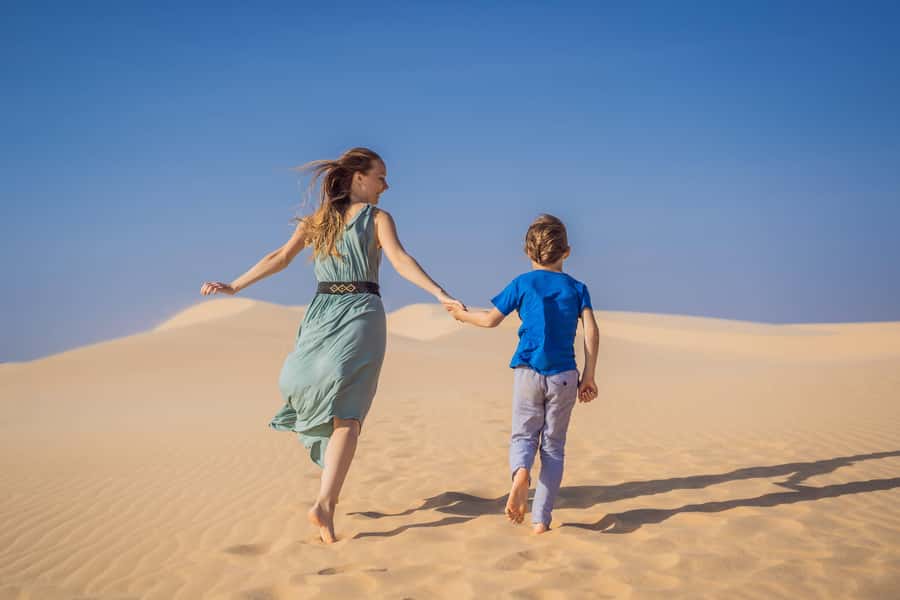
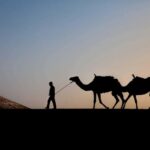
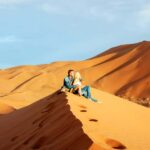
Merzouga is where the trip finally tilts fully into Sahara mode. You’ll meet the camel caravan and head into the dunes—specifically the Erg Chebbi area.
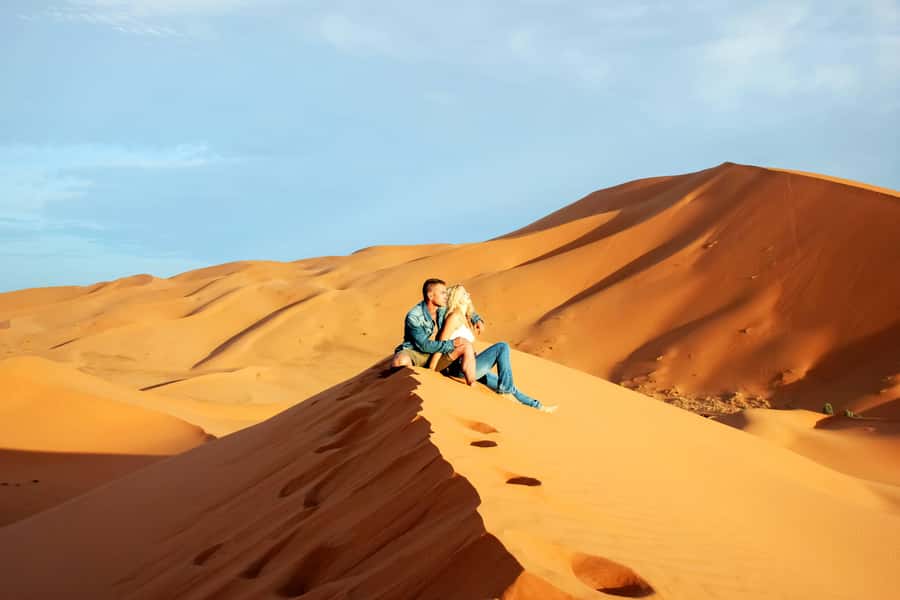
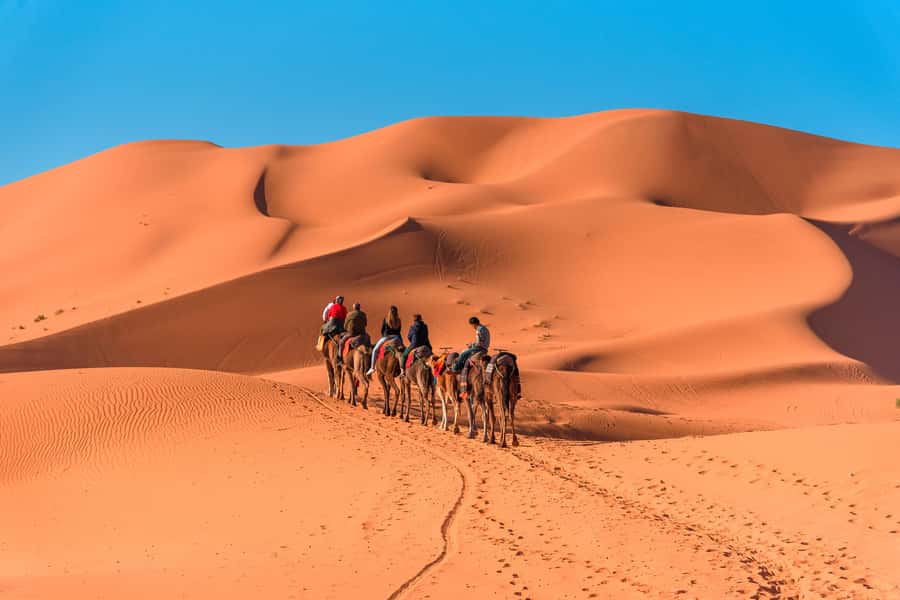
Camel rides are included twice: once at sunset and again at sunrise. That timing is the whole point. You’re not just seeing sand; you’re seeing sand lit by the kind of light that makes your photos look better than you deserve.
If camel riding isn’t your thing, there are options. You can request a 4×4 transfer for €50 per car for both standard and luxury camps. For the standard camp option, there’s also a camel-free alternative where you can walk to camp.
Desert Camp Night: Dinner Under Stars, Drums, and Real Cold
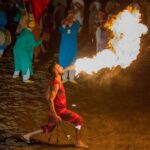
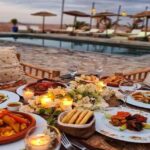
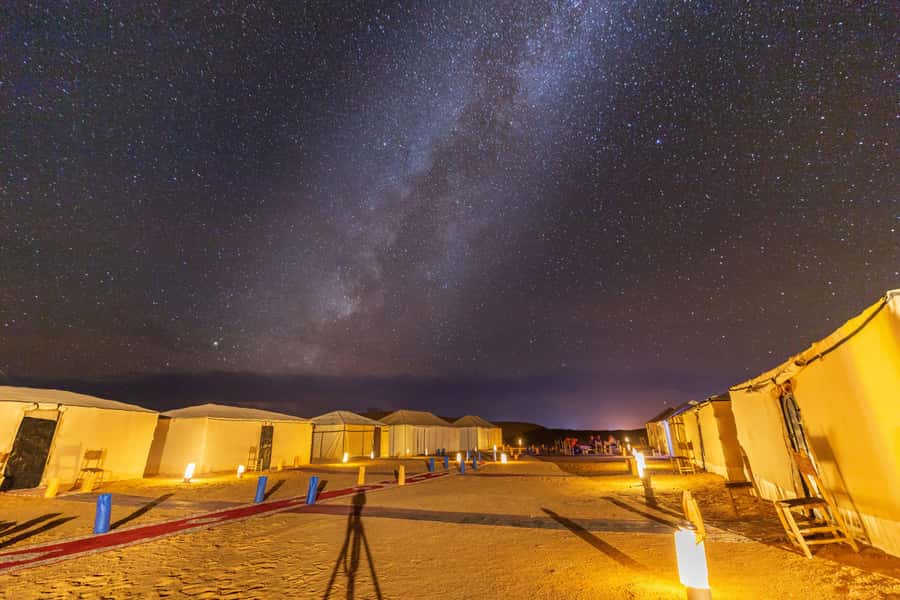
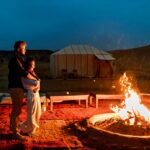
Your arrival at the desert camp is before nightfall. Then comes the part most people remember: Moroccan dinner under the stars, plus Berber drumming and campfire music with Tam Tam drums and entertainment from local nomads.
This is also where your packing list matters most. In winter, the desert nights can be very cold, and the camp tents don’t have a heater (so bring warm layers). If you have a phone, bring a portable charger too. Low battery happens fast when it’s cold and you keep taking photos.
Sleep setup depends on your choice:
- Standard camp: a private tent, with shared bathroom facilities nearby
- Luxury camp: a private tent, with private bathroom facilities inside
Luxury tends to feel like the easiest upgrade if you hate shared bathrooms. People who choose luxury often say it makes the night more comfortable, especially after a long day.
One more thing to plan around: hot water can be inconsistent in some camps. I’d treat the possibility of less-than-perfect shower temperature as normal, then adjust your expectations.
Food and Drinks: What’s Included, What You’ll Pay for
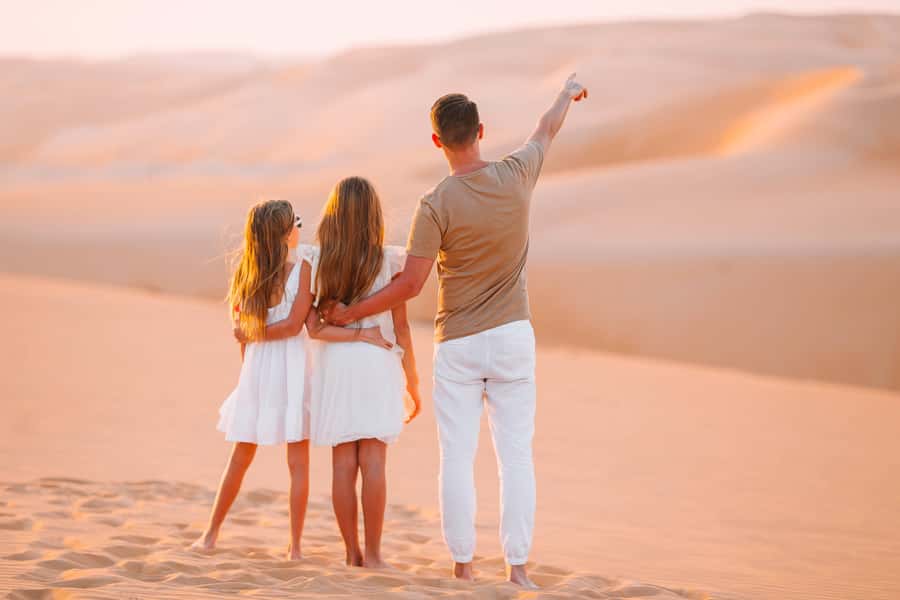
Included meals are straightforward: Moroccan dinners and breakfasts, with vegetarian options available. That’s a real plus because it reduces decision fatigue after long driving.
What isn’t included: beverages and lunches on the way. You’ll stop for lunches at points along the route, and some of those places can be pricey because they’re catering to tour traffic.
If you want to avoid getting pushed around by menus, I’d do two things:
- Bring cash, because card acceptance is not guaranteed in smaller stops.
- Decide your lunch approach early so you don’t end up hungry and rushed.
Also, if you’re trying to buy water or extra drinks at the camp, expect it may cost extra since water isn’t necessarily part of the included meals.
Standard vs Luxury Camp: Where Your Money Goes
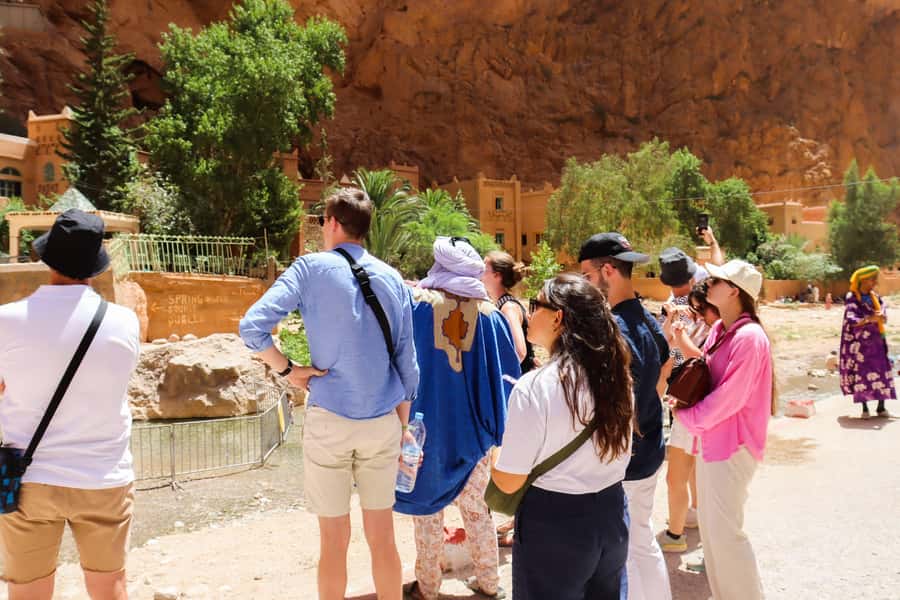
This is one of the clearest “value vs comfort” decisions in the whole trip.
The tour includes a first night in an AC private hotel room/suite with private bathroom, then one night in a desert camp tent. The camp choice is where comfort can change fast:
- In luxury, you get a private bathroom inside the tent. That can make the night feel smoother, especially in cold weather.
- In standard, the tent is still private, but bathrooms are shared nearby.
If you’re on a tight budget, standard still delivers the core experience: camel rides, dinner under stars, and the desert atmosphere. But if your top goal is comfort after the long day, luxury often feels like paying to remove stress.
Optional Add-Ons: Quad Biking and Sandboarding Choices
Two extras are mentioned:
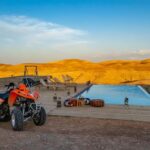
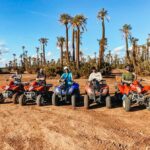
- Quad biking: optional at €50 per person for a 1-hour session, and it requires at least 2 people
- Sandboarding: available as an optional, high-risk activity with a note that it’s not covered by the stated insurance
If you do quad biking, don’t assume you’ll get a perfect training session. Ask for a quick intro before you head into dunes. Those first minutes matter if it’s your first time.
Sandboarding is fun for people who want intensity, but only do it if you’re comfortable with the risk and the limits of coverage.
Drivers and Guides: The Real Secret Sauce
This trip moves a lot, so your driver-guide quality matters. A/C and clean logistics help, but the personality and organization level make it feel easy instead of chaotic.
People often highlight guides and drivers such as Moussa, ADIL, Bajo Muhamad, Mohamed Bakhouz, Rarhib, Hadj, Ajbli, Oussama, Idriss, and Youness for being attentive, keeping the group safe, and handling the timing without drama. Seatbelts are treated seriously, and that matters on mountain roads.
The best version of this tour is when your guide keeps it factual and calm while also giving you room to enjoy the stops. If you’re not into shopping stops, you can still stick to the plan and focus on the sights.
Practical Stuff You’ll Be Glad You Planned
Bring the basics listed for a reason:
- Comfortable shoes for kasbah and gorge walking
- Sunglasses, sunscreen, and a sun hat
- A passport (copy accepted)
- Warm layers for night in the desert
And add what the trip teaches you fast:
- Cash for lunch stops and optional activities
- A portable charger for photos and maps
- A willingness to go with the flow on timing, because road conditions can affect schedules
If the road closes due to snow, an alternative route via Taroudant is used, so expect rare schedule changes.
Should You Book This Marrakech to Merzouga Safari?
Book it if you want a first-class introduction to the Sahara without spending weeks on planning. This itinerary gives you a strong combo: High Atlas mountain crossing, Aït Ben Haddou’s UNESCO kasbah feel, Todgha Gorges walking time, and then the real pay-off in Merzouga with camel rides and a camp night.
Skip (or reconsider) if you hate long road days, or if cold nights are a deal-breaker for you. Pregnant women and wheelchair users aren’t suited for this tour, based on the stated limits.
If you do book, I’d make two decisions up front: choose luxury camp if you want private bathroom comfort, and pack warm layers even in shoulder season. Then you’ll enjoy the desert for what it is: silence, starlight, and the kind of Morocco you can’t compress into a one-day tour.
FAQ
What does the Merzouga 3-day desert safari include?
It includes hotel pickup and drop-off, air-conditioned transport, a multilingual driver-guide, 1 night in an AC hotel room with private bathroom, 1 night in a private desert camp tent, sunset and sunrise camel rides, Moroccan dinners and breakfasts (vegetarian options available), Berber drumming and campfire music, onboard Wi‑Fi, and luggage storage/handling.
How long is the tour and what time does it start?
The tour lasts 3 days. It starts at 7 AM on Day 1 and ends around 8 PM on Day 3.
Where do you go on the route?
You travel through the High Atlas Mountains and visit Aït Ben Haddou, then pass through Ouarzazate and the Dades Valley. On the way to Merzouga you go to Tinghir and Todgha Gorges, then continue to the Erg Chebbi dunes area in Merzouga.
What’s the difference between standard and luxury desert camp tents?
Both options provide private tents. Standard tents use shared bathrooms nearby, while luxury tents include private bathrooms inside the tent.
Are camel rides included, and are there alternatives?
Yes. Sunset and sunrise camel rides are included. If you prefer not to ride, you can request a 4×4 transfer for €50 per car (for standard and luxury). For the standard camp, walking to the camp is also an option.
Is quad biking included?
No. Quad biking is optional and priced at €50 per person for a 1-hour session, and it requires a minimum of 2 people.
Is sandboarding included?
Sandboarding is optional and described as a high-risk activity not covered by the stated insurance. It’s at your own responsibility.
Where are meals included?
Dinner in the desert camp and breakfasts are included. Lunches on the way and beverages are not included.
What language options and pickup method are provided?
The live guide-driver is available in Arabic, French, English, and Spanish. Pickup is included from your hotel/riad or a nearby accessible meeting point if the car can’t reach your door, and pickup details are sent the day before by 6 PM via the GYG App and WhatsApp.