REVIEW · MARRAKESH
From Marrakech: 3-Day Desert Tour to Agadir
Book on GetYourGuide →Operated by MOROCCO TRIP · Bookable on GetYourGuide
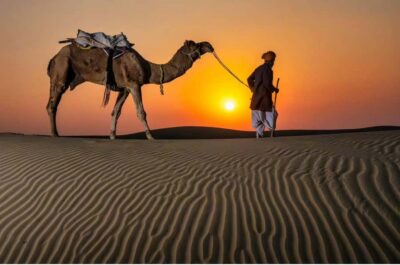
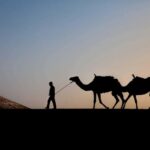
Camelback sunsets are hard to beat. I love the UNESCO stop at Kasbah Ait Ben Haddou and the quiet magic of Erg Chebbi at sunrise and sunset. The trade-off is long drive time, which can be tough if you get motion sickness or have back issues.
Between those dune moments you get real variety: Todra Gorge and the Dades canyons, plus a camel trek and sandboarding in the dunes. You’re traveling in an air-conditioned vehicle with a guide who speaks English, French, or Spanish, which matters when the hours on the road stretch out.
In This Review
- Quick Hits: What Makes This 3-Day Route Worth It
- Day 1: Atlas Mountains, Aït Ben Haddou, and Dades Canyons
- Day 1 Stops: How to Spend Your Time Like a Pro
- Day 2: Todra Gorge to Erg Chebbi Dunes and the Desert Camp Night
- Desert Camp Comfort: Standard vs Upgraded Options
- Day 3: Sunrise Over Dunes, Rose Valley, and the Run to Agadir
- Camel Trek, Sandboarding, and the Real Pace of the Trip
- Guides and Drivers: The Difference Between a Good Trip and a Great One
- Price and Logistics: What’s Included, What Isn’t, and What to Expect on the Ground
- What to Pack for Morocco Desert Nights and Canyon Days
- Is This the Right Tour for You?
- Should You Book This Marrakech to Agadir Desert Tour?
- FAQ
- What should I bring for the desert portion?
- What does the Erg Chebbi desert night include?
- Is camel trekking included, and do I get sandboarding too?
- Are lunches included, and are entrance fees covered?
- Where do you get dropped off at the end in Agadir?
- Is this tour okay if I have motion sickness or back problems?
Quick Hits: What Makes This 3-Day Route Worth It
- Kasbah Ait Ben Haddou in the UNESCO spotlight with a local guide-style walkthrough that helps it click fast
- High Atlas scenery around Tizi Ntichka plus Berber villages and mountain roads that feel genuinely remote
- Todra Gorge and the Tinghir area for dramatic rock walls and a welcome break from the driving
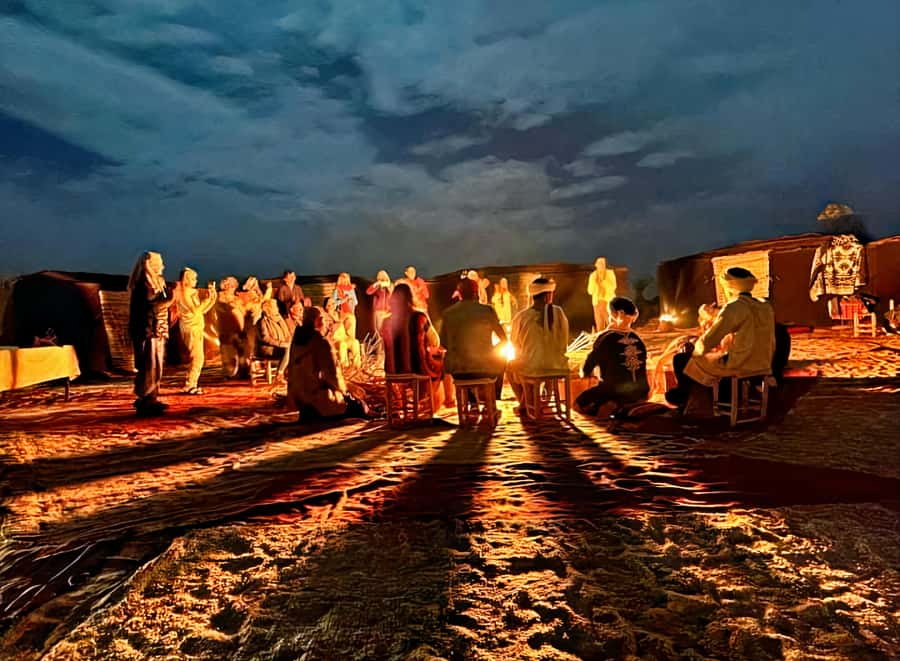
- Erg Chebbi camp night with dinner and breakfast, plus the classic sunset camel ride
- Sandboarding plus camel trek included, so you’re not scrambling to find activities last-minute
- Guides that shape the tone: names like Hakim bo, Muha, Walid, and Youssef show up repeatedly in high-praise stories
Day 1: Atlas Mountains, Aït Ben Haddou, and Dades Canyons
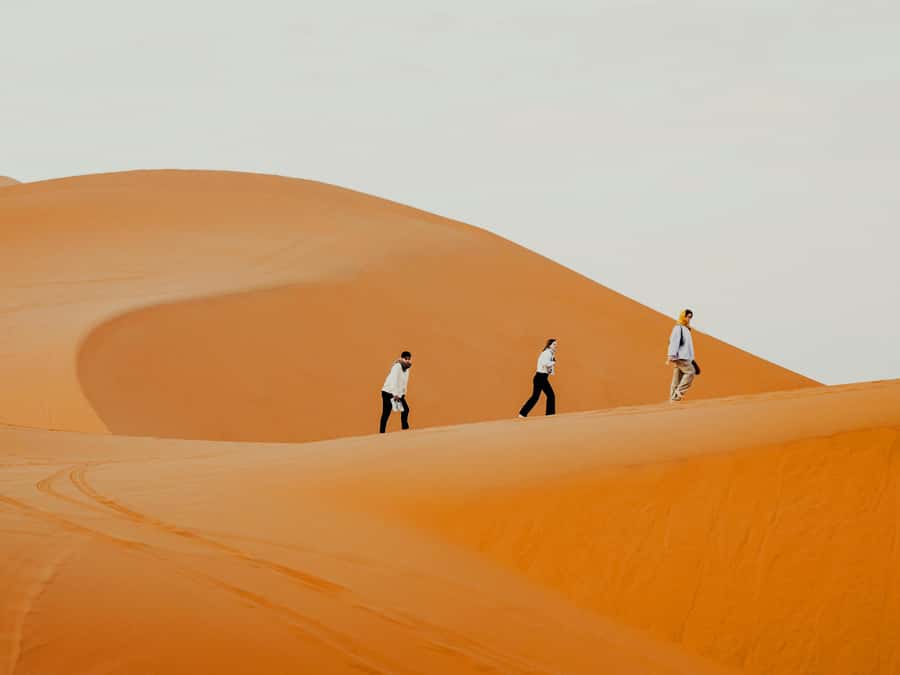
Day 1 is all about turning Morocco from map to motion. You start in Marrakech, then head into the High Atlas where the road climbs and the views keep changing. You’ll pass Berber villages along the way, so it doesn’t feel like you’re just being transported from one stop to the next.
The big anchor is Kasbah Ait Ben Haddou, a UNESCO World Heritage Site, and one of Morocco’s most famous “movie locations in real life” places. What I like here is practical: when you’re on the ground, the kasbah’s layout makes more sense. You’re also close enough to appreciate the texture of the buildings and the scale of the site without it feeling like a rushed photo line.
After Aït Ben Haddou, you reach Ouarzazate and can see Taourirt Kasbah, another major structure tied to the region’s cinematic reputation. Then the day shifts into softer scenery—Skoura and the Roses Valley area—before you settle for the night in Dades Town.
Why this day works: it balances “wow” stops (UNESCO kasbah, Ouarzazate) with real driving-time scenery. The drawback is simple: Day 1 is busy, so if you hate being on the move, you’ll feel it more here than on Day 2.
You can also read our reviews of more tours and experiences in Marrakesh.

Day 1 Stops: How to Spend Your Time Like a Pro
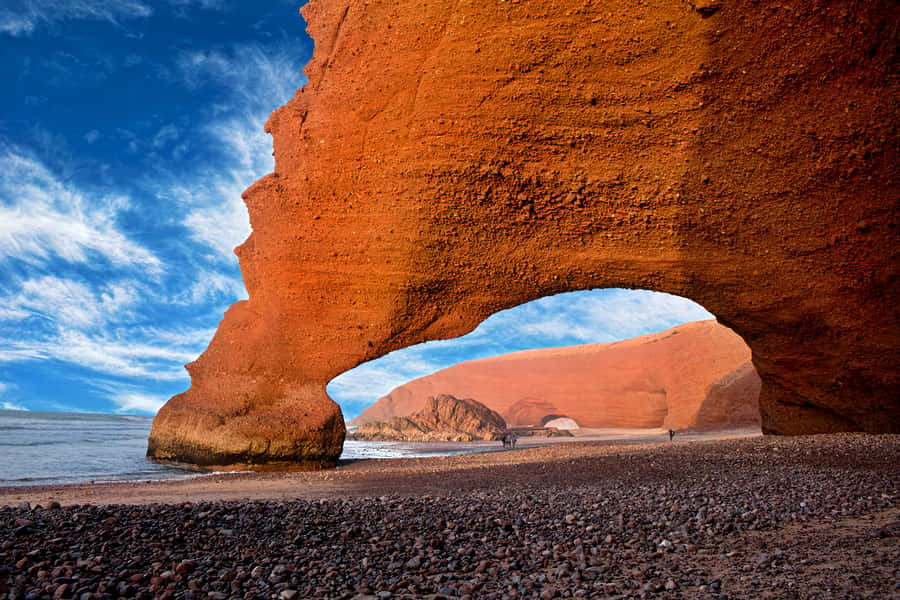
At Aït Ben Haddou, give yourself room to walk the edges, not just the main courtyard. The site looks different from different angles, especially late afternoon when shadows start to carve the walls. Bring a hat and sunglasses even if you think it’s cloudy—bright sun on stone is still bright.
In Ouarzazate, you’ll often get short photo opportunities and quick visits rather than long wandering. That’s not bad. It’s efficient. It also explains why you’ll want comfy shoes: you’ll be standing and walking more than you might expect for a “tour van day.”
And yes, some people mention small extra costs on the ground. One account noted a small local guide fee on the first day. It’s not a reason to avoid the trip—but it is a reason to carry a little cash in small bills.
Day 2: Todra Gorge to Erg Chebbi Dunes and the Desert Camp Night
Day 2 is where the trip stops feeling like sightseeing and starts feeling like an actual journey. You’ll move through Boumalne Dades, then toward Todra Gorge, where the canyon walls tower up and the air feels cooler and more sheltered. This is a great contrast after the Atlas roads—suddenly you’re walking in a natural corridor.
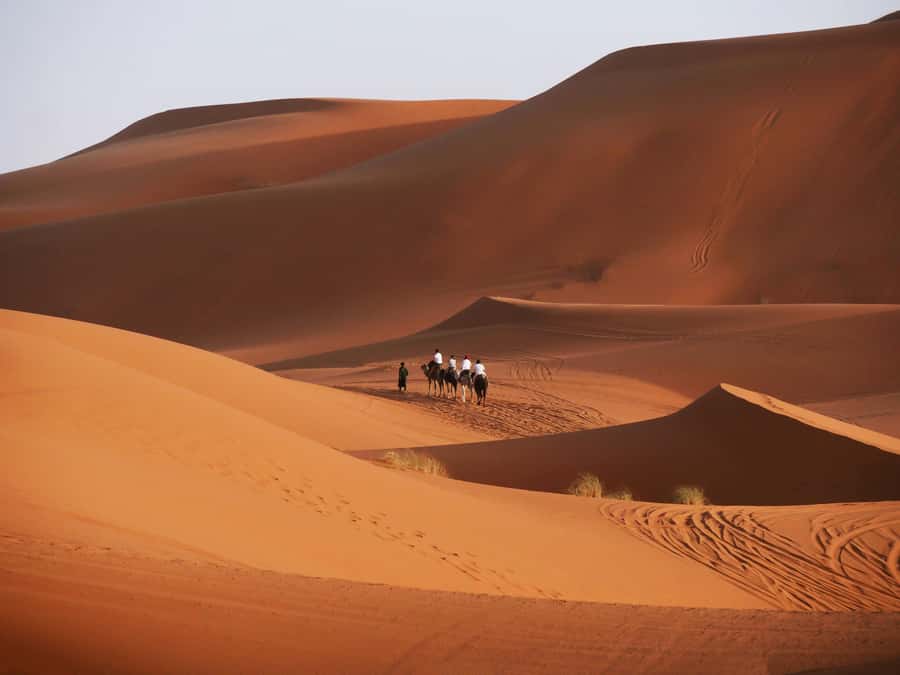
From there you head toward Erfoud, and then you land at Merzouga and the Erg Chebbi dunes. This is the part people remember because you’re no longer looking at Morocco from a distance—you’re in it. The horizon flattens into dunes, and the light changes by the minute.
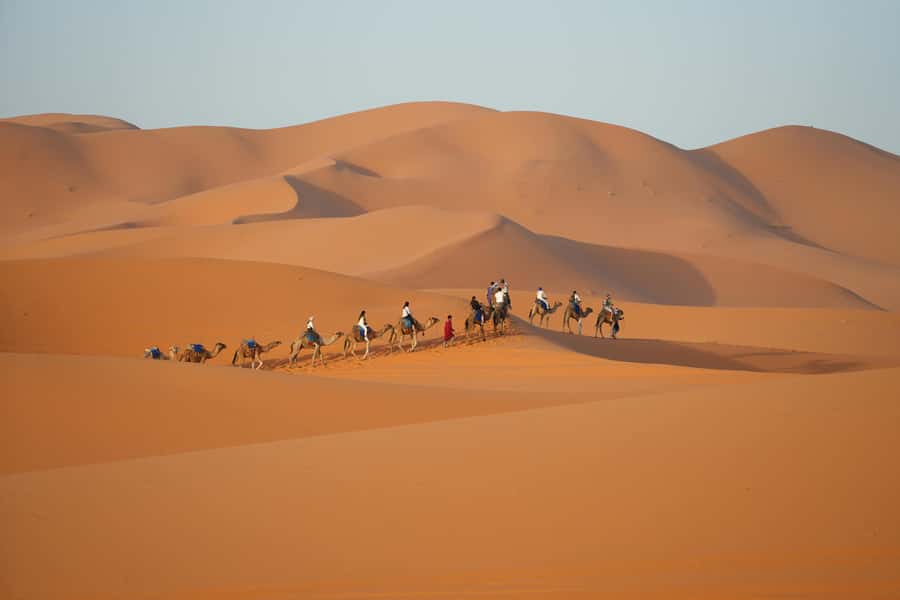
Next comes the signature camel ride as you watch the sunset over the Sahara. The tour format is one camel per person, which is a key detail if you want to plan your comfort and expectations. If you’re worried about balance, take it slow at the start. The rhythm settles.
Then you sleep in a traditional-style camp with dinner and breakfast included. Many accounts also describe drumming and a show-like atmosphere in the evening. The music might feel more modern or mixed in some camps than in others, so if you care about strict authenticity, keep your expectations flexible.
Desert Camp Comfort: Standard vs Upgraded Options
Some departures offer different camp levels. One story praises a premium or luxury camp setup, mentioning air conditioning and charging points that made the night much easier to handle. If you’re traveling in hotter months or you hate roughing it after a long day of driving, this upgrade can be worth it.
If you choose standard camping, plan for the real desert temperature swings. Even with blankets, night can be cold, especially outside summer.
Day 3: Sunrise Over Dunes, Rose Valley, and the Run to Agadir
Day 3 starts with the best kind of wake-up call: the desert light. You’ll head out for sunrise over the dunes, then return to the auberge after that early magic moment.
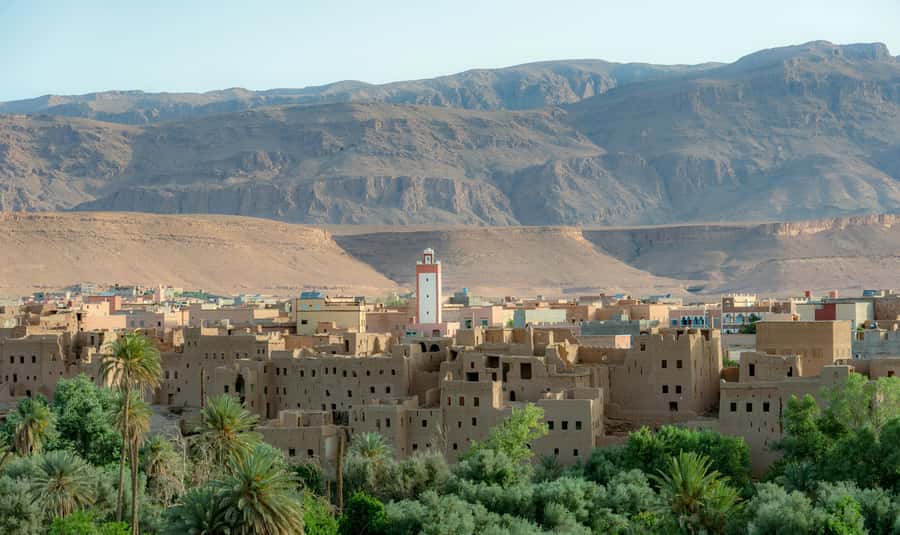
After the Sahara part, the day turns into scenery and kasbahs. You’ll travel through the Rose Valley, then pass back through Ouarzazate. From there, you go through the Draa Valley, which is dotted with Berber Kasbahs—less famous than Aït Ben Haddou, but still very much in the same family.
Along the way you’ll pass Taznakht and Taliouine before reaching Agadir. The tour ends with transfer to your Agadir hotel or the closest accessible drop-off if your accommodation can’t be reached by car.
One practical detail: when the group arrives in Ouarzazate, people are split and transported to Agadir by taxi. That’s normal for this type of route, but it does mean you’ll likely spend part of your final day in a different vehicle than the main van.

Camel Trek, Sandboarding, and the Real Pace of the Trip
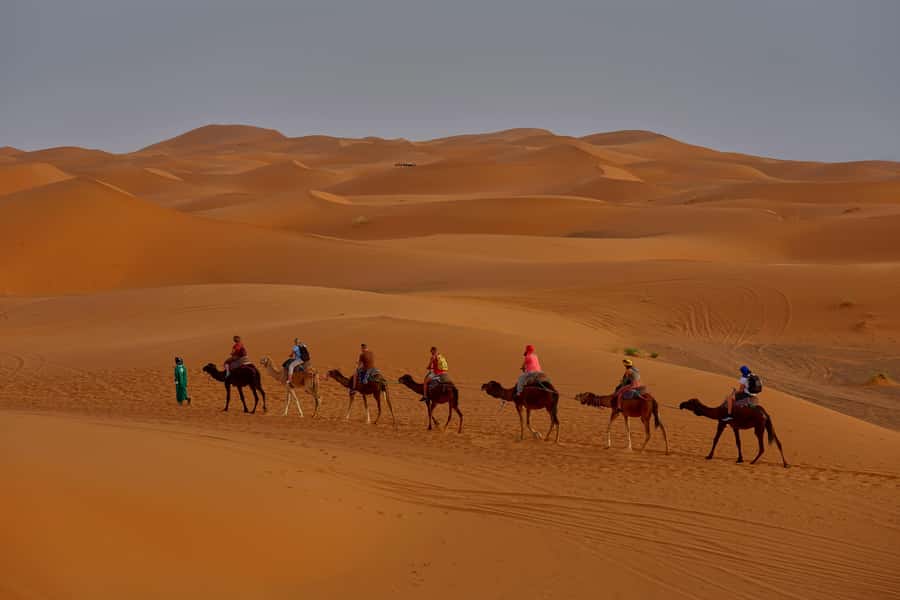
The trip includes both camel trekking and sandboarding, so you’re not only watching the desert—you’re doing things in it. One camel per person is a big deal for comfort planning. It also helps reduce the “who’s sitting where” stress that can happen on tours with mixed riding arrangements.
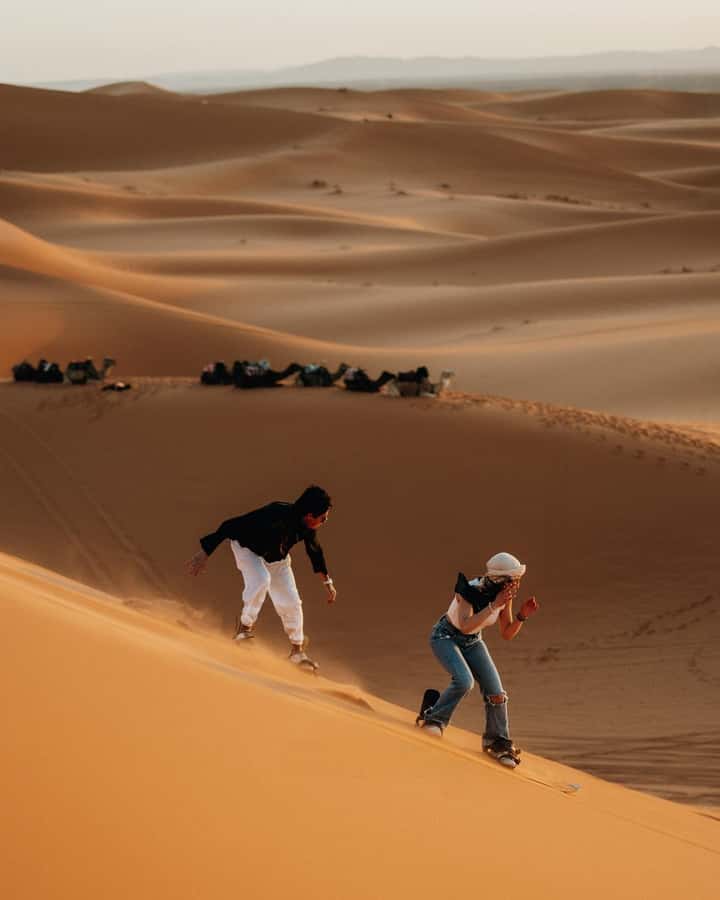
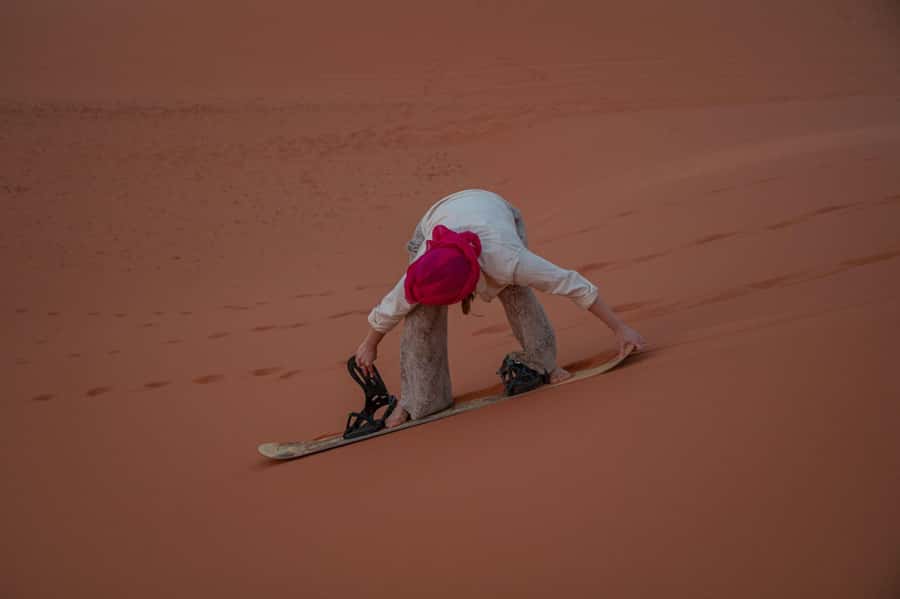
Sandboarding is included, which is one of those activities that feels simple until you’re standing there in sand wondering what your shoes are doing. Wear comfortable footwear. The motion is different from normal ground, and you’ll want a stable stance.
The camel ride and the dune time also have a built-in psychological shift. On the drive days, you’re looking out the window. On the dunes, you’re looking up. The horizon opens, and the silence gets louder. This is why people call the desert night unforgettable.
Guides and Drivers: The Difference Between a Good Trip and a Great One
This route is long-drive by nature, so the guide matters. A skilled driver keeps timing smooth and makes sure you’re at the right place at the right light. A good guide also makes the stops make sense—especially at sites like Aït Ben Haddou and in canyon areas where you’ll see more if someone explains what you’re looking at.
From the strongest positive notes, these names come up often: Hakim bo (humorous and caring), Muha (kind, respectful, flexible, always positive), Hesham (friendly and knowledgeable about local culture and history), Walid (professional, safe-feeling, great with logistics), Youssef (energy and friendliness), and Abderrahman (caring, especially reassuring for solo travelers). If you see one of these names assigned to your departure, you’re likely to get the kind of guidance that turns stops into stories.
You may also have local guides at key sites, including around Aït Ben Haddou and the Tinghir area. Some people specifically mention time with guides who showed daily life and local perspectives, not just the monument.
Price and Logistics: What’s Included, What Isn’t, and What to Expect on the Ground
This tour includes pickup and drop-off in Marrakech (or the closest accessible point to your riad), an AC vehicle, fuel, and an experienced guide/driver. You get accommodation with bed, dinner, and breakfast, plus:
- Overnight camping in the Erg Chebbi Merzouga Desert (dinner and breakfast)
- Overnight in the Dades Valley
- Camel trek (one camel per person)
- Sandboarding
- Drop-off in Agadir at your hotel or nearest accessible location
What’s not included is just as important: lunches and any entrance fees that may apply.
Then there are the small practical extras. Some people mention extra guide-related costs on-site, like a small local guide fee on day 1. Others point out that certain advertised stops may not match what you end up seeing, and that shop stops for carpets or scarves can take more time than you want. That doesn’t mean the tour is bad—it means you should go in with eyes open.
My advice: before you commit your money in shops, decide in advance what you actually want to buy. Morocco is generous with cooperative visits and sales stops, but you can still keep your purchases tight and your priorities clear.
What to Pack for Morocco Desert Nights and Canyon Days
Pack like you’re doing two trips at once: desert camping and mountain touring.
You’ll want:
- Warm clothing for cooler desert evenings (winter nights can be very cold)
- Sunglasses and a sun hat for bright driving and dune time
- Comfortable footwear for walking and sand sections
- Cash (for small purchases, potential on-the-ground fees, and places that might not take cards)
A real-life tip from winter-season accounts: bring gloves, thick socks, and even a winter hat. One traveler described how cold the night felt despite thermals and blankets, and that extra cold-weather gear was the difference between surviving and sleeping well.
Also think about charging your devices. Some premium camp setups include charging points, but standard setups may be more basic. If you’re unsure, a portable power bank helps.
Is This the Right Tour for You?
Choose this tour if you want a high-impact Morocco route in a short window: Atlas Mountains, UNESCO Aït Ben Haddou, Dades/Todra canyon drama, and the Erg Chebbi desert night all in three days. It’s especially good for first-timers who like structured days and included major activities like camel ride and sandboarding.
Skip it or reconsider if:
- You have back problems or issues with long hours of driving
- You get motion sickness
- You need lots of free time and slow pacing instead of stop-and-go highlights
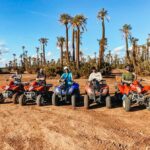
- You hate any possibility of extra spending for lunch, entrance fees, or optional add-ons like quads (when offered)
If you’re deciding between camp types, comfort upgrades can matter a lot for sleep quality. Even people who love the standard desert experience usually agree: the desert doesn’t care how tired you are—it will still get cold at night.
Should You Book This Marrakech to Agadir Desert Tour?
I think you should book it if your goal is a classic Morocco sampler where the Sahara actually happens, not just a quick photo stop. The included camel trek, sandboarding, and camp night with dinner and breakfast make it feel like real value, especially when you’re also hitting Aït Ben Haddou, Ouarzazate, and canyon country.
I’d hold off if you’re fragile with road time or if you need total flexibility and zero uncertainty around what stops look like day-to-day. This is a structured route, and the payoff is big, but it asks you to tolerate the driving rhythm.
If your priorities are first-rate sights, desert night memories, and you can handle a long day, this is a strong pick.
FAQ
What should I bring for the desert portion?
Bring warm layers for the desert night, plus sunglasses and a sun hat. Comfortable shoes help for canyon walking and sand sections, and you should also bring cash.
What does the Erg Chebbi desert night include?
You’ll spend the night at a camp in the Erg Chebbi Merzouga Desert with dinner and breakfast included. The day also includes a camel ride in the dunes around sunset.
Is camel trekking included, and do I get sandboarding too?
Yes. Camel trekking is included with one camel per person, and sandboarding is also included during the dune time.
Are lunches included, and are entrance fees covered?
Lunches are not included, and entrance fees are not included either. Plan to budget for both if they apply.
Where do you get dropped off at the end in Agadir?
The tour ends with drop-off at your Agadir hotel or the closest accessible location to your accommodation if your place can’t be reached by car. After arriving in Ouarzazate, groups are split and moved to Agadir by taxi.
Is this tour okay if I have motion sickness or back problems?
The tour involves long hours of driving and may not be suitable if you have back problems or motion sickness. If that’s you, it’s worth considering a different itinerary with shorter road segments.