REVIEW · MARRAKESH
Marrakech: Authentic Moroccan Food Walking Tour & Dinner
Book on GetYourGuide →Operated by One Life Trips · Bookable on GetYourGuide
Your taste buds get a backstage pass to Marrakech. This guided 3-hour Old Medina walk turns everyday street food into a story of Moroccan daily life, and it finishes with mint tea plus a proper dinner. I love how you eat at places you’d likely skip on your own because they don’t look like tourist stops. I also love the way the guide connects each dish to culture, from Ramadan flavors to how people actually snack and pause for tea.
You’ll start at Poste du Maroc and spend the evening moving through Marrakech in a way that feels local, not staged. The tastings are spread across multiple stops—soups, pastries, pan-fried pancakes, yogurt, and sweets—so you’re never stuck with one flavor all night. If you want a fast, high-impact start to your Marrakech food education, this format does the job.
One possible drawback: the tour can include foods that are truly adventurous for some people, like snail dishes or even sheep’s head. If you’re squeamish or strictly avoid certain ingredients, tell your guide ahead of time and be ready to choose your comfort level.
In This Review
- Key highlights that make this food tour worth your time
- Meeting in front of Poste du Maroc: start where the Medina has momentum
- The walking reality: 3 hours that move, but don’t feel like a hike
- Two different tasting routes: how the evening shapes your menu
- Route 1 tastes: macaroons, harira, herbal snails, and that mint-tea rhythm
- Route 2 tastes: stuffed msemen, shakshouka vibes, sfenj, cactus fruit, and more
- Snacks you’re likely to remember for years
- Sweet treats and drinks: mint tea, raïb, panaché, and pan-fried pastry comfort
- Dinner choice: tajine in a local spot or open-air chwa barbecue
- Herbalist and spice shop stop: why it helps you enjoy the rest of Morocco
- Price and value: what $52 buys you in real eating time
- Who should book this Marrakech food walking tour and dinner
- Little tips that can make your night go smoother
- Should you book this tour?
- FAQ
- Where do I meet the guide?
- How long is the tour?
- What’s included in the price?
- Is dinner served during Ramadan?
- Does the tour include hotel pickup?
- What language is the guide?
- What should I bring?
- Is the tour okay for vegetarians?
Key highlights that make this food tour worth your time
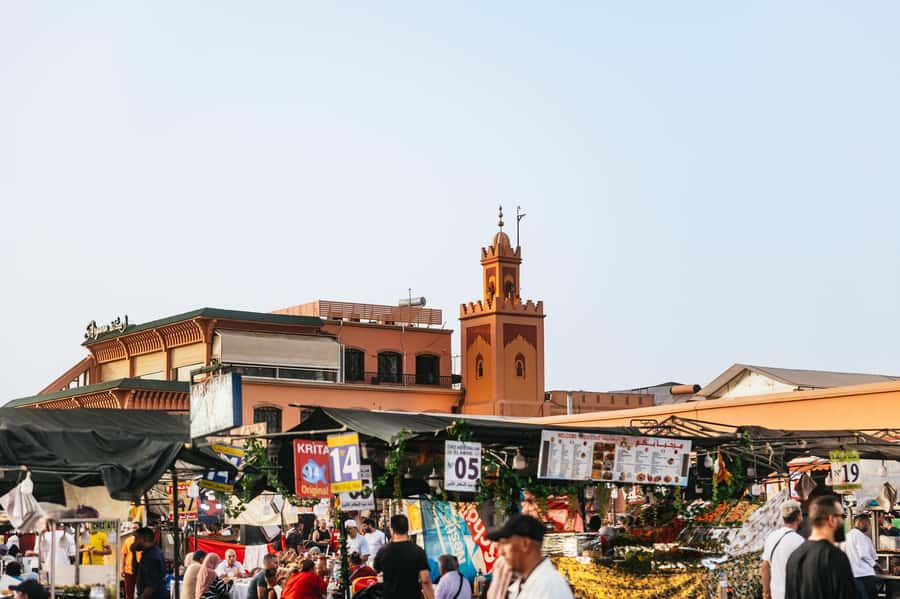
- Old Medina routes chosen for the day so you get deeply local stops, not a canned checklist
- Multiple tastings plus tea instead of one snack and a rushed handoff
- Ramadan-aware food timing with classic break-fast flavors when the calendar lines up
- Dinner options that feel authentic: tajine in a restaurant or open-air grilled chwa
- Guides with personality named often include Mehdi, Mohammed, Ali, and Yaya/Yahya
- Spice-and-herbal breaks where you learn what goes into the flavors you’re tasting
Meeting in front of Poste du Maroc: start where the Medina has momentum
Meeting at Poste du Maroc on Rue Beni Marine puts you right at a practical entry point. It’s easy to find, and it helps you begin the evening without wasting time figuring out streets that all look similar in the dark. Once you’re with your guide, the route becomes clear fast—what to look for and which lanes to take.
From the start, the vibe is simple: walk, eat, and ask questions. Your guide is handling the vendor introductions and the pacing, so you can focus on tasting and soaking up cultural context.
You can also read our reviews of more tours and experiences in Marrakesh.



The walking reality: 3 hours that move, but don’t feel like a hike
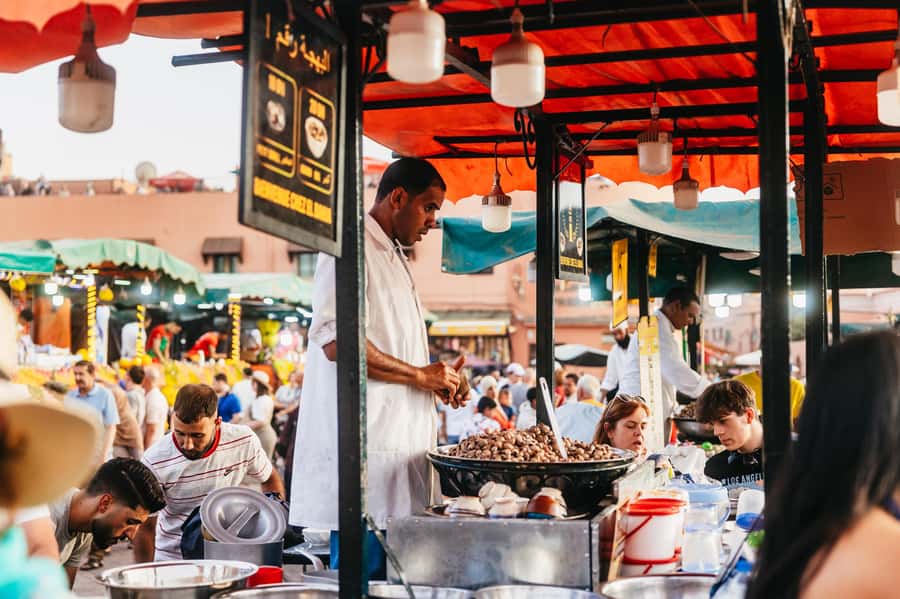
This is a walking tour through busy medina streets, so you’ll want comfortable shoes. Expect short moves between food stops more than long stretches of trudging. The schedule is built around tastings, so the walking stays practical instead of punishing.
Also, plan to be hungry. Several experiences emphasize that you’ll leave full, which is exactly the point here. If you eat a huge lunch first, you’ll still get food, but you’ll miss some of the fun of trying everything.
Two different tasting routes: how the evening shapes your menu
A big reason people rate this highly is that your night isn’t identical to someone else’s. Depending on the guide, season, and the flow of the day, you’ll follow one of two flavor paths. Both are deeply Moroccan; the difference is what you hit first and what the mid-route and dinner finish look like.
If you’re the type who likes variety, either route works because both are built around classic medina staples. The tour also keeps the structure: snacks early, tea and sweets mid, then a fuller meal to end.
Route 1 tastes: macaroons, harira, herbal snails, and that mint-tea rhythm
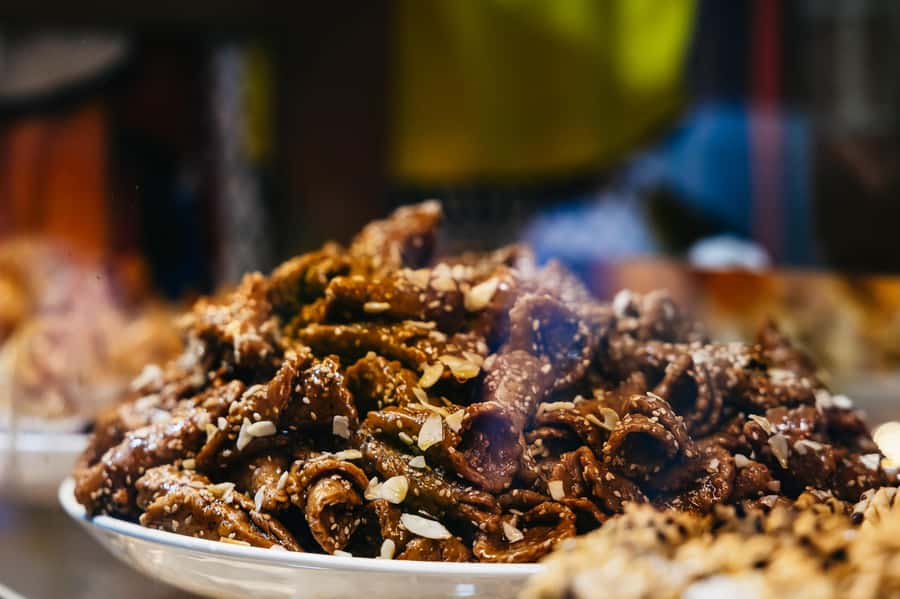
One route starts with Moroccan sweets that are easy to love right away. You might begin with Moroccan coconut macaroons, then move to Kaab Ghzal (gazelle ankles). Kaab Ghzal is basically pastry filled with almond paste scented with orange blossom water—perfume-like, not just sweet.
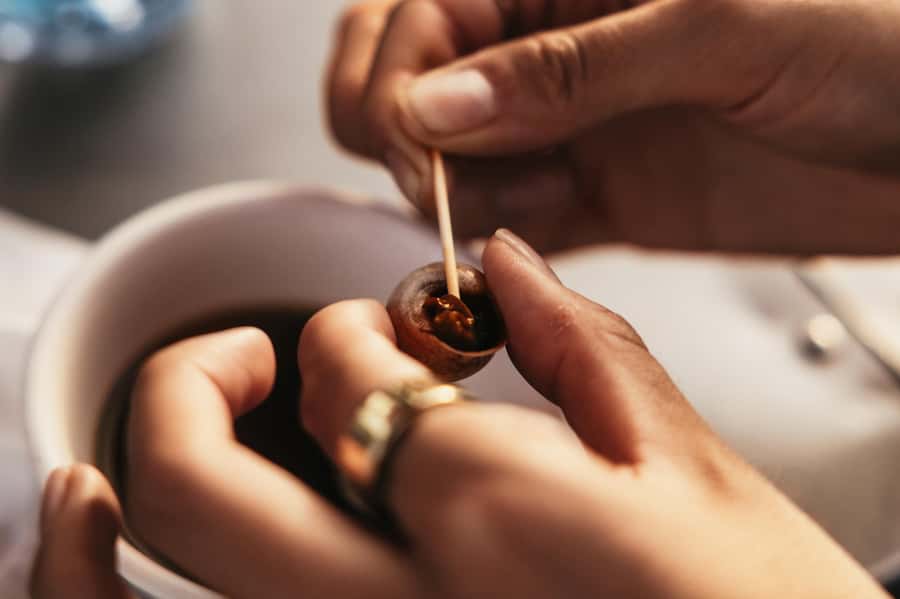
Next comes one of Marrakech’s most important comfort dishes: traditional harira soup served with dates and Chebakia. Harira is the kind of food locals associate with breaking fast during Ramadan, so tasting it in the evening context adds meaning beyond the flavor. Then you may try Babbouche, Moroccan snails cooked slowly in an aromatic herbal broth.
After that, the tour typically brings you to the mint-tea and pancake station: traditional mint tea and msemmen (pan-fried pancakes drizzled with honey and cheese). It’s a great palate reset because it’s warm, savory-sweet, and tea pairs with everything you’ll eat next. Then you may sample Fakya, a festive mix of dried fruits and nuts shared during celebrations.
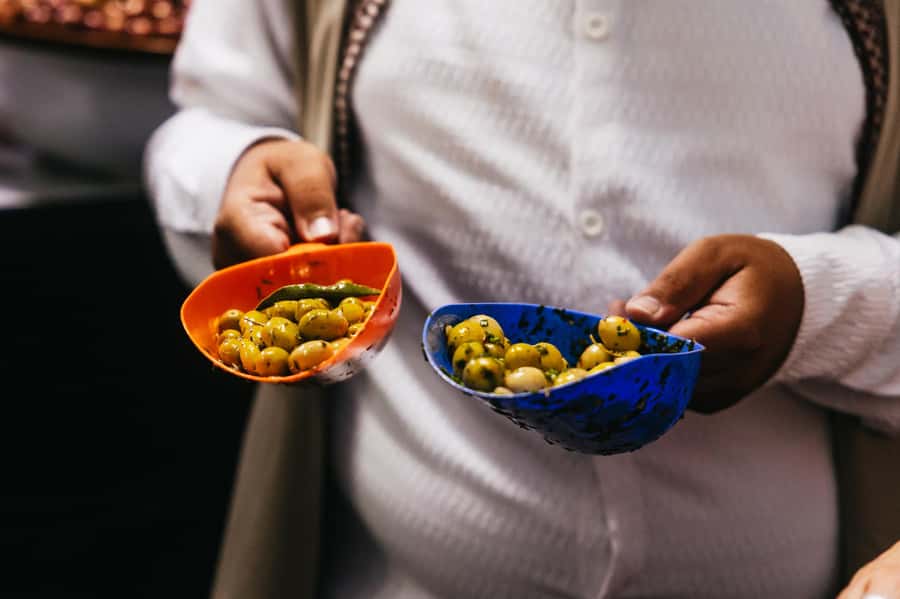
You’ll also get Moroccan olives—greens with a smooth, creamy texture and reds tossed with parsley and cilantro. It sounds simple, but it’s a smart early lesson in how Moroccans balance salt, fat, herbs, and acid across a meal.
Route 2 tastes: stuffed msemen, shakshouka vibes, sfenj, cactus fruit, and more
The other route also builds from sweet and savory, but it changes the mix. You may start with Msemen Amer, Moroccan pancakes stuffed with savory fillings—often spiced vegetables. This is a tea-time favorite in Morocco, and it teaches you how Moroccan “snacking” can be almost meal-like.
You’ll still hit harira with Chebakia, then move into a dish described like a Moroccan twist on shakshouka: Makkla bel Kefta. From there, street-food energy takes over with Sfenj—golden Moroccan donuts outside, airy and chewy inside. It’s one of those foods that tastes best fresh, while it’s still warm.
Cooling down is part of the plan too. Lhindiya cactus fruits show up as a refreshing treat that helps in hot weather. Then you might taste Rass Mbekher, delicately steamed sheep’s head seasoned with cumin—or the route may swap in Chawarma (chicken) or crispy falafel depending on what’s available.
For drinks, Panaché can appear as a colorful fruit smoothie, and Khoudenjal may show up as a hot herbal infusion made from galangal root, enjoyed for digestion and comfort. Again, it’s not just “drink this” for the sake of variety—the drinks are chosen to match the tasting rhythm.






Snacks you’re likely to remember for years
If you want the headline foods to anchor your Marrakech memory, here are the ones that tend to land hardest.
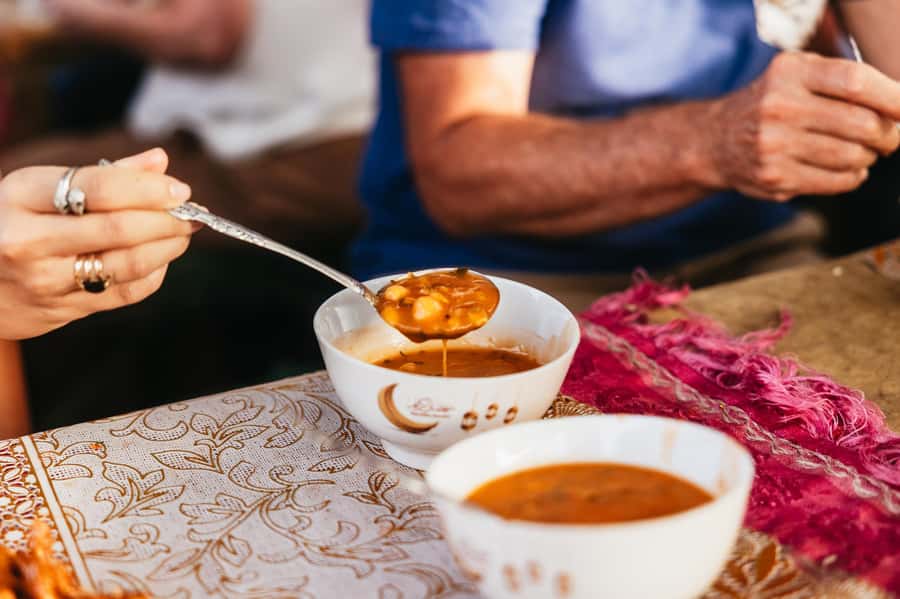
Harira is a must-know flavor profile. It’s comforting, spiced, and thick enough to feel like a real meal. It also matters because it ties directly to Ramadan’s breaking-fast tradition when the timing lines up.
Msemmen (and similar stuffed pancakes) teaches you how Moroccan cooking loves contrast: crisp outside, soft inside, honey and cheese, and mint tea on the side.
Sfenj is the street snack you’ll think about later. The texture hits in a way that packaged desserts can’t.
And then there are the “you really did that” items. Snails (Babbouche) and sheep’s head (Rass Mbekher) are the kinds of dishes that make this tour more than a generic sampling spree. They’re also the reason you should be honest with your guide about what you can handle.
Sweet treats and drinks: mint tea, raïb, panaché, and pan-fried pastry comfort
The drink part matters here. Mint tea isn’t just a beverage; it’s a pause button in the medina. You drink it between stops so you can reset your palate and slow down enough to enjoy the flavors instead of rushing.
On the sweet side, you might try Raïb, a homemade yogurt described as divine. It works because Moroccan meals often balance warm spices with cooling, creamy textures. You might also see pastries like Kaab Ghzal, plus additional macaroon-style sweets depending on the route.
Panaché can show up as a seasonal fruit smoothie, and Khoudenjal can bring a hot herbal note with galangal. These drinks help explain how Moroccans treat beverages as part of digestion and daily comfort—not just as something to wash down food.
Dinner choice: tajine in a local spot or open-air chwa barbecue
The dinner finish is where the tour stops being “snack” and becomes a full Moroccan meal.
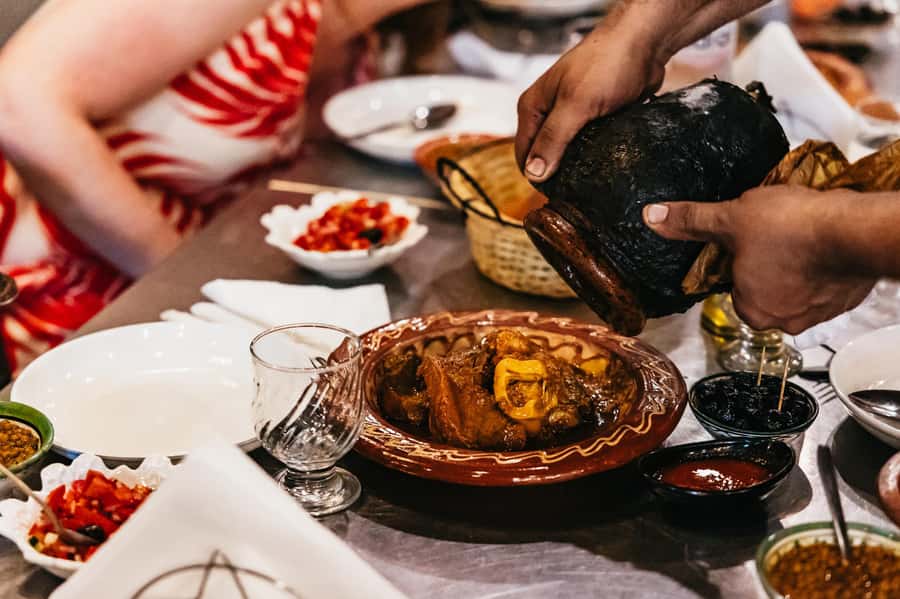
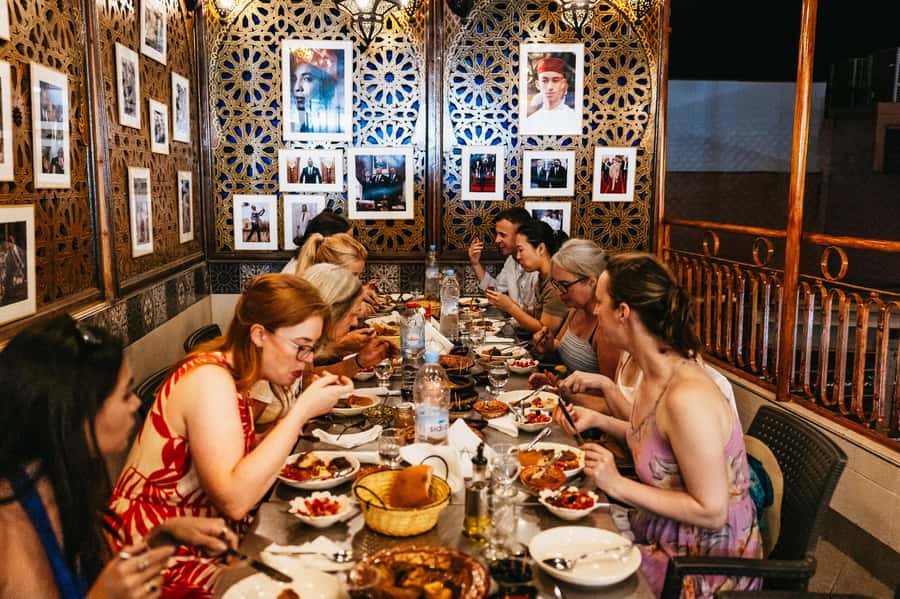
On one route, dinner is served at a cozy local restaurant with fresh Moroccan salad and a hearty tajine, followed by dessert like Raïb. A tajine dinner is classic for a reason: it’s slow-cooked comfort, built for sharing, and it tastes like a real end to the evening rather than another quick bite.
On the other route, dinner can be an open-air chwa grillade experience—authentic Moroccan barbecue with juicy grilled meats such as beef, turkey, and liver. If you like the idea of tasting street food and then ending in the open air, that dinner format hits differently.
One important note: dinner isn’t available during Ramadan. When the calendar is in play, the tour is still timed for that special evening energy—especially with harira, dates, and Chebakia—so you get the cultural moment even without the usual final dinner service.
Herbalist and spice shop stop: why it helps you enjoy the rest of Morocco
You may stop at a traditional herbalist’s shop during the tour. The point isn’t a sales pitch—it’s a quick education break. You get to sip mint tea again, learn a bit about spices, and usually get a restroom break, too.
This matters after the tour because those same spice notes start showing up everywhere in Marrakech. Once you’ve tasted the flavors with context, ordering becomes easier, and you’ll recognize what’s being used instead of guessing.
Price and value: what $52 buys you in real eating time
At $52 per person for about 3 hours, this tour is priced like a serious food plan, not a casual stroll. You’re paying for a local guide, multiple tastings at different stops, mint tea, and a dinner component (unless Ramadan timing changes it).
The value is strongest if you’re new to Marrakech food and want direction. Eating your way around the medina on your own can be rewarding, but it’s hit-or-miss—especially when you’re trying to decide what’s safe, what’s classic, and what actually tastes good. Here, the stops are chosen so the odds are in your favor, and you get explanations while you eat.
Also, the amount of food is a theme in the feedback style you’ll see tied to this experience: people often leave full and satisfied. That makes the $52 feel more like paying for an evening plan than just “buying snacks.”
Who should book this Marrakech food walking tour and dinner
This is a strong match if you want:
- A first-night or early-trip intro to Moroccan food basics
- A guide-led way to navigate the medina while eating your way through it
- A dinner that feels local, not mall-dining in disguise
- A social evening with a mix of classic dishes and a few adventurous ones
It’s also great for families and groups, because the structure keeps things moving and the food variety gives different people something to enjoy.
The biggest mismatch is for people who won’t touch certain textures or ingredients. If you hate the idea of trying snail dishes or sheep’s head, you should still consider booking, but you’ll want to communicate your limits clearly.
Little tips that can make your night go smoother
Start with an empty-ish stomach. The tastings add up, and you’ll enjoy each stop more when you’re not already stuffed.
Wear shoes you can walk in for 3 hours on uneven medina streets. If your feet complain, the whole tour gets slower.
And ask your guide questions, especially about what you’re about to eat. This is the kind of evening where the food story makes the taste stick in your memory.
Should you book this tour?
If you want a fun, structured introduction to Marrakech food that ends with a real meal, I’d say yes. The best part is the combination: guided medina walking + multiple tastings + mint tea + dinner. With a 4.8 average and 261 bookings, it’s also one of those odds-friendly experiences where many people seem to agree on pacing, food variety, and the guides’ ability to keep things lively.
Book it if you’re ready to eat a lot, enjoy the flavor education, and handle a couple of adventurous dishes. Skip it (or set firm boundaries) if you’re very sensitive to unusual foods like snails or sheep’s head.
FAQ
Where do I meet the guide?
Meet your guide in front of Poste du Maroc, Rue Beni Marine.
How long is the tour?
The experience lasts about 3 hours.
What’s included in the price?
The tour includes a certified local guide, sampling specialty foods at multiple stops, authentic Moroccan mint tea, and dinner (either open-air grillade or dining at a local restaurant, depending on the route).
Is dinner served during Ramadan?
Dinner is not available during Ramadan. The tour still includes Ramadan-style tastings like harira with dates and Chebakia.
Does the tour include hotel pickup?
No, hotel pickup and drop-off are not included.
What language is the guide?
The live tour guide speaks English.
What should I bring?
Comfortable shoes are recommended since you’ll be walking in the Medina.
Is the tour okay for vegetarians?
The tour data lists specific foods, but you should confirm dietary needs. One note in the provided information indicates that vegetarian substitutions can be arranged by the guide.