REVIEW · FES
From Fes: 3 Days and 2 Nights Desert Trip to Marrakech
Book on GetYourGuide →Operated by 3t Travel · Bookable on GetYourGuide
Morocco hits different when the road turns sandy. On this Fes to Marrakech desert trip, you go from cedar forests and monkey sightings to camel sunsets over Erg Chebbi, then keep rolling to kasbahs, gorges, and film-studio sights. I like that it packs big “wow” moments into a short window, and I like that the camp night is built around real desert atmosphere, not just a photo stop. The main drawback to plan for is the long, driving-heavy pace—great for scenery, less great if you want lots of quiet time.
You’ll spend two nights outside Marrakech: one desert camp night in the dunes area, and another night in a hotel around Ouarzazate/Dadès. Along the way, you’ll move fast across huge distances, with stops that mix nature, culture, and iconic Morocco scenery.
In This Review
- Key things that make this trip work well
- Why this route feels like Morocco in a tight time window
- Day 1: From Fes toward the desert edge, with Ifrane and monkeys on the radar
- Day 2: Erg Chebbi sunset on camelback, plus that kasbah-at-the-foot-of-the-dunes feeling
- The Berber camp night: food, music, and the sky you’ll never forget
- Day 3 morning: Kasbah views and the Road of a Thousand Kasbahs
- Todgha Gorges and Dadès Valley: dramatic rock walls that still feel real
- Ouarzazate: Taourirt Kasbah and Atlas Studios in one movie-ish day
- The ride back to Marrakech and finishing at Jemaa el-Fnaa
- Price and value: does $188 really make sense?
- Who should book this tour (and who might not love it)
- Should you book it?
- FAQ
- How long is the trip from Fes to Marrakech?
- Where does the tour pick up and drop you off?
- What’s included in the price?
- Is the camel ride included?
- Are quad rides or sandboarding included?
- What type of desert lodging is provided?
- Is it private or shared with other people?
- What’s the cancellation policy?
Key things that make this trip work well
- Cedar forest and monkey break early on, so you start with something memorable before the desert
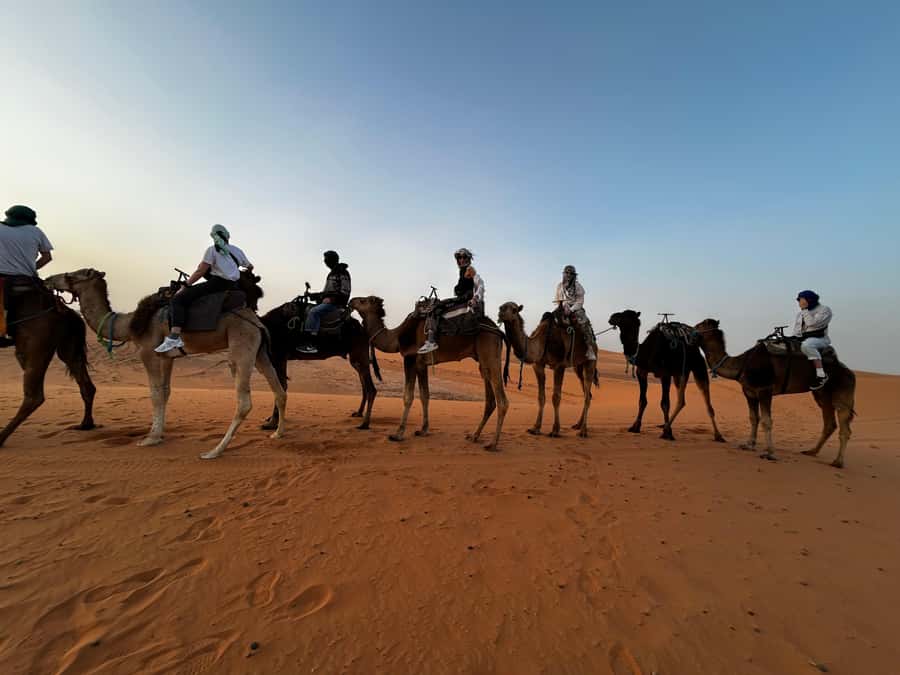
- Erg Chebbi camel sunset for that classic dune-at-golden-hour feeling
- A night in a Berber camp with dinner, fire music, and a serious star sky
- Aït Ben Haddou and the Road of a Thousand Kasbahs for kasbah views that also look like movie sets
- Todgha Gorges and Dadès Valley when the scenery gets dramatic and narrow
- Ouarzazate stops like Taourirt Kasbah and Atlas Studios, tying Morocco to cinema
Why this route feels like Morocco in a tight time window
This is the kind of trip where the geography does the storytelling for you. In a few days you’ll go through forested hills, mountain passes, palm valleys, and then into the Sahara’s wide, quiet mood. If your time is limited but you want both culture and scenery, this route gives you a good “big picture” without needing to plan separate day tours.
The value also comes from the way the package is built. For around $188 per person, you’re not just paying for transport. You’re also getting the human factor (a professional English- and French-speaking driver), a camel ride, meals (breakfast plus included dinner(s)), and two nights of lodging—one of them in the desert camp zone. That combination matters because desert travel gets expensive fast once you start adding pieces à la carte.
One more practical point: you’re in good hands with the driving. Many groups report guides like Said or Hassan/Mahfoudh keeping the ride smooth and safe across long stretches of road, which is exactly what you want when the day is mostly sitting and watching scenery go by.
You can also read our reviews of more tours and experiences in Fes.
Day 1: From Fes toward the desert edge, with Ifrane and monkeys on the radar
You start with pickup from your Fes accommodation (or a nearby meeting point), then settle into an air-conditioned car for a long but scenic day. Before the dunes ever enter the picture, you’ll get a change of scenery that’s important: Morocco isn’t one single look. It’s multiple worlds in one country.
A standout early stop is the cedar forest area, where you can see the resident macaques. It’s a fun break from the “just driving” feeling, and it gives you a chance to stretch your legs before the route starts moving deeper into more remote landscapes. Some departures also pass through Ifrane, known for its Swiss-style look, which adds a surprising contrast before the mountains and valleys take over.
Why this first day is worth it: it sets you up for the desert night by giving you context. You’ll notice more than you usually would on a direct transfer, and you’ll arrive feeling like you earned the change in scenery instead of just being delivered to it.
The main consideration on Day 1 is simple: it’s long road time. Comfortable car seats help, and groups often say the driving is steady, but you should still pack your patience. Bring water, snacks for between stops (lunch isn’t included), and a bit of a flexible mindset.
Day 2: Erg Chebbi sunset on camelback, plus that kasbah-at-the-foot-of-the-dunes feeling
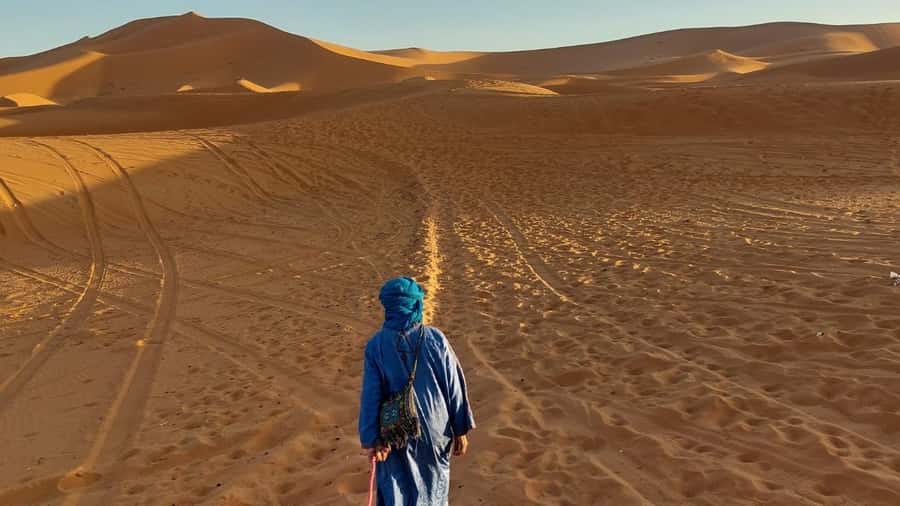
Merzouga is the name that matters on this day, and Erg Chebbi is the reason people come. You’ll reach the dune area near a traditional kasbah at the base of the Erg Chebbi region, then the atmosphere shifts fast: the horizon flattens, the air cools a touch, and the desert starts doing its job.
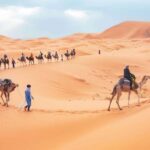
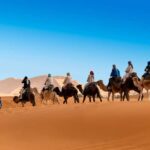
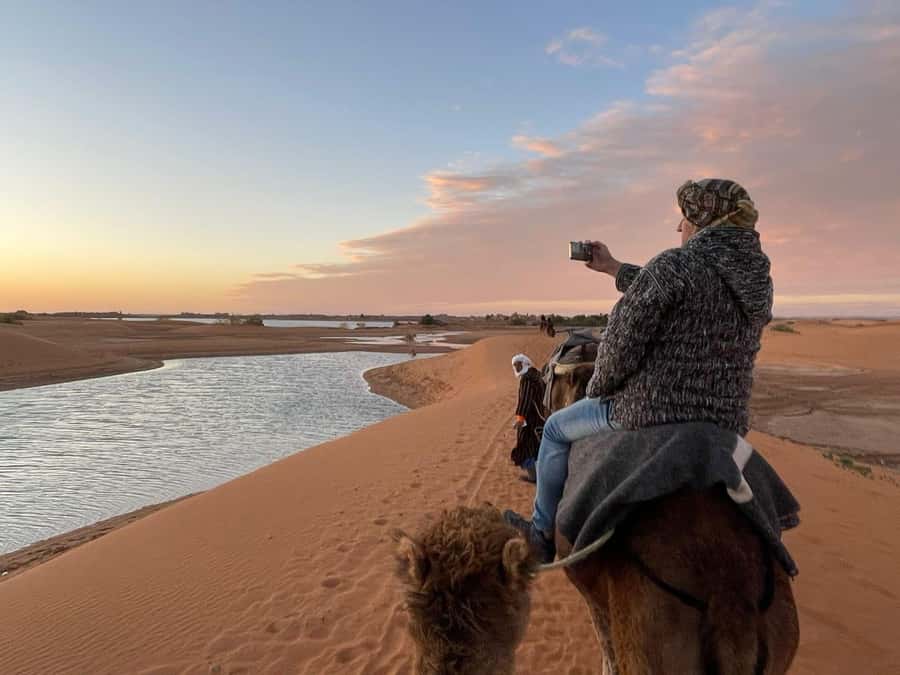
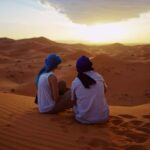
The centerpiece is the camel ride at sunset across the dunes. This is the moment when “desert” stops being a concept and becomes a lived experience. The ride is usually short enough to feel like a fun activity, but long enough to get that sense of being out in the open. You’ll be there for the light—when sand turns gold and shadows get long.
One thing to know about ride logistics: some departures include short, rough-feeling transfers before you mount camels. Reports mention a bumpy roof ride in older vehicles before switching to camels. It’s not a deal-breaker for most people, but if you’re sensitive to motion or you hate jolts, it helps to mentally prepare.
You’ll end the day at the desert camp area, where the focus is now less about moving and more about being present.
The Berber camp night: food, music, and the sky you’ll never forget
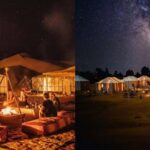
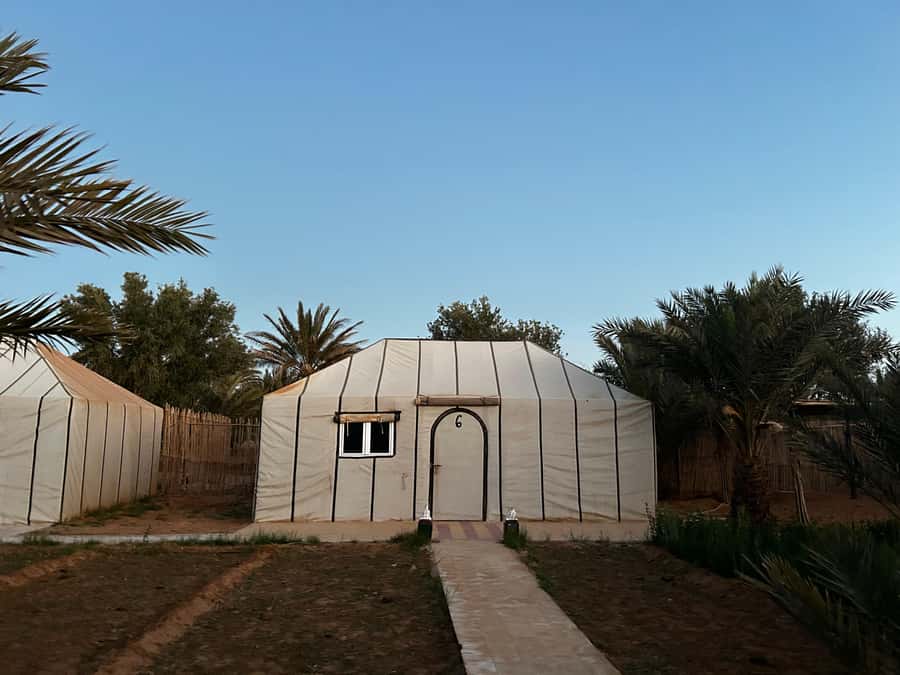
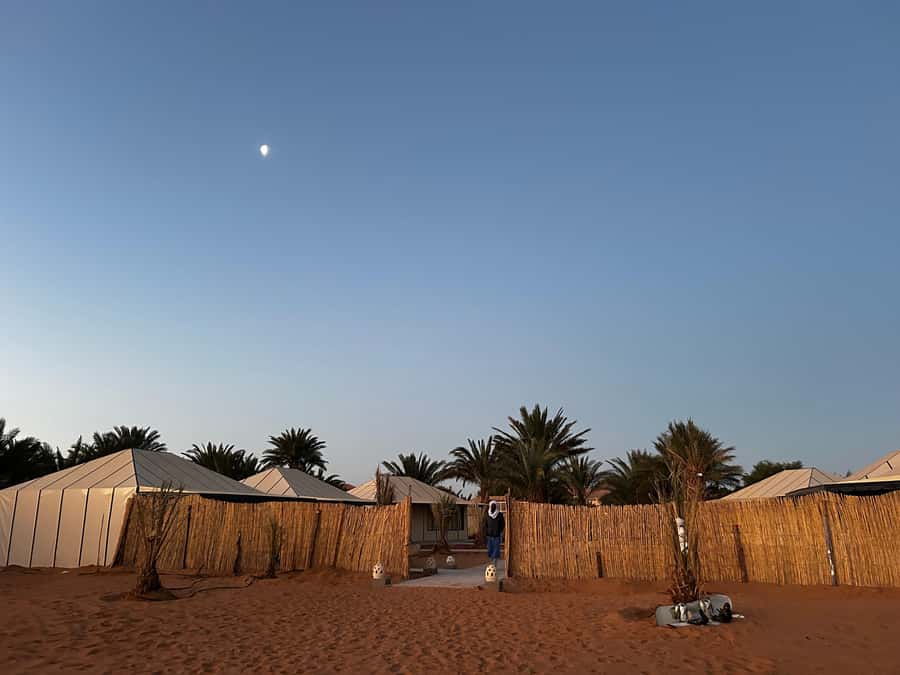
The desert camp experience is why this tour earns a high rating over and over. The camp isn’t pitched as luxury-palace living. It’s more about authenticity: a tent stay, included dinner, and the kind of night sky that makes phone photos look a little silly.
What you can realistically expect:
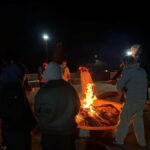
- A Berber-style camp setup with dinner and time around the fire
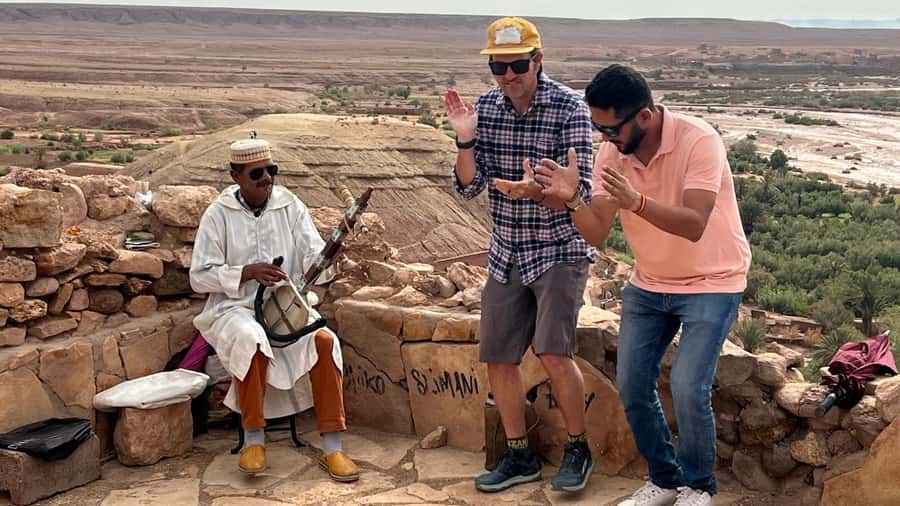
- Live music around the fire in many cases, with performers using instruments like qraqeb and drums
- A night where darkness is actually dark (and stargazing becomes the plan)
Camp quality depends on the option you book. Standard, deluxe, and luxury tents exist, and some groups mention hot showers and even AC in upgraded luxury options. If you’re booking for comfort, choose the higher tier—it can make the night much easier, especially in hot months or when temperatures drop fast after sunset.
One more practical detail: the night is cold-to-cool for sleeping comfort in many seasons, so bring layers. Even if you’re warm during the day, desert air changes fast.
If you’re expecting a quiet, spa-style retreat, you may find it lively—fire music, group energy, and fellow travelers around the camp. For most people, that social camp vibe is part of the fun.
Day 3 morning: Kasbah views and the Road of a Thousand Kasbahs
After breakfast, you’ll head back onto the road along the Road of a Thousand Kasbahs, following routes that historically connected caravan towns. It’s the kind of drive where the landscape keeps changing your angle, because the kasbahs sit on ridges and slopes instead of landing in flat farmland.
This road also has a movie connection. You’ll pass areas used for major productions, including The Last Temptation of Christ and Jewel of the Nile. Even if you’ve never seen those films, it helps explain why the scenery looks like set dressing. The terrain is dramatic, and the kasbah style is built for long-distance views.
This is also the day when the pace can feel slightly intense. You’ll likely experience a mix of short walks, quick stops, and viewpoint moments. If you like variety and you don’t mind being on the move, it’s a strong day. If you want slow travel, you might want to mentally plan for “in-and-out” energy.

Todgha Gorges and Dadès Valley: dramatic rock walls that still feel real
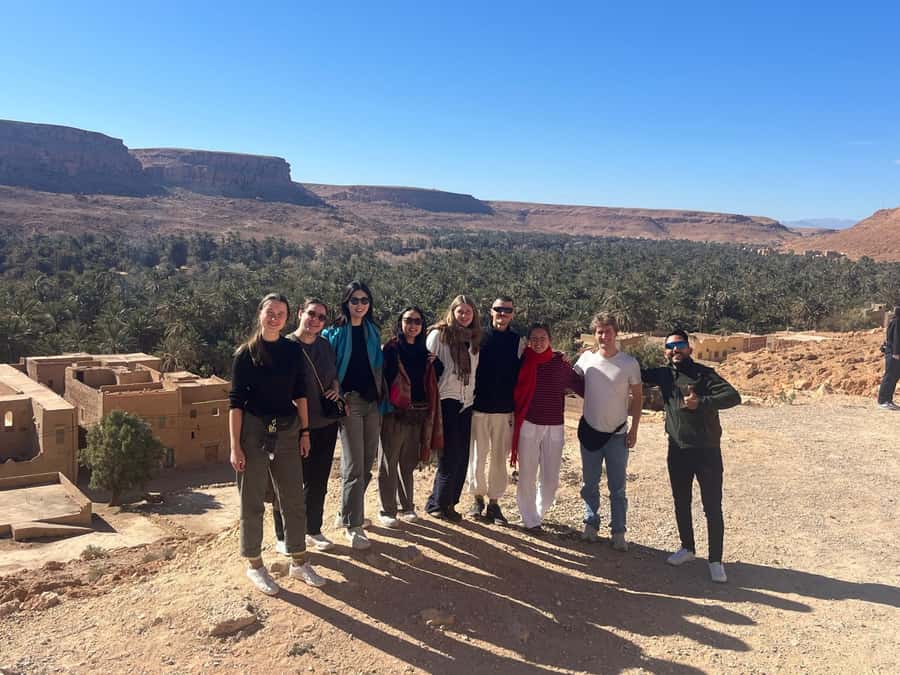
Then come the gorges—Todgha Gorges—and the Dadès Valley road. These stops are popular for a reason. The Todgha area gives you narrow, vertical canyon walls that look like they were built by time and water. It’s not a museum stop; you walk and feel the scale.
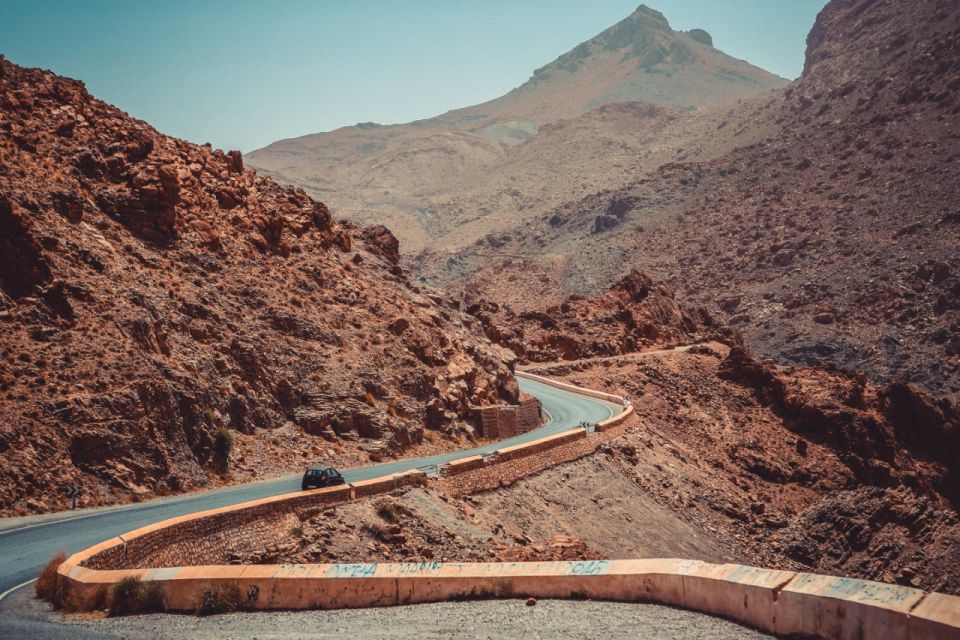
After the gorge, you’ll travel through the Dadès Valley, where dramatic escarpments shape the road. This is where you can really see why people photograph Morocco’s cliffs from every possible angle: the scenery is active. It changes every few minutes as the road bends.
Lunch is not included, but you’ll have time to buy something along the way. This is one of the moments when a snack habit helps—gorge walking plus driving equals hunger faster than you expect.
That night, you’ll stay in a hotel in the Gorges area or Ouarzazate, with dinner included.
One small drawback to keep in mind: hotel quality can vary depending on the property used in your dates. Some groups report strong satisfaction; others describe a less inspiring hotel location. In other words, desert camp tends to feel more special than the overnight stop, so don’t set your expectations for the second hotel equal to the dunes.
Ouarzazate: Taourirt Kasbah and Atlas Studios in one movie-ish day
Your final full day in Morocco territory leans cultural and visual, and Ouarzazate is a perfect place to stop. This city has that “gateway” feeling: it’s not just an airport for sights, it’s a working hub where filming, craftsmanship, and kasbah architecture share the same streets.
Two major stops usually show up:
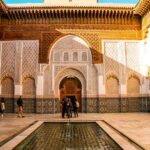
- Kasbah of Taourirt, known for its architectural texture and layered shape
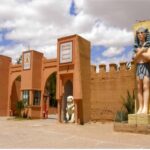
- Atlas Studios, described as the largest and most famous movie studios in Africa
Even if you’re not a film nerd, Atlas Studios can be a fun reality check: Morocco’s look isn’t just natural—it’s also been shaped for cinema. If you enjoy recognizing landscapes from screen work, this is where it clicks.
If you do want to make time for extra wandering, this is the day to do it. You’ll have a calmer schedule than the desert sequence, and the city stops work well for photos, slow walking, and learning the local vibe.
The ride back to Marrakech and finishing at Jemaa el-Fnaa
The final journey goes to Marrakech, with drop-off near Jemaa el-Fnaa (the main square). For many people, that’s a great way to close: you arrive right where the energy is thickest, right where you can decide what to do next.
One practical note: drop-off can be near your accommodation with a short walk in some cases. It’s not a major issue, but it’s nice to know so you’re not dragging bags across heat at the end of a long road trip.
Price and value: does $188 really make sense?
At $188 per person for 3 days, the best way to think about value is what’s included and what usually costs extra.
This package covers:
- 3 days of air-conditioned transportation
- A professional driver (English/French, and some also speak other languages)
- Camel ride
- Breakfast
- Dinner
- 1 night in a desert camp (standard to luxury, depending on your option)
- 1 night in a hotel around Ouarzazate/Dadès
- Pickup and drop-off
Most of the expensive parts of desert travel are the distance and the logistics: getting out to the dune zone and back, coordinating camels, and arranging the night stay. Once you price those pieces separately, you often end up spending close to the same amount anyway—then you’re left doing the planning.
So for the money, the big value move is that you get the structure. You don’t have to solve the hard parts. You just show up, get driven, and enjoy the stops. If you’re booking the luxury camp tier, the value can jump because comfort upgrades (like AC mentioned in some reports) make a big difference at night.
Where value can wobble: if you choose standard lodging tiers, the desert camp may still be clean and functional, but it won’t feel like a resort. Think authentic comfort, not hotel-luxury.
Who should book this tour (and who might not love it)
This tour fits best if you want:
- A short, high-impact desert experience
- A mix of nature + culture + kasbah architecture
- A route that ends with Marrakech street life at Jemaa el-Fnaa
You might want to choose a different option if:
- You hate long driving days (this one has plenty)
- You need lots of quiet downtime between major sights
- You’re very sensitive to motion on transfers and road conditions
If you’re traveling solo, couples, or small groups, the small-group format can be a plus. Many people also like having the same driver-guide relationship over the whole trip for continuity—names like Hassan, Moha, Hamza, Said, Yassine, Idriss, Abdul, and Soufiane show up often in positive feedback for safe driving and clear explanations.
Should you book it?
I’d book this if your top priorities are the Sahara camp night, the Erg Chebbi camel sunset, and strong “Morocco scenery variety” in a short time. The price-to-inclusions ratio is strong for what you actually get: transport, lodging, meals, and the big signature experiences.
Before you book, do one simple check: are you okay with sitting in the car for long stretches? If yes, you’ll likely love the flow—cedars to desert, kasbahs to gorges, and then a lively finish in Marrakech. If you want a slower pace with fewer stops and more downtime, you might prefer a longer route or a different rhythm.
FAQ
How long is the trip from Fes to Marrakech?
It’s a 3-day trip with 2 nights, traveling from Fes to Marrakech.
Where does the tour pick up and drop you off?
Hotel pickup is included in Fes (either directly or from a nearby meeting point), and you’ll be dropped off in Marrakech near Jemaa el-Fnaa.
What’s included in the price?
Included are air-conditioned transportation for 3 days, a professional driver, breakfast, dinner, 1 night in a desert camp (option-dependent), 1 night at a hotel in the Gorges/Ouarzazate area, a camel ride, and hotel pickup/drop-off.
Is the camel ride included?
Yes, a camel ride is included.
Are quad rides or sandboarding included?
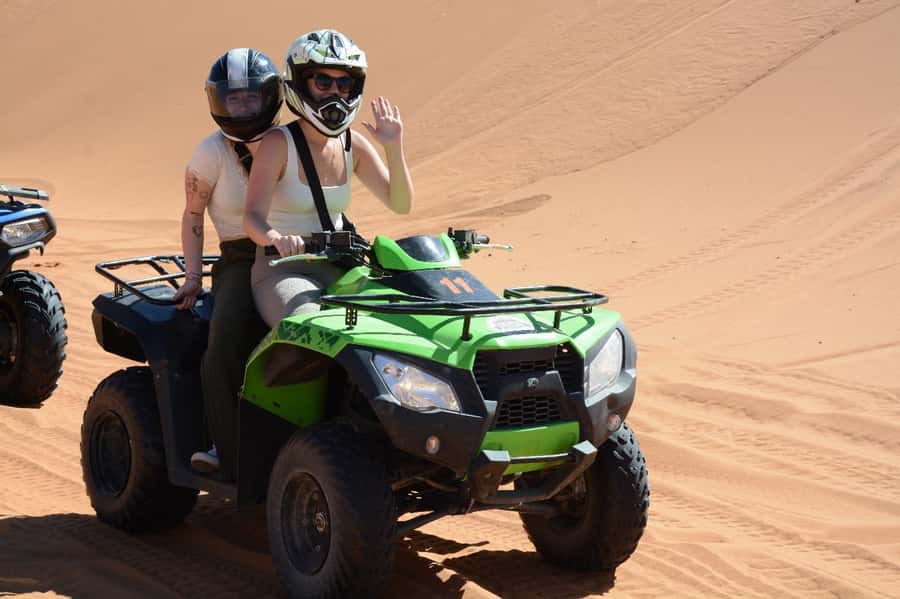
No. Quad rides cost extra, and sandboarding is available upon request.
What type of desert lodging is provided?
You’ll stay 1 night in a standard, deluxe, or luxury desert camp depending on the option you choose.
Is it private or shared with other people?
The tour offers private or small groups.
What’s the cancellation policy?
Free cancellation is available up to 24 hours in advance for a full refund.