REVIEW · FES
Fes: Royal Palace, Madrasa, Tannery & Souks and Medina Tour
Book on GetYourGuide →Operated by VOYAGISTE MAROC - TRAVEL COMPANY · Bookable on GetYourGuide
Fès turns on its lights in four hours. This tour strings together the golden gates of the Royal Palace (external), Al Attarine Madrasa, the Mellah, and the old medina with a guide who helps you read what you’re seeing instead of just passing it. I especially like how the route mixes big monuments with real craft work like leather making—so Fès doesn’t feel like a checklist.
My favorite part is the human side: guides such as Mundir, Youssef, Abdul, and Khaled are repeatedly praised for pacing, explanations, and helping you move through the alleys. One thing to factor in: there are shop stops, and while some guides keep them relaxed, a leather workshop stop can feel more sales-focused with certain groups—so it helps to set your shopping limits up front.
In This Review
- Key things to know before you go
- Why this 4-hour Fès route works (and who it suits)
- Meeting point and pacing: how to start without stress
- Royal Palace golden gates: seeing the showpiece without the ticket hassle
- Mellah lanes: history you can feel as you walk
- Bou Inania Madrasa: the kind of detail you only notice with a guide
- Al Attarine Madrasa and the Karaouiyne area: monuments plus meaning
- Chouara Tannery and artisan workshops: watch, smell, and shop smart
- Medina of Fès and Bab Boujloud: the longest walk with the most payoff
- Price and value: what $15 buys you here
- Guide quality: what to look for on the day
- Practical tips that make your day smoother
- Should you book this Fès Royal Palace, Madrasa, Tannery & Souks tour?
- FAQ
- What is the duration of the tour?
- How much does it cost?
- Is the Royal Palace visit inside or outside?
- Are there entrance fees for the monuments?
- Does the tour include the Karaouiyne Mosque and University entry?
- What languages are available with the guide?
- Is this tour suitable for wheelchair users?
Key things to know before you go
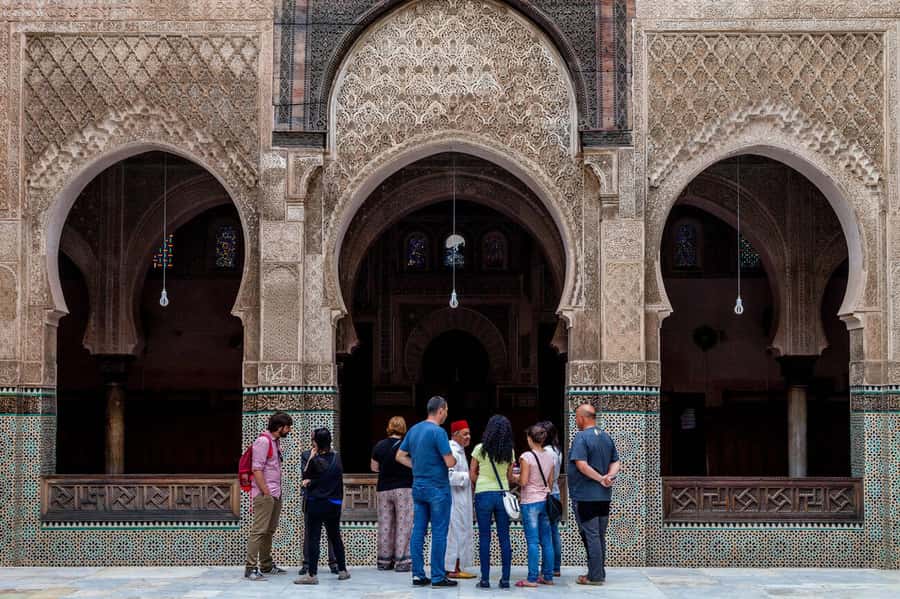
- Royal Palace exterior views: You’ll see the landmark golden gates and architecture from the outside with photo time, without getting stuck on palace entry lines.
- Madrasas that actually show you details: Stops at Al Attarine and Bou Inania are where the carved stone work comes alive.
- Mellah context, not just a quick look: You’ll get the story behind the Jewish Quarter and what shaped daily life there.
- Chouara Tannery is unforgettable (and smelly): Leather-making sights are matched with practical tips—mint to mask the odor is often part of the experience.
- Souk walking with a guide’s map in your head: You get a feel for where artisans work and where to shop—without needing to play Medina Minecraft.
- Big sights, short time: In 4 hours, you cover the essentials plus a long stretch of medina and Bab Boujloud area time.
Why this 4-hour Fès route works (and who it suits)
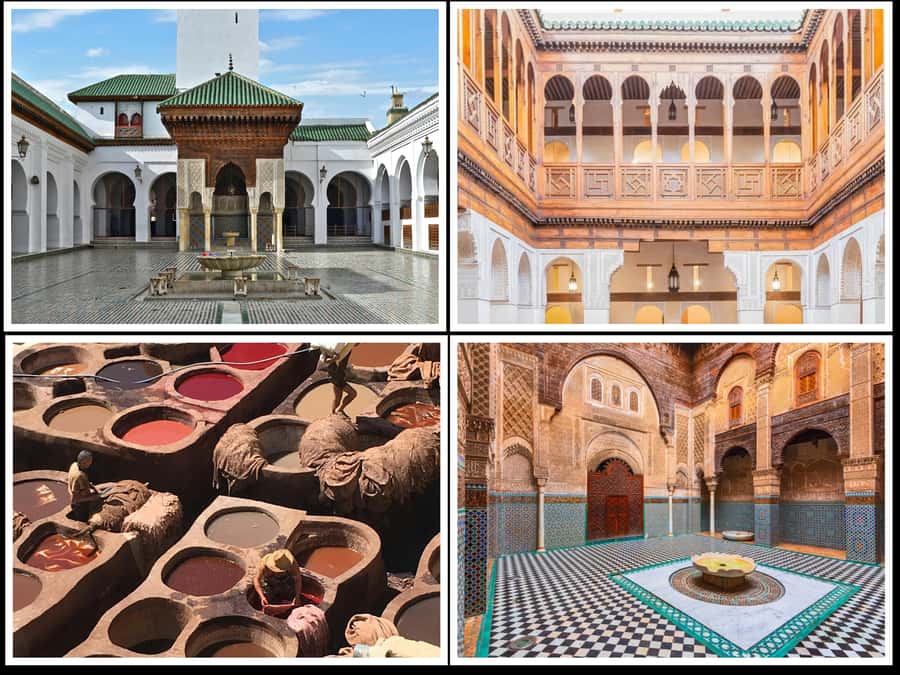
Fès is the kind of city where you can walk for an hour and still feel like you went in circles. This tour solves that by threading together the top historical and craft areas in a way that matches how the medina is laid out. You’ll cover major monuments early, then spend the bulk of your time in the old lanes where you actually learn the rhythm of the city.
If you’re short on time, or it’s your first visit, this is a strong fit. It’s also a good choice if you want to shop but don’t want to be alone in the maze with strangers offering directions. And if you care about how things are made—woodwork, metalwork, leather, ceramics—this route gives you a front-row view of the artisan quarters where those skills still get used.
You can also read our reviews of more tours and experiences in Fes.
Meeting point and pacing: how to start without stress
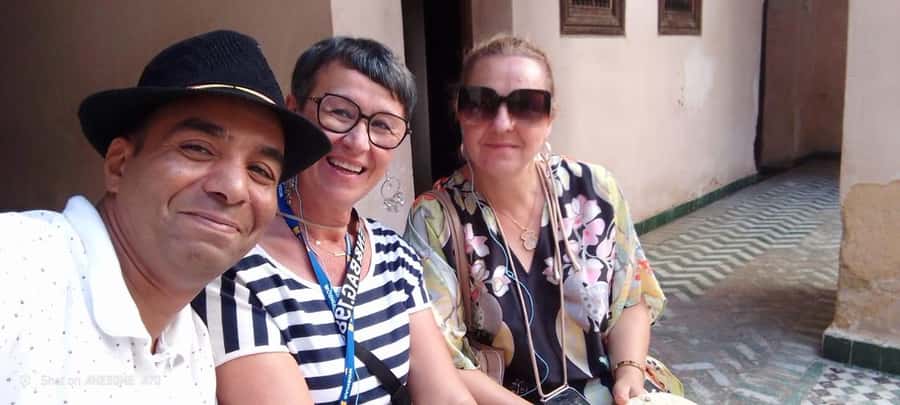
You meet your guide in front of Riad Palais de Fès Suites & Spa. Plan to arrive a few minutes early so the group can start on time, because there can be a 5 to 10 minute delay if someone is late.
The pacing is designed for walking: you’ll have short photo breaks and guided segments, then genuine free time to look, rest your feet, and take in what’s around you. One practical note I really appreciate: you’ll be told where to stand and how to look, which matters a lot in Fès where the best views often come from a corner, a doorway, or a stair landing you might miss on your own.
Royal Palace golden gates: seeing the showpiece without the ticket hassle
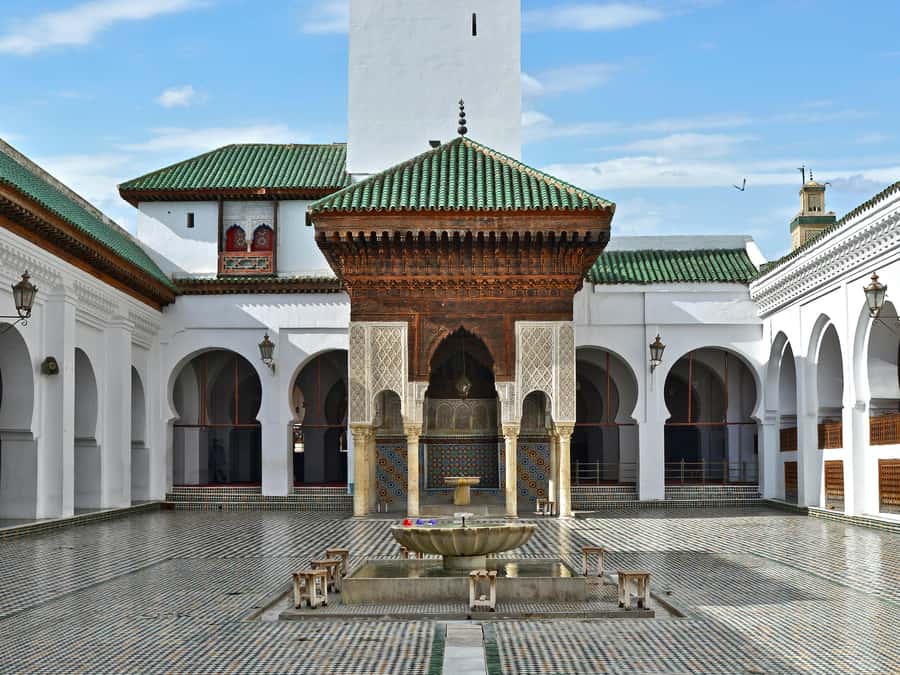
The Royal Palace is one of those Fès icons you hear about before you ever arrive. Here, you get an external visit—so you won’t be spending your time trying to enter restricted areas. Instead, you get a proper photo stop, a guided explanation, and a bit of time to soak in the design.
What I like about this approach is that it protects your schedule. You still get the wow factor of the landmark golden gates and the palace’s architecture, but you’re not forced to trade your whole morning for one building. If you’re comparing tours, this is one reason the route feels efficient: you get the headline sight and then move on while your energy is still fresh.
Mellah lanes: history you can feel as you walk
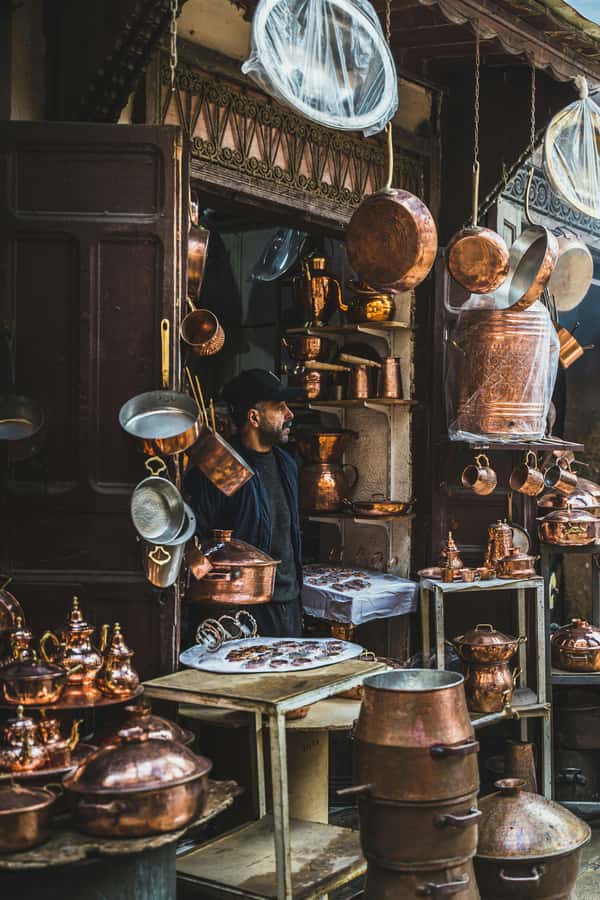
Next comes the Mellah, the historic Jewish Quarter. You’ll stop for photos and have a guided walk and visit, with context on what made this neighborhood significant and how it fit into Fès over time.
This is where the tour shifts from looking at famous monuments to understanding how different communities shaped the city. If you like stories that help you connect architecture to real life, you’ll probably enjoy this part most. And because you’re walking with someone local, you’re less likely to feel lost in the streets’ tiny twists and turns.
Bou Inania Madrasa: the kind of detail you only notice with a guide
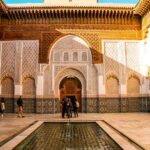
Bou Inania is a madrasa stop where the craftsmanship really shows. You’ll get a guided visit and photo time, then a chance to linger and look at how the design works.
The value here isn’t just the building itself—it’s how someone explains the geometric patterns and why these spaces were made this way. Even if you know nothing about Islamic architecture, a good guide turns the carvings into something readable. With the right guide (people mention Abdul, Youssef, and Khaled often), you’ll find yourself slowing down instead of rushing past.

Al Attarine Madrasa and the Karaouiyne area: monuments plus meaning
Al Attarine Madrasa is another highlight, and it’s a strong follow-up to Bou Inania because the style and details help you compare. You’ll stop for photos, then do a guided visit and free time to look around.
After that, you reach the Karaouiyne Mosque and University area, with exterior views plus explanations. The tour includes an external look at the Karaouiyne library as well. This matters because the area is important far beyond sightseeing—so even from the outside, you’re seeing a place tied to learning that shaped the Islamic world.
From a practical standpoint, I like that you’re not stuck inside one place too long. You’re getting history and cultural context while still keeping your legs moving toward the craft areas where Fès becomes hands-on.
Chouara Tannery and artisan workshops: watch, smell, and shop smart
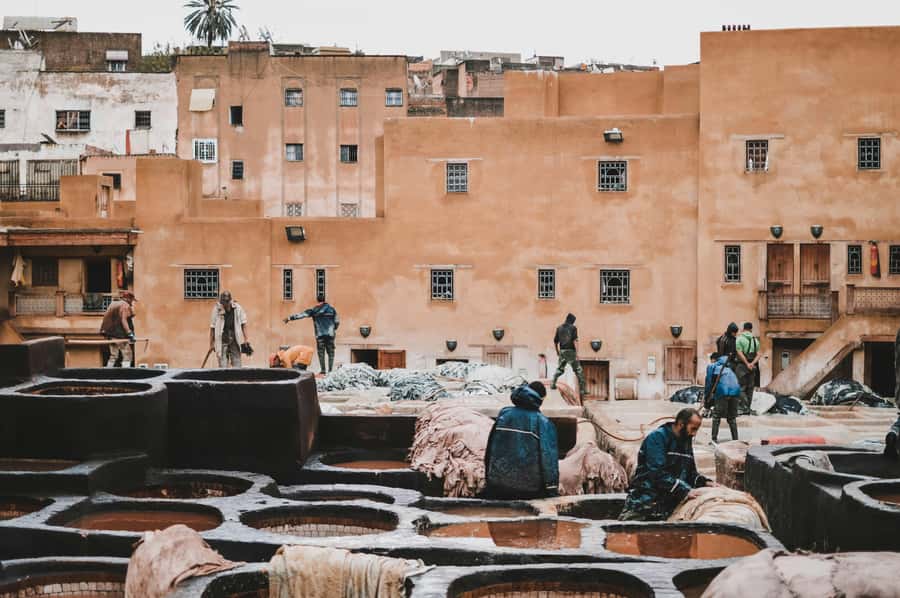
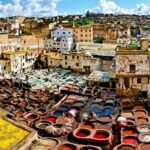
Chouara Tannery is the part people remember. You’ll see the tanning process area with guided time, then you’ll have a bit of free time—plus shopping opportunities if you want them.
Be ready for the smell. One reason this stop gets talked about so often is that it’s real leather work, not a staged demo. Mint is often used to help make it more comfortable, and guides usually warn you so you’re not caught off guard. If you’ve got a sensitive nose, step back when you need a breather and take photos quickly.
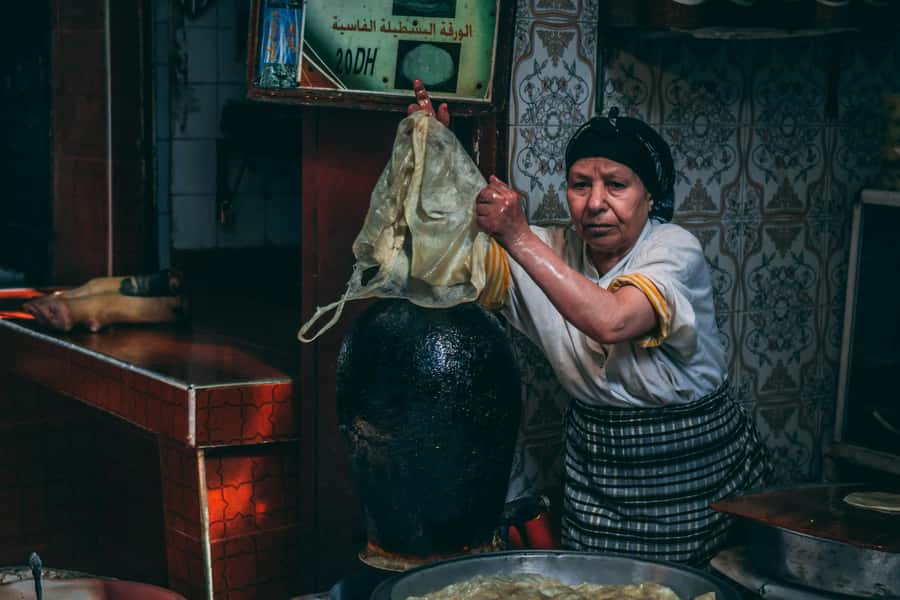
What I also like is the craft angle. The route is built around artisan quarters, including places where you can see leather goods, ceramics, and other traditional products being made. Some people end up with an enjoyable bonus stop too—one guide was praised for taking guests to warm bread at a local bakery, and another for sharing mint tea during the walk. You won’t know every bonus stop in advance, but you can expect that your guide will try to keep the day satisfying, not just architectural.
A fair heads-up: if you’re not shopping, shop pressure can still happen in workshops. One review notes that some time at a leather factory felt more sales-heavy. My advice is simple: decide your budget early, and when you say no, say it calmly and move on. A good guide will still keep you moving and make sure you get what you came for.
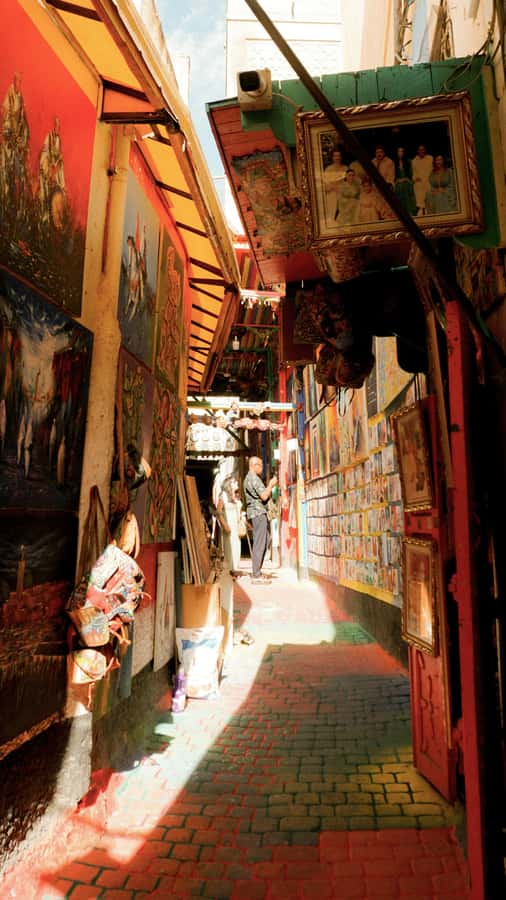
Medina of Fès and Bab Boujloud: the longest walk with the most payoff
After the craft stops, you head into the Medina of Fès for the longer stretch of guided time and free wandering. This is where you start seeing how the city works as a system—streets feeding into souks, artisans clustered by craft, and landmarks that guide your direction.
You’ll also get time near Bab Boujloud, including photo stops and a longer segment to see the area and take it all in. This part is valuable because it gives you a sense of place. Even if you don’t buy anything, you learn what to look for later when you return on your own.
If you’re the type who wants to keep exploring after the tour ends, this closing phase pays off. You’ll leave with a mental map, plus practical tips on how to navigate and where to head next.
Price and value: what $15 buys you here
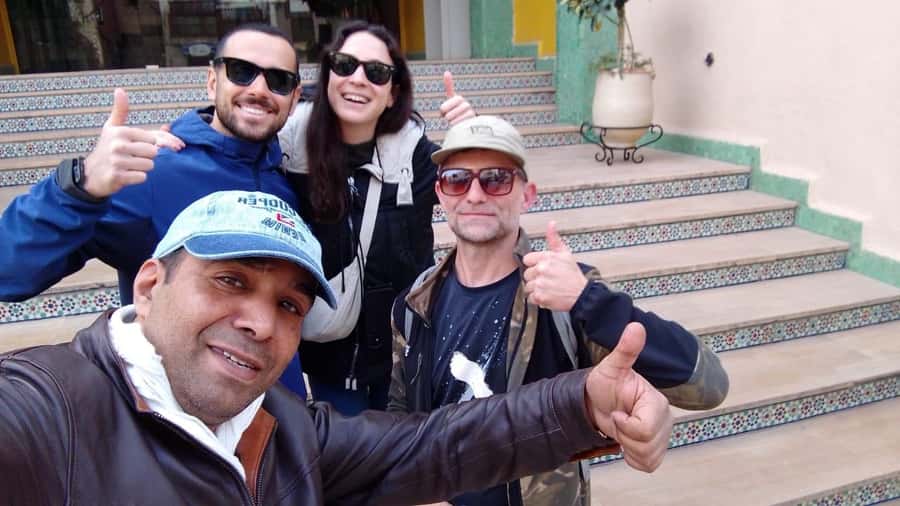
At around $15 per person for a 4-hour guided experience, the value is all about time and guidance. In Fès, a guide isn’t a luxury add-on—it’s often the difference between a stressful wander and a day that flows.
You get:
- access to major sights in one half-day route
- guided explanation at multiple landmarks
- skip-the-line entry for monuments where applicable
- multilingual support (Arabic, French, English, Italian)
And you’re not stuck at only one location. You’re covering madrasas, a historic neighborhood (Mellah), the Karaouiyne area exterior views, the tannery, and a long chunk of the medina and souks. For many visitors, that’s exactly what makes the price feel fair.
Guide quality: what to look for on the day
Reviews consistently praise guides for personality and practical help. Names that come up again and again include Mundir, Youssef, Abdul, Khaled, Hassan, and Mohamed. People highlight things like a relaxed pace, helpful navigation inside the alleys, and the ability to answer questions as you walk.
I’d treat the guide as part of the itinerary. If your guide is great, you’ll notice that the same alleyways and stonework suddenly make sense. If the guide is less strong, you may feel rushed through details. The good news is that this experience has a strong track record, and many guides also try to help with real needs like snacks or staying hydrated.
Practical tips that make your day smoother
Here are the small things that matter in Fès, especially on a 4-hour walking tour:
- Wear comfortable shoes. The medina is not built for fragile soles.
- Bring sunglasses. Light can bounce off white walls and pale stone.
- Have local currency ready for any monument entrance fees that apply. The tour notes that Madrasa Bouanania has an adult fee of 20 MAD not included.
- Plan for a short delay if someone is running late.
Also, if you care about shopping, go in with a plan. Decide what you want (leather goods, ceramics, metalwork), then let your guide show you options. That keeps you from getting pulled into a high-pressure conversation.
Should you book this Fès Royal Palace, Madrasa, Tannery & Souks tour?
I recommend booking if you want a structured first taste of Fès with the key landmarks plus craft reality—madrasas, Mellah context, the Karaouiyne area, the tannery, and real souk time. It’s especially worth it if you’d rather spend your energy looking and understanding than trying to solve the medina map on your own.
I’d think twice if you’re very sensitive to strong smells, dislike shop stops, or need wheelchair access. For most people, though, the combination of major sights, guided navigation, and the chance to see how products are made makes this a smart half-day use of your time in Fès.
FAQ
What is the duration of the tour?
The tour lasts 4 hours.
How much does it cost?
The price is $15 per person.
Is the Royal Palace visit inside or outside?
The Royal Palace is an external visit only.
Are there entrance fees for the monuments?
Yes. Madrasa Bouanania has an adult entrance fee of 20 MAD, and it is not included. Other monument entry may also involve local fees, so it’s smart to have cash in local currency.
Does the tour include the Karaouiyne Mosque and University entry?
It includes exterior visits only for the Karaouiyne Mosque and University, and the Al-Qarawiyyin library is also external.
What languages are available with the guide?
The live guide is available in Arabic, French, English, and Italian.
Is this tour suitable for wheelchair users?
No, it’s not suitable for wheelchair users.