REVIEW · MARRAKESH
Sparkling Marrakech through the eyes of your local Guide
Book on GetYourGuide →Operated by Reiseführer Abdo · Bookable on GetYourGuide
Marrakech moves fast, so you need the right map. This 3-hour tour strings together the old city’s key moments from early eras to today, using stories that touch all five senses. I love how it pairs major landmarks like Jemaa el-Fnaa and Koutoubia Mosque with smaller streets most people miss. The one thing to watch is timing and money: entrances are extra, and the route can stretch a bit in peak crowds.
What I really like is the way the guide connects places to everyday life. You’ll hear practical culture talk too, from marriage and family traditions to religious habits, language, eating customs, and even how people think about politics and education. I also like the energy level: guides such as Reiseführer Abdo (and others you may meet, like Abdul/Abdoo, Nasser, and Ahmed) tend to mix facts with a sense of humor, and they keep the group together without turning it into a lecture.
A possible drawback: you’ll do a lot of walking on uneven medina streets, and you might want a short drink break before your feet start arguing. Also, the tour price is clear that monument tickets aren’t included, so come ready with cash for sites like Bahia Palace and Ben Youssef Madrasa.
In This Review
- Key things that make this tour work
- Finding the tour start at Café Argan, Jemaa el-Fnaa
- First stop: Argana Café and a tea that sets the tone
- Jemaa el-Fnaa: a guided way to understand what you’re seeing
- Koutoubia Mosque: seeing a landmark and learning how to read it
- Bab Agnaou: the medina gate that makes the city feel real
- Bahia Palace: a photo stop with an important entrance fee
- Ben Youssef Madrasa: where details teach you culture fast
- Souk Semmarine: shopping that doesn’t leave you confused
- Secret Garden: the calm pause that makes the tour feel balanced
- How much time you really get (and why pacing matters)
- Price and value: $25 plus what you should budget for entrances
- The guide experience: bilingual, patient, and built for real questions
- Who should book this tour
- Should you book Sparkling Marrakech?
- FAQ
- FAQ
- How long is the Sparkling Marrakech tour?
- Where do I meet the guide?
- What is included in the $25 price?
- What is not included?
- Which places are visited on the tour?
- Do I need cash for entrance fees?
- How much are the main entrance fees mentioned?
- What languages are available for the guide?
- Is the tour wheelchair accessible?
Key things that make this tour work
- A bilingual, official guide who keeps the group moving and the stories human
- Major landmarks plus real medina shortcuts so you don’t just see postcards
- Crafts and workshops you can watch in action, not just browse from a distance
- Buying help without the headache, with goods delivery to your riad/hotel
- Photo and quiet-time moments like the Bahia Palace stop and the Secret Garden visit
Finding the tour start at Café Argan, Jemaa el-Fnaa
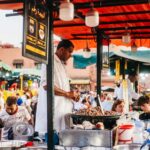
Your tour starts right where Marrakech most wants to pull you in: Jemaa el-Fnaa. The meeting point is Café Argan, easy to spot because of its green symbol. If you get turned around inside the square, look for the food stands and the name written in green. In front of the café, you’ll see juice sellers and a large ice cream sculpture, which makes the whole place a lot less chaotic than it looks from a distance.
The practical win here is that you’re not guessing. When you arrive, you come to the entrance of Jemaa el-Fnaa, walk straight toward the center, and look for Argana Café. Your guide should be holding a professional guiding card/licence, and your name is on the booking list.
What to bring at the start:
- Comfortable shoes (the medina floor isn’t always friendly)
- Cash for monument tickets
- A credit card if you plan to handle bigger purchases
You can also read our reviews of more tours and experiences in Marrakesh.


First stop: Argana Café and a tea that sets the tone
Even before the big sights, there’s a “settle in” moment. The route begins at Argana and quickly moves toward tea—simple, but smart. Marrakech tea isn’t just a drink; it’s a small ritual that tells you how the tour will handle the city: slow enough to understand, fast enough to keep moving.
This is also where the guide typically helps you switch modes—from tourist speed to street speed. You’ll learn how the medina behaves, where crowds swell, and how to keep your balance when everything looks the same for about two minutes.
If you’re traveling with kids or you don’t want a nonstop march, tea time helps. One of the most repeated positives from guide style is patience, and the pace feels designed for real people, not just stamina contests.
Jemaa el-Fnaa: a guided way to understand what you’re seeing
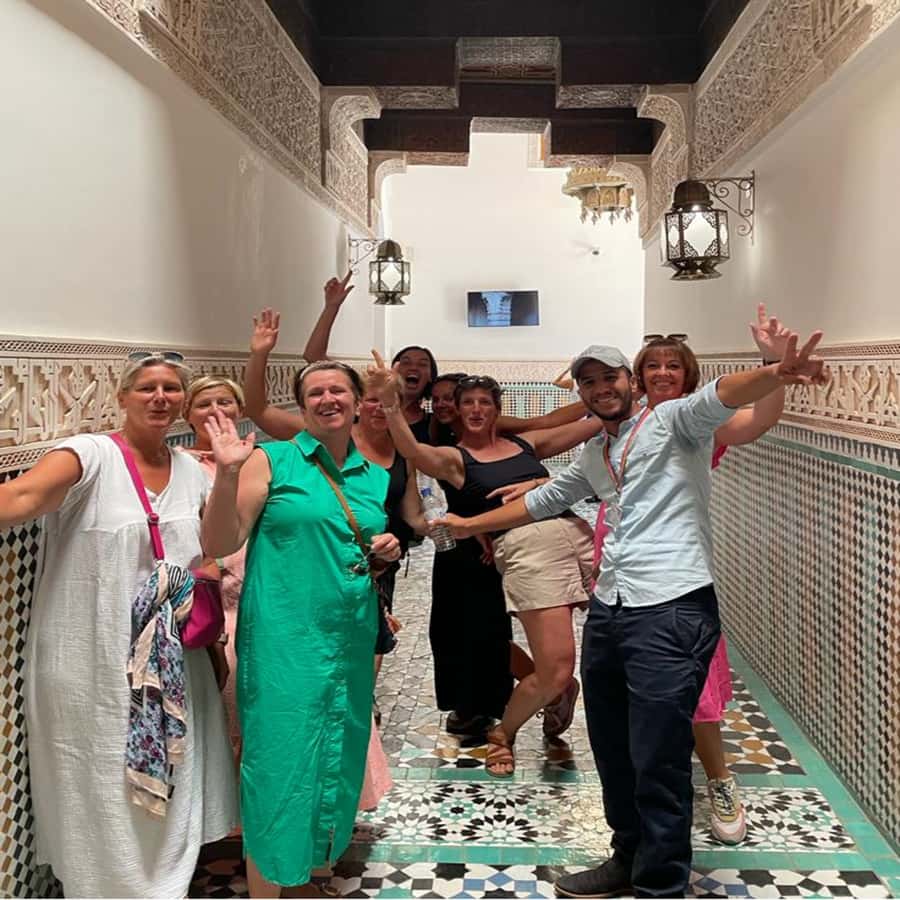
Jemaa el-Fnaa can feel like a stage set: lights, smells, music, and motion all at once. Without context, it can turn into sensory overload. With a guide, it becomes readable.
On this tour, you don’t just pass through. You get stories tied to what’s happening around you: how the old city works, how traditions show up in daily life, and why certain places became symbols over time. The guide also shares cultural facts beyond monuments—like everyday eating habits and common social practices—so you’re not only “looking at” Marrakech. You’re learning how people live in it.
A practical note: the medina is crowded in waves. So if you feel yourself getting pushed around, that’s normal. The tour’s value is that you’re not standing still and negotiating the crowd alone.
Koutoubia Mosque: seeing a landmark and learning how to read it
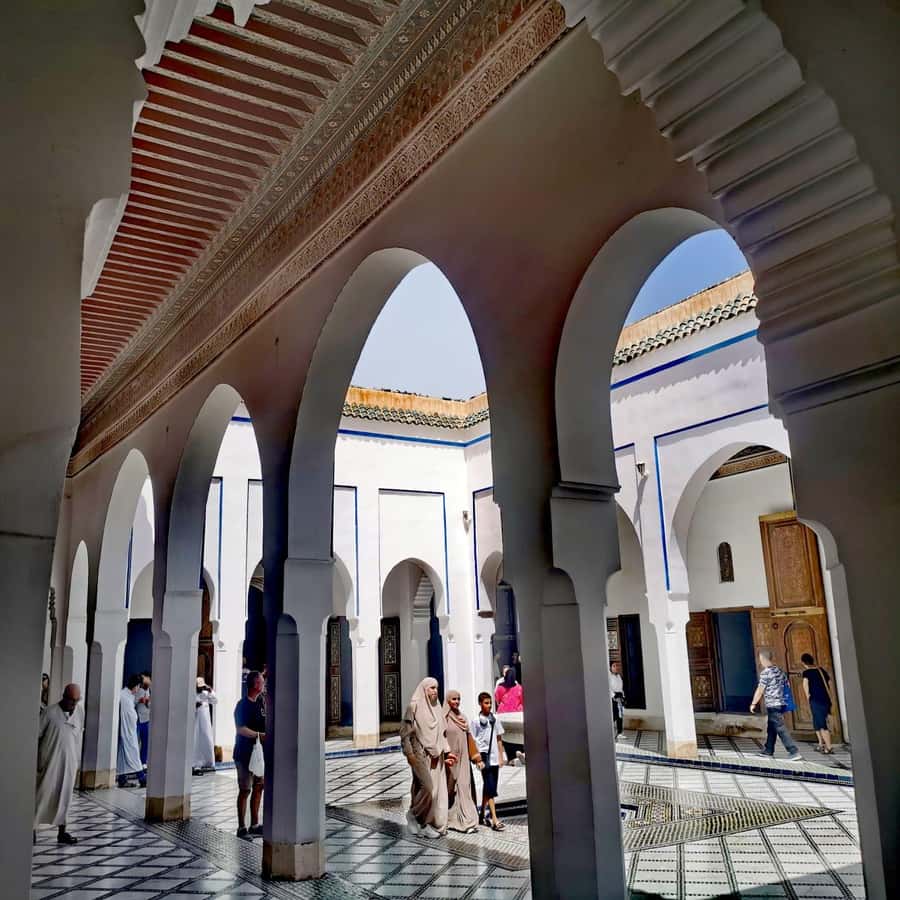
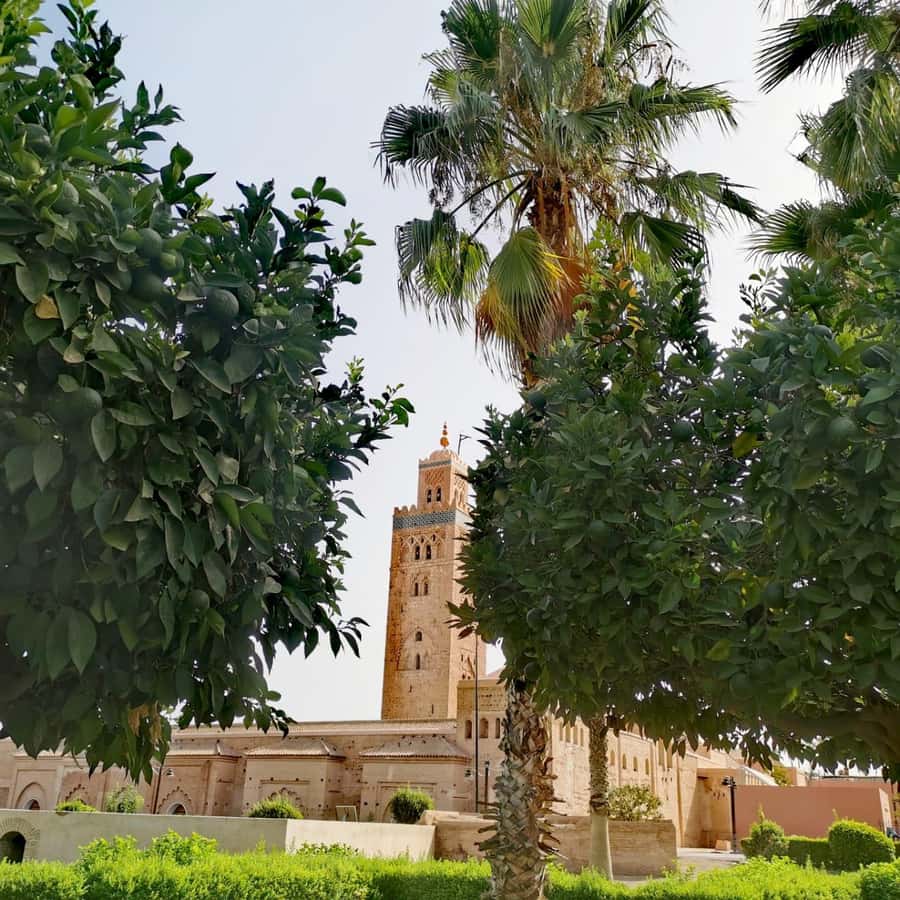
Next comes Koutoubia Mosque for a guided visit and walk. This is the moment where the tour shifts from “scene” to “structure.” A famous landmark, yes, but also a lesson in how Marrakech organizes space and meaning.
You’ll get explanations that connect the mosque to the city’s history and religious practices. And because you have a guide walking you through, you’re more likely to notice the details that matter—rather than only the dramatic silhouette people photograph.
This is also a good time to keep your pace steady. If you rush, you miss the small cues. If you stop too long, you lose time in the crowd cycle. A strong guide helps you hit that middle ground.
Bab Agnaou: the medina gate that makes the city feel real
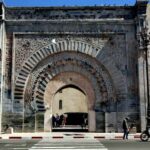
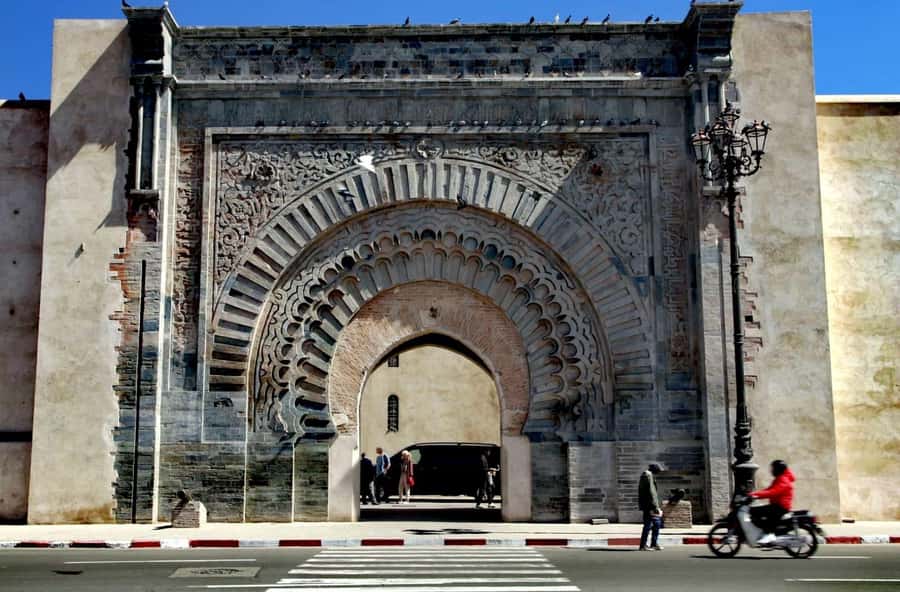
Then you’re at Bab Agnaou, one of those old-city gates that instantly makes Marrakech feel physical. Without guidance, gates can become photo stops. With guidance, they become checkpoints for understanding: walls, entry routes, how neighborhoods developed, and why certain streets feel like they’re meant to funnel you.
Expect another guided walk here, with the focus on story and orientation. The best part is that you learn how to move through the medina like you belong there—even if you don’t, even if you’re lost for exactly five seconds.
One small practical tip that shows up in guide behavior: follow the guide’s directions about where to walk in the souk lanes. It’s not about being fussy. It’s about staying in the smoother flow of foot traffic.



Bahia Palace: a photo stop with an important entrance fee
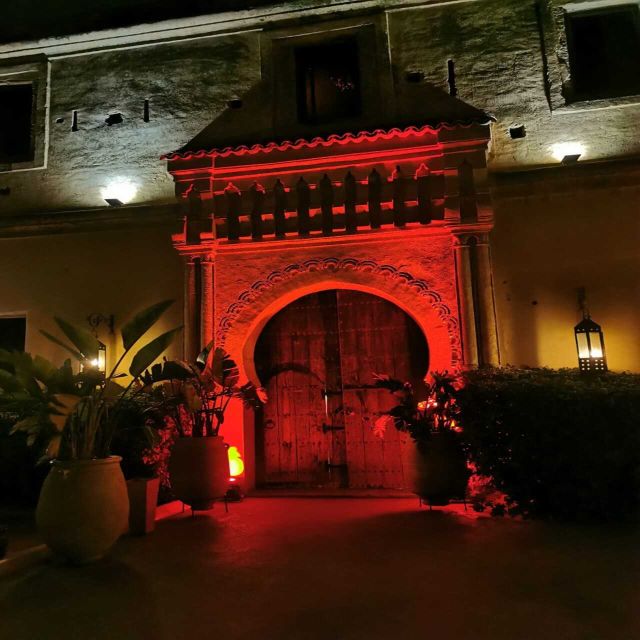
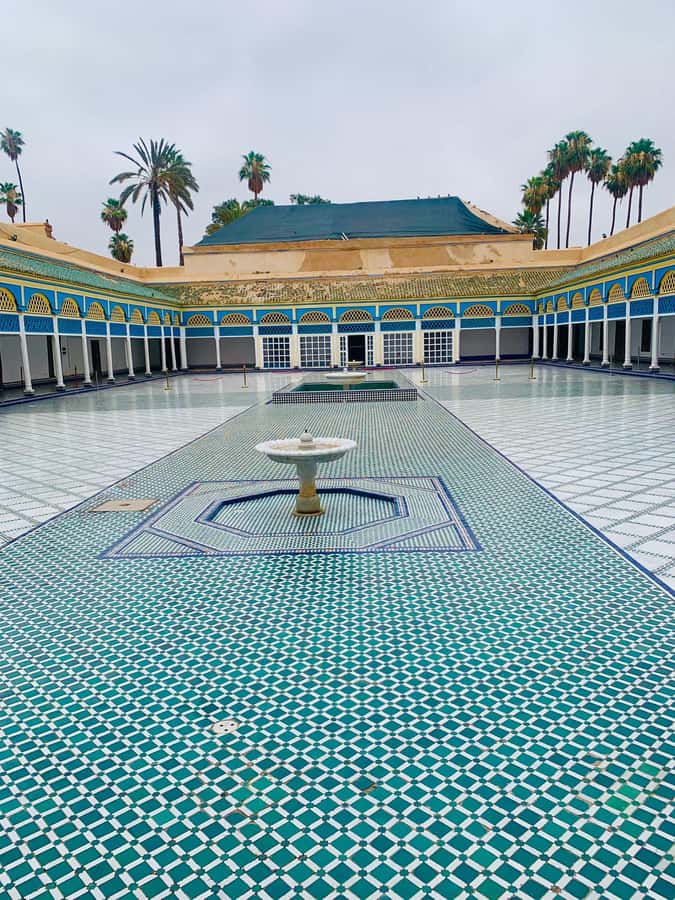
At Bahia Palace, you get a photo stop rather than a long wander. That might sound limiting, but it actually works well for a 3-hour tour. You’ll see the palace vibe and get the key visuals without losing your whole afternoon to queues and galleries.
Do plan for the cost though. Entrance fees are not included, and Bahia Palace runs about 100dh (around 10 euros). So even if the tour is good value, the final total depends on your timing and what you choose to enter fully.
If you’re the type who loves pausing for photos, this stop is forgiving. The tradeoff is that after palaces, legs often want a breather. If you want one, it’s reasonable to ask your guide for a quick reset before you move into the next crowded section.
Ben Youssef Madrasa: where details teach you culture fast
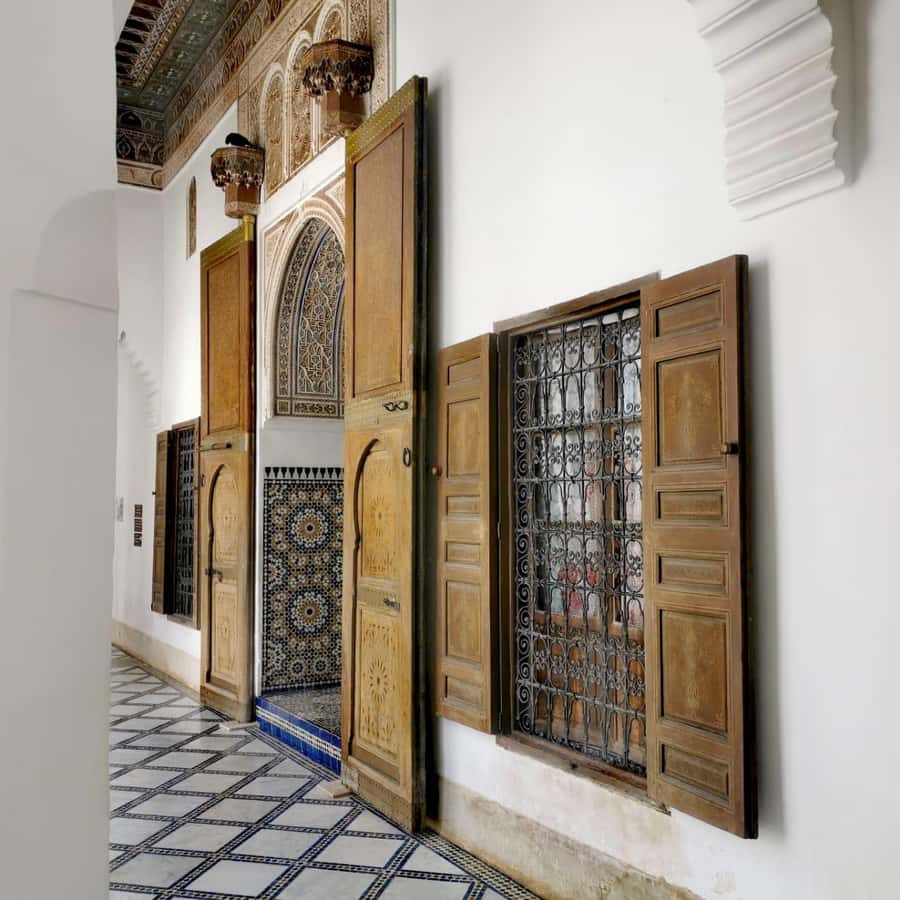
Next is Ben Youssef Madrasa, with a visit. This is one of the stops that makes the tour feel more than a sightseeing loop. Madrasa spaces are built for learning, and walking through them with a guide turns the architecture into a story about education and religious life.
The entrance fee is extra as well. Ben Youssef Madrasa is about 50dh (around 5 euros), so again: cash helps. If you want the best experience, don’t treat this as a quick glance. Let the guide explain what you’re seeing and why it mattered.
You’ll also hear about local belief and practice, plus the role of education in shaping community life. It’s not just “pretty stones.” It’s an explanation of how ideas were taught and preserved.
Souk Semmarine: shopping that doesn’t leave you confused
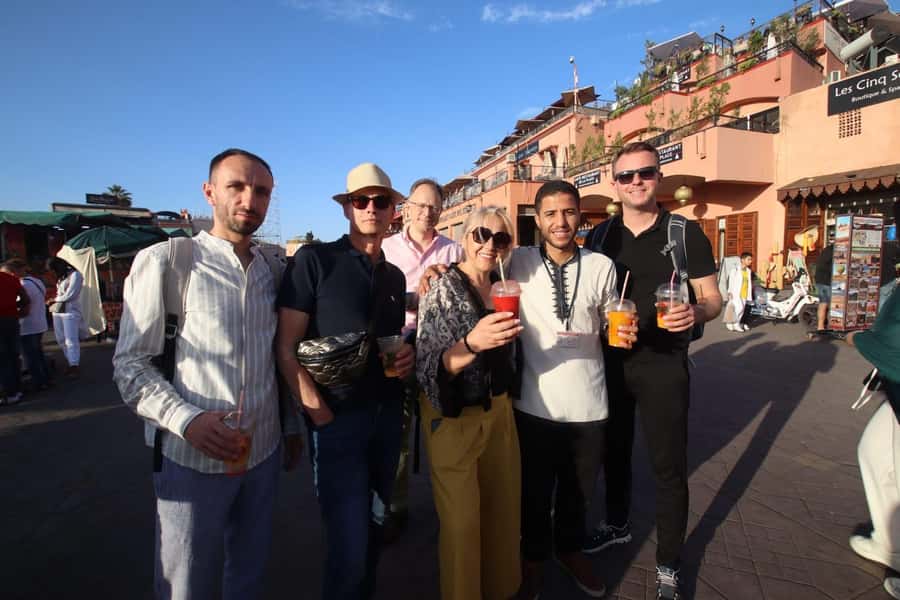
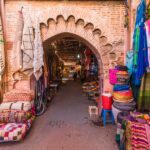
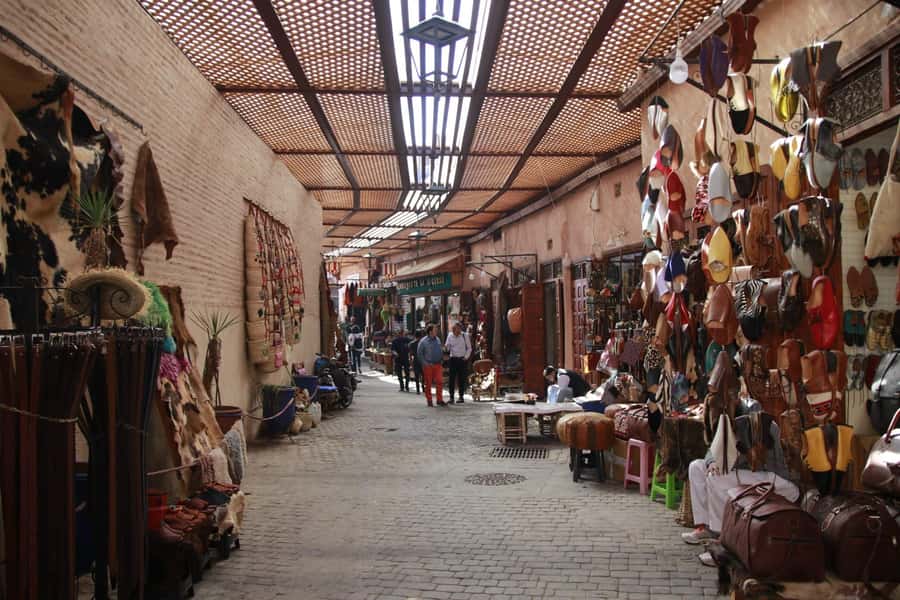
Then you’re in Souk Semmarine, where you can shop. This part is where the tour becomes practical for your trip beyond these 3 hours. The goal isn’t just buying stuff; it’s buying with less stress.
Here’s why the guide matters:
- You’ll get context for crafts and typical products
- You’ll be pointed toward places artisans use, including workshops where you can watch traditional craft-making
- You’ll have help negotiating the chaos of the lanes, especially when you want to browse without getting stuck
Also, the tour includes free delivery of goods to your hotel/riad. That’s a big deal in Marrakech. Carrying shopping bags through the medina can kill your energy fast, and this turns shopping from a chore into a quick, fun detour.
A reality check: buying souvenirs isn’t included, and you might want a plan for what you’re looking for before you reach the densest shops. Even a simple idea (leather goods, spices, ceramics, textiles) helps you shop faster.
Secret Garden: the calm pause that makes the tour feel balanced
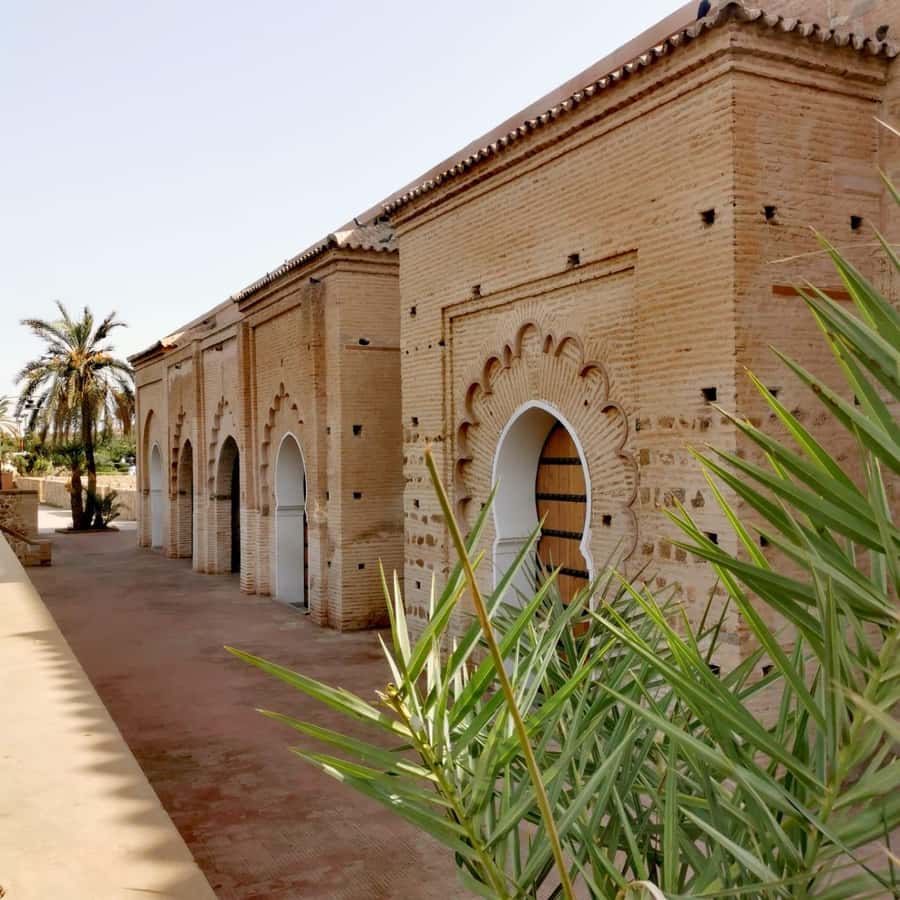
The final named stop is the Secret Garden. This is where you get a break from the pressure of outdoor markets and street crowds. The guide still keeps it moving—sightseeing and guided walk—but the vibe is calmer, and that balance makes the whole tour feel more thoughtful.
Why this matters: after mosques, gates, palaces, and mad medina lanes, your brain needs a soft landing. A quiet garden moment helps you store what you learned. You can also take a breather and reset your energy before heading back to the starting area.
For families, it’s often the part that kids enjoy most, because it’s less about negotiating and more about looking and wandering.
How much time you really get (and why pacing matters)
The tour is listed as 3 hours, which is ideal if you want a first-day orientation. It’s also just enough time to feel the major city rhythm without burning your whole day.
That said, one thing to keep in mind is that Marrakech crowd patterns can affect flow. One traveler noted their tour ran longer than the stated time, and that makes sense. Palace and madrasa areas can get slow when everyone hits at once.
My advice: plan to keep your next activity flexible. If you schedule dinner 15 minutes after the tour, you’ll be bargaining with the street, not the clock.
Price and value: $25 plus what you should budget for entrances
The headline price is $25 per person for 3 hours. That’s a fair figure for a guided walk that hits multiple major points and includes small perks like:
- Bottle of water
- Free goods delivery to your hotel/riad
- A free connection network during the tour (handy if you need to look something up while you’re out)
What’s not included is where your budget planning matters:
- Monument entrance fees
- Buying souvenirs
- Transportation
- Other drinks or food
If you’re planning to enter major sites, cash for tickets is key. The numbers you were given:
- Bahia Palace: 100dh (about 10 euros)
- Medrassa Ben Youssef: 50dh (about 5 euros)
So even if the tour itself costs $25, your total spending can rise once entrances are added. Still, the value is that you’re not paying only for doors. You’re paying for orientation, cultural context, and a guide who knows which streets to take and how to explain what you’re seeing.
The guide experience: bilingual, patient, and built for real questions
A big reason the reviews score this tour so high is guide style. You get an official professional guide who is bilingual and can speak English, German, Dutch, French, and Arabic. That matters because in Marrakech, misunderstanding can feel like you’re the one getting lost.
You also get patience. Even when crowds surge, the tour is set up to keep the group included. Some guides are also known for humor and story flow, so learning doesn’t feel like homework.
If you want the most from your guide, come with simple questions:
- What’s the meaning behind what I’m seeing here?
- Are there any scams I should ignore?
- If I buy a souvenir, how should I carry it?
And don’t be shy about asking for a slower moment if your feet are tired. The route is adaptable to guest needs.
Who should book this tour
This one is a great fit if:
- You want your first bearings in the medina without getting stuck in circles
- You like history and culture but want it explained in plain street terms
- You plan to shop in the souks and want help doing it smarter
- You’re traveling in a group that benefits from small-scale attention (some parties have been small enough to feel close and personal)
It’s also a good choice if you’re short on time. Three hours won’t cover everything, but it can give you a solid sense of how Marrakech is organized and what to return to later on your own.
Should you book Sparkling Marrakech?
If your goal is to get oriented fast and understand what you’re seeing while you walk, I’d say yes. The price is reasonable, and the best value comes from the combination of major landmarks plus side streets, plus cultural context that makes the city feel less random.
Book it if you:
- Can handle a few hours of walking
- Have cash ready for entrances like Bahia Palace and Ben Youssef Madrasa
- Want a guide who’s friendly and practical, not just a person reciting dates
Skip it (or swap your priorities) if you:
- Want a long, slow palace-and-museum day
- Hate crowd energy
- Don’t plan to pay for monument entries and want only free spots
FAQ
FAQ
How long is the Sparkling Marrakech tour?
It lasts 3 hours.
Where do I meet the guide?
Meet at Café Argan at the Jemaa el-Fnaa square. The guide waits in front of Café Argan, next to the ice cream sculpture, at the entrance area of the main square.
What is included in the $25 price?
A professional official bilingual tour guide, a bottle of water, free delivery of goods to hotels or riads, and a free connection network during the tour.
What is not included?
Entrance fees to monuments, souvenirs you buy, transportation, and other drinks or food.
Which places are visited on the tour?
You’ll cover Jemaa el-Fnaa (with tea), Koutoubia Mosque, Bab Agnaou, Bahia Palace (photo stop), Ben Youssef Madrasa, Souk Semmarine for shopping, and the Secret Garden. The tour description also references the Jewish Quarter.
Do I need cash for entrance fees?
Yes. The tour notes that you should have enough cash to pay tickets fees, and entrance fees vary by monument.
How much are the main entrance fees mentioned?
Bahia Palace is listed as 100dh (about 10 euros), and Ben Youssef Madrasa is listed as 50dh (about 5 euros).
What languages are available for the guide?
The tour offers live guiding in English, German, Dutch, French, and Arabic.
Is the tour wheelchair accessible?
Yes, the tour is wheelchair accessible.