REVIEW · ARUSHA
5 Days Group Camping Safari
Book on Viator →Operated by Suricata Safaris · Bookable on Viator
Five days, four parks, one nonstop safari. This Arusha-based camping tour is built for serious wildlife time, with game drives in Tarangire and the Serengeti plains, plus a crater day at Ngorongoro.
I especially like the small-group feel (max 7) paired with a private guide, so the stops don’t turn into a noisy stampede. Another big plus for your budget: accommodation and meals are included, and park entry is listed as free each day.
One heads-up: this is camping, not a resort. You get comfortable tents, but it’s still an outdoor setup, and the long drive days mean you should pack for early nights.
In This Review
- 5 Key Things That Make This Safari Work
- The Arusha-to-Parks Route, Built for Wildlife Time
- Tarangire National Park: Elephants, Baobabs, and Dry-Season Herds
- Lake Manyara: Flamingo Season Reality Check and the Hippo Pond
- Serengeti National Park: Seronera River Area and That Open-Plains Feeling
- Early Drive Day: Coffee, Lunch Boxes, and a Full Second Serengeti Shot
- Ngorongoro Crater Day: The 600-Meter Descent and Predator Odds
- Camping Comfort: Tents, Meals, and the Real Meaning of Included
- Price and Value: When $1,100 Really Buys You Time
- Your Guide and Group Size: Small Group, Big Impact
- Who Should Book This Camping Safari from Arusha
- Should You Book? My Take
- FAQ
- FAQ
- What parks are included in this 5-day safari?
- Is pickup from Arusha included?
- What wildlife experience style should I expect?
- Does the tour include meals and accommodation?
- Is the group size limited?
- Are park admission tickets included?
- What should I know about flamingos at Lake Manyara?
- Can I cancel and get a full refund?
5 Key Things That Make This Safari Work
- Small group (up to 7): enough flexibility with your guide without feeling like a bus tour.
- Private guide + game drives: you’re not just riding around; you’re learning what you’re seeing.
- Two UNESCO stops: you get both the Serengeti ecosystem and the Ngorongoro crater showpiece.
- Camping setup with included meals: breakfasts, lunches, and dinners are handled, day after day.
- Target-rich route: Tarangire elephants and baobabs, Manyara’s flamingo season timing, Serengeti river habitat, and Ngorongoro predator chances.
The Arusha-to-Parks Route, Built for Wildlife Time
This 5-day safari is designed as a tight loop out of Arusha: Tarangire, Lake Manyara, Serengeti, and finally Ngorongoro Conservation Area. The biggest value in the plan is how it stacks different habitats in a short window, so you’re not stuck seeing only one type of scenery.
The format is also practical. You get picked up from a specific Arusha meeting point (Jevas Hotel Encore Street House No. 9, Levolosi Area) and returned there at the end. With a private guide and a small group size, I’d expect your guide to spend time on animal spotting rather than racing to the next photo stop.
Also, you’re not guessing what you’re paying for. Meals are included across the trip, and admission tickets are listed as free for the park drives. That means your total safari cost stays more predictable.
You can also read our reviews of more tours and experiences in Arusha.
Tarangire National Park: Elephants, Baobabs, and Dry-Season Herds
Day 1 starts with departure between 08:30 and 09:00 after breakfast, then you head straight to Tarangire. You arrive for lunch at the lodge, followed by an afternoon game drive, which is a nice pacing choice: you’re not doing a full day of driving before your first real wildlife time.
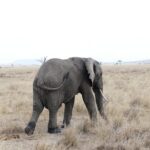
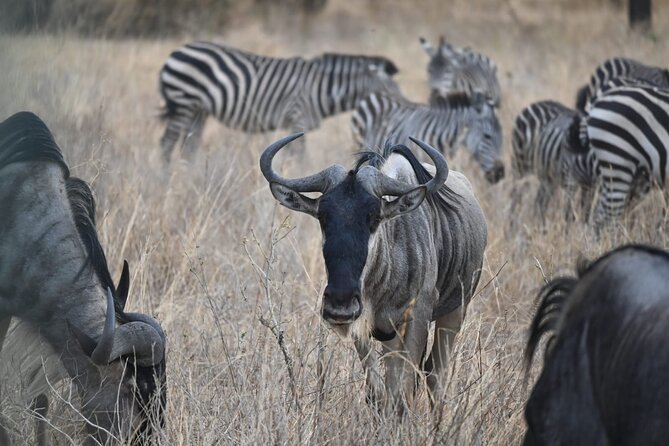
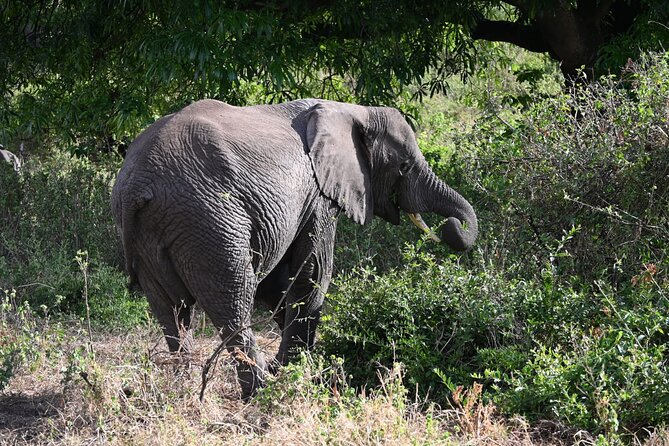
Tarangire’s claim to fame is its high-density elephants plus the iconic baobab trees. If you’re traveling in the June to November dry season, the park description points to large herds of zebra, wildebeest, and cape buffalo. That timing matters because dry-season vegetation pulls animals into easier viewing zones near water sources.
You’ll also have a strong chance at the usual Tarangire favorites, including giraffe, impala, eland, and vervet monkeys. The guide’s job here is huge, because the predators list (lion, leopard, cheetah, and others) is longer than most people expect. Even if you don’t tick every predator box, you’re in a park that offers plenty of animal variety.
A practical drawback to note: Tarangire is one of those places where it’s easy to keep wanting “one more drive.” The schedule is built for balance, but if you’re the type who lives for long spotting sessions, you may feel the timing squeeze on day one.
Lake Manyara: Flamingo Season Reality Check and the Hippo Pond
On Day 2, you head to Lake Manyara after breakfast, with pickup again around 8:30 to 9:00. The tour sets you up with an extended game drive and includes a picnic lunch.
Manyara is known for flamingos, but the seasonal timing is the key detail. The park description says flamingos are present in large flocks during the wet season, especially along the edges of the lake. During the dry season, flamingos are not so present—so you’re viewing the park more for its overall wildlife mix rather than banking on a flamingo spectacle every day.
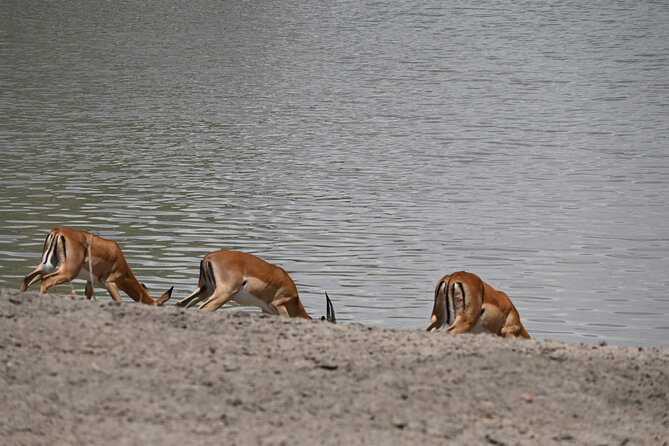
Your viewing list is still strong year-round: lions, cheetahs, elephants, blue monkeys, hippos (including a hippo pond area), and plenty of smaller antelopes like dik-dik and gazelles. If you like variety—big mammals plus birds plus the odd surprise moment—Manyara tends to deliver.
One small consideration: the flamingo payoff depends on when you go. If flamingos are your top wildlife priority, check your travel month first, then treat everything else as bonus.
Serengeti National Park: Seronera River Area and That Open-Plains Feeling
Day 3 is all about entering the Serengeti. After breakfast, you’ll drive via Karatu farmland and the Ngorongoro Conservation Area, then descend into the Serengeti ecosystem. This matters because the plan doesn’t just move you from A to B—it transitions you from highlands down into the kind of habitat where animals spread out and the game-drive style changes.
You arrive for lunch, then enjoy an afternoon drive in the central park area known as Seronera. The Seronera River is highlighted as a key water source, and that’s why this zone is consistently productive. If you’re hoping to see a lot of the Serengeti’s major species in a concentrated area, the itinerary’s choice of Seronera is smart.
On day 3, expect more of the classic Serengeti rhythm: scanning the plains, watching for movement patterns, and trusting your guide’s read of where animals will be. The schedule gives you afternoon time, which can be great for sightings, though mornings can sometimes be even more active. That’s one reason the itinerary adds another Serengeti morning on Day 4.
The one practical tip here is psychological: don’t rush. Serengeti animals can be subtle at first glance. Your guide’s ecosystem explanations are part of the value—when you understand what you’re looking for, the whole day feels more satisfying.
Early Drive Day: Coffee, Lunch Boxes, and a Full Second Serengeti Shot
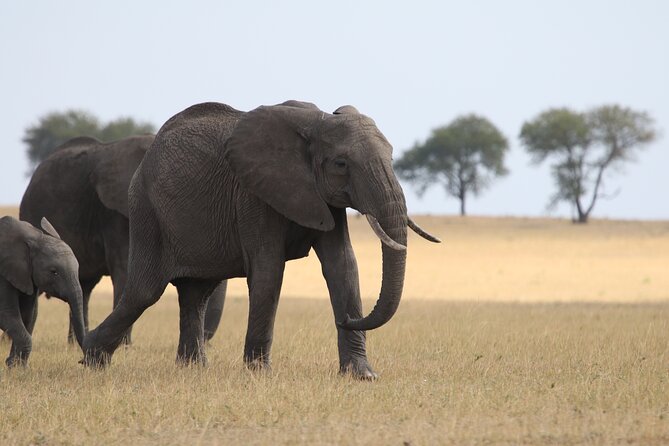
Day 4 starts with an early coffee, tea, and biscuit, then you head out for a morning game drive with lunch boxes. The drive window is set from about 08:00 to 14:30, which gives you a long stretch to look for action rather than a quick stop.
After that, you depart to the Ngorongoro Conservation Area while enjoying a game drive en route. Dinner and overnight happen after you reach the area, which helps you settle in before the crater day.
This is one of the itinerary choices I like most: it protects your odds. One Serengeti drive can be amazing, but two chances increase the probability of that extra sight—maybe a predator, maybe a specific prey rhythm, maybe just a better viewing window depending on animal movement and weather.
If you’re someone who gets impatient waiting for big sightings, this day structure helps. You’re not stuck wondering how the next four hours will go; you have time blocks built for scanning, repositioning, and learning.

Ngorongoro Crater Day: The 600-Meter Descent and Predator Odds
Day 5 is the star show for many people. After an early breakfast (coffee and the same kind of start you had before drives), you descend over 600 meters into the crater to view wildlife. That crater setting is different from the parks on the outside, and it changes how animals appear and where you can look.
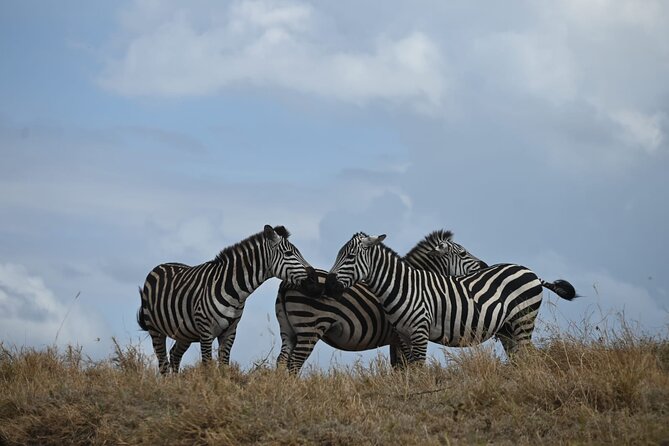
The tour description emphasizes that Ngorongoro supports a vast variety of animals because of year-round water supply and fodder. You’re set up to see herds such as wildebeest, zebra, buffalo, eland, warthog, hippos, and giant African elephants. With that mix, even non-predator days still feel like a lot is happening.
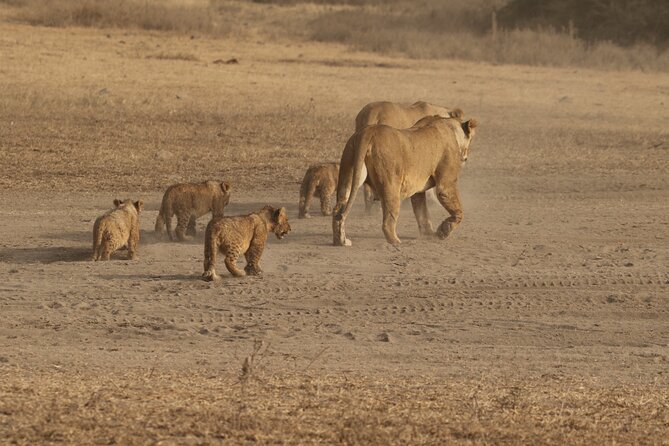
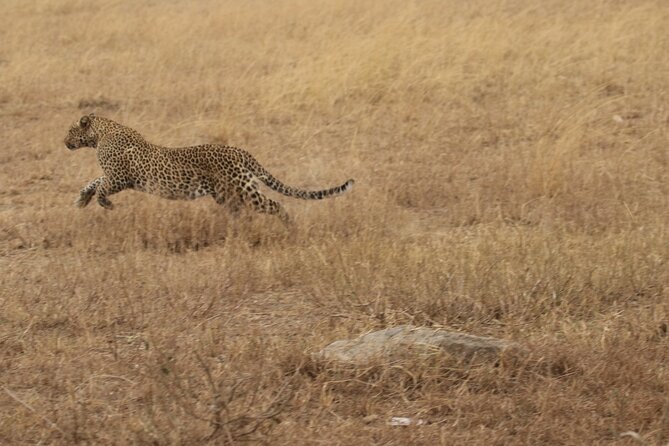
The crater’s other big draw is predator density, including lions, hyenas, jackals, cheetahs, and the elusive leopard. The itinerary notes that spotting a leopard can require a trained eye, which is exactly where a good guide matters. Even if you don’t see a leopard every time, you’re still in a place where predator behavior is more visible than in many other areas.
You also visit Lake Magadi, described as a large but shallow alkaline lake in the crater’s southwestern corner. It’s the kind of landmark that helps you orient yourself while you scan, and it breaks up the day beyond just “driving and hoping.”
A practical caution: crater days can be intense visually. You’ll want to keep your eyes up and your camera ready, but also take breaks. Your guide’s pace is part of the experience—listen when they call something out, because crater sightings can start and stop quickly.
Camping Comfort: Tents, Meals, and the Real Meaning of Included
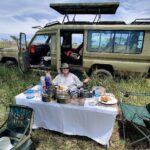
This is listed as a group camping safari, and the difference from a hotel tour is immediate. You’re sleeping in tents, not a lodge room, and that’s not a bad thing—it’s part of why many people choose this route.
One of the standout points from past guests is the camping comfort. They describe tents as very comfortable, and they highlight the chef and the quality of the food. In particular, cooks like Salim have been praised for preparing solid meals, and that matters more than most people expect. After long days of game drives, food becomes fuel and morale.
The schedule also supports that. You get breakfast daily (5 breakfasts), lunch included across the trip (5 lunches), and dinners on 4 evenings. That’s a big deal for value and sanity: you’re not hunting for meals in between parks, and you’re not spending your day trying to fix logistics.
I’ll be honest about the expectation-setting: camping isn’t a resort. You should treat nights as part of the safari experience, not a comfort downgrade. Bring what you can for warmth and basics, and you’ll get more out of the outdoor setting.
Price and Value: When $1,100 Really Buys You Time
At $1,100 per person for 5 days, the question is what’s included and what that saves you. This package folds in accommodation, and it includes most meals. It also lists admission tickets as free for each park day, which can be one of the biggest hidden costs on safari trips.
Then there’s the biggest value driver: time in multiple parks. In five days, you’re covering four major areas—Tarangire, Manyara, Serengeti, and Ngorongoro—without having to organize separate transport and guides. Small-group size (max 7) helps keep the experience from feeling like a production line.
Your guide quality is also a value multiplier. Past guests have mentioned guides such as Max and Amiri for being organized and going above and beyond with animal spotting and explanations. When a guide understands behavior patterns, the difference shows. You spend less time guessing and more time connecting the dots in the field.
So yes, it’s not a budget safari. But the structure—meals handled, park fees covered, multiple ecosystems in one trip—makes it feel like a serious deal rather than a rough-it sampler.
Your Guide and Group Size: Small Group, Big Impact
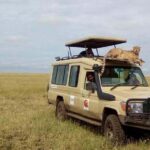
This tour tops out at 7 travelers, and it’s described as a private tour with a private 4×4 safari vehicle and a private guide. Even if it runs with a small group dynamic, the guiding should still feel personal because the guide can focus on your questions and on wildlife cues you might miss on your own.
In the field, that means you’ll get ecosystem explanations instead of just a list of animals. That’s how you start noticing why some animals appear in specific places, why certain sightings cluster, and why the timing of drives matters.
Also, you’re not left to figure out the rhythm alone. Pickups and day start times are set, you have early morning coffee before the big drive blocks, and you’ll end back at the meeting point. That reduces the mental load and lets you stay in safari mode.
One note for expectations: if you’re the type who wants total silence and zero shared vibe, small-group safari is still shared time. But with a max of 7, it’s usually manageable.
Who Should Book This Camping Safari from Arusha
This is a great fit if you want:
- A structured route across four Tanzanian wildlife areas in 5 days
- Plenty of game-drive time, including an early Serengeti morning and a crater descent day
- Camping experience with included meals rather than DIY camping stress
It’s especially strong for people who care about learning. With a guide who explains ecosystems and helps you spot animals (and predators), the safari stops being just a checklist and starts being an education you can see.
If you’re chasing only one animal, like flamingos, timing matters—Manyara’s flamingo activity is seasonal. If your main priority is “every day, a huge predator moment,” no itinerary can guarantee that. But this route maximizes opportunities by mixing habitats and giving you repeat Serengeti time.
Should You Book? My Take
I’d book this tour if you want a well-run safari circuit with included food, comfortable tent camping, and strong odds across multiple parks. The price feels more justified here than on many similar trips because admissions are listed as free and meals are handled throughout.
I would hesitate only if camping is a hard no for you, or if you need constant hotel-style comfort. The itinerary is also built for early starts and long drive days, so if you hate mornings or hate vehicle time, look for a different pace.
FAQ
FAQ
What parks are included in this 5-day safari?
The itinerary includes Tarangire National Park, Lake Manyara National Park, Serengeti National Park, and Ngorongoro Conservation Area.
Is pickup from Arusha included?
Yes. Pickup is offered, and the tour starts at Jevas Hotel Encore in Arusha. The activity ends back at the same meeting point.
What wildlife experience style should I expect?
You’ll have game drives in each park with a private guide, using safari vehicles for wildlife viewing. The schedule includes both afternoon and early morning drives.
Does the tour include meals and accommodation?
Yes. The highlights say accommodation and all meals are included. The included list shows 5 breakfasts, 5 lunches, and 4 dinners.
Is the group size limited?
Yes. This tour has a maximum of 7 travelers.
Are park admission tickets included?
The itinerary lists Admission Ticket Free for each day in the included schedule, which suggests park entry is covered as part of the experience.
What should I know about flamingos at Lake Manyara?
Flamingos are most present during the wet season, especially along the lake edges. During the dry season, flamingos are not as present.
Can I cancel and get a full refund?
Yes. This experience offers free cancellation, with a full refund if you cancel up to 24 hours in advance of the start time.