REVIEW · ARUSHA
3 Days Serengeti & Ngorongoro Group Camping Safari
Book on Viator →Operated by Suricata Safaris · Bookable on Viator
A first safari can feel unreal fast. This 3-day Serengeti + Ngorongoro camping safari is built for maximum wildlife time with minimal fuss, and it keeps things small with a guide focused on your pace. I love the mix of two conserved areas (more chances at different species) and the fact that meals and camping nights take care of a lot of the day-to-day logistics. One thing to consider: you’re sleeping at campsites on safari, so it’s classic and close to nature, not hotel-comfort.
The drive rhythm is part of the charm: early starts, game drives when animals are active, then a calm reset at camp. I also like the practical setup—round-trip transfers from your Arusha hotel and admission tickets included—so you spend less time figuring things out and more time watching. The only drawback I’d flag is that day-to-day schedules can move a bit depending on wildlife and road flow, so build a little flexibility into your expectations.
Key ways this safari wins (and what to know)
- Small-group game driving with a guide who can adjust the route when you’re hunting for sightings
- Classic camping nights at Seronera and Ngorongoro rim campsites for a true safari feel
- Two wildlife settings: Serengeti plains plus the Ngorongoro crater ecosystem
- Included meals (breakfasts, lunches, and two dinners) that reduce planning stress
- Arusha transfers included, so you don’t waste precious daylight on logistics
- Strong guide moments highlighted by names like Elias, praised for being attentive and steering to the animals people want to see
In This Review
- Price and Logistics: What $815 Really Covers
- Where This Starts: Arusha Pickup and the Flow of the Trip
- Day 1 in Serengeti: First-Light Plains and Seronera Campsite
- Day 2: The Ngorongoro Crater Rim Night and the Long Wildlife Road
- Day 3: The Crater Floor Day Tour and Picnic Lunch
- Wildlife Odds: What You’re Actually Likely to See
- Guides and Service: The Human Factor That Makes or Breaks Safari Days
- Food and Comfort at Camp: Classic Camping, Not Toughing It Out
- Who This Safari Fits Best (and Who Should Think Twice)
- Should You Book This Serengeti & Ngorongoro Camping Safari?
- FAQ
- What does the tour cost?
- How long is the safari?
- Where does the tour start and end?
- Are hotel transfers included?
- What meals are included?
- Are park admission tickets included?
- What group size should I expect?
- Is travel insurance included?
Price and Logistics: What $815 Really Covers
At $815 per person for about three days, this safari is priced like a value-focused wildlife trip: you’re not just paying for drives—you’re paying for the whole operating system (vehicle, guide service, and the “don’t worry about it” parts). Admission is listed as free, and meals are included, which is a big deal in Tanzania where food costs and daily arrangements can add up fast.
You also get round-trip hotel transfers in Arusha, which matters more than most people think. Safari timing is tight, and every hour you’re not stuck in the wrong place or waiting for paperwork is an hour you can spend on the road in daylight or on the plains at the right time.
One more practical note: the group size is kept small (the tour notes up to seven travelers, and the experience is described as limited to six for more personalized service). That size difference can affect crowd noise at camp and how easily your guide can pivot the route when sightings appear.
Where This Starts: Arusha Pickup and the Flow of the Trip
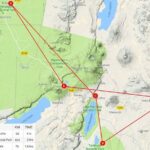
Your safari kicks off at Jevas Hotel EncoreTZ in Arusha. From there, the trip is designed like a loop: you’re picked up, you drive into protected areas, you sleep at campsites close to the action, and then you return to the same meeting point at the end.
The pacing is classic safari: early morning game driving, midday repositioning, and evening time for more wildlife activity. On this kind of itinerary, the “how” matters as much as the “where.” A good guide isn’t only spotting; they’re also reading timing and managing the day so you don’t lose prime viewing hours.
And yes—this is a mobile ticket experience, which is usually easier than chasing paper confirmations. Just make sure you have access to your ticket details on your phone when you arrive.
You can also read our reviews of more tours and experiences in Arusha.
Day 1 in Serengeti: First-Light Plains and Seronera Campsite
Day 1 starts with breakfast in Arusha and a drive toward Serengeti National Park. The transfer is described as a few hours (about three hours to get you into the park area), then you move into the rhythm: an evening game drive, dinner, and overnight at Seronera Campsite.
Why this day is important: you’re easing into Serengeti rather than trying to cram everything into one full day. That helps your eyes adjust and your brain get used to spotting—tiny movements, dust swirls, distant silhouettes that only become clear when you know what you’re looking at.
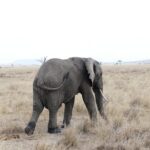
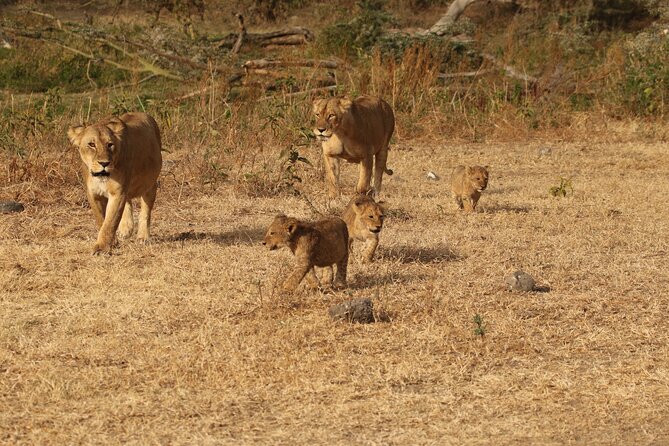
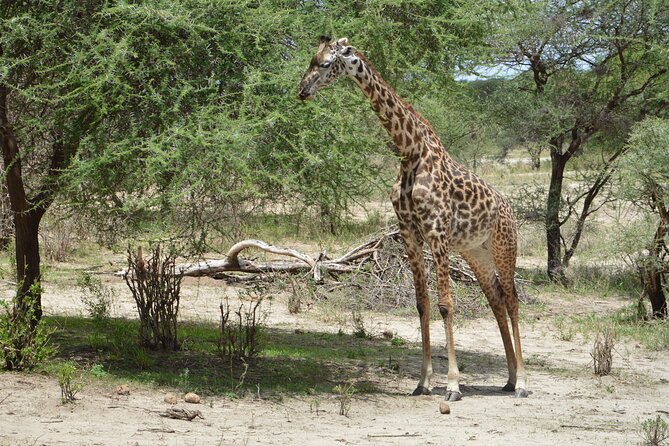
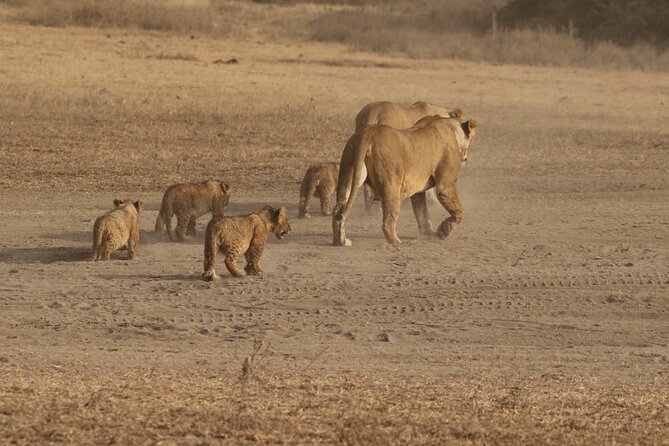
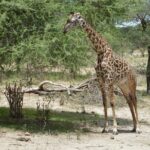
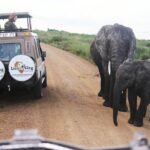
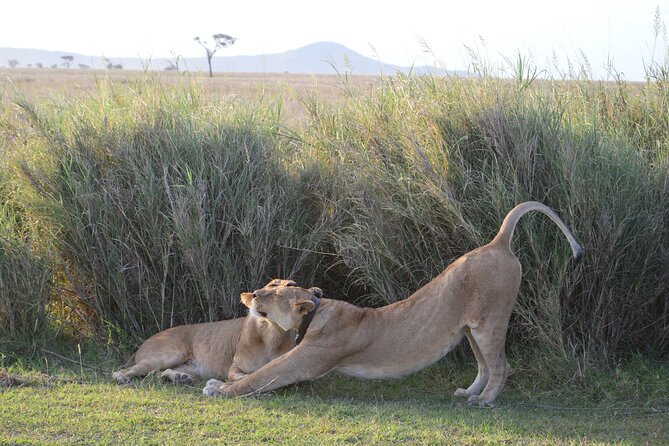
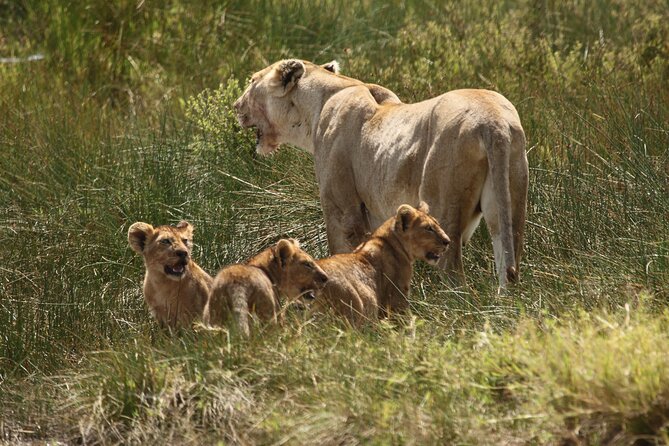
What you can realistically expect on this first day is a spread of common Serengeti wildlife activity. The tour description specifically calls out animals such as big cats, elephants, giraffe, and buffalo. You might not see everything immediately, but you should feel like you’re getting real time on the ground, not just passing through scenery.
Evening drives are worth your patience. Many animals become more active late afternoon and into early night. If you’re the type who wants the best odds at first sight, try to keep your expectations flexible: you’re building momentum for the next two days.
Day 2: The Ngorongoro Crater Rim Night and the Long Wildlife Road
Day 2 is where the itinerary shifts from plains to one of Tanzania’s most dramatic wildlife stages. After an early morning game drive, you have an early lunch, then you drive through the Serengeti toward Ngorongoro Crater. The drive is long enough that your guide will be doing more than driving—they’ll be explaining wildlife and natural beauty along the way.
This is the value of pairing conserved areas. Serengeti gives you wide-open animal movement and classic savanna energy. Ngorongoro adds a different ecosystem with different sighting possibilities. The crater rim night at Ngorongoro Simba Campsite also changes the feel of your night—more enclosed, more focused on the crater environment.
What I like about this design is the way it handles the reality of Tanzania driving distances. Instead of treating the day as one big transit block, you still get the morning drive, then you convert the travel time into education and context.
Here’s a point to keep in mind: time on safari is never perfectly linear. Wildlife can slow things down, and road conditions can add minutes. That’s normal. What you want is a guide who stays calm, keeps you informed, and gets you to the next viewing window without rushing you into disappointment.
Day 3: The Crater Floor Day Tour and Picnic Lunch
Day 3 goes straight to the crater floor for a day crater tour, with a picnic lunch. Then you head back to Arusha to finish the loop.
This is the day most people picture when they think about Ngorongoro: the crater environment can concentrate wildlife in ways the open plains don’t. Instead of chasing wide distances, you often get a more “watching closer” experience, with animals moving through a set stage.
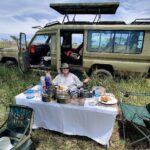
Why a picnic lunch works here: it keeps you in the crater viewing window rather than sending you out for a sit-down meal and losing time. It also fits the safari style of staying flexible—if the best sighting is right at lunch time, the day still works.
Then you drive back. You’ll likely arrive feeling tired in the good way: eyes sore from scanning, ears awake to every engine stop, and a brain full of animal moments.
Wildlife Odds: What You’re Actually Likely to See
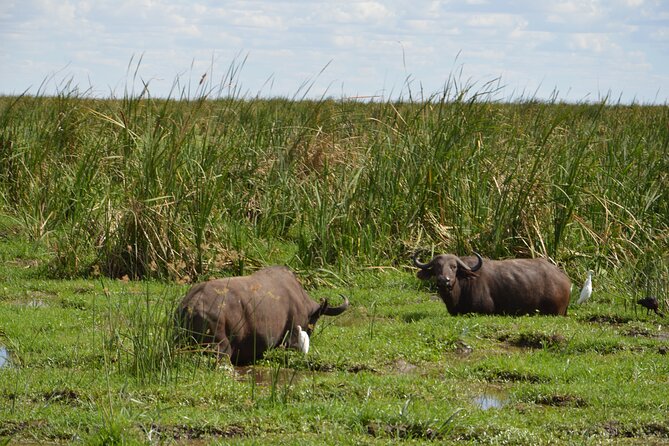
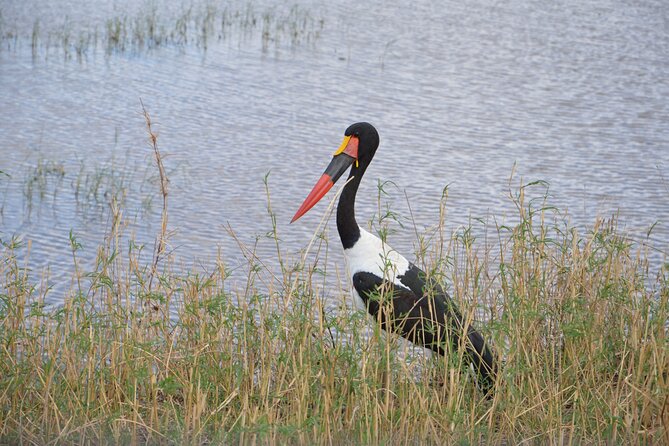
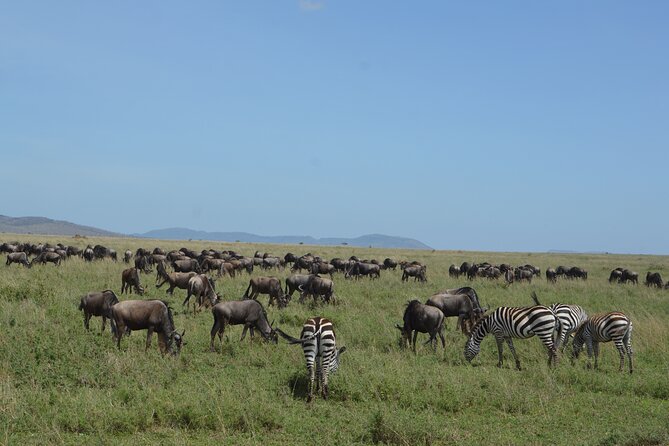
This safari is built around the idea that more varied terrain = more varied wildlife chances. On the Serengeti side, the tour description points to large mammals like elephants, giraffe, buffalo, and big cats. On the Ngorongoro side, the crater ecosystem can increase how quickly you notice animals.
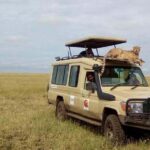
The reviews back up that sightings can hit high notes. One standout review mentions seeing the Big Five, including a leopard that they hadn’t seen on a Kenya safari. That doesn’t mean every group will see every member of the Big Five, but it does tell you something important: the guide approach and timing can produce exceptional results.
So here’s how I’d frame your expectations:
- You can expect real wildlife time on safari, not a quick drive-by.
- You can hope for top predators, but you shouldn’t demand certainty.
- Your best friend on this trip is an alert, patient attitude—especially early in the morning and toward the evening.
If you’re going for photos, be ready for bursts of action rather than constant action. The best shot often happens during the brief moment you decide to stop scanning and trust what your guide is tracking.
Guides and Service: The Human Factor That Makes or Breaks Safari Days
The single biggest difference between a good safari and a great one is the guide’s skill and temperament. The reviews strongly emphasize that the staff was helpful, and that timing was solid. One review specifically calls out Elias as an exceptional guide—listening carefully and leading a course that helped them see the animals they wanted.
That matters because wildlife sighting isn’t only luck. A guide who reads animal behavior and chooses the right viewing angles can increase your odds. The best guides also manage the group so you’re not constantly frustrated—everyone gets a chance to see, and you don’t lose time arguing about where to look next.
Campsite service also counts. The review that praises comfort notes that even with a couple small differences in lodging location and a waiting moment during pickup return, the camping setup stayed comfortable and didn’t ruin the trip.
And food is part of the experience, not a side note. Multiple reviews mention very good food, which is reassuring because camping safari meals can vary widely on different operators. Here, it’s clear they take that seriously.
Food and Comfort at Camp: Classic Camping, Not Toughing It Out
This safari includes breakfasts and lunches every day, plus two dinners. Day 2 includes dinner on the crater rim at Ngorongoro Simba Campsite, and Day 1 dinner is at Seronera Campsite.
What this translates to for you: fewer decisions. You don’t have to hunt down meals between game drives, and you can plan your time around wildlife windows. It’s one less stress layer when you’re trying to focus on spotting.
Comfort-wise, it’s camping. That means you should expect the outdoors to be part of the experience. Think: you’re close to the natural world, and you’ll likely trade some hotel conveniences for that classic safari feel.
If you’ve never camped on safari before, the best mindset is to pack for the day, then let camp be camp. The aim here is not luxury. The aim is closeness, timing, and access.
Also, tips for the guide and cook are not included. That’s standard for many safari setups, but it’s good to plan your tip budget so it doesn’t feel like an afterthought at the end.
Who This Safari Fits Best (and Who Should Think Twice)
This 3-day Serengeti and Ngorongoro group camping safari is a strong fit if you:
- Want a first safari that still feels full and real
- Like small-group dynamics and responsive guiding
- Prefer included meals and transfers so you spend less time on logistics
- Are happy trading hotel comfort for a classic campsite vibe
It might be less ideal if you:
- Need a very quiet, hotel-style sleeping environment every night
- Get easily stressed by changing viewing times (even with a good schedule, wildlife can shift pacing)
- Are aiming for a fully private safari experience (this is group-based)
Should You Book This Serengeti & Ngorongoro Camping Safari?
I’d book it if you want a practical, value-driven way to see Serengeti and Ngorongoro in just three days without wrestling with logistics. The included meals and transfers do a lot of heavy lifting, and the small-group approach usually means you’re not lost in the shuffle.
I’d also book it if your priority is a guide-led hunt for wildlife—especially with that mention of Elias and the clear praise for service, timing, and food. When people say their first safari was unforgettable and the team was attentive, that’s often the real product: the ability to turn a long day of driving into a sequence of meaningful sightings.
If you want total certainty of the Big Five, no safari can promise that. But based on the structure here—Serengeti plains plus Ngorongoro crater, with serious time on game drives—your odds should be strong, and your experience should feel coherent from start to finish.
FAQ
What does the tour cost?
The price is $815.00 per person.
How long is the safari?
It’s a 3-day safari (approximately).
Where does the tour start and end?
It starts at Jevas Hotel EncoreTZ in Arusha and ends back at the same meeting point.
Are hotel transfers included?
Yes, pickup/round-trip Arusha hotel transfers are offered.
What meals are included?
The tour includes breakfasts (3), lunches (3), and dinners (2).
Are park admission tickets included?
Yes, the tour lists admission ticket free.
What group size should I expect?
The experience is described as small, limited to six for personalized service, with a maximum of 7 travelers.
Is travel insurance included?
No, travel insurance is not included.