REVIEW · ARUSHA
4 Days Group Camping Safari
Book on Viator →Operated by Suricata Safaris · Bookable on Viator
Four days, three wildlife powerhouses. You’ll sweep through Tarangire, Serengeti, and Ngorongoro Crater with a max group size of 6, so the guide can spend less time herding and more time pointing out what matters. This is the kind of safari where the timing feels tight, but the attention feels personal.
I especially like how the parks are sequenced for variety. Tarangire’s elephant-heavy rhythms and baobab scenery give you a strong start, then you pivot to Serengeti’s wide-open game drives before finishing with the crater’s steep, dense wildlife viewing. It’s a simple plan that makes sense for animal spotting.
One real consideration: the camping setup is basic. The tents are “rough and ready,” and some people find the sleeping space a bit tight, so pack for comfort (and bring a sleep layer if you run cold).
In This Review
- Key Takeaways Before You Go
- Why This 4-Day Safari Route Works from Arusha
- Price and Logistics: What You’re Really Paying for at $900
- Small-Group Comfort: How Guides Work When They Don’t Have 30 People
- Day 1 in Tarangire: Elephants, Baobabs, and an Afternoon Drive
- Day 2 in Serengeti: Seronera and the Power of Water
- Day 3: Early Serengeti Viewing Then Onward Toward Ngorongoro
- Day 4 Ngorongoro Crater: The Descent and the Animal Concentration
- Camping Setup and Meals: Basic Comfort, Real Convenience
- Wildlife Spotting Reality Check: How to Improve Your Odds
- Who This Safari Fits Best (and Who Might Prefer Something Else)
- Should You Book This 4-Day Camping Safari with Suricata Safaris?
- FAQ
- Where does the safari start?
- How many people are in the group?
- Which parks will you visit during the 4 days?
- What time do you depart on the first day?
- Are meals included?
- Is camping equipment provided?
- Is admission included?
- Do you get a mobile ticket?
- What is the cancellation policy?
- FAQ
- What if I need help packing?
- Are the safari times fixed every day?
- What are the operating hours?
Key Takeaways Before You Go
- Small-group safari (max 6) means more eyes on wildlife and fewer waiting moments
- Three very different parks in four days: elephants and baobabs, Serengeti plains action, then Ngorongoro’s crater concentration
- Camping gear and meals included, so you’re not budgeting for every meal or hauling extra equipment
- Dedicated game-drive time on most days, including an early morning Serengeti push
- Guides who hunt with skill, not just luck (named examples include Amir and driver Mandela)
Why This 4-Day Safari Route Works from Arusha
A good safari plan is equal parts animals and logistics. This one is built around minimizing wasted hours and maximizing drives in the right habitats. You’re based out of Arusha and you move each day between parks that each do something different well.
On this route, you don’t just repeat the same type of savanna drive four times. Tarangire pulls you toward elephants and baobabs, Serengeti brings the classic plains viewing around Seronera, and Ngorongoro compresses a huge variety of animals into a single crater bowl.
And because it’s capped at 6 travelers, the whole experience tends to feel less like a bus tour and more like a small expedition. When your guide can keep track of everyone easily, wildlife spotting gets faster instead of slower.
You can also read our reviews of more tours and experiences in Arusha.
Price and Logistics: What You’re Really Paying for at $900
At $900 per person for a ~4-day camping safari, you’re paying for two big things: (1) access to multiple major parks and (2) the practical work of running the trip—transport, guiding, and feeding you.
Here’s how the value stacks up from what’s included:
- Pickup is offered, which matters because Arusha is the staging point for most safari logistics
- Mobile ticket is provided, so you’re not scrambling for paperwork on the day you travel
- Meals are included every day (4 breakfasts, 4 lunches, 4 dinners)
- Park admission is listed as free on the first three park days, with Ngorongoro Crater’s admission included on Day 4
So while the camping style is basic, the money isn’t wasted on meals or complicated add-ons. You’re also not doing a “one park only” safari where you burn days traveling without much wildlife time.
If you’re comparing options, I’d treat this as a “big hit” itinerary. If you want slower pacing and more comfort, a longer safari with fewer park changes might fit better. But for a first Tanzania safari, this is a very efficient way to get three iconic areas in one trip.
Small-Group Comfort: How Guides Work When They Don’t Have 30 People
With a max group size of 6, your guide can read the land and adjust on the fly without constant regrouping. In a safari, that matters because animal sightings aren’t timed like museum tours. If the guide spots sign early—fresh tracks, movement in the grass, or the right vantage—they can act quickly.
The guide quality is also a standout detail in the feedback you’ll see for this kind of tour. Named examples from past safaris include Amir, who’s credited with being skilled at finding and positioning the group for major sightings. Another named driver is Mandela, and the camp cooking is credited to Tito.
Even if you don’t get the same people, the pattern is consistent: you want a team that understands animal behavior and the micro-habitats inside each park. In a small group, that know-how translates into more time watching rather than repositioning blindly.
Day 1 in Tarangire: Elephants, Baobabs, and an Afternoon Drive
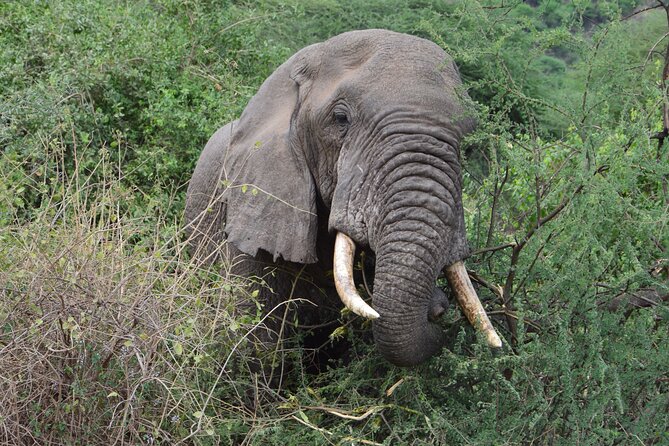
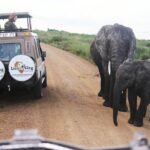
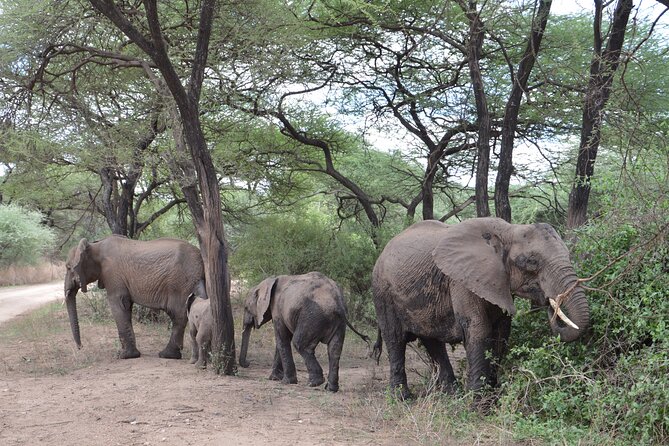
You start the safari after breakfast, with departure around 08:30–09:00. Tarangire is where the trip earns its reputation fast. The park is famous for two things you’ll notice immediately: high-density elephants and baobab trees.
That combination changes how you experience the first game drive. You’re not just scanning for movement in the distance. In Tarangire, wildlife can feel closer and more “structured” along water and food edges, especially during the June to November dry season. If you’re traveling in that window, you can expect large herds and a more concentrated feel to sightings.
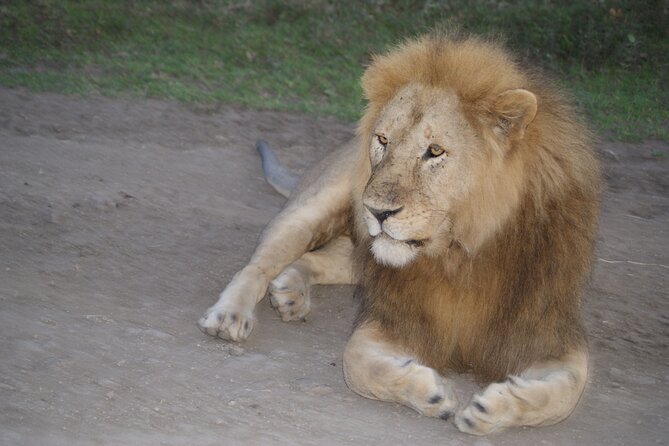
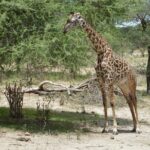
What you’ll be listening for and watching for includes common residents like giraffe, waterbuck, dik-dik, impala, eland, and several gazelle types. The predator list in Tarangire is also solid: lions, leopards, cheetahs, caracal, and others. In other words, this isn’t only a “big herbivores and photos” park.
You’ll arrive for lunch and then shift into an afternoon game drive. The afternoon timing is practical. It often gives you a mix of animal activity plus cooler temperatures compared to midday heat.
Possible downside: Day 1 is the first day, so your eyes are still adjusting. If you’re sensitive to heat or start slow, bring a hat and sunscreen early. Your best wildlife moments start when you feel settled.
Day 2 in Serengeti: Seronera and the Power of Water
On Day 2, you head into Serengeti National Park, passing through the farmland of Karatu and the Ngorongoro Conservation Area on the way. Then you get game-drive time in the Seronera area, which is built around one key idea: water attracts wildlife.
The Seronera River is highlighted as a major draw. In practical safari terms, that means you’re more likely to find animals clustered in an area that supports many species. It helps your odds, because it’s easier to spot movement when animals are using a predictable resource.
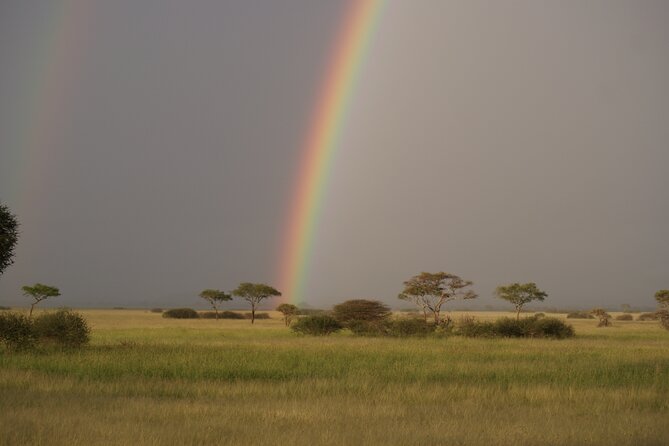
After lunch, you enjoy an afternoon drive. This is where the “wide plains” feeling hits you. Serengeti can be breathtaking even when you’re not seeing something dramatic every minute. But the real benefit is that the habitat supports a range of species you’ll recognize: zebras, wildebeest, buffalo, and predators that move through the same system.
If you’re hoping to see more of the Serengeti’s “classic action,” this is the best day in the middle. It’s not rushed, and it’s not your first day of sensory overload either. Your brain is ready to track motion and distance.
Tip for getting more out of these drives: keep your eyes on both the ground and the horizon. In Serengeti, a lot happens in small bursts—tail flicks, sudden stops, groups tightening up—before you see the full story.

Day 3: Early Serengeti Viewing Then Onward Toward Ngorongoro
Day 3 starts with a simpler setup: coffee/tea and biscuits before your early outing. Then you do an early morning game drive with lunch boxes, scheduled roughly 08:00–14:30.
That early-to-midday block matters because animal activity can be best when the light isn’t harsh. You also get more time in Serengeti before transitioning to the Ngorongoro Conservation Area.
After the Serengeti drive window, you depart toward the crater region, enjoying a game drive en route. Dinner and overnight happen around that transition point, so you’re not waking up and rushing immediately into a steep descent without a buffer night.
This day is a good balance between “more Serengeti time” and “positioning for Ngorongoro.” If Day 2 is about building your Serengeti rhythm, Day 3 turns that rhythm into a payoff night close to the crater.
Practical note: this is still a camping safari, so you’ll likely be tired by the end of the day. Pack your small essentials so you’re not digging through bags in the dark.
Day 4 Ngorongoro Crater: The Descent and the Animal Concentration
On Day 4 you get an early breakfast with coffee before you descend. The descent is described as over 600 meters, which is big enough that you’ll feel the shift in viewing angle, temperature, and how animals are distributed across the crater floor.
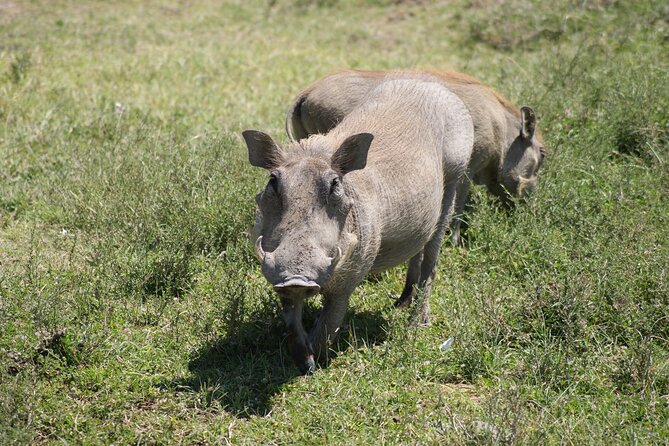
Ngorongoro is famous because it supports an impressive variety of wildlife in a comparatively small area. Expect to see herds of wildebeest and zebra, plus buffalo, eland, warthog, hippo, and giant African elephants. This is one of the rare places where your sightings can feel “stacked”—you might see one group, then spot another nearby, then catch movement at water edges.
Predator activity is also a major draw here: lions, hyenas, jackals, cheetahs, and the leopard, which can be elusive. In crater country, leopard spotting often depends on patience and the guide’s ability to scan from the right vantage points.
You also visit Lake Magadi, described as a large but shallow alkaline lake in the southwestern corner of the crater. It’s one of the crater’s prominent features and part of why the wildlife routines can stay predictable year-round, since there’s water and fodder support.
What to consider: Ngorongoro drives can be emotionally intense. The density of animals means you might feel like you’re constantly “on,” scanning and reacting. Bring water, take quick breath breaks, and let your eyes rest before the next set of sightings.
Camping Setup and Meals: Basic Comfort, Real Convenience
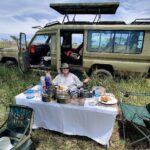
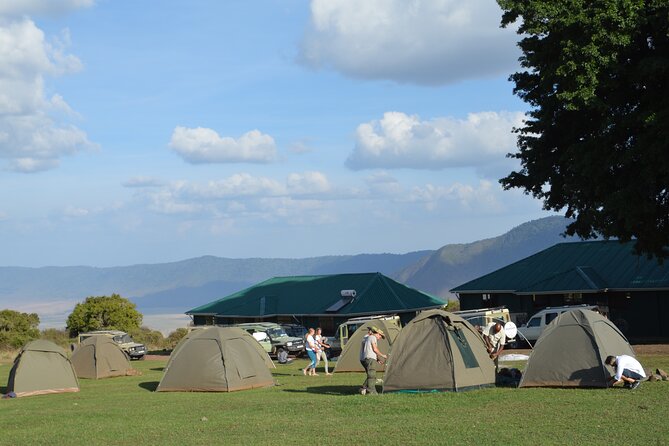
This safari is a camping experience with camping equipment and meals included. From the feedback style you’ll read around this trip type, you should treat it as basic but functional.
The campsites are described as rough-and-ready by some past experiences, and one common complaint is that tents may feel small. That doesn’t mean the trip is unpleasant. It usually means you should plan ahead for comfort:
- Bring warm layers, especially for evenings
- Pack a sleep setup that works for you (if you run cold, consider adding your own insulation)
- Keep a small bag with essentials so you’re not unpacking everything every time you need something
Meals are a strong point. You get breakfast, lunch, and dinner each day (listed as 4 of each), and descriptions emphasize that meals are adequate and enjoyable. In one named shout-out, the chef Tito gets credit for great food. Another key detail is that the cook and driver are described as excellent and aiming to please, which matters because food is fuel for safari mornings.
If you want a safari where you can skip restaurant planning, this is a practical choice. You’re not negotiating menus after long drives. Someone’s already handled the day-to-day feeding.
Wildlife Spotting Reality Check: How to Improve Your Odds
No safari guarantees the Big Five on command, but this itinerary is built to put you in the right game-viewing zones. The mix of parks helps because different species prefer different habitat patterns.
Here’s how to think about your chances:
- Tarangire: elephants and baobabs first, predators as a bonus. You’ll learn the local ecosystem from your guide, which speeds up spotting once you understand what to look for.
- Serengeti (Seronera): water-driven concentration can make the search faster. Predators are there, but you’ll also see plenty of herbivores that signal where bigger animals may follow.
- Ngorongoro: the crater’s concentration model is what boosts your sight density, especially for hippos and the predator system built around prey.
One advantage of a small group: your guide can rotate everyone through viewing positions and keep you from losing your place when someone spots movement first.
Your best tools are simple: a sun hat, good sunscreen, binoculars if you own them, and patience on predator hunts. For leopard sightings in particular, your guide’s trained eyes can be more important than your own luck.
Who This Safari Fits Best (and Who Might Prefer Something Else)
I think this safari is a great match if:
- You want an efficient first Tanzania trip with three major parks in four days
- You’re okay with camping and prefer convenience over hotel comfort
- You like the idea of a guide teaching the ecosystem as you go
- You value having a small group rather than a large herd of vehicles
You might want to pick a different style if:
- You expect hotel-level comfort. The camping is described as basic, and tent space may be tight.
- You’re very sensitive to long drive days. Day 3 in particular is a long day in the field before you shift toward Ngorongoro.
Still, for many people, this is exactly what makes it memorable: it’s not staged. You’re living the safari rhythm.
Should You Book This 4-Day Camping Safari with Suricata Safaris?
If your goal is a classic Tanzania safari hit—Tarangire elephants, Serengeti plains, and Ngorongoro’s crater concentration—this is a smart way to do it in a short window.
I’d book it if you’re excited by game drives, you’re comfortable with camping being basic, and you want strong value for the money because meals and much of the driving/entry cost structure is included. The small group size helps a lot, and the guide-driven focus on finding animals is exactly what you want.
Before you go, do two things: pack for camping reality (warm layer, sleep comfort, sun protection) and set expectations that your sightings will be exciting but never fully guaranteed. Then you’ll enjoy the ride, not just chase the checkmarks.
FAQ
Where does the safari start?
This safari is based in Arusha, Tanzania, and pickup is offered.
How many people are in the group?
The group size is limited to a maximum of 6 travelers.
Which parks will you visit during the 4 days?
You’ll visit Tarangire National Park, Serengeti National Park, and Ngorongoro Crater in the Ngorongoro Conservation area.
What time do you depart on the first day?
On Day 1, the tour departs between 08:30 and 09:00 after breakfast.
Are meals included?
Yes. Breakfast, lunch, and dinner are included (listed as 4 of each).
Is camping equipment provided?
The experience highlights that all camping equipment is included, along with meals.
Is admission included?
Admission tickets are listed as free for the first three park days, and included for Ngorongoro Crater on Day 4.
Do you get a mobile ticket?
Yes, a mobile ticket is included.
What is the cancellation policy?
You can cancel for a full refund up to 24 hours in advance of the experience’s start time.
FAQ
What if I need help packing?
You can usually expect guidance at or before pickup, and it’s smart to pack essentials like towels and sunscreen based on what people recommend.
Are the safari times fixed every day?
The days are structured with set morning and afternoon drive blocks, and one example includes an early drive between 08:00 and 14:30 on Day 3.
What are the operating hours?
The experience is listed as available Monday through Sunday from 12:00 AM to 11:30 PM.