REVIEW · ARUSHA
Materuni Waterfalls, coffee tour & Kikuletwa Hot Springs
Book on Viator →Operated by safari soles tours · Bookable on Viator
A day in Materuni feels like three trips in one. I love the mix of active hiking and real village life, and I especially like that the day ends with a laid-back swim at Kikuletwa Hot Springs. One thing to plan for: the walk can get muddy and slippery, especially after rain, so good shoes matter.
You’ll get picked up from Arusha (or Moshi area depending on where you’re staying), ride out to Materuni, tackle the waterfall path, then switch gears to a Chagga coffee experience—grinding, tasting, and watching how coffee moves from plant to cup. The only drawback is timing: you’ll be out about 12 hours, and you’ll likely feel it by the late-afternoon drive back.
I came away thinking this tour is best when you want a full day outdoors without the stress of doing logistics yourself. And if you’re lucky with weather, the hike route gives you real chances at Kilimanjaro views.
In This Review
- Key things I’d circle before booking
- Materuni Waterfalls: the hike, the view, and the swim-ready pool
- Chagga coffee tour in Materuni: from plant to grinding to cup
- Kikuletwa Hot Springs (Chemka): clear water, deep spots, and a late return
- How the 12-hour day feels in real life
- Price and value: what $100 buys you
- Guides and group size: why private matters on muddy trails
- What to pack (so your day stays fun)
- Where this tour fits best (and where it might not)
- Should you book Materuni Waterfalls + coffee + Kikuletwa?
- FAQ
- How long is the tour?
- What are the main stops?
- Is lunch included?
- Do I get hotel pickup and transportation?
- Do I need admission tickets?
- Is there time to swim?
- Is this a private tour?
Key things I’d circle before booking
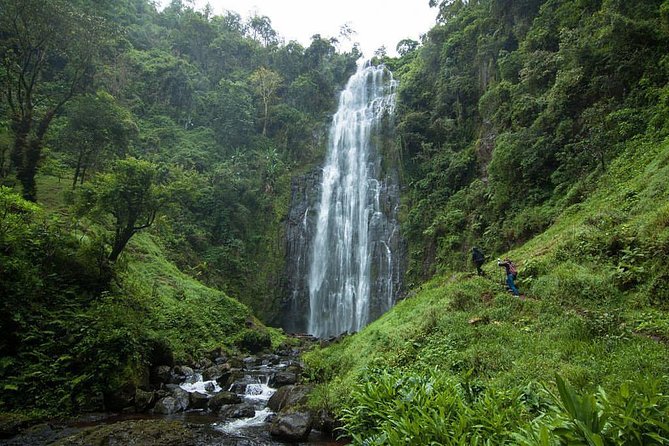
- Materuni Waterfalls hike to an 80+ meter drop plus a swim in the pool at the bottom
- Chagga coffee tour with hands-on grinding and cultural song-and-dance moments
- Kikuletwa Hot Springs (Chemka) with very clear water and the option to rent a float for deep areas
- Hotel pickup plus lunch included, so you’re not piecing together meals and rides
- A private setup just for your group, which keeps the day calmer than big group tours
Materuni Waterfalls: the hike, the view, and the swim-ready pool
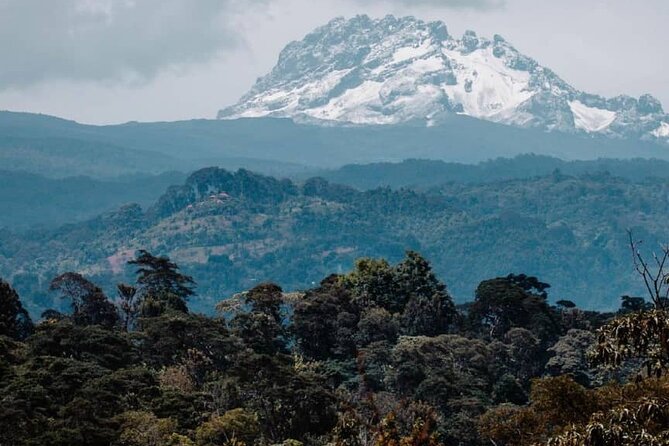
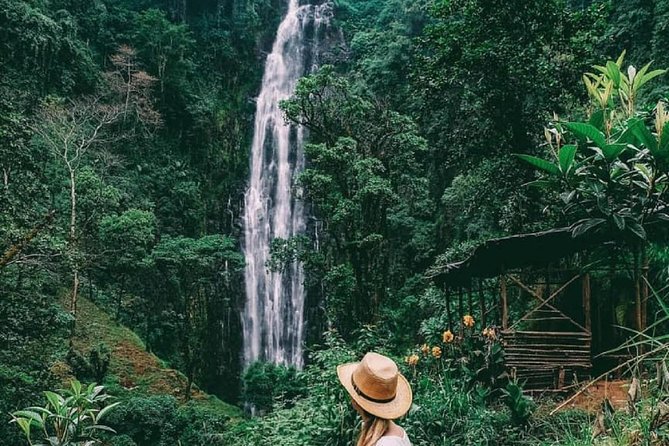
The day starts in the Materuni area, a rural Chagga home about 15 km from Moshi. It’s also close enough to Kilimanjaro terrain that, on a clear day, you can catch dramatic views—sometimes even toward the summit area. On the walk you’ll pass through lush countryside and rainforest-style greenery, with chances to spot birds and small wildlife along the way.
Here’s the practical part that makes or breaks this stop: the waterfall trail is about 40 minutes on foot, and it can be slippery and muddy. If it’s rained recently, you’ll feel the ground under your feet turn into something between soil and riverbank. I’d treat this as a real hike, not a stroll. Bring good hiking boots and wear something you don’t mind getting dirty.
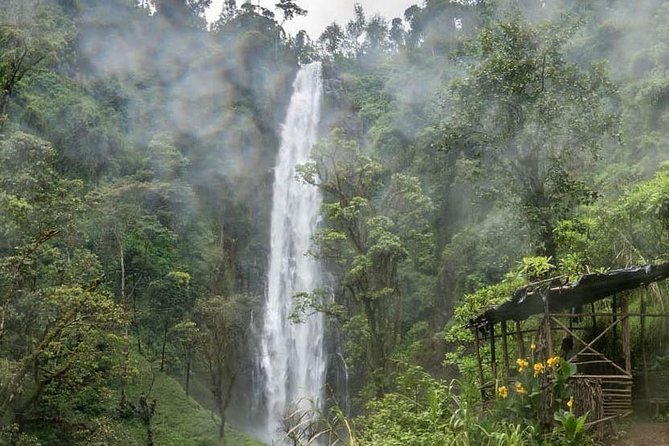
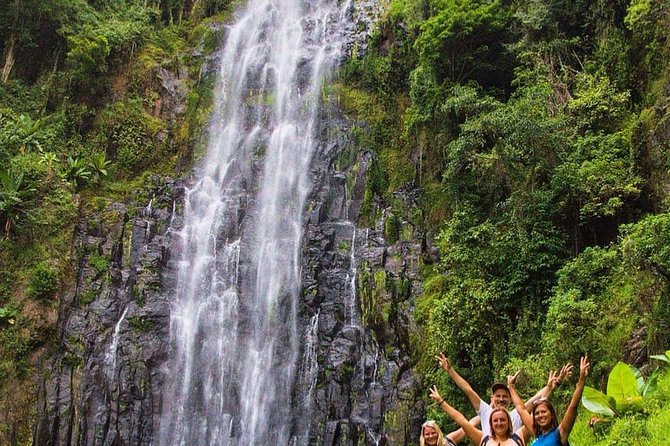
When you reach the falls, you’re looking at a drop of more than 80 meters. The main payoff is the setting: the falls feed a pool below that’s inviting enough that you’ll want swimwear. Reviews highlight the waterfall as a true highlight, with people coming away happy they wore the right footwear—and even happier once they cooled off in the water.
If you’re not into swimming, you can still enjoy the scenery from the pool area, but most people seem to plan on at least a dip. Water can be cold, so warm up afterward and keep moving during the rest of the day.
You can also read our reviews of more tours and experiences in Arusha.


Chagga coffee tour in Materuni: from plant to grinding to cup
After the hike, the tone changes from slippery trail to hands-on culture and agriculture. The coffee stop is in the Materuni area, where you’ll learn how coffee is cultivated, dried, roasted, and processed. It’s not just a slideshow kind of lesson—there’s a chance to get involved with grinding the coffee, and the process is described as traditionally accompanied by Chagga songs and dances.
This is where the tour feels most personal. You’re watching local work and learning the steps that connect the plant to the cup. And you don’t just stand there and hope someone explains. You’ll get real context for why coffee production looks the way it does here—how it’s handled after harvest, how it’s prepared for roasting, and what changes from one step to the next.
Then comes the part that makes it easy to remember: you get to savor the coffee you made. Even if you’re not a coffee superfan, the tasting moment turns the whole lesson into something you actually take home mentally (and taste-wise).
Lunch typically fits into this same area, and at least one guide is noted for making the meal feel like a real rest stop rather than an afterthought. If you like your food local and simple, this portion tends to land well.
Kikuletwa Hot Springs (Chemka): clear water, deep spots, and a late return
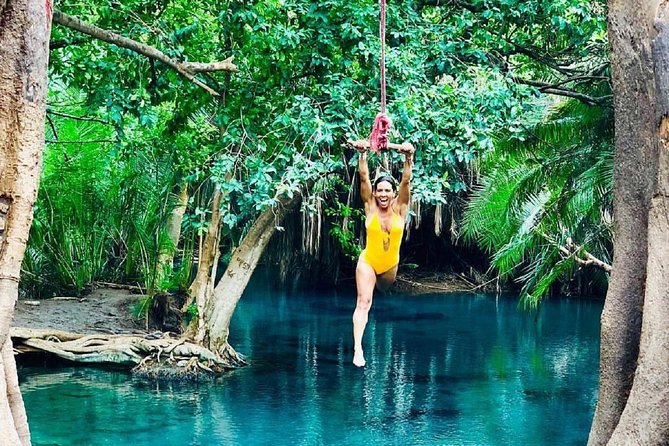
Next you’ll head to Kikuletwa Hot Springs, also known as Chemka. The drive is about 1 hour 20 minutes and includes rougher, bumpy roads—so it’s not the time for perfect hair. Still, people repeatedly say it’s worth the ride once you see the water.
A few things to know before you go in:
- It’s not described as blazing hot—more like refreshing water in an outdoor setting.
- The hot springs can be busy, and the water can be very deep.
- There’s an option to rent a float for about $5 USD if you want extra confidence.
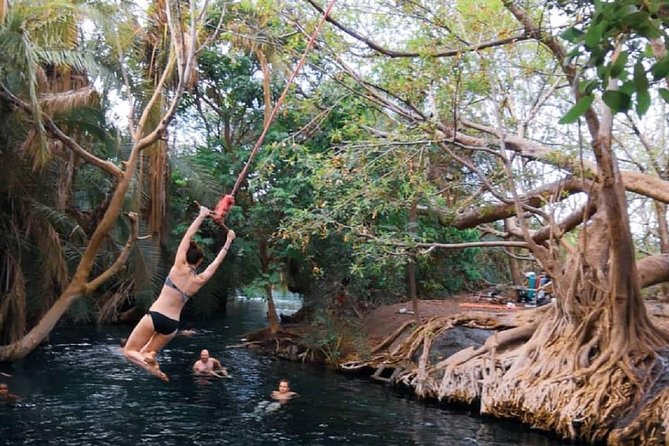
Swimwear and a towel are strongly advised. One review even described the place as clear and beautiful, with people moving around and chatting at a small bar area near the water. The vibe is more relaxed than a rigid schedule—when you arrive, you’re given time to do what you want, whether that’s sun-time, swimming, or lingering with locals.
You also get a nice end-of-day rhythm: you leave the hot springs in the late afternoon, just before sunset, then return to your hotel in Arusha or Moshi. One traveler noted arriving back around 4 pm, but your exact timing can vary with road conditions and how long people stay in the water.
How the 12-hour day feels in real life
This is a full-day loop, roughly 12 hours total. That matters because you’re doing three very different things: hike, coffee learning, and soaking/swimming. The advantage is obvious: you see more in one day without paying for multiple separate tours.
The rhythm tends to be:
1) start early enough to make the waterfall hike comfortable
2) waterfall walk, then swim and time in the village area
3) coffee production and grinding, plus lunch
4) drive out to Kikuletwa and spend the afternoon relaxing
5) head back late afternoon before sunset
The big energy drain is the road plus the hike. If you’re coming from Arusha hotel areas, factor in pick-up time and the fact that bumpy roads can add fatigue. Bring water, keep snacks handy if you’re the kind of person who gets hungry between stops, and plan for boots-wet/dirty-trail reality.
One more timing note: the hot springs portion is the one you’ll want to protect. If you rush through it, you’ll miss the whole point of ending the day in a natural swimming pool. Let that be your reward.
Price and value: what $100 buys you
At $100 per person, the value comes from what’s included and what you avoid. You’re not just buying access to a site. You’re paying for:
- round-trip transportation from your hotel area in the Arusha/Moshi region
- lunch included
- admission tickets included for the stops (waterfalls, coffee experience, and hot springs)
- a private tour setup, meaning it’s only your group
In plain terms, you’re paying to remove the hassle: finding drivers, negotiating entrances, and trying to time a waterfall hike with a coffee farm visit. For many people in this region, the cost feels fair because the tour stitches together three separate activities into one day.
The other value piece: guides. Multiple guides are named in feedback—Frank, Enock, Andrew, Eliis, Victor, and Baltazary/Balthasary—often praised for showing people the details: local plants and fruit, village context, and how to handle the terrain. Even if you don’t speak Swahili, you still get the bigger picture.




Guides and group size: why private matters on muddy trails
This is a private tour for your group only, which changes the whole feel. On a slippery hike, having your guide track your pace and watch footing helps. The same goes when the day includes a swim—your guide can help you decide where to go, what feels safe, and what to skip.
In the feedback, guides are often described as friendly and helpful, and more than one person points out the guide also handling practical details like cold drinks in the car. One review even mentioned a guide who doubled as a photographer, which is handy if you’re trying to capture the waterfall moment and the coffee process without staging every shot yourself.
That said, no system is perfect. One traveler described a pickup mix-up due to hotel info not matching, which added anxiety at the start. It didn’t ruin the day, but it’s a good reminder: confirm your exact pickup details and timing the day before your tour.
What to pack (so your day stays fun)
Based on what the day actually involves, I’d pack for three conditions: mud, sun/rain, and water.
Bring:
- hiking boots (non-negotiable if it’s muddy)
- swimwear and a towel for Kikuletwa
- a light rain layer if weather is iffy
- a dry bag or sealed pouch for your phone/camera
- sun protection (cap/sunglasses), because you’ll have outdoor time at the springs
If you forget the swimwear, you’ll still enjoy the views—but you’ll lose a big part of the tour’s joy.
Where this tour fits best (and where it might not)
This tour is a great fit if you want:
- an active morning with scenery
- a hands-on local coffee experience tied to the Chagga community
- an afternoon that feels like a reward, not another lesson
It’s also ideal for people short on time around Arusha/Moshi who don’t want to bounce between separate logistics.
Where it might not be ideal:
- If you hate hikes or hate slippery conditions, the waterfall trail could feel stressful without the right shoes
- If you’re looking for a purely hot-spring, all-relax day with no walking, this day still includes a meaningful hike
Most travelers can participate, but the trail conditions are the variable you can’t ignore.
Should you book Materuni Waterfalls + coffee + Kikuletwa?
I’d book this if you want a full, real-feeling Tanzania day that mixes nature, local life, and swimming—without making you organize three separate experiences. The standout reasons are the waterfall swim potential, the Chagga coffee hands-on grinding and cultural moments, and the fact that the day ends at Kikuletwa with clear water and time to just be.
Before you click confirm, do two things:
1) pack proper footwear for muddy trail conditions
2) confirm your pickup details clearly so the morning starts smooth
If you’re good with a hike and you like learning how everyday life works—especially coffee and village culture—this is a strong use of your time in northern Tanzania.
FAQ
How long is the tour?
The tour runs about 12 hours (approx.).
What are the main stops?
You’ll visit Materuni Waterfalls, a coffee experience in the Materuni area, and Kikuletwa Hot Springs.
Is lunch included?
Yes, lunch is included.
Do I get hotel pickup and transportation?
Yes. Round-trip transportation from your Arusha hotel is included.
Do I need admission tickets?
Admission tickets for the stops are included.
Is there time to swim?
Yes. There’s a swimming pool at Materuni Waterfalls, and you’ll also have time to swim at Kikuletwa Hot Springs. Bring swimwear and a towel.
Is this a private tour?
Yes. It’s private, and only your group participates.