REVIEW · ARUSHA
8 Days Great Wildebeest Calving Migration Safari from Arusha
Book on Viator →Operated by Gosheni Safaris (T) Limited · Bookable on Viator
Calving season turns the savanna into a show. This safari is built around the Great Migration’s calving window, when thousands of young wildebeest hit the ground and predators keep the whole ecosystem busy. I also love the mix of parks, so you’re not doing the same kind of driving every day, plus the plan is structured with included meals and comfortable stays.
One possible drawback: sightings follow animal timing, not your calendar. You’ll also spend long hours in a vehicle, and the day in Ngorongoro includes a steep crater descent plus a walking safari in Mto wa Mbu, so bring a good attitude and moderate fitness.
In This Review
- Key Points You’ll Care About
- Calving Season in the Southern Serengeti: Why This Trip Feels Urgent
- Arusha Arrival and Your First Night at Mount Meru Hotel
- Tarangire National Park: Elephants, Baobabs, and Lions in a Tree
- Lake Manyara: Quick Circuit Driving With Lots of Variety
- Ndutu Area and Southern Serengeti: Calving Country and the Best Odds
- Central Serengeti Full-Day Drives: Following Migration Trails
- Ngorongoro Crater: The 600-Meter Descent Day
- Mto wa Mbu Morning: Culture and a Walking Safari Reset
- Price and Value: What $2,999.62 Covers, and Where Costs Still Hide
- What Makes the Driving Feel Better: Private Vehicle and Small Group
- Practical Tips So You Get the Most From Calving-Season Safaris
- Should You Book This 8-Day Great Wildebeest Calving Migration Safari?
- FAQ
- Where does the safari start and what time?
- How long is the safari?
- Which parks and areas are included?
- Are accommodations, meals, and entrance fees included?
- Is alcohol included?
- How do airport transfers work?
- What group size should I expect?
- Can the tour handle dietary requirements?
- What if poor weather affects the trip?
Key Points You’ll Care About
- Calving-season timing aimed at the wildebeest rush that brings predators to the same places
- Ndutu and Serengeti circuits with game drives through different habitats like short-grass plains and swamps
- Ngorongoro crater descent into the caldera wildlife zone, about 600 meters down
- Small group size (max 7) and private-vehicle transport for more flexible game-driving days
- Guide quality often highlighted by guests, including names like William David, Albert, Emanuel, George Mathias, Michel, Ombeni, Rahim, Calvin Kileo, and Innocent Mafuru
Calving Season in the Southern Serengeti: Why This Trip Feels Urgent
The Great Migration is famous year-round, but the calving season changes the whole vibe. You’re traveling during December to April, when wildebeest calves are most likely to appear in large numbers, and that means a lot of predator attention too—think lions, cheetahs, and other hunters moving where prey is most vulnerable.
This also affects how you experience the day. Instead of just “seeing animals,” you’re often watching a story unfold—births happen in bursts, groups cluster, and predators react. If you like safari moments that feel event-like rather than random, this timing is the point.
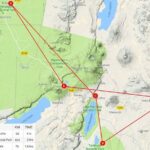
The itinerary is also designed to keep you in the migration’s action zones. You’re not locked into one park only. You rotate through river country, lake scenery, the Ndutu calving region, central Serengeti trails, and finally Ngorongoro.
You can also read our reviews of more tours and experiences in Arusha.
Arusha Arrival and Your First Night at Mount Meru Hotel
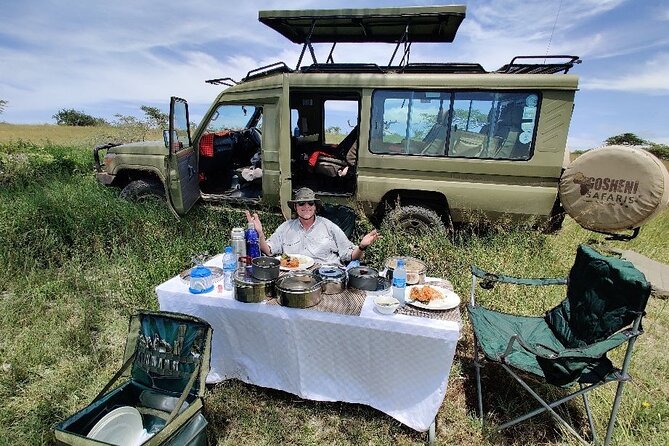
Most safaris start with a scramble. Here, Day 1 starts with a simple airport-to-hotel pickup, so you land and settle without figuring things out on your own.
You overnight at Mount Meru Hotel in Arusha, which is a practical buffer night. Arusha is where you get your bearings: you’ll be thinking about early starts, what to pack for dust and sun, and how to keep your camera ready for “stop-now” moments.
A nice touch for stress levels: your start time is set for 8:30 am, and the trip runs with pre-booked transport from arrival to departure. It helps when you’d rather be awake for animals than chasing paperwork.
Tarangire National Park: Elephants, Baobabs, and Lions in a Tree
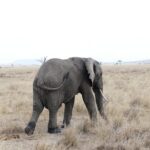
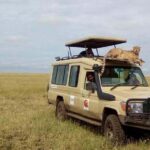
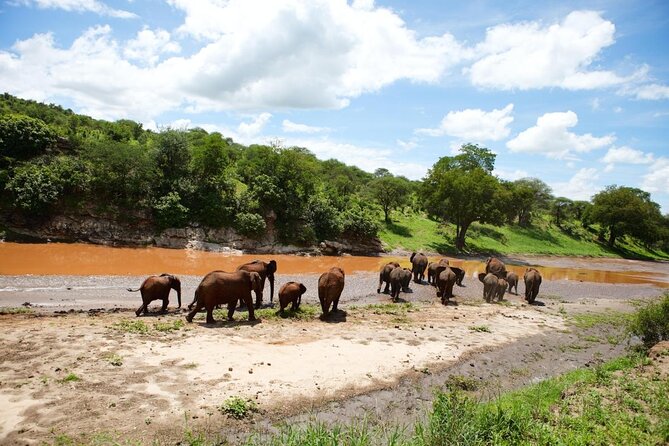
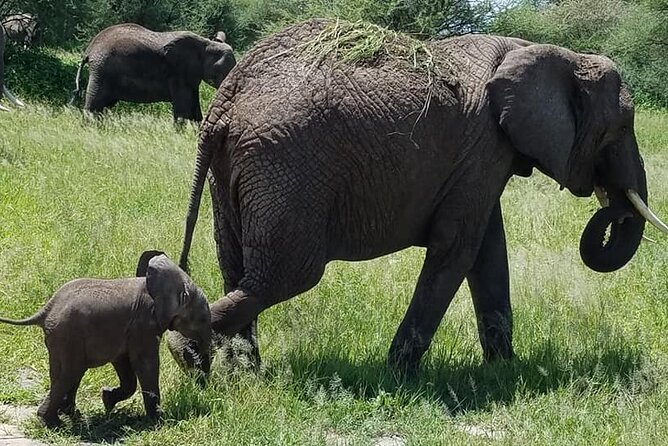
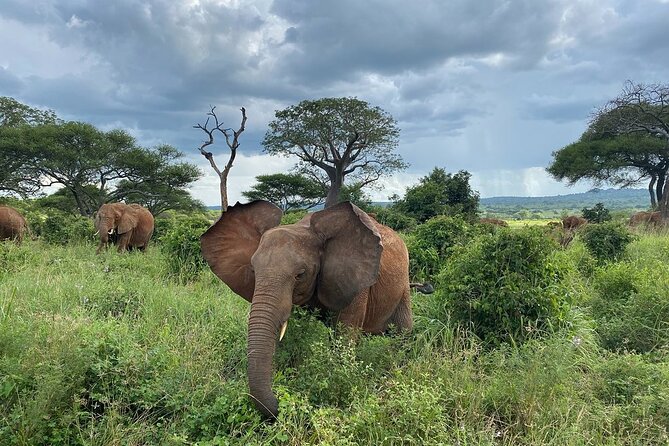
Tarangire is the kind of park that feels visually different even before you spot your first animal. It’s known for large herds of elephants, the iconic baobab trees (the so-called Tree of Life), and a chance to see tree-climbing lions.
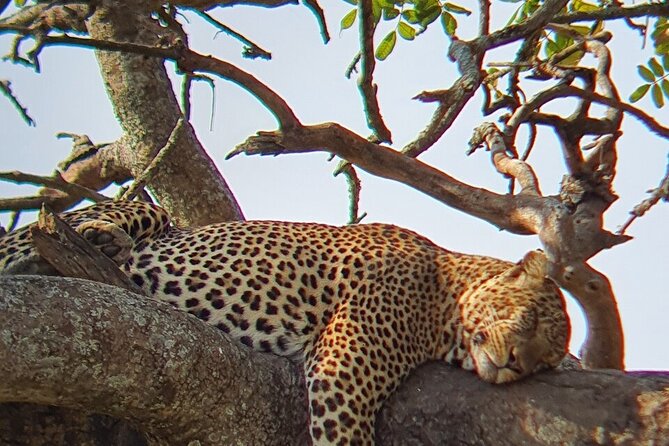
That last detail matters. Tree-climbing lions aren’t guaranteed, but when they happen, you get a rare feeding-and-resting setup that’s unlike the usual ground-level drama. And since Tarangire river flows year-round, wildlife concentration tends to hold steadier than in places where water disappears seasonally.
Practical tip: expect game drives to be longer on this day because the park is wide and wildlife can be spread out until you find the right pockets. Tarangire also rewards patience. If you’re the type who hates sitting still, this park may try your calm—but the reward can be worth it.
You’ll sleep in a luxury tented camp here, with meals included as part of the B/L/D plan.
Lake Manyara: Quick Circuit Driving With Lots of Variety
Lake Manyara is a change of pace from Tarangire’s river-and-baobab look. It’s scenic, and it offers a compact-game viewing circuit, which makes it feel efficient—fewer hours “just to get there,” more hours actually scanning for animals.
The park is also one of Tanzania’s more diverse reserves. That diversity shows up in how different the habitats can feel in a short time. So even if you’re not chasing a single species, you can still get a good mix of animals and birdlife.
This is a good day to manage your energy. You’ll move from Arusha-style planning into “full safari rhythm,” but Manyara is shorter and more varied than you might expect. You’ll overnight at a luxury lodge, which helps you reset for the next big jump—down toward the Ndutu area.
Ndutu Area and Southern Serengeti: Calving Country and the Best Odds
This is the heart of the trip. You’ll spend time in the Ndutu area, part of the southern Serengeti ecosystem and linked to Ngorongoro conservation zones. During calving season, the area is where wildebeest are most likely to calve in large numbers.
The itinerary leans into that. Day 5 is a full game drive in Ndutu, moving through habitats like swamps, woodland, soda lakes, and the short-grass plains. That’s important because calving and feeding patterns depend on the ground conditions and nearby water sources.
Here’s a useful timing note: the period when most wildebeest calve is described as around February, lasting about three weeks. That doesn’t mean every day in that range is identical, but it tells you the supplier’s idea of peak action. If your dates land near that, your odds of seeing the classic calving scenes improve.
Also worth knowing: Lake Ndutu is alkaline but the water is still drinkable, and local wildlife relies on it. That’s a reminder that you’re in an ecosystem shaped by rift-valley lakes, not just open grass.
You’ll base in another luxury tented camp on these days. If you’re hoping for a safari with both action and comfort, this is where that balance usually clicks.
Central Serengeti Full-Day Drives: Following Migration Trails
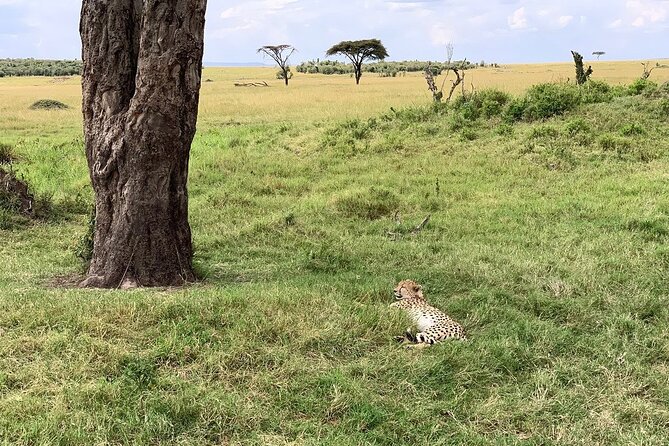
After Ndutu, the route moves you into central Serengeti National Park for a full day tracking migration trails. This day is the “connect the dots” safari day—how the herds move after calving, where they pause, and how predators shift with the prey.
The best part here is your guide and driver relationship with the land. In the safari experience, spotting is never just luck; it’s reading tracks, understanding movement, and positioning the vehicle so you get time to watch. Many past guests have praised guides and drivers by name for exactly this kind of sharp spotting and calm, professional driving—names like Albert, Emanuel, George Mathias, and Rahim come up for their ability to find wildlife and keep the ride smooth.
A practical drawback to accept: central Serengeti can mean “finding” takes time before “seeing” happens. Even in calving season, wildlife isn’t always clustered. So build your expectations around long scanning sessions as much as dramatic moments.
You’ll overnight again in a luxury tented camp, giving you a consistent comfort level while you’re chasing changing patterns across the ecosystem.
Ngorongoro Crater: The 600-Meter Descent Day
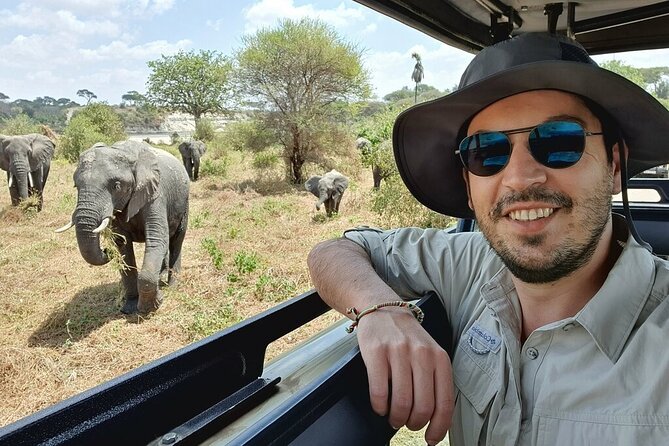
Ngorongoro is famous for a reason, and this itinerary uses that fame in a straightforward way: you drive into the conservation area and then descend about 600 meters into the crater to view wildlife.
This day tends to feel different from the others because the crater is a contained world. You’re not just driving across open space. You’re dropping into a bowl-shaped habitat with its own wildlife rhythm. That makes it a strong closer to the safari because you’ve already learned how the migration system works, and now you see a concentrated version.
You’ll sleep at a luxury lodge in Ngorongoro, which is handy after a day that can feel physically demanding.
Possible consideration: crater descents and wildlife viewing can add up, especially if you’re sensitive to steep changes in terrain. The tour flags a moderate physical fitness level, and this is one of the days where you’ll feel why.
Mto wa Mbu Morning: Culture and a Walking Safari Reset
Day 8 shifts from crater and plains to people and local rhythm. After breakfast, you drive to Mto wa Mbu for a morning cultural tour and a walking safari, then you’ll have lunch with local views.
This is a good “breather” day. The walking safari is part of the program, but it’s also an antidote to eight days of only looking out from the vehicle. It gives you a different kind of memory—how locals live and move through the region, not just how animals roam it.
You’ll then head back to Arusha or to the airport for your flight home. Since your pickup and drop-off are included, this final day is set up to avoid the last-minute chaos that often happens after long tours.
Price and Value: What $2,999.62 Covers, and Where Costs Still Hide
At $2,999.62 per person for an ~8-day safari, the question isn’t only price. It’s what you’re buying: time, logistics, and access.
You’re paying for a package that includes:
- accommodations on the itinerary
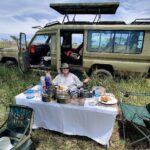
- meals (B/L/D)
- airport pickup and drop-off
- private vehicle transport
- driver/guide
- bottled water
- entrance fees mentioned as part of the worry-free plan
That matters because safari costs can pile up fast when you add park entries, ground transport, and meals. Bundling them is part of the value.
What’s not included is also clear: alcoholic drinks are extra, but soft drinks and bottled water are handled. So if you plan to budget for beer or spirits, do it up front.
Who gets good value from this? If you want a timed Great Migration-calving experience with multiple parks and you don’t want to manage transfers or meal logistics yourself, this package format usually feels fair.
What Makes the Driving Feel Better: Private Vehicle and Small Group
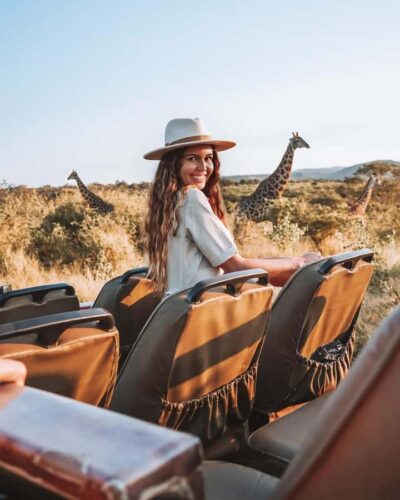
A max group size of 7 travelers changes how the day feels. Even when the landscape doesn’t cooperate, you’re not packed into an oversized crowd. The driver can also respond faster when animal movement happens suddenly.
Private vehicle transport also helps with comfort and control. You can settle into your seat, keep gear organized, and spend more time scanning instead of re-adjusting every time the group shifts.
And when you have guides who are praised for spotting animals early—like the safari guides named earlier—small-group setups often mean you get more time with the animal, not just a quick drive-by.
Practical Tips So You Get the Most From Calving-Season Safaris
Here’s how to set yourself up for better days on the road.
Pack for sun and dust. Calving season runs across the dry months, and game drives can mean long periods outdoors. Light layers help you stay comfortable, and sunglasses plus sunscreen are your best friends.
Bring patience for “search time.” In central Serengeti especially, the best sightings can require scanning for a while before the animals appear.
Keep your eyes on water and ground conditions. The itinerary’s habitat mix in Ndutu—swamps, soda lakes, plains—exists for a reason: prey and predators respond to what’s available.
For photos, treat the vehicle like your studio. Keep your camera strap secure and your settings ready. Animals can appear with no warning, especially when predators move to where prey is concentrated.
Finally, if you have dietary needs, tell the operator at booking. The tour asks you to advise dietary requirements up front, which is the easiest way to avoid surprises later.
Should You Book This 8-Day Great Wildebeest Calving Migration Safari?
You should seriously consider booking if:
- you want a calving-season Great Migration experience rather than a generic Serengeti safari
- you like the idea of moving through several parks, not just one long base
- you prefer an organized package with meals, entrance fees, and transfers handled
- you care about guide-driven spotting and smooth driving during game drives
You might skip or adjust expectations if:
- you’re hoping for guaranteed calving peak sightings on specific dates. This is timed to the season, but animal schedules still run on their own clock.
- you’re not comfortable with long days of driving and physical moments like a crater descent and a walking safari.
If you want a safari that tries to match your trip to one of nature’s most dramatic seasonal cycles—calves hitting the ground and predators responding—this itinerary is built for that goal. The combination of Tarangire, Manyara, Ndutu, Serengeti, and Ngorongoro also keeps your scenery varied, so you don’t burn out halfway through the story.
FAQ
Where does the safari start and what time?
The tour starts in Arusha, with a start time of 8:30 am.
How long is the safari?
It runs for 8 days (approx.), including airport pickup and drop-off.
Which parks and areas are included?
You visit Tarangire National Park, Lake Manyara National Park, Lake Ndutu / Ndutu area, Serengeti National Park (including southern and central regions), and Ngorongoro Crater / Ngorongoro Conservation area, plus a cultural tour in Mto wa Mbu.
Are accommodations, meals, and entrance fees included?
Yes. The plan includes accommodations as per the itinerary, meals as per the itinerary (B/L/D), and entrance fees are included as part of the worry-free setup.
Is alcohol included?
No. Alcoholic drinks are not included and are available to purchase.
How do airport transfers work?
You get airport pickup and drop-off, and transport is by private vehicle.
What group size should I expect?
There’s a maximum of 7 travelers.
Can the tour handle dietary requirements?
Yes. You should advise any specific dietary requirements at time of booking.
What if poor weather affects the trip?
The experience requires good weather. If it’s canceled due to poor weather, you’ll be offered a different date or a full refund.