REVIEW · ARUSHA
Group Safari 7 Days in Tanzania’s Main Parks
Book on Viator →Operated by Safari Avventura · Bookable on Viator
Seven days of wildlife, minus the hassle. This 7-day northern Tanzania safari packs big animal country into a tight loop, with guided time in Lake Manyara, Serengeti, Ngorongoro, and Tarangire. I love the small group size (max 6) and how the Jeep is set up for long days with power sockets, a fridge for cold drinks, snacks, and binoculars.
One thing to consider: this is a group safari, so your day-to-day choices are guided by the itinerary and the driver/guide’s spotting calls, not totally at your whim.
In This Review
- Key things I’d bet on
- Why This Northern Parks Loop Works for 7 Days
- Day 1 in Arusha Village Experience: a gentle start before the parks
- Day 2 at Lake Manyara: biodiversity safari in a single park day
- Day 3 Ngorongoro Conservation Area: crater views and wildlife density
- Day 4 Serengeti for Migration Moments: the main stage of Tanzania
- Day 5 Serengeti Hippo Pool: waterline watching and birdlife
- Day 6 Tarangire National Park: baobabs, big-photo energy, and classic sightings
- Day 7 Arusha Village Experience: market time and a clean exit
- Jeep Comfort, Cold Drinks, and the Guides Who Make the Difference
- Food and Lodging: full board makes the week easier than you think
- Price and Value: what $3,000 buys (and what to plan for)
- Who This Safari Fits Best
- Should You Book Safari Avventura’s Elephant 7-Day Main Parks?
- FAQ
- What’s included in the price?
- Which parks are covered in this 7-day safari?
- Do I need to pay a Tanzania visa separately?
- Are park entrance fees included?
- What kind of vehicle will I ride in?
- How many people are in the group?
- Is health coverage included?
- What if I need to cancel?
Key things I’d bet on
- Max 6 travelers keeps the safari experience feeling personal while still being affordable versus private touring.
- Jeep comfort matters: power outlets, cold drinks in the fridge, and binoculars help when you’re out for long hours.
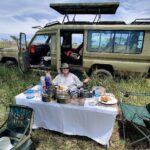
- Full board is real: breakfast and lunch every day, plus dinners most days, so you’re not scrambling for meals in transit.
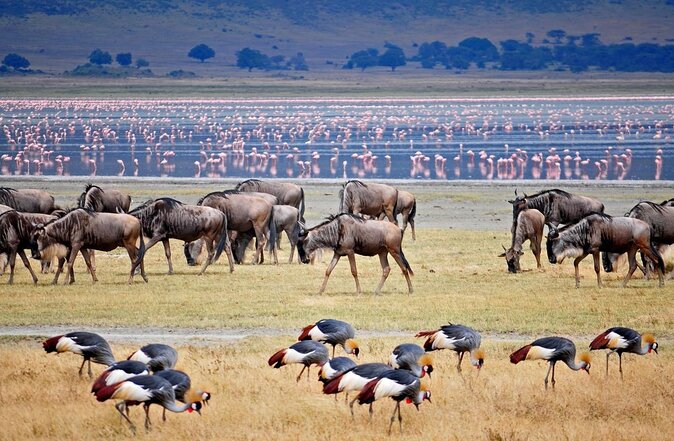
- Ngorongoro + Serengeti combo gives you crater wildlife and classic plains action in the same week.
- Guides get praised by name (Elias Moro, Calvin Jonatan, Mirambo, Issa), especially for finding animals and explaining what you’re seeing.
Why This Northern Parks Loop Works for 7 Days
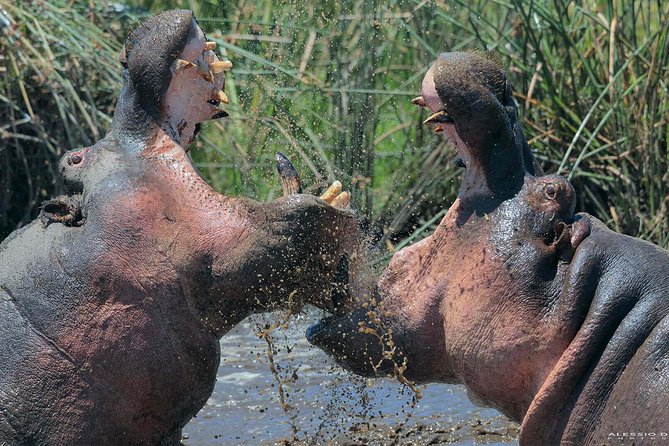
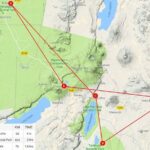
This route is built for efficiency without feeling rushed in the “chase everything” way. You start in Arusha, then stack three heavy-hitter parks—Lake Manyara, Ngorongoro, and Serengeti—before finishing with Tarangire and an Arusha market wrap-up.
The value is in what’s included: park entrance fees, a professional guide, the Jeep, and full board in lodges/tented camps/hotels. For $3,000 per person, you’re paying for access, time, and logistics done for you—without needing to rent vehicles or negotiate tickets while traveling.
And because it’s capped at 6 travelers, you’ll usually get a more watch-and-learn feel in the field. You still share the game-viewing reality (everyone wants the same sightings), but the group stays small enough to keep conversations and questions going.
You can also read our reviews of more tours and experiences in Arusha.
Day 1 in Arusha Village Experience: a gentle start before the parks
Day 1 is a city visit in Arusha right after airport pick-up, with an admission ticket included. The point of this day isn’t wildlife—it’s orientation: getting your bearings, meeting your guide, and shaking off travel fatigue before the long safari days begin.
If you’re the type who likes to understand where things are before you go, this helps. Arusha is also where you’ll likely absorb local rhythms and expectations for the week ahead—useful when you later spend hours in the bush.
This day is listed as about 12 hours, so plan for a full travel-and-orientation day, not an easy half-day.
Day 2 at Lake Manyara: biodiversity safari in a single park day
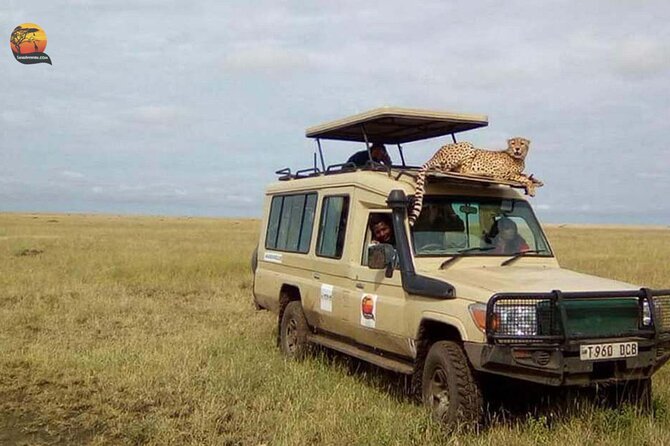
Lake Manyara National Park is where the itinerary turns from “setup” to “spotting.” You get one full day here, with park entrance included and a guide leading the wildlife search.
Lake Manyara is described as one of Tanzania’s best spots for biodiversity, which is exactly what you want if you’re visiting only one or two days per park. It’s the kind of place where you may see different animal types and birdlife without the drive feeling like a marathon of only one landscape feature.
One practical note: expect a lot of time scanning. Even with great roads and a good driver, animal sightings are never guaranteed, so the value is in being out there with the right guide and patience.
Day 3 Ngorongoro Conservation Area: crater views and wildlife density
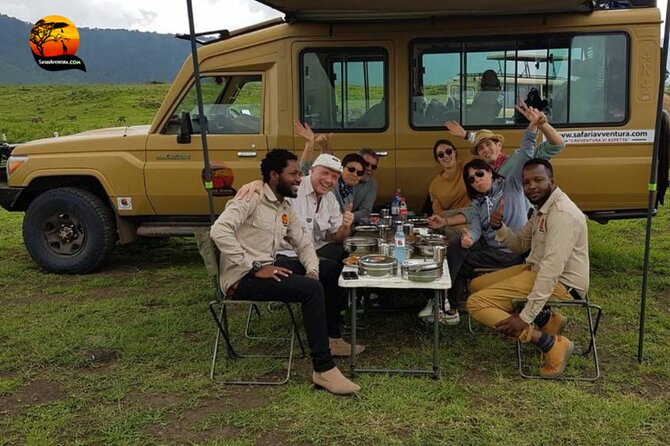
Day 3 is focused on Ngorongoro Conservation Area for about 6 hours, with admission included. This is one of the most popular safari areas in northern Tanzania, and that reputation comes from what you’re likely to see in a concentrated space.
Ngorongoro’s big draw is the combination of dramatic terrain and strong animal presence in one place. From a traveler standpoint, it’s a high-payoff stop because you aren’t just chasing distances—you’re using time in a site known for wildlife concentration.
This is also a day where good guidance makes a difference. A guide who understands sightlines, animal behavior, and when to move can turn a crater day from just scenic to truly memorable.
Day 4 Serengeti for Migration Moments: the main stage of Tanzania
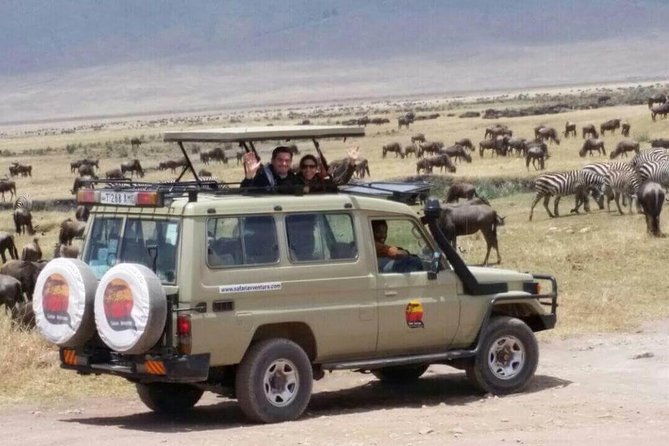
Day 4 is a long one—about 12 hours—at Serengeti National Park. The itinerary is specifically tied to migration phenomena, and Serengeti is described as Tanzania’s largest nature reserve, famous for that dramatic seasonal movement of animals.
Even if migration isn’t happening in the exact way you imagine, Serengeti still delivers. The value here is time: you’re given enough hours to slow down, look carefully, and let sightings develop rather than treating the park like a photo sprint.
This is the day I’d expect you to start recognizing patterns: which areas produce wildlife more consistently, how animals use the terrain, and how your guide’s strategy affects what you get to see. If you love learning while watching, this park day fits your brain as well as your camera.
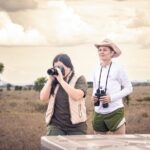
Day 5 Serengeti Hippo Pool: waterline watching and birdlife
Another 12-hour day takes you back inside Serengeti, this time at the Serengeti Hippo Pool. The idea is straightforward: you’re spending time where you can watch animals at close range around water.
This stop balances the more open-plains feel with an action zone that’s easier to “read.” Hippos and other animals near water often give you longer observation opportunities—less searching, more watching behavior.
It’s also a good day for questions. When you can see animals repeatedly in a certain area, you’ll learn faster—why they’re behaving a certain way, how they interact, and what signs to look for if the action changes.
Day 6 Tarangire National Park: baobabs, big-photo energy, and classic sightings
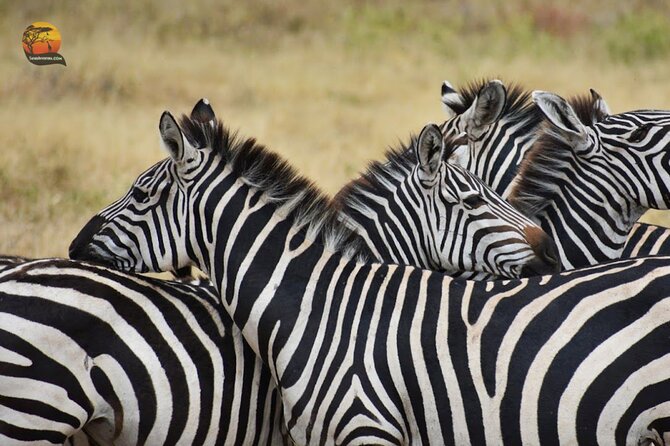
Day 6 goes to Tarangire National Park for about 12 hours. Tarangire is described as the most popular destination for suggestive photo safaris, and that tracks: it’s the kind of place where you can mix animal sightings with recognizable scenery and striking shapes in the background.
Tarangire is also where your guide’s spotting skill really pays off. In this park week, you’ll have seen plenty of landscapes and animal types, but the best days often come down to finding animals that are partly hidden—especially when lighting changes and the group needs a quick decision.
If you like getting several strong sightings in one day, this is a great final park stop before your Arusha wrap-up.
Day 7 Arusha Village Experience: market time and a clean exit
Day 7 returns to the Arusha Village Experience for about 6 hours, ending with transfer back to the airport. This is your final cultural break: a characteristic market visit and then you’re on your way.
It’s a smart way to end. After a week of wildlife watching, a market helps you shift back into human scale: you can browse, pick up simple souvenirs, and reset mentally before flights.
If you’re the kind of traveler who loves buying small things you’ll actually use, keep this last day flexible. Markets can take longer than you expect, and it’s easier to handle with a focused final block.
Jeep Comfort, Cold Drinks, and the Guides Who Make the Difference
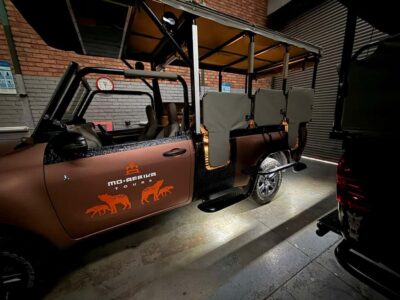
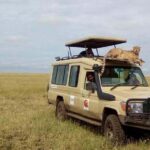
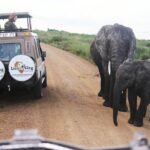
The Jeep setup is one of the practical perks that travel well on safari. Your vehicle includes power sockets, a fridge stocked with cold drinks, snacks during the day, and binoculars. That means you’re not constantly rationing comfort on long wildlife hours.
More importantly, the field skills matter. In the naming of guides praised for this kind of safari, you’ll see recurring strengths: Elias Moro is described as discreet at night and attentive to what families want; Calvin Jonatan is praised for confident driving and spotting animals hidden in bushes; Mirambo shows up repeatedly in positive notes for being organized, kind, and helpful; Issa is praised for adapting the safari to preferences and for knowing where to look.
You can think of it like this: the parks are the stage, but the guide is the lighting crew. Good driving reduces stress on rough roads and keeps your time usable. Good spotting turns random hours into focused observation.
Also, with a group capped at 6, you’re more likely to ask questions and get explanations that match what you’re currently seeing—not just a general talk at the beginning of the day.
Food and Lodging: full board makes the week easier than you think
This safari includes full board in lodges, hotels, and tented camps, but drinks during meals aren’t included. That’s a key detail for budgeting because safari weeks often tempt you to buy water and soft drinks without realizing the total.
The package lists breakfast (7), lunch (7), and dinner (6). So you can expect meals most days to be handled for you, which is a huge quality-of-life win when you’re bouncing between parks.
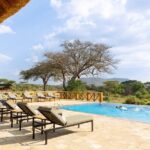
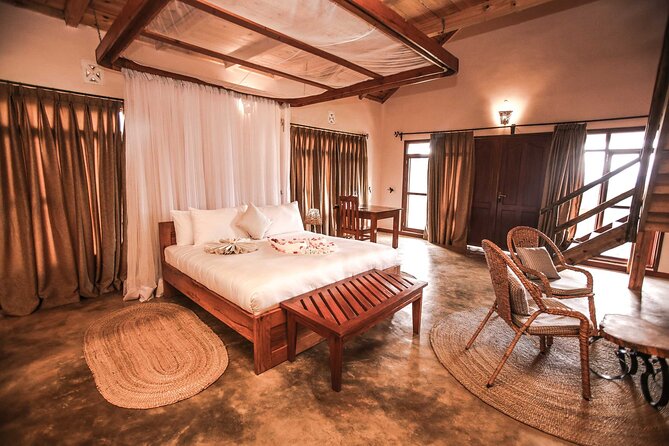
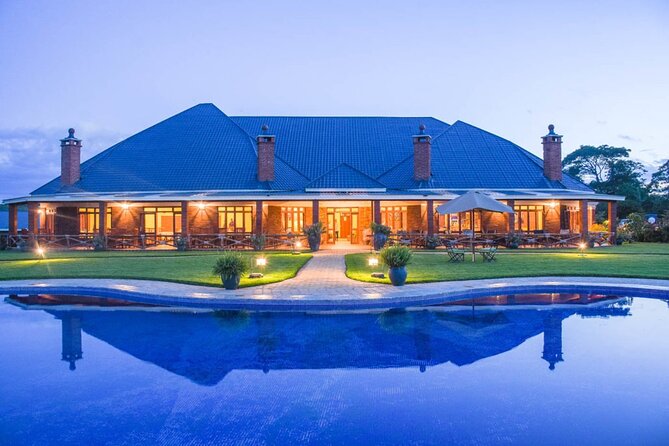
Lodging quality can vary in northern Tanzania depending on the property level used, but the consistent theme here is that the plan includes lodging as part of the package rather than leaving you to coordinate it daily. For a first-time safari, that reduces stress a lot.
Practical tip: bring a refillable bottle. Even though cold drinks are available in the Jeep, you’ll still want hydration on your own schedule.
Price and Value: what $3,000 buys (and what to plan for)
At $3,000 per person, this is not a budget safari. But value isn’t just the cost—it’s what’s handled for you and how long you’re actually in the parks with the right support.
Here’s what’s clearly priced into the package:
- Transport in an air-conditioned vehicle with airport transfer
- Park entrance fees
- A professional guided tour
- Jeep use during safari days
- Full board in accommodations
- AMREF Flying Doctors Health Insurance
What’s not included:
- Tanzania entry visa (USD 50 per person)
- Air flights
- Drinks during meals
That combination is usually what makes safari packages feel “worth it” versus trying to piece it together yourself. You’re paying for planning, access, and reduced decision fatigue. If you’re traveling as a couple or small group and you want to spend your brainpower on enjoying the day instead of organizing it, this kind of bundled service often wins.
One more angle: with 6 travelers maximum, you’re likely to get more driver attention and fewer “lost in the crowd” moments than bigger-group safaris.
Who This Safari Fits Best
This tour fits well if you want:
- A high concentration of northern parks in one week
- Guided time with a Jeep and binoculars
- Full board so you’re not hunting meals between sightings
- A group size that stays small
It may be less perfect if you’re the type who insists on total control over the schedule. This is a guided route, and you’ll follow the plan. Also, with longer days listed at 12 hours on multiple dates, you should be ready for long sit-and-scan safari time, not a quick sightseeing loop.
If you have kids, grandparents, or anyone who wants the trip adapted to their comfort, the guide notes matter. Families and preferences being respected is a recurring theme in the guide praise, which is a good sign for travelers who don’t want a rigid, one-size-fits-all experience.
Should You Book Safari Avventura’s Elephant 7-Day Main Parks?
Yes, I’d lean toward booking if you want a straightforward, park-heavy northern Tanzania week with logistics handled, a small group, and a Jeep setup that makes long safari hours easier. The inclusion list is strong—especially park entrances, guided driving, airport transfers, and full board.
If you’re price-sensitive, you should compare what you’d pay to build the same parks yourself, including entrance fees and lodging. If those costs feel messy or risky to coordinate, packages like this often make more sense than they sound.
My biggest “decision switch” for you: if having the route planned by experienced operators and guides is your kind of travel, this is a solid choice.
FAQ
What’s included in the price?
The package includes air-conditioned vehicle transport, airport transfer from and to the meeting point, entrance in the parks, a professional guided tour, and full board in lodges/hotels/tented camps (breakfast and lunch daily, with dinner listed for six days). AMREF Flying Doctors health insurance is also included, and drinks during meals are not included.
Which parks are covered in this 7-day safari?
You visit Lake Manyara National Park, Ngorongoro Conservation Area, Serengeti National Park (including a stop at Serengeti Hippo Pool), and Tarangire National Park. You also have Arusha Village Experience days in Arusha before and after the park portion.
Do I need to pay a Tanzania visa separately?
Yes. The Tanzania entry visa is not included and is listed at USD 50 per person.
Are park entrance fees included?
Yes. Entrance in the parks is included in the tour package.
What kind of vehicle will I ride in?
You’ll use a comfortable Jeep during the safari portion, and the vehicle includes features like power sockets, a fridge with cold drinks, and snacks, plus binoculars. Airport transfer is also provided by an air-conditioned vehicle.
How many people are in the group?
This safari has a maximum of 6 travelers.
Is health coverage included?
Yes. The package includes AMREF Flying Doctors Health Insurance.
What if I need to cancel?
You can cancel up to 6 days in advance of the experience for a full refund. For a 50% refund, cancel 2–6 full days before the start time. If you cancel less than 2 days before, the amount paid is not refunded.