REVIEW · JOHANNESBURG
From Johannesburg: Pilanesberg Nature Reserve Game Safari
Book on GetYourGuide →Operated by MoAfrika Tours (Pty)Ltd · Bookable on GetYourGuide
Two jeep drives, one wild Africa reality check. This day trip from Johannesburg takes you into Pilanesberg Nature Reserve for serious wildlife time in an open safari vehicle, with guides who work hard to put you on the animals. I especially like the way the rangers and guides explain what you’re seeing—people often mention guides like Martin and Petros/Petrus for their humor and their focus.
The best part is the contrast: you feel the dry Kalahari side of the reserve, then you’re back around water where birds show up and animals gather. The big consideration is simple: it’s a long day, with an early start and a long road back, so expect fatigue unless you plan for the commute.
In This Review
- Key Things That Make This Pilanesberg Safari Different
- The Real Deal: What Pilanesberg Feels Like From Your First Drive
- Getting There From Johannesburg: Long Road, Smart Pace
- Your First Open Safari Drive: Morning Is for Big Bodies and Fast Scanning
- Lunch at the Rest Camp: Fuel With a Water-Hole View
- The Afternoon Open-Jeep Drive: Birds, Water, and the Croc-Spotting Zone
- Big Five Chances: How to Think About Lions and Leopards
- Pilanesberg’s Ecology Angle: Why the “Dry vs Wet” Thing Matters
- Price and Conservation Fee: What $186 Really Buys You
- What to Bring (and What to Do With Your Phone)
- Safety, Vehicle Comfort, and the Small Details That Shape the Day
- Who This Safari Fits Best (and Who Should Skip It)
- Should You Book This Pilanesberg Safari From Johannesburg?
Key Things That Make This Pilanesberg Safari Different
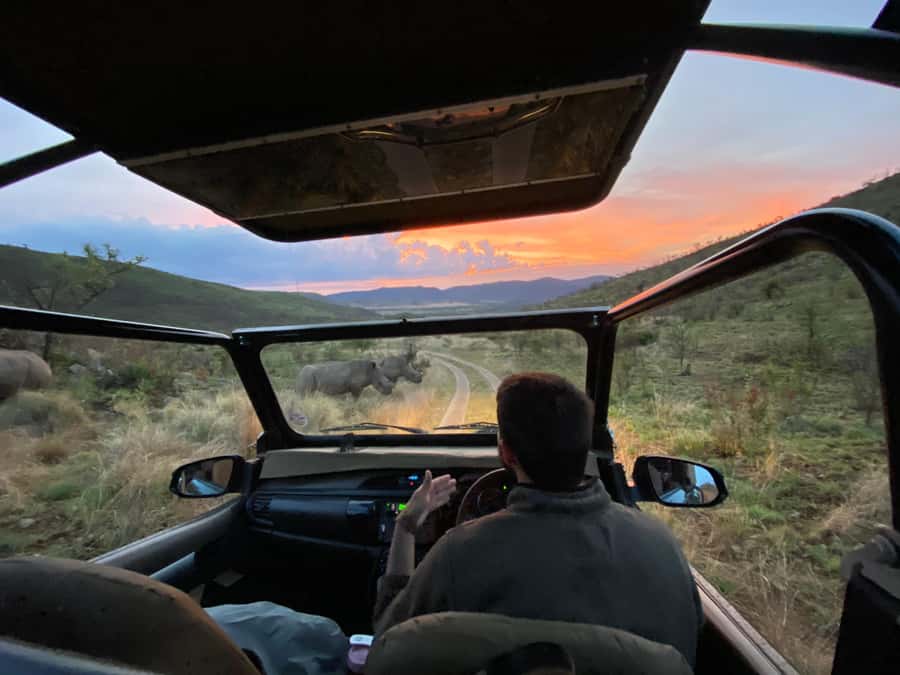
- Two open-vehicle game drives totaling about 4.5–5 hours, so you’re not stuck with one short look
- Big Five chances in a natural, ecologically varied setting (not a zoo-style checklist)
- Water-focused wildlife moments, with birdlife like fish eagles, kingfishers, and cormorants around the dam area
- Lunch at a rest camp by a water hole, timed to break up the heat and keep you moving
- Helpful guides by name in the mix, with Martin and Petros/Petrus repeatedly singled out for energy and animal-spotting effort
The Real Deal: What Pilanesberg Feels Like From Your First Drive
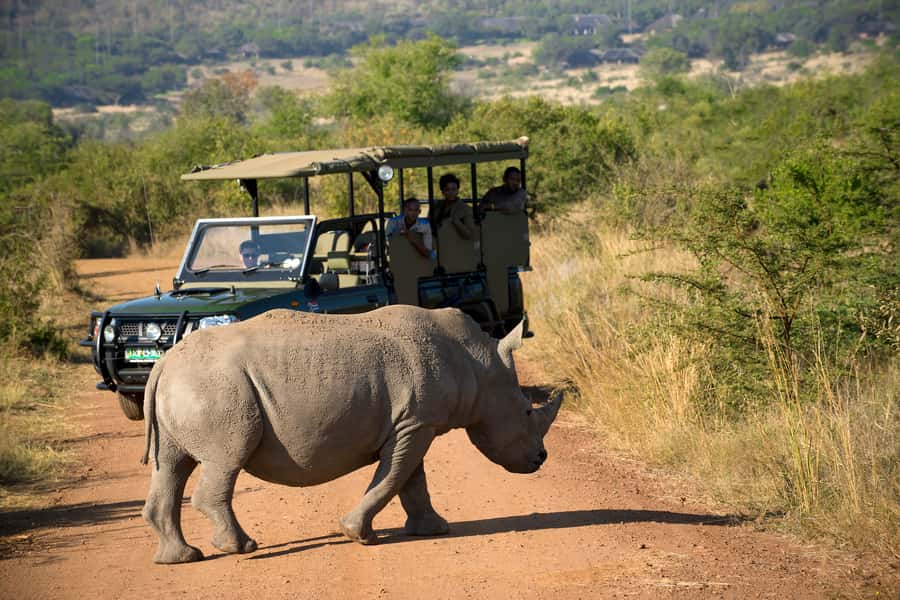
Pilanesberg is one of those parks that surprises people coming from Johannesburg. The reserve sits in North West, and it has a strong sense of place—dry air and thorny ground in one area, then lush water-adjacent vegetation where the animals spend their time. You’ll see why that matters once your guide starts reading the land: in a park like this, wildlife patterns are tied to water, cover, and temperature.
What you’ll love quickly is the rhythm of the day. You’re pushed out early enough to catch wildlife that’s active, then you get a break in the middle of the day for lunch, and then you head out again for the later sightings. A lot of people come home talking about elephants, rhinos, hippos, crocs, and giraffes—not because everything is guaranteed, but because you’re given enough time in enough habitats.
If you’re expecting a guaranteed Big Five box-tick, adjust your mindset. Lions and leopards are famously spotty on a single day, and the tour itself sets expectations as a chance, not a promise. Still, multiple guides are described as repositioning you in the open jeep for the best safe viewing when animals are on the move.
You can also read our reviews of more tours and experiences in Johannesburg.
Getting There From Johannesburg: Long Road, Smart Pace
This trip is built around one thing: the drive. Plan for an early pickup and a road journey that’s roughly in the 2–2.5 hour range each way (the exact schedule depends on your pickup point and traffic). Even with a comfortable coach segment and a pickup/drop-off that’s arranged for you, it’s a day that starts earlier than you probably want.
The silver lining is that the bus portion doesn’t feel totally dead. People mention WiFi on the coach, and there are breaks en route for coffee/snacks or a short comfort stop. Still, you’ll want to be realistic: you’ll likely feel the trip in your back and neck on the return.
My practical advice: pack like you’re road-tripping. Bring a neck pillow if you want to sleep on the way back, and if you’ll use your phone a lot, consider a power bank. If you’re the type who wants photos, bring a simple setup for hands-free shooting during stops.
Your First Open Safari Drive: Morning Is for Big Bodies and Fast Scanning
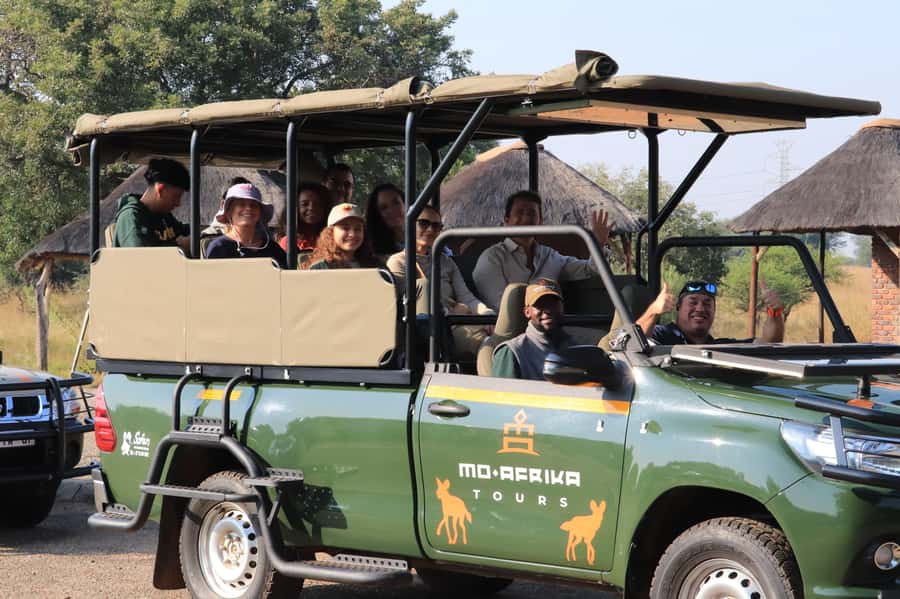
Once you reach the reserve, the day flips into safari mode. The morning drive is typically the longer one (around 2.5 hours), and it’s the part where your guide’s “spotting brain” matters most.
In Pilanesberg, that means you’ll often start stacking sightings: zebras and giraffes are common early, and you may also see antelope species like kudu or impala as animals move between cover and open ground. The tour description also targets predators and dramatic moments—cheetahs, hyenas, and sometimes the more elusive cats—so your guide keeps scanning the margins, not just the open spaces.
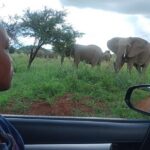
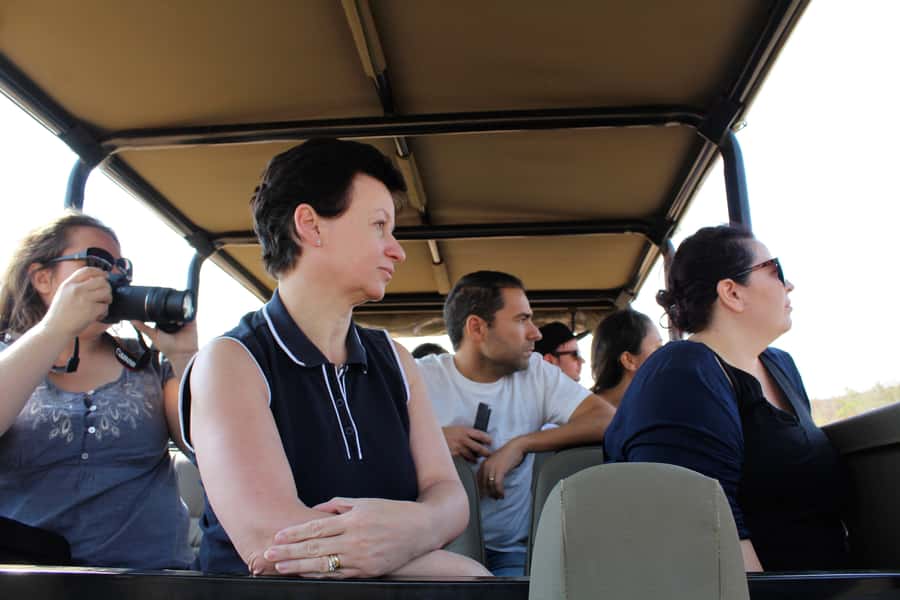
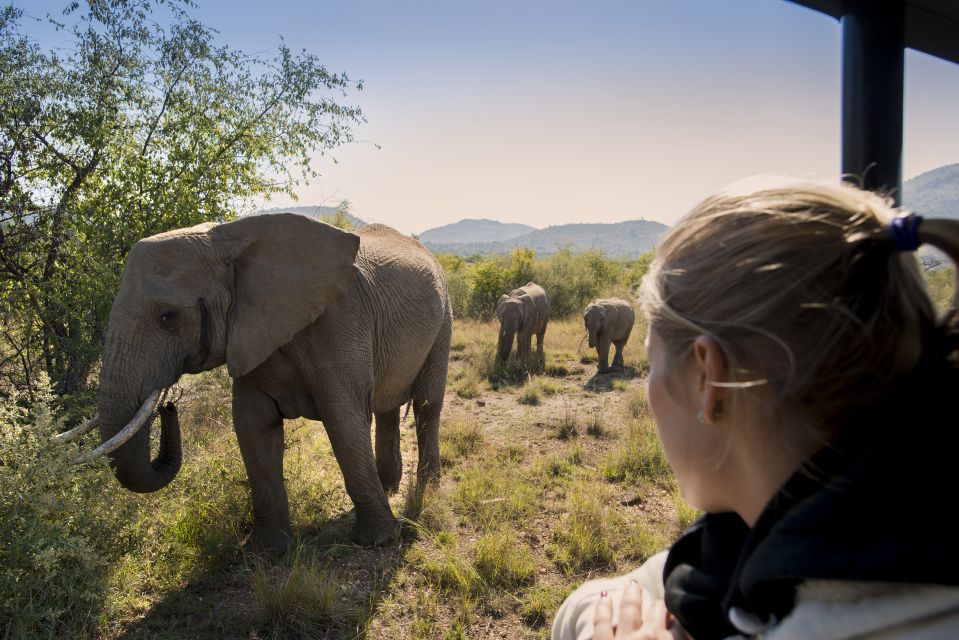
This is also where the open-vehicle format becomes real. You get airflow, wider views, and the ability to see behavior—ears twitching, heads lifting, animals reacting to other animals. One review specifically mentioned getting close (yet safely) for views of elephants, which is the kind of payoff you can only get when you’re in the right position, not just driving past.
Lunch at the Rest Camp: Fuel With a Water-Hole View
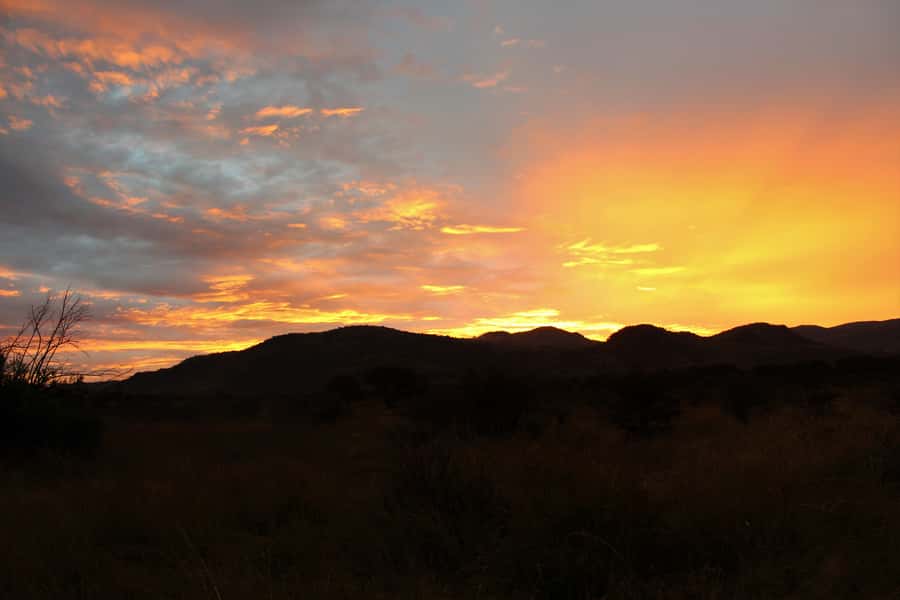
By midday, it’s hot enough that your body starts pushing back. That’s why the lunch break is more than a meal. You’re stepping out of the “scan constantly” mode, cooling down slightly, and getting back into the logic of where wildlife will be later.
Lunch is included and takes about 50–60 minutes. It’s served in a rest camp setting inside the reserve, and the experience is described as lunch overlooking a water hole. Even when the food isn’t the star of the day (some people call it basic), the timing usually matters more than the menu.
A smart move here is to treat lunch like a reset for your eyes. Look around the area and watch what moves nearby. Guides often use the downtime to position you for the afternoon drive, when animals can shift their routines. If you want photos, this is a good moment to recharge your camera batteries too.
The Afternoon Open-Jeep Drive: Birds, Water, and the Croc-Spotting Zone
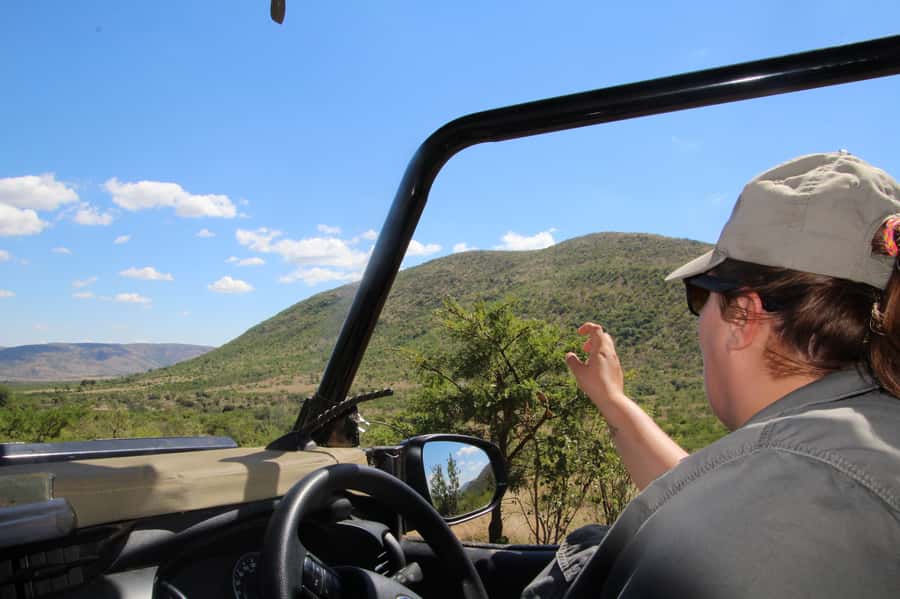
After lunch, you head back out for the second drive (often around 2 hours). The afternoon can be tricky because it’s warmer, and animals may hide during the hottest period. But it’s also when you can get great water-related sightings: hippos, crocodiles, and the surrounding birdlife.
One of the tour’s standout wildlife themes is bird activity around water. The highlights call out species like fish eagles, kingfishers, and cormorants circling and working the dam area. If you like birds, this is your moment to slow down and watch—not just zoom through photos.
You’ll likely see more of the park’s character here too: the edges where animals cross, the patches of shade, and the places where you get safe, clear viewing angles. Reviews mention that guides consistently position the vehicle for the best views while keeping things safe—an important detail in open vehicles where everyone’s craning for the view.
Tip for comfort: the open jeep can get windy and sometimes chilly, especially depending on the season. Even if the day is hot, bring layers. A jumper showed up as one of the most practical “know before you go” notes, and several people echoed the wind-cold feeling from the back of the vehicle.
Big Five Chances: How to Think About Lions and Leopards
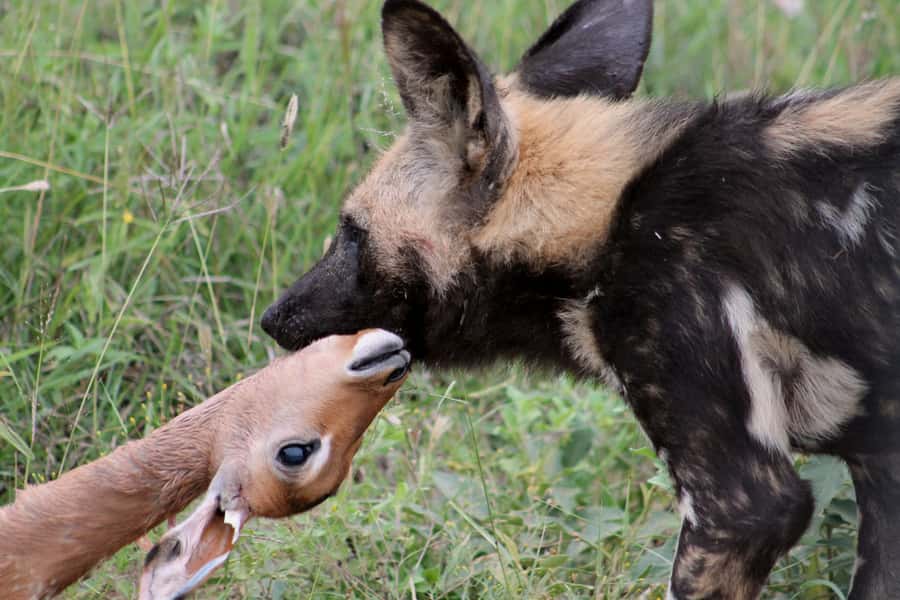
Let’s talk honesty. This safari gives you a strong shot at seeing multiple Big Five animals—elephants, rhinos, and buffalo are often part of the story, and lions/leopards can happen but aren’t guaranteed on a single day.
The tour description includes all five in the promise of possibility: elephants, rhinos, leopards, buffalo, and lions. In real-world outcomes, people commonly report seeing four of the five, and sometimes they miss the big cats. That can feel disappointing if you came for one specific animal, but it’s also part of the deal with free-ranging wildlife.
What I like about this tour’s approach is that it doesn’t pretend it can control sightings. Your guide’s job is to read the terrain and respond when animals show up. When people mention guides like Martin, Petros/Petrus, Desmond, or Wisdom, they’re usually praising effort—pushing to find sightings, keeping the group engaged, and making sure you get the best possible safe look.
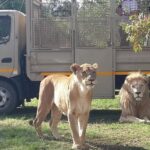
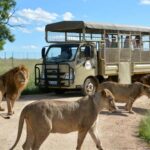
If lions are your top target, plan for a little flexibility in your reaction. You may not see them, but you could still see lion-related moments like prey activity, carcass scenes, or a pride’s general territory. One review even described seeing lions in grass only partially—proof that a “half sighting” can still be unforgettable.
Pilanesberg’s Ecology Angle: Why the “Dry vs Wet” Thing Matters
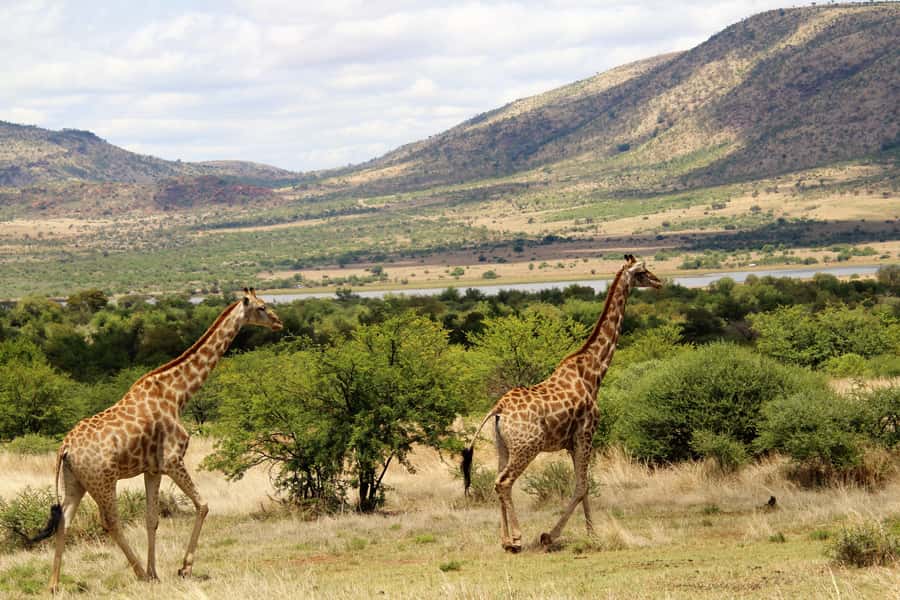
The tour sells a contrast: Kalahari dryness with Lowveld-style wet vegetation. That’s not just a nature fact. For you as a visitor, it translates into a wider range of animal behavior in one day.
Where water and vegetation meet, animals congregate—especially in the heat. That’s why you’re likely to find elephants, hippos, and other animals drawn toward water sources. And that’s also why birds become a bigger part of your experience around the dam areas.
This is also one reason the open-vehicle format matters. Your guide can point out subtle habitat shifts that explain why animals appear where they do. You learn faster when the wildlife and the land tell the same story.
Price and Conservation Fee: What $186 Really Buys You
The listed price is about $186 per person for a full day, including hotel pickup/drop-off, lunch, and two open safari drives. That’s solid value because you’re not just paying for entry—you’re paying for transport, a full-day schedule, and a guide working the reserve.
There is a catch: you’ll likely need to pay the Pilanesberg National Park conservation fee at the gate. The amounts provided are:
- R 500 per person for international visitors
- R 275 per person for SADC nationals
- R 168 per person for South African residents
So when you’re budgeting, treat that fee as part of the real cost. Still, in return you get the structure of a proper day safari: early wildlife time, a midday break, then another chance before returning ahead of sunset.
If you’re comparing options, ask yourself this: are you paying for a true second drive and real guide time, or just a quick drive with limited viewing? This one is built around getting you out twice.
What to Bring (and What to Do With Your Phone)
This is a “bring the basics” safari, but small comfort items make a big difference.
Bring:
- Passport or ID card
- Sun hat
- Camera
Plan for:
- A jumper or light layers for the open vehicle (wind can be chilly)
- Sunglasses and sunscreen since the day gets hot
- Binoculars if you like spotting small action and distant behavior
- If you use your phone a lot: the coach has WiFi, but bring a power bank if you’re filming or using GPS
Also note what’s not allowed: no smoking on the tour, and pets aren’t permitted.
Safety, Vehicle Comfort, and the Small Details That Shape the Day
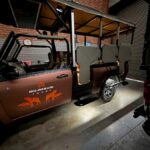
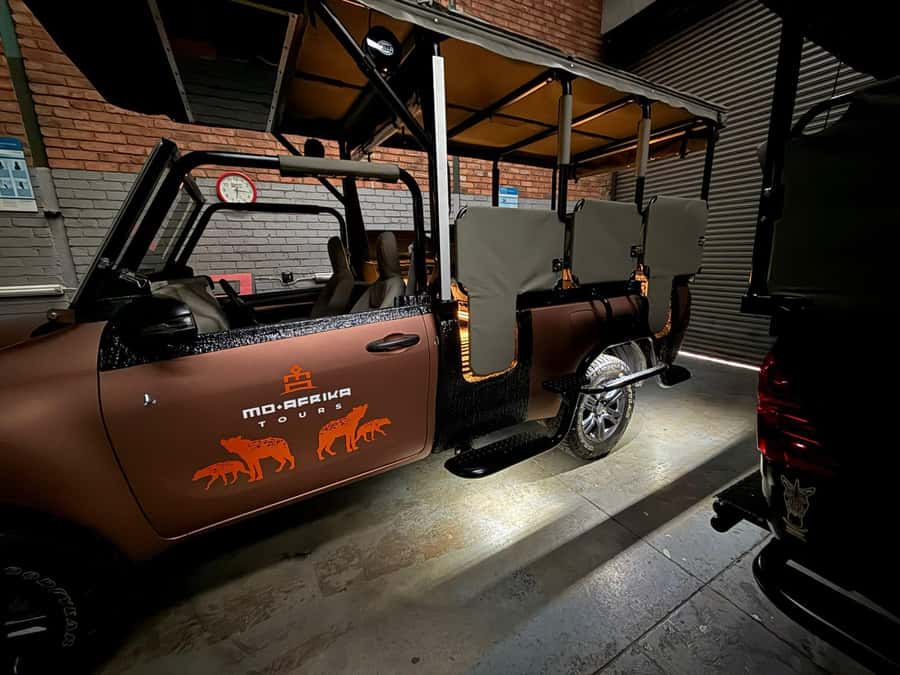
Most of the comfort comes down to the open vehicle itself. You’ll be exposed to wind, sun, and dust, but you’ll also get those clear lines of sight that people rave about. Reviews frequently praise careful driving, with guides positioning the Land Cruiser or open jeep for views while staying cautious.
Another practical detail: group size can affect your viewing. One review mentioned a cozy vehicle size of around 10 people, which tends to improve comfort and photo angles. It may not be identical for every departure, but you can use that as a reason to prioritize a reputable operator and well-managed vehicle logistics.
One more comfort note from reviews: the morning can feel chilly, and later in the day it can burn off your energy. That’s why layers plus sun protection wins.
Who This Safari Fits Best (and Who Should Skip It)
This safari is a strong fit if you’re:
- Short on time and want a real safari day from Johannesburg
- Interested in wildlife in natural surroundings (not a petting-zoo vibe)
- Hoping to see at least a few Big Five animals, plus hippos, crocs, and birdlife
It’s not the best fit if you:
- Need a kid-friendly outing under age guidelines: it’s not suitable for children under 4
- Are traveling with a child aged 0–5, since a private tour is required there
- Hate long travel days (you’re committing to a full day with commute)
For solo travelers: multiple reviews mention solo comfort and feeling looked after, which matters if you want a structured day with pickup and a trained team.
Wheelchair accessibility is included as a capability, but if you have mobility needs, it’s worth confirming specifics with the operator before you lock it in.
Should You Book This Pilanesberg Safari From Johannesburg?
I’d book it if you want the most efficient way to turn Johannesburg into a true Big Five safari day without bouncing between too many places. The two open-vehicle drives are the core value. Lunch and rest breaks keep you human enough to enjoy the afternoon.
I would think twice if you’re the kind of traveler who gets crushed by unmet expectations. Lions and leopards are not guaranteed, and at least one or two animals are often “luck-based” no matter how good your guide is. Also, be honest about the commute. If you can’t handle early starts and long road time, consider an overnight safari instead.
If you do book, put your odds in your favor:
- Dress in layers for the open jeep
- Bring binoculars and a sun hat
- Stay open-minded about the animal mix
- Trust the guide when they change direction for sightings
In a day that’s long but well-structured, Pilanesberg delivers that rare feeling: wildlife time that feels close, calm, and real.