REVIEW · MOSHI
Kilimanjaro climb by Lemosho Route (7-day)
Book on Viator →Operated by Altezza Travel · Bookable on Viator
Kilimanjaro feels personal on the Lemosho route. I like how this climb mixes big scenery days with slower, smarter acclimatization, all anchored by Lemosho Route planning. I also love the altitude safety extras, especially the oxygen tanks and oximeters, plus a team that’s set up for real hiking logistics. One drawback: you’ll still need to handle your cold-weather comfort and bring personal gear like your own sleeping bag and footwear (rentals may be available).
The support side is where this trip gets practical fast. You get picked up and dropped off at JRO, you stay at Aishi Machame Hotel before and after, and the guides are certified in Wilderness First Response. If you’re expecting a short, casual hike, this won’t be it, because the summit push is long and the later descents demand real care with your feet.
In This Review
- Quick Take: Why This Lemosho Climb Works
- Moshi Setup: JRO Transfers and Aishi Machame Hotel Reality Check
- Londorossi Gate to Shira 1: First Views, Low Pressure, Smart Start
- Shira 1 to Shira 2 to Lava Tower: Acclimatization That Doesn’t Waste Your Day
- Lava Tower and Barranco Camp: When the Trail Gets Real
- Barranco Wall, Kibo Photos, and Karanga: The Middle Challenge That Builds Confidence
- Barafu Summit Camp and Kosovo: The Pre-Summit Stretch to Uhuru Peak
- Summit Night to Millennium Camp: Uhuru Peak Is About Altitude, Not Technique
- Mweka Gate Exit and the Rainforest Morning: Where Relief Turns Into Closure
- Price and Logistics: Does $3,476 Offer Real Value?
- Guides, Porters, and Safety: The Human Part That Makes or Breaks Kili
- What You’ll Feel at Each Altitude Zone (and What to Do About It)
- Who Should Choose This 7-Day Lemosho Climb
- Should You Book Altezza’s Lemosho 7-Day Climb?
- FAQ
- What is the duration of this Kilimanjaro experience?
- Where does the climb start and what time does the experience begin?
- Does the tour include airport transfers?
- How many nights do I stay in the hotel, and where?
- What kind of accommodation is provided on the mountain?
- Are meals included, and can I choose dietary options?
- Is there medical support and altitude-related equipment?
- What visa information is included?
- What gear should I bring?
- Is this a private tour, and can I cancel for a refund?
Quick Take: Why This Lemosho Climb Works
- Lemosho pacing: gradual altitude build with acclimatization stops that make summit night feel less like a jump off a cliff
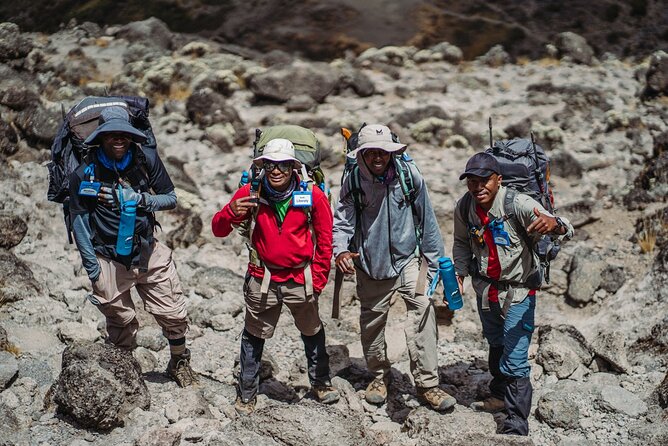
- Summit-night structure: personal guide support for each pair of climbers on the Uhuru Peak ascent
- Altitude gear included: unlimited oxygen tanks and oximeters, plus medical kits and check-ups
- Comfort basics handled: tents, sleeping pads, dining setup, and three meals a day on the mountain
- Route highlights built in: Shira views, Lava Tower acclimatization, Barranco Wall photos, and Mweka rainforest exit
Moshi Setup: JRO Transfers and Aishi Machame Hotel Reality Check
Your trip starts with a meet-up at Kilimanjaro International Airport (JRO). Altezza Travel provides pickup and drop-off, plus ground transport, so you’re not wandering around after landing while jet lag kicks you in the ankles.
Before you start climbing, you get two nights at Aishi Machame Hotel. The hotel setup is basic-but-comfortable: cozy rooms, hot water, staff who handle things politely, plus amenities like a swimming pool and internet. Check-in starts at 2:00 PM on arrival day, so plan to use your first afternoon for gear organization and sleep, not sightseeing marathons.
What I like about this kind of start is simple: you arrive, you get briefed, you get ready. You’ll also have an evening briefing with managers to help you understand how the mountain days will run. For a summit hike, clarity beats excitement.
You can also read our reviews of more tours and experiences in Moshi.
Londorossi Gate to Shira 1: First Views, Low Pressure, Smart Start
On the second day, you’ll be picked up in the morning and driven to Kilimanjaro National Park’s western entrance: Londorossi Gate at about 2,200 m. After permits and registration with search and rescue, the group heads higher by off-road vehicle to a drop-off point around 3,500 m.
Then you hike to Shira 1 Camp at 3,505 m. This first walking day is described as not too physically challenging. That matters. Kilimanjaro often punishes rushed schedules, even when you’re fit. A calmer Day 1 on the trail helps your body adjust before the altitude starts getting pushy.
You’ll also get early Shira Plateau views, which are a good reminder that you’re earning something real. And because you’re beginning in the western side of the mountain, you’re setting up for the route’s slower, acclimatization-heavy rhythm.
A small consideration: this first day still includes travel time. Expect a vehicle ride of roughly 3–4 hours plus a hike, so don’t schedule it like a lazy morning stroll.
Shira 1 to Shira 2 to Lava Tower: Acclimatization That Doesn’t Waste Your Day
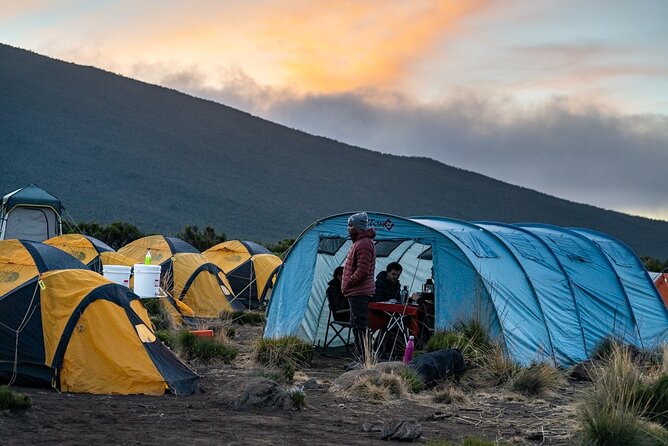
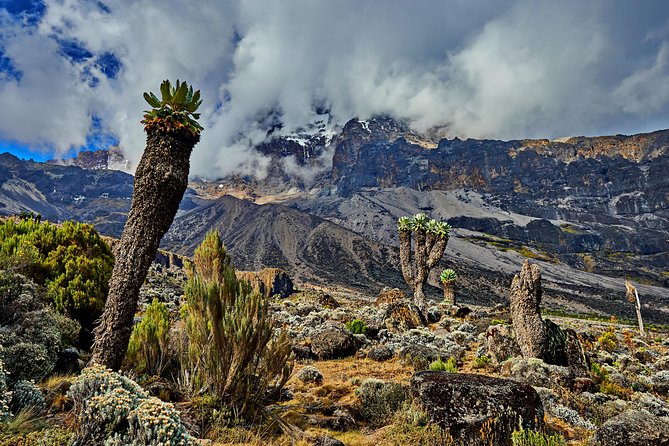
Day three climbs from Shira 1 (3,505 m) toward Shira 2 Camp (3,900 m). The trek is light, with time to notice Kilimanjaro flora and take in views across Africa.
One high point here is Mount Meru visibility. Shira 2 is described as a great spot to see Meru weather permitting. Even if Meru hides behind clouds, the point of this day isn’t perfect photos. It’s altitude management.
After lunch and rest at Shira 2, you’ll do an acclimatization hike toward Lava Tower Camp. The gain is about 200 meters. That “hike a bit high, then settle” approach is one of the keys to keeping your body calmer later, especially before the more demanding sections.
This day feels like it’s teaching your lungs a new job.
Lava Tower and Barranco Camp: When the Trail Gets Real
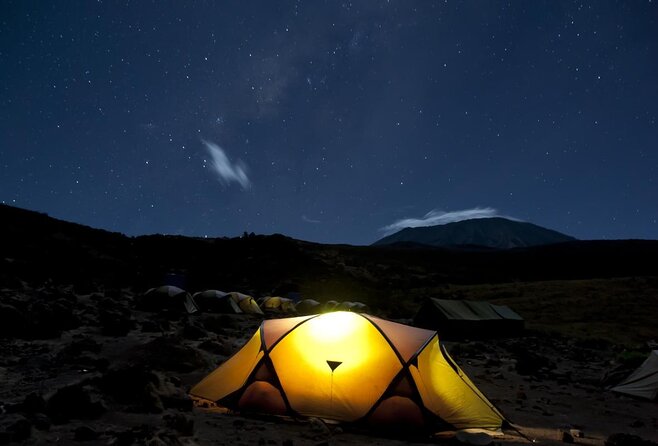
From Shira 2, you push toward Lava Tower (4,630 m). This is where the route adds more ascents and descents. The day can feel difficult, and you may notice altitude discomfort. That’s normal here, but the plan is not to panic. You’re meant to spend at least 1–2 hours around Lava Tower to acclimatize and lunch there.
Then you descend to Barranco Camp at about 3,960 m.
Barranco is famous for the Barranco Wall. On this day, you’ll see it. The next day is when you climb it, and that’s why today’s pacing matters. You’re setting yourself up for a climb that feels dramatic but is described as having a simple hiking trail when you tackle it.
Practical tip: if you feel off on Lava Tower day, don’t try to “prove fitness” by going faster than the group. The route is built around the idea that acclimatization beats ego.
Barranco Wall, Kibo Photos, and Karanga: The Middle Challenge That Builds Confidence
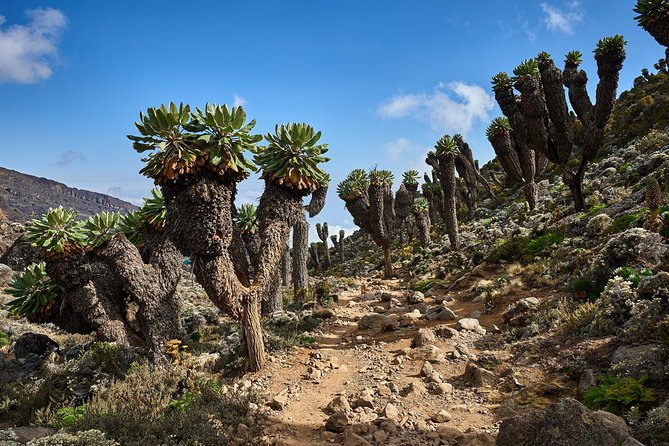
The next morning starts early. You hike up Barranco Wall, which takes around an hour, and the advice is to leave camp as early as possible to avoid crowds. That’s not just about comfort. Early starts often mean you’re moving before energy drops and temperatures shift.
After the wall, you get time to rest and take photos with Kibo volcano in view. It’s a nice psychological boost: you’re seeing the summit area, not just hearing about it.
Then you head to Karanga Camp, with numerous ascents and descents. This part can feel more work than your legs want. The good news is that guides set an optimal pace for the group, so you’re not left to self-manage in thin air.
After reaching camp and lunch, you do another acclimatization hike toward Barafu Camp. Think of it as rehearsal for the days ahead—your body learns the rhythm: walk up, manage effort, return, sleep, repeat.
Barafu Summit Camp and Kosovo: The Pre-Summit Stretch to Uhuru Peak
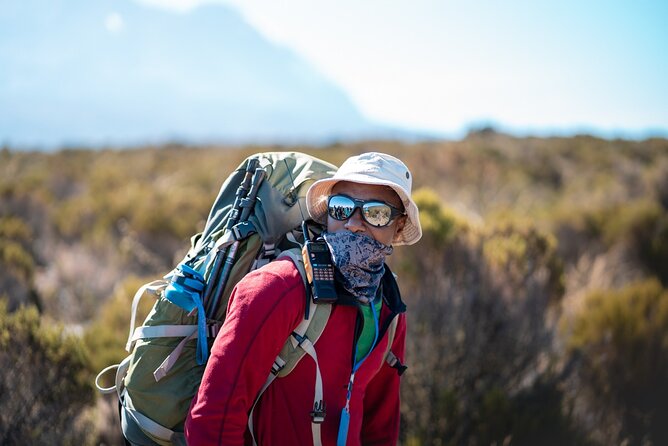
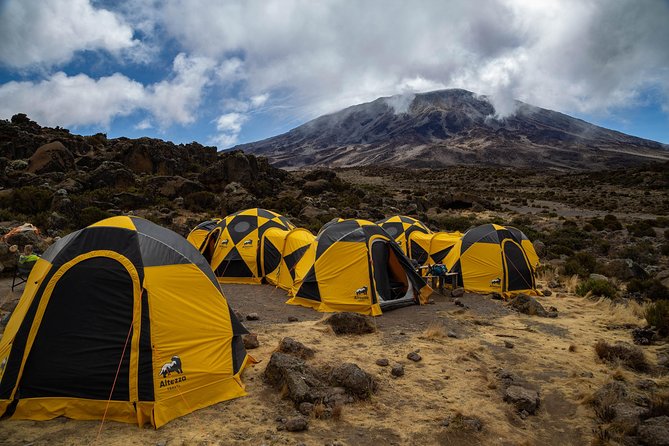
Day six brings you to Barafu Summit Camp (about 4,640 m). From here, the night summit starts for Uhuru Peak (5,895 m).
You’ll have camp set up for you ahead of time, including tents and sleeping bags. That’s a real advantage on a summit trip. When the team already has your setup ready, you can spend your energy on warmth, hydration, and conserving motivation.
Before the long night, you also do an acclimatization hike toward Kosovo Summit Camp at about 4,800 m, then return to Barafu. After a hot dinner, you’re encouraged to rest and sleep before the summit push.
Why this stage matters: it’s where fatigue management becomes everything. You’re not training on summit night; you’re surviving it with smart energy choices.
Summit Night to Millennium Camp: Uhuru Peak Is About Altitude, Not Technique
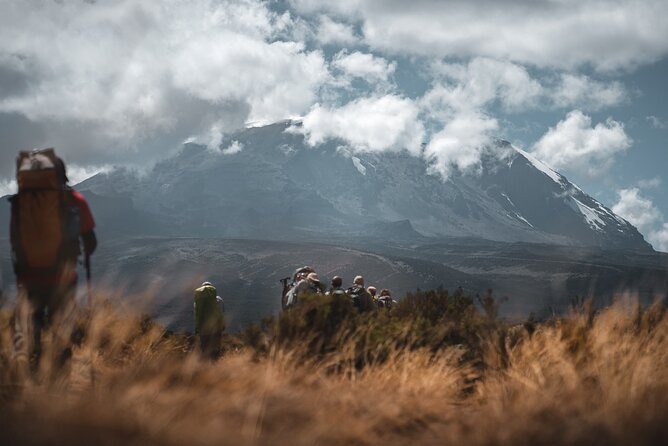
On the seventh day, you depart Barafu at night for the Uhuru Peak ascent. The climb is described as technically simple, but the altitude is the true boss.
Each pair of climbers gets a personal guide for the entire ascent. That matters more than it sounds. High altitude turns the mind into a fragile instrument. Having close monitoring helps with pacing and decision-making, not just route finding.
After reaching Uhuru Peak, you can descend toward the nearest glacier if you want. Then you return to Barafu and rest briefly before descending to Millennium Camp (about 3,820 m).
Now for the part you should treat like gospel: accidents often happen during descent. The trip notes that about 90% of accidents occur during descent, including broken arms and legs. That’s why foot care matters so much here. Stay focused. Take shorter steps. Keep your balance.
This is also where many people feel the emotional payoff, because you’re finally walking at lower elevation again.
Mweka Gate Exit and the Rainforest Morning: Where Relief Turns Into Closure
The eighth day wakes you up after the summit success. The camp is described as being in a tropical rainforest, so the air feels different fast. That reduction in height brings relief, and you’ll have breakfast before heading down to Mweka Gate (about 1,640 m).
After the descent, the whole group gathers to congratulate you, you get a chance to share opinions in a guestbook, and you receive commemorative certificates. Then you transfer back to the hotel.
The closing ritual is more than paperwork. It helps you mark the journey as something completed, not just a blur that happened to you.
Price and Logistics: Does $3,476 Offer Real Value?
Kilimanjaro can be priced like a luxury experience, or like a barebones challenge. This one sits in the middle, and the value depends on what you hate handling yourself.
At about $3,476 per person, the big inclusions are what you’d otherwise pay for separately:
- JRO airport pickup and drop-off
- Ground transportation
- Two nights in Aishi Machame Hotel
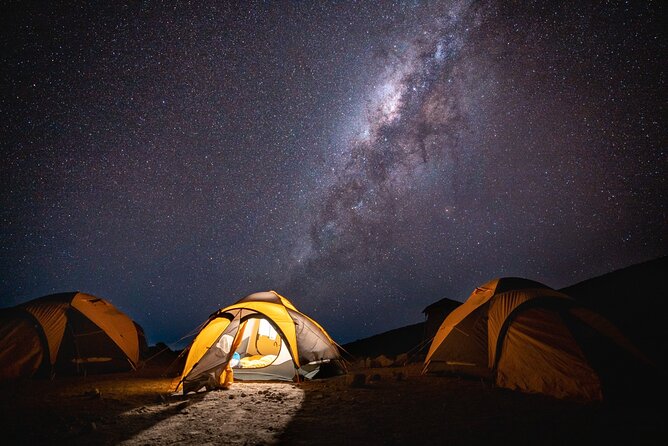
- Camping gear: North Face VE-25 tents, sleeping pads, and dining setup
- All park fees
- Three meals a day on the mountain (plus drinks like tea, coffee, juices, soda, and more)
- Dietary plans available (vegetarian, vegan, lactose-free, gluten-free, halal, and other meal plans)
- Certified Wilderness First Response guides
- Medical check-ups, medical kits
- Unlimited oxygen tanks and oximeters
What isn’t included is equally important:
- Your flight to Tanzania and your visa (available at JRO, with different costs by nationality)
- Your personal gear like hiking clothes/footwear and a sleeping bag (rentals may be available)
- Mountaineering insurance (it’s recommended and it’s not included)
- Tips for the crew
- Single accommodations on request for extra charge
My take: if you want a managed, low-stress logistics setup with medical and altitude supports included, the price starts to feel reasonable. If you prefer a do-it-yourself approach and already have gear and systems for altitude safety, you might find cheaper options. But for most people, the included structure saves time, confusion, and mistakes.
Also, the trip includes group discounts and offers a mobile ticket, which can reduce friction if you’re organizing from abroad.
Guides, Porters, and Safety: The Human Part That Makes or Breaks Kili
This is where Altezza’s reputation shows up in the details you can act on. The guides are certified in Wilderness First Response, and the trip includes medical check-ups, medical kits, and unlimited oxygen tanks with oximeters.
In plain terms: if you start feeling rough, you’re not left to guess. A Wilderness First Responder certification matters because altitude problems can turn fast from uncomfortable to serious.
You may be led by names that have come up in past groups, such as Kombe, Elia, Joshua, Bosco George, or Hamza, depending on staffing and your exact departure. You might also work with porters and team members with names like Donovan, Adam, Ally, Musa, Margaret, Catherine, Ambery, Simon, Shiraz, Justin, Ayubu, and Adrian. You won’t control who you get, but it’s a good sign that the company assigns recognizable leaders and crew rather than treating the experience like a generic conveyor belt.
One more thing I value: the guides emphasize pacing. The route itself is demanding, but guides choosing an optimal pace reduces the common mistake of going out too hard early, then burning out before the summit window.
What You’ll Feel at Each Altitude Zone (and What to Do About It)
The climb crosses different climatic zones, including very cold, high-altitude conditions. Even if you train, the mountain changes the game. Here’s what the itinerary suggests about how you’ll feel:
- Early days (Shira region): more about getting used to altitude than suffering
- Middle days (Lava Tower to Barranco): more discomfort possible; push gently
- Pre-summit (Barafu and Kosovo): cold nights, heavy fatigue, the need for sleep
- Summit night: altitude not technique drives the pain
- Descent days: your legs may feel okay, but your footing and attention can slip, raising risk
Your best strategy is to treat every day as “work on the body, not on proving strength.” You’ll move better, recover better, and enjoy more of the climb rather than just surviving it.
Who Should Choose This 7-Day Lemosho Climb
This is a good match if you:
- Have moderate physical fitness and can handle multi-hour hiking days with altitude
- Want a guided, structured summit attempt with medical and altitude support included
- Prefer having tents, meals, and camp logistics handled so you can focus on walking
It may be a poor match if you:
- Want a fully independent hiking experience with minimal staff
- Are unwilling to do early starts and long summit-night hours
- Haven’t trained for cold-weather comfort and careful footwork during descent
If you’re new to Kilimanjaro, the route’s acclimatization rhythm helps. If you’ve done high altitude before, you’ll still appreciate the tight guide support and safety planning.
Should You Book Altezza’s Lemosho 7-Day Climb?
Yes, if you want a well-managed Kilimanjaro attempt with included logistics, trained leadership, and altitude safety tools like oxygen and oximeters. The value is strong because the package covers the stuff that usually causes trouble: transport, permits fees, camp setup, meals, and medical readiness.
I’d skip this one if you’re on the extreme budget side, you plan to bring and manage everything yourself, or you’re hoping summit-day will be easy. It’s a serious mountain. The win is earning it with a plan that respects altitude.
If you’re serious about summiting and you want someone else to handle the moving parts, this Lemosho climb is the kind of setup that lets you focus on one job: take the next step, safely.
FAQ
What is the duration of this Kilimanjaro experience?
The duration is listed as 9 days approximately, and the provided schedule runs from arrival day through the return and airport transfer.
Where does the climb start and what time does the experience begin?
The meeting point start time is 9:00 am. Airport pickup and drop-off are included at Kilimanjaro International Airport (JRO).
Does the tour include airport transfers?
Yes. JRO pickup and drop-off are included.
How many nights do I stay in the hotel, and where?
Two nights are included in Aishi Machame Hotel, with two guests per room unless you book a solo climb.
What kind of accommodation is provided on the mountain?
You get tent accommodation on Kilimanjaro using North Face VE-25 tents, with two hikers per tent unless you book a solo climb.
Are meals included, and can I choose dietary options?
Yes. The trip includes three tasty and energy-rich meals a day with choices for each meal, plus drinks on Kilimanjaro. Vegetarian, vegan, lactose-free, gluten-free, halal, and other meal plans are available.
Is there medical support and altitude-related equipment?
Yes. The guides are certified in Wilderness First Response, and you get medical check-ups, medical kits, unlimited oxygen tanks and oximeters, and oxygen-related support.
What visa information is included?
Visa is not included. It is obtainable at JRO for USD 50 for most nationals and USD 100 for US passport holders.
What gear should I bring?
Personal gear is not included, including hiking clothes and footwear and a sleeping bag. Gear may be available for rent.
Is this a private tour, and can I cancel for a refund?
Yes. It is a private tour/activity where only your group participates. You can cancel for a full refund up to 24 hours in advance of the experience start time.