REVIEW · MOSHI
Kilimanjaro climb, Machame Route (7-day)
Book on Viator →Operated by Altezza Travel · Bookable on Viator
Kilimanjaro moves fast once you’re on it. This 7-day Machame climb from Moshi is set up around acclimatization, with a real support crew that makes camp life work (and guides who keep safety front and center). You’ll also get those classic high-altitude payoffs, from rainforest trek days to early-morning summit moments.
I especially like two things: the JRO pickup/transfer and the way the trip handles the heavy logistics, so you can focus on hiking. I also like the health-minded extras, including oxygen tanks and oximeters, plus medical check-ups during the climb.
One drawback to plan for: this is still a serious altitude trek. Even with guidance and pacing, you’ll need to manage long days, night trekking, and a demanding descent with solid footwear and careful attention under fatigue, not just motivation.
In This Review
- Key things I’d focus on before you go
- Moshi Start: JRO Pickup, a Comfortable Hotel Base, and a Real Briefing
- Machame Gate to Machame Camp: Rainforest Walking and Your First Altitude Lesson
- Shira Plateau to Lava Tower Acclimatization: Views Early, Climbing Smart Always
- Barranco Wall, Kibo Photos, and Karanga Camp: Where the Route Gets Real
- Barafu Summit Camp to Night Summit Prep: Sleep, Set Up, Then Go
- Uhuru Peak and the Descent to Millennium Camp: Simple Steps, Hard Altitude
- Mweka Gate Finish: The Relief Day, Plus Certificates and a Real Ending
- Price and Value: What $3,377 Covers, and What You Still Pay
- The Real Setup on the Mountain: Food, Tents, and Crew Work That Saves You
- Who This Machame 7-Day Plan Fits Best (and Who Should Rethink It)
- Should You Book This Machame 7-Day Kilimanjaro Climb?
- FAQ
- What route is this, and how long is the climb?
- Does the package include airport pickup and drop-off?
- What safety and medical items are included on the mountain?
- Are meals included, and can I get special diets?
- Do I need to bring my own camping gear?
- What time does the experience start?
- Is there a cancellation window?
Key things I’d focus on before you go
- Certified Wilderness First Responder guides help you feel grounded in a high-altitude, remote setting
- Meals are fully planned (including vegan, gluten-free, halal options) so you’re not scrambling at camp
- Oxygen tanks, oximeters, and medical check-ups are included, which matters when conditions change fast
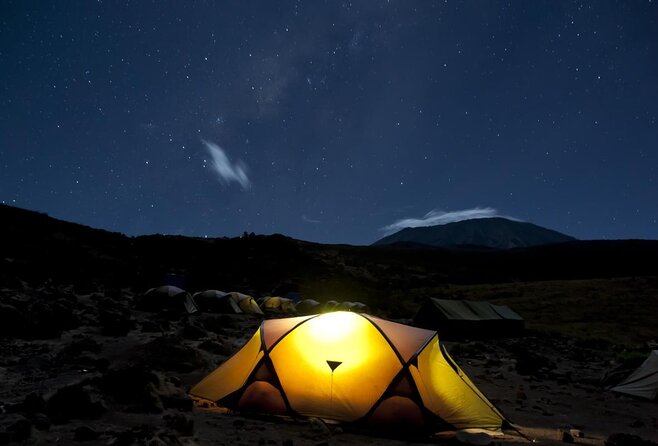
- North Face VE-25 tents and camp gear reduce the hassle of bringing bulky camping items
- Uhuru Peak summit push is guided closely, with a personal guide for each pair during the ascent
- Descent is treated as the real risk window, with strong emphasis on foot care
Moshi Start: JRO Pickup, a Comfortable Hotel Base, and a Real Briefing
Your trip starts in Moshi after you land at Kilimanjaro International Airport (JRO). You’ll meet an Altezza Travel representative and get transferred to the hotel included in the package, with airport pickup and drop-off taken care of.
The hotel base is practical: cozy rooms, hot water, polite staff, plus a swimming pool and internet access. Check-in starts at 2:00 PM, so if you arrive early, you’ll want to plan on waiting a bit.
In the evening, there’s a briefing with managers to help you get mentally ready. I like this step because Kilimanjaro isn’t just legs; it’s routines, hydration, and knowing what’s coming next.
You can also read our reviews of more tours and experiences in Moshi.
Machame Gate to Machame Camp: Rainforest Walking and Your First Altitude Lesson
Day 2 is the handoff from “travel mode” to “climb mode.” After a morning briefing, you drive to Machame Gate at 1,800 m, where permits and registration with search and rescue are completed before you start trekking.
Then comes your first big terrain shift: the trail begins up toward Machame Camp at 3,010 m. One note you’ll want to take seriously here is the rainforest reality. Tropical showers are very possible, so bring spare clothing and rain protection, not just a fashion rain jacket you’ll feel weird wearing.
This day is about acclimatizing slowly, not powering uphill. When you feel that early altitude pressure, it helps to remember the whole climb is designed around letting your body adapt step-by-step.
Shira Plateau to Lava Tower Acclimatization: Views Early, Climbing Smart Always
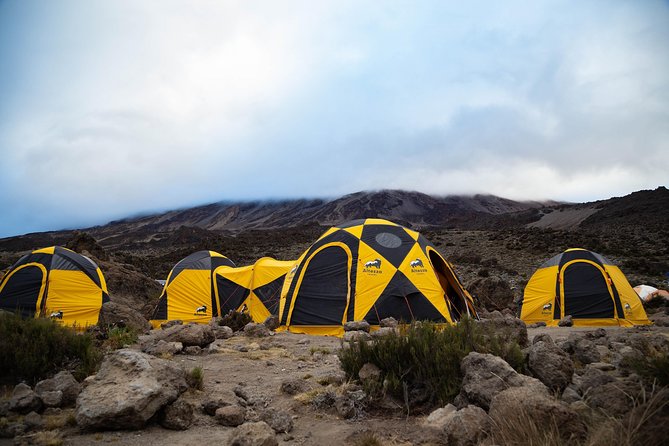
On Day 3, you trek up to Shira Camp at 3,845 m. As you move away from the rainforest, you start earning those open highland views across the Shira Plateau, and it’s a morale boost because you can finally see the bigger picture.
The hike isn’t described as technical, but altitude still makes it feel harder than you’d expect. The trip’s pace message matters here: pay attention to your body, and don’t treat this like a race.
Once you reach camp, the itinerary builds in an acclimatization hike toward Lava Tower Camp with about 300 meters of gain before heading back to Shira Camp. That pattern—go up, rest, repeat later in the climb—is one of the smartest ways to give your body a chance to adjust.
Day 4 then hits Lava Tower at 4,630 m, which is one of the key points on this route. Expect lots of ups and downs, and plan for lunch to be part of the strategy because you’ll spend time around that altitude to help acclimate.
From Lava Tower, you drop to Barranco Camp at 3,960 m. You’ll also be setting yourself up for Barranco Wall, which is famous for its steep face—and it’s coming next.
Barranco Wall, Kibo Photos, and Karanga Camp: Where the Route Gets Real
Day 5 starts early, and it’s a smart move to avoid traffic from other groups. You’ll hike up to Barranco Wall and climb the gorge wall, which takes about an hour according to the plan. It’s not portrayed as technically difficult, but it is steep enough to wake up the legs.
After that climb, you get a breather plus photo time with views of Kibo Volcano. I like that the itinerary doesn’t rush past the “look up and appreciate it” moment. You’re putting effort into a landscape you can actually see.
Then you head toward Karanga Camp, with repeated ascents and descents. This part can feel like stop-start hiking, but it’s a normal part of how the Machame route shapes itself.
The itinerary includes warm lunch at camp, plus an acclimatization hike afterward toward Barafu Camp direction. That pattern keeps your schedule aligned with altitude adaptation rather than just check-the-box hiking.
Barafu Summit Camp to Night Summit Prep: Sleep, Set Up, Then Go
Day 6 is the transition to the night summit day. You start from Karanga Camp toward Barafu Summit Camp at 4,640 m, and that’s where the final stages start to feel serious.
The plan sets up your night-summit base ahead of time with tents and sleeping bags already arranged. That sounds like a small comfort, but it matters at high altitude when you’re trying to conserve energy and keep your body calm.
After you regain strength, you do an acclimatization hike toward Kosovo Summit Camp (around 4,800 m) and then return to Barafu Camp for hot dinner. Then it’s mostly resting and sleeping before your summit attempt.
This “rest first, summit later” structure is a big deal. If you treat the summit like an all-day project, you’ll burn energy you need for slow, controlled movement at extreme altitude.
Uhuru Peak and the Descent to Millennium Camp: Simple Steps, Hard Altitude
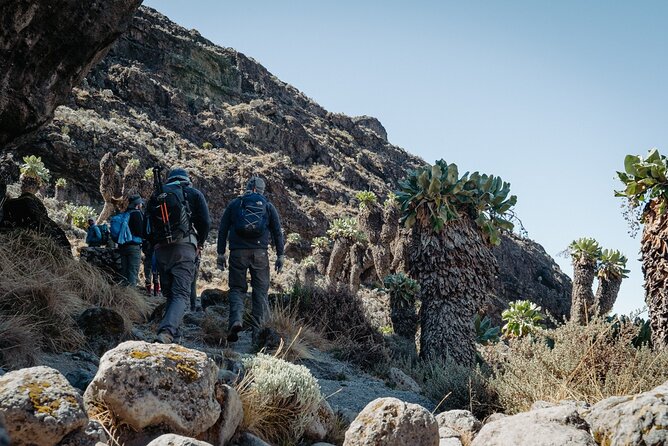
Day 7 begins at night from Barafu Camp, heading for Uhuru Peak at 5,895 m. The plan says the climb is relatively simple technically, but the hardest part is the altitude and the way it affects your thinking.
One strong support detail: each pair of climbers gets a personal guide for the entire ascent to monitor physical and mental conditions. That’s exactly what you want when you’re tired, cold, and breathing hard, because good decision-making matters as much as walking speed.
After you reach Uhuru Peak, the itinerary notes that you can descend toward the nearby glacier if you want. Then you return to Barafu Camp for a short rest before continuing the descent to Millennium Camp at 3,820 m.
Here’s the caution the itinerary stresses: about 90% of accidents occur during descent, including broken arms and legs. So yes, summit day is dramatic—but the safer mindset is slow feet, careful footing, and protecting your joints and balance on the way down.
Mweka Gate Finish: The Relief Day, Plus Certificates and a Real Ending
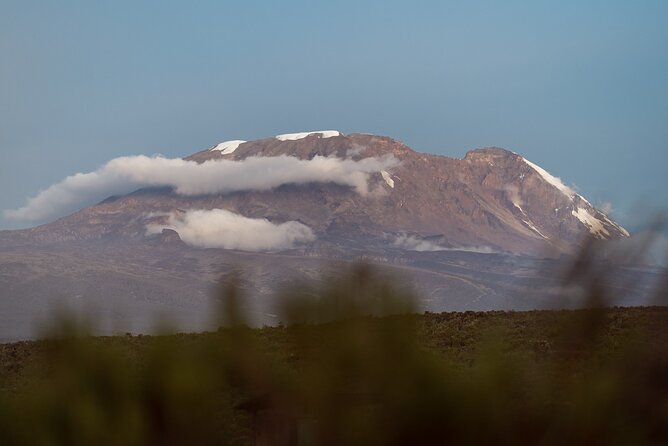
Day 8 brings the big relief: after waking up at Millennium Camp in a rainforest setting, you drop to Mweka Gate at 1,640 m. The change in altitude is huge, and the itinerary frames it as a day of satisfaction and comfort after the summit effort.
After a warm breakfast, you trek to the exit gate, and then the group gathers for congratulations. There’s also a guestbook moment and commemorative certificates presented back in the office, followed by a transfer back to the hotel.
Day 9 is the “you made it” landing: rest in the hotel and transfer to the airport. Hotel check-out is 11:00 AM, and there’s an option for a later check-out if you have an evening flight (for an extra fee).
Price and Value: What $3,377 Covers, and What You Still Pay
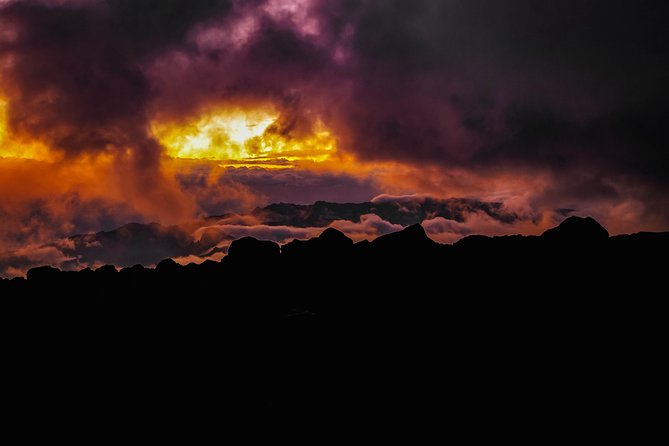
At $3,377 per person, this climb isn’t cheap. But the value is in what’s included, because Kilimanjaro isn’t just walking—it’s tents, cooks, porters, permits, safety gear, and staff time all working together.
Inclusions that usually matter most for real-world comfort:
- JRO airport pickup and drop-off, plus all ground transportation
- Two nights in the included hotel (with amenities like hot water, a pool, and internet)
- Camping setup with North Face VE-25 tents and shared camp gear (dining, sleeping pads, and more)
- All Kilimanjaro National Park fees
- A support system: porters, camp masters, cooks, and guides
- Medical support elements: oxygen tanks, oximeters, medical kits, and check-ups
- Drinks on Kilimanjaro (tea, coffee, juices, soda, etc.)
- Planned meals with options like vegetarian, vegan, lactose-free, gluten-free, and halal plans
What you’ll still budget for:
- Flights to Tanzania (not included)
- Visa (obtainable at JRO): USD 50 for most nationals, USD 100 for US passport holders
- Personal gear and clothing like boots and a sleeping bag (hire options may be available)
- Lunch and dinner in the hotel during your non-trek days (hotel price includes breakfast only; average lunch/dinner is listed as USD 15 per person)
- Insurance is not included but is strongly recommended for mountain trekking activities
- Tips for the crew are optional (based on your satisfaction)
- Single accommodation in hotel and tent is available for an extra charge
My take: if you’re comparing options, don’t just compare the headline price. Compare what happens if something goes wrong. Here, the inclusion of oxygen, oximeters, and medical check-ups is part of the safety value, not just a checkbox.
The Real Setup on the Mountain: Food, Tents, and Crew Work That Saves You
A lot of Kilimanjaro packages “include meals.” This one spells out that you’ll have breakfasts, lunches, and dinners during the climb, with dietary plans available for vegans, gluten-free diets, halal needs, and more.
You also get drinks at altitude: tea, coffee, juices, and soda. That might sound minor until you’re cold and drained. Warm-ish routines help you keep moving and drinking, which helps your altitude performance.
Sleeping is also handled for you. You’ll use tents (shared—2 hikers per tent, except for solo climbs) plus sleeping pads. That means less stress about packing bulky items, and less risk of showing up under-prepared.
Who This Machame 7-Day Plan Fits Best (and Who Should Rethink It)
This experience is built for hikers with moderate physical fitness. It’s a guided climb with professional support—so it suits people who want structure, not improvisation.
It’s also a good match if you like clear routines: morning briefings, planned acclimatization hikes, camp set-up ahead of time before night summit. The Machame route style is physically demanding, but it’s paced to give your body time.
If you hate cold nights, long descents, and slow careful walking when you’re tired, this might not be your style. The plan itself calls out that the descent is where many accidents happen, which is your reminder to take foot care seriously on every kilometer down.
Should You Book This Machame 7-Day Kilimanjaro Climb?
I’d book this if you want a well-supported climb with logistics handled from JRO to the finish, strong safety tools on hand, and a team that includes certified Wilderness First Responder guides. For many people, the comfort of organized meals, tents, medical check-ups, and oxygen/oximeters is what turns a scary dream into a doable plan.
I’d hesitate if you’re not ready for altitude discipline. Machame gives you help—pacing, acclimatization, guides monitoring you—but your job is still to walk smart, eat and drink consistently, and take the descent seriously.
FAQ
What route is this, and how long is the climb?
This is the Machame Route with a 7-day climb, offered as an overall experience of about 9 days including hotel and transfers.
Does the package include airport pickup and drop-off?
Yes. The package includes JRO (Kilimanjaro International Airport) pickup and drop-off, plus all ground transportation.
What safety and medical items are included on the mountain?
Included items include oxygen tanks and oximeters, medical kits, and medical check-ups. Guides are listed as certified Wilderness First Responder guides.
Are meals included, and can I get special diets?
Yes. Meals are included during the trek, and meal plans are available for vegetarian, vegan, lactose-free, gluten-free, halal, and other dietary needs.
Do I need to bring my own camping gear?
You’ll need personal hiking equipment like your hiking outfit and boots, and a sleeping bag is not listed as included for you personally (personal equipment is noted as not included). Camping setup like tents and group gear is included.
What time does the experience start?
The meeting point start time is listed as 9:00 am.
Is there a cancellation window?
Yes. You can cancel for free up to 24 hours in advance of the experience start time for a full refund.
If you want, tell me your group size, age range, and hiking experience level, and I’ll help you sanity-check whether this Machame 7-day pacing fits you.