REVIEW · DUBAI
Dubai: Premium Old Town, Street Food, Souks & Boat Ride Tour
Book on GetYourGuide →Operated by MAGIC LAMP TOURISM L.L.C · Bookable on GetYourGuide
Dubai’s Old Town feels like a city within a city. This 3–4 hour guided loop through Al Seef, Al Fahidi, and the souks adds street food plus a traditional boat ride across Dubai Creek.
I like that it starts right on the Creek, so the history isn’t stuck behind museum walls. I also like that the guide turns souk chaos into a simple plan, with help on what to look for and how not to overpay.
Two things I really enjoy here: the sensory stop at the Spice Souk (smells, colors, and real haggling practice) and the Abra ride where you get skyline views framed by old trading life. One consideration: it’s not a sit-and-watch tour—expect walking, so it’s not suitable for people with mobility impairments.
In This Review
- Key highlights I’d plan my afternoon around
- Meeting at Al Seef Heritage Hotel: the tour starts in the right place
- Al Seef and Dubai Creek shoreline views: old Dubai with a modern edge
- Al Fahidi Historical Neighborhood: preserved lanes and heritage houses
- Al Souq Al Kabeer and the shopping rhythm before the boat
- The water taxi and Abra ride: your best view of Old Dubai in motion
- Street food on purpose: shawarma/falafel, juice, coffee, and dates
- Spice Souk: smells, colors, and bargaining help that actually matters
- Gold Souk: how to shop without getting dazzled into overspending
- Price and value: why $37 can work (if you want this mix)
- Guides make or break it: the names worth remembering
- Who should book this Old Dubai souk + boat tour
- Should you book this Dubai Old Town Street Food Souks & Boat Ride Tour?
- FAQ
- How long is the tour?
- Where do I meet the guide?
- Is hotel pickup included?
- What food and drinks are included?
- What should I bring?
- What languages are the guides?
Key highlights I’d plan my afternoon around
- Al Seef heritage walk on the Creek: old-world shoreline views with modern touches mixed in
- Al Fahidi Historical Neighborhood: preserved lanes, heritage houses, and museum time
- Spice Souk + Gold Souk with a guide: easier navigation and better shopping odds
- Street food + fresh juice: shawarma or falafel, plus orange, sugar cane, and pomegranate juice
- Abra crossing across Dubai Creek: small-boat perspective of dhows, ships, and the skyline
Meeting at Al Seef Heritage Hotel: the tour starts in the right place
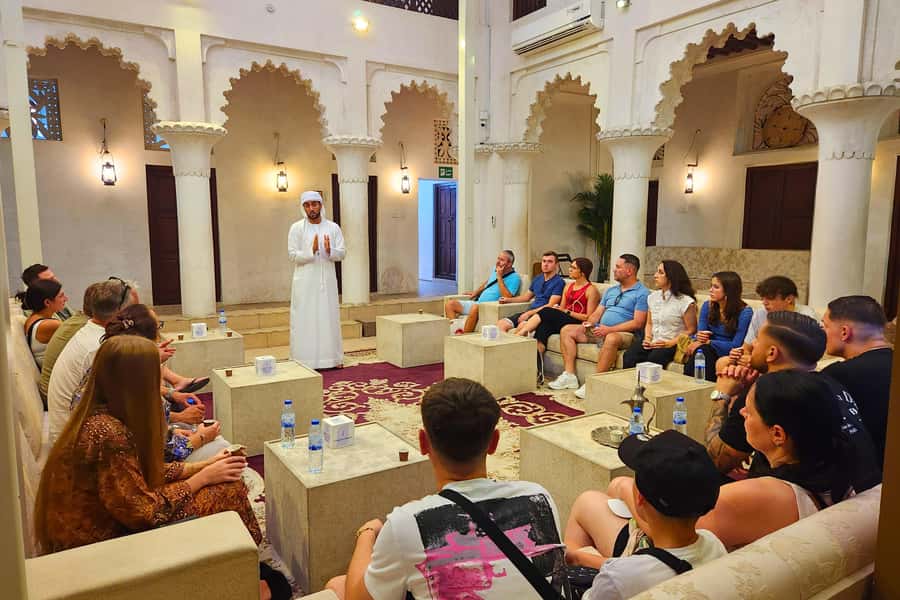
You meet at the entrance of the Al Seef Heritage Hotel Dubai, Curio Collection by Hilton, and the guide is there wearing a badge. That matters more than you’d think. Starting in Al Seef keeps you close to the Creek—so you get oriented fast and don’t waste time figuring out where everything is.
If you chose pickup, they’ll send your pickup time earlier. If not, you’ll still start at Al Seef, which is central to the Old Dubai area. Either way, I like that the beginning is simple: show up, find your guide, and go.
You can also read our reviews of more tours and experiences in Dubai.



Al Seef and Dubai Creek shoreline views: old Dubai with a modern edge
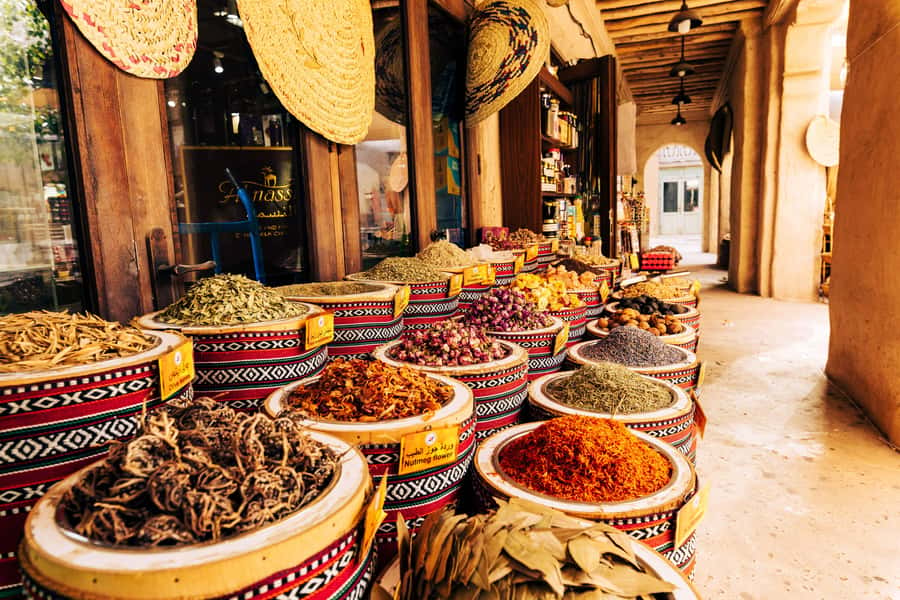
Right after starting, you walk through Al Seef for about 20 minutes with a guided tour component. This is where the “Dubai mix” shows up clearly—contemporary architecture standing beside historic touches along the water.
You also get Creek views of shoreline life: traditional dhow boats and old-world architecture that feels built for trading days, not Instagram days. Even if you only remember a few pictures, the setting sticks with you because the tour uses the waterfront as a living timeline.
Al Fahidi Historical Neighborhood: preserved lanes and heritage houses
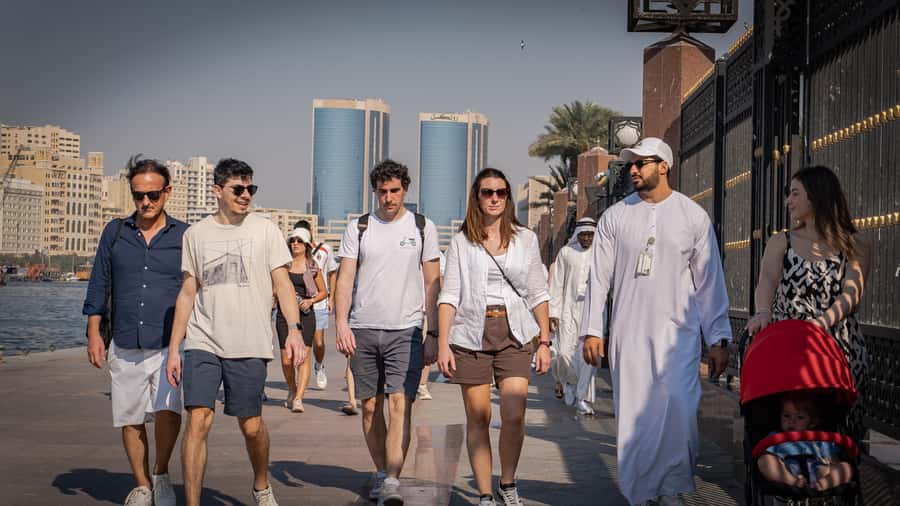
Next comes Al Fahidi Historical Neighborhood (about 40 minutes of guided time, plus sightseeing). This is the part of the day that slows down just enough for you to understand what Dubai was before it became a skyscraper headline.
You’ll pass heritage houses and see how much of the original infrastructure has been kept. There’s also museum time included, so you’re not just walking and guessing—you get context for what you’re seeing. One small built-in break and a photo stop are included here too, so you can regroup before the souks.
Practical note: one museum stop can be closed on certain days, so don’t plan your whole memory around a single ticketed room. The tour still covers the core streets, Creek, and markets.
Al Souq Al Kabeer and the shopping rhythm before the boat
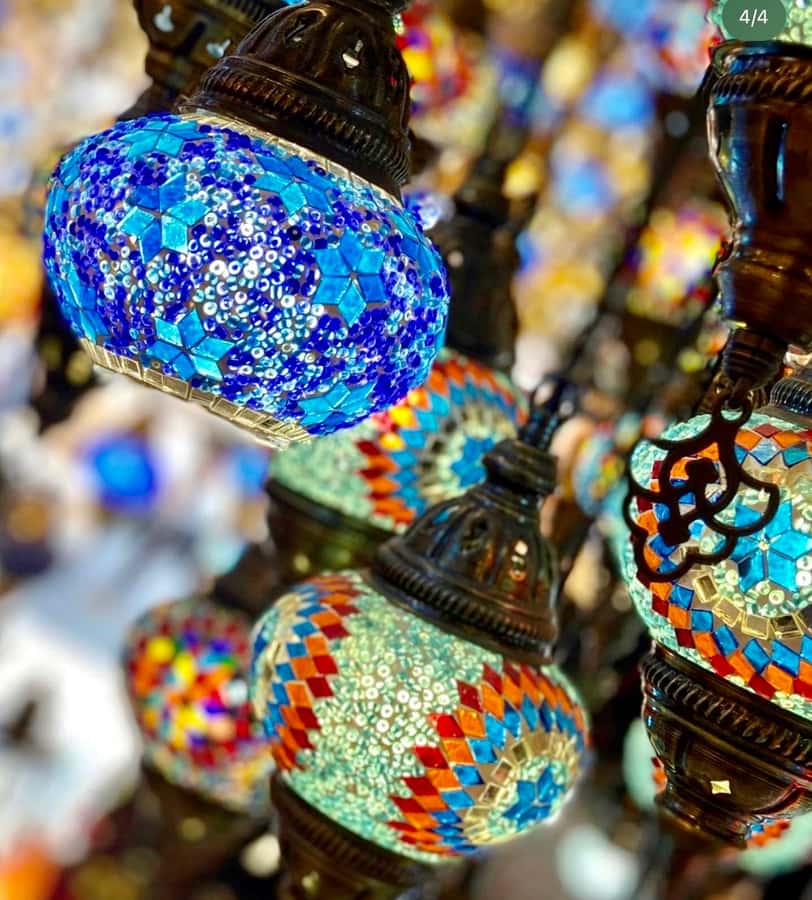
After Al Fahidi, the route shifts to Al Souq Al Kabeer. Expect guided time, then shopping/free time for about 25 minutes. This stop works like a warm-up for the bigger market experience ahead.
Why it’s useful: it gets you used to market pace—what a “normal” stall looks like, how merchandise is displayed, and how quickly prices can swing. You can also grab early souvenirs without feeling like you’re already at the peak-stress moment.
Then you move toward the Dubai Creek photo stop (about 10 minutes), where the tour starts making the water itself part of the story—ships, movement, and a skyline rising beyond it.
The water taxi and Abra ride: your best view of Old Dubai in motion
You’ll take a short water taxi segment (around 10 minutes) and then set sail on the main boat: an Abra, the traditional small ferry-like boat used on the Dubai Creek.
This is one of those moments where the tour earns its price. From the water, you see the city in layers—old trading docks and ships with modern skyscrapers behind them. Several people highlight the Abra as a standout, even calling it a fun “mini Venice” style ride (not the same place, but the same idea: watery streets and close-up views).
If you’re thinking you’ll get a huge, long boat excursion, keep expectations realistic. The ride is part of a 3–4 hour plan, not an all-day cruise. Still, it’s enough time to get great perspectives and photos.




Street food on purpose: shawarma/falafel, juice, coffee, and dates
Here’s the part I like most about this tour design: the food isn’t an afterthought. You try street food—shawara (shawarma) or falafel—plus fresh juice in flavors like orange, sugar cane, and pomegranate. There’s also Arabic coffee and dates with chocolate, and bottled water is included.
It’s a smart mix. You get something savory (street food), something cooling (juice), and something classic (Arabic coffee). The dates with chocolate are a small sweet reset that keeps you from feeling stuck in “only shopping” mode.
One practical caution: the activity info says street food is included, but it also notes street food may have an additional charge. So if you’re picky about exactly which food items you want, it’s smart to ask your guide what’s covered in your group’s portion.
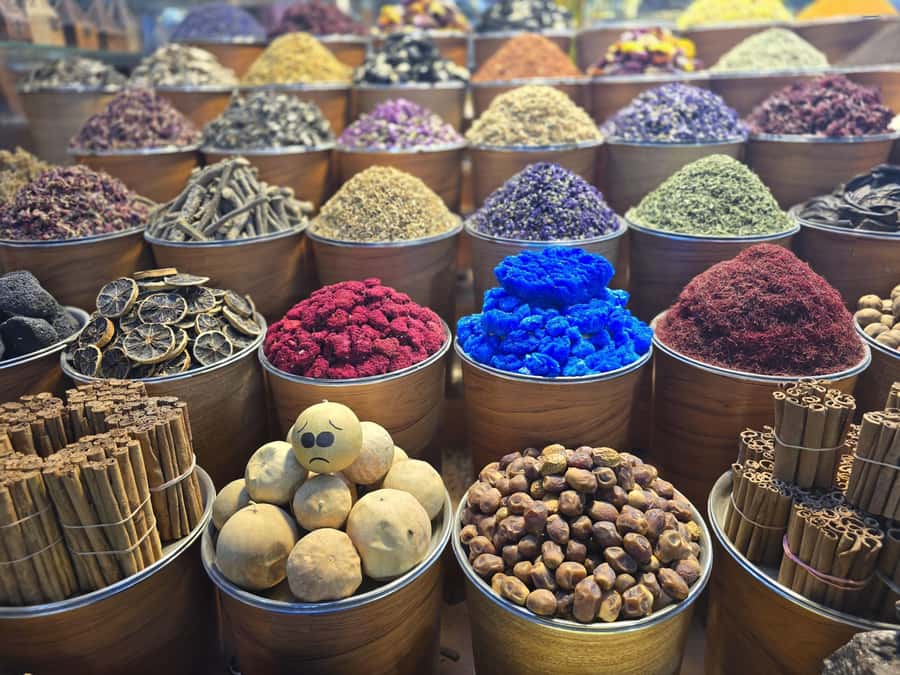
Spice Souk: smells, colors, and bargaining help that actually matters
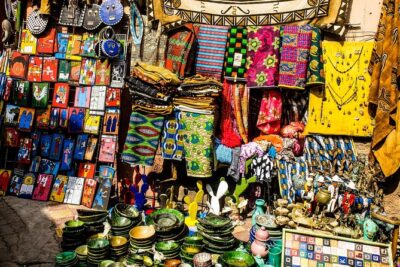
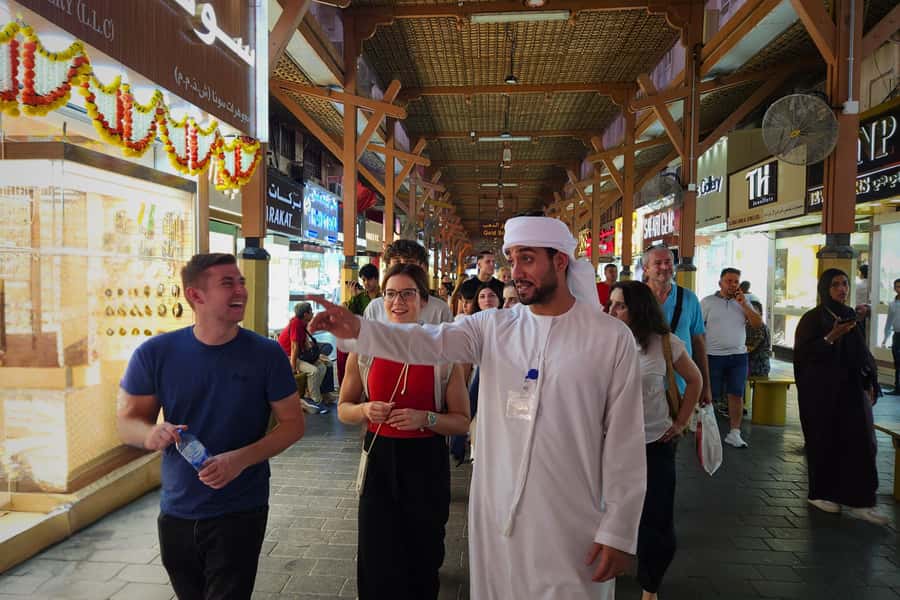
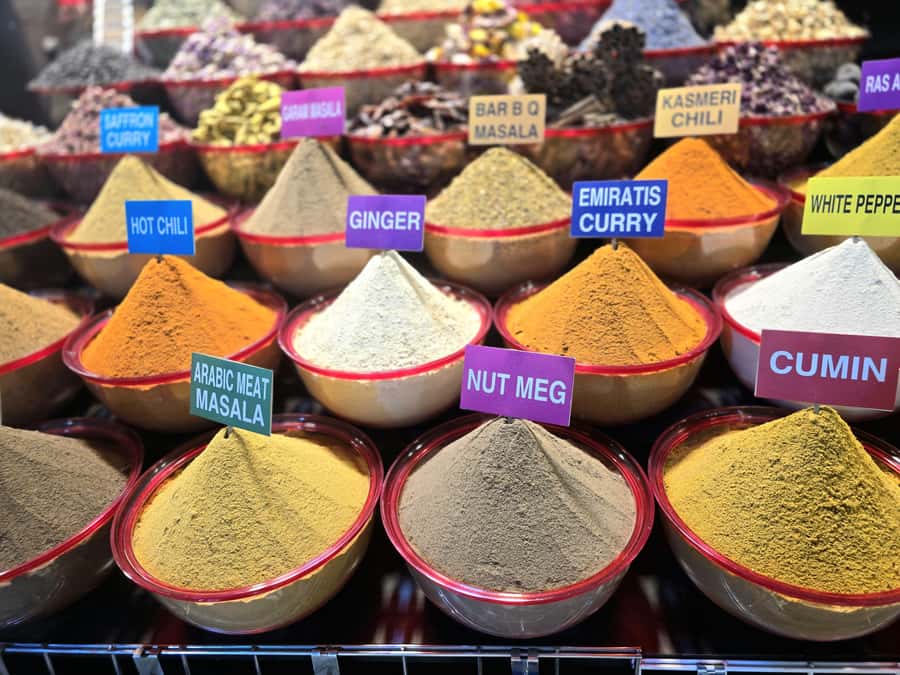
Next is the Dubai Spice Souk, with guided time and then free time. Expect about 25 minutes total at the Spice Souk, with time to shop on your own after the guide helps set you up.
This is where the “avoid tourist traps” promise becomes real. The Spice Souk is easy to feel overwhelmed by if you go in cold—tons of goods, lots of small decisions, and lots of talk. A good guide helps you focus: what spices to look for, what ingredients are commonly used, and how to ask questions so you’re not guessing.
You can try bargaining if you want. Your tour guide can also give guidance on fair prices, and this shows up repeatedly in guide feedback. People praised guides like Hamza and Seef for pointing out what pricing should look like, plus how to bargain effectively without turning it into a stressful standoff.
Also: cash is recommended for the local markets. It’s a simple tip, but it saves time if card machines don’t match the speed of the market conversation.
Gold Souk: how to shop without getting dazzled into overspending
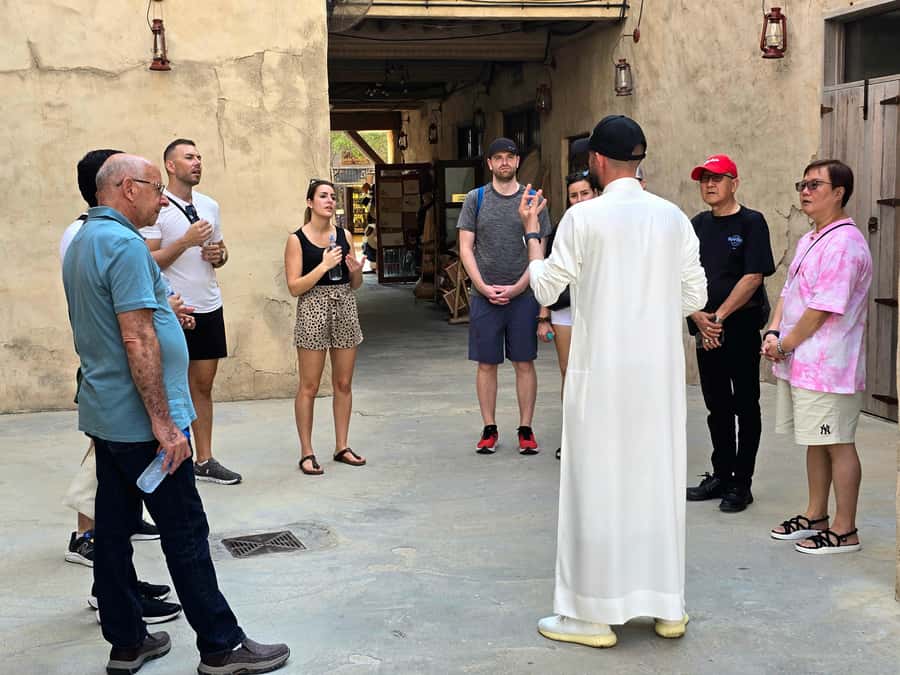
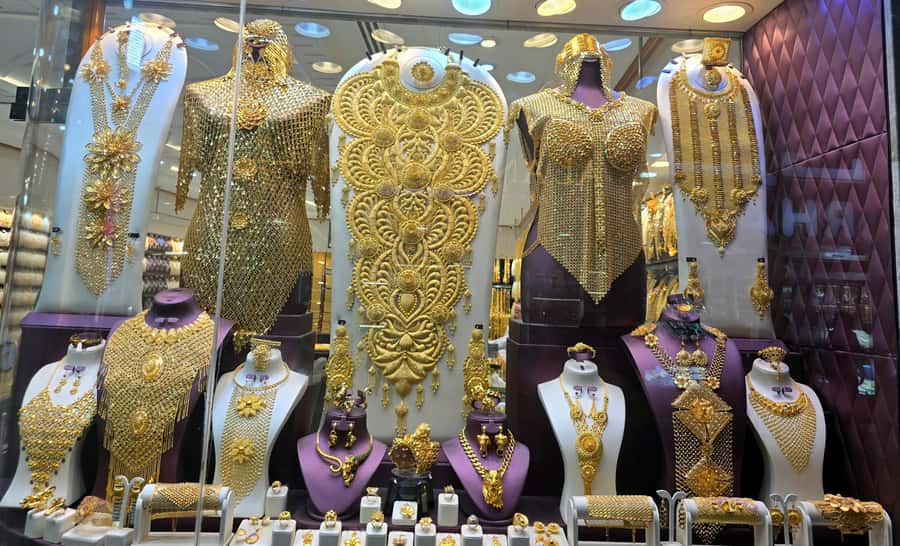
Finally, you reach the Gold Souk. There’s a photo stop plus guided time, then free shopping time (about 30 minutes).
Gold markets can go one of two ways for visitors: either you enjoy it like a museum, or you start buying just because the display is shiny. The guide helps you find the middle ground—learning what you’re seeing and getting buyer tips so you can make smarter choices.
Guides named in the feedback—like Francis and Islam Shady—are specifically praised for being approachable and for explaining what to look out for. That’s especially helpful in a market where you might otherwise compare nothing and trust the first number you hear.
Keep your goals realistic. In the Gold Souk, your time is limited, so treat it as a guided window into craftsmanship and pricing basics, then decide calmly if anything is worth taking home.
Price and value: why $37 can work (if you want this mix)
At $37 per person for 3–4 hours, the best part is what you’re getting bundled together.
You typically won’t piece this kind of day together for less when you count:
- a local guide
- a traditional Abra boat ride
- heritage site and museum entry
- Spice Souk and Gold Souk visits
- street food and fresh juice
- Arabic coffee, plus dates with chocolate
- bottled water and fees/taxes
Also included: gratuities. And while that doesn’t sound exciting, it does remove one little decision-point.
What isn’t included: hotel pickup/drop-off (though pickup can be optional depending on what you select). So if your hotel is far from Al Seef, factor in transit time.
Value-wise, this is a great deal when you want structure. If you already know exactly how to navigate Creek-side souks and you’re comfortable buying without bargaining help, you might find other cheaper options. But if you want a guided, food-and-souks circuit that keeps you from wasting hours figuring things out, this one feels built for first-timers.
Guides make or break it: the names worth remembering
This is one of those tours where people consistently mention the guide as the difference-maker. Names that show up in feedback include Seef, Hassan, Islam Shady, Francis, Hamza, Saif, and Adham.
What stands out across their comments:
- humor plus history, so the walk doesn’t turn into a lecture
- calm pacing, with time for questions
- practical shopping advice (especially for bargaining)
- a relaxed flow so you’re not rushed from one shop to the next
There are also “extra effort” stories, like a guide helping locate a lost phone during the tour, and guides staying in touch when someone arrived late at the start. That kind of attention matters because markets move fast—and you don’t want to feel stranded.
Who should book this Old Dubai souk + boat tour
I think this tour fits best if you:
- want Old Dubai without getting lost
- like the combo of history + markets + food
- enjoy guided shopping help (especially in Spice and Gold Souks)
- want a Creek boat ride but not a full-day cruise
You might want to skip it if:
- you need a mobility-friendly itinerary (this one isn’t suitable for mobility impairments)
- you expect a long, slow museum day (the day includes heritage/museum entry, but it’s still a walking-and-souks schedule)
Should you book this Dubai Old Town Street Food Souks & Boat Ride Tour?
Book it if your ideal Dubai afternoon includes walking Al Fahidi lanes, eating real street food, and seeing the Creek from an Abra—with a guide who helps you shop smarter. At $37, it’s the kind of day where you’re not just sightseeing; you’re practicing the local rhythm: asking questions, trying flavors, and understanding what the souks actually sell.
If your main goal is a deep dive into museums or a long boat cruise, you may prefer something more focused. But for a first trip to Dubai’s older neighborhoods—this is a strong, well-balanced plan.
FAQ
How long is the tour?
The tour runs about 3 to 4 hours.
Where do I meet the guide?
The guide waits at the entrance of the Al Seef Heritage Hotel Dubai, Curio Collection by Hilton, wearing a badge.
Is hotel pickup included?
Hotel pickup and drop-off are not included, but pickup is listed as optional depending on your chosen option (they’ll send your pickup time earlier if you select it).
What food and drinks are included?
Street food is part of the experience, along with fresh juice (orange, sugar cane, pomegranate), Arabic coffee, bottled water, and dates with chocolate. Note that street food may have an additional charge.
What should I bring?
Wear comfortable shoes. Cash is recommended for local market purchases.
What languages are the guides?
Guides are listed as available in Arabic, English, Hindi, German, Spanish, French, and Italian.