REVIEW · JOHANNESBURG
Soweto Walking Tour with Lunch
Book on Viator →Operated by One Day Africa · Bookable on Viator
Soweto hits hard, then sticks with you. This half-day walking tour in Johannesburg follows the paths of the 1976 uprising and the people who shaped South Africa’s fight against apartheid, led by someone born and raised in the township. I love the way the tour starts with context, not chaos, and then turns streets and houses into real-life history you can actually picture. I also like the kota lunch at Orlando Towers, because you get a local meal without turning the day into a food hunt.
There’s one thing to consider: this is a walking tour, so you’ll want comfortable shoes and a basic ability to keep moving for about four hours. Also, not every site is included for entry costs, so you may pay extra at one key stop if you want to go inside.
In This Review
- Key Highlights at a Glance
- A Half-Day Walking Tour That Starts With the Soweto Uprising
- Who This Tour Fits Best, and What to Expect on Johannesburg Side Streets
- Stop 1: Hector Pieterson Museum and Memorial Sets the Tone
- Stop 2: Moema Street Follows the Footsteps of 1976
- Stop 3: Vilakazi Street, Where Mandela and Tutu Live in the Same Neighborhood Story
- Stop 4: Mandela House Is Iconic, But Entry Is Not Included
- Stop 5: Tutu House Adds the Moral and Religious Angle
- Stop 6: Baragwanath Road Shows Soweto’s Early Housing Reality
- Stop 7: Orlando Towers for Photos and Kota Lunch
- Kota Sandwich Lunch: Local Comfort Food That Makes Sense After the Walk
- Price and Value: What the $40.26 Covers (and What It Doesn’t)
- How to Make Your Four Hours Go Smoothly
- Is This Tour Safe and Respectful? What You Can Expect From the Style
- Should You Book the Soweto Walking Tour with Lunch?
- FAQ
- What is the duration of the Soweto Walking Tour with Lunch?
- How much does the tour cost?
- Is lunch included?
- Is entry included for Mandela House?
- Does the tour include pick-up or drop-off?
- Can I get a full refund if I cancel?
Key Highlights at a Glance

- Local guide from Soweto sharing personal context, not just dates
- Hector Pieterson Museum and Memorial as your starting point for 1976
- Vilakazi Street with Mandela and Tutu connected to the same neighborhood story
- Mandela House is a major stop, with entry fees not included
- Orlando Towers lunch plus strong photo spots to end your walk
- 4-hour format with morning or afternoon choices to fit your Johannesburg plan
A Half-Day Walking Tour That Starts With the Soweto Uprising
Soweto is often mentioned as a history stop. This tour treats it like a living place. You begin at the Hector Pieterson Museum and Memorial, and the guide sets the stage by talking about the Soweto uprising and how students helped shape events that fed into apartheid’s downfall. That first explanation matters. Without it, you can walk past powerful places and still miss the point.
The tour then keeps that sensitive tone while moving from street to street. You’re not just ticking off landmarks. You’re getting “what happened here” followed by “what life looks like here now.” That structure is one of the reasons people rate this tour so highly. Guides like Maweza (and sometimes Mulalo Mphuma, depending on your day) are repeatedly praised for connecting national events to everyday streets.
One more detail that I think you’ll appreciate: you’re not rushed from stop to stop. The pace is set for understanding, not speed. It’s still a half-day, but it feels like you’re learning with time to absorb.
You can also read our reviews of more tours and experiences in Johannesburg.



Who This Tour Fits Best, and What to Expect on Johannesburg Side Streets
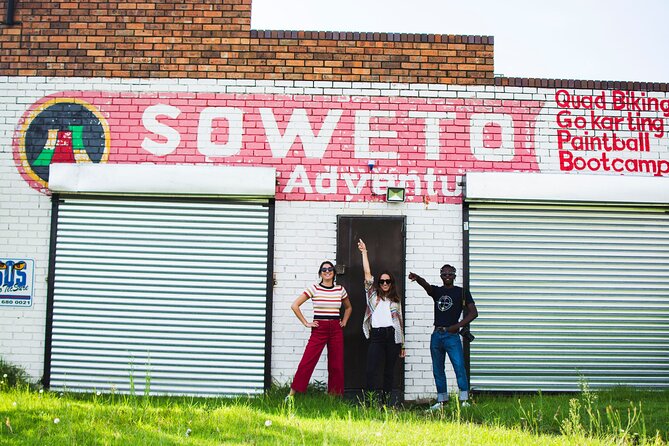
This is a group walking tour with a maximum of up to 100 people. In practice, that usually means you’ll be in a manageable group size, but you should still plan on hearing instructions clearly and staying with your guide. It’s designed for most travelers, and the tour notes that it’s near public transportation. So even if you’re coming from elsewhere in Johannesburg, you’re not stranded on the edge of nowhere.
The format is simple: you’ll meet at the Hector Pieterson Museum and Memorial and walk your way through key Soweto locations. Duration is about four hours, which is long enough to feel like you traveled, but short enough to still enjoy the rest of Johannesburg afterward.
You’ll also want to bring a little patience for the reality of walking tours in communities that are still living their daily lives. You may pass through areas that show a mix of housing conditions, including informal living spaces. Several guide-style comments point to the experience feeling respectful while still showing real township life. That balance is the whole point here.
Stop 1: Hector Pieterson Museum and Memorial Sets the Tone
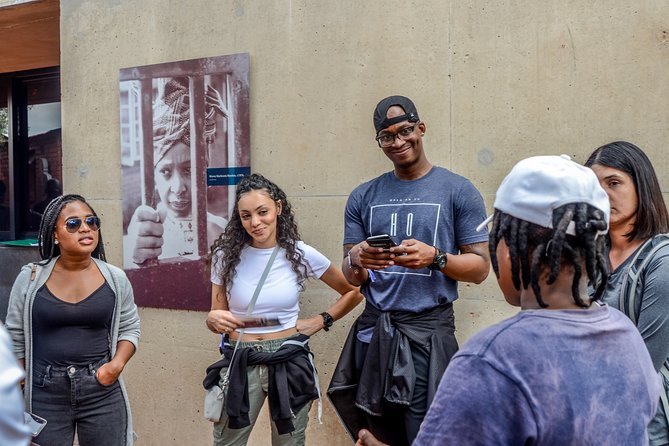
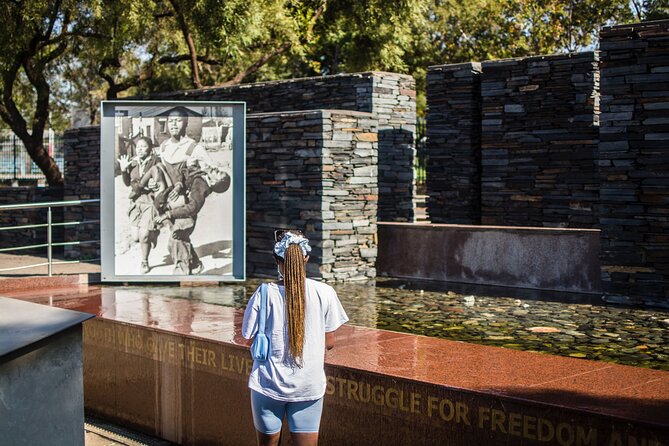
This is where the tour earns your attention. The Hector Pieterson Museum and Memorial is your meeting point, and it’s also where the guide starts with the story behind the Soweto uprising. The tour includes 30 minutes here, and the museum admission ticket itself is listed as free for this stop. That means you can spend time listening and orienting yourself without immediately adding entry costs.
What makes this stop powerful is what happens before you even go looking at displays: you get the “why” behind the uprising. You learn that it was organized by students of Soweto and that their actions helped bring the apartheid regime closer to collapse. Even if you’ve read about 1976 before, hearing it framed on the ground changes the tone.
A practical tip: if you want photos, keep your camera ready but don’t rush. This is the kind of place where a quick shutter-click can feel off. Slow down and let the guide finish the story first.
Stop 2: Moema Street Follows the Footsteps of 1976
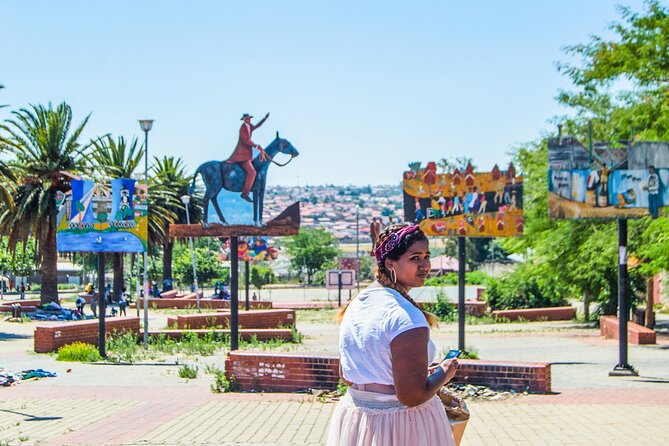
Next you move to Moema Street, where the tour focuses on what youth experienced during the uprising. The walk here is described as a look at shooting events, living conditions, and the aftermath. This is a short stop (about 20 minutes), but it’s packed because it turns an abstract timeline into a street-level picture.
The value here is empathy with details. You’re not just hearing a headline. You’re seeing how daily life and danger overlapped during those events. If you care about understanding how communities cope during political violence, this stop does that job.
One consideration: because the stop is short, keep your questions ready. If your guide is a person like Maweza, many answers come from lived memory and study. Ask early, not at the last minute, and you’ll get more from the conversation.
Stop 3: Vilakazi Street, Where Mandela and Tutu Live in the Same Neighborhood Story
Vilakazi Street is famous because it links two Nobel Peace Prize winners to the same neighborhood story. This stop is only about 10 minutes, but it’s a high-impact moment because it reframes Soweto as more than a protest backdrop.
On this street, the focus becomes how political change and moral leadership lived side-by-side with ordinary neighborhood life. If you’ve ever wondered how activism becomes community identity over time, Vilakazi Street is a shortcut to that answer.
What you’ll likely do here is orient yourself and look around with new eyes. It’s one of those spots where the street view matters more than any single building.






Stop 4: Mandela House Is Iconic, But Entry Is Not Included
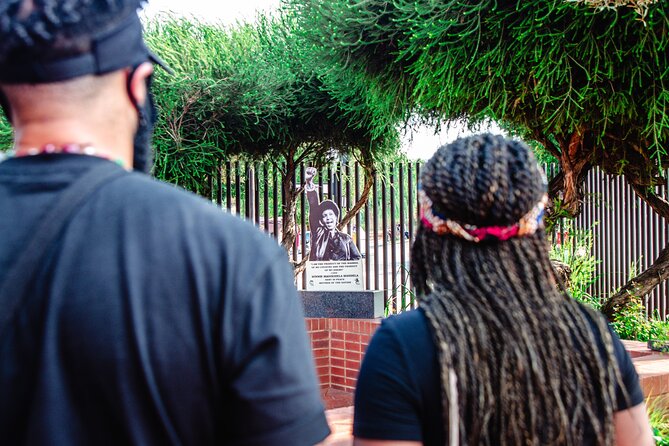
The next stop is Mandela House, the iconic home of Nelson Mandela and Winnie Mandela. Expect about 20 minutes here for photos and context. The big note is clear: Mandela House entry is not included.
So how should you think about this stop? If you’re a visitor who wants the full inside experience, plan for possible extra costs at the house itself. If your goal is mainly understanding and street-level connection, the time allocated can still be meaningful even without entry. Either way, it’s the kind of stop you’ll remember for a long time because it turns a name you know into a place you can point to.
A small practical hint: if you know you want to enter, arrive with that mindset so you don’t feel rushed when it’s time to move on.
Stop 5: Tutu House Adds the Moral and Religious Angle
Next you’ll stop at Tutu House, tied to Archbishop Desmond Tutu. Like Mandela, Tutu used moral authority to criticize apartheid through religion. This is a shorter stop (around 10 minutes), but it plays an important role in making the story complete.
Many tours focus mainly on political events. This one adds the religious and ethical voice behind the struggle. That matters because apartheid wasn’t just fought with laws and protests. People resisted with speeches, prayers, community organizing, and faith-led moral pressure.
If you like learning from different angles, this stop gives you a new lens without adding long walking time.
Stop 6: Baragwanath Road Shows Soweto’s Early Housing Reality
Baragwanath Road is where the tour starts to shift from famous names and major events toward the physical shape of the township. The stop is listed as about 30 minutes, and it’s described as showing the first formal houses that helped form the township.
That focus can feel different from the Mandela and Tutu stops, and that’s a good thing. It grounds the narrative in how Soweto developed as a community, not just a battleground. It also connects back to earlier stops, because living conditions and space are part of the uprising story.
You might also notice, depending on the path and timing, that the area reflects a mix of housing types over time. That’s not a tour trick. It’s how Soweto looks as it changes, layer by layer.
Stop 7: Orlando Towers for Photos and Kota Lunch
The final destination is Orlando Towers, and this is where the tour becomes much more relaxed. The stop runs about 1 hour, and it’s described as the place for great photos and your traditional lunch.
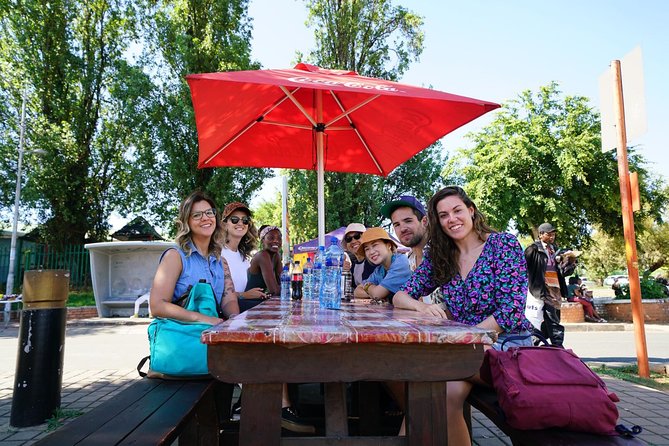
This is also the moment you’ll eat: your tour includes a kota sandwich lunch plus bottled water. A kota is a classic South African street-food style sandwich, usually built around a bread roll filled with savory fillings. In plain terms, it’s the kind of meal that makes sense after a walk through heavy history. You get fuel, not just a snack.
What to expect: you’ll have time for photos and for eating at the end of the tour block. You can also use this time to ask last questions, since this stop is longer than most others.
A small suggestion: come hungry. Several guides’ stories and satisfaction notes match up with the idea that the kota hits right around the late-morning or lunch-time energy window.
Kota Sandwich Lunch: Local Comfort Food That Makes Sense After the Walk
I’m a big fan of tours that include food, especially when it’s simple local fare. Here, the included kota at Orlando Towers is a smart choice because it avoids the common trap of turning the afternoon into separate meal logistics.
Why it works for you:
- It keeps the tour flow smooth, since you don’t lose time searching.
- It gives you a taste of township street-food culture rather than a generic tourist meal.
- It’s filling enough that it can actually carry you for the rest of the day, depending on your appetite.
Could it be a drawback? If you have food allergies or very strict dietary needs, you should plan to communicate those needs directly to the tour operator on booking. The tour data only states the lunch type and doesn’t list dietary alternatives.
Price and Value: What the $40.26 Covers (and What It Doesn’t)
At about $40.26 per person, this tour is priced like a mid-range local experience that aims for value through a guided route plus lunch. The best value angle is that you’re not paying just for walking. You’re paying for interpretation by a guide who lives the township story and can connect the uprising to today’s reality.
Here’s what you get included:
- Kota sandwich lunch
- Bottled water
What’s not included:
- Admission for Mandela House (explicitly not included)
- Anything additional you buy along the way (snacks, drinks, extras)
- Pick-up and drop-off (this matters for planning your day)
So the real value question is simple: if you want a guided explanation of Soweto’s key sites and you’re happy eating a local kota lunch rather than hunting for restaurants, the price feels fair. If you’re only interested in one or two famous houses, you may find yourself paying for the guided context more than the entry experience.
Also, since the tour uses a mobile ticket, you’ll want your phone battery ready for the meeting.
How to Make Your Four Hours Go Smoothly
Soweto walking tours work best when you treat them like a conversation with the streets. Here are a few practical things you can do to get more out of it:
First, wear comfortable shoes. It’s a half-day and you’re moving between several stops, including longer stretches like Baragwanath Road and the Orlando Towers break.
Second, come with questions. This tour stands out because guides often answer in a way that mixes study and personal memory. People mention feeling safe and supported, and they also mention how much they learned from the guide’s personal perspective. If that matters to you, your questions will get you more than just listening.
Third, plan your meeting point carefully. There was a note from one experience about confusion around meeting details. Your best move is to check your meeting location message closely before you head out, and follow the guide instructions on the day.
Fourth, bring some patience for vendor timing. One common request in feedback is more time to stop at vendors. If shopping is part of your plan, build that intention around what the guide can fit into the route.
Is This Tour Safe and Respectful? What You Can Expect From the Style
Safety and respect come through in how the tour is described. The tour is led by a local guide, and multiple comments highlight feeling safe and cared for throughout the walk. You’ll also notice the tone is framed as sensitive: this is not a party-tour vibe. It’s a learning route through spaces tied to trauma and activism.
If you’re the type who worries about walking in unfamiliar neighborhoods, this is one of the reasons a local-led approach matters. A guide from Soweto can read the situation quickly and keep the group moving with dignity. And because the tour includes a structured stop sequence, you’re not left wandering between sights.
Should You Book the Soweto Walking Tour with Lunch?
Book it if you want a grounded, human-scale way to understand Soweto, not just a photo list. The standout part is the combination of (1) a guide who grew up in Soweto and (2) a route that connects 1976 activism to iconic moral leadership, all with lunch handled for you.
Skip it or reconsider if:
- You want only one famous house visit and you don’t care about the street-level story building.
- You need lots of stops for shopping during the tour.
- You strongly rely on pick-up or drop-off and don’t want to manage your own transport to the meeting point.
If you’re visiting Johannesburg for a short time, I’d treat Soweto as a high-priority half-day. The tour’s structure is efficient, and the kota lunch gives you a satisfying finish when you’re mentally worn out in the best possible way.
FAQ
What is the duration of the Soweto Walking Tour with Lunch?
The tour is about 4 hours.
How much does the tour cost?
The price is $40.26 per person.
Is lunch included?
Yes. Your tour includes a kota sandwich lunch and bottled water.
Is entry included for Mandela House?
No. Mandela House admission is not included, though the stop is part of the route.
Does the tour include pick-up or drop-off?
No. Pick-ups and drop-offs are not included.
Can I get a full refund if I cancel?
Yes, you can cancel up to 24 hours in advance for a full refund. If you cancel less than 24 hours before the start time, the amount paid is not refunded.