REVIEW · JOHANNESBURG
Jo’berg in 1 Day: Soweto, Apartheid Museum & City Tour
Book on GetYourGuide →Operated by MoAfrika Tours (Pty)Ltd · Bookable on GetYourGuide
One day, two worlds of South Africa. This tour strings together Soweto street-level history and Constitution Hill’s legal legacy into a powerful, easy-to-follow day, even if the schedule is packed. I especially like how you get context while you move: Mandela and Tutu connections on Vilakazi Street, plus stops like Hector Pieterson and the Apartheid Museum that explain why 16 June 1976 still matters.
The one thing to keep in mind is that it’s a “see a lot” format, so time inside each major site is limited.
You’ll start with hotel pickup around Johannesburg, then ride with a live English guide, stopping for key viewpoints and short walks. Guides such as Khutso and Thapelo get praised for making hard history feel clear and human, not like a textbook. And yes, you get uncapped Wi‑Fi on board, which helps when you need to send messages between museums and memorials.
In This Review
- Key things to know before you go
- How the Jo’berg in 1 Day schedule really feels
- Soweto’s street map: Vilakazi Street, the 16 June 1976 story, and optional museum time
- Beyond the postcard: township walking, interactions, Soweto Campus, and Chris Hani Baragwanath Hospital
- Apartheid Museum: how to use your 2 hours wisely
- Constitution Hill’s Human Rights Precinct: Court history when you can still see the stakes
- Johannesburg center sights: Telkom Tower, Nelson Mandela Bridge, and the Jazz Walk
- Price and value: is $142 per person actually fair?
- Who this tour fits best
- My booking checklist for a smoother day
- Should you book Jo’berg in 1 Day?
- FAQ
- What is the duration of the tour?
- What is included in the price?
- Is lunch included?
- Where does hotel pickup happen?
- Are museum tickets included, and do I skip the ticket line?
- Is the Hector Pieterson Museum visit required?
- Is there a donation linked to the booking?
Key things to know before you go
- Small-group feel: one group ran at about 8 people, which keeps questions moving and the day personal
- Major stops, guided context: Soweto highlights plus Constitution Hill with a guided tour
- Skip-the-line convenience: you can keep the day moving without wasting time at entrances
- Time on the ground: a walk through parts of Soweto and an interaction stop in a township area
- A meaningful price beyond sightseeing: entry fees are included, plus a donation per person supports local childcare upgrades
How the Jo’berg in 1 Day schedule really feels
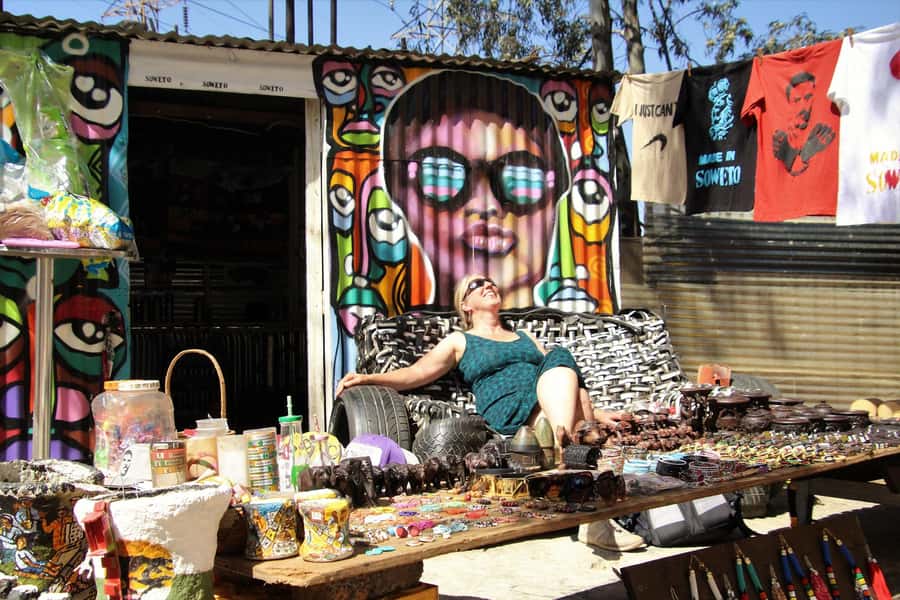
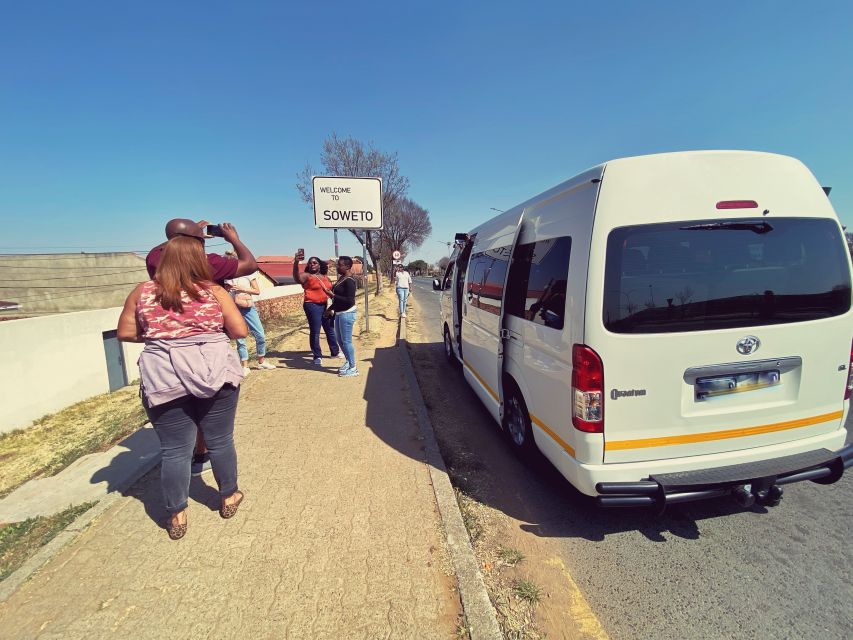
This is an 8-hour day built for first-timers. You’ll be picked up from hotels and residences in areas like O R Tambo, Sandton, Rosebank, Johannesburg Downtown, and Melville, then shuttled to Soweto and back. Expect a steady rhythm: drive for context, stop for a story, then move again.
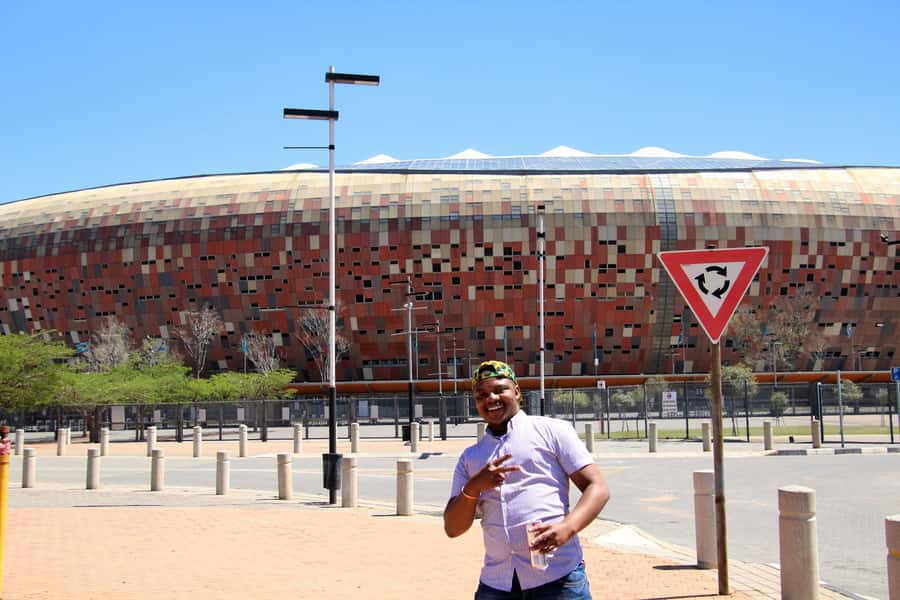
The transport is part of the experience. As you head toward Soweto, your guide points out major landmarks, including the National Football Stadium City, known for hosting the opening and closing ceremonies of the 2010 World Cup. On the vehicle you also get uncapped Wi‑Fi, which is handy because your brain will be busy and your phone may actually earn its keep.
The group size tends to be small. That matters because you’ll likely ask questions when something clicks, like why certain locations were targeted or what daily life looked like in different areas. A compact group also helps when you’re switching neighborhoods quickly.
One practical note: lunch isn’t included. You’ll get time after the Soweto portion to eat on your own account, so plan a simple meal strategy before you go in (water, a snack if you like, and comfortable walking shoes).
You can also read our reviews of more tours and experiences in Johannesburg.


Soweto’s street map: Vilakazi Street, the 16 June 1976 story, and optional museum time
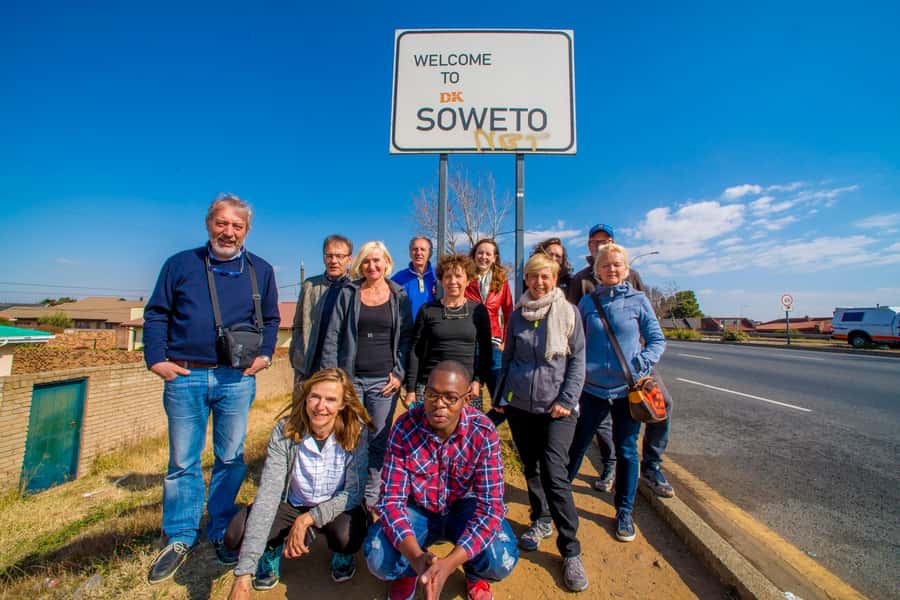
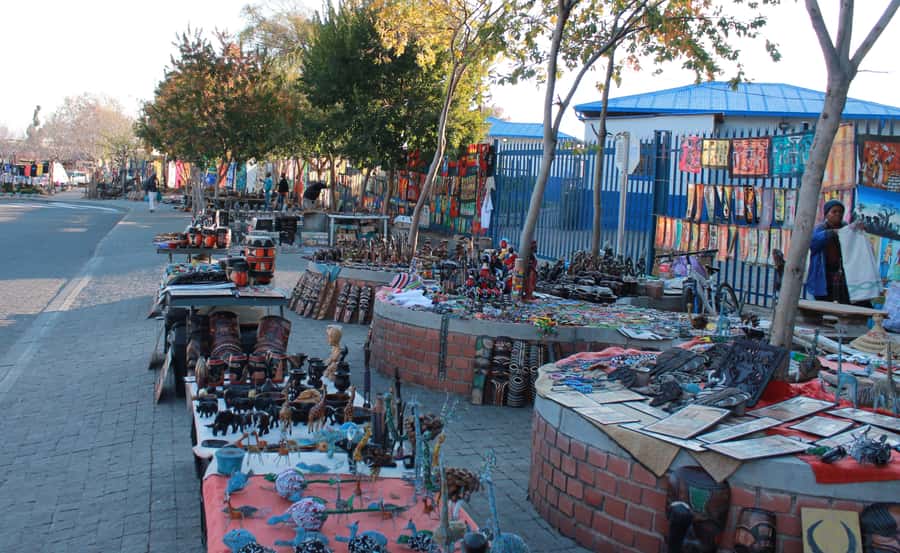
Soweto starts with the shift from city views to street life. You’ll pass through areas where vendors sell everything from everyday essentials to souvenirs, and you’ll get a walk that feels like you’re stepping into the neighborhood rather than touring it from behind glass.
A big emotional anchor is Hector Pieterson. Your route includes a chance to read about the Soweto uprising connected to 16 June 1976, when Hector Pieterson became a symbol of the struggle. The tour also includes an opportunity to enter the Hector Pieterson Museum, but that visit is optional, so you can decide how you want to pace your emotions that morning.
Then you land on Vilakazi Street in Orlando West, one of the most famous addresses in South Africa. This is where the guide’s storytelling becomes more than dates and facts. You’ll drive past the former home of Nelson Mandela and past the home of Archbishop Desmond Tutu. It’s one of those places where you can feel the weight of names people carry across the world, while still seeing ordinary life along the street.
You’ll also pass locations tied to Mandela House during the Soweto portion. Even when you’re only driving past, the explanation matters: it turns “famous sites” into lived geography.
Beyond the postcard: township walking, interactions, Soweto Campus, and Chris Hani Baragwanath Hospital
Soweto here isn’t only monuments. You’ll spend time seeing different layers of the area, including driving into a township setting and getting opportunities to interact with locals. That’s the part that often makes the day feel real, because it’s about people and choices, not only oppression and photographs.
Your day may include stops that show how Soweto connects to wider Johannesburg life. You’ll pass the Soweto Campus of the Johannesburg University, which helps balance the story. It’s a reminder that Soweto isn’t frozen in history; it’s part of the present, with students and institutions shaping the future.
And yes, there’s a hospital stop. The tour ends the Soweto portion at Chris Hani Baragwanath Hospital, described as the largest hospital in the world. Even if you don’t go deep into medical details, it’s a powerful waypoint because it shows scale—how one place can serve huge numbers of people. Your guide will frame why that matters in the city’s story.
One tip: keep your camera ready, but save your energy for moments when your guide is explaining something. The best photos come after you understand what you’re looking at.
Apartheid Museum: how to use your 2 hours wisely
After lunch time on your own account, you’ll head to the Apartheid Museum. This is where the day slows down, even though you still have a timed window (about 2 hours). The museum is structured as a guided story of the apartheid system and the struggle against it, so you don’t need to be an expert to get value.
The key here is to treat the museum like a timeline. Move with intention. Don’t try to read everything word-for-word if you tend to get overwhelmed. Instead, find the sections that connect to what you saw earlier in Soweto: the uprising, everyday life under segregation, and how resistance turned into political change.
A lot of people find this part emotionally heavy. That’s normal. If you feel your focus slipping, rely on your guide’s framing when you’re back on the road—those short interpretive moments can help the museum pieces click.
If you want maximum absorption, arrive ready to spend time without rushing. Two hours is a strong sample, not a deep-study course. I’d call it the best possible “first museum visit” for a one-day trip.
Constitution Hill’s Human Rights Precinct: Court history when you can still see the stakes
Then you roll straight into Constitution Hill, the Human Rights Precinct. Here the tone changes from the apartheid system to the legal struggle for human rights and accountability, and the guided tour is a standout part of the day.
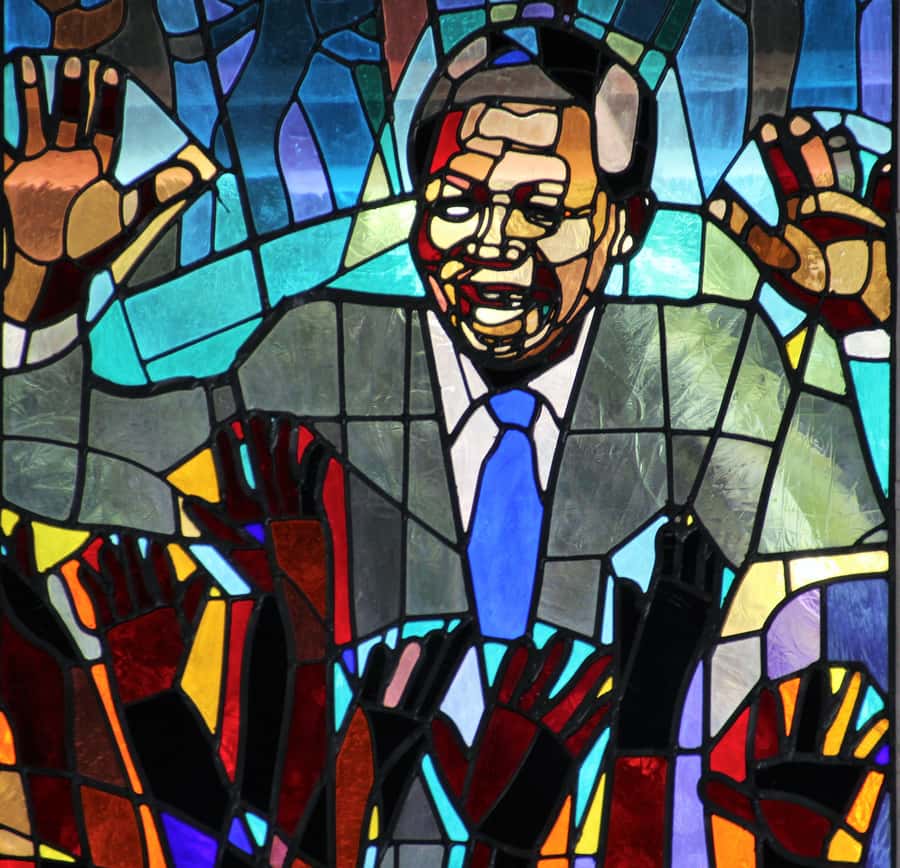
You’ll learn about how political activists like Nelson Mandela and Mahatma Gandhi were once held there. The tour also references prison No 4 and the courtroom space when it’s not in session. That detail matters. It means you’re not only hearing history; you’re seeing the architecture where power operated.
Your guide will walk you through legal and civic context tied to Johannesburg’s past. This is where many people feel the day turns from “what happened” into “how the system changed.” It’s not a feel-good museum, but it is hopeful in its insistence that rights and law matter.
Practical tip: wear comfortable layers. Buildings can feel different in temperature, and you’ll be standing and walking more than you might expect during a guided precinct tour.





Johannesburg center sights: Telkom Tower, Nelson Mandela Bridge, and the Jazz Walk
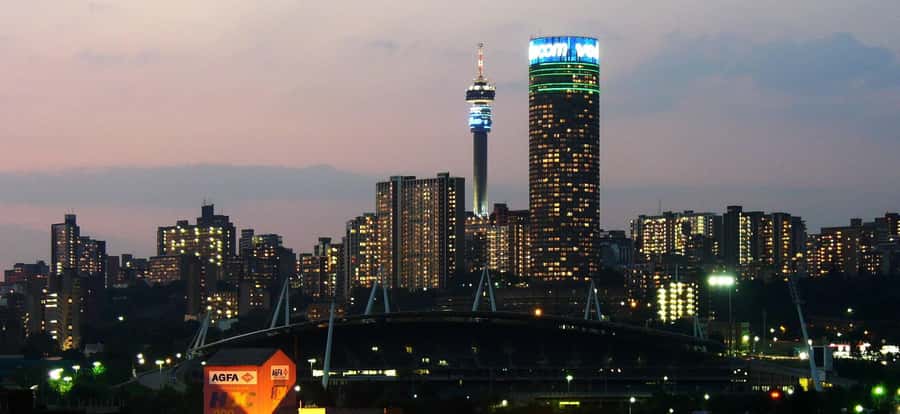
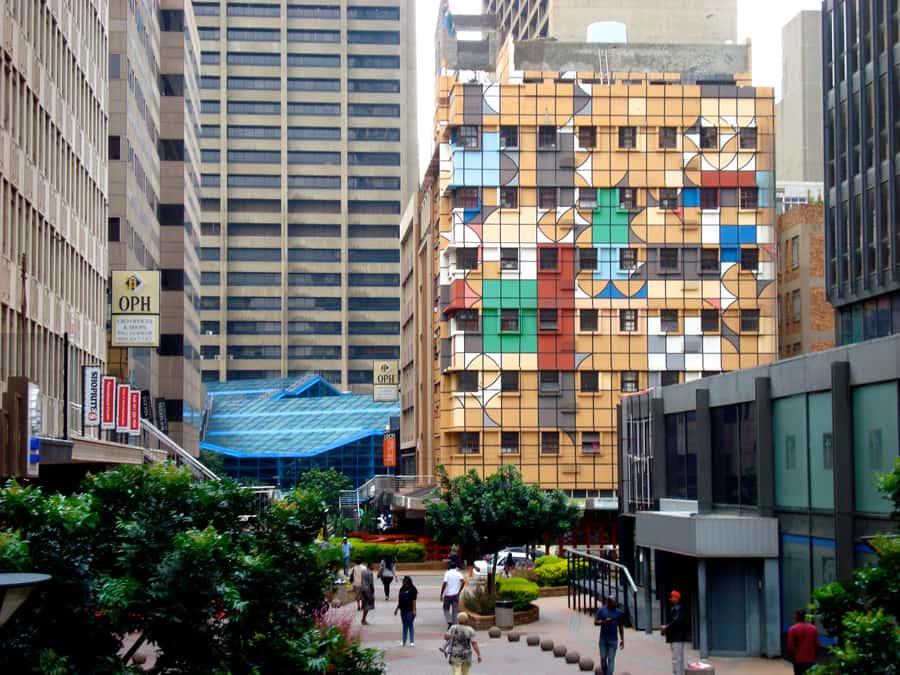
After the heavier stops, you get a little relief with city landmarks. You’ll see the Telkom Tower, the postcard-famous 269‑meter structure that anchors many views of Johannesburg. It’s a quick visual reset: you’re back in the skyline world.
Then you’ll pass the Nelson Mandela bridge, described as the longest southern African bridge. It’s an easy stop to appreciate if you like the “place names tell you who matters” angle. Your guide connects it back to the bigger story of modern South Africa and the power of names.
At Mary Fitzgerald Square, there’s a chance to walk the Jazz Walk of Fame. This is one of those add-on moments that keeps the day from being only solemn. Even if you don’t go deep into music history, it’s a nice signal that Johannesburg culture didn’t disappear with apartheid or struggle—it evolved.
Price and value: is $142 per person actually fair?
At $142 per person for about 8 hours, this tour is trying to do something simple: replace a headache with a plan. You get pickup and drop-off, a live English guide, and key entrances are covered. On top of that, you skip the ticket line at the main attractions.
Here’s the value math I like to use. If you tried to DIY this day, you’d likely pay for multiple entry tickets, then add transport costs, then add the time cost of figuring out where to go in the right order. Your biggest “hidden expense” in Johannesburg is not money. It’s time.
This tour also builds value with guided context. When you’re standing at places like Constitution Hill or the Apartheid Museum, the difference between reading signs and hearing a human explanation is huge. Guides such as Clement, Sello, Shumba, and Prince are often praised for keeping the day clear, safe, and question-friendly.
One more value layer: for every booking, an R50 donation goes to the Motsoaledi Day Care Centre. It’s not a headline item, but it’s real local impact tied directly to participation. Small donations still matter when they fund upgrades and support what the center needs.
Who this tour fits best
This is a great fit if:
- you want a first Johannesburg introduction and a focused Soweto overview in one day
- you like structured stories tied to real locations, not just museum reading
- you’re comfortable with a full day where you’ll walk and stand at several stops
- you want city history plus human rights themes, and you’ll appreciate the shift from Soweto to Constitution Hill
It may be less ideal if you:
- need lots of time inside museums to read everything slowly
- want a “stay longer in one place” style day
- prefer minimal emotional content and shorter exposure to heavy history
Also, because lunch isn’t included, you’ll want to handle that yourself without stress.
My booking checklist for a smoother day
This day moves. Your job is to make it easier on yourself.
- Bring comfortable walking shoes. Even short walks can add up, especially with city heat and uneven sidewalks.
- Pack a light layer. Museums and government buildings can feel cooler than street-level weather.
- Bring water if you can, and plan lunch timing so you’re not rushed.
- Keep your phone charged. The onboard Wi‑Fi helps, but your battery won’t last forever once you’re taking photos.
- Be ready for emotional stories. You’re visiting sites tied to real harm and real resistance, so a calm mindset helps.
If you’re the kind of person who likes to compare notes after a tour, this is a smart one to take early in your trip. It gives you the “map in your head” before you wander more on your own.
Should you book Jo’berg in 1 Day?
If you have limited time in Johannesburg, I’d book this. It’s built for impact: Soweto, Hector Pieterson context, the Apartheid Museum, and then Constitution Hill with guided legal history. You’ll come away with a clearer picture of how the country moved from apartheid control to a rights-based legal future.
I’d only hesitate if you know you need deeper time inside one museum or you dislike packed schedules. But if you want the best version of a one-day primer that still respects the meaning of the places you’re visiting, this is a strong choice—especially with a guide like Khutso or Thapelo making the route feel coherent.
FAQ
What is the duration of the tour?
It runs for about 8 hours.
What is included in the price?
Pickup and drop-off, entrance fees, a live tour guide in English, and uncapped onboard Wi‑Fi are included.
Is lunch included?
No. Lunch and drinks are not included, so you’ll need to plan food on your own.
Where does hotel pickup happen?
Pickup is included for hotels and residences in the areas of O R Tambo, Sandton, Rosebank, Johannesburg Downtown, and Mellville.
Are museum tickets included, and do I skip the ticket line?
Entrance fees are included, and you’ll skip the ticket line at participating sites.
Is the Hector Pieterson Museum visit required?
No. The Hector Pieterson Museum visit is optional.
Is there a donation linked to the booking?
Yes. For each individual booking, an R50 donation is made to the Motsoaledi Day Care Centre for building upgrade projects and items on its wish list.