REVIEW · JOHANNESBURG
Soweto: Walking Tour with a Local Guide and Lunch
Book on GetYourGuide →Operated by One Day Africa · Bookable on GetYourGuide
Soweto history lives on the pavement. In this 4-hour walk from Vilakazi Espresso, you trace key moments tied to the 1976 Soweto Uprising, then connect the dots between streets, people, and places like Hector Peterson Memorial and Vilakazi Street.
I love how the guide (often Maweza, with other guides like Teboho also listed) keeps the story grounded in day-to-day reality, not just dates. And I love the identity-and-connection focus: you share local food, ask questions, and meet people along the route in a way that feels respectful and human.
One consideration: this is a walking-heavy tour and it’s not suitable for wheelchair users. If it’s hot or rainy, you’ll want proper shoes and a steady pace.
In This Review
- Key things I think you’ll love
- From Vilakazi Espresso to Hector Peterson Memorial: where the story begins
- Moema Street and the 1976 march: walking the route, not just reading about it
- Vilakazi Street highlights: Mandela’s house, Desmond Tutu’s landmark, and Winnie Mandela’s stop
- Nelson Mandela’s house: your 20 minutes inside matters
- Desmond Tutu’s house: another side of the struggle
- Winnie Mandela’s house: a quick photo stop with context
- Lunch on Vilakazi Street: tasting Soweto, not just refueling
- Cash will help
- Orlando East by minibus taxi: seeing transport the local way
- Nomzamo Park and the Soweto Towers: a final look at everyday life and local views
- Price and value: what $43 buys you in 4 hours
- Safety, respect, and how to get more than photos
- What to bring for a smooth Soweto walking tour
- Should you book the Soweto walking tour with lunch?
- FAQ
- Where does the tour start?
- How long is the Soweto walking tour?
- What language is the tour offered in?
- What’s included in the price?
- Are drinks included?
- Is hotel pickup and drop-off included?
- Do I need to pay an entrance fee during the tour?
- Is the tour wheelchair accessible?
- Does the tour run in bad weather?
- What should I bring?
Key things I think you’ll love
- Maweza-style storytelling: clear, personal context with room for your questions
- Mandela + Tutu stops on Vilakazi Street: major sites, with practical time to look around
- A real lunch stop in Soweto: not just a break, but part of the cultural experience
- Minibus taxi to Orlando East: transportation you’d actually see locals use
- Nomzamo Park at the end: a gentle final look at everyday life in an informal settlement
- English guide plus English audio: you’ll get help understanding what you’re seeing
From Vilakazi Espresso to Hector Peterson Memorial: where the story begins

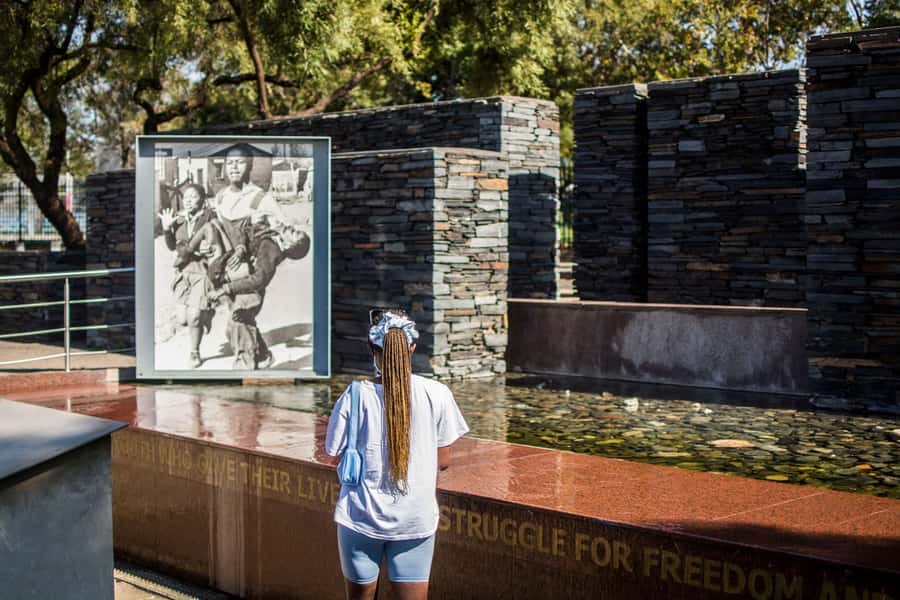
The tour starts right by Vilakazi Espresso, opposite the Hector Peterson Memorial. That placement matters. It’s not a random “walk around the neighborhood” plan. You begin with the event that put Soweto at the center of the anti-apartheid struggle: the 1976 Soweto Uprising.
At the memorial stop, you’ll get a photo pause, a guided visit, and sightseeing time. You’re learning why this place exists, and why people still talk about those days with such weight. The key value here is context. Once you understand the moment, later stops make more sense.
Expect to keep moving after this first segment. Even with short breaks, this tour is built for walking and listening. Bring your camera, but also take a few seconds to look around without framing it—street life is part of the lesson.
You can also read our reviews of more tours and experiences in Johannesburg.


Moema Street and the 1976 march: walking the route, not just reading about it
After Hector Peterson Memorial, you head down Moema Street, tracing the route of the historic march. This is one of those details that turns a normal site tour into a “see it in your body” experience. You’re not only hearing the story; you’re walking through space that people once moved through with purpose.
As you go, your guide connects the symbolism to what you see now: where movement happened, where people stood, and how the built environment shapes daily life. That’s also where a good guide earns their fee. The tour is identity-and-connection focused, so you’re encouraged to ask questions, not just watch.
One practical thing: this section can feel slower or faster depending on how your group engages. If you tend to ask lots of questions, plan on leaning into it. The tour is designed to handle that.
Vilakazi Street highlights: Mandela’s house, Desmond Tutu’s landmark, and Winnie Mandela’s stop
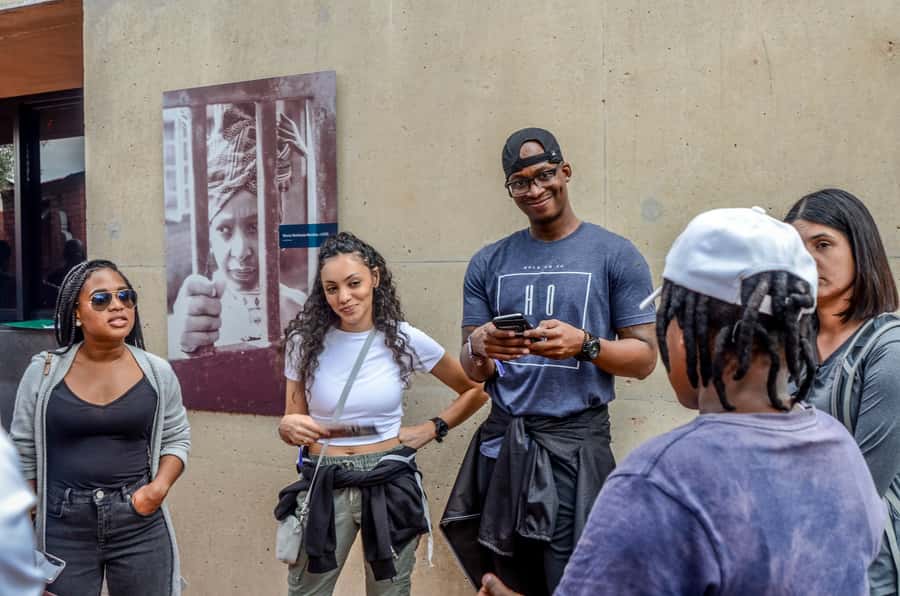
Vilakazi Street is the tour’s “major landmarks” corridor, and it’s the place where you’ll spend meaningful time. You’ll walk past significant points tied to Nelson Mandela and other iconic figures.
Nelson Mandela’s house: your 20 minutes inside matters
The schedule includes a stop at Mandela’s house with a photo moment, guided tour time, and a chance to go inside for about 20 minutes. Important: the entrance fee is not included. So if you want to see inside, get ready to pay directly on the day.
Even 20 minutes can be enough if you treat it like a focused visit. Look for what the space tells you: the life that was lived there, not just the legend. The guide’s narration helps you connect the human story to the political one.
Desmond Tutu’s house: another side of the struggle
You’ll also stop at Desmond Tutu’s house. This is a different angle on the same broader fight—an opportunity to understand how faith, leadership, and resistance shaped public life.





Winnie Mandela’s house: a quick photo stop with context
There’s also a photo stop and guided visit tied to Winnie Mandela’s house. It’s shorter than Mandela’s home, but it keeps the tour from becoming one-note. You’re seeing a fuller set of names, roles, and timelines.
A small tip: if you’re sensitive to emotional weight, tell your guide early. The tour is set up to keep you safe and comfortable, and it’s designed for respectful pacing.
Lunch on Vilakazi Street: tasting Soweto, not just refueling

After the Mandela-and-Tutu stretch, you’ll have lunch on Vilakazi Street. This is scheduled as a lunch stop with street food tasting time, and you’ll also get a chance to do some shopping depending on what’s nearby and what your guide suggests.
What makes this meal part of the experience is simple: it’s local. You’re not eating in a tourist bubble. One lunch option that comes up in real-world experiences is a kotas-style sandwich, and another is a chip-buttie style meal. If you have dietary needs, you’ll want to think ahead—there’s mention of a vegetarian option being available at the lunch stop, but you should confirm on the day with your guide.
Cash will help
Bring cash. It’s not just for souvenirs. People may sell small snacks, and you may want to pay for extra items or drinks. Speaking of drinks: the tour includes lunch and bottled water, but drinks are not included.
I also like to carry extra cash if I want to support street entertainers. Some guides encourage tipping street performers, and it’s a nice way to show appreciation for the moment—especially when the performance is part of everyday street life.
Orlando East by minibus taxi: seeing transport the local way
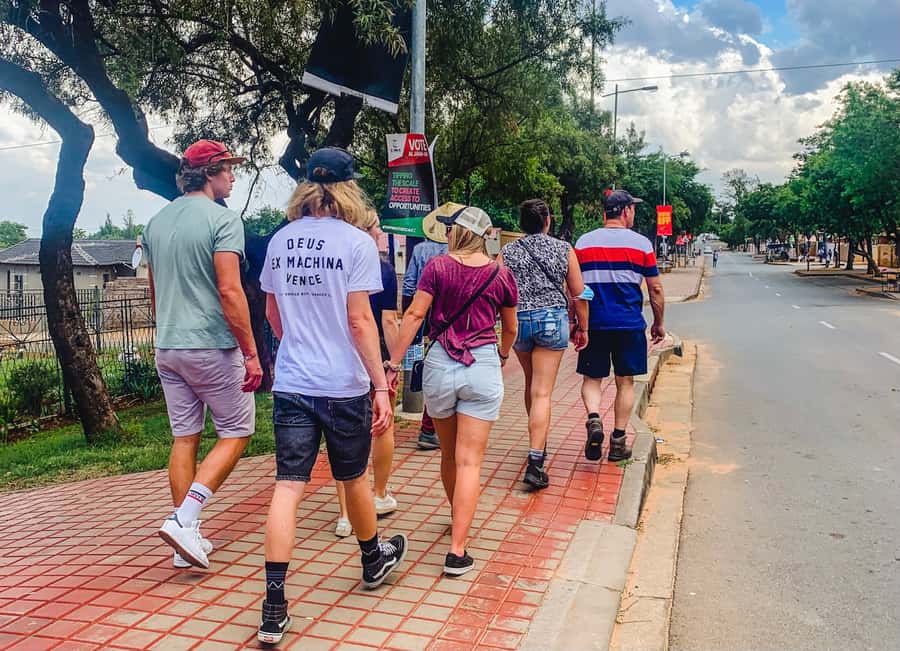
After lunch, you’ll take a minibus taxi to Orlando East. This isn’t a “sit in a vehicle” transfer. The point is to experience a common mode of transport in Soweto, which helps you understand how people actually move through the city.
From Orlando East, you’ll head toward the Soweto Towers for the next viewpoint-focused stop. The taxi ride also shifts the pace and gives you a different lens on the area. Even if you’re only in transit for part of the tour, it adds texture that walking alone can’t replicate.
Expect this segment to be a bit more hands-on and a little less formal. That’s the trade-off—and for many people, that’s the best part.
Nomzamo Park and the Soweto Towers: a final look at everyday life and local views
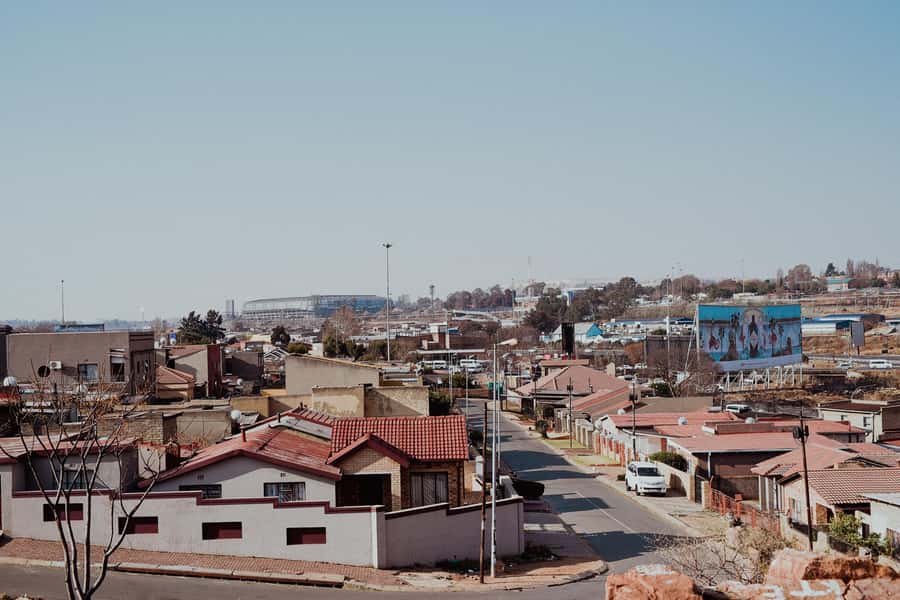
The last stretch includes Nomzamo Park, described as an informal settlement. You’ll have photo stops, guided explanation, sightseeing time, and some walking/passing by as part of the visit.
This stop is where the tour’s “daily life” goal shows up. The guide aims to help you understand what residents face and how they live, without turning the area into a spectacle. It’s still important to stay aware of comfort levels. If you need a step back from interaction or closer conversation, ask your guide for that. The tour is set up for your safety and comfort, not just checkboxes.
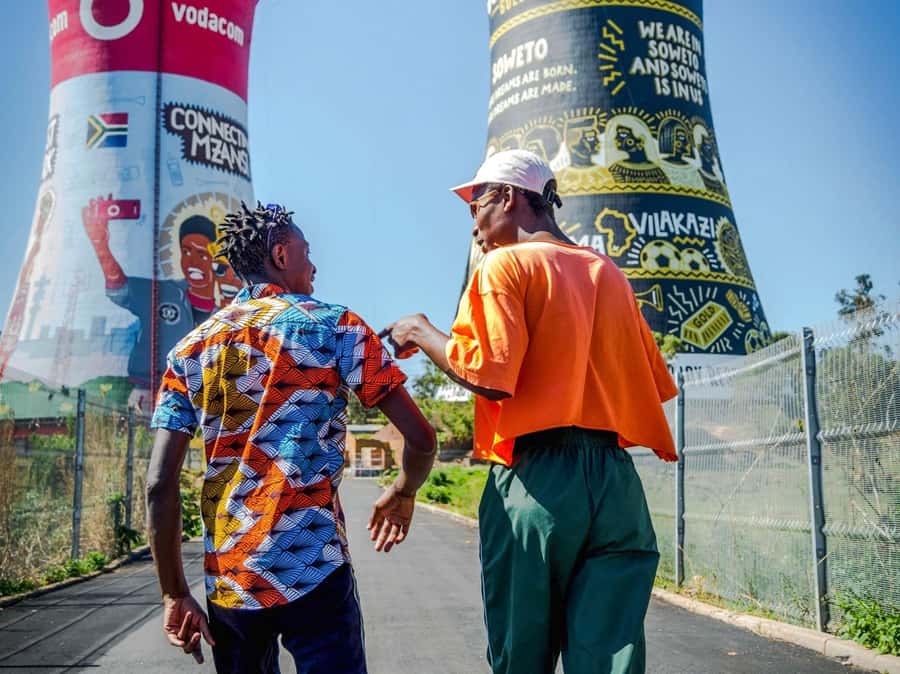
Then you reach the Soweto Towers. You’ll have photo time and sightseeing with a guided visit. The Towers are one of those skyline reminders that Soweto isn’t frozen in the past—it keeps building and changing.
Price and value: what $43 buys you in 4 hours
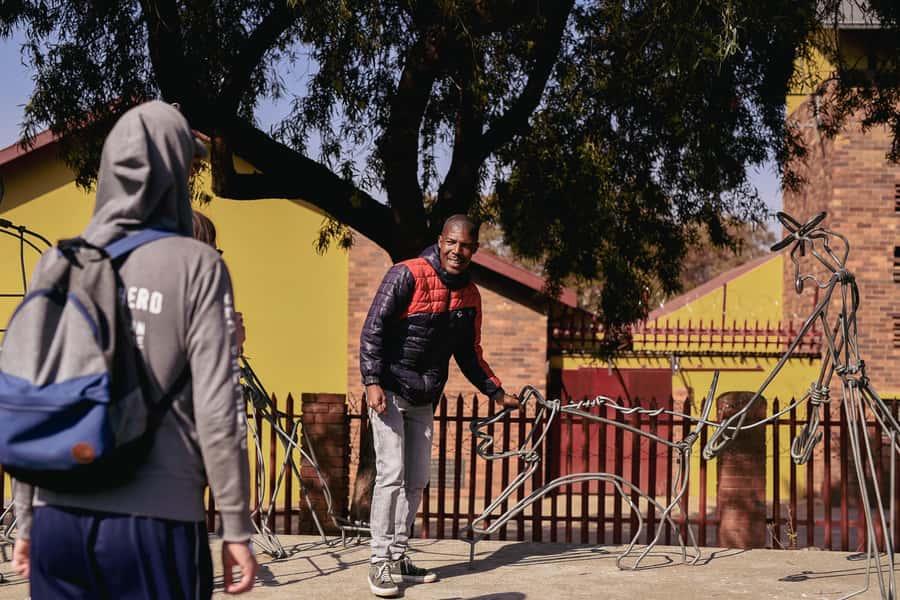
At $43 per person for about four hours, the value is strongest when you compare what you’re getting beyond “just walking.”
You’re included for:
- a local guide (live English guide)
- lunch
- bottled water
- an English audio guide (so you’re not relying only on your memory of spoken details)
That combination matters. A guided storyline turns landmarks into understanding. Lunch included means you’re not hunting for food under time pressure. Water included helps you handle the physical side of walking, especially in warmer weather.
The main “hidden cost” you should plan for is the Mandela house entrance fee, which is not included. If you want to go inside, budget for that extra payment on the day.
My quick take: if you want context for the big anti-apartheid story and you also want a taste of local life and food, this price feels fair. If you just want photos and you hate listening, you’ll feel less value.
Safety, respect, and how to get more than photos
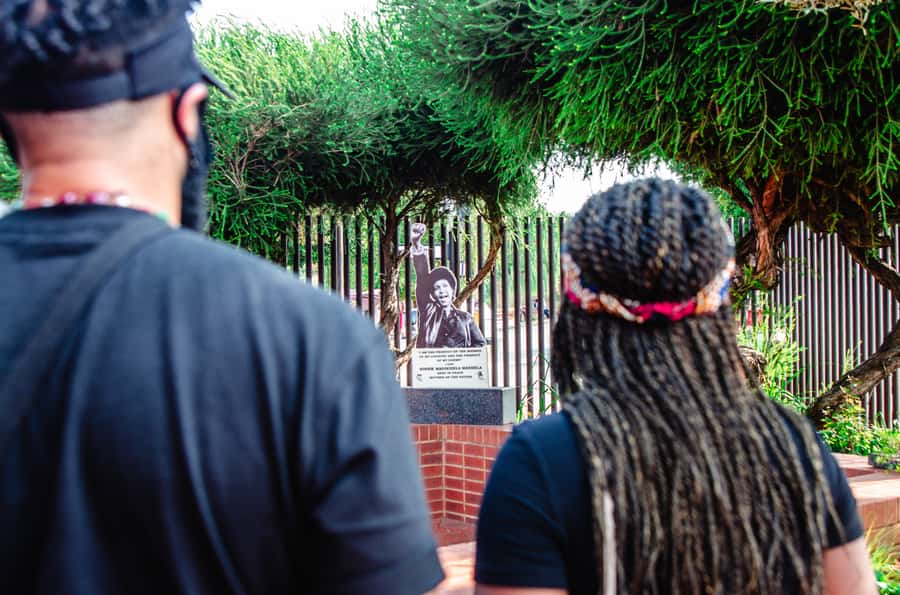
Soweto is used to tours, and the overall attitude toward foreigners coming to learn is mostly positive. That doesn’t mean you should act like a tourist in an amusement park. The best way to enjoy the tour is to act like you’re visiting someone’s community, with manners turned up.
Here’s what works well:
- Wear comfortable shoes. You’ll be on foot for a lot of the tour.
- Keep your questions thoughtful. The guide’s strength is answering and connecting.
- If you see street entertainers, consider tipping with cash.
- Follow your guide’s cues on where to stand and how close to get.
One more practical note: the tour runs rain or shine. That’s not a fun promise, but it’s a reality. Pack for weather changes so you don’t spend the day distracted and miserable.
What to bring for a smooth Soweto walking tour
This is a simple checklist, but it makes a real difference when you’re walking in a real neighborhood:
- Comfortable shoes (non-negotiable)
- Camera (and remember to rest your hands sometimes)
- Sunscreen
- Water (you’ll get bottled water, but extra helps)
- Cash (for entrances, small buys, and optional tips)
- Hand sanitizer or tissues
- Face mask or protective covering
- Sunscreen and sun cover if you burn easily
If you tend to run cold or get headaches, bring something small for those too. The tour is only four hours, but the walking adds up.
Also: the tour is English (live guide) with an English audio guide. If you’d like the audio to stay aligned with your pace, bring headphones that fit comfortably for walking.
Should you book the Soweto walking tour with lunch?
Book it if you want a structured, guided look at Soweto that covers the 1976 uprising sites, Mandela and Tutu landmarks on Vilakazi Street, local food, and an Orlando East minibus taxi experience. It’s a strong pick for first-timers who want context without feeling lost, and for history-minded travelers who also care about how people live right now.
Skip or reconsider if:
- you can’t handle a walking-heavy route
- you want a mostly relaxed, minimal-listening tour
- you don’t plan to visit Mandela’s house inside (since entrance is extra, you’ll get less of the full experience)
FAQ
Where does the tour start?
Meet your guide in front of Vilakazi Espresso, opposite the Hector Peterson Memorial.
How long is the Soweto walking tour?
The duration is 4 hours.
What language is the tour offered in?
The live tour guide is in English, and an English audio guide is included.
What’s included in the price?
Lunch, a local guide, and bottled water are included.
Are drinks included?
No. Drinks are not included.
Is hotel pickup and drop-off included?
No. Hotel pickup and drop-off are not included.
Do I need to pay an entrance fee during the tour?
Nelson Mandela’s house has an inside visit, and the entrance fee is not included.
Is the tour wheelchair accessible?
No. It is not suitable for wheelchair users.
Does the tour run in bad weather?
Yes. The tour takes place rain or shine.
What should I bring?
Bring comfortable shoes, a camera, sunscreen, water, cash, hand sanitizer or tissues, and a face mask or protective covering.