REVIEW · JOHANNESBURG
Johannesburg: Full-Day Tour with Soweto and Apartheid Museum
Book on GetYourGuide →Operated by Kilimanjaro travel and tour SA · Bookable on GetYourGuide
Racial segregation leaves a loud trail. This full-day Johannesburg tour connects Constitution Hill to the Apartheid Museum, with Soweto stops that put real names and real dates on what happened. I especially like how the schedule balances big institutions (courts, prisons, museums) with human-scale visits like Mandela House. The one catch: it’s a long, heavy day, and a few city stops are short photo pauses rather than deep time.
You’ll get picked up from your hotel in the Johannesburg area in an air-conditioned vehicle, ride with a guide in English or French, and get timed visits so you’re not figuring things out on your own. Guides such as Advice, Bob, John, Kwanda, and Masese come up often in standout feedback, mainly for how they explain the story clearly and keep it respectful. One possible drawback to plan for: lunch is a break, but food and drinks aren’t included.
Finally, this is not a light subject. You’ll walk through places tied to oppression and resistance, so if you’re sensitive to emotional content, take that seriously. Also note it’s not suitable for pregnant women, and alcohol and drugs aren’t allowed.
In This Review
- Key moments that make this day work
- A full-day route that turns facts into context
- Hotel pickup, air-conditioning, and a clear 17H00 finish
- Constitution Hill: the Old Fort prison and the Constitutional Court story
- Johannesburg CBD photo stops: quick looks, big meaning
- Soweto on the ground: towers, guided streets, and respectful pacing
- Lunch break in Soweto: good to refuel, not included in the price
- Mandela House: the names, the years, and why the visit lands
- Hector Pieterson Memorial: remembering June 16, 1976 in place
- Apartheid Museum: the system explained, with a guided path
- Price and value: what $104 covers for 10 hours
- Who should book this tour—and who should think twice
- A final reality check before you commit
- Should you book this Johannesburg history tour?
- FAQ
- How long is the Johannesburg full-day tour with Soweto and the Apartheid Museum?
- Does the tour include hotel pickup and drop-off?
- What time does the tour end?
- What attractions are included with entry tickets?
- Is lunch included?
- What languages are the guides?
- Is the tour suitable for pregnant women?
- Are alcohol and drugs allowed during the tour?
- Is there free cancellation?
- Can I pay later?
Key moments that make this day work
- Constitution Hill’s Old Fort and the Constitutional Court in one place
- A tight Johannesburg CBD drive-by that sets the stage fast
- Soweto time that includes Mandela House plus major memorial context
- Hector Pieterson Memorial to anchor the 1976 uprisings in place and story
- Apartheid Museum, guided and timed so you don’t miss the key themes
A full-day route that turns facts into context
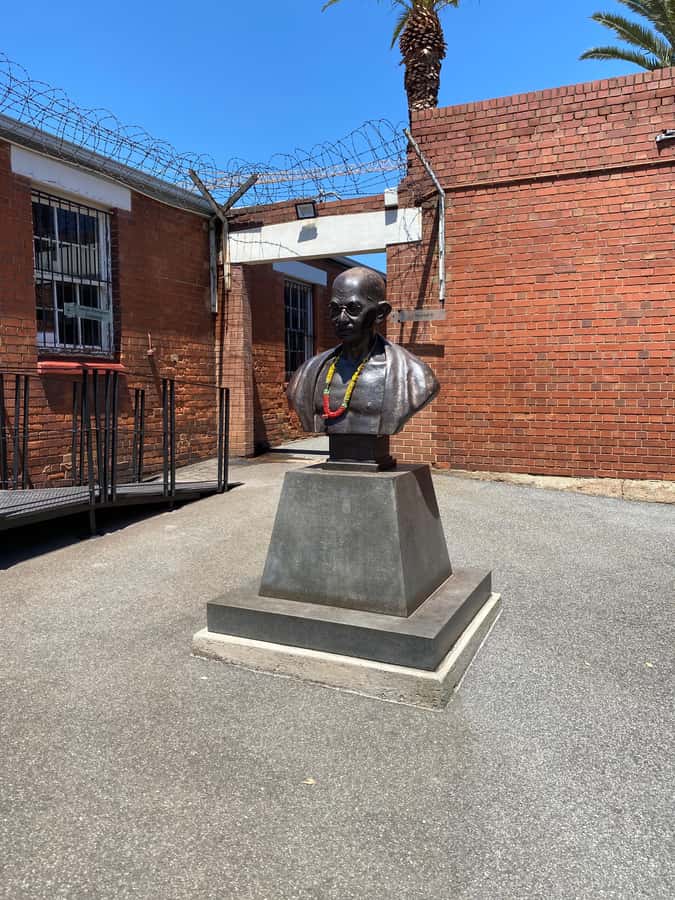
This is the kind of tour where you leave with more than photos. You get a framework for understanding South Africa’s apartheid system—how it worked, how people resisted, and how the country built new institutions afterward.
What makes it feel real is the sequencing. Constitution Hill gives you the legal and prison-side story. Then the tour drops you into Soweto, where Mandela House and the Hector Pieterson Memorial connect policy and power to lived experience. By the time you reach the Apartheid Museum, the exhibits make more sense, because you already met the names and places that shaped the timeline.
Yes, it’s a long day. But it’s also efficient. A full-time guide keeps you from getting lost in your own reading, especially if this is your first serious look at Johannesburg’s recent past.
You can also read our reviews of more tours and experiences in Johannesburg.


Hotel pickup, air-conditioning, and a clear 17H00 finish
The day starts with hotel pickup included, and you’re told to wait in the lobby about 15 minutes before the scheduled time. That matters in Johannesburg, where getting moving on time helps the whole plan.
Transportation is in an air-conditioned vehicle. In practice, that’s a big deal on a 10-hour day. You’ll likely do lots of short walks and then back into the car for the next stop, so cool air keeps you functional.
The tour ends at 17H00, with drop-off back at hotels in the Johannesburg area. If your evening plans depend on being on your own schedule, I’d keep them flexible.
Constitution Hill: the Old Fort prison and the Constitutional Court story
Constitution Hill is where the tour’s tone shifts from “city sights” to “this is what the system did.” You start at the Old Fort on the hill—built by President Paul Kruger in 1983, and later used as a prison in the early 1900s. You’re not just seeing a building. You’re seeing how power used space.
You also visit the Constitutional Court, a newer landmark inaugurated on March 21, 2004—South Africa’s Human Rights Day. That date detail matters because it gives you a before-and-after contrast: incarceration and control, followed by legal transformation and human-rights framing.
One reason I like this stop early: it gives you language for what you’ll see later. Soweto and the memorials hit harder when you already understand the system that created the violence.
Johannesburg CBD photo stops: quick looks, big meaning
After Constitution Hill, the tour drives through parts of the old inner city. The time here is shorter—think quick photo stops and sighting moments—so don’t expect a long walking tour.
You’ll see (or pass by) landmarks tied to Johannesburg’s modern identity and its layered past, including:
- Nelson Mandela Bridge (photo stop)
- Chancellor House and Newtown (photo stop)
- Gandhi Square (photo stop)
- FNB Stadium (photo stop)
These pauses are useful, even if brief. They help you connect the story to the map. Johannesburg isn’t just apartheid sites in isolation; it’s a city that continues to change, build, and rebrand itself.
If you’re a slow traveler who wants extra time on foot, you might wish the CBD portion were longer. Still, the trade-off is that the tour protects time for Soweto, Mandela House, the memorial, and the museum.
Soweto on the ground: towers, guided streets, and respectful pacing
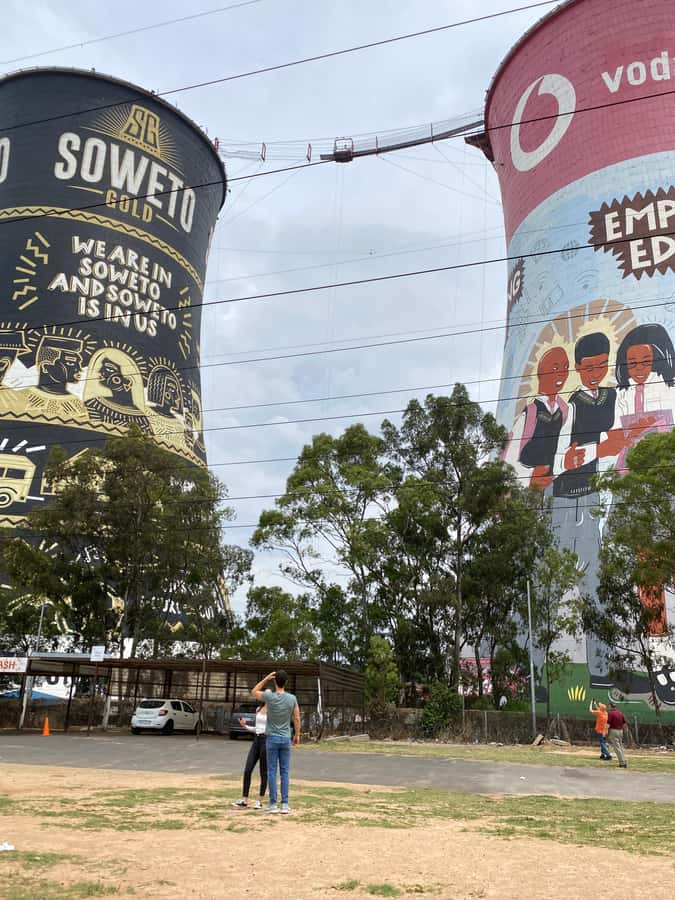
Soweto is the heart of the day, and the tour gives it real guided time—about two hours. You also get a photo stop with free time around the Soweto Towers.
This is one of the stops where a good guide makes a major difference. The better guides (including names that come up often like Advice, Bob, John, and Masese) don’t treat Soweto like a theme park. They keep the focus on context: why these places matter, what changed over time, and what life in Soweto looks like today.
You’ll also pass by key landmarks like Tutu House. The tour doesn’t linger forever, but it flags the names so later stops hit with more meaning.
My practical advice: stay with the group, keep your questions respectful, and don’t try to shortcut the guide’s pacing. This kind of visit works best when you’re present and thoughtful—not when you’re trying to “do it fast.”





Lunch break in Soweto: good to refuel, not included in the price
You’ll have a lunch stop at a local Soweto restaurant for about an hour. Sampling local food is part of the experience, and many people seem to find this break a welcome reset after heavier museum-style content.
Here’s the key detail: food and drinks aren’t included. So bring some spending money for lunch and water.
This matters for value. The tour price covers the guided visits and the ticketed sites, but it doesn’t cover your meal. If you’re budgeting carefully, plan for lunch costs separately.
Mandela House: the names, the years, and why the visit lands
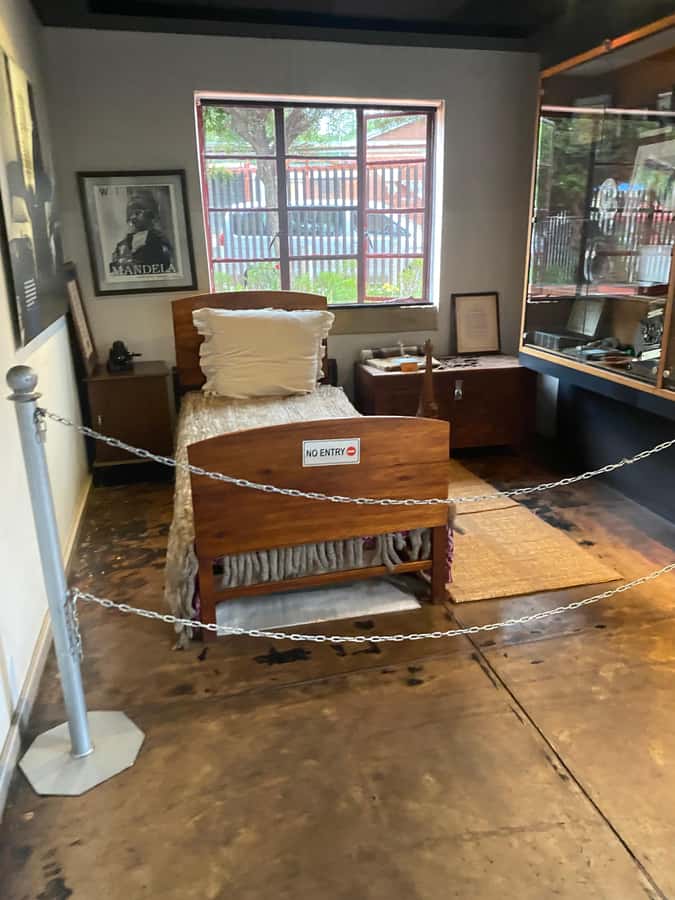
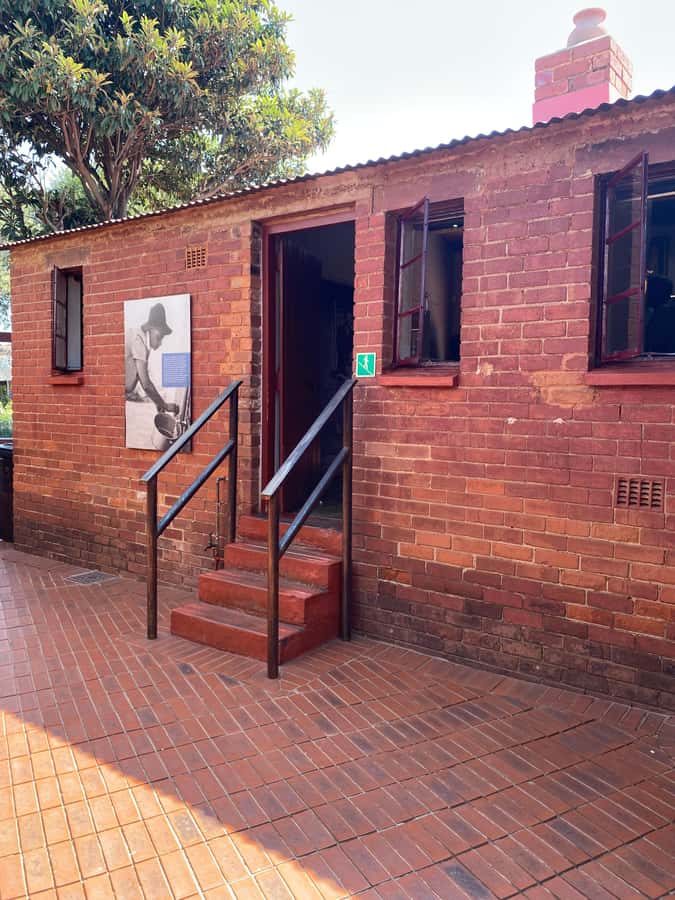
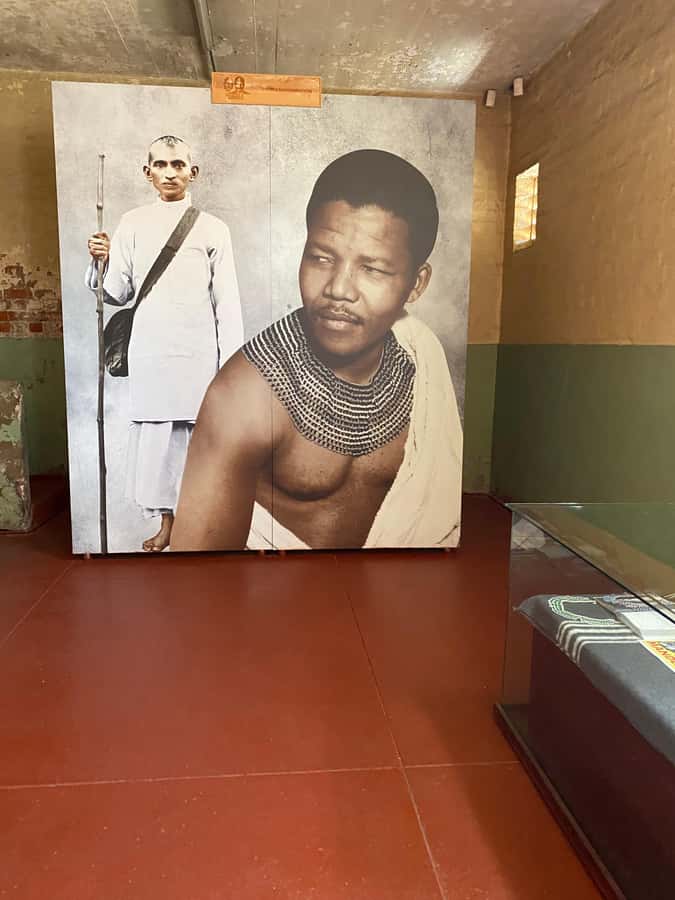
One of the most emotional parts of the day is the guided visit to Mandela’s House in Soweto. You get around 25 minutes inside with a guide.
This stop works because it’s specific. You’re not learning Mandela as an abstract symbol. You’re being shown the place tied to his life during 1946 to 1962, the years when anti-apartheid activism was escalating and the stakes were deadly.
Even better, the tour positions Mandela House right after Soweto context and memorial framing, so it doesn’t feel disconnected. You see the fight, then you see where a leader lived during a critical era.
If you’re the type who loves stories with dates and a sense of timeline, this is your moment. If you’re the type who prefers quick photo stops, you may feel 25 minutes is short. I’d still treat it as a high-impact stop, not a sightseeing checkbox.
Hector Pieterson Memorial: remembering June 16, 1976 in place
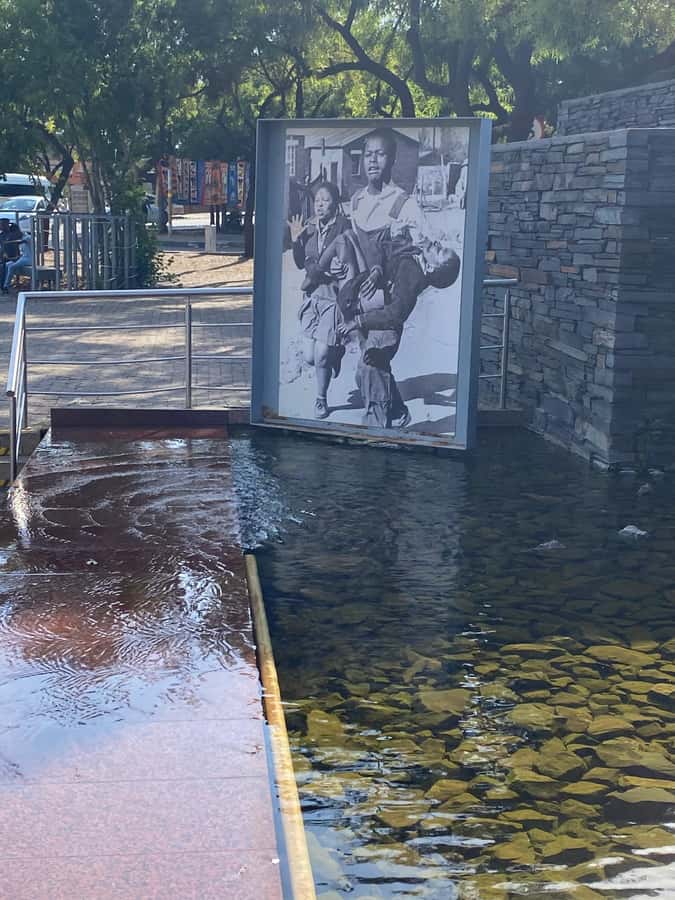
Next up is the Hector Pieterson Memorial, with a guided visit of about 20 minutes. This site focuses on preserving the memory of the 1976 Soweto uprisings.
Why it matters: June 16, 1976 isn’t just a date on a worksheet. It’s tied to youth resistance and the way apartheid’s violence met organized protest. This memorial keeps that connection alive by anchoring the story in a physical place.
The guidance here also helps you avoid the common trap—turning tragic history into vague sadness. The best guides keep it factual and respectful, so you understand what happened and why it changed the national conversation.
This stop can feel intense. Give yourself a moment after you exit to breathe, look around, and let it settle. Your next stop—the Apartheid Museum—will make even more sense when the memorial is still fresh in your head.
Apartheid Museum: the system explained, with a guided path
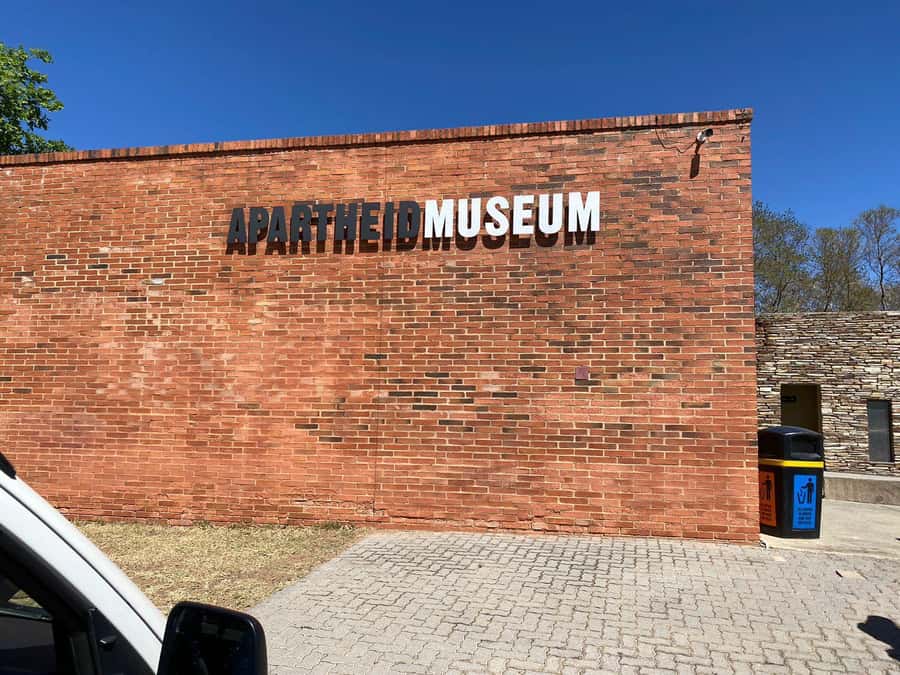
The Apartheid Museum is where the tour ties everything together. You’ll enter with a guided experience, including a guided walk and about two hours total time inside.
What I like about this museum experience is that it’s structured for meaning. You start with the rise and fall of apartheid—the racial segregation system that remained in force until the early 1990s. Then you work through the human side: life under apartheid, political executions, and major turning points like:
- June 16, 1976
- Mandela’s release from prison
- his election as South Africa’s first black president
The goal isn’t only to show suffering. The museum’s narrative also moves toward healing and democracy. The guide’s role is important here: they help you connect exhibits without rushing, and they keep you from getting stuck on just one theme.
Also, the museum timing matters. Spending too little time here leaves you with impressions but not understanding. Spending too long without guidance can turn it into information overload. This guided schedule hits a middle ground.
Price and value: what $104 covers for 10 hours
At about $104 per person for a 10-hour day, you’re paying for more than transportation. Your ticket price includes:
- hotel pickup and drop-off
- air-conditioned vehicle
- a guide
- entry tickets for the Apartheid Museum
- entry tickets for the Hector Pieterson Memorial
- entry tickets for the activities on the route
That’s the value equation. You’re not just buying admission. You’re buying time with a guide and a plan that strings together several major sites without you needing to coordinate each stop.
Is it expensive compared to hopping in a taxi yourself? Sure, maybe. But it’s cheaper than trying to assemble this day piece-by-piece, especially if you also want the museum and memorial explanations that make the visits click.
Who should book this tour—and who should think twice
This tour is a great fit if:
- you want a first solid overview of apartheid-era South Africa in one day
- you care about context, dates, and connecting places to people
- you like guided history that respects the weight of the subject
You might think twice if:
- you hate long days (it runs until 17H00)
- you need gentle pacing due to emotional sensitivity
- you’re traveling with needs that make structured walking and memorial time hard (it’s not suitable for pregnant women)
And a small but practical point: you’ll do a mix of short walks, guided stops, and car rides. Comfortable shoes help more than you’d think.
A final reality check before you commit
If your goal is one Johannesburg day that covers the big anchors—Constitution Hill, Soweto, Mandela House, Hector Pieterson Memorial, and the Apartheid Museum—this tour is a smart use of limited time.
Just go in ready for heaviness. Bring water, plan for lunch spending, and keep expectations realistic about time at each stop. Some segments are brief by design, but the guided time in the most important places is where the day earns its value.
Should you book this Johannesburg history tour?
I’d book it if you want structure, context, and guided visits to the sites that define South Africa’s recent history. The price is reasonable for a full day with a guide and ticketed entries, and the route is set up so later stops make earlier ones feel clearer.
Skip it only if you want a relaxed sightseeing day or you’re not comfortable with emotionally heavy material. For most people, this is the kind of day that stays with you—in the best way.
FAQ
How long is the Johannesburg full-day tour with Soweto and the Apartheid Museum?
It lasts 10 hours.
Does the tour include hotel pickup and drop-off?
Yes. You’re picked up from your hotel and dropped back after the tour ends.
What time does the tour end?
The tour ends at 17H00, then drop-off to your hotel happens after that.
What attractions are included with entry tickets?
The price includes the Apartheid Museum entry ticket and the Hector Pieterson Memorial entry ticket, plus entry tickets for the activities on the route.
Is lunch included?
No. Food and drinks are not included. There is a lunch break at a local Soweto restaurant, but you pay for what you choose.
What languages are the guides?
The tour is guided in French and English.
Is the tour suitable for pregnant women?
No, it’s not suitable for pregnant women.
Are alcohol and drugs allowed during the tour?
No. Alcohol and drugs are not allowed.
Is there free cancellation?
Yes. You can cancel up to 24 hours in advance for a full refund.
Can I pay later?
Yes. The option is reserve now & pay later, which means you can book and pay nothing today.