REVIEW · CAIRO
Private tour: GIza Pyramids, Memphis City & Sakkara Pyramid
Book on Viator →Operated by EMO TOURS EGYPT · Bookable on Viator
One day, and Egypt’s ancient headlines. This private route strings together Giza, Saqqara, and Memphis with smooth hotel transfers and the option to upgrade for a guide and entry fees. It’s built to help you see the big moments without doing mental math on transport times and ticket rules.
What I like most is the mix of first-class monument stops and smaller Old Kingdom corners. You get real time at the big Giza complex (including the Sphinx and valley temple area) and then a full Saqqara segment with the Step Pyramid, plus extra structures like Teti and the Mastaba of Ti. I also like that bottled water and private car/driver are included, so the day stays focused on history instead of logistics.
One consideration: the experience can include souvenir or government-style shopping stops (perfumes, papyrus, cotton, rugs), and the value depends on how much you want that. Also, like any Egypt tour, the quality can hinge on your specific guide—some names in the feedback (Hazem, Heba, Hazim, Mohammed, Ahmed Brakat, Tigo, Osama) show how much the day can vary.
In This Review
- Key things to know before you go
- A private Cairo day built around Giza, Saqqara, and Memphis
- Price and what you’re really paying for
- The 8:00 am flow and how timing affects your experience
- Giza Plateau: Great Pyramids, valley temple area, and the Sphinx close-up
- Khufu, Menkaure, and Khafre: small time blocks, big impact
- Saqqara Step Pyramid: the evolution story you can actually see
- Memphis: Ramses II and the Alabaster Sphinx
- Extra Saqqara stops: Unas replica, Teti, and the Mastaba of Ti
- The optional upgrade stops: perfume, papyrus, cotton, and rugs
- Lunch and the common value check
- The real star: your guide and how to choose well
- Should you book this private tour?
- FAQ
- What’s included in the private tour package?
- Is there a guide included?
- Are entry fees included?
- What time does the tour start?
- How long is the full day tour?
- Does the tour include lunch?
- Does the tour offer pickup from hotels in Cairo or Giza?
- Is this tour private or shared?
- Are there souvenir or shopping stops during the day?
- Is there a cancellation option?
Key things to know before you go
- Private group comfort: This is a true private tour, so you’re not squeezed into someone else’s pace.
- All-in-one highlights day: Giza pyramids first, then Saqqara and Memphis—ideal if you only have one day in Cairo.
- Upgrade choices affect the real cost: Guide, entry fees, and lunch can be added depending on your option.
- Shopping stops are part of the schedule: You’ll likely stop for papyrus making, cotton products, and rug weaving—fine if you like it, annoying if you don’t.
- Your guide makes or breaks the explanations: The best days had guides like Hazem and Ahmed Brakat; weaker days cited in feedback involved guides who didn’t explain much.
- Go early for easier security: One guide in feedback (Hazem/Hazim) specifically helps with security and queues.
A private Cairo day built around Giza, Saqqara, and Memphis
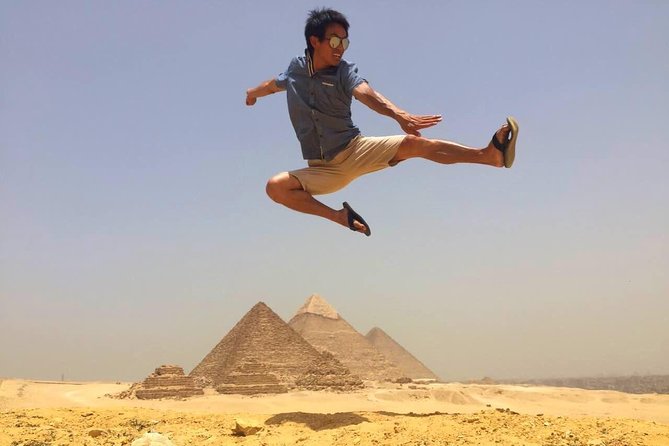
If your trip is short, this is the kind of day plan that saves you from decision fatigue. You’re covering Egypt’s classic pyramid story in sequence: the plateau at Giza, the burial world at Saqqara, then the political heart at Memphis. It’s not just a photo run. The schedule is designed to let you look at the structures, then connect them with context.
Your day starts at 8:00 am, with hotel pickup in Cairo or Giza. From there, the tour is paced across multiple sites, with short blocks of time at each major stop. In practice, that usually means you’ll get enough time to see the key angles you care about—then you’ll move on before the day overheats or crowds spike.
And because you’re in a private car with a driver and bottled water included, you’re not stuck waiting for group transit. You also have the flexibility to request small adjustments if traffic slows things down.
You can also read our reviews of more tours and experiences in Cairo.

Price and what you’re really paying for
The listed price is $8 per person, but the day’s total value depends on what’s included in your selected option. The tour is set up as a modular package: you can book a car and driver only, or upgrade to add a private guide, entry fees, and lunch.
Here’s how I’d think about it:
- If you already have a strong interest in pyramids and you can navigate on your own, the driver-only setup can still be practical. You’re guaranteed the transfer and a protected route.
- If you want the day to feel like a story—what to look at, why the Sphinx is where it is, how Saqqara fits into the pyramid evolution—you’ll get much more from upgrading to a private guide.
Bottled water is included, but entries and lunch aren’t automatically covered. That matters because pyramid tickets and on-site access can be the biggest “surprise” cost. In feedback, there were issues tied to entrance-ticket expectations, so it’s smart to confirm what your option includes before you arrive.
The 8:00 am flow and how timing affects your experience
This is an 8 hour 30 minute day. That sounds long, but Cairo driving time can be real. One of the best strategies is simply starting early, because security lines at the pyramids area can get painful later.
A guide named Hazem (and similar feedback mentioning Hazim) specifically helped with getting through security and queues faster. You can’t control the security situation, but a good guide can prevent a chunk of your day from evaporating.
In one case, the pickup moved later (around 11:00 am) due to a flight timing change. That kind of adjustment can be workable, but it may reduce how much time your guide can spend on explanations.
My practical takeaway: if your schedule is tight, share it early. If you need a later pickup, ask the operator what that does to time at Giza versus Saqqara.
Giza Plateau: Great Pyramids, valley temple area, and the Sphinx close-up
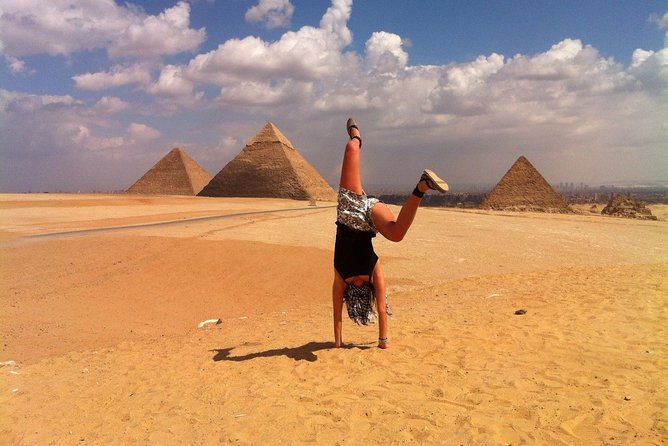
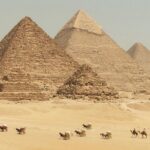
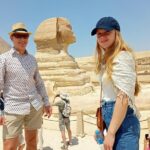
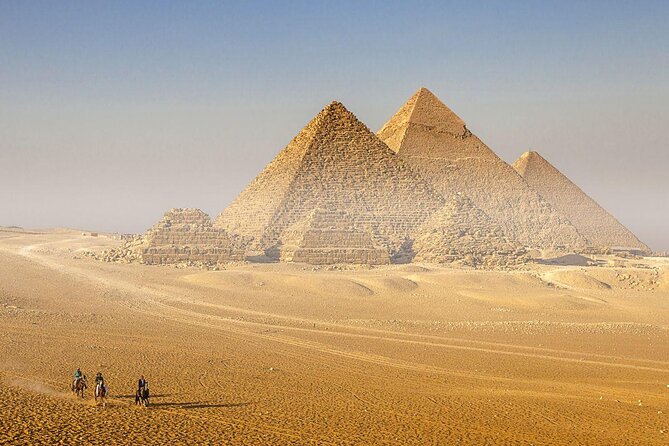
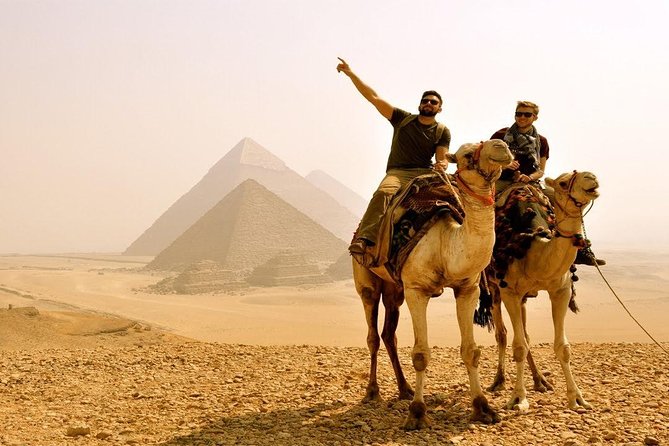
Your first major block is the Giza Plateau. This is where you’ll see the classic lineup: Cheops (Khufu), Chephren (Khafre), and Mykerinos (Menkaure). You’ll also spend time at the valley temple area—described as a place associated with mummification rites tied to King Chephren—and get a close-up look at the Sphinx, with its lion body and the head of the king.
This is the stop that most people imagine when they think about Egypt: massive stone forms, close views, and that eerie feeling of walking near something that’s still standing after thousands of years. If your goal is photos plus context, this is also the stop where a guide’s storytelling helps the most.
One thing to notice: the itinerary suggests about one hour at this first plateau area, with the admission ticket listed as free for the basic area at that point. That usually means you’ll want to prioritize what you care about before you get herded into a fixed order.
If you’re traveling with kids (one family did, with a guide named Heba), shorter moments with photo help can be a win. The feedback praised patience and flexibility when plans needed to shift for lunch.
Khufu, Menkaure, and Khafre: small time blocks, big impact
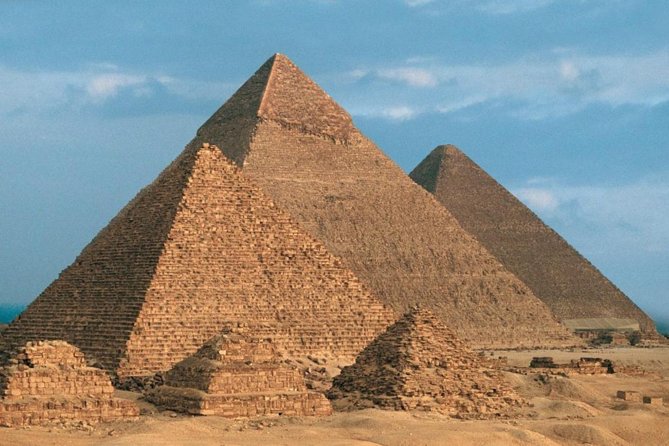
After the plateau introduction, you move into focused pyramid complexes:
- Great Pyramid of Cheops (Khufu): about 1 hour, and this stop lists entry as not included.
- Pyramid of Menkaure: about 30 minutes, also not included.
- Khafre’s Pyramid: about 30 minutes, also not included.
- The Great Sphinx: another 30 minutes block.
Why this matters: those short time windows can feel like a sprint if your expectations are museum-style. But if you use that time well—look for alignment, compare the different pyramid sizes, and pay attention to the surrounding temple spaces—you still come away with real understanding of how the plateau works as a whole.
In feedback, guides like Mohammed and Hazem were praised for photos and for moving the day smoothly even with busy roads. That’s useful because the pyramids area isn’t just a landmark—it’s a working site with queues, security, and crowd flow.
If you want maximum explanation time, upgrading to a guide can help ensure the time at each complex doesn’t turn into passive wandering.


Saqqara Step Pyramid: the evolution story you can actually see
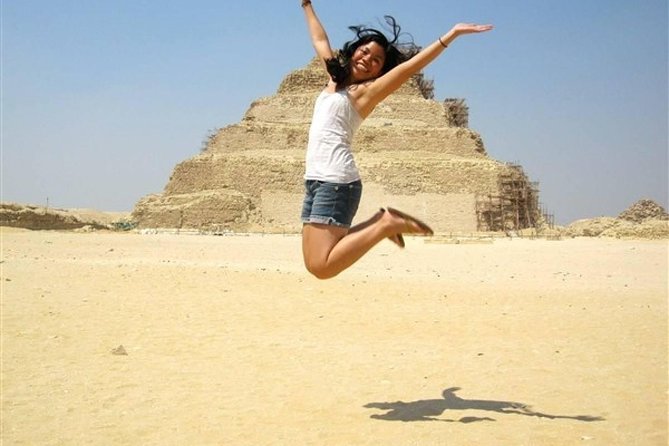
Then you’re heading to Saqqara (Sakkara), about 27 km southwest of Cairo. Here you get a longer 2-hour segment centered on the Step Pyramid built for King Zoser.
This is where the pyramid story becomes less about one monument and more about how the idea evolved. The Step Pyramid is presented as a key step from simpler mastabas to the familiar pyramid form. In plain terms: Saqqara helps you understand the “how did they get there?” question.
Saqqara is also a different vibe than Giza. The crowds often feel less intense, and you can spend more time looking at the structure from multiple angles. That’s a good place to slow down and read the guide’s explanations, because this is where “why it looks like that” clicks.
Memphis: Ramses II and the Alabaster Sphinx
Next comes Memphis, described as an ancient capital dating back to 3100 B.C. You’ll see:
- a colossal statue of Ramses II
- the great Alabaster Sphinx
This stop works best if you’re interested in how power and religion shaped Egypt’s cities, not only the tomb architecture. Giza and Saqqara are funerary worlds; Memphis is the lived-in administrative center.
Even with only about 1 hour here, it can add an important layer: pyramids aren’t isolated achievements. They connect to kings, cities, and state traditions.
Extra Saqqara stops: Unas replica, Teti, and the Mastaba of Ti
After Memphis, the route includes additional Old Kingdom stops:
- Pyramid of Unas replica (about 30 minutes)
This is described as a replica meant for home decor and collectors. Think of it as a “look and photo” stop rather than a major original monument moment.
- Pyramid of Teti (about 30 minutes)
You’ll visit the final resting place of Pharaoh Teti, with time to explore chambers and corridors as available.
- Mastaba of Ti (about 30 minutes)
This is described as one of the important archaeological sites at Saqqara, discovered by Auguste Mariette, and including serdabs and scenes of everyday life on tomb walls.
These extra blocks are short, but they can change the feel of the day. If you only see the headline Step Pyramid and then rush away, you might miss how much Saqqara contains beyond the star attraction.
One caution: if you don’t care about replicas or smaller structures, you might feel time pressure. The flip side is that these are often the stops where a good guide can point out details you wouldn’t notice alone.
The optional upgrade stops: perfume, papyrus, cotton, and rugs
A big piece of the schedule includes government-style souvenir stops where you’ll see and shop things like:
- Paradise perfumes palace and Flower cotton store
- Key of Life Papyrus (including watching papyrus making and traditional artwork)
- Handmade Carpets, tied to a local weaving school
These are presented as organized stops, with “about 20-minute stops at each location.” That can be fun if you like crafts, watch the process, and want a realistic souvenir. It can also feel like a commission loop if you’d rather spend that time walking the temples or sitting in the shade.
My practical approach: treat them like planned rest breaks. If you want to buy, only do it when it genuinely interests you. If you hate sales pressure, prepare yourself for how the day is structured. In feedback, many guests said they found some of these stops enjoyable; others said they could have done without them.
This is also where ticket and lunch “surprises” can happen, so it’s smart to stay calm and ask direct questions about what’s included before you commit.
Lunch and the common value check
Lunch is listed as optional and tied to local restaurants, with koshari mentioned. Some upgraded packages include lunch, but feedback included at least one case where a surprise charge appeared during lunch.
So here’s the value-check I’d do for you: if your option says lunch is included, confirm whether it covers a specific meal price or includes extras. Ask before ordering so you’re not making choices under pressure.
If you skip lunch, the day can still work. One person in feedback said they passed on lunch due to a shortened time span and wanted to keep the day for pyramids.
The real star: your guide and how to choose well
The biggest pattern in the feedback is simple: the best days had a guide who explained clearly and paced the day well. Names praised included Hazem, Heba, Mohammed, Ahmed Brakat, Tigo, and guides tied to smooth experiences with drivers like Abdul and Kerim.
Not every day hit that mark. Some feedback mentioned a guide who didn’t explain much, another who seemed inexperienced, and one case that complained about a strong accent affecting communication. There were also complaints about wrong information related to entrance tickets and a guide pushing fees like a parking charge.
So how do you protect yourself?
- If upgrades include a guide, pick an option that clearly includes one.
- When you meet your guide, ask what you’ll focus on at each site and whether entry fees are handled by the operator.
- If you have dietary needs or strong preferences (less shopping, more monument time), state it early.
A great guide doesn’t just provide facts. They help you see what matters in the limited time you have.
Should you book this private tour?
Book it if you want one structured day that hits Giza + Saqqara + Memphis with hotel pickup and private comfort. It’s a strong choice for first-timers who want the “big three” pyramid sites without juggling taxis, ticket windows, and navigation.
Skip or rethink it if:
- you hate shopping stops and want pure monument time only
- you’re very sensitive to guide quality and communication
- you assume lunch and entry fees are fully included when choosing a low base price
If you do book, my advice is to upgrade to include a private guide if your budget allows, and to confirm what’s covered for entry fees and lunch. If you’re flexible and you like seeing Egypt as a full system—kings, tombs, cities, and craft traditions—this is the kind of day that turns into a real memory, not just a checklist.
FAQ
What’s included in the private tour package?
Hotel pickup and drop-off, a private tour, and bottled water are included.
Is there a guide included?
A guide is optional and depends on the tour option you choose.
Are entry fees included?
Entry fees are optional. Admission is described as not included for several pyramid stops, and ticket access can be basic area only depending on the option.
What time does the tour start?
The start time is 8:00 am.
How long is the full day tour?
It runs about 8 hours 30 minutes.
Does the tour include lunch?
Lunch is listed as optional, with local restaurant lunch (koshari) mentioned as an option.
Does the tour offer pickup from hotels in Cairo or Giza?
Yes, pickup and drop-off are offered from your hotel in Cairo or Giza.
Is this tour private or shared?
It’s private. Only your group participates.
Are there souvenir or shopping stops during the day?
Yes. The schedule includes stops connected to perfumes, papyrus making, flower cotton, and handmade carpets, with about 20-minute stops noted for these.
Is there a cancellation option?
Yes. Free cancellation is available up to 24 hours in advance for a full refund.