REVIEW · CAIRO
Cairo: Pyramids, Sakkara & Memphis Tour with Lunch
Book on GetYourGuide →Operated by Emo Tours Egypt · Bookable on GetYourGuide
Pyramids and temples, packed into one day. I like the private A/C vehicle approach because Cairo’s heat can be brutal, and the day stays comfortable between stops. I also love that you get guided photo help while you’re at the big moments, which saves you from playing tourist photographer for hours. One thing to weigh: the schedule can include extra shopping stops (perfume and papyrus), so if you want pure archaeology time only, you’ll want to go in with eyes open.
You’ll start with hotel pickup in Cairo or Giza, then hit Giza’s main sites—Great Pyramids, the Sphinx area, and the Valley Temple—before heading to Sakkara and finishing in Memphis. Guides like Khalaf and Mahmood get praised for making the history click fast, and people mention they felt safe and well taken care of in the car, even on busy streets. If you’re sensitive to long days, note that a few guests say parts of the timing can feel a bit rushed, especially early on.
In This Review
- Key Things I’d Prioritize in This Tour
- How the 8-Hour Cairo Classic Really Feels
- Giza Pyramids and Valley Temple: Where the Day Finds Its Rhythm
- Sphinx at Close Range: Tips for Not Rushing the Best Moments
- Sakkara Step Pyramid: The Evolution Stop You’ll Be Glad They Included
- Memphis After the Pyramids: A Quieter Ending with Real Character
- Lunch, Photos, and the Real-World Timing
- Group vs Private in the Cairo Heat: Pick the Style That Fits You
- Price Value at $60: What You’re Getting for Your Money
- Practical Tips: Shoes, Hats, No Tripods, and How to Be Comfortable
- Who This Tour Fits Best (and Who Might Want Something Else)
- Should You Book the Cairo: Pyramids, Sakkara & Memphis Tour?
- FAQ
- What places does this tour visit?
- How long is the tour?
- How much does it cost?
- Is lunch included?
- Are entry fees included?
- Do I get a guide and in what languages?
- Is pickup available, and where?
- Do you skip the ticket line?
- Is a tripod allowed?
- What should I bring?
- What happens if I’m late for pickup?
Key Things I’d Prioritize in This Tour
- A/C comfort between major monuments so your day doesn’t collapse into a sweaty transit slog
- Giza + Sphinx + Valley Temple + Sakkara + Memphis without wasting time going back and forth
- Guide-led photos so you leave with actual images, not just blurry phone snaps
- Skip-the-ticket-line at the major sites to keep momentum
- Lunch included (often described as buffet/BBQ-style, depending on the stop)
How the 8-Hour Cairo Classic Really Feels
This is an 8-hour, full-day loop designed for maximum ancient Egypt per unit of time. You’re picked up from your hotel (Cairo or Giza) and moved in a modern, air-conditioned vehicle, which matters a lot because the monuments are spread out and the weather can drain you fast.
You also have two ways to book: private tour or group tour. On group departures, there can be a pickup/meeting wait period of about 15–30 minutes, and the group may use two meeting points (Ramses Hilton in downtown Cairo and Giza Pyramids View Inn). In practical terms, private feels smoother if you like a tight schedule; group can be great for value if you don’t mind a little delay.
The tour finishes back at your hotel, so you’re not left arranging taxis after a long day. That sounds small, but it’s the difference between relaxing at the end of the pyramids day versus negotiating transport when you’re already tired.
You can also read our reviews of more tours and experiences in Cairo.


Giza Pyramids and Valley Temple: Where the Day Finds Its Rhythm
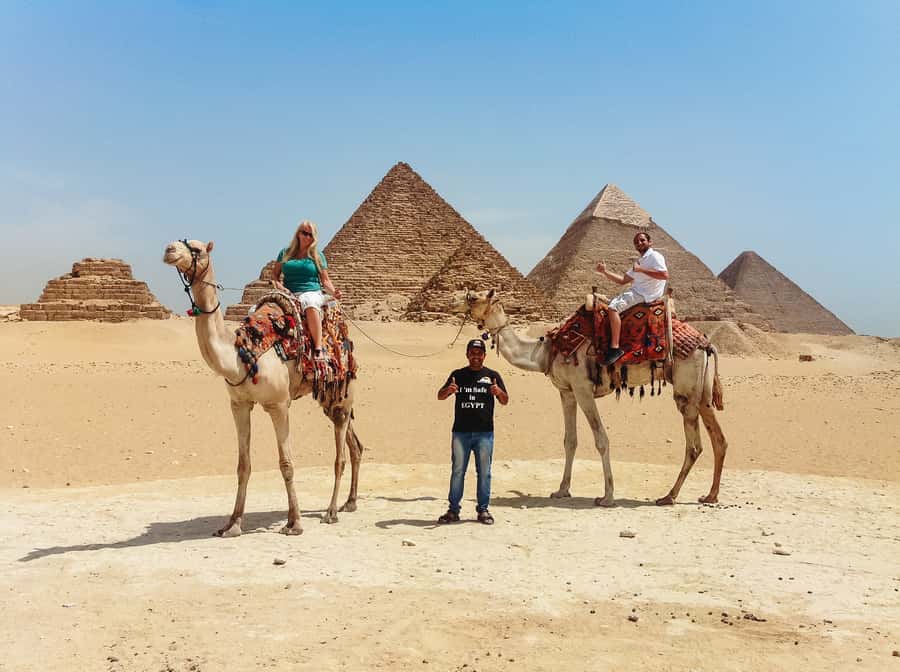
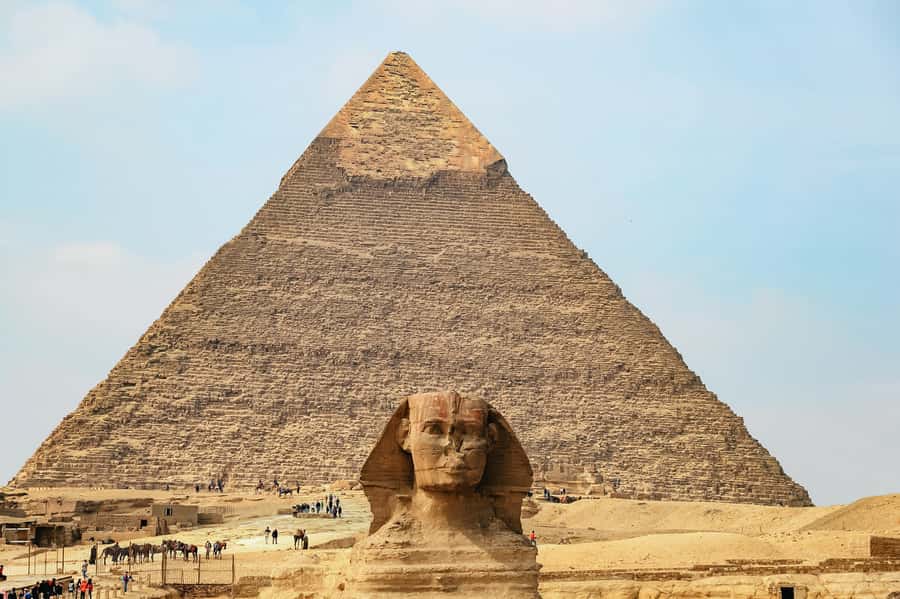
Giza is the headline, and the tour covers the big trio: the Great Pyramids of Cheops, Chephren, and Mykerinos. You’ll have guided time here (about 3 hours), which is usually enough to see the main views, take photos, and understand what you’re looking at without turning it into a speed run.
What I like about including the Valley Temple is that it changes how you think about the site. People often focus only on the pyramid shapes, but the Valley Temple context makes it feel like part of a whole process tied to royal power and funerary ritual. It’s also where you can get a close look at the broader complex—less just postcard pyramids, more how the ancient landscape worked.
If you’re hoping to go inside a pyramid: the tour includes entry fees, but some experiences at Giza can be add-ons depending on the exact option you choose. I’d ask your guide before the day starts so you don’t get surprised by any extra costs or time changes.
Sphinx at Close Range: Tips for Not Rushing the Best Moments
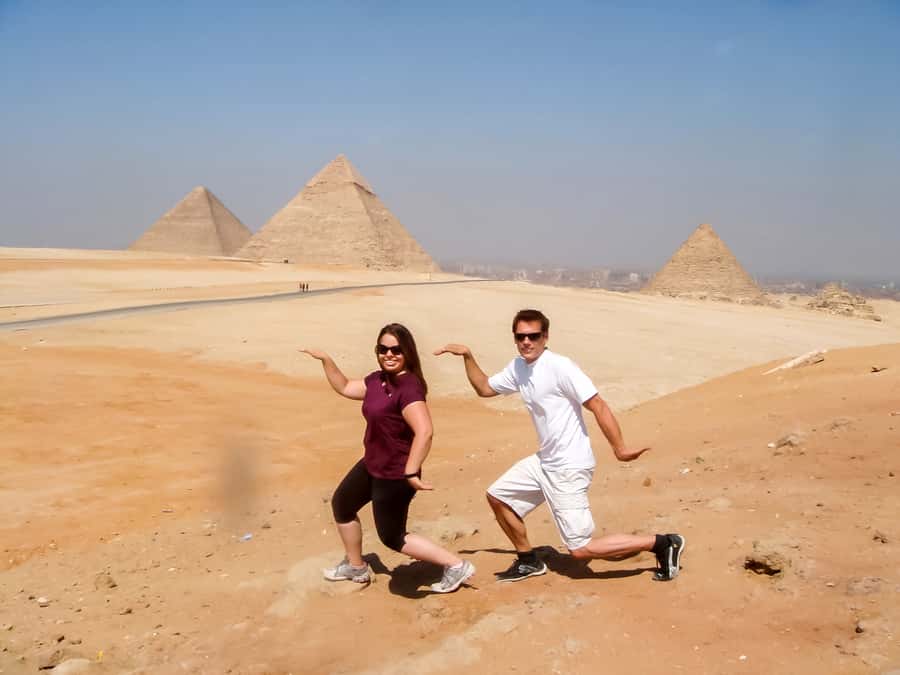
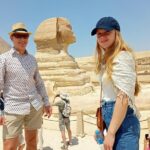
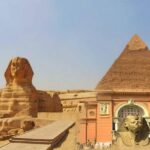
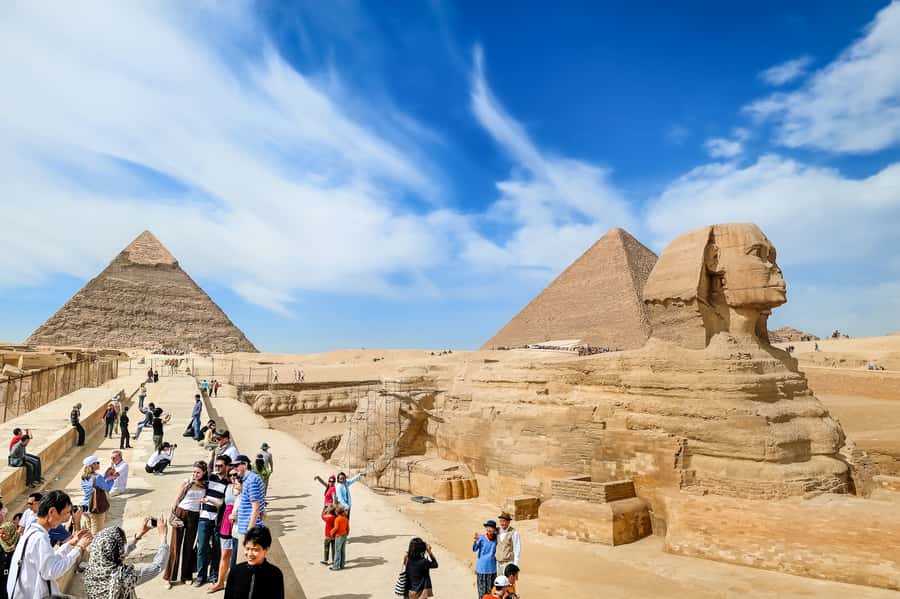
You’re set up to see the Sphinx in a way that feels closer than the usual distant-photo approach. The tour notes a stop where you can have a close-up look at the Sphinx, described as the legendary guardian with a lion body and a pharaoh’s head—associated here with King Chephren’s funerary complex.
Here’s the practical advice: don’t just photograph it head-on. Step a little around so you can see how the Sphinx sits with the temple layout behind it. When the guide explains the symbolism and the site connections, it turns the Sphinx from a single object into a piece of a larger story.
A lot of people also mention their guides were solid at photography. If you get a guide who does that well (examples from the tour’s feedback include Khalaf, Hazem, and Afifi), you can spend less time figuring out angles and more time looking.
Sakkara Step Pyramid: The Evolution Stop You’ll Be Glad They Included
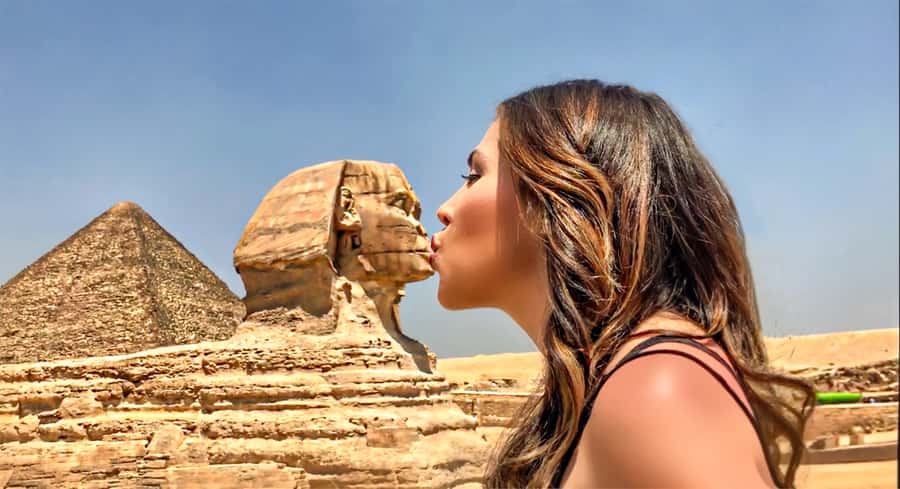
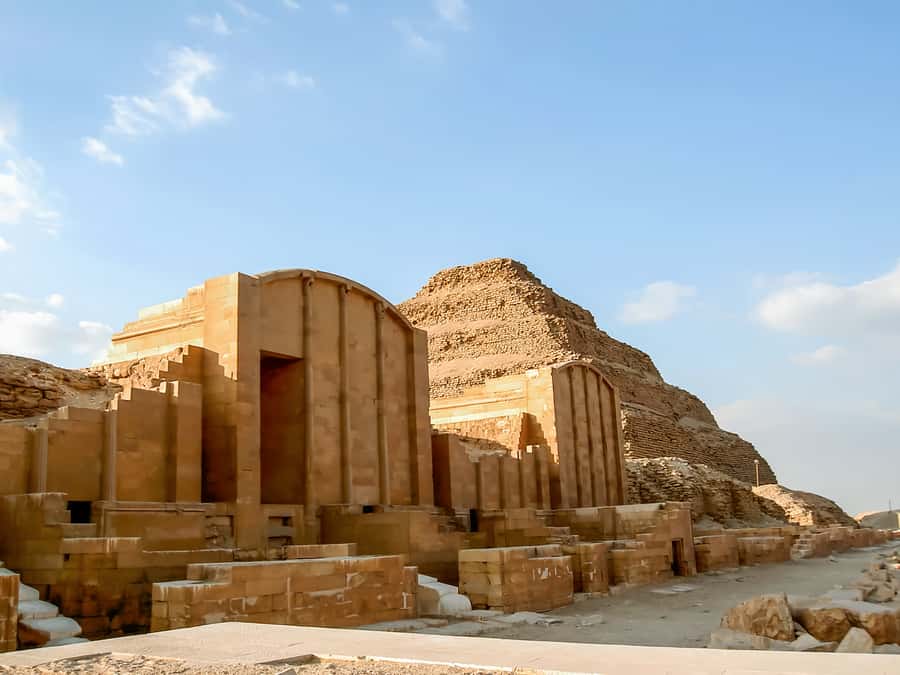
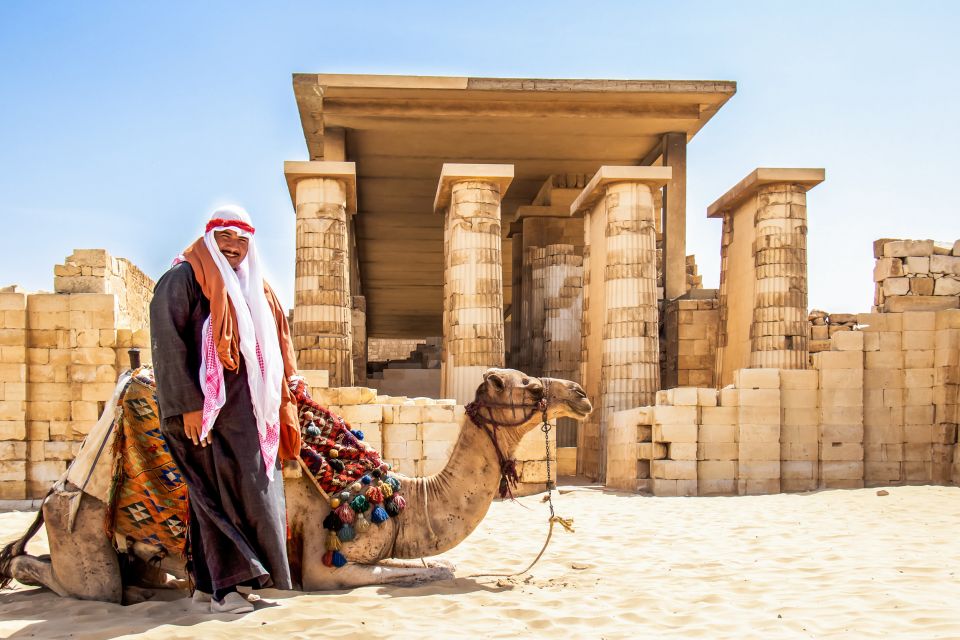
Sakkara is what makes this tour feel more than just a pyramids greatest-hits playlist. You’ll visit the Step Pyramid of King Zoser, and that’s important because it represents a turning point in pyramid evolution—from earlier mastabas toward the forms that become iconic at Giza.
The tour schedules about 1 hour here, which sounds short, but it’s usually enough to take in the key structure and walk around with a guide’s context. The Step Pyramid area is also one of those places where fewer crowds can make you slow down. If you’re someone who wants to understand how these monuments developed over time (not just stare at the final result), Sakkara is a strong payoff.
One more practical note: plan for heat and sun. Even if you’re moving quickly, Sakkara’s open areas can feel exposed. A hat and comfortable shoes aren’t optional—your feet and head will notice.
Memphis After the Pyramids: A Quieter Ending with Real Character
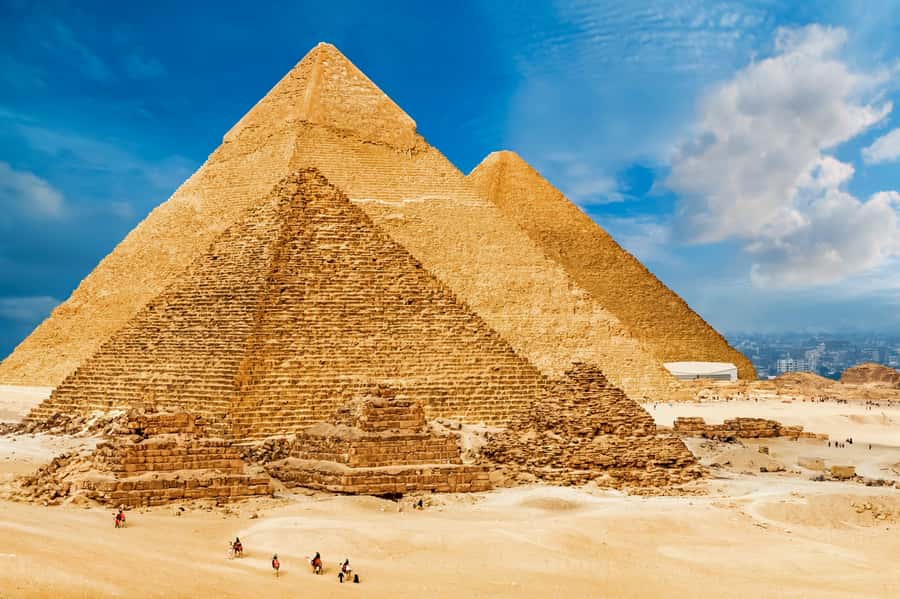
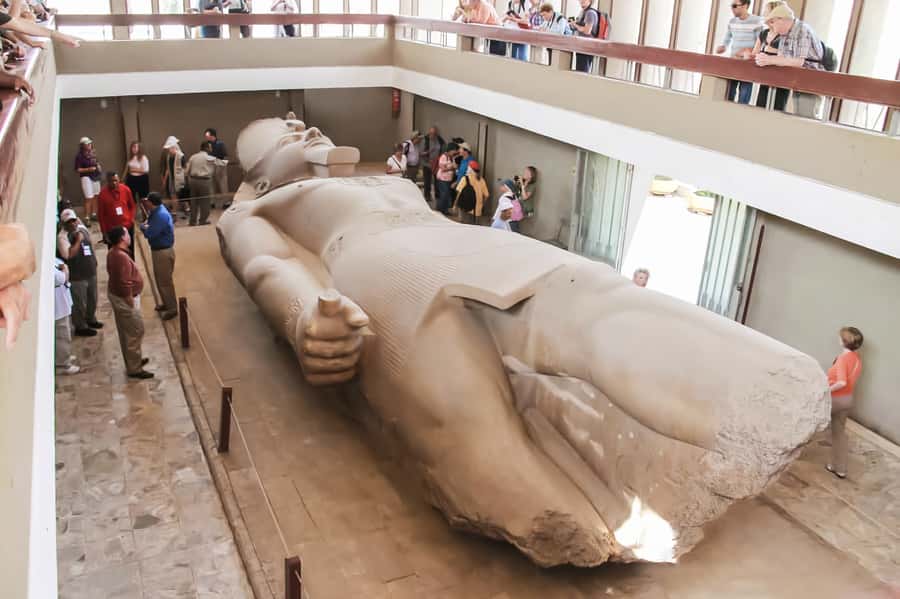
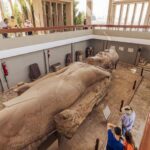
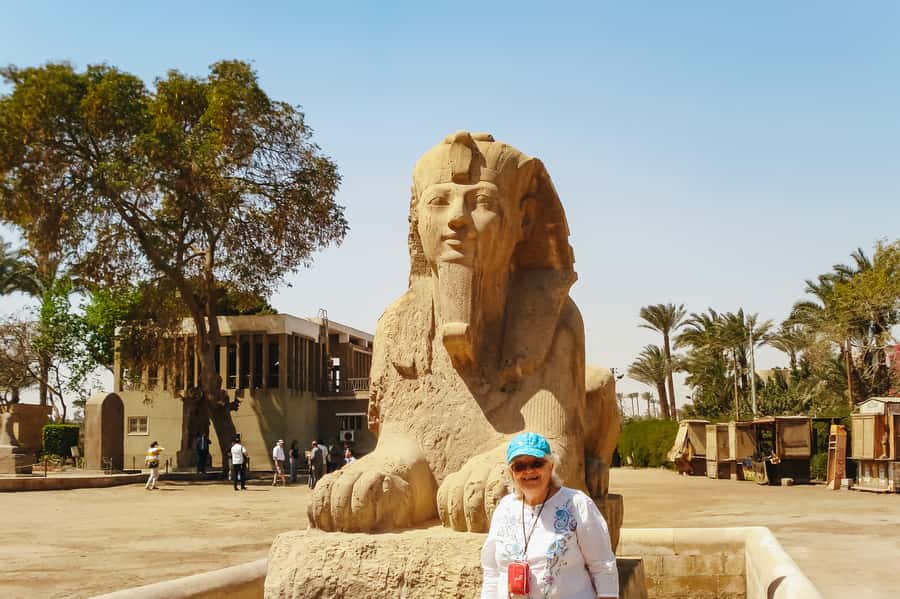
Memphis is the closer. You’ll spend about 2 hours in this ancient capital area, which dates back to around 3100 B.C. The most distinctive sights mentioned are the colossal statue of Ramses II and the Alabaster Sphinx.
Memphis can be a good breather after Giza’s big visual impact. It’s less about repeating the same pyramid angles and more about meeting Egypt’s history in a different setting. For some people, it’s the satisfying capstone; for others, it’s simply not as exciting as the pyramids day. Either way, it completes the arc from ancient builders to later rulers and their monuments.
If you want to make Memphis memorable, listen closely during the guide walk-through. The value here is in understanding how this city fit into Egypt’s political and cultural life, not just ticking off statues and museum displays.



Lunch, Photos, and the Real-World Timing
Lunch is included, and most of the feedback describes it as genuinely decent—often buffet-style, sometimes more barbecue-focused, and a few mention desserts as a highlight. People also point out the value of having food already organized, especially when the day starts early and the heat makes you lose focus if you’re hungry.
Still, timing matters. A couple of guests said lunch could land late, which can make the final hours feel longer and harder to concentrate through. That’s not a dealbreaker, but it’s why I recommend bringing a light snack even though lunch is included—something small you can grab if the day runs hot and you get hangry.
About photos: the tour specifically mentions professional photos taken by the guide. Many reviews also mention guides taking photos at each stop and helping solo travelers feel comfortable in busy areas. If you want more than basic snapshots, this is one of the tour’s best practical benefits.
Group vs Private in the Cairo Heat: Pick the Style That Fits You
Group tours can be a smart way to see a lot for a fixed price. The trade-off is timing: group pickup can involve a waiting period of about 15–30 minutes, and meeting points may split between downtown and Giza. If you’re staying near Ramses Hilton or Giza, that can be fine. If not, private often feels less stressful.
Private tours tend to work well if you want flexibility—slower pacing, more questions, or time to linger at the views. Reviews repeatedly mention guides who didn’t rush and were willing to adjust the route based on client needs, which is exactly the kind of quality you feel more clearly in a private setting.
One more consideration: the tour lists it as wheelchair accessible, but it also says it’s not suitable for people with mobility impairments. If mobility is a factor for you, confirm specifics with the provider before booking so you don’t end up with surprises at the sites.
Price Value at $60: What You’re Getting for Your Money
At $60 per person for an 8-hour day that covers Giza, Sphinx area, Sakkara, and Memphis (with guided time plus entry fees and lunch), this is positioned as strong value. The “value” part is not only the sights—it’s the structure:
- Private air-conditioned vehicle transfers (when you select that option)
- Entry fees
- Tour guide
- Lunch
- Bottled water
- Skip-the-ticket-line
That bundle reduces a lot of the friction that usually eats up your energy in Cairo. Instead of juggling tickets, transport, and navigation, you get a single plan and a driver who knows the pacing between sites.
What might cost extra: any optional activities not clearly included (some guests describe paying extra if they choose to enter a pyramid area). If you care about inside-access, ask your guide what’s included in your exact ticket choice so you can budget and time it properly.
Practical Tips: Shoes, Hats, No Tripods, and How to Be Comfortable
This is a practical tour, but your comfort still comes down to what you bring.
Bring:
- Passport or ID card (required)
- Comfortable shoes (you’ll walk more than you think)
- A hat (sun protection is real)
Not allowed:
- Tripods
Also, arrive ready for pickup. If the pickup is optional and you’re meeting at your selected time, the bus waits for a maximum of 15 minutes. That’s plenty if you’re on time, and stressful if you’re late—so set an alarm and add a buffer.
Finally, hydration matters even with bottled water provided. You’ll be outside at multiple sites, and Egypt’s heat can turn a long day into a short trip to exhaustion.
Who This Tour Fits Best (and Who Might Want Something Else)
This tour fits you if you want a “best-of” ancient Egypt day without losing time on logistics. It’s also a good match for solo travelers—many reviews mention solo travelers felt included and safe, partly because guides helped with both navigation and photo moments.
It’s also a strong choice if you like context, not just photos. Including Sakkara’s Step Pyramid and Memphis’s Ramses II area gives the day a fuller timeline, not only the final pyramid look.
You might want to look for a different option if:
- You hate shopping detours and want the entire day to focus on ruins
- You get easily worn down by long, hot days (some guests said parts felt a bit rushed or that lunch timing could be late)
- You need very careful mobility accommodations (given the accessibility notes that conflict)
Should You Book the Cairo: Pyramids, Sakkara & Memphis Tour?
Yes, if you’re short on time and want one organized day that hits the major ancient Egypt sites with guide support and lunch. The price-to-coverage ratio is good, the A/C transfers help a lot, and the guide photo service is one of those practical perks that makes the day feel complete.
I’d book with confidence if you can handle two realities: Cairo’s heat and the fact that some stops may include a perfume or papyrus shop. If you’re the type who wants pure archaeology time only, message the provider ahead of time and ask how flexible the schedule is at those stops.
If you do book, plan to wear your most comfortable walking shoes, bring a hat, and treat the guide’s explanations as part of the sightseeing. When you do, this tour becomes more than monuments. It becomes a clear story of how Egypt built power into stone.
FAQ
What places does this tour visit?
You’ll visit the Giza Pyramids (Great Pyramids of Cheops, Chephren, and Mykerinos), the Sphinx area and Valley Temple, Sakkara (the Step Pyramid), and Memphis (including the Ramses II statue and the Alabaster Sphinx).
How long is the tour?
The duration is listed as 8 hours.
How much does it cost?
The price is listed as $60 per person.
Is lunch included?
Yes, lunch is included.
Are entry fees included?
Yes, entry fees are included.
Do I get a guide and in what languages?
The tour includes a live tour guide, with languages listed as English, Spanish, German, Italian, and Arabic.
Is pickup available, and where?
Pickup is available from either Cairo or Giza. Group tour meeting points are listed as Ramses Hilton (downtown) and Giza Pyramids View Inn.
Do you skip the ticket line?
Yes, it’s listed as Skip the ticket line.
Is a tripod allowed?
No, tripods are not allowed.
What should I bring?
Bring a passport or ID card, comfortable shoes, and a hat.
What happens if I’m late for pickup?
The bus waits for a maximum of 15 minutes before departing, so you should be ready at the scheduled time.