REVIEW · CAIRO
Giza Pyramids, Memphis, Sakkara Tour
Book on Viator →Operated by Comfort Egypt Tours · Bookable on Viator
Giza, Memphis, and Saqqara in one focused day. What makes this tour click is the hotel pickup plus an Egyptologist who puts history into plain words as you move between Giza and the rest of the ancient sites. I also like that the big essentials are handled for you—entrance tickets are included—so you spend more time looking and less time figuring things out.
My only real caution is the included Cairo shopping stop: it can feel salesy, and that’s not everyone’s idea of fun. If that kind of stop annoys you, go in with a plan to browse only and keep your wallet closed.
In This Review
- Key things to know before you go
- Why this route makes sense: three sites, one day, less hassle
- Hotel pickup, private vehicle, and the Cairo shopping stop
- Entering Giza: the pyramids of Cheops, Chephren, and Mykerinus
- The Great Sphinx: why it was built and what it represented
- Saqqara’s Step Pyramid of Djoser: the oldest major stone structure feel
- Memphis open-air ruins: where Egypt ruled for centuries
- Lunch, water, snacks, and pacing on a long desert day
- The real difference-maker: an Egyptologist guide who explains at your level
- Optional add-ons and Cairo shopping: where value can slip
- Price and value: what $110 covers, and what it saves you
- Who this tour suits best (and who might want a different plan)
- Should you book this Giza, Memphis, and Saqqara tour?
- FAQ
- FAQ
- What sites will I visit on this tour?
- How long is the tour?
- Does the tour include hotel pickup and drop-off?
- Is transportation included?
- Do I get an Egyptologist guide?
- Is lunch included?
- Are entrance tickets included?
- Is this a private tour?
- Is tipping included in the price?
- What is the cancellation policy?
Key things to know before you go
- Hotel pickup and drop-off keep this day from turning into taxi math and lineup stress
- Tickets are included for the Pyramids and Sphinx, plus Saqqara and Memphis
- A real Egyptologist guide helps you connect what you see to what it meant
- Lunch, water, and snacks keep the desert pace more manageable
- Expect one Cairo shopping stop you can treat as optional in spirit
Why this route makes sense: three sites, one day, less hassle
The Giza area is famous for a reason, but it’s not the whole story of ancient Egypt. This tour bundles Giza with Saqqara and then loops over to Memphis, so you see how royal power looked in different places and different eras.
You also avoid the usual independent-travel headache: taxis, getting the right entrances, and trying to time it all. The tour uses an air-conditioned private vehicle with pickup and return from your Cairo or Giza hotel, which matters more than you’d think when the day is long and the heat can start early.
At $110 per person, the value is strongest if you’d otherwise pay for a guide plus transport plus separate entry tickets. Even if you’re comfortable navigating Cairo on your own, the time saved can be the difference between a rushed checklist and a day that actually feels like you understand what you’re seeing.
You can also read our reviews of more tours and experiences in Cairo.


Hotel pickup, private vehicle, and the Cairo shopping stop
One of the most practical parts here is the door-to-door service. You get pickup from your hotel and return at the end, with transfers by air-conditioned private vehicle. That’s a big deal in Cairo because travel time and traffic can be unpredictable.
You’ll also have time built in for lunch and then a shopping trip in Cairo. Shopping stops vary wildly by company and by guide, but you should assume the goal is sales. If you want souvenirs, look with a clear spending cap. If you don’t, treat it like a quick break from walking and keep moving politely when sales talk starts.
A small note for expectations: this is described as a private tour/activity, meaning it’s just your group rather than shared with strangers. That can make questions easier and keep the pacing closer to what your group needs.
Entering Giza: the pyramids of Cheops, Chephren, and Mykerinus
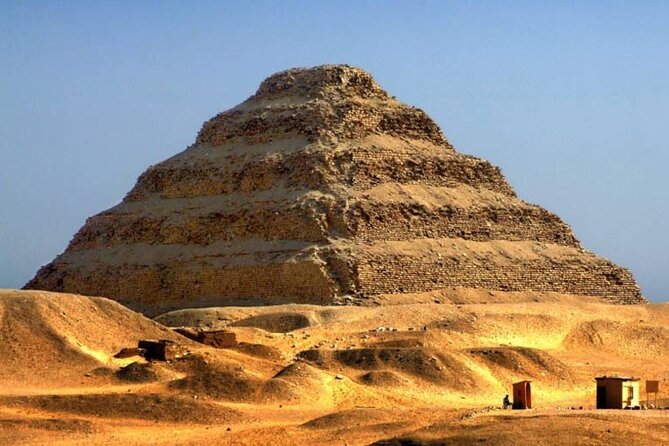
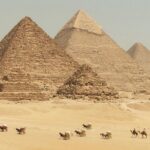
Giza is the main event, and you’ll spend about two hours there. You’ll see the pyramids of Cheops, Chephren, and Mykerinus, the trio that turned this desert plateau into one of the Seven Wonders of the World.
What I’d focus on at first is getting your bearings quickly. With a guide, you can move beyond the postcard view and understand the idea behind each pyramid—who built it and what the Old Kingdom meant when it came to royal burials. You’re also visiting during a period often described as the golden age of the Old Kingdom, and the pyramids represent the ambition and engineering confidence of that era.
The ticket is included, so you don’t have to manage extra payments on the spot. The only real drawback at Giza is physical: there’s a lot of walking under strong sun. Wear comfortable shoes, and plan to take short pauses so you can keep your energy for the Sphinx afterward.
The Great Sphinx: why it was built and what it represented
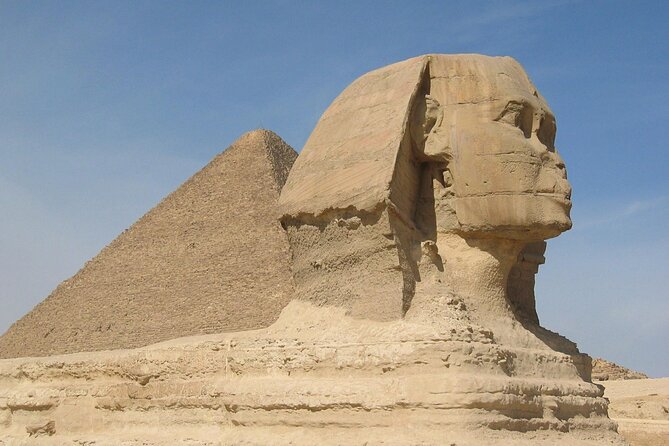
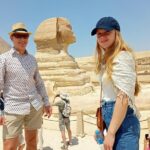
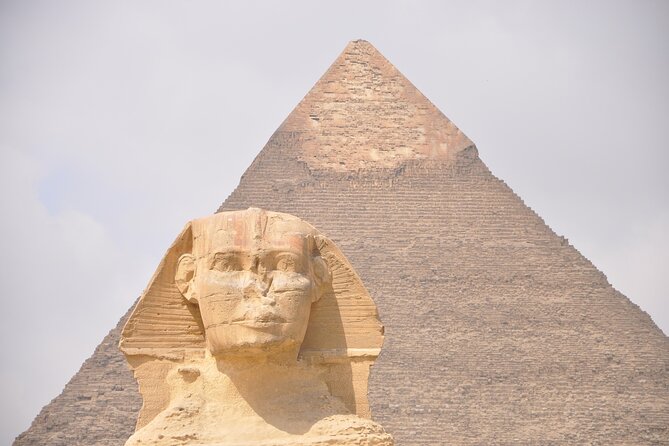
Next up is the Great Sphinx, with about an hour here. It’s one of the most recognizable symbols from all of ancient Egypt, and the story behind it is part of what makes the visit click.
A helpful way to think about the Sphinx is that it wasn’t only decorative. It was connected to royal burial symbolism—built to protect the burial site of the kings in the Giza area. The Sphinx was also seen as a living image, representing the king, combining mental and physical power in one monumental form.
With a good Egyptologist, you’ll get more than a standard description. The guide should be able to point out how this statue fits into the bigger religious idea of kingship and power. That’s also where language skills help. Some guides mentioned in connection with this style of tour, like Mohammed, are described as strong communicators with excellent photographic skills and a sense of humor—exactly the kind of energy that keeps an hour at the Sphinx from feeling repetitive.
Saqqara’s Step Pyramid of Djoser: the oldest major stone structure feel
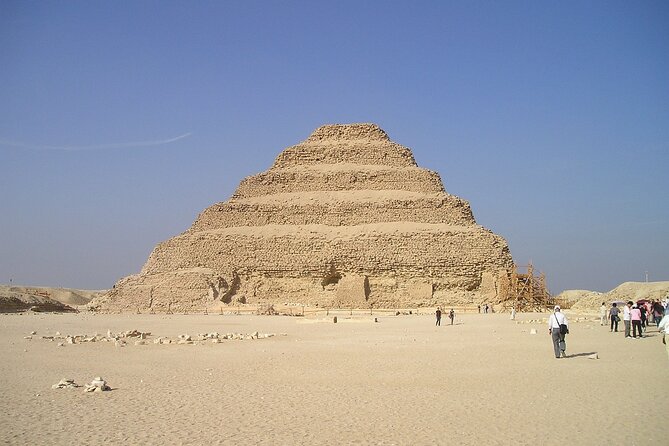
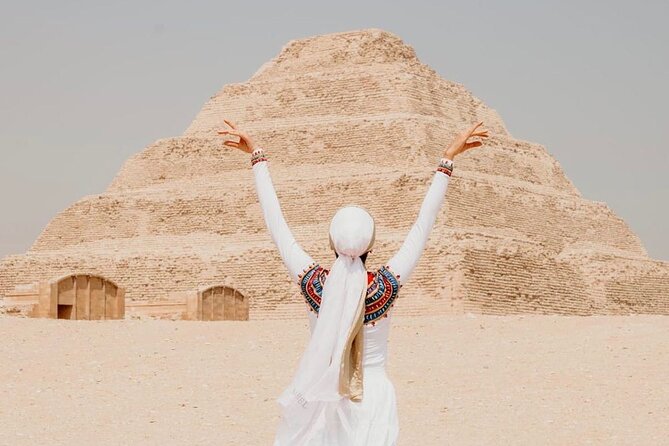
Saqqara is where you see the early logic of pyramid building. You’ll spend around two hours at the Step Pyramid of Djoser, and it’s a standout because it’s not just old—it’s foundational.
The Step Pyramid of Djoser is described as the world’s oldest major stone structure, built in Egypt’s 3rd Dynasty for King Djoser. It’s also considered the first pyramid built in Egypt and the first large-scale cut-stone structure in the world. That’s a big set of claims, and the point isn’t to memorize them—it’s to notice how the design communicates a turning point in technology and royal ambition.
In plain terms: at Giza you see pyramid grandeur after the idea matured. In Saqqara you see the prototype thinking. It’s like comparing a refined modern building to the first version of the blueprint that changed everything.
One practical consideration: Saqqara can feel less crowded than Giza, but you still need sun protection and water. Since water and snacks are included in the tour, you’re less likely to arrive at the Step Pyramid already running on empty.



Memphis open-air ruins: where Egypt ruled for centuries
After Saqqara, the day continues to Memphis. You’ll get about two hours here, including stops at important pieces in the open museum of Memphis, which covers ruins connected to ancient Memphis, the Old Kingdom capital.
This part matters because it shifts your focus from monuments you climb around to what a capital city represented. The tour frames Memphis as a center of rule and culture for over 3,000 years. The name you might hear connected to Memphis is Menes, credited with founding it.
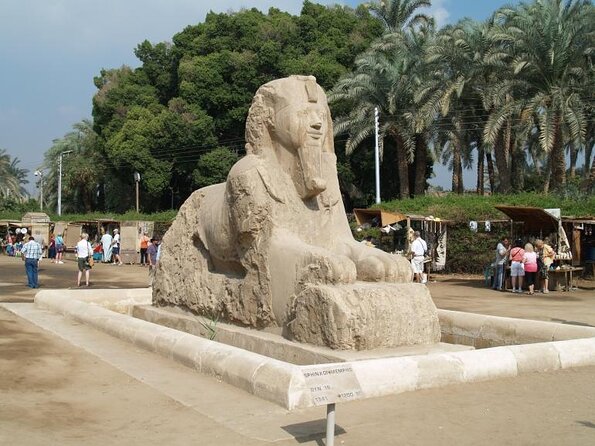
You’ll likely see notable statues and fragments, including Ramses II at the entrance and a huge statue of Ramses II lying on the ground. There’s also mention of an alabaster sphinx statue image and other monuments. Even without a full museum environment, these pieces help you picture how powerful rulers wanted their presence to feel—visible, physical, and lasting.
A downside to keep in mind: the open-air ruins can be visually spread out. That’s where the guide earns their place. They can help you connect what you’re looking at to why it was significant in its original setting, rather than letting you read it as random stone dots.
Lunch, water, snacks, and pacing on a long desert day
This tour includes lunch, plus bottled water and snacks. That sounds like basic comfort, but it changes the whole experience. When you’re bouncing between major archaeological sites, hunger and dehydration make everything harder—especially your attention span and your willingness to keep walking.
Plan on the day being long—about seven to eight hours total—so the included meal is a real value point. It also means you can spend less time searching for food places that may not fit your timing.
If you’re sensitive to heat, treat the snack breaks as part of your sightseeing strategy, not just a pause. Short breaks keep you engaged with details rather than staring at the same stone while you wait for relief.
The real difference-maker: an Egyptologist guide who explains at your level
This tour’s quality largely rides on your guide. The format is private with an Egyptologist, so the explanations aren’t generic. The best guides adjust how much they say based on your group’s interest.
Some guides associated with this kind of tour style include Mohammed, described as very informative and super smart, with excellent language and photographic skills. Another guide name you may encounter is Ahmed al Kafrawy, reported to be punctual and friendly, and also able to explain hieroglyphs. That last part matters: learning a few symbols and how they fit into meaning can turn a monument visit into something you can talk about later.
The practical benefit for you is timing. A guide who knows when to be quiet helps you look. A guide who knows where to point helps you see more in less time. And when the day is busy, that skill can make your photos look better too, because you’re positioned with intention.
Optional add-ons and Cairo shopping: where value can slip
Here’s the spot where you should stay alert. The tour includes a shopping trip in Cairo, and reviews tied to similar experiences often warn that these stops can become tourist traps. You may see pressure to buy things at higher prices, especially if you’re tired from sun and walking.
Set expectations before you enter that space:
- Decide in advance whether you want souvenirs.
- If you do, check your budget before the sales talk starts.
- If you don’t, browse quietly, ask questions only if you’re genuinely curious, and move on.
There can also be side offers around the Giza area, like camel rides. The key for you is simple: don’t treat add-ons as part of the main value. If something is offered, confirm cost and terms clearly before you say yes, and skip it if you don’t feel comfortable.
Price and value: what $110 covers, and what it saves you
At $110 per person, the math gets easier if you compare it to doing things separately.
This price includes:
- Hotel pickup and return
- Transfer by air-conditioned private vehicle
- Qualified Egyptologist guide
- Local lunch
- Bottled water and snacks
- Shopping tour in Cairo
- All fees and taxes
- Entrance tickets for Giza and the Sphinx, Saqqara, and Memphis
If you were to hire a guide for multiple major sites, plus arrange private transport, plus buy tickets individually, the cost can climb fast. Even if you’re traveling with a friend, private logistics are where time and money often meet.
The best-case value is when you want someone to handle the entry tickets and help you understand what you’re looking at, not just take you from A to B. If that’s your goal, this tour is a strong buy.
Who this tour suits best (and who might want a different plan)
This tour fits you best if you want a structured day with less stress and more context. It’s also a good pick if you’re seeing the “big three” regions around Cairo—Giza, Saqqara, and Memphis—without wanting to plan dozens of small decisions.
You might want to skip or modify the experience if:
- You hate any shopping stop and want a strictly sightseeing-only day.
- You dislike optional add-on pressure and prefer total independence.
- Your group wants very long time at just one site rather than a packed loop.
For most people, the route hits the sweet spot: you see the icons, you see the early pyramid logic, and you see where the capital city legacy is still visible.
Should you book this Giza, Memphis, and Saqqara tour?
I’d book this tour if you want a guided day that covers the core ancient Egypt highlights around Cairo with tickets and transfers handled and food taken care of. It’s especially worth it when you’re short on time or when you want the history explained in a way that actually helps you look smarter while you’re there.
I wouldn’t book it blindly if shopping and sales pressure are deal-breakers for you. In that case, go in with a plan to keep the browsing light, or look for a version without that stop.
If you’re weather-dependent, keep an eye on conditions: the experience notes that it requires good weather, and if it can’t run due to poor weather, they’ll offer a different date or a full refund.
FAQ
FAQ
What sites will I visit on this tour?
You’ll visit the Pyramids of Giza (Cheops, Chephren, and Mykerinus), the Great Sphinx, the Step Pyramid of Djoser at Saqqara, and the Memphis area with open museum ruins.
How long is the tour?
The tour runs for about 7 to 8 hours.
Does the tour include hotel pickup and drop-off?
Yes. Pickup services from your hotel and return are included.
Is transportation included?
Yes. You’ll travel by air-conditioned private vehicle with transfers included.
Do I get an Egyptologist guide?
Yes. A qualified Egyptologist guide is included.
Is lunch included?
Yes. Local lunch is included, along with bottled water and snacks.
Are entrance tickets included?
Yes. Entrance tickets are included for the Giza Pyramids and Sphinx, Saqqara, and Memphis.
Is this a private tour?
Yes. It’s described as a private tour/activity, with only your group participating.
Is tipping included in the price?
No. Tipping is not included.
What is the cancellation policy?
You can cancel for a full refund up to 24 hours in advance. If you cancel less than 24 hours before the start time, the amount paid is not refunded.