REVIEW · CAIRO
Cairo: Pyramids & Great Sphinx Private Tour with Camel Ride
Book on GetYourGuide →Operated by Snefro Travel · Bookable on GetYourGuide
A trip to Giza can feel chaotic fast. This private tour keeps it calm, with a real Egyptologist guide and a camel ride timed for the best pyramid moments. You’ll cover the Giza Plateau, see the UNESCO-listed Great Sphinx, and get help at the entrances so you’re not stuck sorting logistics.
I especially like the way the tour frames the site: you’re not only looking at monuments, you’re getting the story of the Old Kingdom and the three kings behind the main pyramids. I also like that you get included time for photos and viewpoints, so you’re not racing through it. One thing to consider: if you want to go inside a pyramid, that isn’t included—you’ll need an extra ticket, and the tour is still mostly an outside experience.
In This Review
- Key highlights worth your attention
- Giza in half a day: why a private format helps
- Hotel pickup and the ride to Giza: start earlier than you think
- The Giza Plateau story: Old Kingdom context that actually clicks
- The Great Pyramid of Giza: what you’ll see (and what you won’t)
- The Great Sphinx: seeing it as more than a photo backdrop
- Camel ride near the pyramids: fun, short, and worth planning
- Included extras that depend on your option: what you might add
- Shopping stops and time management: how it feels in real life
- Price and value: $48 for a guided Giza day that’s actually organized
- Who should book this private Giza tour?
- Should you book? My honest take
- FAQ
- How long is the Cairo Pyramids and Great Sphinx private tour?
- What does the camel ride include, and how long is it?
- Are hotel transfers included?
- Is an entry ticket included?
- Is lunch included?
- What optional add-ons can be included?
- Is the tour wheelchair accessible?
Key highlights worth your attention
- Skip-the-stress private guiding at the entrances, with an English-speaking Egyptologist
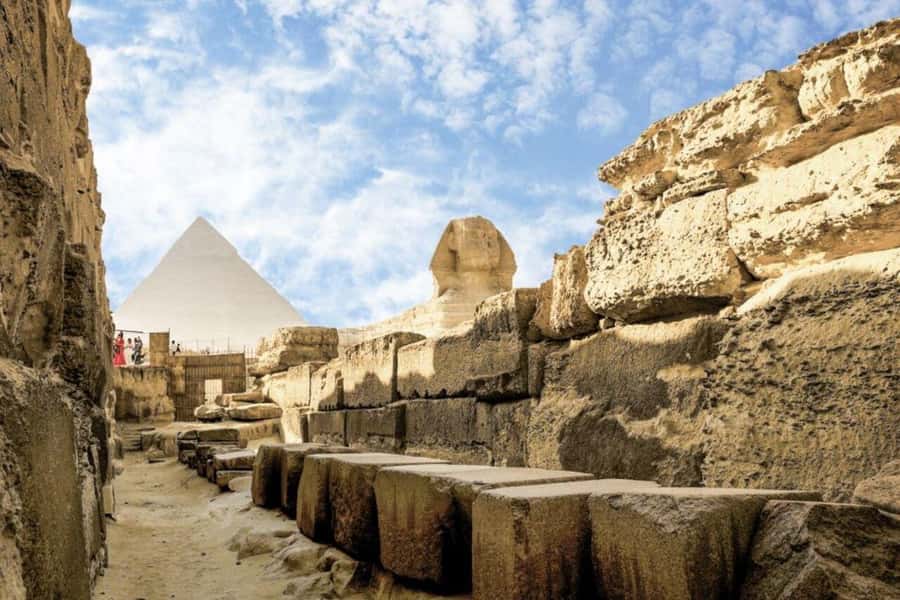
- Great Sphinx of Giza plus the surrounding Old Kingdom cemetery context
- Camel ride near the pyramids (10 or 30 minutes, depending on your option)
- Flexible half-day timing (4–8 hours) with planned photo stops and breaks
- Optional upgrades that can add Grand Egyptian Museum, Memphis & Sakkara, a felucca ride, or quad biking
- Shopping stops at Papyrus Gallery and an Essential Oils Factory, with water included
Giza in half a day: why a private format helps
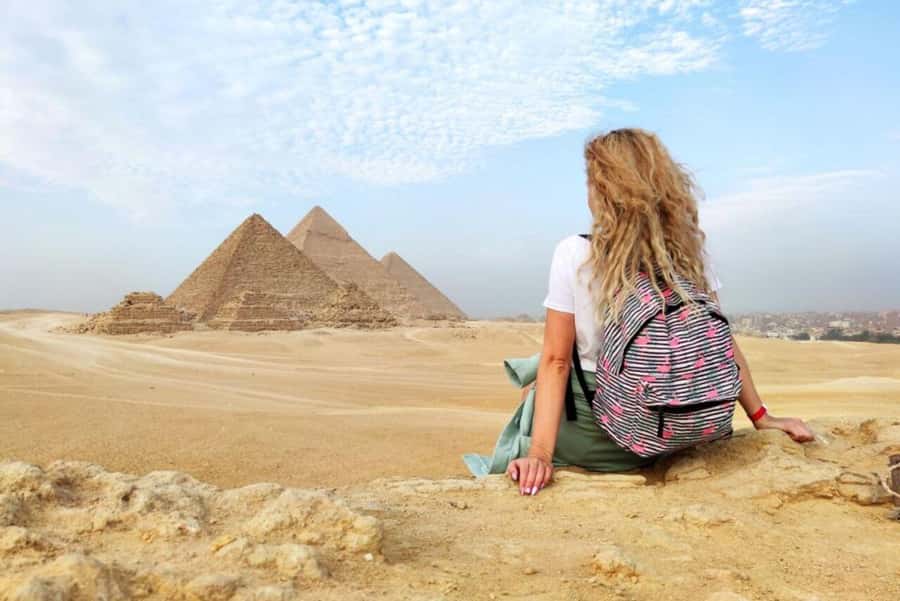
Giza is one of those places where timing matters. The sun hits hard, crowds shift constantly, and vendors can pull your attention every few minutes. A private tour fixes a lot of that: you have one guide, one route, and a clear plan.
This is a half-day outing with hotel pickup and drop-off in Cairo or Giza District, plus air-conditioned transport. The guide walks you through the Giza Plateau on the west bank of the Nile, explaining how this area functioned as a royal cemetery in the Old Kingdom. When your guide is sharp and patient—like the people you’ll hear about from guides such as Nihal, Rita, Maria, and Ezzaldin Rashdan—it changes how you see the stones. You start noticing alignment, symbolism, and the scale, not just the wow-factor from a distance.
The other win: the tour is designed to protect your time for photos and key views. You’ll get breaks and free time, not just nonstop marching. That matters when you’re trying to get pyramid shots without losing an entire morning to bottlenecks.
You can also read our reviews of more tours and experiences in Cairo.

Hotel pickup and the ride to Giza: start earlier than you think
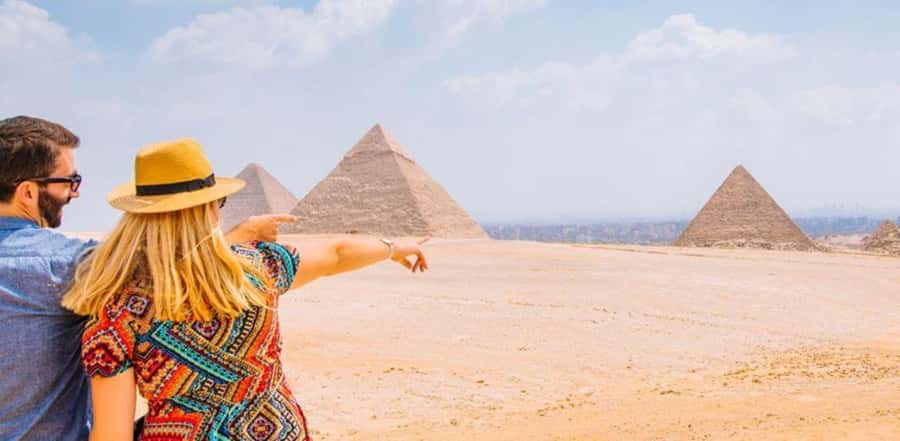
You’ll be picked up from your Cairo or Giza hotel (two pickup areas are offered). The exact pickup time depends on your starting schedule, but you’ll typically want to be ready right on the pickup window—plan to wait a few minutes as instructed and keep your phone handy for updates.
The transfer itself is simple: air-conditioned vehicle, no fuss. It’s a small detail, but it’s a comfort upgrade when you’re heading out to an open-air site where the heat and dust can catch you off guard.
Along the way, your guide sets expectations: what you’ll see, how the plateau is laid out, and how to handle the busiest moments. Even if you’re not a history person, having that mental map helps you enjoy the day instead of just reacting to the chaos.
The Giza Plateau story: Old Kingdom context that actually clicks
The tour’s pacing is built around one big idea: the pyramids and the Great Sphinx aren’t random landmarks. They’re part of an ancient royal project.
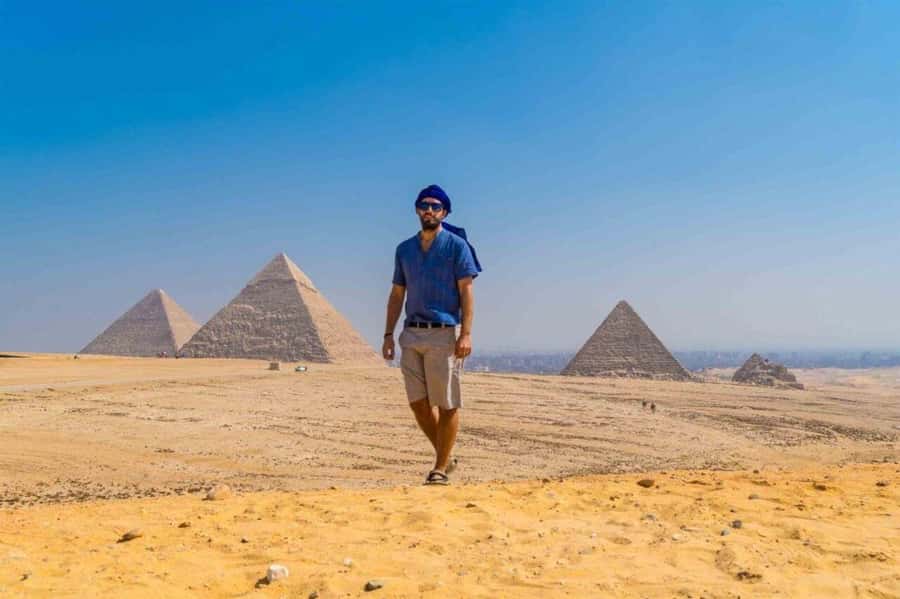
You’ll be taught what this cemetery meant in the Old Kingdom, and you’ll hear how three kings from the same family built their monuments here: King Cheops (Khufu), Chephern (Khafre), and Mykrenes (Menkaure). That naming matters because it links the pyramids you’re standing near to the people the site was designed for.
Here’s what I like about this approach: it stops the pyramids from feeling like a single “set of big triangles.” Instead, you understand each structure in context—why the plateau looks the way it does, and why the Sphinx sits as a kind of guardian at the edge of the story.
Your guide also helps you take in the place visually. Many of the best moments at Giza come when you step into a clear viewpoint. Your guide’s job is to get you there at the right time, not just point from wherever you happen to stop.
The Great Pyramid of Giza: what you’ll see (and what you won’t)
The main event is the Giza pyramids area, with time allocated for a guided look plus photo stops, a break, and free time. Your included entry ticket covers access to the site areas the tour is visiting.
What’s not included: entry to go inside any pyramid. If that’s a must for you, you’ll need to buy that separately. Even then, expect that the inside experience (when offered) is short and can be uncomfortable in hot months due to tight spaces and limited ventilation.
Practical tip: if you care about inside-pyramid time, plan your day around it. In a private setting, you can ask your guide how they recommend timing based on crowds and the heat, and many guides are willing to coordinate that detail as you go.
Also, the tour includes a chance for panoramic views. For photography, that means you’re not stuck only with the iconic face-on pyramid shot. You’ll also have opportunities for angles that show the plateau and the scale of the site.
The Great Sphinx: seeing it as more than a photo backdrop
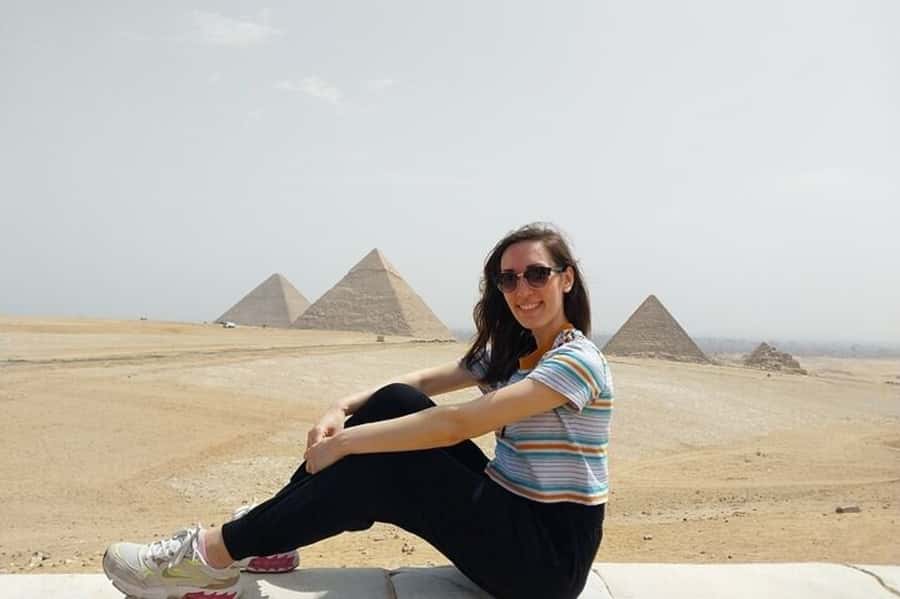
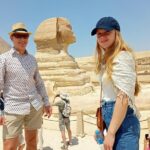
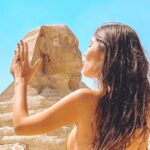
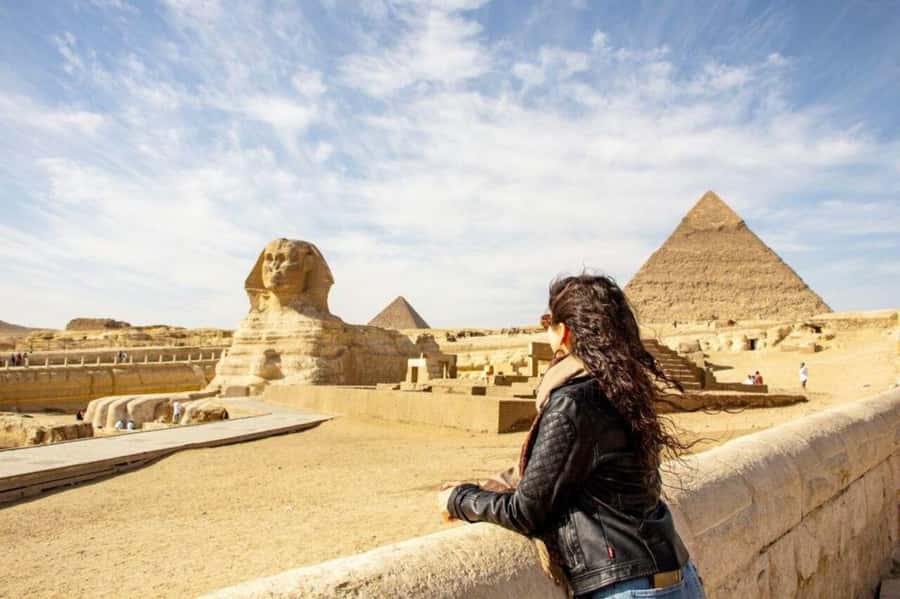
Next up is the Great Sphinx of Giza, the limestone statue of a reclining sphinx. Your guide connects it to the royal cemetery area and explains what you’re looking at: the face associated with King Chephren and the lion’s body as a guardian image.
The Sphinx is one of those sights where the first minute is pure impact. After that, the details matter. Your guide’s explanation is what turns it from a landmark into a piece of ancient imagery—something that functioned within the broader meaning of the site.
There’s also a practical reason to have a guide here: you’ll want to know where to stand for the best viewing angles, especially if you’re trying to avoid distractions and keep your photos clean. Guides mentioned in feedback—people like Ezzaldin Rashdan, Rita, and Maria—are often praised for taking time with questions and adjusting their pace so you don’t feel rushed.

Camel ride near the pyramids: fun, short, and worth planning
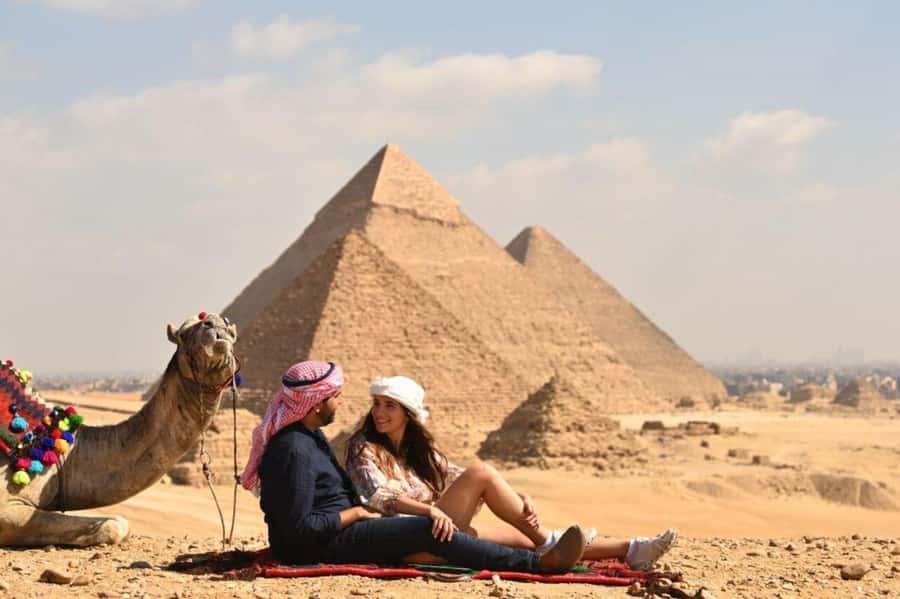
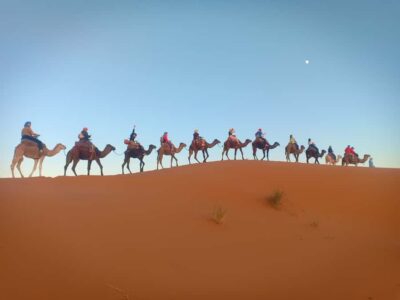
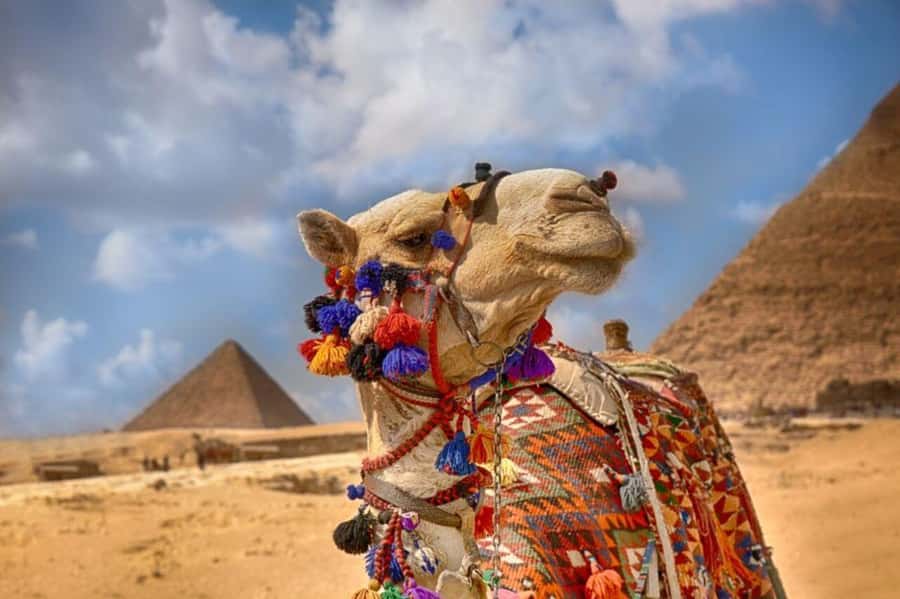
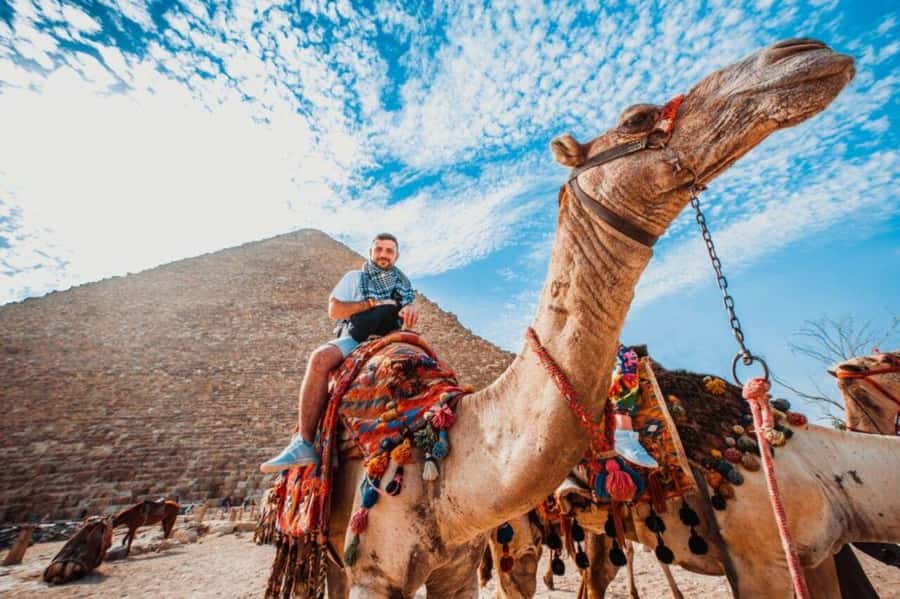
Yes, the camel ride is included. The tour offers camel ride options that are either 10 minutes or 30 minutes, depending on what you select. Either way, it’s short enough to still feel like an add-on, not a whole separate activity that consumes your day.
This is a “near the pyramids” ride, which is the key. You’re doing it for the view and the moment—not for a long trek. If you’ve never ridden before, your guide or the camel staff will handle the basics, but expect the usual realities of animals: movement is unpredictable and it’s best to keep your phone secure.
A quick reality check: a camel ride can be uncomfortable for some people, and it’s not for everyone. The good news is you’re not locked into it for hours. You get a taste, photos, and then you continue your tour.
If you’re choosing between 10 and 30 minutes, I’d pick 30 only if you really want more time at a comfortable pace. If you’re mainly there for history and photos, 10 minutes is often enough to get the experience without turning it into a long detour.
Included extras that depend on your option: what you might add
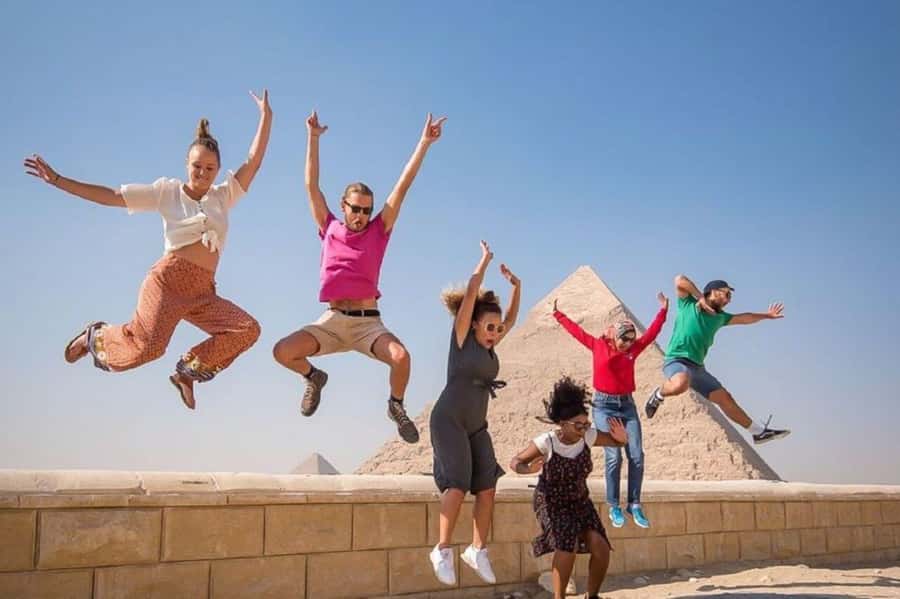
This tour can stay focused on Giza, or it can expand. The included extras vary by the option you select:
- Grand Egyptian Museum visit (depends on option)
- Memphis and Sakkara visit (depends on option)
- 1-hour Nile boat felucca ride (depends on option)
- 1-hour quad bike tour (depends on option)
That flexibility can be great value if you want more than just the plateau. It also helps if you’re planning only one day in the Cairo area and want to maximize it.
But there’s a trade-off: more stops can mean less time per site. If your top priority is the pyramids and Sphinx, keep the day tight. If you want a wider Egypt overview—Memphis history, Sakkara necropolis, and extra experiences—then the expanded options can make the overall tour feel like a full day of variety.
My advice: choose based on your travel style. If you like depth and photos at Giza, don’t pad the schedule too much. If you want highlights across multiple sites, add the extras.
Shopping stops and time management: how it feels in real life
The tour includes shopping at Papyrus Gallery and an Essential Oils Factory, plus a bottle of water. These are common stops on many Egypt day tours, and they can be either quick and useful or slow and annoying depending on your patience.
Here’s how to make it work: treat these stops as time to browse lightly, not time to negotiate your entire souvenir plan. If you’re picky, you can ask your guide for a quick walk-through and then refocus on the sights.
The upside of having a guide manage the flow is that you’re less likely to lose time to vendor pressure around the pyramids themselves. A good guide gets you back on track fast.
Price and value: $48 for a guided Giza day that’s actually organized
At $48 per person for a 4–8 hour private tour, the value is strongest when you look at what’s included:
- Hotel pickup and drop-off
- Air-conditioned transport
- Egyptologist guide in English
- Included entry ticket to the areas visited
- Camel ride (10 or 30 minutes)
- Water
- “Skip the ticket line” style help
You’re paying for time saved and for expert context. At Giza, that’s a big deal. Without a guide, you can waste energy asking strangers for directions, arguing with ticket sellers, and losing the best photo minutes. With a private guide, you spend more time looking up at the monuments and less time sorting logistics.
One more value note: your guide’s pacing matters. Many guides mentioned in feedback are praised for being patient, taking photos for families and couples, and adjusting the plan when conditions change (like a sandstorm). That kind of flexibility makes the tour feel worth it, not just “booked and rushed.”
Who should book this private Giza tour?
I’d book this if you:
- Want a first-time Giza experience with context, not just photos
- Prefer a private plan over joining a large group
- Care about having an English-speaking Egyptologist
- Like the idea of a camel ride that doesn’t eat your whole day
- Travel with kids or multiple generations and want the day to feel organized (many families highlight how guides handle questions and timing)
I’d think twice if you:
- Are set on going inside a pyramid (you’ll need extra tickets)
- Need wheelchair access (this tour isn’t suitable for wheelchair users)
- Hate shopping stops and want a tour with zero retail interruptions
Should you book? My honest take
If your goal is a smooth, well-explained Giza day with the Great Pyramid and Great Sphinx as the core, I think this is a strong choice. The combination of hotel transfers, an Egyptologist guide, included entrance access, and a short camel ride adds up to a day that’s efficient without feeling like a factory tour.
Book it if you want help navigating the site, getting good views, and understanding what you’re seeing. If you’re the type who wants a totally inside-and-out experience with no extra stops, or you’re wheelchair-bound, then you’ll need to adjust your expectations—or choose a different format.
FAQ
How long is the Cairo Pyramids and Great Sphinx private tour?
The tour duration is listed as 4 to 8 hours, depending on the selected starting time and options.
What does the camel ride include, and how long is it?
A camel ride is included. The duration is either 10 minutes or 30 minutes, depending on the option you select.
Are hotel transfers included?
Yes. Hotel pickup and drop-off are included, with pickup options in Cairo and Giza District.
Is an entry ticket included?
An entry ticket is included for the tour stops covered. However, tickets to go inside any pyramid are not included.
Is lunch included?
No. Lunch is not included.
What optional add-ons can be included?
Depending on your option, the tour may include a Grand Egyptian Museum visit, Memphis and Sakkara, a 1-hour Nile felucca ride, and/or a 1-hour quad bike tour.
Is the tour wheelchair accessible?
No. It’s not suitable for wheelchair users.