REVIEW · CAIRO
From Cairo: Alexandria Day Tour with Lunch
Book on GetYourGuide →Operated by Ramses tours · Bookable on GetYourGuide
Alexandria is a perfect day escape from Cairo. This tour strings together major hits: Kom el Shoqafa catacombs, the Library of Alexandria, and the Montaza Royal Palace Gardens, all with guided stops and built-in transport.
The biggest win is how efficiently you see a lot of ground in just 11 hours, without having to plan every connection yourself.
I especially like the way this day is built around two “wow” anchors. The Catacombs of Kom el Shoqafa are unlike anything around Cairo, and the Library of Alexandria gives you a strong sense of the city’s intellectual pull, with photo-friendly sculpture areas and museum time.
One potential drawback: the driving time is real. You’re on the road from Cairo for hours, and fog delays can push your start later in some seasons, so the day can feel like a fast-paced highlights reel.
In This Review
- Key things you’ll notice on this Alexandria day trip
- Cairo to Alexandria: the trade-off you’re really buying
- Entering the Library of Alexandria (and why it’s the anchor stop)
- Kom el Shoqafa catacombs: the stop that turns heads
- Kom El-Deka and Serapeum stops: Roman Alexandria without the rush-feeling
- Qaitbay Citadel and the Lighthouse legacy: smart exterior viewing
- Lunch by the sea: where the day’s pace resets
- Montaza Royal Palace Gardens: the scenic break that makes the day feel balanced
- St. Mark’s Cathedral: an early church stop with big name recognition
- Corniche moments: Unknown Soldier Memorial and Stanley Bridge viewpoints
- Abu al-Abbas al-Mursi Mosque: the spiritual square feel
- Old Roman City excavations and Qaitbay Castle exterior: when access is limited
- A quick juice stop: King of Mango
- Driver and guide quality: the real difference-maker
- Price and logistics: is $99 per person fair value?
- Who should book this Alexandria from Cairo tour
- Should you book it
- FAQ
- How long is the Alexandria day tour from Cairo?
- What’s included in the price?
- What are the main stops on the tour?
- Is lunch included?
- Is there a guided component at each major site?
- Which languages are available for the live guide and audio guide?
- Is the Library of Alexandria open every day?
- How many people are in the group?
- Is the tour wheelchair accessible?
- Does pickup vary by location in Cairo?
Key things you’ll notice on this Alexandria day trip

- Skip-the-line setup helps you spend more time inside than waiting outside.
- Small group size (max 10) usually makes it easier to move smoothly and get questions answered.
- Catacombs first is a smart choice, because that’s the kind of stop you don’t want to rush.
- Montaza Royal Palace Gardens plus seaside breaks give the day a lighter, scenic pace.
- Old Roman Alexandria viewpoints come with a catch: some entries are restricted, so expect exterior views for certain areas.
Cairo to Alexandria: the trade-off you’re really buying
This is an all-day logistics package. You get hotel pickup and drop-off from Cairo, an air-conditioned vehicle, a live guide, and entrance fees plus lunch. The math is simple: you pay for convenience and guidance, then you cash that in as a full day of major sites.
The honest trade-off is time. The drive can be around 3 hours each way, and that doesn’t count city transfers between stops. In practice, you’ll probably spend much of the day in transit, then concentrate your time at key landmarks.
The good news is the guide effort. Many recent guides highlighted by name (like Mahmoud abd El-Rahman, Mohamed, Walid, Norhan, Kareem, Rasha, Karim, Eriny, and Haleem) were praised for moving the day along without turning it into chaos. One theme shows up repeatedly: the best versions of this tour use the short windows well, with photo breaks and pacing that still leaves you seeing the core sights.
You can also read our reviews of more tours and experiences in Cairo.

Entering the Library of Alexandria (and why it’s the anchor stop)
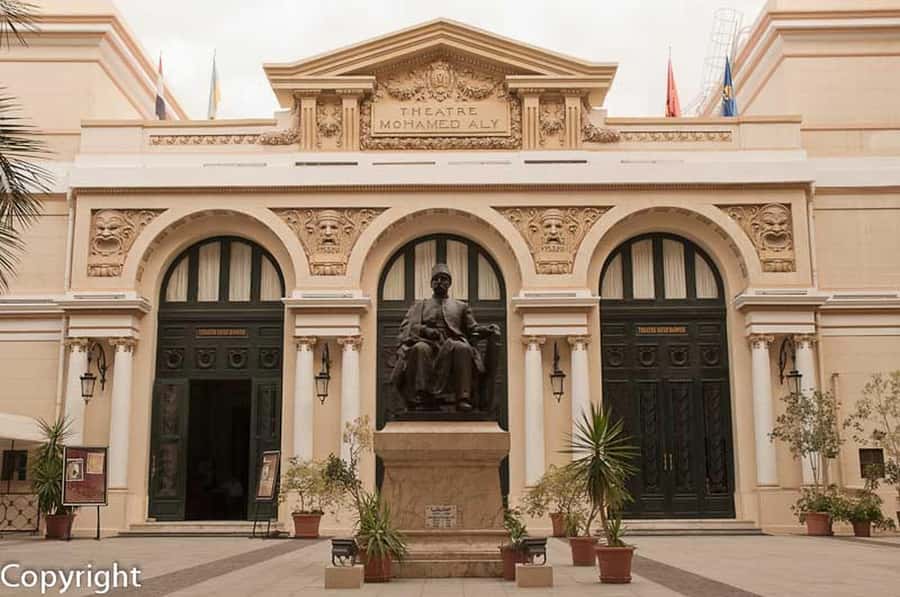
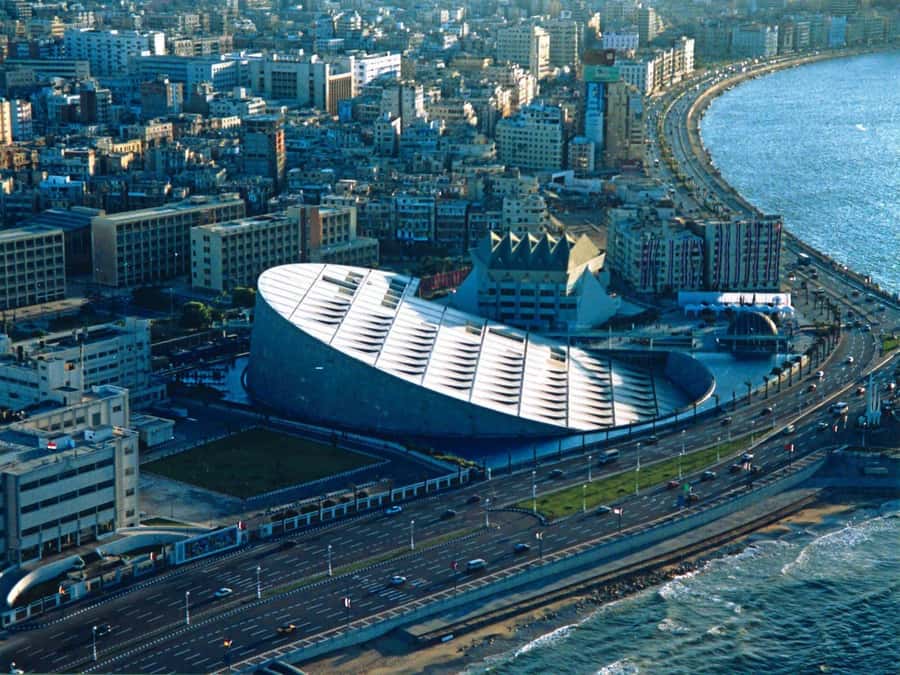
The tour typically starts with a guided visit to the Library of Alexandria, one of the most famous modern tributes to Alexandria’s scholarly reputation. You’ll see the open areas and the statue court where Alexander the Great and Ptolemy I stand guard. It’s the kind of setting that makes quick photos feel meaningful instead of random.
What I like for your planning: the visit isn’t just “look at the building.” The day includes time for museum areas tied to Alexandria’s story, including Impressions of Alexandria and the President Sadat Museums. That means you’re not only reading placards—you’re getting guided context on how Alexandria is portrayed through different eras.
Two practical tips:
- Plan around the closure schedule. The Library is closed on Fridays, Saturdays, and public holidays, so your tour day matters.
- There can be an optional extra ticket inside the library area for additional displays (one traveler noted an extra cost of about 1 euro for ancient script viewing). If you care about that, ask your guide what’s currently available and priced.
Also note a real-world pacing point: one review wished there was more time to wander the library. If that’s your priority, consider asking your guide to add a few minutes there early, before the schedule tightens.
Kom el Shoqafa catacombs: the stop that turns heads

If you care about atmosphere, the Catacombs of Kom el Shoqafa are the highlight. The catacombs are a subterranean necropolis, and the origin story is one of those details that sticks: they were discovered when a donkey fell into the ground, revealing hidden tomb spaces. Whether you’re a history nerd or just someone who likes eerie places done right, this site works.
On a guided visit, you’ll see the layout and key points without feeling lost underground. The main value here is the combination of scale and imagination. You’re walking through burial architecture that feels both Egyptian and Greco-Roman in influence, which fits Alexandria’s “Greek world meeting Egyptian world” vibe.
Pacing varies by group and time pressure, but the pattern is clear: catacombs tend to deserve the most attention. One traveler even noted they spent more time here than anywhere else on the itinerary, which is what I’d aim for if you have any flexibility.
Practical advice before you go in:
- Wear comfortable shoes. Underground walking plus museum steps is not the place for new sneakers.
- Use a sun hat and sunglasses outside, since you’ll likely be exposed between stops.
Kom El-Deka and Serapeum stops: Roman Alexandria without the rush-feeling
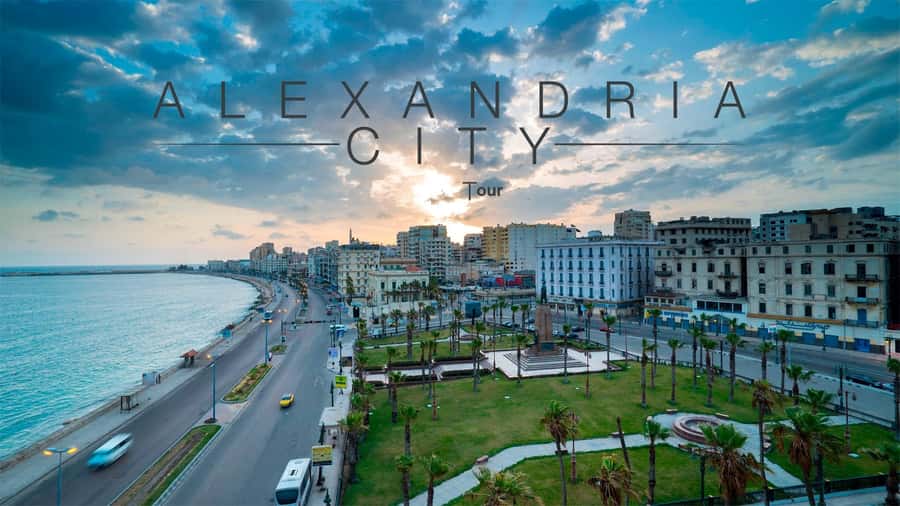
After the catacombs, the itinerary typically includes additional archaeological stops around Kom El-Deka such as the Roman theater, plus the Serapeum of Alexandria. These are “walk and learn” parts of the day, meaning you’re not just passing by—you’re getting a guided view of how the Roman city functioned.
Why these stops matter for you: they fill in the Roman layer between the iconic ancient symbols and the more modern landmarks. Alexandria didn’t just have a library and a lighthouse story. It had living neighborhoods, performance spaces, and religious sites.
A small caution: time is limited. Some visitors reported a tight schedule where a few stops became quick photo moments. If you want these Roman areas to feel satisfying, tell your guide what you care about most when you first meet them, so they can adjust time and focus.
Qaitbay Citadel and the Lighthouse legacy: smart exterior viewing
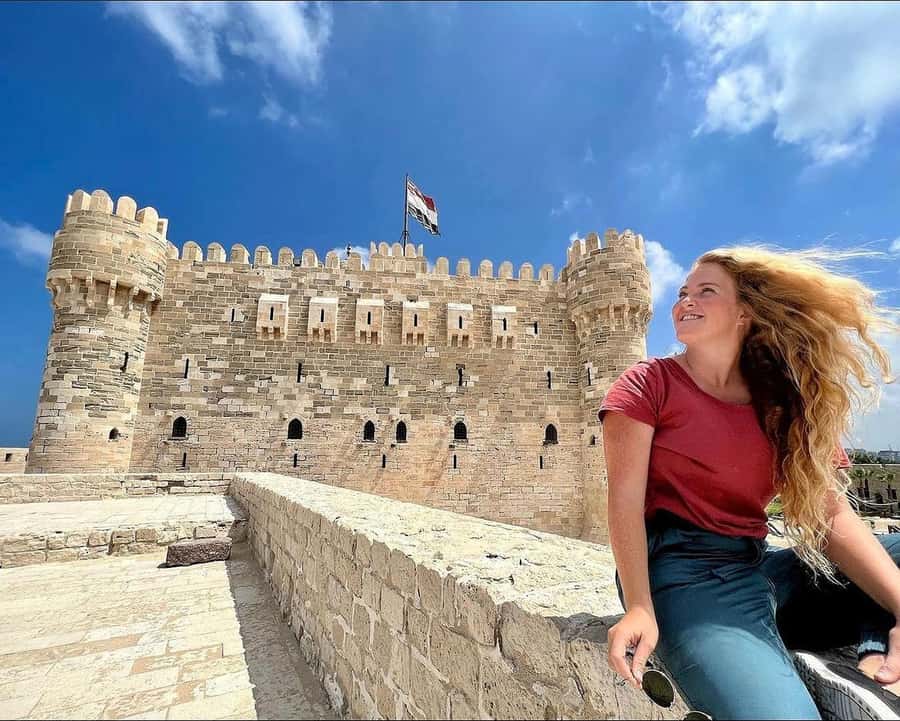
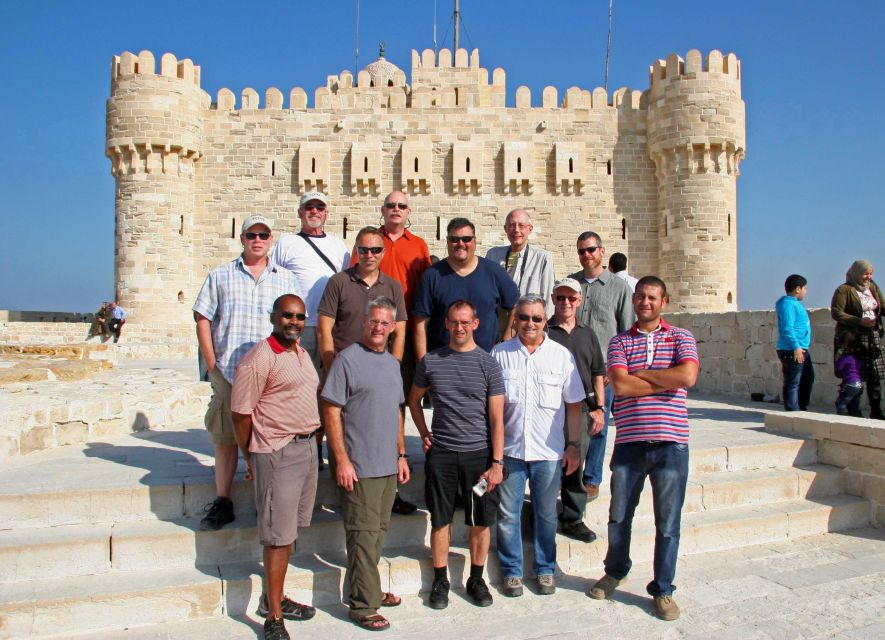
The day includes the Qaitbay Citadel (and later the exterior of Quaitbay Castle), tied to the site of the legendary Lighthouse of Alexandria, one of the Seven Wonders of the Ancient World.
Here’s the useful way to think about it: even when you’re not going deep into every structure, this area gives you strong historical context. The castle location basically lets you stand where the lighthouse story is said to have lived, then look outward toward the waterfront feel of Alexandria.
In one review, someone wished they’d spent more time at the citadel and only caught a glimpse at the end of a corniche walk. That’s a good reminder: if fortress views and waterfront photos are your thing, don’t assume you’ll get extra time at the end.



Lunch by the sea: where the day’s pace resets
Lunch is included at a local restaurant. Multiple reviews describe it as genuinely good—sometimes with a sea view or a rooftop terrace vibe. You’ll also have the chance to settle your energy before the afternoon church and mosque stops.
Two practical points:
- You’ll likely be hungry after the morning underground walking plus city transfers.
- If you have dietary needs, it may help to tell the guide early. One traveler noted they arranged a vegan option (it included items like vegetables, pasta, fries, and Egyptian bread with spreads). That doesn’t mean every group can do it the same way, but good guides make requests easier.
Montaza Royal Palace Gardens: the scenic break that makes the day feel balanced
After lunch, the tour moves to the Montaza Palace Gardens, with time to walk the grounds and see the royal palace atmosphere associated with King Farouk. You’ll also get a look at the royal beaches area from the garden side.
This stop is valuable because it balances the morning’s heavy history. It’s a place for photos, slow walking, and a break from museum-style spaces. One traveler described the gardens as especially beautiful after a long drive, which is exactly how this stop can function for your body clock.
If you’re the type who hates “standing around for photos,” aim to move steadily through the garden areas and spend your time where your guide points out the best viewpoints.
St. Mark’s Cathedral: an early church stop with big name recognition
The day includes St. Mark’s Cathedral (also called the Church of St. Mark), described as Africa’s oldest church. This is one of those places where the importance is not just in the architecture, but in the cultural weight of the site.
Your guide will take you through the key points, and because this is a scheduled guided visit (not a free-roam stop), you get the context fast. It’s also a good checkpoint in the day: you’ll have “seen the ancient world,” then you pivot into a Christian landmark that anchors Alexandria’s later layers.
Corniche moments: Unknown Soldier Memorial and Stanley Bridge viewpoints
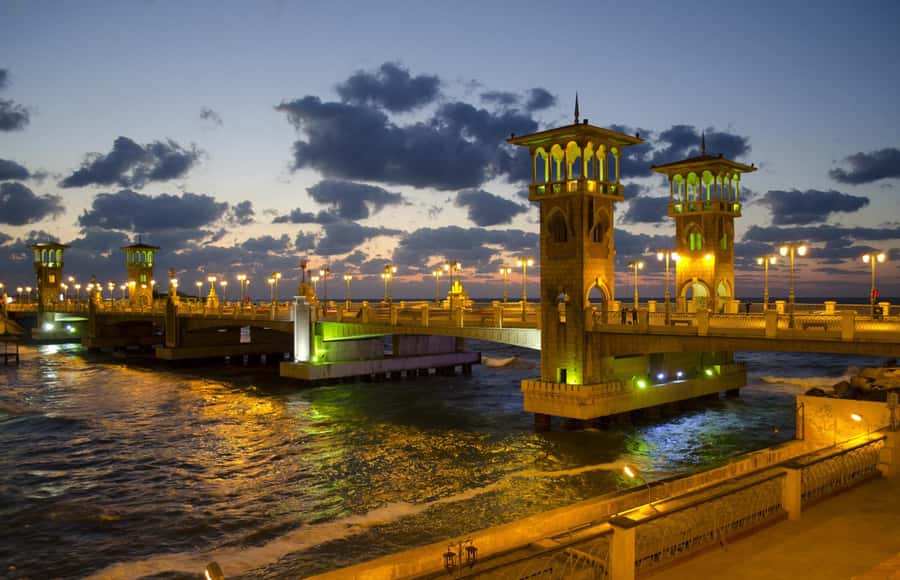
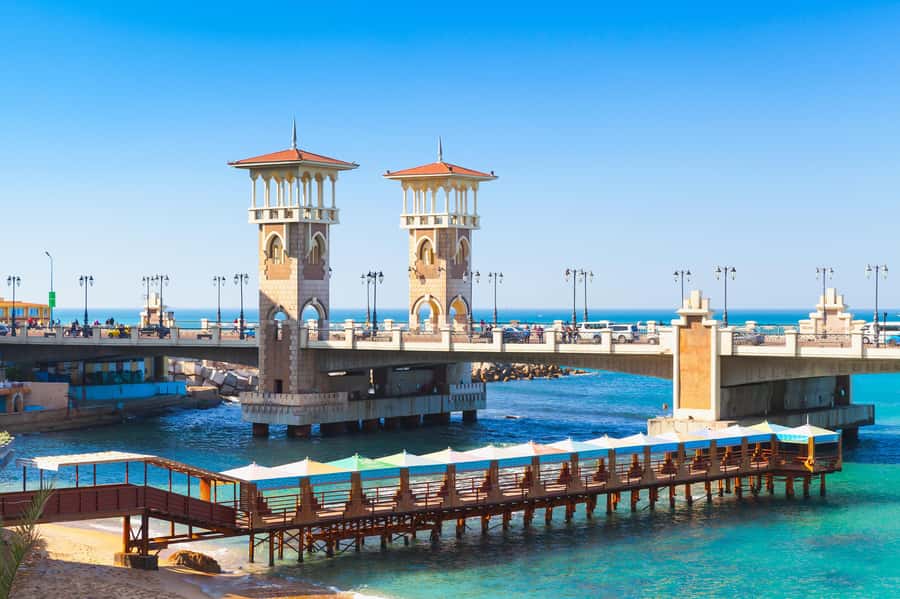
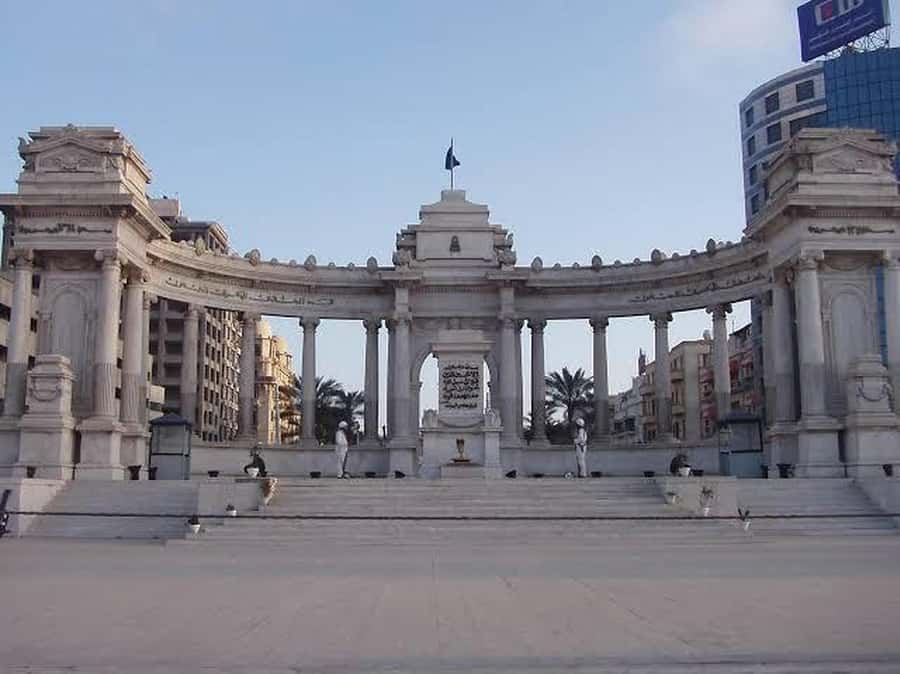
You’ll also pass by the Alexandria Unknown Naval Soldier Memorial and the Stanley Bridge area, where you can get Mediterranean views.
These are not the same as an entrance ticket stop, so don’t expect long hangs. But they work as visual reset points. Think of them as the day’s postcard pauses: quick, scenic, and useful for orientation and photos.
Abu al-Abbas al-Mursi Mosque: the spiritual square feel
Next up is Abu al-Abbas al-Mursi Mosque, visited with a guided walkthrough. This stop is tied to a square featuring three mosques, which gives you a sense of the area’s religious rhythm.
Even if you’re not religious yourself, mosques are often some of the most meaningful “living culture” moments on a tour day. The guidance here helps you notice details you’d miss if you just showed up and tried to guess.
Practical note: you’ll want to dress respectfully, and your guide will typically set expectations once you arrive (though specific dress rules aren’t listed in the tour data, it’s common sense for places of worship).
Old Roman City excavations and Qaitbay Castle exterior: when access is limited
Later, you’ll walk by excavation sites of the Old Roman City of Alexandria—areas including Roman villas, amphitheater ruins, and the Great Tomb. The important catch: entrance is restricted for some parts, so you’ll mainly get external views and guided context rather than full access inside every structure.
This matters because you should manage expectations. If you’re hoping for a deep interior Roman-city experience, this may feel like “enough to understand, not enough to live inside it.” Still, the external views can be fascinating when your guide is pointing out how the spaces likely functioned.
A quick juice stop: King of Mango
Along the way, there’s a quick stop at King of Mango for freshly squeezed juice. It’s a small detail, but after a long drive it’s one of those practical perks that makes the day easier.
You’re not just touring; you’re surviving a day with timing. Small snacks, hydration, and shade stops can matter as much as the big ticket sights.
Driver and guide quality: the real difference-maker
The itinerary is packed, so the human factor matters a lot. In the feedback, drivers are praised for safe, cautious driving (one traveler specifically mentioned driver Mahmoud being very careful and the group feeling safe). Guides repeatedly get credit for clarity, interactivity, and photo help.
Names that stood out in the experience reports include:
- Guides: Mahmoud abd El-Rahman, Mohamed, Norhan, Walid, Kareem, Rasha, Eriny, Karim, Haleem
- Drivers paired with them: Mahmoud, Ahmed, Mohammed (some names repeat across guides and drivers, so match what you’re told on the day)
There’s also at least one important value signal: one review noted their guide did not try to push them into shops purely for commissions. That’s the kind of behavior you want on a day that already has limited time.
Price and logistics: is $99 per person fair value?
At $99 per person for an 11-hour day, the question is value versus your travel style.
This price includes:
- Air-conditioned transport Cairo–Alexandria–Cairo
- Hotel pickup and drop-off
- Live guide
- Entrance fees
- Lunch
- Audio guide in many languages
- Skip-the-ticket-line support
For many people, that’s fair because you’re not just paying for access—you’re paying for someone to manage timing across multiple sites and to provide the historical framing.
Where the value can feel weaker:
- If you’re a slow traveler who wants long free time at each place
- If your day gets delayed by fog-related road issues (a few reviews flagged October/November fog delays on the road to Alexandria)
- If you expect deeper access to restricted excavation interiors (some areas are limited and you’ll mostly see exteriors)
If your plan is to see the top Alexandria landmarks in one shot, this is the kind of package that tends to work.
Who should book this Alexandria from Cairo tour
This tour fits best if you:
- Want a one-day overview with guided context at major sites
- Prefer small-group comfort (max 10)
- Like a mix of underground archaeology (Kom el Shoqafa) and surface landmarks (cathedral, mosque, palace gardens)
- Don’t want to manage transport, entry tickets, and timing alone
It may be less ideal if you:
- Want lots of independent wandering time (the schedule is structured)
- Are very sensitive to long driving days
- Care most about a single site and want to spend hours there
Should you book it
I’d say book this tour if you’re treating Alexandria as a day trip and you want the best-known anchor sights handled for you—especially Kom el Shoqafa and the Library of Alexandria. The included entrances and lunch help justify the price, and the small-group size makes it easier to ask questions and keep the day moving.
Before you go, do two things:
- Check whether your planned day hits the Library closure days (Friday, Saturday, public holidays).
- Tell the guide right away what you care about most, so time goes to the places that matter to you, not just the ones that fit the clock.
FAQ
How long is the Alexandria day tour from Cairo?
The duration is 11 hours.
What’s included in the price?
Hotel pickup and drop-off, transfer by air-conditioned vehicle, a live tour guide, entrance fees, and lunch.
What are the main stops on the tour?
You’ll visit the Library of Alexandria, the Catacombs of Kom el Shoqafa, Roman theater in Kom El-Deka, the Serapeum of Alexandria, Qaitbay Citadel (walk), Montaza Palace, St. Mark’s Cathedral, Abu al-Abbas al-Mursi Mosque, and you’ll pass by the Alexandria Naval Unknown Soldier Memorial and Stanley Bridge. The day also includes walks by Old Roman City excavation areas and the exterior of Quaitbay Castle.
Is lunch included?
Yes, lunch is included (at a local restaurant).
Is there a guided component at each major site?
Yes. The tour includes a live tour guide for visits like the Library of Alexandria, the catacombs, Montaza Palace, St. Mark’s Cathedral, and the mosque, plus guided walking stops at several archaeological areas.
Which languages are available for the live guide and audio guide?
Live guide languages include English, French, Arabic, Spanish, and Italian (based on availability). Audio guides are offered in many languages, including English, French, Spanish, Italian, and Arabic, among others listed by the provider.
Is the Library of Alexandria open every day?
No. The Library of Alexandria is closed on Fridays, Saturdays, and public holidays.
How many people are in the group?
The tour has a maximum of 10 travelers.
Is the tour wheelchair accessible?
Yes, the tour is wheelchair accessible.
Does pickup vary by location in Cairo?
Pickup is included from your Cairo accommodation. If you’re picked up from Heliopolis (airport area), 06th of October, or similar areas, there is a supplement.