REVIEW · CAIRO
From Cairo: Pyramids of Giza, Sphinx, Saqqara & Memphis Tour
Book on GetYourGuide →Operated by OceanAir Egypt · Bookable on GetYourGuide
Pyramids in one packed day. This 8-hour route strings together Egypt’s pyramid story from Saqqara to Giza, then adds Memphis and the Sphinx so you leave with more than just photos. I love how the day moves with an Egyptologist guide (people often mention guides like Mohamed, Shaima, Ayat, and Ramy for clear, engaging explanations), and I also like the small-group setup capped at 13. One thing to consider: the timing is intense, and if you arrive late to a site with strict closing times, you might miss certain options like entering a pyramid interior.
You’ll also get the practical comforts that make this kind of marathon feel manageable: air-conditioned transport, bottled water, skip-the-line general admissions, and a planned lunch stop. The one drawback to watch for is balance: some guides can be more talk-heavy than others, so plan to bring curiosity (and patience) for explanations at every stop.
In This Review
- Key highlights worth circling
- A tight 8-hour route that hits Egypt’s pyramid timeline
- Saqqara Step Pyramid: start with the oldest colossal stone building
- Memphis and Ramesses II: ancient capital energy, minus the crowds
- Giza lunch timing and the plateau photo reality
- Great Pyramids and the Giza Plateau: scale you can’t fake
- Sphinx and Valley Temple of Khafre: more than a statue photo
- Shopping time: how to handle vendors without losing your mood
- Price and value at $90: what’s included and what it really covers
- Tips that make the day smoother (and avoid common surprises)
- Who this tour suits best
- Should you book this Giza, Saqqara & Memphis Tour?
- FAQ
- How long is the tour?
- Where does pickup happen?
- What sites are included in the tour?
- Is lunch included?
- Can I enter a pyramid interior?
- Are camel rides included?
- What languages are the guides available in?
- Do you offer skip-the-ticket line access?
- Is the tour wheelchair accessible?
- What do I need to bring, and what is not allowed?
- How do entrance tickets work regarding payment?
Key highlights worth circling
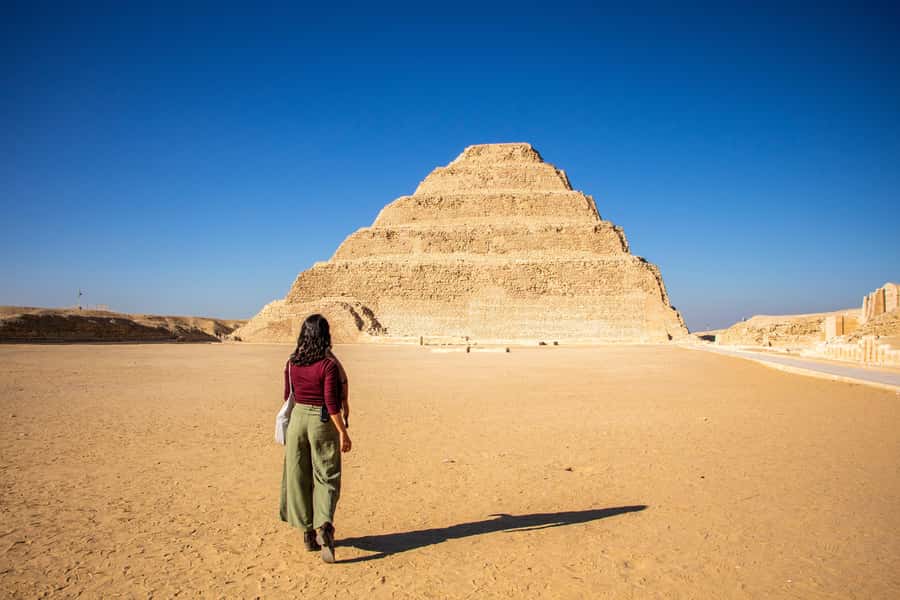
- Saqqara Step Pyramid first so you start with Egypt’s earliest major stone-pyramid statement
- Memphis + the Ramesses II statue for a different angle on pharaoh power beyond Giza
- Giza Plateau photo time paired with camel ride and optional horse riding add-ons
- Sphinx + Valley Temple of Khafre for the full “funerary complex” feeling, not just the selfie
- Small-group pacing (up to 13) that keeps questions from getting lost
- Skip-the-ticket-line entry for the main sites so your day stays focused
A tight 8-hour route that hits Egypt’s pyramid timeline
This is a classic “see the big names” tour, but with enough structure to help you understand what you’re looking at. You start at Saqqara, where the Step Pyramid of Djoser shows the engineering leap from earlier tomb traditions into giant stone monuments. Then you swing to Memphis for context about Egypt’s capital city power, and finish at Giza for the pyramids that dominate the skyline.
The best part is that it’s not just one site after another. It’s a timeline you can actually feel in the order you visit it, and that order matters. If you’ve ever stared at pyramids and wondered how they connect historically, this route is built to answer that without you having to do homework.
You can also read our reviews of more tours and experiences in Cairo.
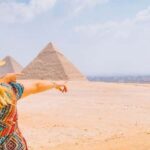

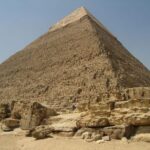
Saqqara Step Pyramid: start with the oldest colossal stone building
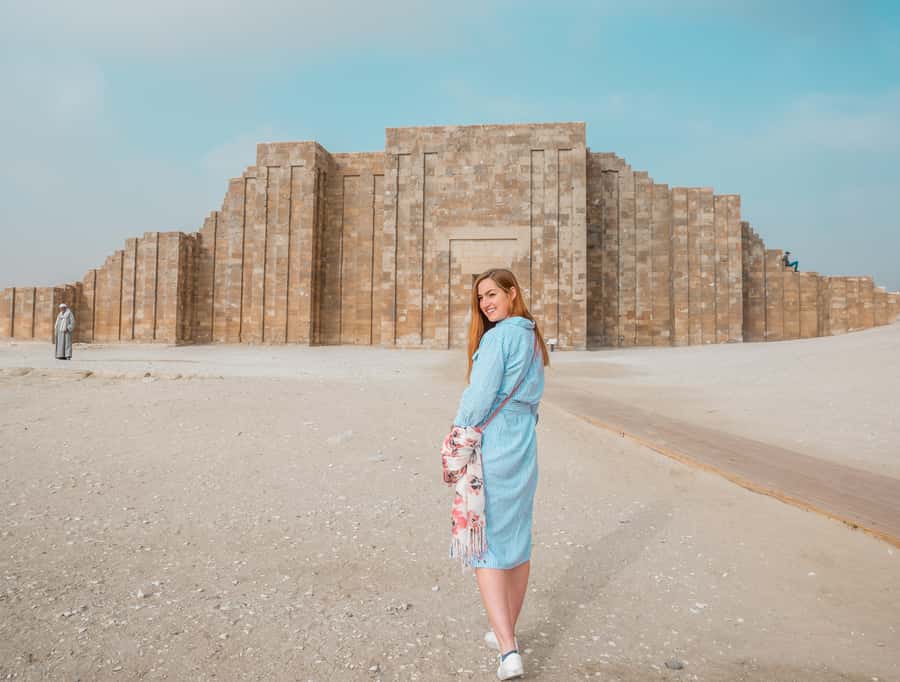
Your day kicks off at Saqqara, with a guided visit of the Step Pyramid of Zoser. This site is often described as Egypt’s oldest existing colossal stone building, built around 2630 BC for King Djoser, and you’ll feel the “first attempt at scale” vibe fast. It’s a great opener because it explains where later pyramid shapes came from.
Expect a guided tour plus walking time (about an hour). This is usually the moment where the guide’s storytelling style really clicks—many guests specifically praise Egyptologists like Saber Owayan and Amr for making the logic of the monuments feel simple instead of overwhelming. If you like to ask questions, Saqqara is a good place to do it early in the day, while the group is fresh.
Practical note: you’ll want comfortable shoes and a hat. Saqqara’s open areas can get bright fast, and you’ll be outside for photos and movement.
Memphis and Ramesses II: ancient capital energy, minus the crowds
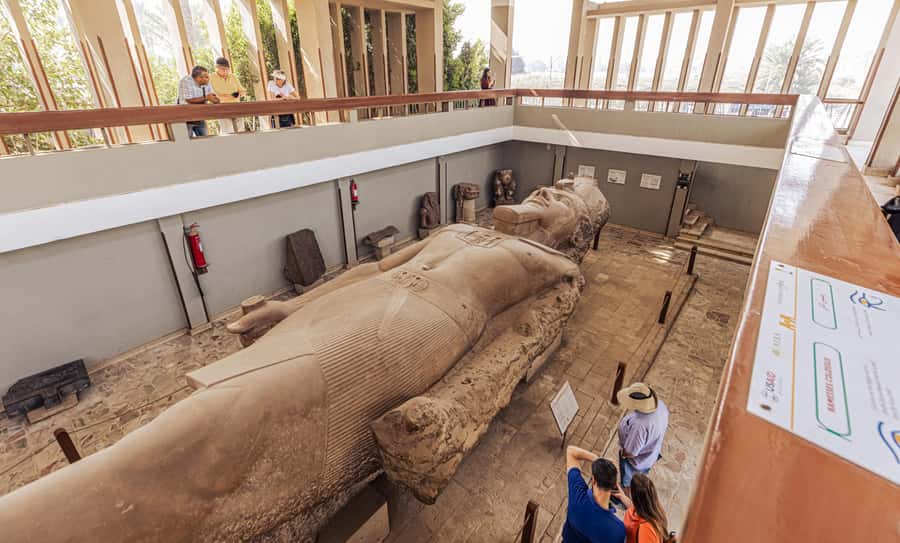
After Saqqara, the tour heads to Memphis, Egypt’s ancient capital after unification (around 3100 BC). Memphis is a different kind of “wow.” The ruins don’t roar like Giza, but they show how power was organized and celebrated day-to-day, not just buried.
You’ll spend about 45 minutes here with guided sightseeing and walking. A standout is the mention of the Colossal Statue of Ramesses II, which helps anchor Memphis as a living political center rather than just a pile of stones. People often mention guides like Essam and Tony for turning these breaks into mini-lessons you can remember later.
If you’re hoping for maximum pyramid visuals, Memphis might feel calmer. But that calm is exactly why it works: it gives your brain a breather so Giza hits harder.
Giza lunch timing and the plateau photo reality
Lunch is built into the plan with about an hour in Giza at a local restaurant (lunch is only included if you selected that option). This stop matters more than it sounds because your next segment is the busiest one on the itinerary: the Giza Plateau and the main pyramid area.
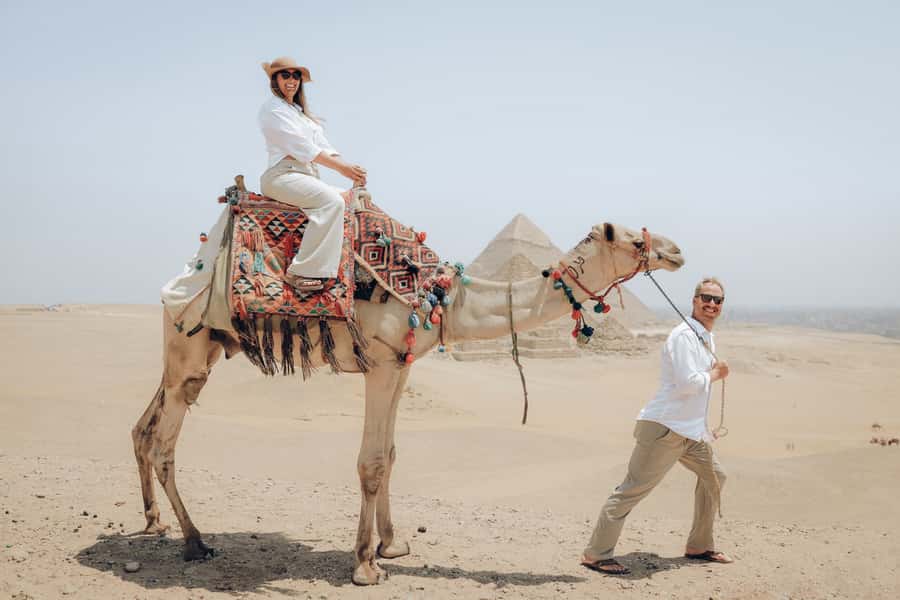
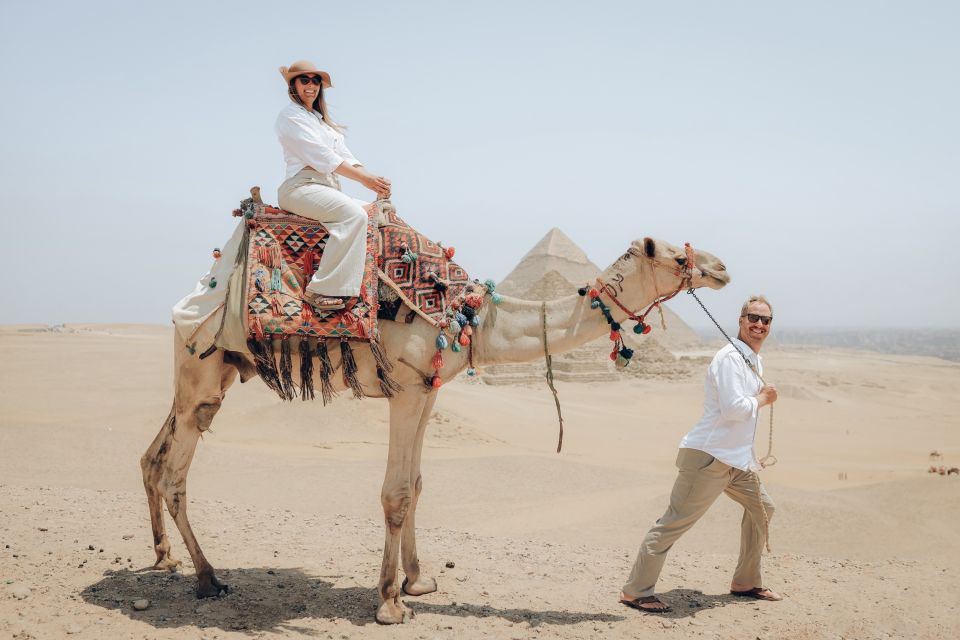
At the plateau, you’ll get a photo stop plus guided time, and this is where the optional add-ons show up. The itinerary includes camel ride (optional add-on) and horse riding (listed as part of the plateau activities). You’ll also be moving along scenic viewing points where timing and sun angle can make a big difference for pictures.
A balanced way to think about it: this is not the time to expect long, quiet wandering. The goal here is views, photos, and iconic angles. If you go in expecting a calm museum pace, you might feel rushed. If you go in expecting a highlight circuit with meaningful context, it lands well.
Great Pyramids and the Giza Plateau: scale you can’t fake
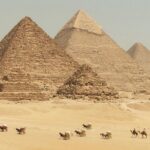
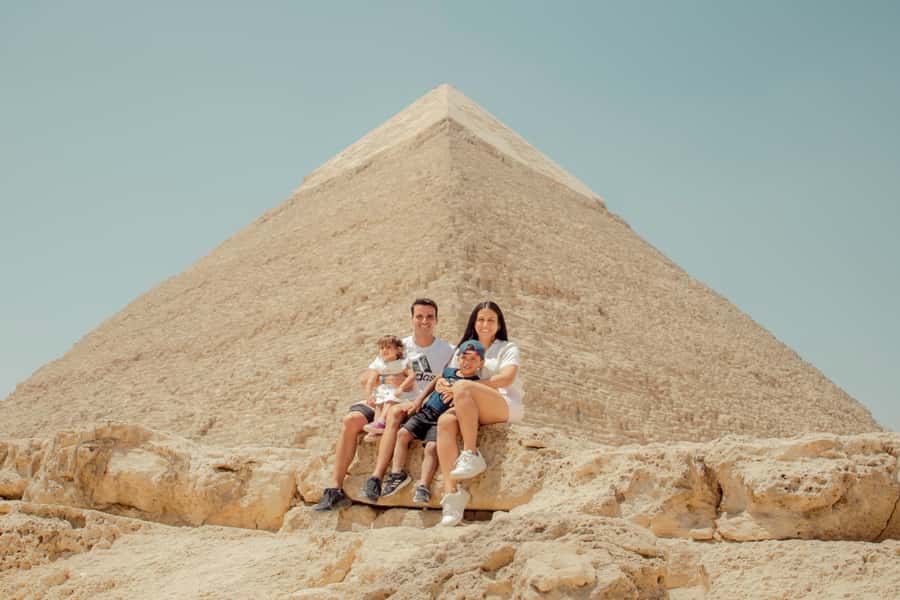
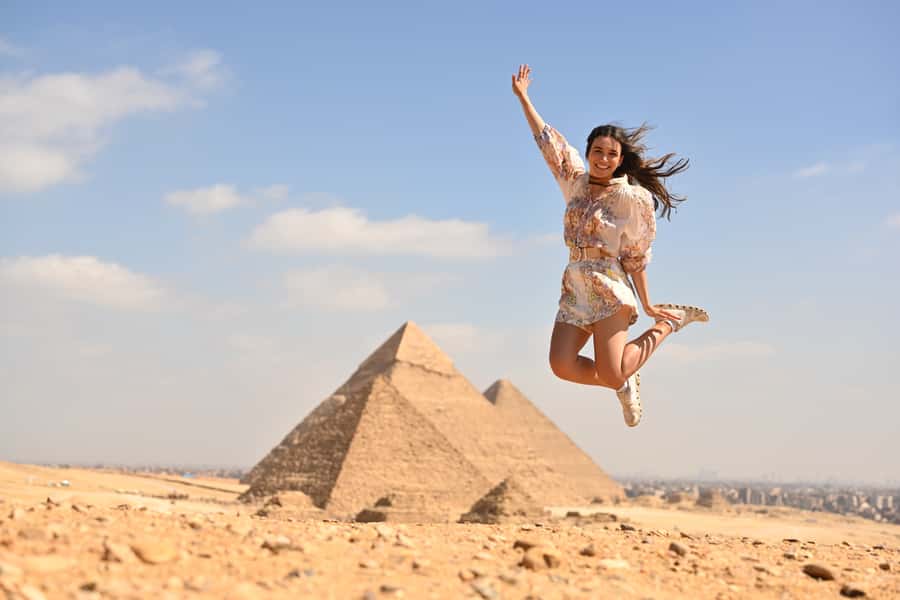
Next comes the heart of the show: the Giza Pyramids area, including guided visits focused on the main monuments such as Cheops, Chefren, and Mykerinus. The tour also includes general admission to the Pyramids and Sphinx area, plus the “skip the ticket line” perk for that main access. That skip can genuinely save time when queues are long.
Then you’ll have a short guided stop at the Sphinx area with around 15 minutes listed. That sounds brief, but the goal is to get you close, orient you, and point out what matters without turning your day into a waiting game.
One note worth taking seriously: strict site closing times can affect what’s possible. A few guests mention arriving at the Great Pyramid close to closing, and then being unable to enter even when an interior option was paid for. I’d plan around this by treating entry into pyramid interiors as time-sensitive and by staying alert to how the guide is sequencing the day.


Sphinx and Valley Temple of Khafre: more than a statue photo
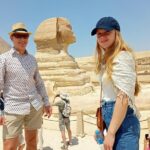
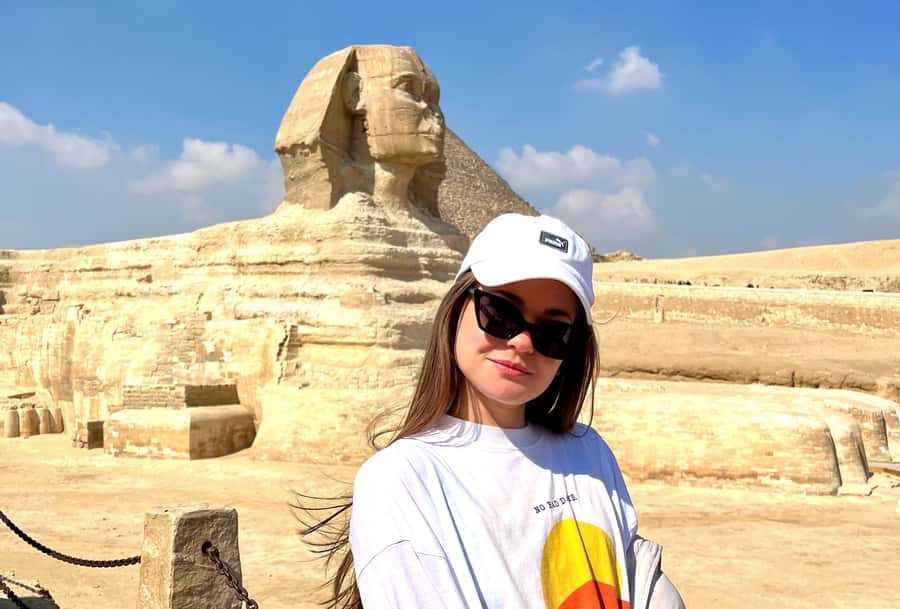
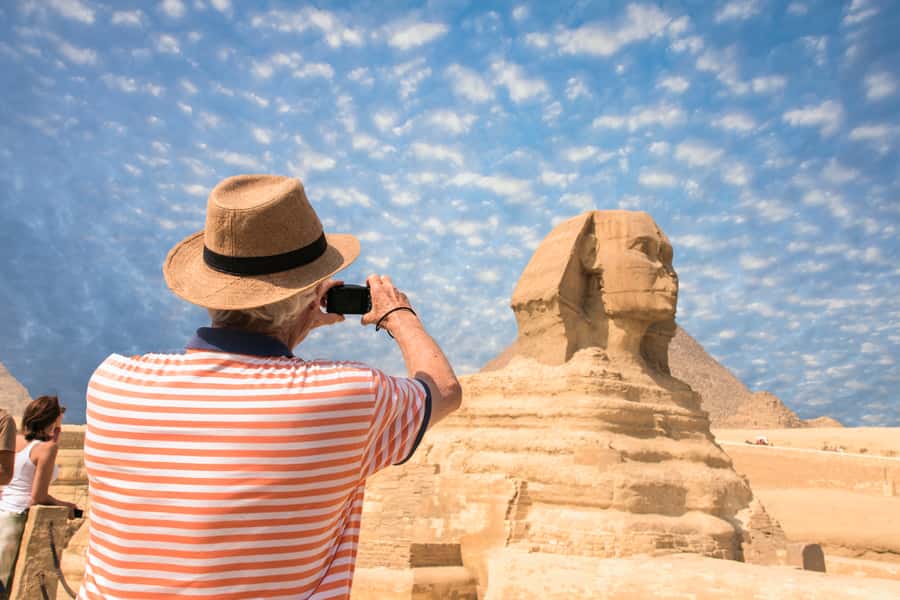
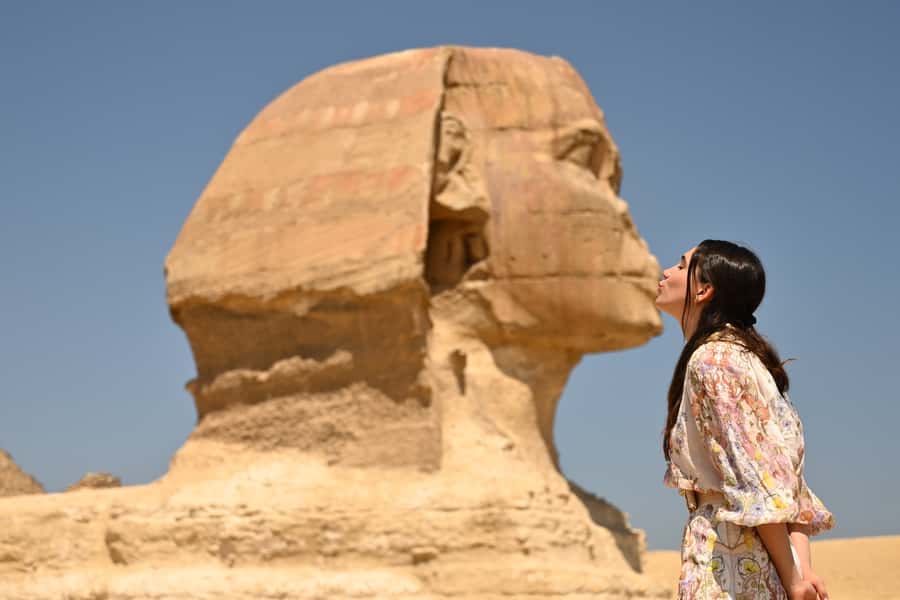
You’ll see the Great Sphinx, described as a limestone statue of the mythical creature with a pharaoh’s head and a lion’s body. The guide’s job here is to move you beyond the tourist frame, so you understand what it represents and why it fits the whole Giza complex rather than sitting alone.
From there, you visit the Valley Temple of Khafre (about 30 minutes with guided sightseeing). This funerary complex is connected to the mortuary temple tradition, and it helps explain how the pyramids weren’t just architecture. They were part of a larger ritual landscape.
Here’s why this part is valuable: so many people leave Giza thinking the story is purely about building gigantic pyramids. But the Valley Temple shows the “why” in built form—where ceremonies and transitions happened. If you’re the type who likes to understand how places worked, not just what they look like, you’ll appreciate this stop.
Shopping time: how to handle vendors without losing your mood
You get a free shopping time during the day, designed for you to browse and negotiate directly with vendors. This is where the mood can swing depending on how you manage it. If you want souvenirs, it’s a chance to make a deal while you still remember which view or monument you just saw.
If you don’t want to shop, you can still use the time strategically: step away from pushy areas, drink water, and keep an eye on your group. Many guides are good at helping you feel comfortable around vendor sales pressure, which is a big reason guests often talk about guide personalities like Nahed and Ayat in positive terms.
The practical mindset: treat it like a controlled break, not a distraction. Your day is already packed with monuments.
Price and value at $90: what’s included and what it really covers
At $90 per person for an 8-hour day, this tour competes well if you want a one-day loop that covers Saqqara + Memphis + Giza + Sphinx + Valley Temple. You’re paying for the structure: pickup and drop-off from Cairo or Giza, air-conditioned transportation, an Egyptologist guide, bottled water, general admissions, and skip-the-line access for the included areas.
In plain terms, this price is mostly about buying time and coordination. Public transport won’t bundle all those sites with an expert guide, and getting the logic of the monuments in the right order is hard to do solo if you’re also trying to beat crowds.
What can change your total:
- Lunch is only included if you selected it.
- Pyramid interior entry is included only if you booked the Khafre Pyramid option.
- Camel ride and long-range pickup (from cities like New Cairo, Heliopolis, Cairo Airport areas, and 6th of October) are listed as add-ons.
So, the value is strongest when you want a guided “greatest hits” day and you plan your add-ons ahead.
Tips that make the day smoother (and avoid common surprises)
Bring what the tour asks for: passport or ID card, comfortable shoes, a sun hat, comfortable clothes, and warm clothing in case the day starts cooler or gets breezy near evening. Also remember the rule about luggage: you can’t bring luggage or large bags.
For tickets, the Egyptian Ministry of Tourism guidance included here matters: travelers must purchase entrance tickets directly with a card; cash isn’t accepted. Even if your tour includes general admissions, it’s smart to have a card ready for any extra entrances you choose to add on during the day.
For pyramid-entry pricing, one helpful tip you might consider: some guests report that on-site pyramid-entry tickets can be cheaper than pre-booking through a platform, so comparing prices on the day can help you make a better call. Just don’t count on it if you’re short on time—closing times are real.
Finally, if you’re aiming for the best photos, ask your guide about photo angles early. Many guides on this route are praised specifically for photo help, and that matters because the best shots often depend on timing, not luck.
Who this tour suits best
This tour is best for first-timers who want a compact, organized overview without spending your vacation figuring out logistics. It’s also a good fit if you enjoy explanations that connect sites to a bigger story—especially when the guide is the type who keeps things clear and engaging.
Small-group pacing (up to 13) makes it easier to ask questions and move at a human speed, which is why so many guests recommend it even when they’re traveling solo. If you hate crowds and prefer to keep your time under control, the structure is a plus.
If you’re extremely mobility-limited, note that it isn’t suitable for wheelchair users, based on the tour’s information.
Should you book this Giza, Saqqara & Memphis Tour?
Book it if you want an organized day that hits the main monuments in the right historical order, with an Egyptologist guiding you through what you’re seeing. The combination of Saqqara first, then Memphis context, then Giza’s pyramids and Sphinx is a smart way to leave Cairo with more than surface-level sightseeing.
Skip or switch to a more relaxed option if your priority is slow wandering and long, flexible time at just one monument. This itinerary is built to cover a lot, and strict site schedules can limit interior access if the day runs later than you expect. If you’re traveling at a time when you’re likely to face mist, holidays, or crowd surges, this tour can still work well—but go in with realistic timing expectations and keep your card handy.
FAQ
How long is the tour?
The duration is 8 hours.
Where does pickup happen?
Pickup is included from your accommodation in Cairo or Giza, with three pickup options listed in the Giza area.
What sites are included in the tour?
You’ll visit Saqqara (including the Step Pyramid of Zoser), Memphis, the Giza Pyramids area (including Cheops, Chefren, and Mykerinus), the Sphinx, and the Valley Temple of Khafre.
Is lunch included?
Lunch is included only if you select the option or add-on during booking; otherwise, you’ll have the lunch stop without it being included.
Can I enter a pyramid interior?
Entry inside the Khafre Pyramid is included only if you book that option.
Are camel rides included?
Camel ride is listed as an add-on option.
What languages are the guides available in?
The live tour guide is available in German, French, English, and Arabic.
Do you offer skip-the-ticket line access?
Yes, skip the ticket line is included for the main sites covered by the general admission.
Is the tour wheelchair accessible?
No, the tour is not suitable for wheelchair users.
What do I need to bring, and what is not allowed?
Bring a passport or ID card, comfortable shoes, a sun hat, comfortable clothes, and warm clothing. Luggage or large bags are not allowed.
How do entrance tickets work regarding payment?
According to the Egyptian Ministry of Tourism guidance included here, entrance tickets must be purchased directly using a card; cash is not accepted.