REVIEW · CAIRO
Best of the best Giza Pyramids, Nile Sphinx, Museum,Bazzar,Camel
Book on Viator →Operated by My Cairo Tours · Bookable on Viator
Cairo in one day takes nerve. This tour strings together Giza, the Sphinx, the Egyptian Museum, and a Khan al-Khalili shopping break so you don’t waste your short stay. I especially like that it handles the hard parts for you: entrance fees (included) plus an Egyptologist guide who keeps the day moving with context, not just dates.
Two more things I like: the camel ride is built into the plan, and lunch comes with a view of Giza and the Sphinx area. One possible drawback is timing pressure—some parts (especially the bazaar and add-on shopping stops) can feel like they’re optimized for the tour flow, so you’ll want to set expectations early.
In This Review
- Quick Take: Key Highlights Worth Your Time
- Hotel Pickup, Air-Conditioned Travel, and a Day With Structure
- Giza Pyramids: Your Best Use of Limited Time (Plus 30 Minutes on a Camel)
- What to watch for (so you enjoy it more)
- Camel ride reality check
- The Great Sphinx Stop: How to Appreciate It Without Feeling Like You’re Glancing Only
- Nile River Photo Stop: A Quick Pause That Helps the Whole Day
- Khan al-Khalili Bazaar: Shopping With a Guide (and Fewer Headaches)
- The smart way to handle shopping pressure
- The Egyptian Museum: Artifacts That Make the Story Feel Real
- Museum pacing: how to make your three hours count
- Lunch With a View: Why This Small Detail Matters
- Price and Value: What $22 Really Buys You
- Tipping, Shop Stops, and How to Keep Control of Your Day
- Who This Tour Is Best For (and Who Should Skip It)
- Should You Book This Giza Pyramids, Sphinx, Museum, Bazaar, Camel Tour?
- FAQ
- How long is the tour?
- Where does the tour start?
- What does the tour include besides sightseeing?
- Are entrance fees included?
- Is a camel ride included?
- How much time do you get at the Giza Pyramids?
- Is there time for Khan al-Khalili bazaar shopping?
- How long do you spend at the Egyptian Museum?
- What is the dress code?
- Can I cancel and get a full refund?
Quick Take: Key Highlights Worth Your Time
- Giza Pyramids with a camel ride scheduled in, not tacked on at the end
- Great Sphinx stop included with easy viewing time for photos and scale
- Khan al-Khalili bazaar time with a guide to keep the chaos manageable
- Egyptian Museum time focused on the big names, including King Tut’s golden mask
- Hotel pickup and drop-off by car, so you’re not negotiating Cairo traffic all day
Hotel Pickup, Air-Conditioned Travel, and a Day With Structure
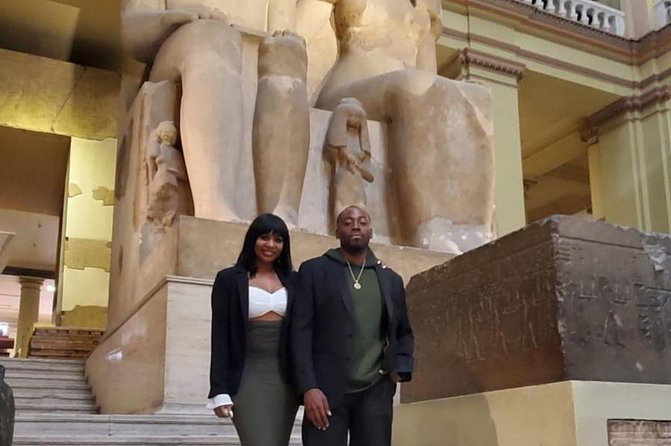
Cairo is big, traffic is real, and daylight runs out fast. What makes this tour work for first-timers is the order of operations: you start early, get picked up directly from your hotel, and bounce between major sights without spending your precious time figuring out routes.
The tour also leans practical: you get a modern-car transfer, bottled water, and a guide who’s there to smooth over the friction points. That means you’re less likely to get dragged into ticket lines, confusion about what’s where, or the classic Cairo problem of losing your group in a crowd.
One extra detail I appreciate: the tour uses mobile tickets, which helps you show up prepared. And it’s scheduled as a private tour for your group, so you’re not stuck pacing like a slow-and-fast mismatch with strangers.
You can also read our reviews of more tours and experiences in Cairo.


Giza Pyramids: Your Best Use of Limited Time (Plus 30 Minutes on a Camel)
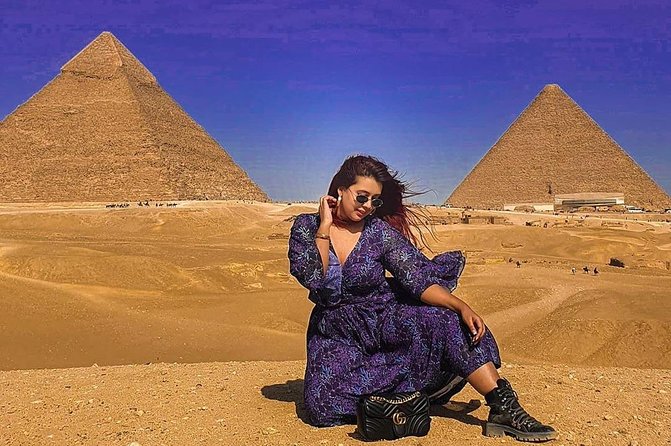
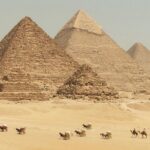
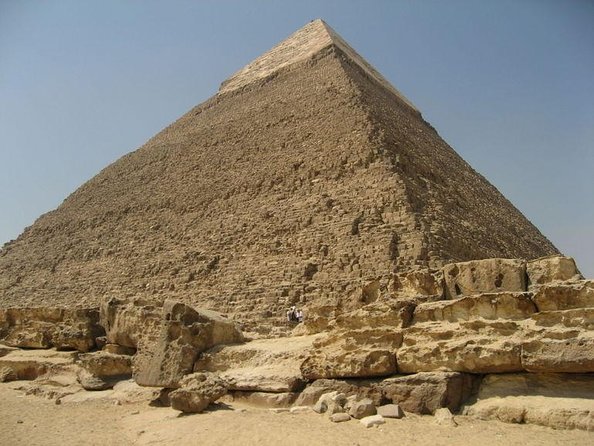
Giza is the main event, and this plan hits it first—so you’re not starting the day exhausted or rushed. You’ll get about three hours at the Giza area, plus guidance to connect the sights to the people who built them.
Here’s what you can expect to get out of the visit:
- A guided walk through the story of the main pyramids and the rulers behind them, including Cheops (Khufu), Chephren (Khafre), and Mykerinus (Menkaure).
- A look at the broader complex, with time near the Sphinx area as part of the overall Giza introduction.
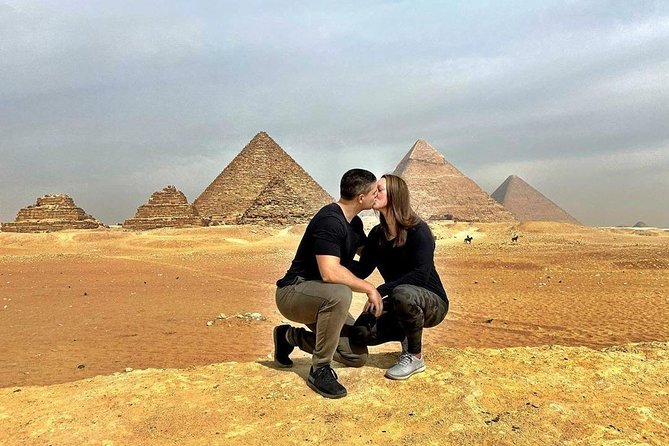
- A 30-minute camel ride around the Giza pyramids, included in the tour—perfect if you want the classic photo-and-memory moment without having to arrange it separately.
What to watch for (so you enjoy it more)
Big sites can blur together if you don’t know what you’re looking at. I like that an Egyptologist guide can point out the details you’d otherwise miss—things like how the pyramids were envisioned and why certain structures are grouped where they are.
If you’re sensitive to claustrophobic spaces or crowding, plan your comfort strategy. Even without any extra instructions, Giza can feel tight around certain viewing areas simply because it’s popular and busy in waves.
Camel ride reality check
The camel ride is included, but it’s still a ride in a working environment—there will be people, handling, and a strong push toward photos and tips. If you want the camel moment, enjoy it and move on. If you don’t, know that comfort matters more than checking a box.
The Great Sphinx Stop: How to Appreciate It Without Feeling Like You’re Glancing Only

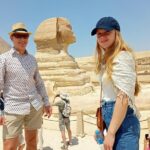
The tour includes a dedicated stop for the Great Sphinx, with viewing time set at about 30 minutes. That’s short, but it’s enough if your guide helps you understand what you’re looking at.
This is where scale hits hardest. The Sphinx isn’t just a statue—it’s an anchor point for the whole Giza story. With only half an hour, you’ll want to do two things fast: get a few good angles and listen for the background that makes the stone feel less like a random landmark and more like a symbol tied to the complex.
You’ll likely also catch the general vibe of the Sphinx temple area as part of the broader Giza context. If you’re the type who likes to linger, remember the day is packed; you won’t be alone in wishing there was more time.



Nile River Photo Stop: A Quick Pause That Helps the Whole Day
Between monuments and museums, it helps to break things up. This tour includes a 30-minute stop to take pictures along the Nile River.
It’s not a long cruise. Think of it as a reset button: a chance to get away from heavy foot traffic for a moment, catch a different view of the city, and refresh before the next stop.
Bring what you need for photos—phone battery, a quick wipe for your lens, and a light layer if you’re sensitive to evening chill (weather can shift fast in Cairo).
Khan al-Khalili Bazaar: Shopping With a Guide (and Fewer Headaches)
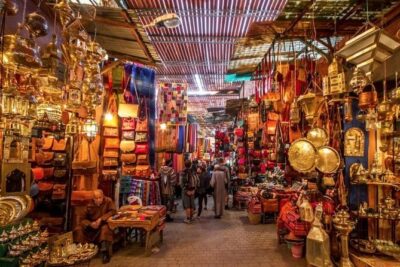
This is the part where Cairo can feel like a cartoon: people calling out, shops everywhere, and too many choices. The tour gives you about two hours at Khan al-Khalili, with a guide to help you navigate the area and keep the experience from turning into chaos.
You’re set up for a few goals:
- See the souq experience up close (souvenirs, spices and scents, and the feeling of an old-market street).
- Do shopping if you want, with guidance to reduce confusion.
- Take a sit-down at a café shop as part of the break time.
The smart way to handle shopping pressure
Some tours include stops that are tied to shopping opportunities. Even if you don’t plan to buy much, the rhythm can still feel like it’s moving you toward purchases. This isn’t unusual in Egypt, and it doesn’t mean you must spend.
My practical advice: set your budget before you walk in. If you want to enjoy the bazaar but skip the impulse-buy part, you’ll have more fun if you keep purchases intentional and quick.
Also, carry small cash. Not for some fancy purchase—just so you’re not stuck with large bills when you’re ready to pay.
The Egyptian Museum: Artifacts That Make the Story Feel Real
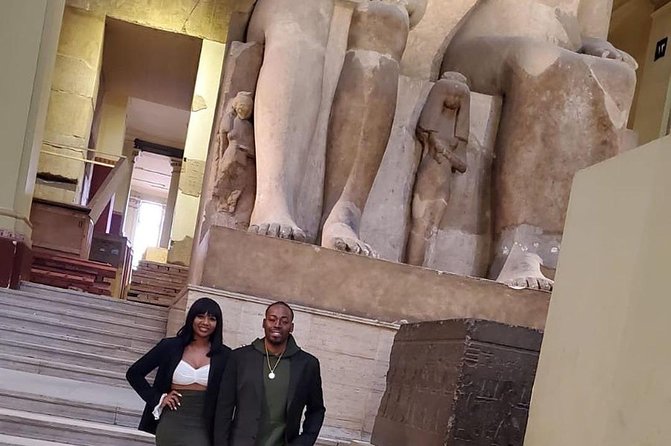
The Egyptian Museum in Cairo is one of those places where time passes faster than you expect. You get about three hours here, which is enough to see the big highlights if your guide keeps you focused.
The tour focuses on major artifacts, and one standout mentioned in the plan is King Tut’s golden mask. That’s the kind of object that changes the way you think about scale and artistry. Even people who aren’t “museum people” usually feel a jolt when they see something like that in person.
Museum pacing: how to make your three hours count
Three hours sounds long, but major museums can swallow time. Your best strategy:
- Start with the highlights your guide points out early.
- Save a slower wander for the end, not the beginning.
- Ask quick questions while you’re there—guides can tie the objects together so it feels like a connected story, not random rooms.
One more practical point: depending on what you’re interested in, you might find that you want optional extras. The tour keeps it focused on the core museum experience, so if you’re craving extra rooms, be prepared that you may need additional time.
Lunch With a View: Why This Small Detail Matters
Lunch is included, and it’s described as overlooking the Sphinx and Giza area. That matters more than it sounds, because it gives you a calm moment after walking and climbing.
It’s also a mental reset. You’ll get to sit, eat, and watch the day unfold around the monuments you’ve been working toward. On a packed schedule, that kind of break is a real quality-of-life win.
Bring patience to the table. Lunch in busy tourist zones can be smoother if you stay flexible about service speed and keep your focus on the moment rather than the clock.
Price and Value: What $22 Really Buys You
At around $22 for a day that typically includes major monuments, a guide, transfers, entrance fees, lunch, and a camel ride, the value is the whole story here.
Here’s what you’re getting for that price:
- Hotel pickup and drop-off by modern car
- An Egyptologist guide
- Entrance fees included for the scheduled sights
- Lunch
- Bottled water
- Camel ride (30 minutes)
That’s the kind of package that helps first-timers avoid the scattered cost of arranging each piece separately. It also reduces the “I don’t know where to go” stress, which is often worth more than the difference between cheap and mid-priced.
Now, the caution: with a day this packed, you’re trading freedom for structure. If you want a slow, drifting day with extra time at each site, this might feel tight. But if your goal is to see the essentials without getting lost, it’s priced like a smart solution.
Tipping, Shop Stops, and How to Keep Control of Your Day
A couple themes show up in real-world experience in Cairo: tips are expected, and shopping opportunities can influence how some parts of the day feel.
So I suggest you plan small:
- Set aside some cash specifically for tips. If you’re not sure what amount fits your comfort level, a safe approach is to bring a few smaller bills and decide based on the service you receive.
- If you want to buy, buy. If you don’t, keep your answers calm and polite and move along.
When it comes to bazaar time, the best mindset is: you’re there to enjoy the atmosphere and choose for yourself. If you feel rushed into shopping, you’ll lose the fun. Ask your guide to help you prioritize what matters to you.
Guides also vary. Some are excellent at photography and pacing, while others can be less patient. Your best defense is the same anywhere: communicate early in the day. Tell them what you want most—pyramids photos, museum focus, or more bazaar browsing.
Who This Tour Is Best For (and Who Should Skip It)
This tour is a strong fit if:
- You’re a first-time visitor and want the big sights lined up in one day
- Your schedule is short and you don’t want to juggle transportation and tickets
- You like having an Egyptologist guide explain context while you walk
- You want a classic Cairo day that includes pyramids, museum highlights, and the bazaar
You might want to look for something else if:
- You hate time pressure and want long, slow stays at every major site
- You know you’ll feel uncomfortable with shopping stops
- You’re hoping for lots of flexibility day-of without any structure
Should You Book This Giza Pyramids, Sphinx, Museum, Bazaar, Camel Tour?
If you’re trying to squeeze Cairo into a manageable day, I think this is a smart book. The core value is clear: major sights, entrance fees included, lunch included, camel ride included, and hotel pickup handled for you.
My final advice is simple: go in with a plan for the bazaar and a mindset that this is an efficient route. If you treat the day like a highlight reel you’ll enjoy, not like a slow wander, you’ll leave Cairo feeling like you used your time well.
FAQ
How long is the tour?
The tour runs about 8 to 10 hours, depending on the day’s pace and stops.
Where does the tour start?
It starts with hotel pickup in Cairo, with the guide meeting you in the hotel lobby holding a signboard with your name.
What does the tour include besides sightseeing?
It includes a professional Egyptologist guide, hotel pickup and drop-off by modern car, bottled water, lunch, and entrance fees to the sites.
Are entrance fees included?
Yes. Entrance fees are included for the scheduled stops in the plan.
Is a camel ride included?
Yes, you’ll have a 30-minute camel ride around the Giza pyramids area.
How much time do you get at the Giza Pyramids?
The plan includes about 3 hours at the Pyramids of Giza area.
Is there time for Khan al-Khalili bazaar shopping?
Yes, the tour includes about 2 hours at Khan al-Khalili with time for shopping and a café break.
How long do you spend at the Egyptian Museum?
The plan includes about 3 hours at the Egyptian Museum.
What is the dress code?
The dress code is smart casual.
Can I cancel and get a full refund?
Free cancellation is available up to 24 hours before the experience starts for a full refund.