REVIEW · ZANZIBAR CITY
Zanzibar: 3 Hours Private Stone Town walking Tour with Guide
Book on GetYourGuide →Operated by Sweetkona Tours and Safaris Limited · Bookable on GetYourGuide
Stone Town makes sense fast with a guide. This 3-hour private walk through Zanzibar’s UNESCO-listed lanes mixes Swahili street life with Arab, Indian, European, and Portuguese influence, plus the heavy chapter of the slave trade. You’ll move at a human pace, stop for photos, and get the why behind the curved doors and carved balconies.
I love the way the tour turns wandering into a plan. You’ll focus on Stone Town architecture and the famous narrow-street feel while stopping at places like Zanzibar Coffee House (the Jaws Corner area) without feeling rushed. I also like how the guide frames the old slave market area in a direct, respectful way before you shift to everyday Zanzibar life at Darajani Market.
One thing to consider: it’s a walking tour on tight, uneven streets, and it’s not suitable for people with back problems. Also, some of the best-known stops (like the Freddie Mercury Museum and the Former East Africa Slave market) have admission fees on top of the tour price.
In This Review
- Key Things That Make This Stone Town Walk Worth It
- Why 3 Hours in Stone Town Works (And Why You Need a Guide)
- Pickup in Stone Town: Getting Started Without Stress
- The Dark Side: Old Slave Market and the Story It Tells
- Darajani Market: Spices, Fish, Fruit, and Real Local Life
- Zanzibar Coffee House (Jaws Corner Area): A Break With a Point
- Sultan Palace and Forodhani Garden: Power, Tradition, and Evening Energy
- House of Wonders (Bait el-Ajab): The Landmark People Talk About
- Old Fort and the Doorways: Reading Stone Town Like a Map
- Freddie Mercury’s Stone Town Connection: Photos and Context
- Notre Dame of Zanzibar: A Final Anchor in Stone Town
- Price and What You’re Really Getting for $24
- Who This Private Tour Is Best For (And Who Should Skip It)
- Practical Notes: Shoes, Rules, and How to Make It Smooth
- Should You Book This Stone Town Private Walk?
- FAQ
- FAQ
- What does the tour cost and how long is it?
- What’s included in the $24 price?
- Are there extra ticket fees for any stops?
- Does the tour include pickup in Stone Town?
- How many people are in the group?
- What languages are the guides available in?
Key Things That Make This Stone Town Walk Worth It
- Private pacing for real questions instead of feeling herded through stops
- Curved doors and balcony details that most self-guided walks miss
- Slave-trade context tied to the old market site you’ll actually stand in
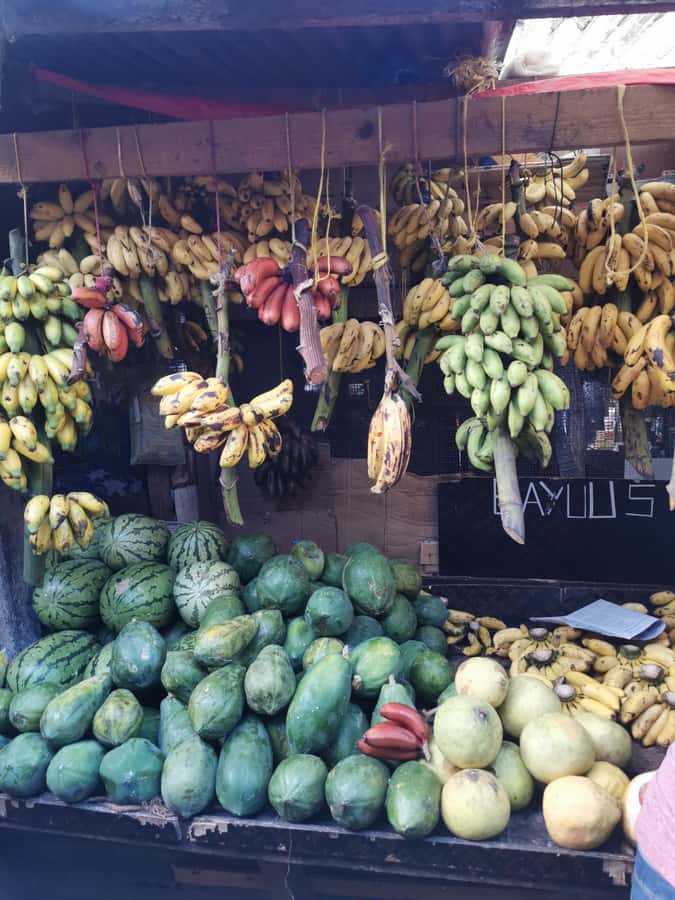
- Darajani Market shopping time for spices, fish, fruit, and snacks
- Iconic landmarks in a tight route like House of Wonders and Sultan Palace
- A coffee break you’ll want at Zanzibar Coffee House (Jaws Corner area)
Why 3 Hours in Stone Town Works (And Why You Need a Guide)
Stone Town is one of those places where the streets look like a maze until someone gives you a mental map. With this private 3-hour walking format, you get orientation fast: where to turn, what each landmark is connected to, and how Swahili culture shaped daily life through centuries of trade.
I also like that the tour is built around contrasts. You’ll start with the darker story tied to the slave trade and the old market area, then you’ll pivot to the living side of Zanzibar—spice smells, seafood stalls, fruit and vegetable piles, and the kind of market chatter you don’t get from a photo alone.
And because it’s private, you can steer the walk a bit. Multiple guides named in bookings—like Khameez Jaku, Mau (and Maulid), Kasim, and Sahin—are often praised for adjusting the stops to the group’s interests and keeping the pace comfortable for questions and pictures.
You can also read our reviews of more tours and experiences in Zanzibar City.


Pickup in Stone Town: Getting Started Without Stress
The tour begins in Stone Town with pickup from within the area, and you can request pickup outside Stone Town if needed. That matters here because Stone Town walking is best done with a driver waiting at the end point, not while you’re trying to find a meeting point on your own.
At the start, you’ll set expectations quickly: what you’ll see, how long you’ll spend in each area, and which stops involve extra tickets. The route is designed so you can do a lot in one morning or afternoon without feeling like you’re sprinting between attractions.
If you’re planning a tighter schedule—like landing in Stone Town late and wanting an efficient overview—this kind of short, guided loop is a smart move. Just remember: you’re choosing walking, so bring shoes you’d trust on uneven surfaces.
The Dark Side: Old Slave Market and the Story It Tells
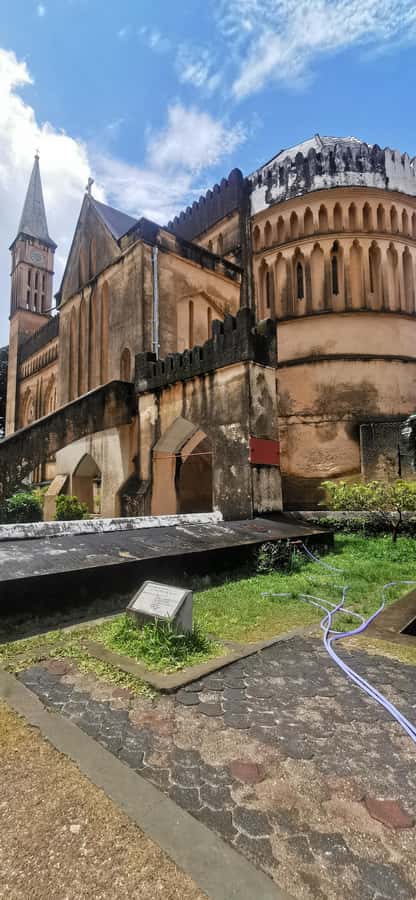
The tour’s most important stop is the old slave market area, which is connected to the present Anglican Church. Even if you don’t go into a museum with paid admission, the guide’s explanation gives the site context so it doesn’t feel like a random “sad place” on a checklist.
If you do choose the admission ticket for the Former East Africa Slave market (listed as about $10 per person), you’ll have the chance to trace the slave trade story more closely. Many people find this part emotionally heavy, but it’s also the part that makes Stone Town’s other sights feel more complete—because trade isn’t just boats and buildings. It shapes families, wealth, laws, and suffering.
Guides such as Khameez Jaku and Mau/Maulid are repeatedly noted for how they handle this topic with care—clear enough to understand, respectful enough that the stop doesn’t turn into a grim sightseeing detour. Still, be prepared for the topic to be uncomfortable. If you want Stone Town without emotional weight, this may not be the right fit.
Darajani Market: Spices, Fish, Fruit, and Real Local Life
After the heavier context, the tour moves into the everyday engine of Zanzibar: Darajani Market. This is where you get hands-on learning—seeing the day catches from the Indian Ocean, then shifting into local Zanzibar produce like fruits and vegetables, plus spices that smell like they’ve been ground for hours.
This is also your chance to shop if you want. You can test items, photograph stalls, and buy small souvenirs like spice blends or coffee-related products—things that make sense to take home because they come from the exact places you’re visiting.
A practical tip: markets are active, and you’ll likely spend more time than you expect looking. If you care about buying, wear breathable clothes and consider bringing cash in small denominations (the tour data doesn’t spell this out, but Zanzibar markets typically reward simple payment habits).
If you’ve ever visited a market on your own and felt you only understood half of it, a guide helps you spot what’s important—what’s sold, what it’s used for, and how it connects to trade and daily Swahili life.
Zanzibar Coffee House (Jaws Corner Area): A Break With a Point
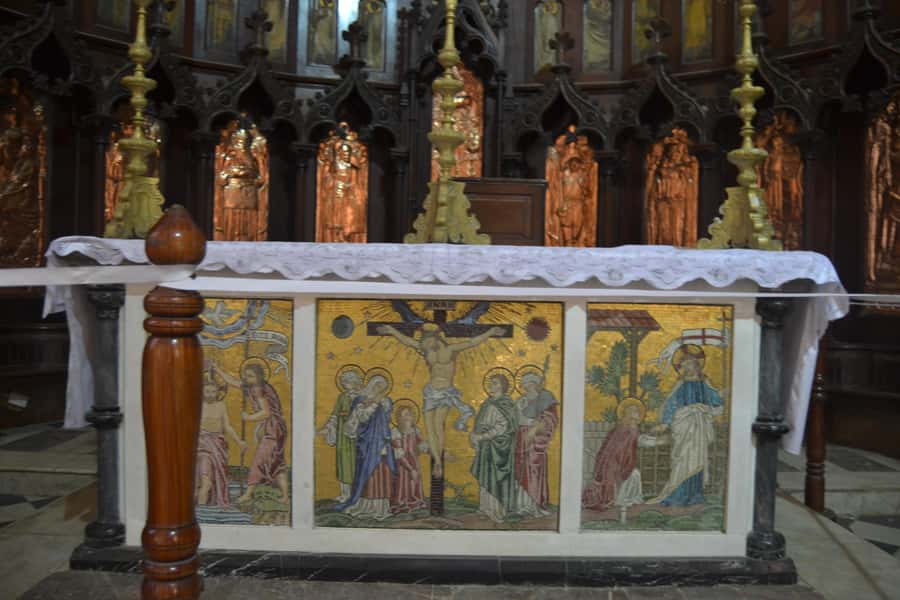
Stone Town walking can get intense, fast. That’s why the stop at Zanzibar Coffee House (in the Jaws Corner area) is more than a treat. It’s a reset moment, and it also gives your guide a chance to tie together what you’ve been seeing so far.
Here’s the key: you’re not just buying coffee, you’re pausing in a spot that locals actually use. In bookings, people mention enjoying coffee with locals and stopping for simple snacks or ice cream along the way when plans allow. That’s part of the value of a private tour—you can keep your day human.
If you’re planning photos, this is a good place to slow down. You’ll likely be tempted to rush the street scenes elsewhere, but coffee time lets you breathe, recharge, and shoot better images without feeling like you’re counting minutes.




Sultan Palace and Forodhani Garden: Power, Tradition, and Evening Energy
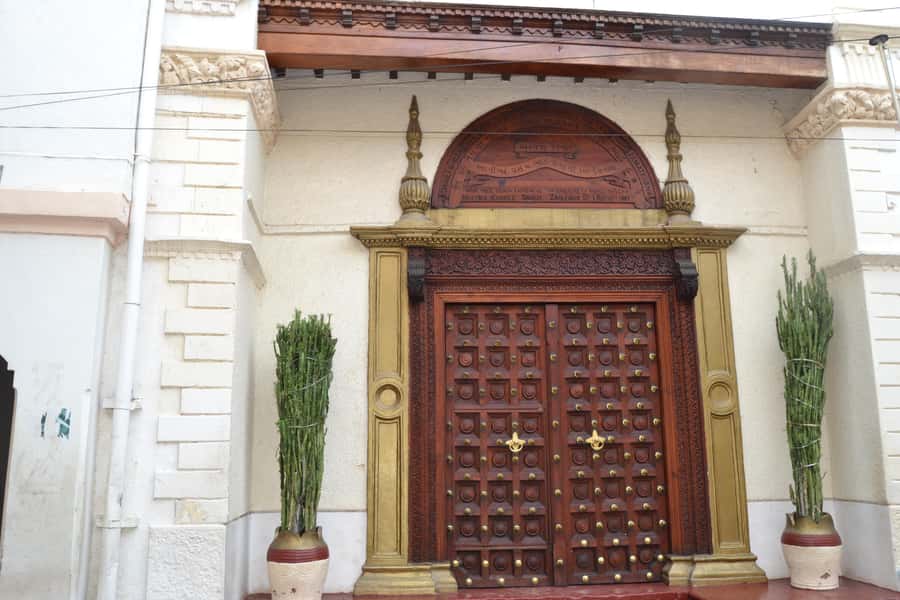
As the walk continues, you’ll head toward Sultan Palace. This is one of the stops that turns historical influence into physical detail. You’ll capture the story of the sultan dynasty and explore the ambience inside the palace area. It’s a strong contrast after the slave-trade stop: the same trade routes that fueled the economy also fueled power and court life.
Next, you’ll reach Forodhani garden, known as a popular evening spot. Even if your tour timing isn’t late-night, you’ll still connect the dots: this is where street food and local social life come together. The tour route highlights sea foods, sugarcane juices, BBQ, Zanzibar pizza, and more.
One note: Forodhani garden has that “this is what daily Zanzibar looks like” feel. If you’re the type who likes cultural sights but also wants a taste of modern street life, you’ll probably enjoy this part more than you expect.
House of Wonders (Bait el-Ajab): The Landmark People Talk About
House of Wonders, also called Bait el-Ajab, is a major highlight. It’s described as the tallest building in East Africa, and the tour frames it as a ceremonial palace with mysterious stories inside.
Even if you don’t have time to absorb every detail, your guide’s explanation helps you read the building as more than a photo stop. In Stone Town, architecture is storytelling. Tall structures, ceremonial spaces, and palace design all connect back to the long era when Zanzibar sat at the center of trade links across the Indian Ocean.
If you’re a curious person who likes “why this place looks like that,” this stop is a good payoff. It gives you a landmark you can remember even after the streets start to blur together.
Old Fort and the Doorways: Reading Stone Town Like a Map
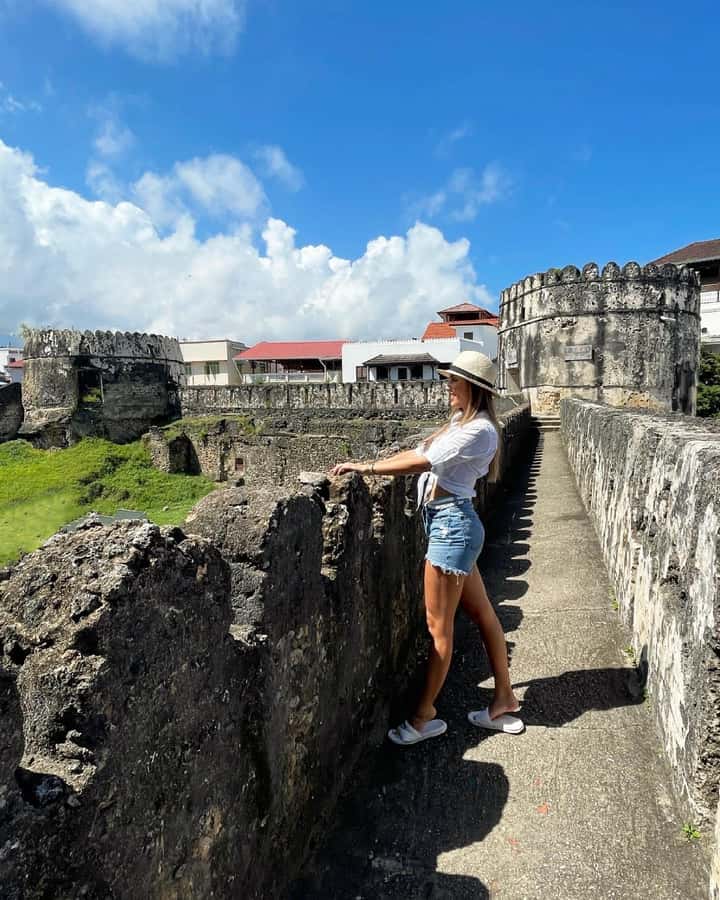
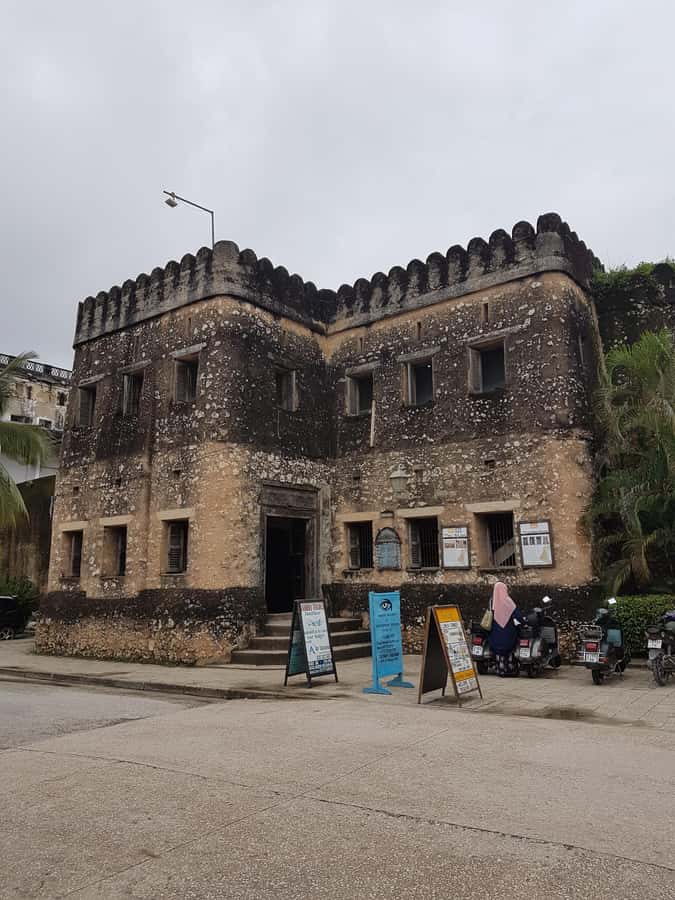
The walk continues toward the Old Arabic Fort area, described as a fast-erected feature used as a battle arena, with references in the tour to a primitive railway station. Whether you get every detail inside any specific structure depends on what’s accessible that day, but the point is clear: you’re moving through layered history.
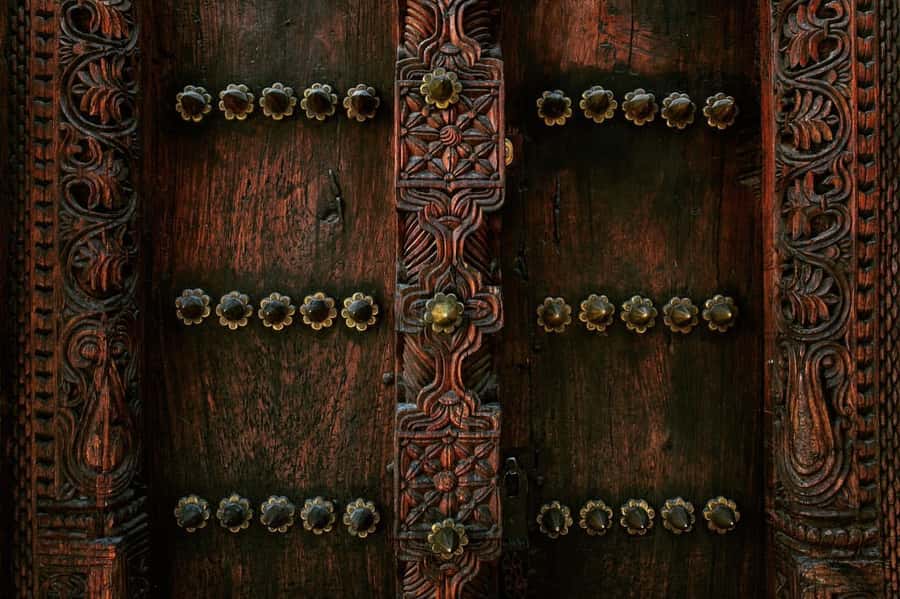
Then you’ll push into the narrow streets again, where you’ll see Zanzibar’s famous doors—curved, carved, and decorative—and pass souvenir shops and boutiques. For many people, this is the moment they realize Stone Town isn’t just pretty. It’s functional art built into everyday buildings.
Also, the tour notes you’ll do a lot of “door visiting.” That’s a small-sounding phrase that actually helps a ton. Instead of “I saw a street,” you walk away thinking, “I saw the kind of doors and why they mattered.” It makes your afternoon feel more grounded.
Freddie Mercury’s Stone Town Connection: Photos and Context
Freddie Mercury is one of the reasons many first-timers end up in Stone Town. This tour includes a stop near the homes connected to the Queen frontman, with time for photos around the area of Freddie born house.
You’ll hear his history and connect his story back to the city around him. It’s a fun change of pace after intense history stops, and it often becomes a favorite photo moment—especially for music lovers and families.
The tour also mentions the Freddie Mercury Museum with an admission fee not included (about $8 per person). The operator lists skip-the-ticket-line style access, but you’ll still want to budget for entry if you truly care about the museum side of the story.
If you’re short on time, you can treat this as a photo stop. If you love music history, consider paying admission and giving yourself time to walk slowly inside.
Notre Dame of Zanzibar: A Final Anchor in Stone Town
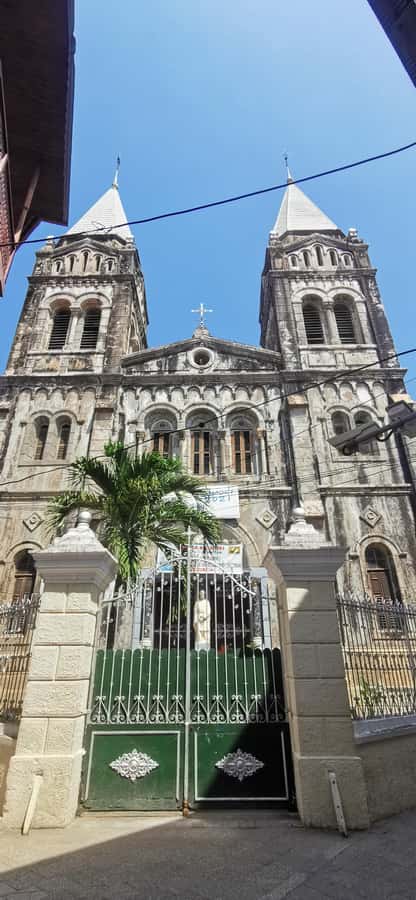
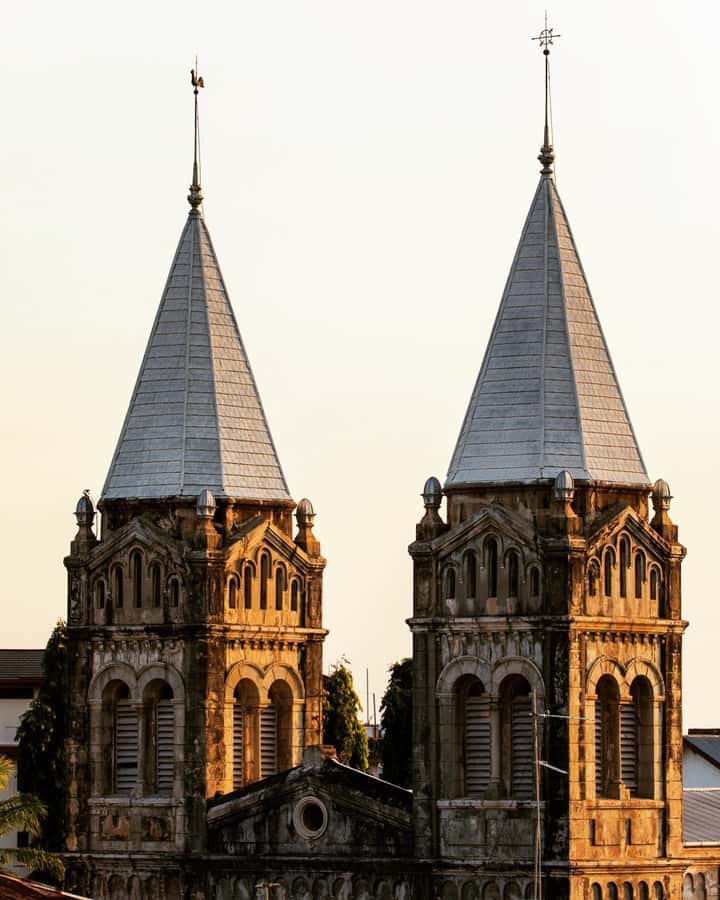
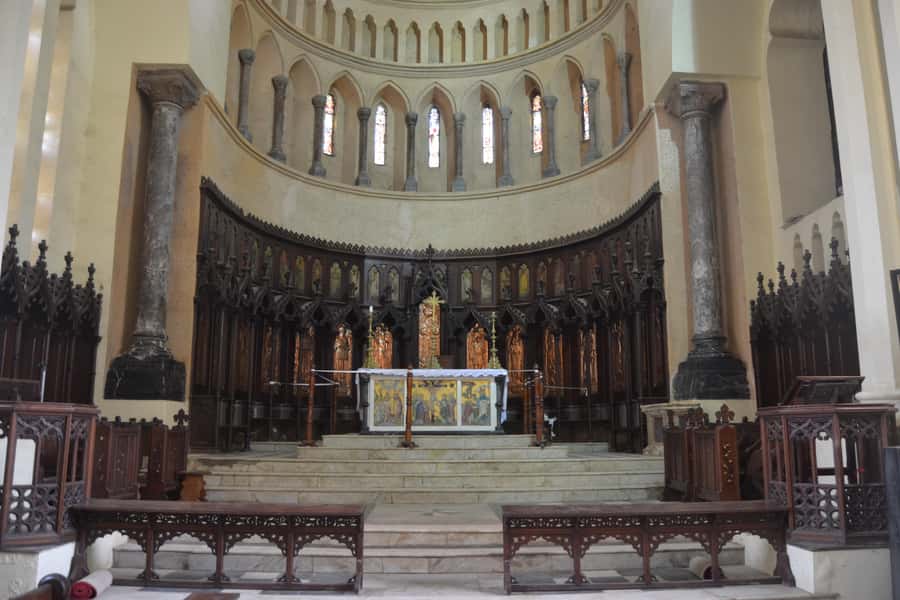
The tour ends with the French Catholic cathedral, Notre Dame of Zanzibar. This stop is described as well sculptured and located in the heart of Stone Town, with stories to tell.
Why it’s a good closing stop: it adds another thread to the influences that shaped Stone Town. You’re not just looking at one culture’s architecture. You’re seeing how multiple communities left marks—Swahili life, Islamic influence, and European Catholic presence all coexisting in one compact space.
It’s also a useful “wrap up” before you head back to your pickup station, with the driver waiting so you’re not stuck managing transport while your legs are tired.
Price and What You’re Really Getting for $24
At $24 per person for a 3-hour private Stone Town walking tour, the value is mostly in the guidance. You’re paying for sense-making: context for landmarks, respectful framing of the slave trade, and pacing through tight streets.
What you should expect to pay extra if you want the full indoor experience:
- Freddie Mercury Museum: about $8 per person
- Former East Africa Slave market admission: about $10 per person
Even with those added, the total often still feels reasonable because you’re not just paying for tickets—you’re paying for a guide who helps you understand what you’re looking at right in the same places.
This tour also includes guiding services and bottled mineral water for each person. Small detail, big comfort when you’re walking in warm weather.
Who This Private Tour Is Best For (And Who Should Skip It)
This is a great fit if you want:
- a short, focused Stone Town overview
- cultural context tied to the locations themselves
- time in markets like Darajani for spices and shopping
- a guide who can answer questions on the fly and adjust pacing
It can be less ideal if you:
- have back problems, since it’s a walking route on uneven narrow streets
- want a pure photo safari with minimal history stops (this tour includes the slave trade chapter and treats it seriously)
- dislike market environments (they’re lively and crowded by nature)
If you’re traveling as a couple, solo, or with family, the private-group format helps you keep control of the day. Some bookings even describe situations where the tour ended up being just the two of you, which is a nice bonus if it happens.
Practical Notes: Shoes, Rules, and How to Make It Smooth
Stone Town walking rewards good planning. Wear comfortable shoes and keep water handy—this tour includes bottled mineral water, which helps.
The activity has clear rules: no weapons or sharp objects, no alcohol or drugs, no littering, and no touching exhibits. Nudity and fireworks/explosives are also not allowed. It’s the kind of standard behavior list you’ll appreciate once you’re inside museums and religious sites.
If weather turns, your guide should adjust the route and timing. In multiple bookings, guides like Mau and Khameez are praised for keeping the tour fun and organized even when conditions shift.
Should You Book This Stone Town Private Walk?
I’d book this if you want the fast track to understanding Stone Town. The combination of architecture details, markets (especially Darajani), and a guided explanation of the slave-trade site makes it more than a tour of “pretty streets.” It’s also good value for $24 because the guide does the heavy lifting of translating the city’s layers into something you can actually remember.
I’d think twice if you’re sensitive to difficult topics, or if walking on narrow lanes is a problem for you. If that’s you, you might still enjoy a shorter, less intensive route, or you might look for a more mobility-friendly plan.
FAQ
FAQ
What does the tour cost and how long is it?
The tour is $24 per person and lasts about 3 hours.
What’s included in the $24 price?
The price includes guiding services and bottled mineral water for each person.
Are there extra ticket fees for any stops?
Yes. Entry/Admission for the Freddie Mercury Museum is about $8 per person, and entry/admission for the Former East Africa Slave market is about $10 per person.
Does the tour include pickup in Stone Town?
Yes. Pickup is included from any area in Stone Town, and you can request pickup outside Stone Town.
How many people are in the group?
It’s a private group.
What languages are the guides available in?
The tour lists live guides available in German, English, French, Italian, Spanish, Arabic, Polish, Portuguese, and Chinese.