REVIEW · MARRAKECH
Moroccan Desert 3-Day Luxury Tour from Marrakech
Book on Viator →Operated by Camel Safaries - Day Tours · Bookable on Viator
Marrakech to the Sahara is a big jump. This 3-day luxury-style desert trip turns that jump into a smooth route, with standout stops like Aït Benhaddou and Erg Chebbi, plus the kind of overnight that actually feels different from any hotel. I especially like the small-group feel and the practical touches, including pickup, an air-conditioned vehicle, and a guide along the way who helps the scenery make sense.
My favorite part is the desert night: a camel trek out to a nomadic bivouac and then dinner, warmth, and sky time under the stars. One consideration: it’s a lot of driving across mountain roads and back again, so this trip is best if you’re okay with long car days and occasional waiting when roads and weather push the schedule.
In This Review
- Key Takeaways Before You Go
- The Value in Going Small: Why This Tour Works
- High Atlas to Aït Benhaddou: The First Big Day’s Best Stops
- Aït Benhaddou: How to Enjoy It More
- Ouarzazate and Atlas Studios: Morocco’s Film Set Energy
- Todra Gorges to Erg Chebbi: The Camel Trek That Makes It Real
- Todra Gorges: What You’ll Actually Get
- The Nomadic Bivouac: Comfort, Food, and Sky Time
- Pack for Temperature Swings
- Marrakech Return Day: Long Drive, Clear Destination
- How to Make the Return Day Feel Easier
- Price and Logistics: What You’re Really Paying For
- The “Luxury” Part: How to Judge It Honestly
- Who This Tour Suits Best (And Who Should Rethink It)
- Should You Book This Sahara 3-Day Luxury Tour?
- FAQ
- What does this tour cost?
- How long is the tour, and when does it start?
- What’s included in the price?
- Are lunches or drinks included?
- Can I get a vegetarian meal option?
- How big is the group?
Key Takeaways Before You Go
- Aït Benhaddou and the High Atlas drive make Day 1 feel like more than just transportation
- Erg Chebbi camel time plus Todra Gorges gives you real variety in only two desert-focused days
- Bivouac in traditional Berber-style tents is the emotional core of the trip, not just a photo stop
- Small group (max 15) helps the guide adjust pacing and gives it a more personal feel
- Warm-clothes and a small bag matter, because the camel carries your night essentials
The Value in Going Small: Why This Tour Works
This isn’t a bare-bones desert day trip. You’re paying for a full 3-day route with transport, guided stops, and two nights of accommodations, so you’re not spending your vacation juggling buses and return tickets.
I like that the tour keeps the group limited to up to 15 travelers. That usually means fewer “wait your turn” moments at viewpoint stops and a better rhythm at the places that need time—like kasbah areas, gorges, and the lead-in to the dunes.
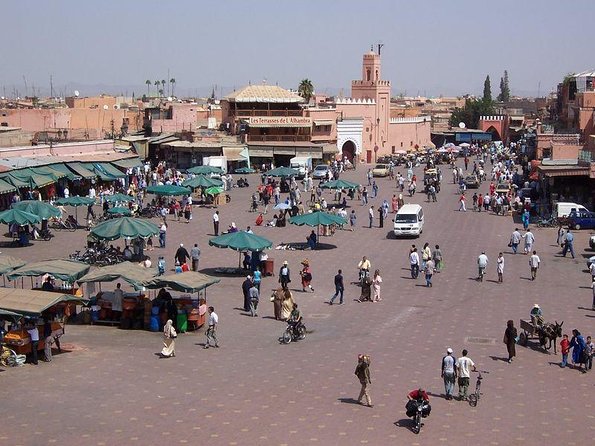
Also, your base in Marrakech is set up right: pickup is offered, and the meeting point is clearly listed at Hôtel Restaurant Café de France near Jemaa el-Fna. If you hate unclear logistics, this kind of structure helps.
You can also read our reviews of more tours and experiences in Marrakech.
High Atlas to Aït Benhaddou: The First Big Day’s Best Stops
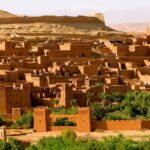
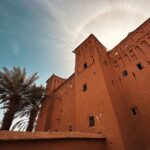
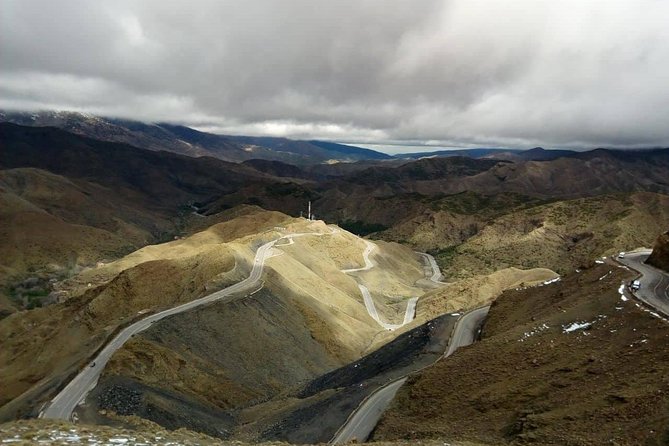
Day 1 starts with a long, scenic run across the High Atlas. You’ll stop at Vallee des Roses and then head for the kasbah zone at Aït Benhaddou, a UNESCO site that’s famous for good reason: it’s not just pretty, it’s atmospheric. From the outside, you can see how these fortified structures were built to handle harsh conditions, not comfort crowds.
What makes Aït Benhaddou special on this kind of tour is that you’re not rushing past it. You have time to walk around, take photos, and understand why this place shows up so often in film and storytelling.
A practical win here: the vehicle is air-conditioned, which matters because the drive is real. Even with frequent pit stops, you’ll appreciate that little comfort once you start climbing into the mountain stretch.
Aït Benhaddou: How to Enjoy It More
Wear shoes you can walk in comfortably. Stone lanes and uneven ground are common, and you’ll move more than you think once you start exploring kasbah streets.
If you’re interested in details, ask your guide about how kasbah design helps with heat and wind. You’ll get more out of the stop when you know what you’re looking at.
Ouarzazate and Atlas Studios: Morocco’s Film Set Energy
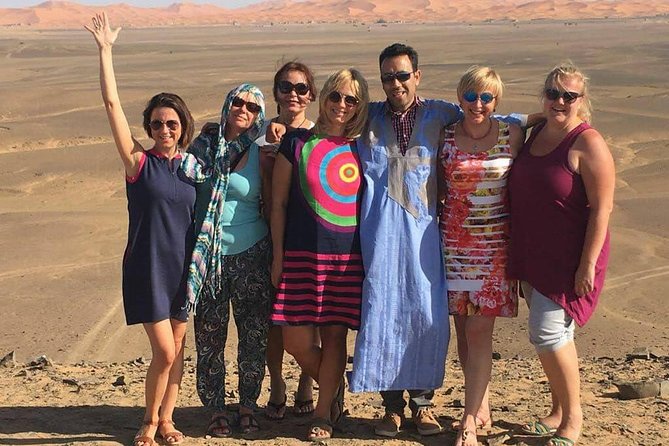
One of the reasons this tour stands out is that it connects the desert to the places where Morocco gets “projected” worldwide. You’ll pass through the Ouarzazate area and have time for Atlas Studios, described as one of the largest movie studios in Africa.
If you like film, it’s fun to connect the dots between what you see on-screen and what you see on the ground. If you’re not into movies, treat Atlas Studios as a quick lens into how Morocco’s locations have been used—and why this region keeps showing up in big productions.
A balanced note: you may find your time here depends on the day and the group’s interests. On a tightly packed 3-day schedule, even a must-see can feel shorter than you’d want.
Todra Gorges to Erg Chebbi: The Camel Trek That Makes It Real
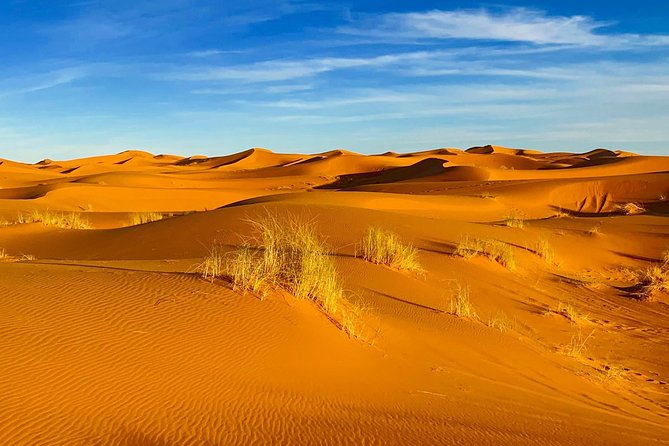
Day 2 is where the trip turns into the desert experience you came for. The day includes a stop at Todra Gorges before heading to the dunes at Erg Chebbi, which is the heart of the Sahara-style scenery people picture when they dream about Morocco.
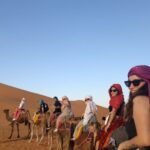
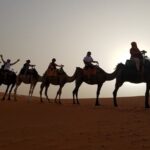
Then comes the main event: a camel trek of about 1 hour to reach the bivouac. Camel time changes the pace instantly. Instead of scanning for the next viewpoint from the car window, you slow down and feel the movement, which makes the dunes feel closer and more personal.
I also like how the trek isn’t framed as a quick stunt. You’re getting set up for the night right after the drive, which keeps the experience from feeling chopped into pieces.
Todra Gorges: What You’ll Actually Get
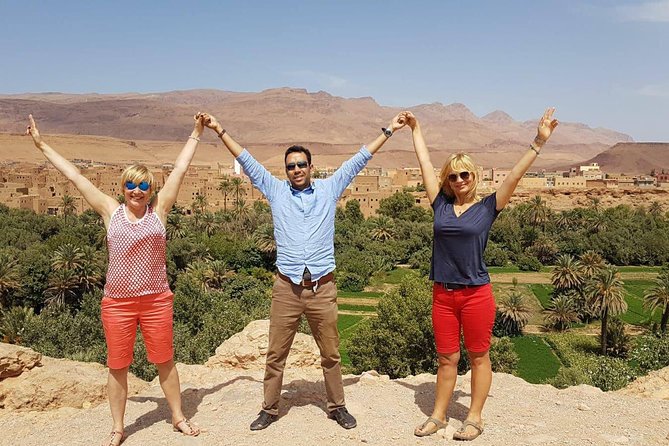
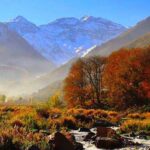
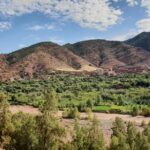
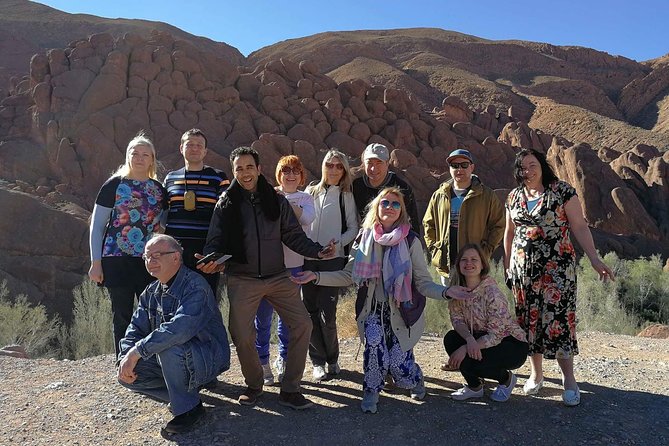
Todra Gorges is great for contrast. It’s green-ish in spirit compared to the dunes, and the rock walls create a natural sense of scale. Even if you only have a short window, it’s the kind of stop that makes the desert feel even farther away—in a good way.
If you’re sensitive to heat, plan your photos early. The late-afternoon light can look amazing, but midday can be demanding.
The Nomadic Bivouac: Comfort, Food, and Sky Time
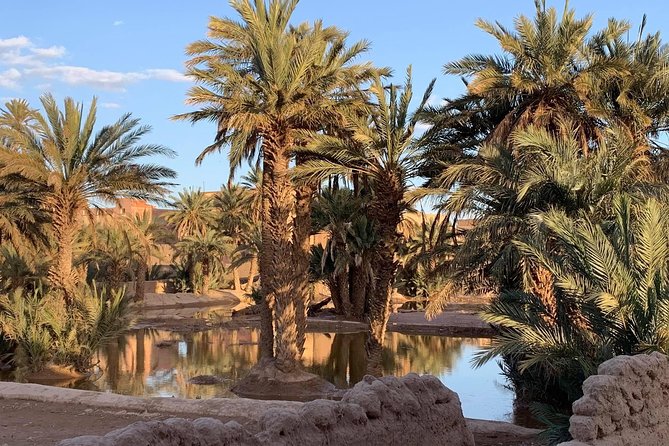
The highlight for many people is the bivouac camp, and that makes sense. This is where you move from “tour bus day” to “I’m really here” territory.
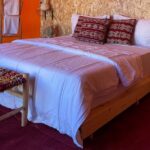
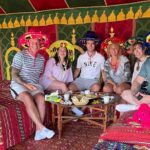
You’ll sleep in a traditional Berber-style tent with a night in the desert, and you’ll also have dinner included (two dinners total across the trip). Breakfast is included as well, which helps a lot because breakfast is one of those meals that can get annoying to solve on the road.
One thing I think is worth taking seriously: bring a small bag/backpack for the camel-carry portion of your essentials. Your bigger luggage can stay with you during the tour, and the bulk is stored securely at the hotel near the desert—so you’re not forced to travel light in a painful way. But you should still be ready to manage what you need for the night.
Pack for Temperature Swings
Desert cold can surprise people. A guide’s practical advice shows up in the experience details: plan for warm clothes because early hours and desert wind can feel sharp. Gloves can also help for camel riding, if you want to make the ride more comfortable.
And yes—make time for the sky. One of the most repeated moments is star-gazing once you step outside after dinner. It’s one of those experiences that doesn’t require fancy planning, just curiosity and a few minutes of silence.
Marrakech Return Day: Long Drive, Clear Destination
Day 3 is the long one, and the details matter. You’ll return through the Atlas region back to Marrakech with stops along the way, and the total drive time is listed as about 9–10 hours with stops.
It ends at Jemaa el-Fna, back near your original departure point. If you’re the type who hates feeling stranded at the end of a trip, this is reassuring. You’re not dropped into a far-off neighborhood and left to figure out your next move.
This final day is also where you can feel the tradeoff of a 3-day schedule. You see a lot, but the time window for any one stop can be tighter once the day becomes mostly driving.
How to Make the Return Day Feel Easier
Bring a light layer for the vehicle ride. Air-conditioning is great in heat, but it can also feel cold if you sit still for hours.
Also, keep your patience for the road. Morocco’s mountain passes can slow things down, and even well-run routes can get delayed by weather or road control.
Price and Logistics: What You’re Really Paying For
At $450 per person, this tour sits in the “not cheap, but not crazy” category for a Sahara-focused 3-day experience from Marrakech. The value comes from what’s bundled: transportation, a driver/guide, two nights of accommodations, and meals that actually matter in the desert segment.
Included in the price:
- Driver/guide
- Scarf
- Air-conditioned vehicle
- Dinner (2) and breakfast (2)
Not included:
- Lunches and beverages
That split is important. If you expect lunch to be handled for you, you’ll need to budget for it separately. The good news is that having fewer meals included usually gives you more control over timing and stops.
Pickup is offered, and you get a mobile ticket. If you prefer minimal paperwork, that’s a nice modern touch.
The “Luxury” Part: How to Judge It Honestly
This is luxury in the sense that you get comfort where it counts: vehicle quality, organized stops, and a better sleep setup than rough camping. It’s not luxury like room service and private spa time, though.
Your best gauge is to think of it as guided comfort for the long distances, with the desert night delivering the emotional payoff.
Who This Tour Suits Best (And Who Should Rethink It)
This is a great fit if you want a full Morocco-to-Sahara story in a short window. It works especially well for people who like structure but don’t want to be packed into a huge group.
It’s also a strong choice if you care about culture and context. Stops like Aït Benhaddou, Ouarzazate, and Todra Gorges help you understand what’s around the dunes—not just the dunes themselves.
One more honest note: some parts of the trip are physically demanding, mainly because of travel time and desert timing. If you’re not into long drives, consider adding extra days in the region instead of compressing everything into 3.
Should You Book This Sahara 3-Day Luxury Tour?
I’d book it if you want the Sahara experience with camel trek time and a real desert overnight, and you’d rather pay for organization than build your own route. The combination of Aït Benhaddou, Erg Chebbi, and a bivouac night makes the itinerary feel like a complete journey, not a single photo moment.
I’d hesitate if you strongly dislike long days in the car or you’re traveling during a period when mountain roads are likely to slow down. In that case, the 3-day schedule can feel rushed.
Quick checklist before you decide:
- Are you okay with a 9–10 hour return drive day?
- Will you pack for cold desert nights with warm layers?
- Do you accept that lunches and drinks aren’t included?
If your answers are yes, you’ll probably feel like the money went where it should: into transport, guidance, and that night under the stars.
FAQ
What does this tour cost?
The price is $450.00 per person.
How long is the tour, and when does it start?
It’s approximately 3 days, and it starts at 8:00 am from the meeting point at Hôtel Restaurant Café de France near Jemaa el-Fna.
What’s included in the price?
Included are the driver/guide, scarf, air-conditioned vehicle, dinners (2), and breakfasts (2).
Are lunches or drinks included?
No. Lunches and beverages are not included.
Can I get a vegetarian meal option?
Yes. A vegetarian option is available if you advise at the time of booking.
How big is the group?
The tour has a maximum of 15 travelers.