REVIEW · MARRAKECH
Desert Odyssey: A 2-Day Journey from Marrakech to Zagora
Book on Viator →Operated by Red City Tours Marrakech · Bookable on Viator
Camel tracks start early.
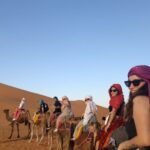
This budget-friendly shared desert trip runs from Marrakech to Zagora in just 2 days, with a guide and driver handling the driving and the stops so you don’t have to wrestle logistics. I like that you get into the desert the fun way: a camel ride into the dunes plus a prepared overnight camp.
On the second day, the timing is built for the big moment—sunrise at the Tinfou dunes if you’re up early—then you backtrack with more kasbah stops. I also like the practical side: breakfast and dinner are included, so you’re not hunting for food after a long day of travel. One consideration: comfort is basic. The road can feel long, desert camp beds can be uncomfortable, and the included meals are simple.
In This Review
- Key Highlights You’ll Actually Feel
- Marrakech to Zagora in 2 Days: What You’re Really Buying
- The Value Call: Price vs. What’s Included
- Day 1: Aït-Ben-Haddou and the Long Palm Grove Drive to Zagora
- Stop 1: Ksar of Aït-Ben-Haddou (2 hours, ticket included)
- En route views: the longest palm grove valley
- Stop 2: Zagora arrival + 1.5-hour camel ride to camp
- Desert Camp Reality Check: Food, Beds, and Nighttime Atmosphere
- Day 2: Tinfou Dunes Sunrise, Agdez Kasbah Stop, Then Ouarzazate Photos
- Stop 1: Tinfou Dunes sunrise (1 hour, ticket included)
- Stop 2: Tamnougalt at Agdez (40 minutes, ticket free)
- Stop 3: Taourirt Kasbah in Ouarzazate (30 minutes, ticket included)
- Transportation and Group Size: Shared Doesn’t Have to Mean Chaotic
- Guides and Camel Handlers: Ask Questions, Use Small Cash
- What to Pack for a Marrakech-to-Zagora Desert Night
- Who This Tour Is Perfect For (and Who Should Skip It)
- Should You Book Desert Odyssey: A 2-Day Journey to Zagora?
- FAQ
- FAQ
- How long is the Desert Odyssey trip from Marrakech to Zagora?
- What time does the tour start?
- What’s included in the price?
- What is not included?
- How many people are in the group?
- Are tickets included for the stops?
- What if weather is bad?
Key Highlights You’ll Actually Feel
- Camel ride to Zagora dunes: one camel per person as part of the experience
- Aït-Ben-Haddou with real time: up to 2 hours in the fortified village UNESCO-listed and photogenic
- Meals included (breakfast + dinner): less planning stress during your travel days
- Sunrise option at Tinfou dunes: if you wake early, you get the best light
- Several kasbah/photo stops: Agdez (Tamnougalt) and Ouarzazate (Taourirt) add variety on the way back
- Small groups: max 17 travelers, which helps the experience feel less chaotic
Marrakech to Zagora in 2 Days: What You’re Really Buying
For $75.31 per person, you’re not paying for luxury. You’re paying for two things: transport you don’t have to organize, and desert time you can actually use. The trip is built as a “see a lot with minimal effort” route—exactly what you want if you only have a short window and you’d rather not plan a DIY itinerary.
The setup is straightforward. You start at 7:00 am, ride in an air-conditioned vehicle with a professional driver, and get a desert camp for the night. The trip is also capped at 17 people, which matters because shared tours can get loud and slow. Here, the group size keeps the schedule moving while still feeling like you’re doing the journey together rather than disappearing into a huge crowd.
You can also read our reviews of more tours and experiences in Marrakech.
The Value Call: Price vs. What’s Included
This is one of those trips where the math feels fair because several “big ticket” items are already bundled. Your price includes:
- overnight in a desert camp
- a camel ride (one camel per person)
- breakfast and dinner
- the air-conditioned vehicle and driver
What’s not included: lunches and drinks (and travel insurance). That means you’re still responsible for one main meal day-1 and any beverages you want beyond the included dinner/breakfast.
Still, for most people, the value comes from not having to arrange:
- the drive from Marrakech out toward the desert
- the camel logistics
- the camp overnight
- the timing to catch sunrise the next morning
If you’ve ever tried to put together a Marrakech-to-desert plan on your own, you’ll know how quickly it turns into multiple messages, uncertain pickup timing, and surprise costs. This tour keeps that off your plate.
Day 1: Aït-Ben-Haddou and the Long Palm Grove Drive to Zagora
Day 1 is where the trip earns its keep. You start early, then you’re not only “traveling to the desert.” You’re stopping in the places that make this region feel like Morocco, not just a road trip.
Stop 1: Ksar of Aït-Ben-Haddou (2 hours, ticket included)
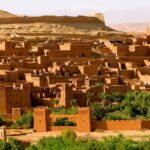
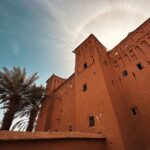
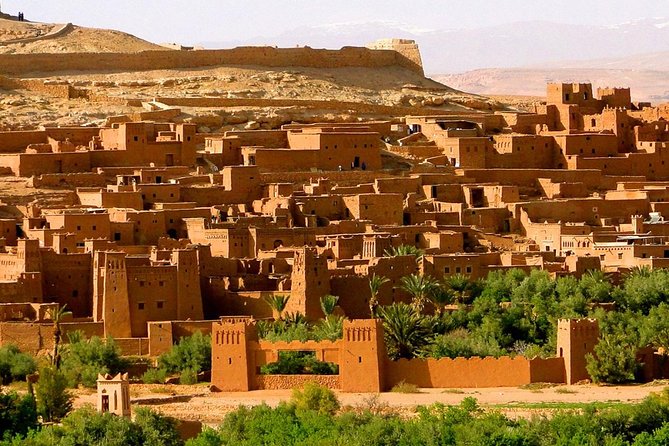
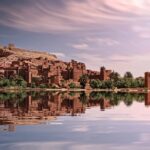
You get about 2 hours to explore Aït-Ben-Haddou, one of the famous fortified villages in Morocco. This is a great stop because it breaks up the driving with a true sense of place. The village is easy to appreciate even if you don’t have a long guidebook background—the architecture and winding lanes make you slow down and look up.
One practical note: there’s an optional local-guide situation here. Some people report that hiring a guide on-site can cost around 30 MAD extra. If you’re the kind of person who likes stories while you walk, budget a little. If you prefer to wander and take photos, you can skip the extra charge and still get plenty out of the visit.
En route views: the longest palm grove valley
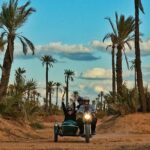
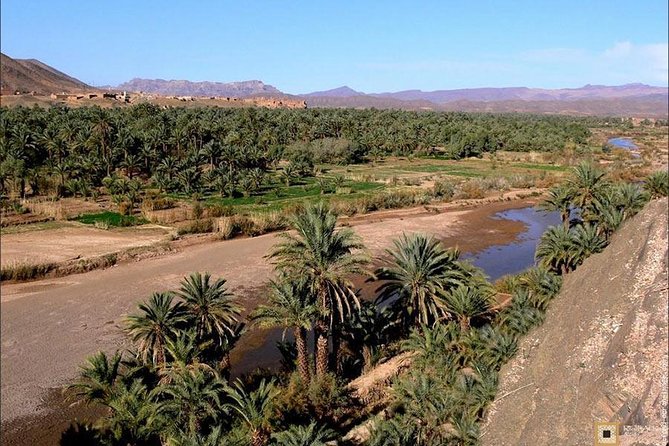
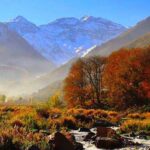
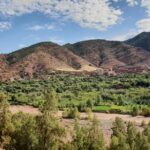
Between Aït-Ben-Haddou and Zagora, you’ll pass long stretches of scenery, including Morocco’s famously long palm grove valley. The point of this segment isn’t a “stop for an hour.” It’s that the drive stays scenic enough that the day doesn’t feel purely like transit.
If you get motion-sick easily, pack what you normally use. The route is long, and even with the air-conditioned vehicle, you’ll still spend a lot of time sitting.


Stop 2: Zagora arrival + 1.5-hour camel ride to camp
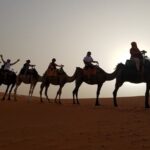
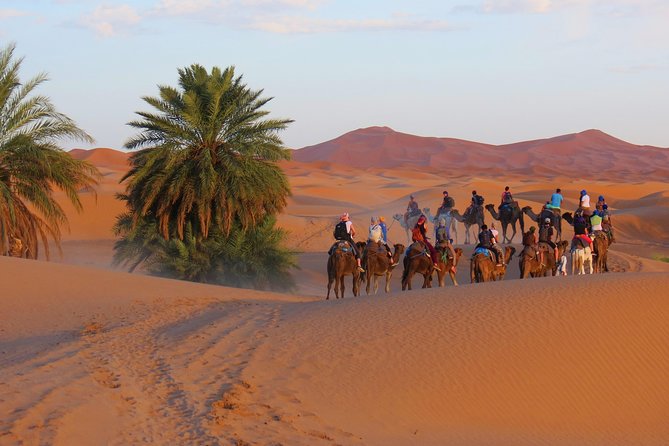
Once you reach Zagora, you switch modes. You do a camel ride for about 1 hour and a half, heading out to the desert camp in the dunes around Zagora.
This camel ride is a highlight for first-timers because it feels like you’re crossing a line—from road to sand. It’s also the part where comfort can vary the most. People report the camel saddles can feel painful, and the ride can be literal work in your legs and backside. Nothing extreme is promised or described here, but it’s smart to plan for the ride to be less “scenic stroll” and more “endurance moment.”
The camp is arranged for you—no hunting for the right camp, no confusion about where to go after sunset.
Desert Camp Reality Check: Food, Beds, and Nighttime Atmosphere
The overnight is included, so you can relax knowing you won’t be scrambling for a place to sleep after the ride. The experience is exactly what most people want from this kind of trip: desert night, stars if the sky cooperates, and a shift away from city routines.
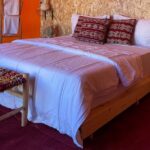
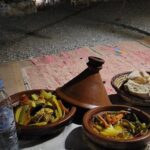
Now the trade-offs. Reports on comfort are mixed. Beds in the camp can be really uncomfortable, and the included breakfast tends to be basic. Dinner is typically tasty, but don’t expect a multi-course feast. One example described a modest tajine-style dinner portion, spread among people.
The good news: you’re not paying for gourmet food here. You’re paying for the desert night and the included schedule.
My practical tip: bring a small layer (something warmer than you think). Even if days are pleasant, evenings in the desert can feel cooler than Marrakech, and you’ll appreciate the extra comfort at bedtime.
Day 2: Tinfou Dunes Sunrise, Agdez Kasbah Stop, Then Ouarzazate Photos
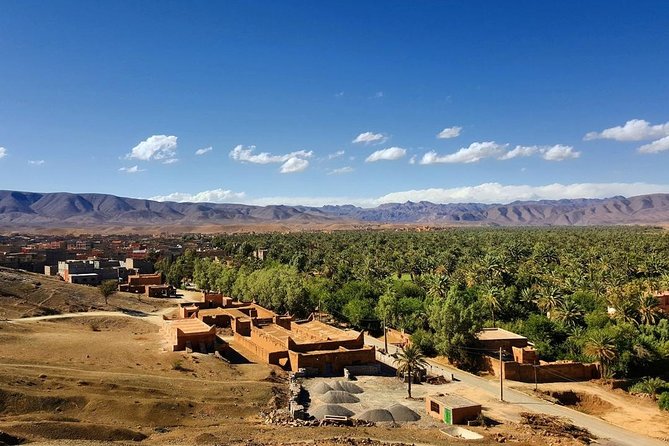
Day 2 starts with the payoff: sunrise potential and a return route with added cultural stops.
Stop 1: Tinfou Dunes sunrise (1 hour, ticket included)
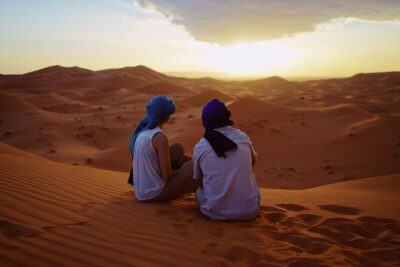
If you wake up early, you can catch sunrise at the Tinfou dunes. The trip gives you about 1 hour here, which is a short window—so don’t plan to sleep in and still get the full effect. Sunrise is one of the reasons people do a two-day desert tour instead of a single long day trip.
After the dunes, you take a camel ride back to the meeting point (described as meeting the hotel area), where you reconnect with your driver for the drive back to Marrakech.
If you’re wondering whether you’ll feel stiff from the first camel ride: yes, you might. People describe the camel experience as physically rough. Stretching a little before you get on again helps.
Stop 2: Tamnougalt at Agdez (40 minutes, ticket free)
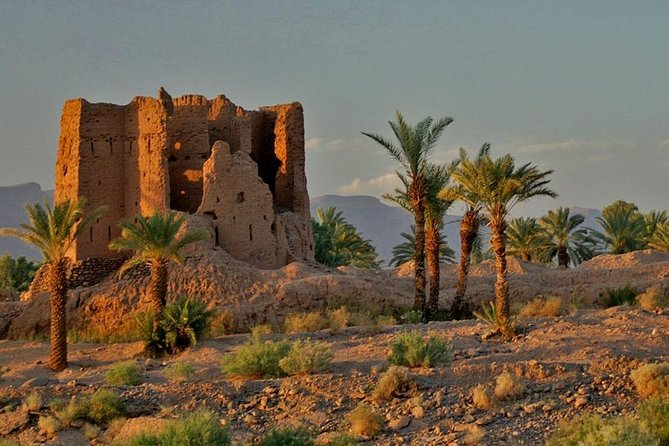
Next, you stop at Tamnougalt, near Agdez, to visit a 15th-century fortified kasbah. This is a nice contrast: after the dunes and desert camp night, you get something more grounded and historical.
You have about 40 minutes, which is enough time to see the structure and take photos, but not enough time to become an expert. Think of it as a “quick history hit” rather than a deep museum experience.
Stop 3: Taourirt Kasbah in Ouarzazate (30 minutes, ticket included)
Finally, you visit Taourirt Kasbah in Ouarzazate. The stop is short—around 30 minutes—and it’s described as photos from the outside.
Even if you don’t go inside, it’s a good wrap-up. Taourirt Kasbah’s exterior look makes for strong pictures, and it helps the return day feel like more than just driving straight back.
Transportation and Group Size: Shared Doesn’t Have to Mean Chaotic
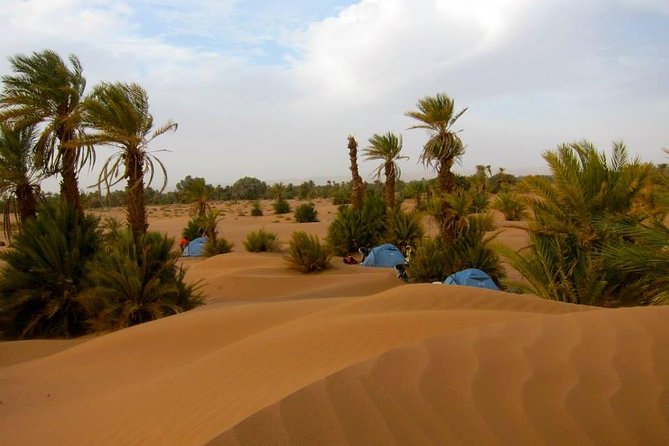
This is a shared trip with a maximum of 17 travelers. That’s the sweet spot for keeping logistics workable without turning your day into stop-and-start bottlenecks.
The vehicle is air-conditioned, which helps a lot in Morocco. Still, comfort is not the main design goal. One report describes this as a low-comfort road trip. Translation: expect long seat time, and plan accordingly with water, snacks if you buy them, and a layer for cooler air-conditioning.
Helpful detail: pickup is offered and the tour uses a mobile ticket. That combo usually means less paper fuss and smoother check-in.
Guides and Camel Handlers: Ask Questions, Use Small Cash
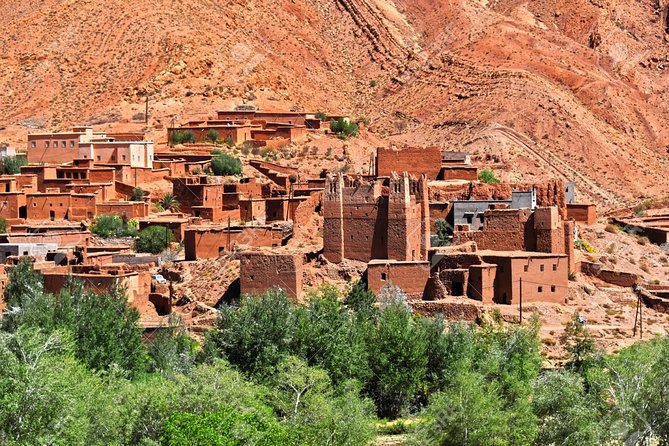
What you’ll get from the human side can change the feel of the experience. Some people specifically mention drivers like Alea and chauffeurs like Idriss as friendly and helpful. Camel handlers like Youcef also get named for doing a good job.
How does that help you as a traveler? When you’re sitting on a camel or walking around a kasbah, small local context matters. If someone seems chatty, ask simple questions about what you’re seeing and what to look for in photos.
Also, bring small cash. People recommend having extra money on hand for tipping and optional guide services. There’s at least one mention of a guide charge around 30 MAD at Aït-Ben-Haddou, so it’s smart to be ready if you decide you want a little extra explanation.
What to Pack for a Marrakech-to-Zagora Desert Night
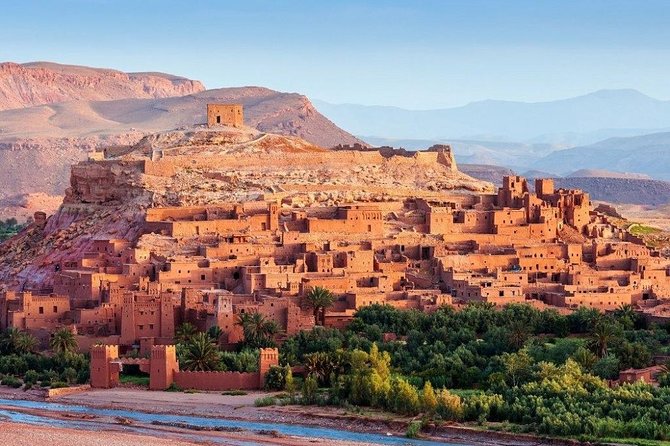
You can’t bring everything, but you can bring the difference-makers.
Bring:
- a light jacket or sweater for the evening
- a small layer for your ride comfort (air-conditioning can cool you down fast)
- comfortable footwear for walking the kasbah lanes
- sun protection (you’ll be outside at multiple stops)
- any basics for camel comfort (you’ll know what helps you on uncomfortable rides)
- small cash for tips and any optional local guidance
If you’re planning to catch sunrise, add one more item: something warm enough for early morning.
Who This Tour Is Perfect For (and Who Should Skip It)
This tour fits best if you want:
- a short desert taste without complicated planning
- included meals and a camp overnight (so you don’t have to “solve” logistics)
- a schedule that hits major highlights in two days
- shared travel with a reasonably small group size
Consider a different style of trip if:
- you care a lot about bed comfort or long-ride comfort
- you’re sensitive to physically rough camel rides
- you want a relaxed pace with fewer moves and longer stops
This is a “yes, move around” itinerary. It’s built for seeing a lot, not for lingering.
Should You Book Desert Odyssey: A 2-Day Journey to Zagora?
I’d book this if you’re traveling with limited time and you want desert experience that already includes the hard parts: transport, camp, camel ride, and dinner/breakfast. The price is realistic for what’s bundled, and the itinerary packs in Aït-Ben-Haddou, Zagora dunes, Tinfou sunrise, and kasbah stops on the return route.
I wouldn’t book it if comfort expectations are high. The road time can be long, camp bedding can be rough, and the camel ride is not described as gentle. If you go in with that mindset, you’ll probably love it for the exact reason it’s popular: you’ll get Moroccan desert, without doing the planning yourself.
FAQ
FAQ
How long is the Desert Odyssey trip from Marrakech to Zagora?
The tour runs for about 2 days.
What time does the tour start?
The meeting/start time is 7:00 am.
What’s included in the price?
You get breakfast, dinner, overnight in a desert camp, one camel ride per person, and an air-conditioned vehicle with a professional driver.
What is not included?
Lunches and drinks are not included, and travel insurance is not included.
How many people are in the group?
The tour has a maximum group size of 17 travelers.
Are tickets included for the stops?
Some stops include admission tickets and some are listed as ticket-free. Aït-Ben-Haddou (2 hours) is listed with admission included, Tinfou Dunes is listed with admission included, and Taourirt Kasbah is listed with admission included. Zagora camel ride is listed as admission free, and Tamnougalt is listed as admission free.
What if weather is bad?
This experience requires good weather. If it’s canceled due to poor weather, you’ll be offered a different date or a full refund.