REVIEW · MARRAKESH
From Marrakech: Ourika Valley Day Trip with Lunch
Book on GetYourGuide →Operated by Marrakech Day Trips - Tours · Bookable on GetYourGuide
A mountain day is the cure for Marrakech heat. This private Ourika Valley outing is the practical kind of escape: you get Setti Fatma waterfall walking and a real Berber home lunch with mint tea, not just a quick photo stop. One thing to plan for: the walk to the falls involves uneven ground and some uphill climbing, so comfortable shoes matter (and it is not suitable for pregnant women).
I also like that the day stays organized without feeling rushed. You travel by air-conditioned private transport with a professional driver, then an English-speaking guide helps you connect the scenery to Berber life—villages, food, and even medicinal plants you’ll hear about on the way.
In This Review
- Key things I’d mark on your mental map
- The best reason to go: Ourika’s cool air and real mountain rhythm
- The High Atlas road climb: from Ouigrane up to the Ait Oucheg viewpoint
- Ourika village time: Berber houses, friendly guidance, and “how life works”
- Lunch in a Berber home: mint tea, real food, and a slower conversation
- Setti Fatma waterfalls: how the hike feels and what to do with it
- Argan oil women’s co-operative: supporting a craft with a purpose
- Ghamt Mosque and extra surprises on the route
- Price and what $25 really buys you in a private-day world
- Who this tour suits best (and who should skip it)
- My booking checklist before you go
- Should you book the Marrakech to Ourika Valley day trip?
- FAQ
- What does the Ourika Valley day trip include?
- How much does it cost?
- Is the transportation private?
- Will I visit the waterfalls at Setti Fatma?
- Do we eat lunch with locals?
- Is there time for cultural stops besides the waterfalls?
- What should I bring for the day?
- What languages are available for the guide?
- Is the tour suitable for pregnant women?
- Are there any limits on who can join?
Key things I’d mark on your mental map
- A full High Atlas day: start with views from the road up, then work your way down into Ourika and Setti Fatma.
- Lunch inside a Berber home: you share mint tea and a generous meal rather than eating at a tourist buffet.
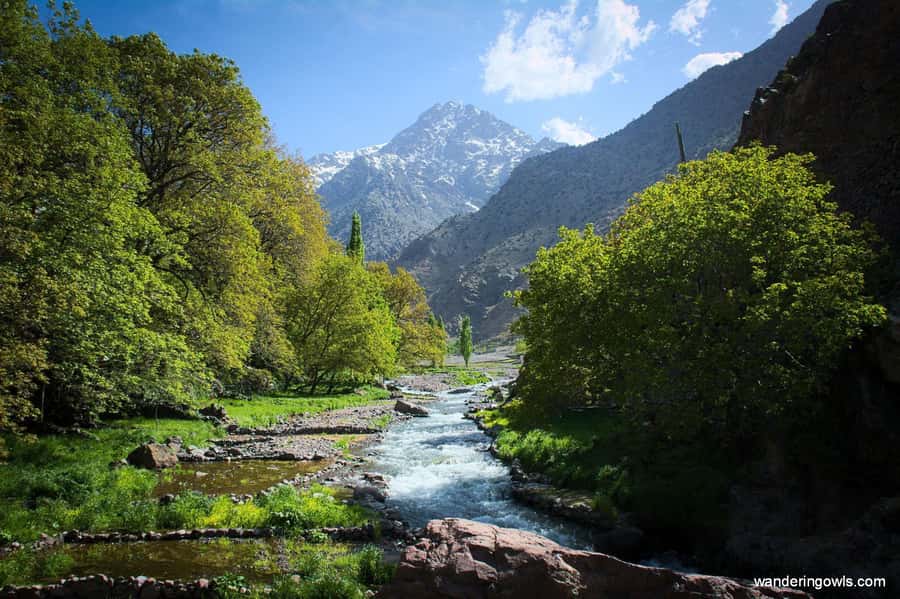
- Setti Fatma waterfalls walk: great if you like steady walking and want to see where the river cuts through the rocks.
- Women’s argan oil co-operative: a hands-on community stop tied to a real local product.
- Ghamt Mosque on the route: a nice bonus stop that adds a cultural layer beyond the views.
The best reason to go: Ourika’s cool air and real mountain rhythm
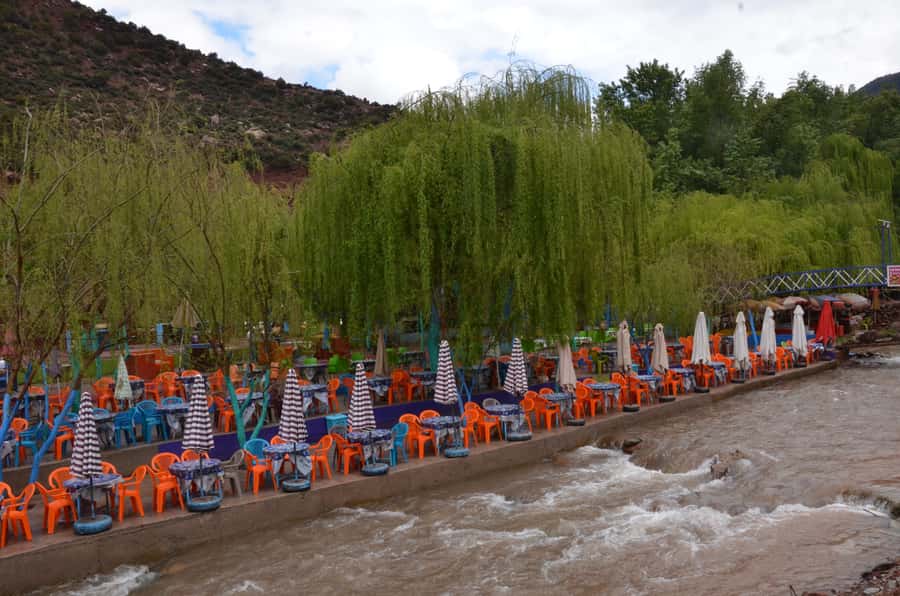
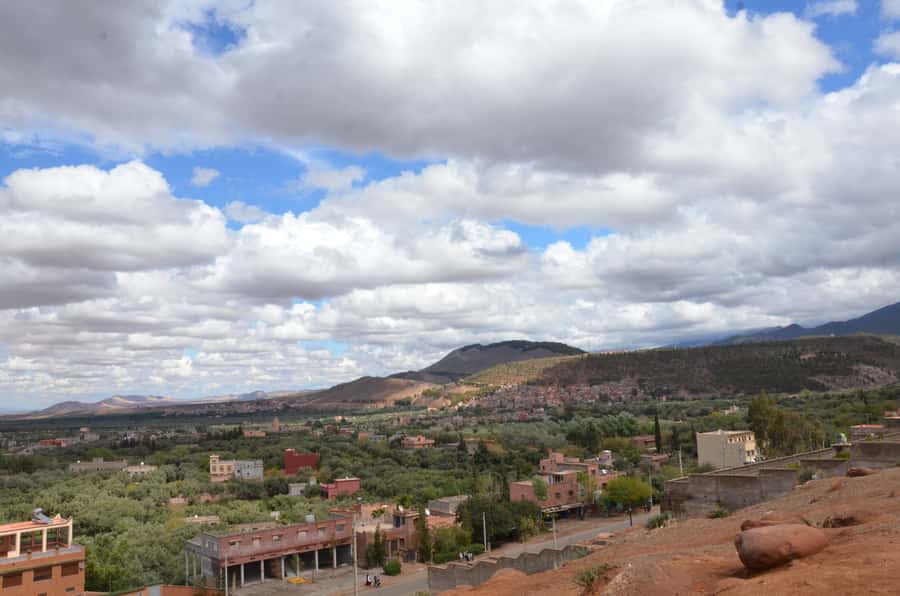
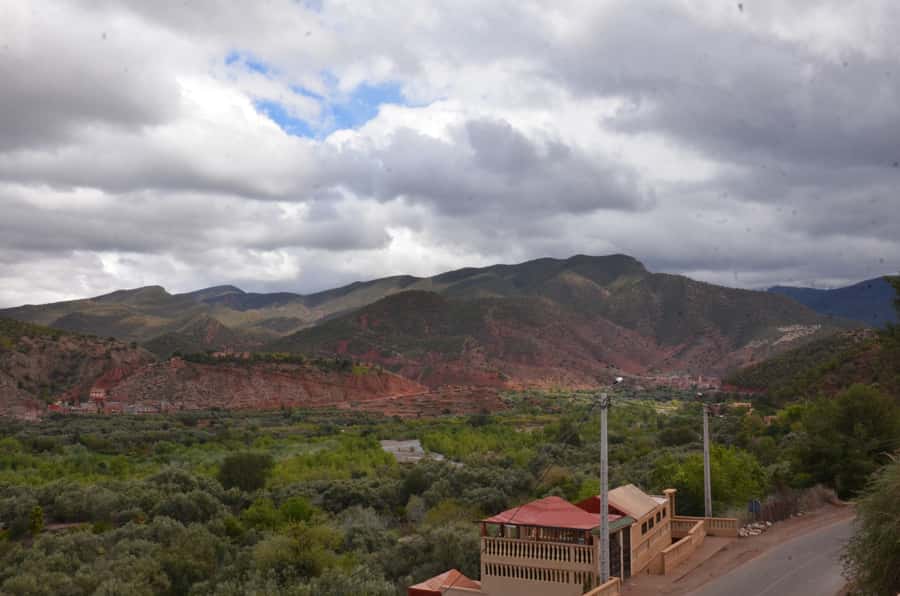
Marrakech can feel intense—heat, honking, and that constant moving current. Ourika Valley is the antidote. You head into the High Atlas Mountains where the air cools down, the houses look different (stone and clay), and daily life slows enough to notice details like how families live along hillside paths.
What makes this day trip feel worth it is the mix of “out there” and “up close.” You do a waterfall walk, but you also step into village life for lunch and tea. That’s the difference between a sightseeing trip and a cultural day that actually sticks with you.
You can also read our reviews of more tours and experiences in Marrakesh.
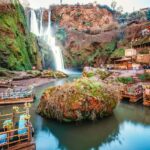

The High Atlas road climb: from Ouigrane up to the Ait Oucheg viewpoint
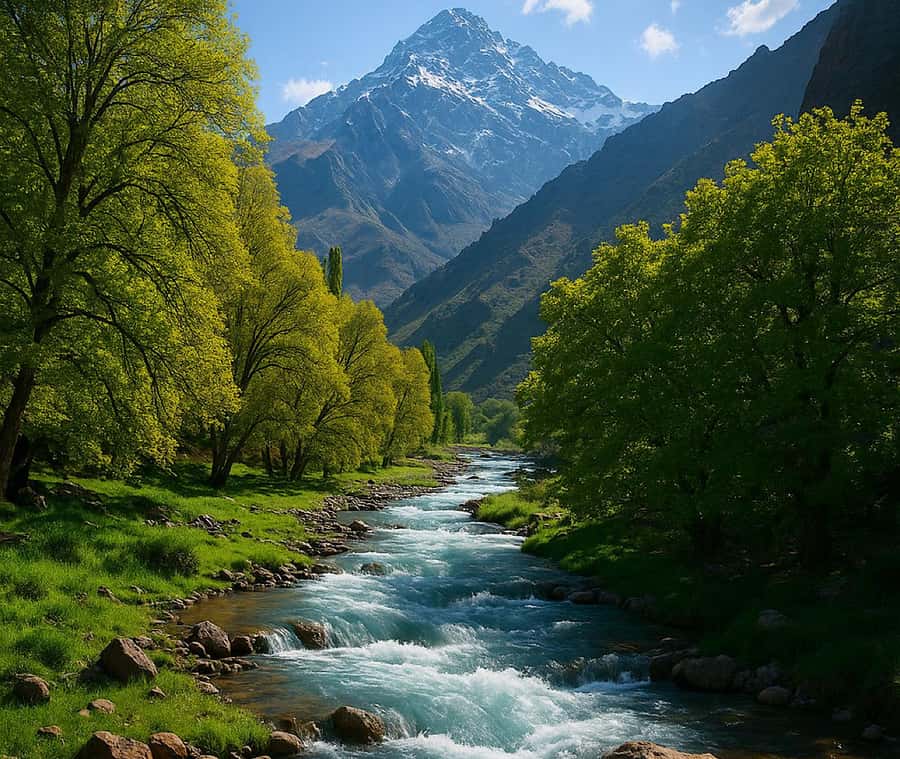
The day starts with a drive out of Marrakech in a private, air-conditioned vehicle. You’ll pass Ouigrane on the way up, then continue toward the high country where terraces and traditional houses appear across the valley.
The tour includes a stop around a major lookout at about 6,563 feet, with panoramic views over the Ait Oucheg Valley. This is the point where you can understand why the whole region is built the way it is: hillsides are farmed in steps, and homes hug the terrain rather than fighting it. If you like taking photos (and you should—bring your camera), this is where you get the wide-angle perspective without needing a long hike first.
Tip I’d follow: pack water, sunglasses, and something that can handle cooler air up high. Even if it starts warm back in town, the temperature can shift once you’re higher in the mountains.
Ourika village time: Berber houses, friendly guidance, and “how life works”
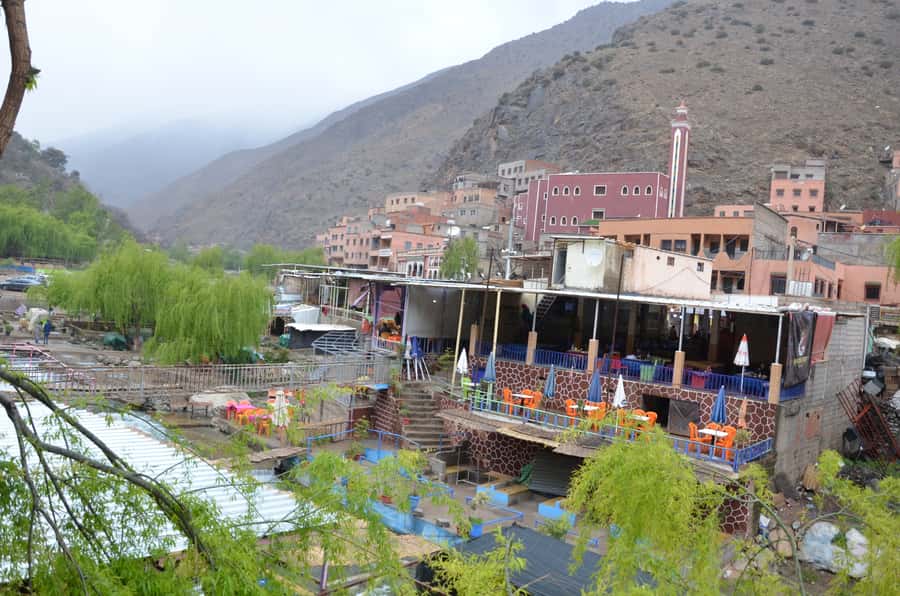
Once you reach Ourika, you’re not just looking at a village from a distance. You’re guided through the feel of the place—Berber homes, hillside communities, and the everyday rhythm that makes the valley different from the city.
This part matters because it changes your interpretation of everything else you’ll see. When you understand how people build along slopes, you read the valley’s design differently. And when your guide points out features like local plants with medicinal uses, the day becomes more than scenery—it becomes a living map.
You may also hear your guide explain what’s around you as you move—some days the guides are especially good at keeping the group together while still letting you pause and look. Names that showed up in guides include Abdul, Abdelghani, Abdu, Rashid, and Ibrahim, and the common theme was attentive, patient pacing.
Lunch in a Berber home: mint tea, real food, and a slower conversation
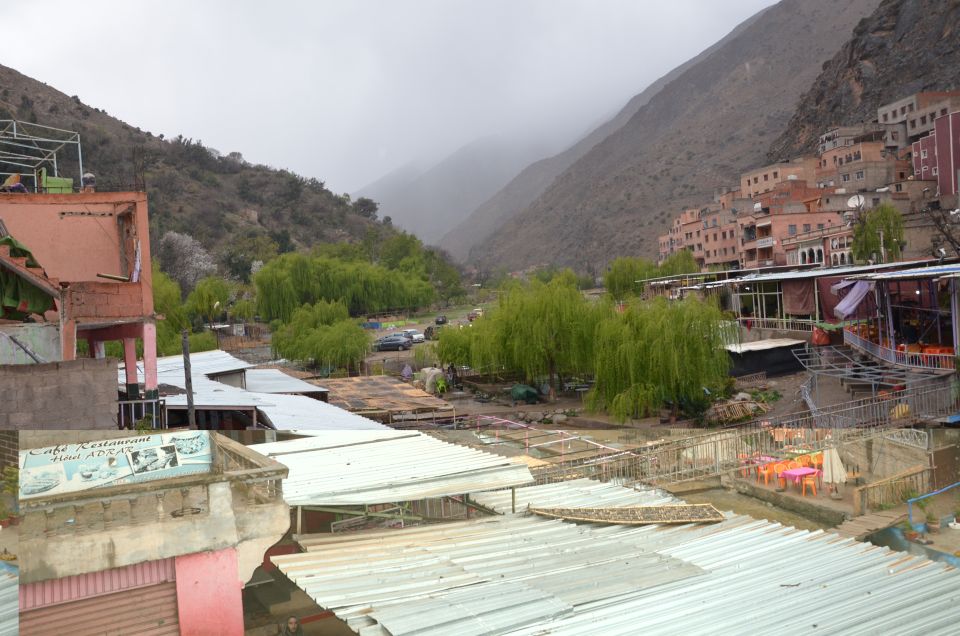
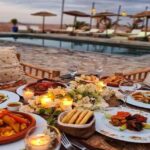
Lunch is one of the strongest reasons to choose this tour over the cheaper “just drive and stop” options. You’ll eat in a traditional Berber home, not at a formal restaurant. That means you sit down with mint tea and a meal that feels like someone’s actual day, not like a production line.
From the details you’re given ahead of time, you should expect generous portions and a multi-course style meal. One review noted a 3-menu approach and plenty of food, with drinks not included—so if you drink a lot, you’ll want to budget for extras outside the included tea/coffee.
The practical takeaway: come hungry, and give yourself room for the mountain pace. If you’re the kind of person who likes tasting different foods rather than just checking off an experience, this lunch is where the day becomes memorable.
Setti Fatma waterfalls: how the hike feels and what to do with it
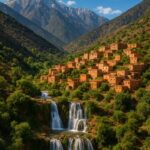
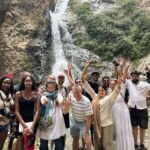
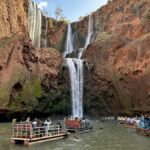
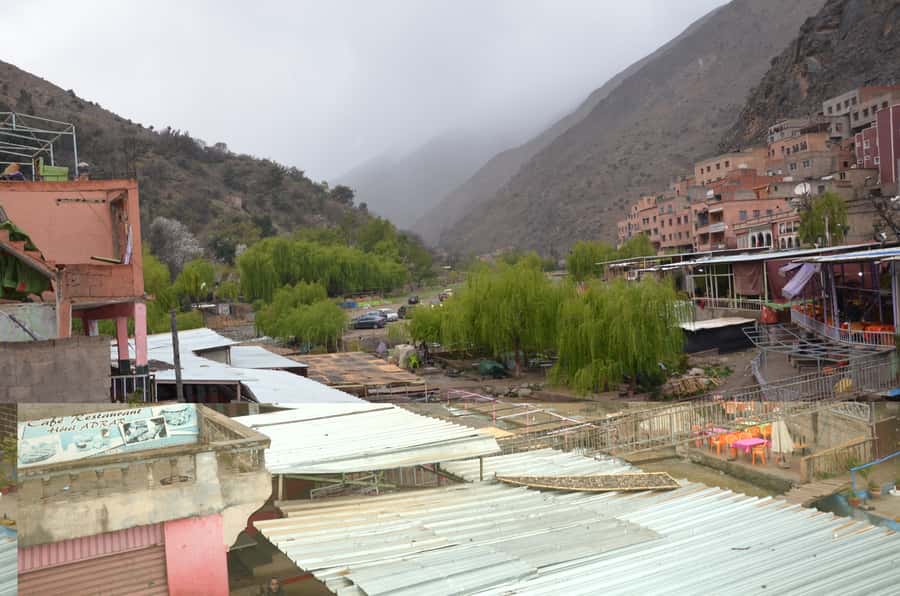
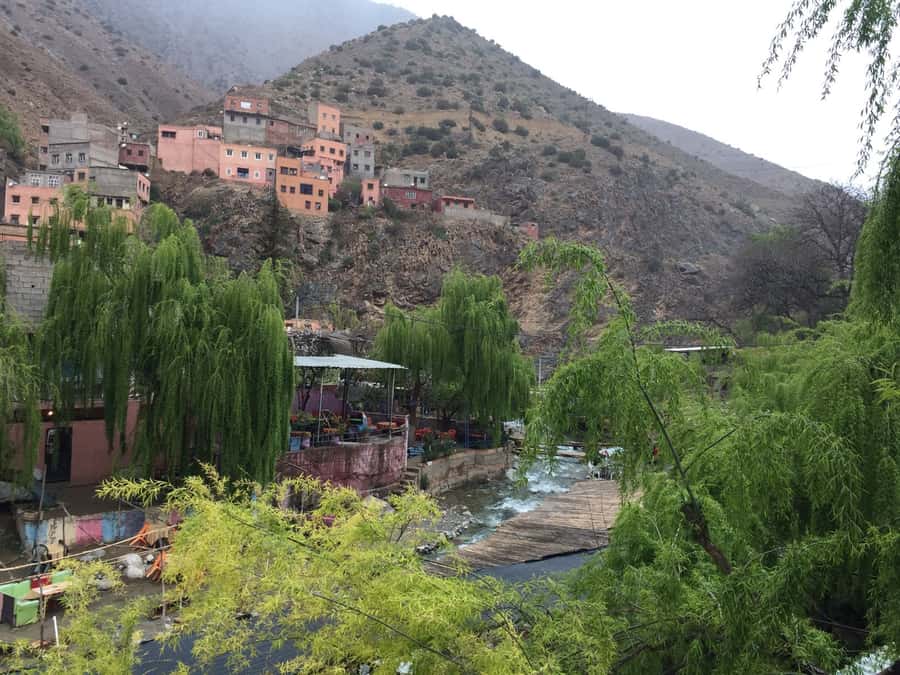
Setti Fatma is the headline act. The route brings you to the seven waterfalls area, and the big payoff is walking to the falls in mountain air where water shapes the whole valley. This is where the day shifts from “learning and sitting” to “moving and noticing.”
The walk involves uneven ground and some rocky steps. Even if you’re not doing a hardcore trek, it can feel like a real climb at moments. One common advice from experience: wear comfortable shoes, not flat sandals or lightweight baskets if you can avoid it. If you need help on tricky spots, guides on past days were ready to assist—people mentioned guides helping those who found certain rock climbs difficult.
One more thing to watch: timing. Some versions of the day include more than just the first waterfall. A guide may offer an optional higher viewpoint where you can see more of the falls (and this may cost extra). If you’re feeling energetic, it’s often worth asking in the moment rather than assuming it’s included.
Argan oil women’s co-operative: supporting a craft with a purpose
Morocco’s argan oil story is bigger than a bottle on a shelf. This stop brings you to a women’s argan oil co-operative, a locally run place where you can see how production connects to livelihoods.
This matters for two reasons. First, argan is tied to a specific region and a specific process, so it’s not just a generic souvenir stop. Second, the co-operative format keeps the focus on community work rather than one-off vendors selling whatever they have that day.
If you want a simple rule for evaluating tours: choose the ones where your time helps real people keep doing what they do. This co-operative visit is built for that kind of connection.
Ghamt Mosque and extra surprises on the route
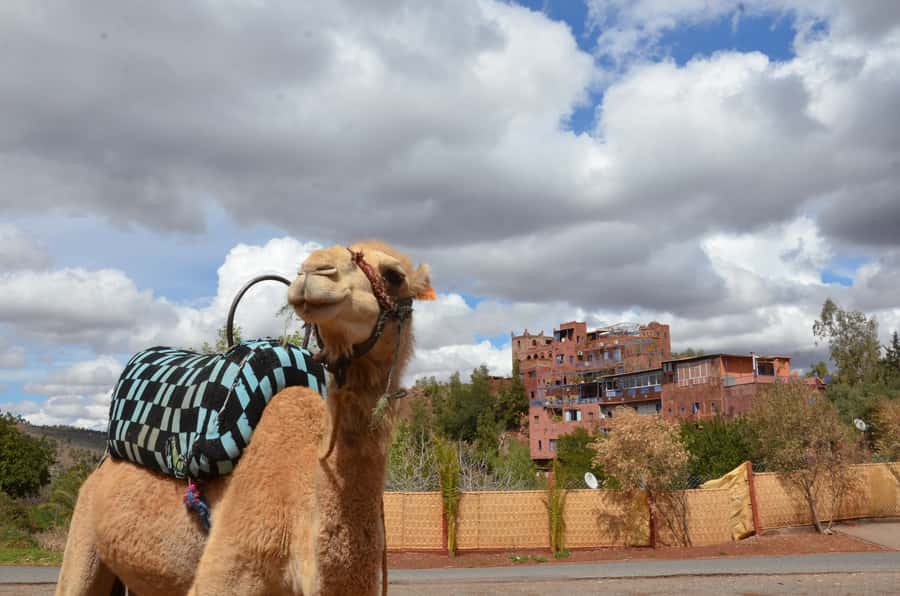
Beyond waterfalls and lunch, the tour includes the Ghamt Mosque. It’s a good reminder that this isn’t only a nature day; it’s also a chance to notice how religious and cultural landmarks sit within valley life.
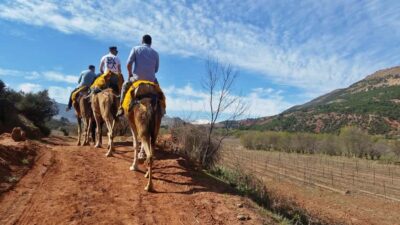
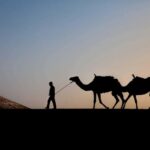
Some days also include additional short experiences if timing allows. In past groups, the day sometimes expanded with extras like a camel ride and a pottery workshop. Think of these as optional bonuses rather than guarantees, but they’re the kind of add-ons that can make the day feel fuller without turning it into a theme park.
There’s also a real-life element to mountain travel: conditions can change. One example from a completed day was a mudslide affecting the route, with the guide shifting to a different area to keep the experience a full day. That flexibility is a plus when you’re traveling far from the city.
Price and what $25 really buys you in a private-day world
At $25 per person, this day trip often represents good value if you care about three things: transportation, guiding, and included meals. Private, air-conditioned rides plus an English-speaking guide aren’t the cheapest combo in Morocco, and lunch in a Berber home isn’t typically what you get in the lowest-priced outings.
A useful detail to keep in mind: the tour notes that the larger the group, the lower the price per person. That’s why it can be cheaper if you travel with friends or join a group that’s already forming. It also says each tour requires a minimum of 2 participants, so you usually won’t get a totally empty, solo booking without other people involved.
What I’d watch for when judging value: drinks beyond tea/coffee may not be included, and optional higher viewpoints or add-ons could cost extra. Even with that, the structure of the day—falls walk, cultural lunch, and the co-operative—tends to feel like more than a simple drive-by.
Who this tour suits best (and who should skip it)
This is a strong fit if you want:
- a full-day break from Marrakech’s pace
- a mix of nature + culture (waterfalls plus Berber home lunch)
- a guided experience that explains what you’re seeing
- community-focused stops like the women’s argan co-operative
It may not be the best fit if:
- you want mostly flat, easy walking (the waterfall area includes uneven climbs)
- you’re pregnant (this tour is not suitable)
Families have done well too. A parent-friendly note from experience: guides helped with kids during the hike, and families described the day as enjoyable across ages—especially with small extras like camel rides when available.
My booking checklist before you go
If you want to show up prepared and enjoy the day instead of wrestling with comfort, do this:
- Wear comfortable shoes suitable for rocky steps.
- Bring sunglasses for bright mountain light.
- Pack a camera (views start early, and waterfalls are photogenic).
- If you can, think about layers. Even in warmer seasons, higher elevations can feel cooler.
Also, decide what kind of day you want. This one balances movement and conversation. If you love long walks and don’t mind a bit of effort, you’ll get a lot out of the Setti Fatma section.
Should you book the Marrakech to Ourika Valley day trip?
Yes, I’d book it if you want a day that feels genuinely grounded in the region—waterfalls you actually walk toward, lunch in a Berber home, and a co-operative stop tied to argan oil. It’s also a good choice if you appreciate well-organized guidance, since drivers and guides have been noted as friendly, attentive, and ready to handle the flow of a group on the route.
But if you have limited mobility, hate rocky walking, or you’re traveling in a situation where pregnancy is a factor, you should look for another option. For everyone else, it’s one of the more practical “escape from Marrakech” choices: not just pretty views, but also real people, real food, and a day that actually changes the way you understand the Atlas Mountains.
FAQ
What does the Ourika Valley day trip include?
It includes air-conditioned private transportation with a professional driver, an English-speaking guide (other languages are available), lunch in a traditional Berber home, and tea/coffee.
How much does it cost?
The price listed is $25 per person.
Is the transportation private?
Yes. You travel by road in a private, air-conditioned vehicle with a professional driver.
Will I visit the waterfalls at Setti Fatma?
Yes. The tour includes a walk to the waterfalls of Setti Fatma.
Do we eat lunch with locals?
Lunch is included in a traditional Berber home, with tea as part of the experience.
Is there time for cultural stops besides the waterfalls?
Yes. You also visit a locally-run women’s argan oil co-operative, and the route includes the Ghamt Mosque.
What should I bring for the day?
Bring comfortable shoes, sunglasses, and a camera.
What languages are available for the guide?
Languages offered include Spanish, English, French, Arabic, Amharic, Afar, Armenian, Italian, and German.
Is the tour suitable for pregnant women?
No. It is not suitable for pregnant women.
Are there any limits on who can join?
The tour requires a minimum of 2 participants. The price per person can be lower with larger groups.