REVIEW · MARRAKESH
From Marrakech: 3 Day Round Trip To Merzouga Desert & Camel
Book on GetYourGuide →Operated by Fez to Anywhere · Bookable on GetYourGuide
Golden dunes begin with Atlas roads. This shared 3-day run pairs a long, scenic High Atlas drive with real sights like Aït Benhaddou and the orange sweep of Erg Chebbi, plus camel rides at both sunset and sunrise with sandboarding. One thing to plan for: you’re in the car a lot, and in winter the desert night can feel brutally cold if your camp setup is thin.
What I like most is how the tour gives you built-in context as you go—mountain villages, UNESCO architecture, then oasis towns—so Merzouga doesn’t show up out of nowhere. The other big win is value: the price typically includes 2 nights’ lodging, 2 dinners, 2 breakfasts, camel rides, and sandboarding, which adds up fast if you tried to stitch it together yourself.
In This Review
- Key Things That Make This Desert Trip Worth It
- The Big Picture: What 3 Days Between Marrakech and Merzouga Feels Like
- High Atlas Morning: Tizi n Tichka and the Views That Justify the Drive
- Aït Benhaddou: UNESCO Time for Wandering and Film-Set Energy
- Ouarzazate and the Rose Valley Style of Change
- Tinghir Overnight: A Real Stop, Not Just a Transfer
- Todra Gorges to Merzouga: Oasis Towns Before the Dunes
- The Erg Chebbi Dunes: Camel Ride, Sandboarding, and Camp Night
- Sunrise Return and the Long Way Back to Marrakech
- Price and Value: What $76 Buys You (and What It Doesn’t)
- Guides and Group Energy: Why People Keep Mentioning Names
- Practical Tips So You Enjoy It More
- Who Should Book This Marrakech to Merzouga Camel Tour?
- Should You Book This Tour?
- FAQ
- What does the tour include for meals and lodging?
- Are camel rides included, and do they happen at both sunset and sunrise?
- Is sandboarding included?
- What languages do the live guides speak?
- What time do you start from Marrakech?
- Where is the meeting point, and will I be contacted ahead of time?
- What should I bring?
- Is drinks included in the price?
- Is the price refundable if my plans change?
Key Things That Make This Desert Trip Worth It
- Tizi n Tichka High Atlas pass: big viewpoints, small Berber villages, and frequent stops to break the drive
- Aït Benhaddou UNESCO time: guided visit plus time to wander and shop at your pace
- Todra Gorges and oasis towns: palm-lined scenery and canyon drama before you hit the dunes
- Erg Chebbi camel ride at sunset + sunrise: the trip includes both so you’re not stuck choosing one
- Sandboarding in the dunes: included, and it’s a perfect excuse to stay outside longer
- Desert camp with music: Berber nomad-style tents and drums music under the stars
The Big Picture: What 3 Days Between Marrakech and Merzouga Feels Like
This is the classic southern Morocco route, and that’s a good thing. In three days, you’ll move from Morocco’s Atlantic-side energy (Marrakech) through Atlas mountains, then down into the Drâa–Tafilalet region where the world turns quieter and more open. The rhythm is simple: day starts with driving, afternoon becomes sightseeing, and the dunes take over the final night.
If you want your trip to feel like a story—mountains to canyons to desert—this format works. You’ll also get the benefit of having meals and sleep handled. At $76 per person, the price is mainly about logistics: a professional driver, two nights of lodging, and activities that are usually the expensive part when you book separately.
The tradeoff is time in transit. Even with stops, you’re spending a lot of hours in a shared vehicle. If you hate road days, pick your expectations carefully.
You can also read our reviews of more tours and experiences in Marrakesh.

High Atlas Morning: Tizi n Tichka and the Views That Justify the Drive
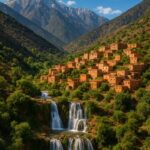
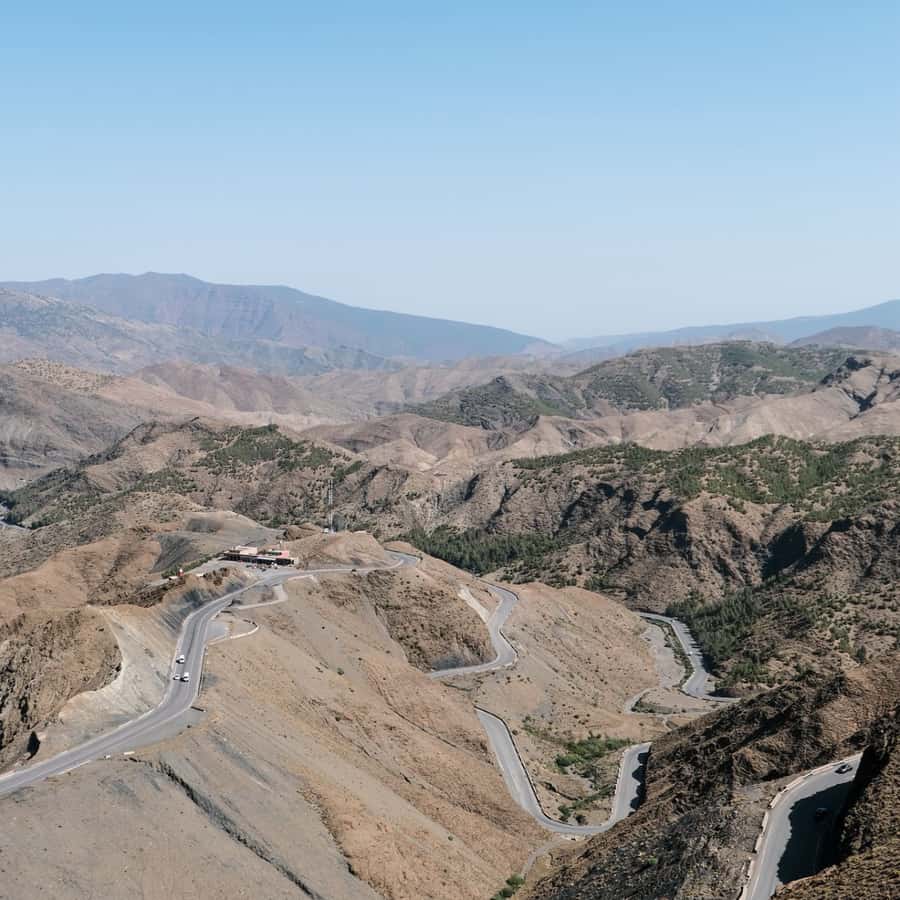
You’ll usually start early—around 7:00 am—with pickup from your accommodation area, then you head toward the Tizi n Tichka pass. This is one of Morocco’s most famous mountain roads for a reason: the switchbacks and elevation changes give you repeated panoramas, not just one big overlook.
The tour’s approach is practical. You don’t just sit and wait; you’ll have photo stops and you’ll pass traditional High Atlas Berber villages along the way. That matters because it turns the drive from a chore into part of the experience.
One small detail that helps: the itinerary builds in breaks so you can stretch and reset. A lot of guides and drivers on these routes keep the pace comfortable—reviews repeatedly praise drivers for patient, calm driving on winding roads.
Aït Benhaddou: UNESCO Time for Wandering and Film-Set Energy
Next up is Aït Benhaddou, the UNESCO World Heritage ksar that looks like it was built to be seen at golden hour. You get a photo stop and guided visit, with free time afterward to explore and shop.
What makes this stop special is how it teaches you to read the place. Even without turning it into a lecture, you’ll start noticing the mudbrick structure logic, the layered village feel, and the way the site holds onto views in every direction. It also has that famous “movie set” vibe—wide angles, steep streets, and walls that make you understand why filmmakers keep coming back.
Practical note: Aït Benhaddou can encourage shopping. You’ll likely be offered items along the way. You can be polite and still say no, and it helps to keep an eye on your timing so you don’t get pulled into a long detour.
Ouarzazate and the Rose Valley Style of Change
After Aït Benhaddou, the route typically pauses in the Ouarzazate area for lunch and a market stop. Then you continue toward the next overnight with scenery shifts that feel almost like seasons changing.
A common mid-route flavor here is the “vegetation-to-desert” progression. You start seeing more oasis character as you get closer to the Tafilalet region. That makes the next day’s desert theme land harder, because you’ve already witnessed the build-up.
The driver timing matters too. Reviews mention plenty of stops for breaks, and that’s not just comfort—it reduces stress on long days, especially if you’re traveling with luggage.
Tinghir Overnight: A Real Stop, Not Just a Transfer
Your first night is usually in the Tinghir area, after an afternoon route that may include the Rose Valley region. Tinghir is a solid choice for an overnight because it’s not purely a transit point; it’s where the geography starts acting like Morocco’s south.
You get dinner and breakfast at the hotel (both included). That’s important in a shared tour: it lowers decision fatigue. Instead of hunting for food, you spend your attention on the next leg.
If you’re the type who wants calm at night and a chance to reset after a long drive, Tinghir works. If you hate being rushed, try to use the free time efficiently—take a short walk if you can, then aim for an early night so day two doesn’t feel like a blur.

Todra Gorges to Merzouga: Oasis Towns Before the Dunes
Day two is where the trip starts turning fully “Sahara.” You leave after breakfast for Merzouga, the home base for Erg Chebbi dunes. On the way, the route is designed to show you how people live at the edge of the desert.
You’ll pass through or near Berber villages and oasis towns such as Tinejdad, Jorf, and Erfoud, and you’ll go by Tinjdad and Erfoud as the scenery transitions. The big moment on the human geography side is Erfoud, where you feel the beginning of the Tafilalet oasis system.
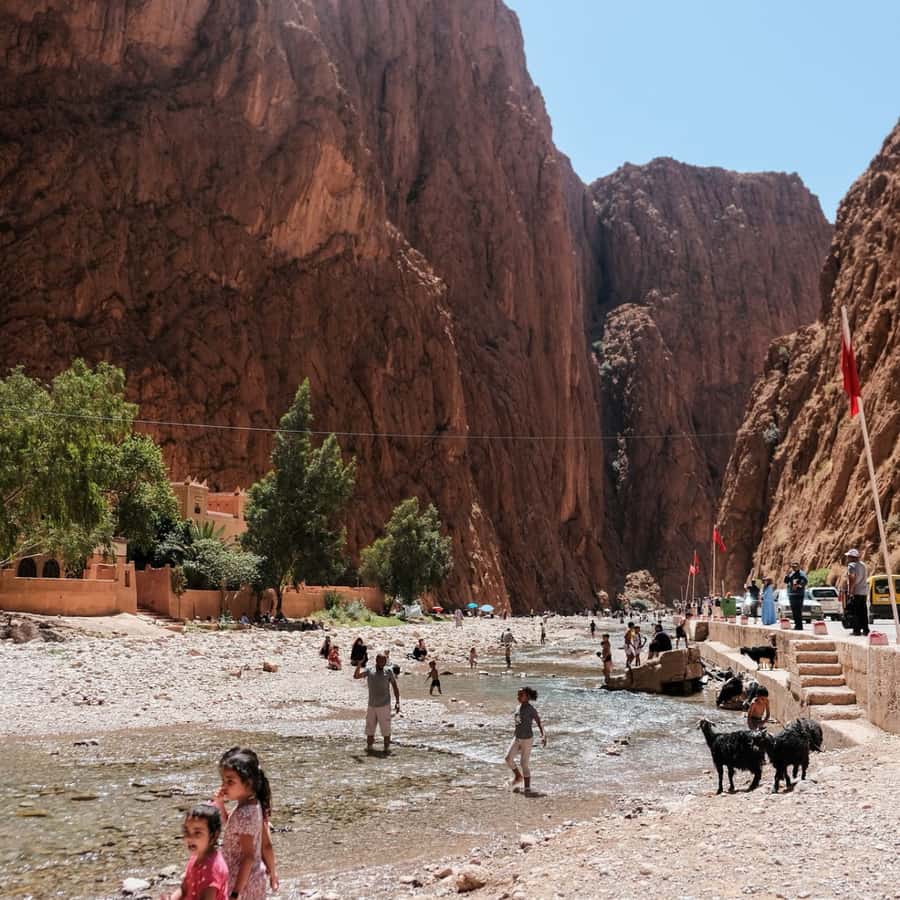
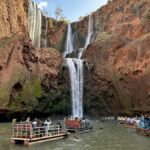
Then comes Todra Gorges, a canyon stop that gives you a completely different kind of drama than Aït Benhaddou. Todra’s narrow walls and tall rock faces make the route feel more alive and more physical. It’s one of those stops where your camera naturally comes out even if you were trying to keep it packed.
By late day, you reach Merzouga for a hotel stay. You’ll relax for a bit, then you’ll transfer your luggage: you keep a small bag for the desert night and leave the rest at the hotel. That’s a smart system for camel riding and for sleeping without carrying everything around.
The Erg Chebbi Dunes: Camel Ride, Sandboarding, and Camp Night
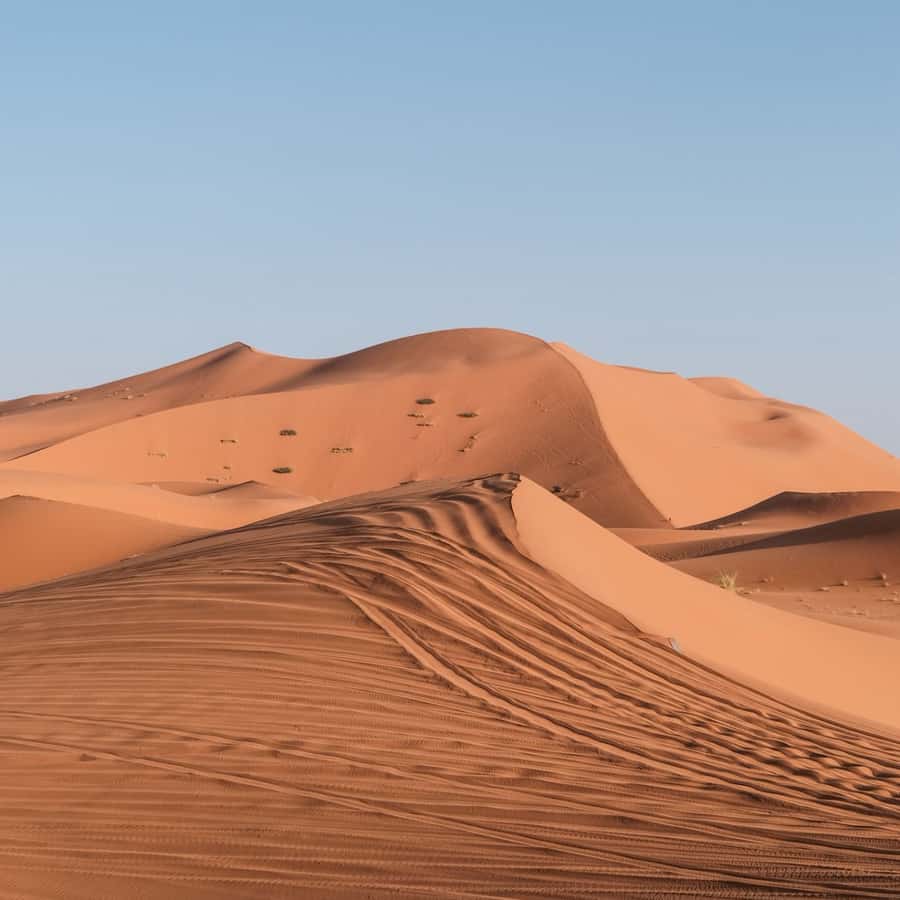
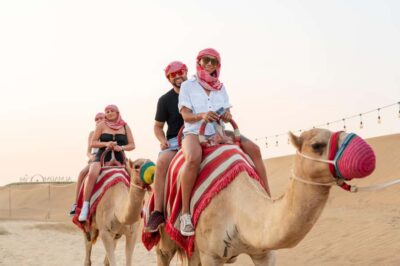
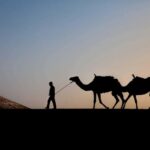
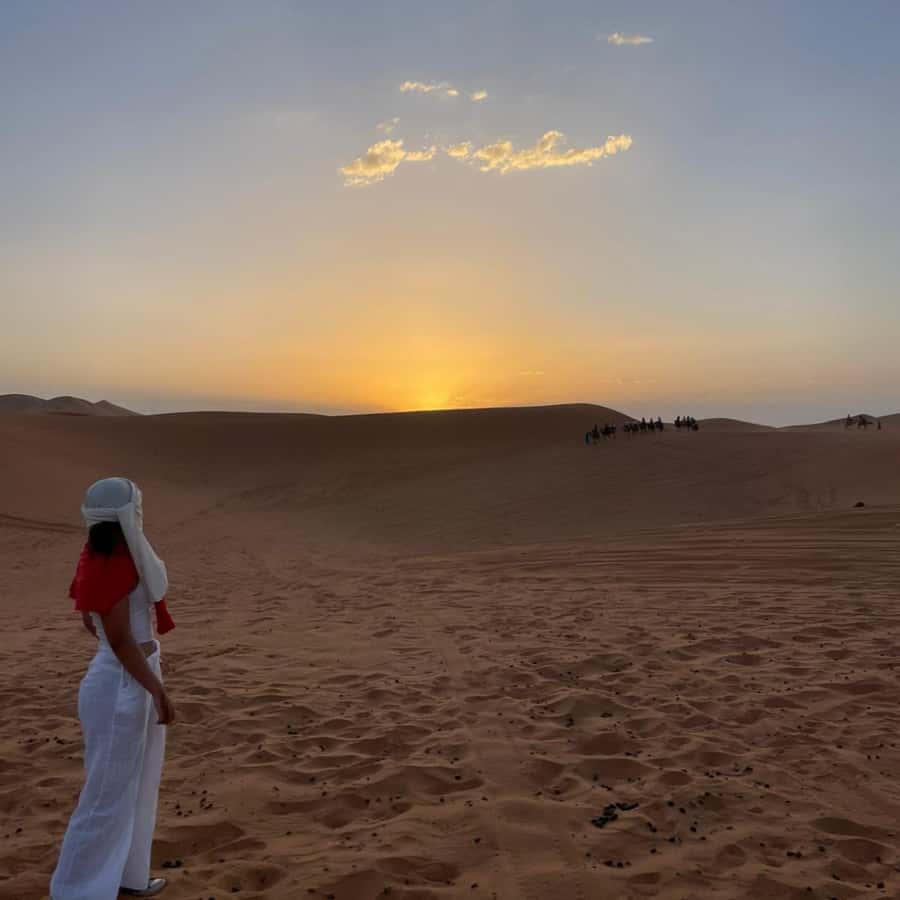
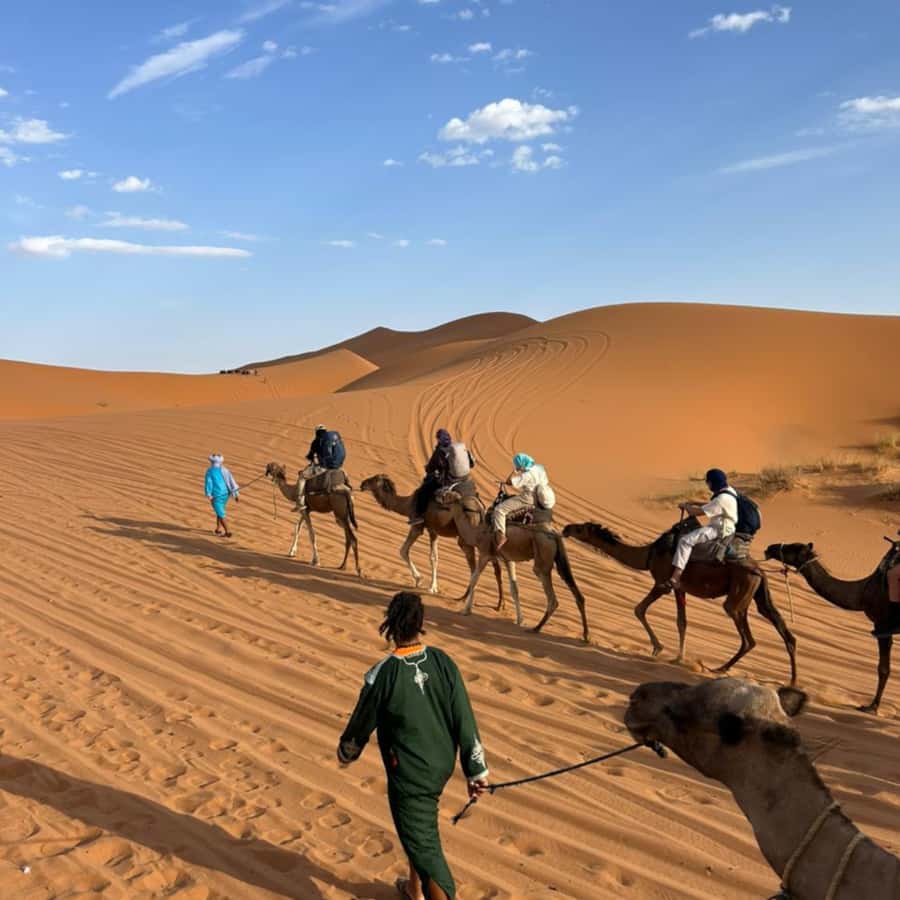
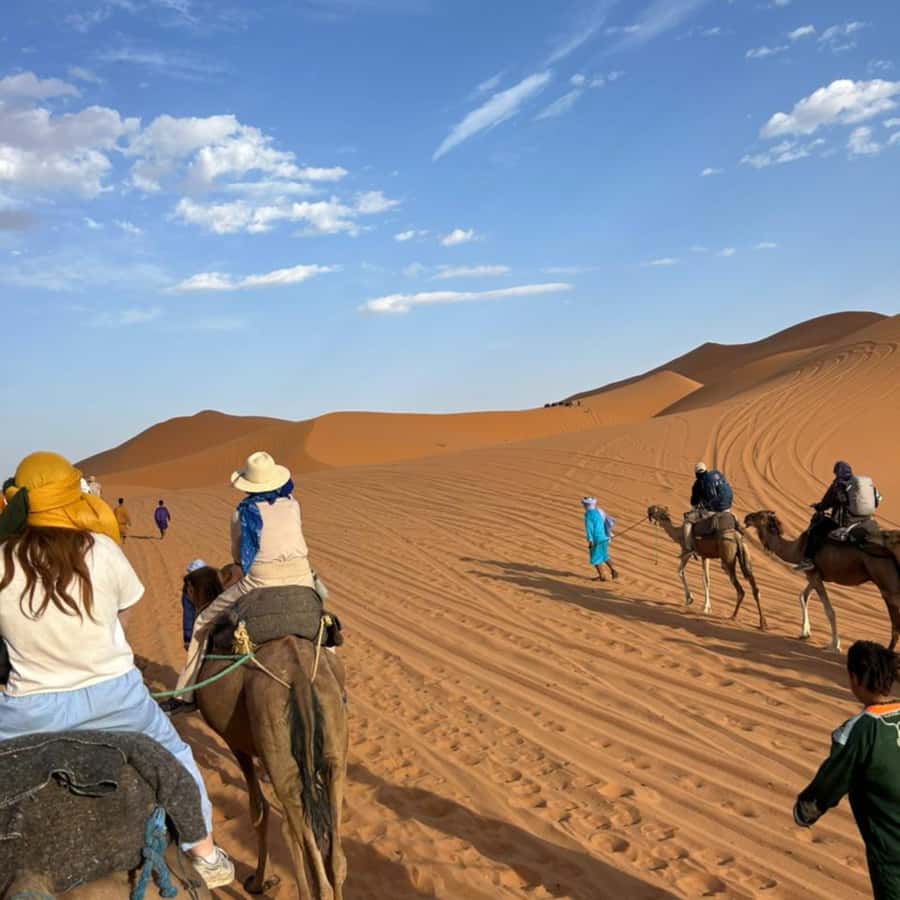
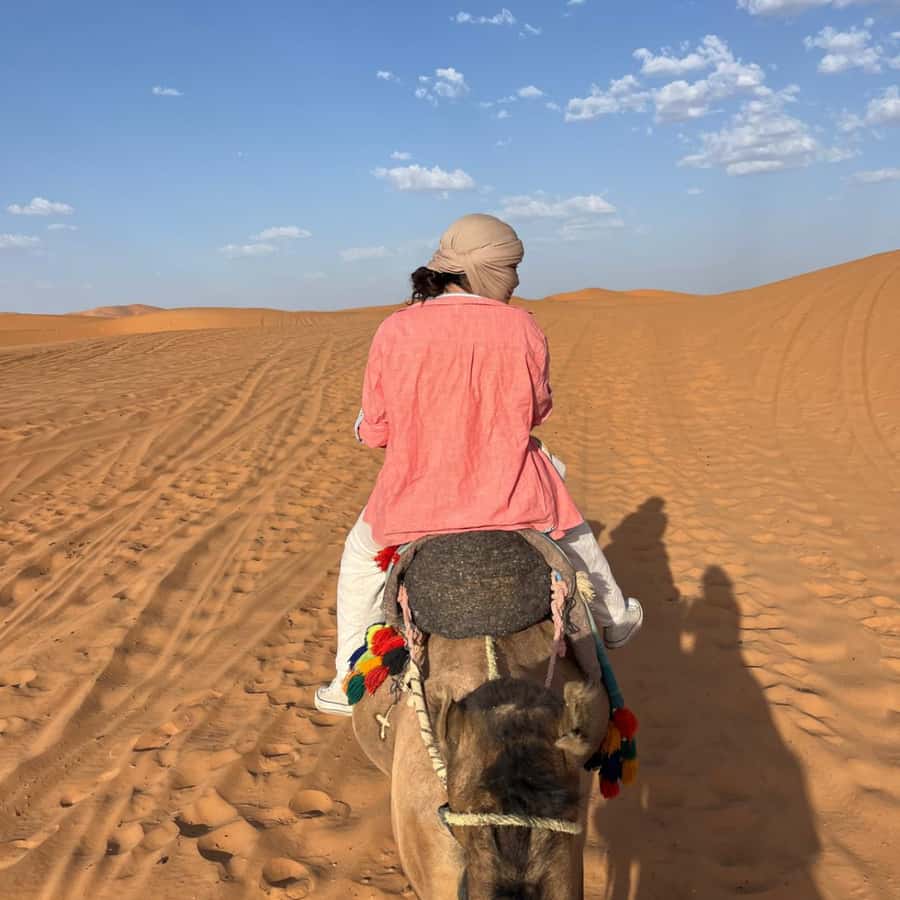
Now you’re at the main event: camel time and dunes. You ride camels across Erg Chebbi for the sunset crossing and then continue into the camp area. You’ll also get a later sandboarding moment, plus time up at the highest dunes to watch the sky settle.
This is one place where you should check your expectations. A camel ride is slower than a vehicle, and sand shifts under your feet. That’s part of the charm. If you’ve never been on a camel before, give yourself a few minutes to relax into the motion.
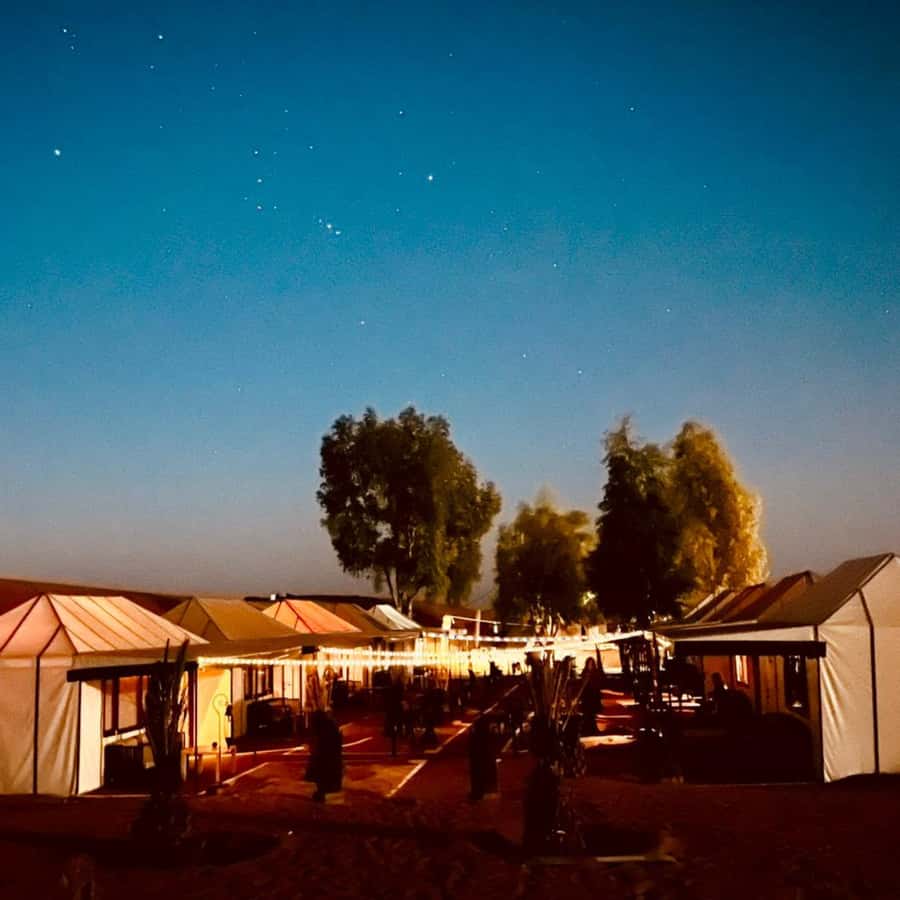
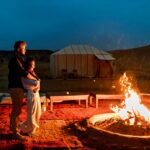
Camp style is a Berber nomad tent setup, with drums music in the middle of the Sahara. Reviews also point out that the atmosphere can feel more welcoming than you’d expect, especially when the music and dancing start. One reviewer even noted camp comfort like showers and toilets, which suggests you might get more than bare-bones, but it won’t hurt to be mentally prepared for desert basics.
Another reality check: dress for nighttime. Even if days feel pleasant, temperatures drop quickly. One review specifically warned that winter tents can be cold with little insulation, so if you’re traveling in colder months, bring layers you’d actually wear.
Sunrise Return and the Long Way Back to Marrakech
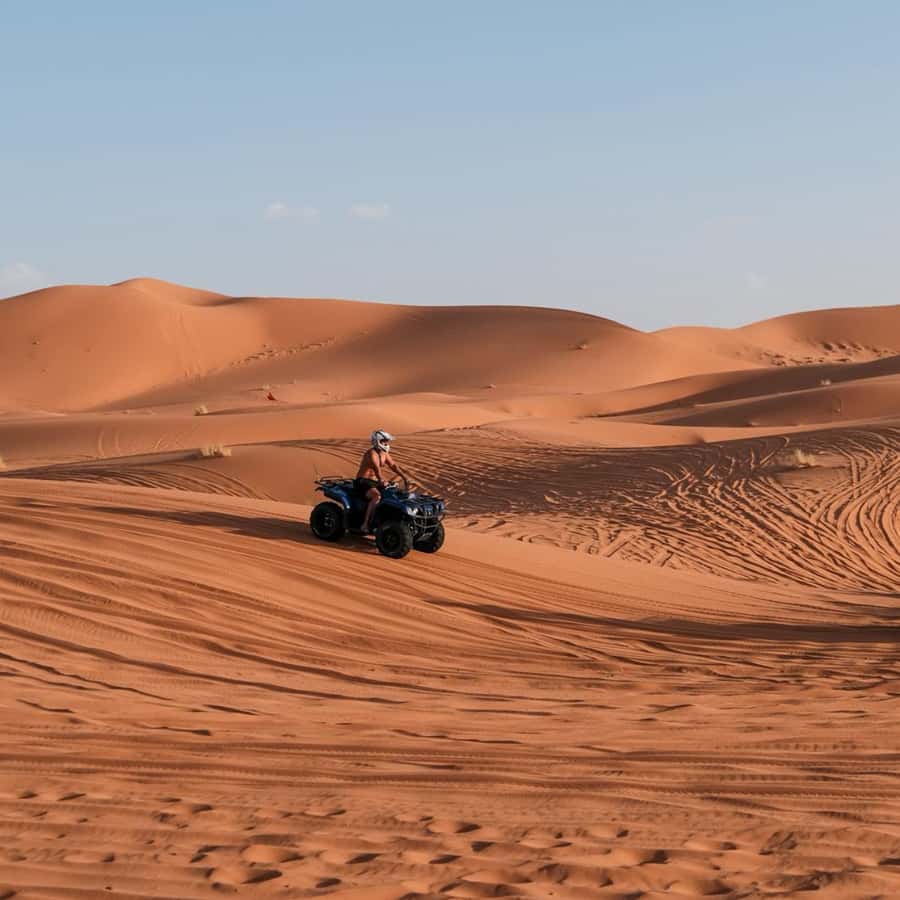
Day three is designed for the payoff: you wake early to catch sunrise over the dunes. Then you ride camels back toward Merzouga for breakfast. You’ll also have time for a shower in camp, which is a huge morale booster before you go back into the car.
After that, you start the return journey to Marrakech through Berber villages and scenic stops. The route typically goes through Ouarzazate and then uses the same main road back to Marrakech. The day ends late afternoon, with drop-off around 7:30 pm at your hotel or the nearest accessible point to your riad.
This timing matters if you plan onward travel the same evening. If you can, keep your next booking flexible. You’ll arrive tired in a good way, but you won’t arrive refreshed.
Price and Value: What $76 Buys You (and What It Doesn’t)
At $76 per person, this tour is priced for “do it all” value. Your included items typically cover the parts that usually cost the most when booked separately:
- Professional driver with a comfortable vehicle (fuel included)
- 2 nights accommodation
- 2 dinners and 2 breakfasts
- Camel rides for both sunset and sunrise (1 camel each)
- Sandboarding
- English/Spanish/French/Arabic/Portuguese live guide in shared or small group format
Not included: drinks and personal expenses. There’s also mention that you might pay extra for an optional local guide for about 2–3 euros per person.
The value angle is simple: you’re not just paying for the dunes. You’re paying for transportation between regions, plus the time-savings of having meals and lodging included. In southern Morocco, that’s often what makes the difference between an exhausting self-planned route and a manageable one.
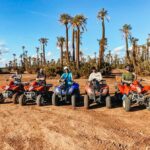
If you want extra activities like quad riding, one itinerary note mentions it, and reviews say people pay extra for quads. So treat those as add-ons unless your confirmation says otherwise.
Guides and Group Energy: Why People Keep Mentioning Names
One of the most consistent themes in the reviews is the human side. Guides are repeatedly praised for being friendly, attentive, and good at making long driving days feel less long.
You’ll see names pop up a lot, like Ismail, Ali, Mohamed, Fouad, Khalid, Hassan, and Yassine. Drivers like Moha/Mohamed Pro Max also get specific praise for calm driving and good pacing.
Even if you don’t get the same names, this tells you something useful: the operator seems to work with guides who can handle logistics and also keep the mood up. That matters on this route because the itinerary includes canyon time, market stops, and a full desert night. If the guide is organized, the whole trip feels easier.
Also note: you’ll be in a shared format unless you choose private/small group options. In practice, that often means meeting people from lots of countries and having a fun group vibe—especially around dinner and the camp music.
Practical Tips So You Enjoy It More
A few things will make this tour smoother from the first hour:
- Bring a sun hat (the itinerary is heavy on outdoor time).
- Pack light for day two night: you’ll move to a small desert bag and leave the rest behind at the hotel.
- Expect shopping and co-op stops. You can shop if you want, but don’t feel pressured—offers come up and you can politely decline.
- Take photos respectfully. The tour notes advise avoiding close-up face photos without permission. If you want portraits, ask first.
- If you’re sensitive to cold, plan layers for the desert night. One review specifically warns about winter chill in tents with little insulation.
Who Should Book This Marrakech to Merzouga Camel Tour?
This trip is a great fit if you:
- want a first-time Sahara experience with camel rides at both ends of the day
- prefer guided stops rather than negotiating buses and transfers alone
- like a route that changes scenery—mountains, UNESCO ksar, canyon, then dunes
It might be less ideal if you:
- hate long road days and tight schedules
- travel during colder months and don’t want cold desert nights (bring serious layers)
If you’re traveling solo, you can still enjoy it. A lot of people describe feeling comfortable and cared for in shared tours, especially when guides keep the group organized and safe.
Should You Book This Tour?
I’d book it if you want maximum “southern Morocco in three days” for a fair price, and you’re okay trading some comfort for variety. The included pieces—two meals days in the car rhythm, two nights lodging, camel rides at sunset and sunrise, plus sandboarding—make it a strong value proposition.
I’d hesitate only if cold desert nights are a deal-breaker for you, or if you know you get miserable with long driving days. For most people, though, this is one of those trips that feels like a complete chapter, not just a single highlight.
FAQ
What does the tour include for meals and lodging?
The tour includes 2 nights accommodations, 2 dinners, and 2 breakfasts. You’ll also have a shower in camp on the return morning.
Are camel rides included, and do they happen at both sunset and sunrise?
Yes. Camel rides are included for both sunset and sunrise, with 1 camel each.
Is sandboarding included?
Yes. Sandboarding is included as part of the desert activities.
What languages do the live guides speak?
The live tour guide is available in English, Spanish, French, Arabic, and Portuguese.
What time do you start from Marrakech?
The pickup starts in the morning, and the journey typically begins at 7:00 am from your accommodation area.
Where is the meeting point, and will I be contacted ahead of time?
The meeting point may vary depending on the option booked. The operator will contact you the day before to confirm where to meet.
What should I bring?
You should bring a sun hat.
Is drinks included in the price?
No. Drinks are not included, and you’ll cover personal expenses separately.
Is the price refundable if my plans change?
The tour offers free cancellation up to 24 hours in advance for a full refund.