REVIEW · MARRAKESH
Marrakech: Moroccan Cooking Class with Market Visit and Meal
Book on GetYourGuide →Operated by Flavors of Marrakesh · Bookable on GetYourGuide
Souks and tajines in four hours. I love how this class starts in the Medina market (morning sessions) so you actually buy the ingredients you’ll cook, not just watch it happen. I also like the small group setup, which makes it easy to get hands-on help from the chefs.
The food you make is the point, and you’ll end the experience eating what you cooked in a cozy, Moroccan-style setting. One drawback to consider: there’s no time budgeted for long sightseeing on your own since the whole flow is market-and-kitchen focused.
In This Review
- Key highlights you’ll feel
- Finding Flavors of Marrakesh: meet near the BIM store
- The morning souk visit: buying your tagine ingredients for real
- Tea breaks and cultural context
- Back to the kitchen: where the real learning happens
- What you’ll cook: tajines, savory starters, and almond filo dessert
- Tajines you may make
- Starters: salad, zaalouk, taktouka
- Dessert: almond filo and pastry skills
- Dietary needs: ask, and they may accommodate
- Lunch or dinner in a cozy salon: eating your work
- The recipe PDF: the take-home trick that keeps it from fading
- Price and value: what $57 includes (and what you should budget for)
- Who should book this class (and who might not love it)
- Practical tips so you enjoy every minute
- Should you book this cooking class?
- FAQ
- How long is the cooking class?
- Does the class include a market visit?
- What time are the morning and evening sessions?
- Is transportation to and from the activity included?
- What languages are the guide and instruction available in?
- What food and drinks are included?
- Do I get recipes to take home?
- What’s the group size?
- Where do I meet the staff?
- What should I bring?
Key highlights you’ll feel
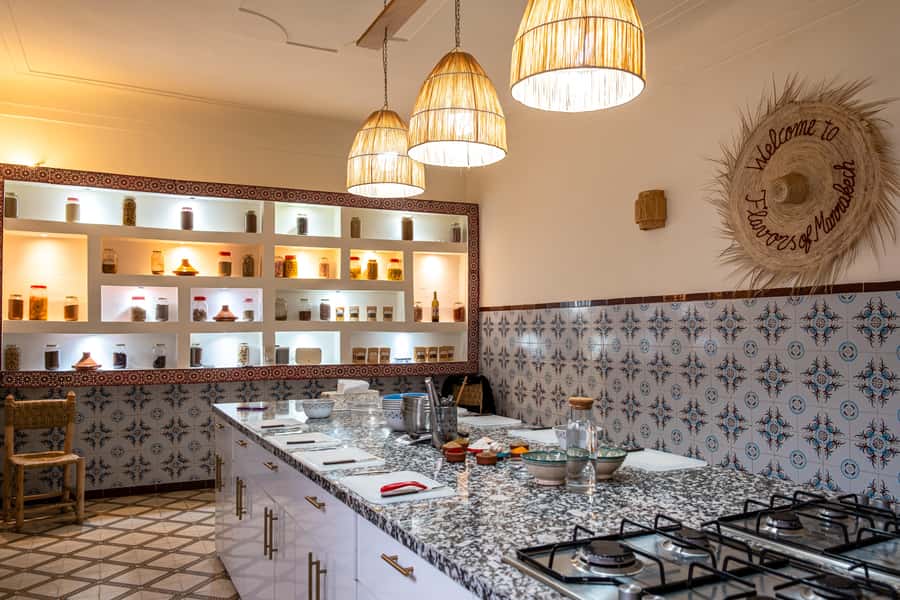
- Souk shopping with a guide to pick produce, herbs, and spices for your menu
- Chef-led, hands-on cooking with lots of chopping, seasoning, and stove time
- Multiple dishes, not just one (often tajines plus starters and a dessert)
- Named helpers in the kitchen like Kaoutar (Cookie), Leyla, and Fatima’s team
- Take-home recipes as a PDF sent by email so you can recreate it later
- Meal included with coffee and tea, plus bottled mineral water
Finding Flavors of Marrakesh: meet near the BIM store
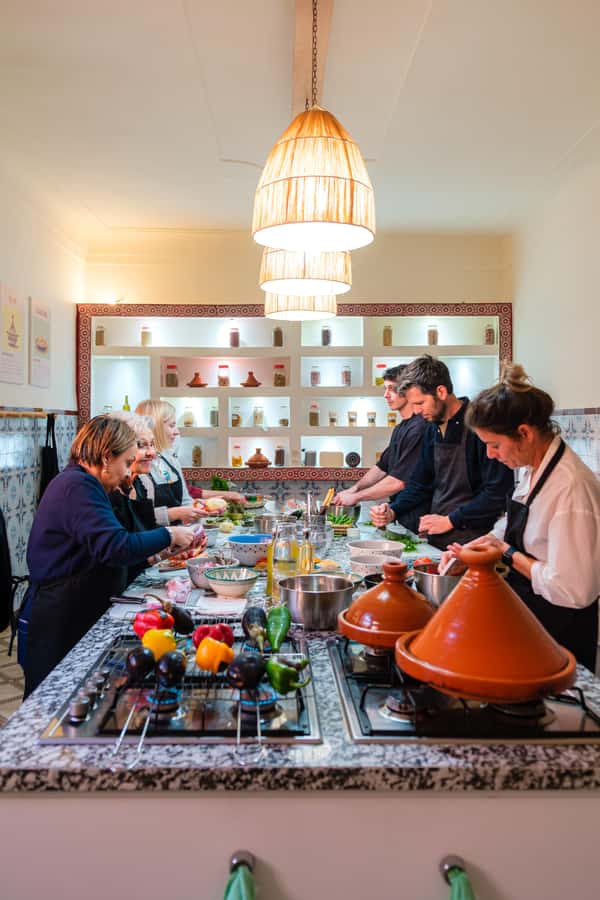
You’ll start by going to Flavors of Marrakesh, right next to the BIM store. It’s easy to recognize once you’re in the area—go in, meet the staff, and you’ll get oriented before anything else.
This is a good setup if you want to reduce the usual Marrakech stress. You don’t need to figure out where a hidden riad kitchen is, or hunt for a chef with three cousins and a chalkboard. It’s a straightforward meet point in a central part of the city.
You can also read our reviews of more tours and experiences in Marrakesh.



The morning souk visit: buying your tagine ingredients for real
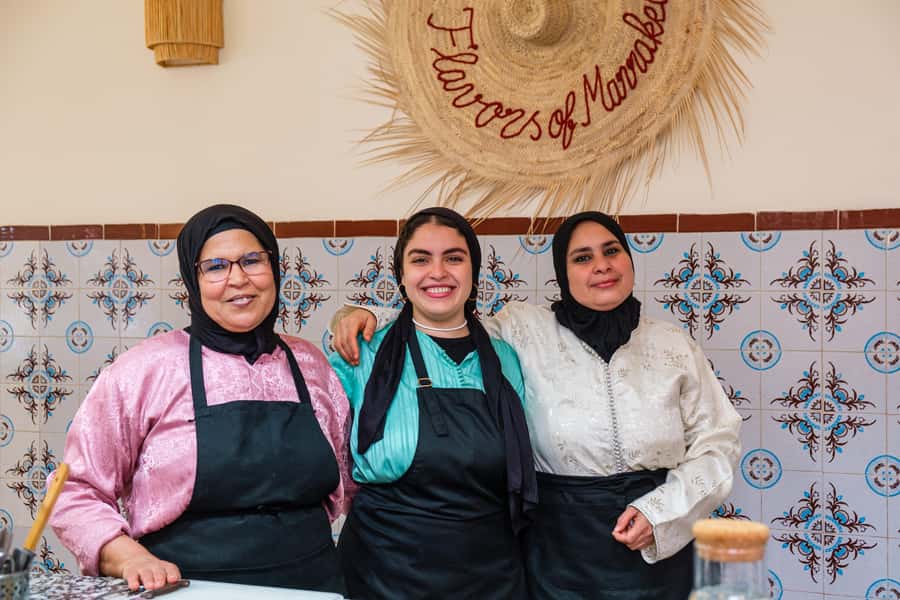
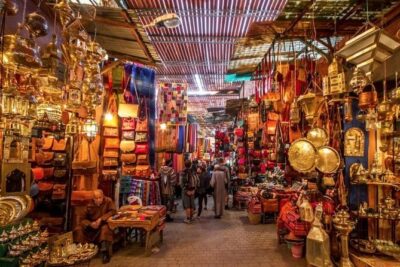
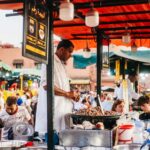
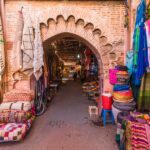
If you book the morning session (10:30 am), you’ll head into the souks with your guide and choose ingredients together. The point is simple: Moroccan cooking is built on fresh produce and the right spices, so the class doesn’t start when you arrive at the kitchen—it starts while you’re picking what goes into the pot.
In practice, you may find the market portion includes things like:
- selecting vegetables and herbs
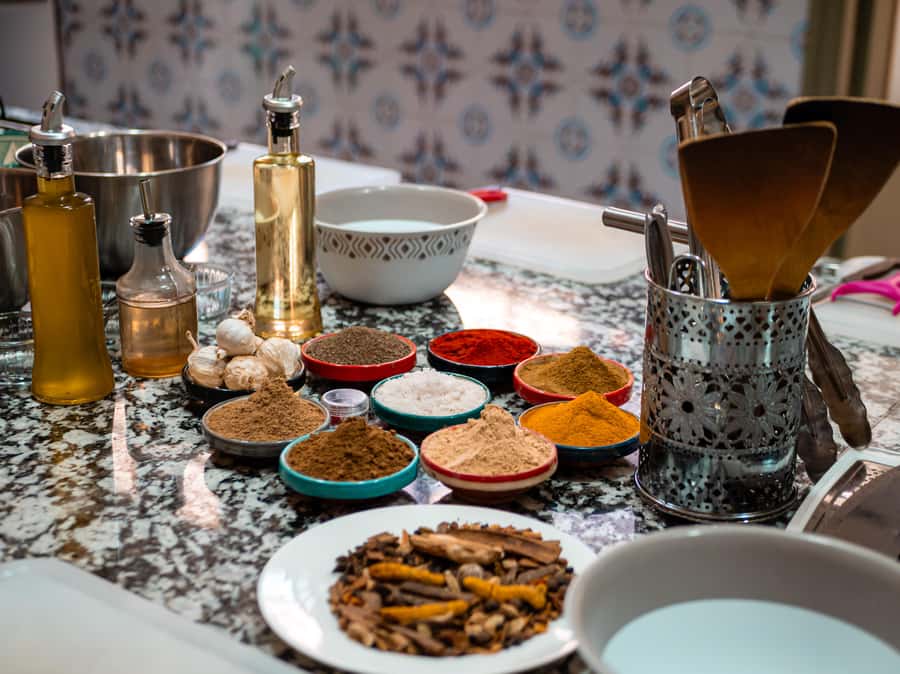
- getting aromatic spices used in Moroccan cooking
- buying items like chicken (and often items tied to the menu, such as fresh filo dough for dessert)
One thing I like here is that your guide doesn’t treat the market like a photo stop. They explain what you’re looking for and how ingredients behave once you cook them. In one group, people were even given small baskets to collect the items they were assigned—like you’re sampling the menu with your own hands.
Tea breaks and cultural context
Market time can move fast, so expect little pauses. In some sessions, there’s tea before the souk, which helps you reset before you start walking and choosing.
You may also hear cultural details around food preparation. Some classes include discussion of halal slaughter and butchering practices, and in at least one experience there’s an option to watch the process according to religious law (framed as humane). This is not a scare tactic; it’s presented as part of how food gets sourced and prepared.
Back to the kitchen: where the real learning happens
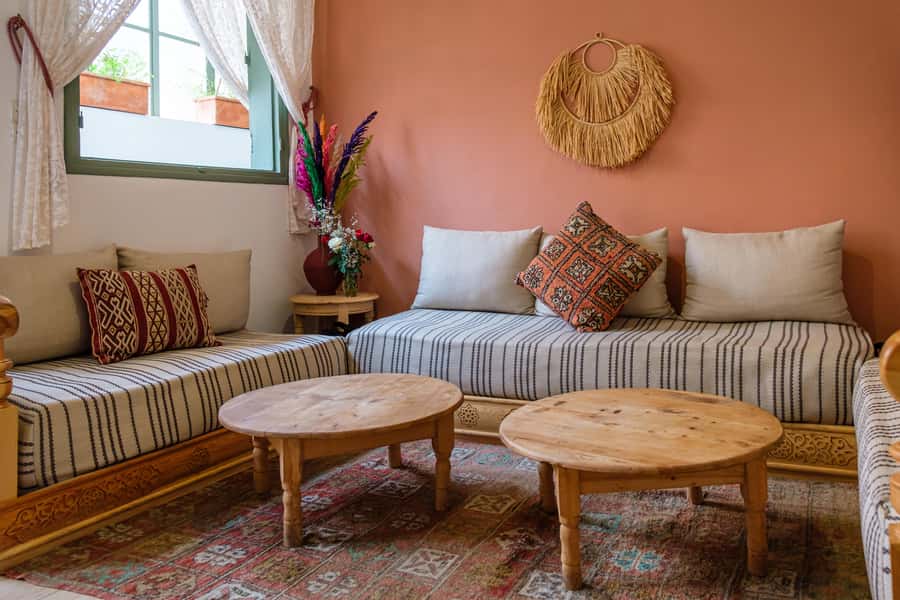
After the market, you’ll return to a spacious, well-equipped kitchen. The vibe tends to feel more like cooking with a competent local family team than doing a scripted demo.
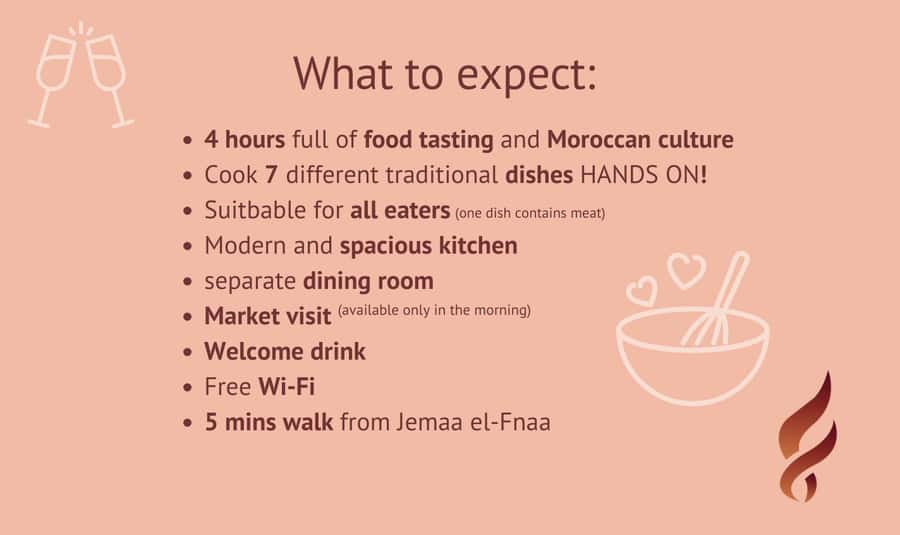
That small-group limit—up to 10 participants—matters. It keeps the class interactive. You’re not stuck waiting your turn to chop while someone else gets the “real cooking” moments.
In the kitchen, the chefs cover the basics that you’ll reuse for years:
- chopping techniques
- seasoning and timing
- how spices are layered (not dumped)
- how Moroccan dishes come together through slow, patient cooking methods
You’ll often work on multiple components. One day might include learning about filo pastry, and another might lean harder into tajine technique. The kitchen staff sometimes includes women who help across stations, like Leyla and Fatima, and in multiple experiences Kaoutar (nickname Cookie) and other instructors guided the group through steps while keeping the energy light.
What you’ll cook: tajines, savory starters, and almond filo dessert
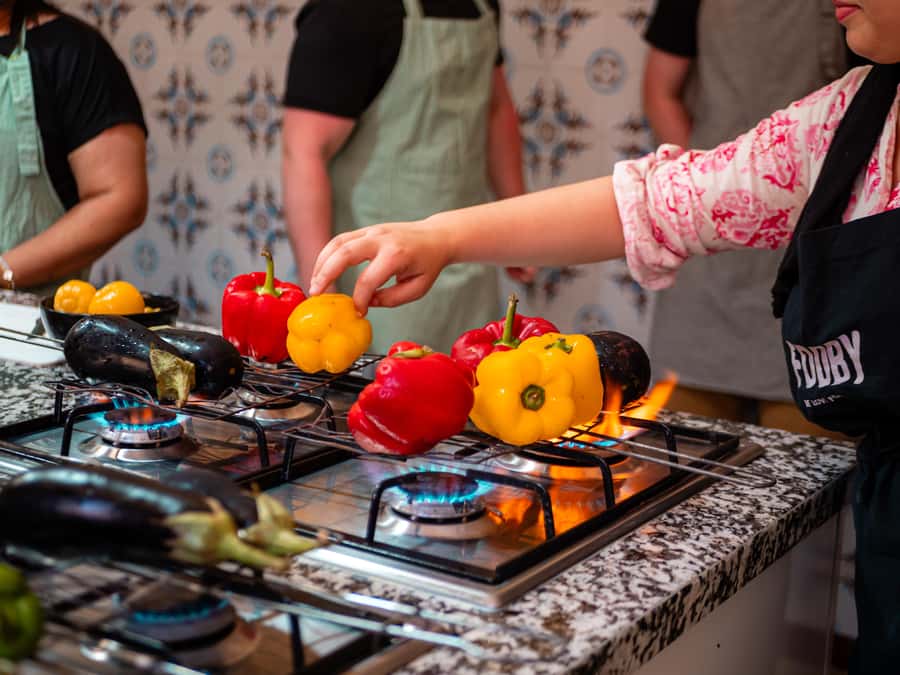
Most people come for tajines, and you usually get plenty of them. Expect to cook more than one dish. In many sessions, the menu includes two tajines plus a set of starters and a dessert.





Tajines you may make
Tajines can vary by class time and ingredient choices, but examples include lemon chicken and vegetable tagine. You’ll typically learn how to build flavor with spices and aromatics, then let the dish cook down until it’s tender and cohesive.
The key is that you’re not just turning a burner on. You’ll be involved in seasoning, layering, and checking doneness. That’s how you learn why Moroccan cooking tastes the way it does.
Starters: salad, zaalouk, taktouka
You can also expect savory sides or starters. Examples that have shown up include:
- Moroccan salad
- zaalouk (eggplant-based, cooked with spices)
- taktouka
These dishes are a great way to learn Moroccan seasoning beyond the main course. Once you understand how these flavors work in starters, you’ll spot similar taste patterns in the tagines and sauces.
Dessert: almond filo and pastry skills
Dessert is usually a showpiece. A common ending is an almond filo dessert—made with filo dough that may be purchased fresh at the market in morning sessions.
If you’ve never worked with filo, you’ll learn quickly why people get excited about it. It’s delicate, it cooks fast, and it’s worth it. One of the fun parts is seeing your own dessert turn from a stack of thin dough into something sweet and browned.
Dietary needs: ask, and they may accommodate
One helpful detail from real experiences: if you have allergies, tell them ahead of time. In at least one case, a nut allergy led to a nut-free dessert substitution, so the person didn’t have to handle nuts if they didn’t want to. That’s the kind of practical care that makes a class feel less risky.
Lunch or dinner in a cozy salon: eating your work
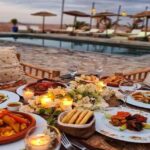
Once cooking wraps, you’ll sit down to eat what you made. The included meal happens in a cozy, beautifully set salon where the atmosphere shifts from cooking chaos to relaxed dinner.
You’ll usually share the dishes family-style. Some experiences had people sitting together at a big table, which makes it easy to compare what everyone thought of the flavor balance and textures. That’s also when you notice what you learned: spice blends that seemed confusing at the start start making perfect sense once you taste them.
Coffee and tea are included, along with bottled mineral water. It’s a nice finishing rhythm—sweet dessert, minty or spiced tea, then you leave with your stomach full and a clearer idea of what you actually enjoyed.
The recipe PDF: the take-home trick that keeps it from fading
Here’s a big value point: you get a PDF of the recipes from the class. It’s sent via email, so you can cook again at home without trying to remember every spoonful by smell alone.
This matters for two reasons:
- Moroccan cooking has specific spice roles. The PDF helps you repeat the proportions and method.
- It gives you a starting point for shopping back home for the right ingredients.
And yes, it’s also just satisfying to know you can recreate the exact menu, not a vague memory of it.
Price and value: what $57 includes (and what you should budget for)
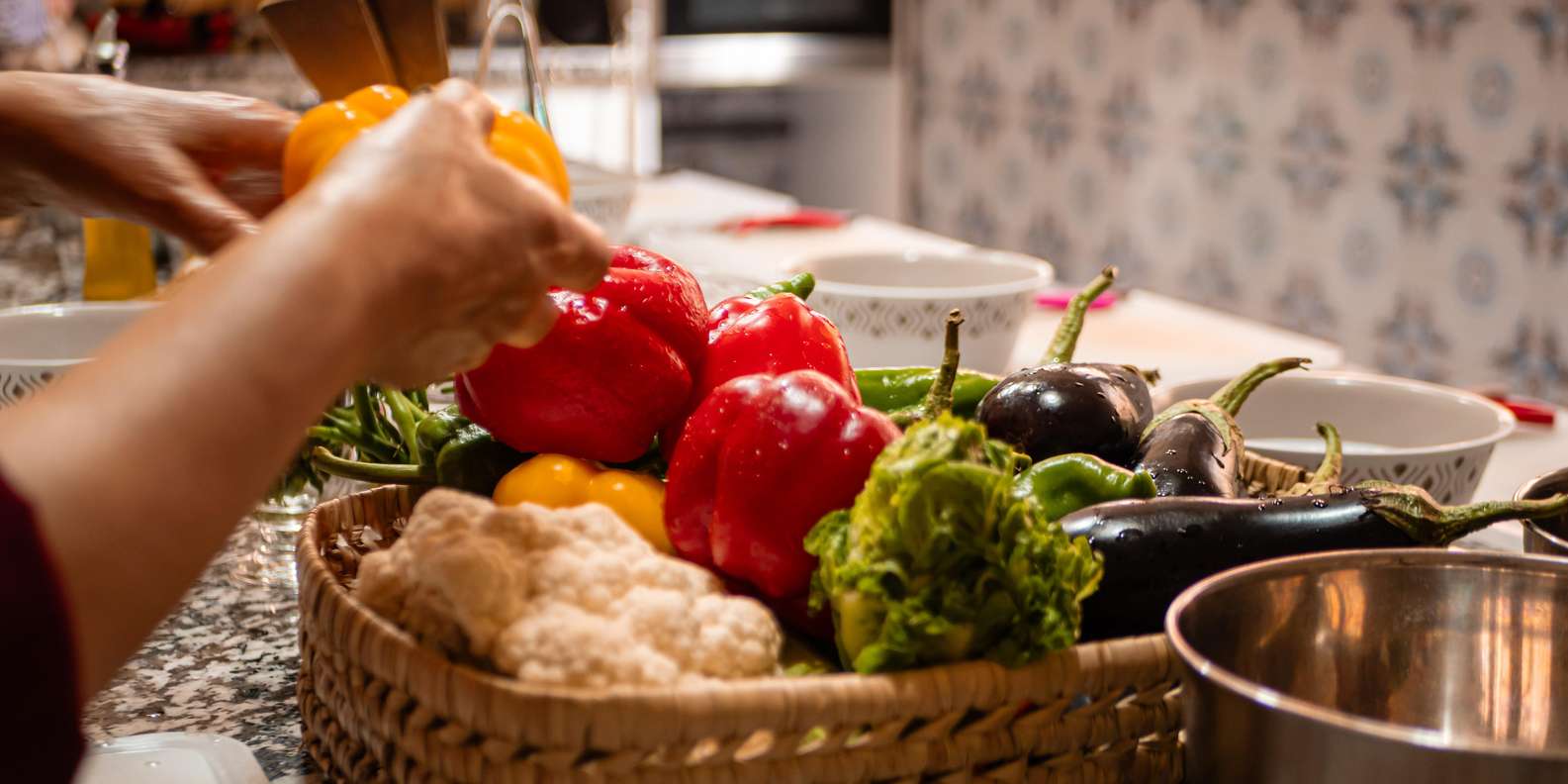
At $57 per person for about four hours, this isn’t the cheapest thing in Marrakech—but it’s also not overpriced for what you’re getting.
Your cost covers more than “a class.” You get:
- a guide
- the cooking class itself
- an optional market visit in the morning session
- ingredients and tools for cooking
- the meal (lunch or dinner)
- coffee and tea
- bottled mineral water
- a recipe PDF sent by email
- free WiFi
The main thing not included is transportation to and from the activity. So if you’re staying far from central Marrakech, budget for getting there (a taxi or your own plan). That’s the one line-item that can change your real total.
The best argument for the price is the mix of market + kitchen + meal. Many food tours give you only one of those. Here you do all three, and you leave with both the tasting experience and the method.
Who should book this class (and who might not love it)
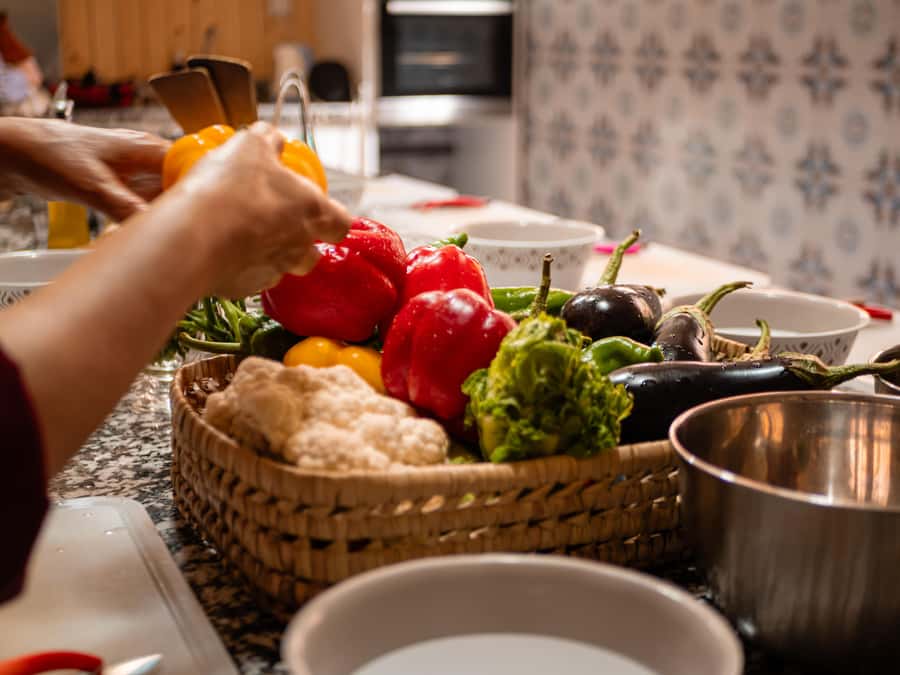
This experience is ideal if:
- you want a fun, hands-on Morocco food moment (even if you’re not a cook)
- you like getting local context, not just eating
- you want to understand Moroccan ingredients early in your trip
- you’re traveling in a small group or as a couple and want interaction
- you like meeting friendly instructors who explain what you’re doing as you do it
It can also work well for families. One experience involved a 9-year-old who enjoyed the class a lot, which suggests it’s not overly stiff or lecture-heavy.
You might want to think twice if you prefer your Marrakech days to be mostly free time and slow wandering. The schedule is focused, and you’re in the flow from meet point to market (morning) to cooking to meal.
Practical tips so you enjoy every minute
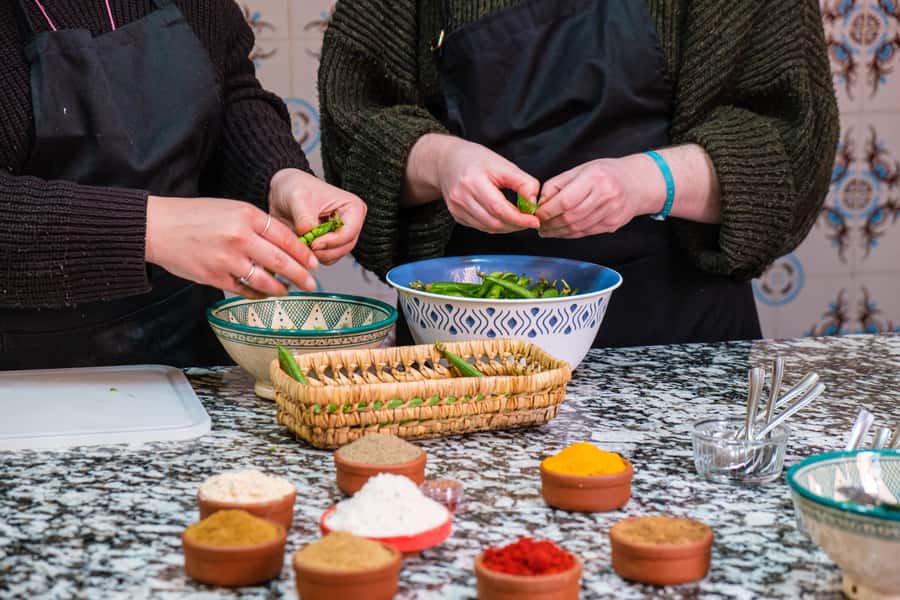
- Bring comfortable clothes. You’ll be walking in the Medina area (morning) and cooking in the kitchen.
- Bring a camera. You’ll want photos of the market moment and the dishes you cook.
- Come ready to participate. The class is designed for doing, not just watching.
- If you have allergies or dietary limits, raise them in advance. At least one group got a nut-free dessert option.
- Pick your time based on what you want: the morning option includes the market; the evening option skips it and goes straight to cooking.
Should you book this cooking class?
If you want a Marrakech activity that feels both authentic and practical, I think this one is a strong pick. You get the market ingredient hunt, the chef-led learning, and the meal you actually cooked. That mix makes it more than a one-off taste—it’s a skill transfer you can use again later.
Book it if you’re excited by tajines, spice-based cooking, and getting your hands involved. If you hate markets or want a looser day with lots of independent sightseeing, you’ll likely enjoy the evening session more since it trades market time for kitchen time.
Either way, I’d go into it with one mindset: you’re there to cook, ask questions, and take notes with your taste buds. That’s when the whole experience clicks.
FAQ
How long is the cooking class?
The experience runs for 4 hours.
Does the class include a market visit?
The market visit is included for the morning session only.
What time are the morning and evening sessions?
The morning session starts at 10:30 am, and the evening session starts at 4:30 pm.
Is transportation to and from the activity included?
No. Transportation to and from the activity is not included.
What languages are the guide and instruction available in?
The live tour guide provides English and Arabic.
What food and drinks are included?
You’ll have a meal (lunch or dinner), plus coffee and tea. Bottled mineral water is also included.
Do I get recipes to take home?
Yes. You receive a PDF of all the recipes used in class via email.
What’s the group size?
The group is small, limited to 10 participants.
Where do I meet the staff?
Go to Flavors of Marrakesh, located next to the BIM store, and go inside to meet the staff.
What should I bring?
Bring a camera and comfortable clothes.