REVIEW · NAIROBI
Nairobi Historical Walking City Tour
Book on Viator →Operated by Safari Port · Bookable on Viator
Nairobi’s history hits you fast. This walking tour is interesting because it pairs a private guide with real Central Business District stops, and I like that the guide helps you connect stories to what you’re actually standing in front of. I also like the City Market time, since it’s a practical place to look for cultural souvenirs, clothing, and even fresh food. One possible drawback: you may spend stretches outdoors, including time standing in/near the garden before moving on.
The big payoff is the ending at Kenyatta International Conference Centre, where you can get a tower rooftop view over Nairobi. If you want an orientation shot for the rest of your trip, this is the kind of stop that makes the city feel less confusing.
At $35 per person, you’re paying for a professional art historian guide and guided walking time through some of Nairobi’s most recognizable landmarks. City Market has free admission, but the KCC tower entrance fee is not included, so budget a little extra if you want to go up.
In This Review
- Key highlights you’ll care about
- Getting oriented fast in Nairobi’s CBD
- Jeevanjee Gardens: the donated public park where the city pauses
- Jamia Mosque on Banda Street: heritage at the heart of the city
- City Market inside the 1930s building: souvenirs, cloth, and real daily commerce
- Kenyatta International Conference Centre rooftop: the 360 view and what it symbolizes
- How the professional guide changes the whole experience
- Price and value: what $35 buys you (and what costs extra)
- Practical tips so the walk stays enjoyable
- Who this tour suits best
- Should you book this Nairobi Historical Walking City Tour?
- FAQ
- How long is the Nairobi Historical Walking City Tour?
- Where does the tour start and end?
- What’s included in the tour price?
- Are there any entrance fees I should plan for?
- Is this a private tour?
- What is the cancellation policy?
Key highlights you’ll care about
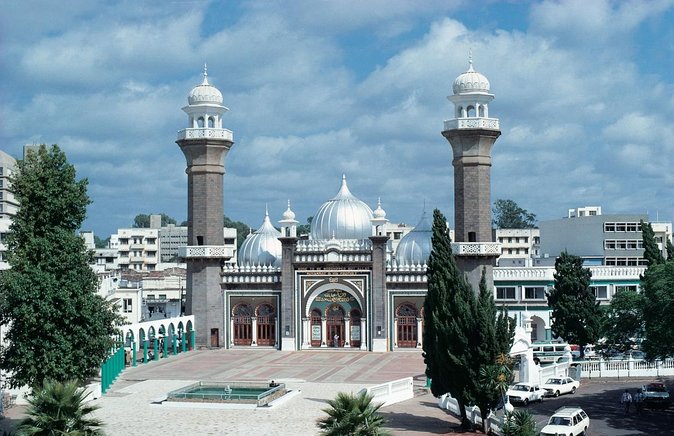
- Jevanji Garden public space with specific local rules: donated to and owned by Kenya’s poor, and it even functions as a designated public smoking zone.
- Jamia Mosque as an anchor landmark: founded in 1902 by Syed Maulana Abdullah Shah and built between 1925 and 1933.
- City Market in a 1930s building with shopping plus food: browse masks, paintings, garments, and more, with free admission.
- Kenyatta International Conference Centre tower for 360 aerial views: Nairobi’s skyline from the rooftop, plus a statue connection to Kenya’s first president.
- Professional guide for both history and practical shopping: the walk is designed to be learn-and-ask, not just sightseeing.
Getting oriented fast in Nairobi’s CBD

If Nairobi feels like a lot at first, this tour gives you structure. You start at Jevanjee Gardens, then move through the CBD layers of faith, commerce, and independence-era landmarks. The walking format matters here: it’s not just looking at buildings from a distance, it’s learning why they sit where they do and how people use the space.
Timing is usually flexible, running about 2 to 5 hours depending on your pace and how long you spend at each stop. If you’re on a short visit or you want a solid first pass through the city center, this is a strong way to spend a morning or afternoon.
You can also read our reviews of more tours and experiences in Nairobi.



Jeevanjee Gardens: the donated public park where the city pauses

Your walk begins at Jeevanjee Gardens, 27 Monrovia St. This place isn’t just a green break from the streets. It’s tied to a social idea: it was donated to and owned by Kenya’s poor, and it plays an important role for people’s daily routines, especially around lunch hour when folks rest there.
A detail I appreciate is that Jevanjee Gardens isn’t treated as an informal corner with no rules. It also serves as a public smoking zone, because smoking is illegal just about anywhere else in Nairobi. So your guide can point out how the city’s regulations show up in real, visible ways inside public space.
What to expect on the ground
- You’ll likely spend some time here learning the context before you head deeper into the CBD.
- It’s a good place to reset your pace, stretch your legs, and get ready for busier streets.
What to consider
If you’re the type who hates waiting around, note that this tour can start with a bit of standing while your guide sets the story. Bring sun protection and water if you can, since food and drinks aren’t included.
Jamia Mosque on Banda Street: heritage at the heart of the city
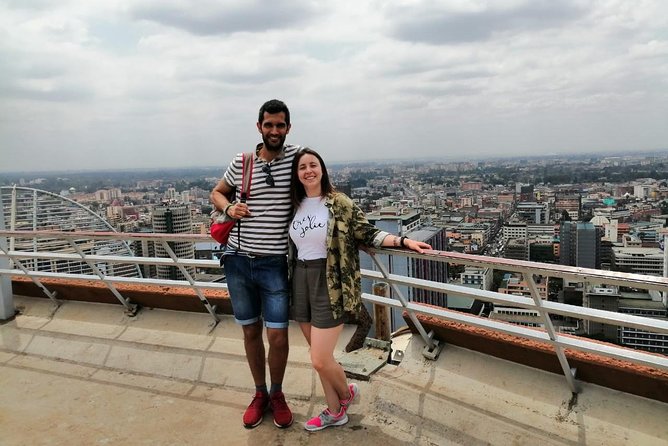
Next comes Jamia Mosque, located on Banda Street in Nairobi’s CBD. This isn’t a “you’ll see it from the outside and move on” kind of stop. It’s described as an important center of Islamic practice across East and Central Africa, and it functions as both a landmark and a heritage site right in the business district.
The historical timeline your guide shares makes the architecture feel earned rather than decorative. Jamia Mosque was founded by Syed Maulana Abdullah Shah in 1902 and constructed between 1925 and 1933. Those dates help you understand why the building sits at the center of religious life and public identity in Nairobi, even as the city grew around it.
Practical tips for this stop
- Dress respectfully and expect the need to be mindful of religious space. (If you’re unsure, ask your guide what they recommend for your outfit.)
- Take your time with photographs, but don’t let the camera boss the moment.
City Market inside the 1930s building: souvenirs, cloth, and real daily commerce
After the mosque, you shift into a place where the city’s everyday energy shows up fast: City Market. This stop is timed at about 20 minutes, and it has free admission for the visit.
City Market is housed in a monumental building from the 1930s, and the appeal here isn’t only visual. It’s practical. You’ll see sections for cultural souvenirs and crafts like masks and paintings, plus clothing options. There are also meat-selling sections, which makes City Market feel grounded in daily life instead of staged for tourists.
Why I think this stop is worth your time
This is where the tour stops being only educational. Your guide can help you shop with context: what items are, how they’re commonly used or displayed, and what you might want to look for if you’re bringing something home. Even if you don’t buy much, you’ll still leave with better instincts for what you’re seeing later in Nairobi.
A small caution
City Market is active. If you get overwhelmed in crowds, keep the shopping goals simple: pick one or two souvenir categories and move on. Your guide can help you narrow it down so the time stays fun, not frantic.
Kenyatta International Conference Centre rooftop: the 360 view and what it symbolizes
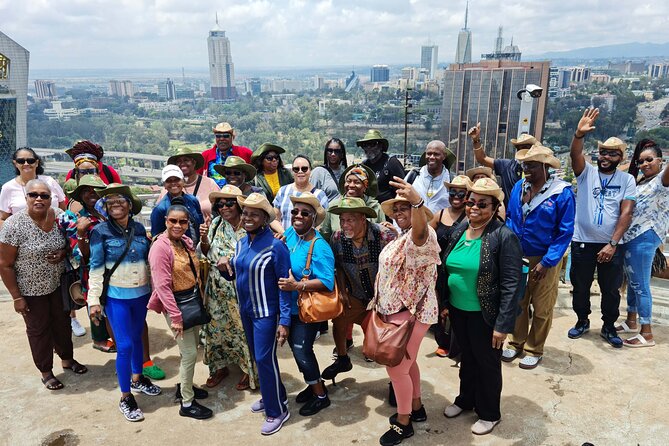
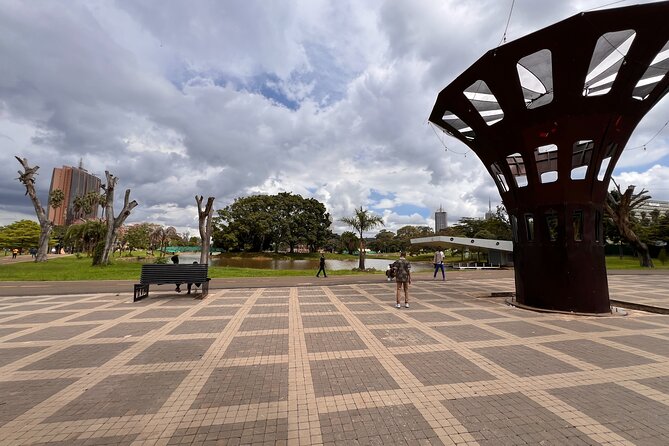
The finish is the Kenyatta International Conference Centre (KICC) area, and the headline is the tower rooftop view. You’re going for an aerial view in 360 degrees from the rooftop, and it’s set up as one of Nairobi’s icons.
This is also where history and nation-building get anchored in a single place. The tower is tied to independence-era development, and your guide will likely connect it to why the building was among the early major structures after independence. There’s also mention of a great statue connected to Kenya’s first president, which gives the space a political and cultural layer beyond the skyline.
One very practical note: the tower/rooftop entrance fee is not included. So if you want the 360 view, plan extra money for that entry. The tour time for this segment can be around 2 hours, which usually means enough time to enjoy the view without feeling rushed.
Where you’ll end
The meeting point at the end is around City Square along Harambee Avenue, at the KICC area, with the tower being the key landmark. If you’re meeting a driver or planning dinner afterward, this is a helpful location to anchor your plans.





How the professional guide changes the whole experience
This tour includes a professional art historian guide, and that shows in the structure of what you’re told. Instead of random facts, the stop-by-stop themes line up: public space at Jevanjee Gardens, religious heritage at Jamia Mosque, commerce and craft at City Market, and independence-era symbolism at KICC.
It also tends to feel more personal than a standard group bus tour. It’s a private tour, meaning only your group participates, which is a big deal if you like asking questions. You can also ask for guidance on what’s worth your money at City Market, since souvenir shopping is one of the stated goals.
One more plus: the tour is described as flexible. If your time is tight, a good guide can often help you focus on the “must-see” pieces rather than treating every minute the same.
Price and value: what $35 buys you (and what costs extra)
At $35.00 per person, the value is mostly in three areas:
- Guided walking time in the CBD (so you’re not guessing where to start or how to read what you see)
- A professional art historian guide
- A structured route that includes both landmarks and practical shopping
Now the “don’t get surprised” part.
Not included entrance fees and add-ons
- KICC entrance fee (for the rooftop/tower experience)
- Nairobi National Archives: 3 USD (not included)
- Nairobi Railway Museum: 10 USD (not included)
- Nairobi Memorial Park: 300 KSH (not included)
Also not included
- Food and drinks
- Souvenir photos (available to purchase)
So if you’re budgeting, think of the $35 as your guide + route cost, then add a realistic amount for the KICC rooftop entry and any optional extra sites you decide you want.
Practical tips so the walk stays enjoyable
This is a walking tour in the Central Business District. That means your comfort depends on a few basics.
Wear: comfortable walking shoes with good grip. Streets can be uneven, and you’ll be on foot through busy parts of Nairobi.
Bring: sun protection, and ideally a refillable water bottle since drinks aren’t included.
Plan your camera: you’ll want photos at both Jamia Mosque and the KICC rooftop, so make sure your phone or camera has battery and space.
If you’re sensitive to crowds, keep a light shopping plan at City Market. You can still browse and learn without trying to do everything in 20 minutes.
And because the KICC tower visit can take time, wear something you’ll feel good in while waiting for access and taking photos from the rooftop.
Who this tour suits best
I’d point you toward this tour if:
- You want a history-and-identity walk through Nairobi’s core, not just photos
- You like guided context that helps you interpret buildings and neighborhoods
- You want help shopping for cultural items at City Market without feeling lost
- You’re short on time and want a skyline orientation at the end with the KICC rooftop
It’s also a good fit for a layover or a first visit, since it gives you several anchor stops in one go.
Should you book this Nairobi Historical Walking City Tour?
Yes, if you want Nairobi’s “why” along with the “what.” The tour’s strongest value is how it strings together Jevanjee Gardens, Jamia Mosque, City Market, and the KICC rooftop so you finish with both context and a clear sense of the city layout.
Book it with one mental adjustment: you’re walking and you’ll likely spend some time outdoors. If you can handle that, the experience is a solid use of a half day. Also, check your budget for the KICC entrance fee, since that’s the main extra you’re likely to feel.
If you’d rather only do museums or only shop, this might not be the best match. But if you want a guided route through Nairobi’s public life and landmark symbols, it’s a smart choice.
FAQ
How long is the Nairobi Historical Walking City Tour?
It runs about 2 to 5 hours.
Where does the tour start and end?
It starts at Jeevanjee Gardens, 27 Monrovia St, Nairobi. It ends at the Kenyatta International Convention Centre area at City Square along Harambee Ave.
What’s included in the tour price?
The tour includes a professional art historian guide.
Are there any entrance fees I should plan for?
City Market admission is free. The Kenyatta International Conference Centre entrance fee is not included. Other sites listed as not included have separate costs: Nairobi National Archives (3 USD), Nairobi Railway Museum (10 USD), and Nairobi Memorial Park (300 KSH).
Is this a private tour?
Yes. It’s a private tour/activity, and only your group participates.
What is the cancellation policy?
Free cancellation is available up to 24 hours in advance for a full refund. If you cancel within 24 hours of the start time, the amount paid is not refunded.