REVIEW · MARRAKECH
Moroccan Cooking Class & Marrakech Market Visit with Chef Khmisa
Book on Viator →Operated by Marrakech Cooking Class With Chef Khmisa · Bookable on Viator
Cooking in Marrakech feels like a home visit. In about three hours, I love how this experience mixes an Old Souk ingredient hunt with hands-on cooking at Chef Khmisa’s family workshops, with mint tea and a real sense of how Moroccan flavors get built. Two things I particularly liked: you get to work as a group instead of just watching, and the food you make is the kind you can actually recreate later at home.
One thing to consider is that it’s a shared class (max 15), so the pace is collaborative and you’ll be in close quarters with the rest of the group. Also, there’s no hotel pickup, so plan to reach the meeting point in the Medina area on your own.
In This Review
- Key things to know before you go
- Starting at Bab Doukkala and getting oriented in the Medina
- Old Souk grocery shopping: spices, herbs, and the real buying process
- Mint tea ritual and the workshops vibe at Chef Khmisa’s home
- Choosing your menu: starter, main, dessert, plus vegetarian and vegan
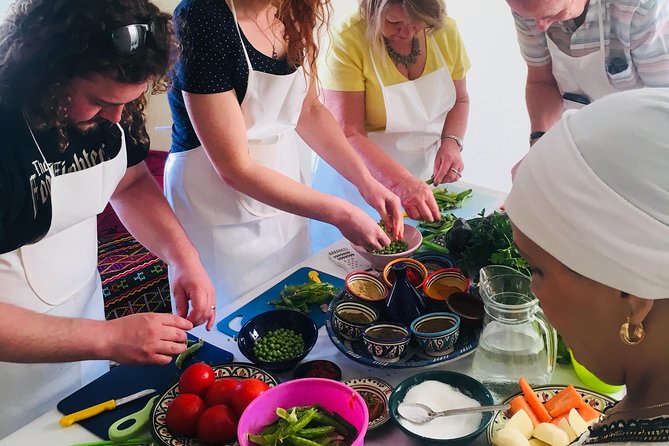
- Team cooking in a real Moroccan kitchen (not a demo)
- Tasting what you made: a lunch that feels earned
- Time, group size, and what it means for your experience
- Price and value: why $39.39 can be a smart buy
- Who this Moroccan cooking class is perfect for
- Who might want to choose something else
- Should you book Chef Khmisa’s Marrakech cooking class?
- FAQ
- Where does the experience start and end?
- How long is the Moroccan cooking class?
- What’s the price and what’s included?
- Is hotel pickup provided?
- Do they accommodate vegetarian or vegan diets?
- What do you do during the Marrakech market visit?
- Is it a private tour?
- What is the cancellation policy?
Key things to know before you go
- Chef Khmisa’s home workshops in the Medina: a traditional house kitchen, not a demo stage
- Market time away from the most touristic lanes: buy fresh groceries with the chef guiding what matters
- Mint tea ritual as part of the experience: not just a drink, but a small lesson in Moroccan hospitality
- Starter, main, and dessert format: you leave with a full lunch you helped create
- Vegetarian and vegan options available: you discuss needs first, then plan the menu accordingly
- Shared group up to 15: everyone gets involved, which is fun if you like teamwork
Starting at Bab Doukkala and getting oriented in the Medina
Your tour starts at Bab Doukkala Mosque (Mosquée Bab Doukkala) in Marrakech’s Medina. It’s convenient enough for independent travelers because it’s listed as near public transportation, and the experience ends back at the same meeting point, so you’re not stuck hunting for a ride afterward.
If you’re the type who likes to arrive early and get your bearings, this is a good plan. The Medina can feel like a maze at first, but once you’re meeting people and following the group, the lanes start to make sense fast. You’ll also be using a mobile ticket, so keep it ready on your phone.
You can also read our reviews of more tours and experiences in Marrakech.


Old Souk grocery shopping: spices, herbs, and the real buying process
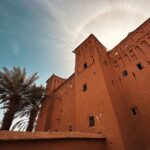
After you meet up and discuss food needs, you head out with Chef Khmisa toward the Old Souk. The point here isn’t to “see a market.” It’s to shop for ingredients that will actually show up in your meal, including spices and local produce.
I really like that the class takes you through the market stalls in the middle of the action rather than a staged, tourist-only route. You get to see how Moroccan cooking starts before any cutting or stirring happens. And because you’re not doing this alone, you can ask the chef directly what to look for and why.
Comfort note: expect some walking on uneven surfaces and crowded aisles. If you’re short on time or you hate tight spaces, give yourself a little extra patience for this part.
Mint tea ritual and the workshops vibe at Chef Khmisa’s home
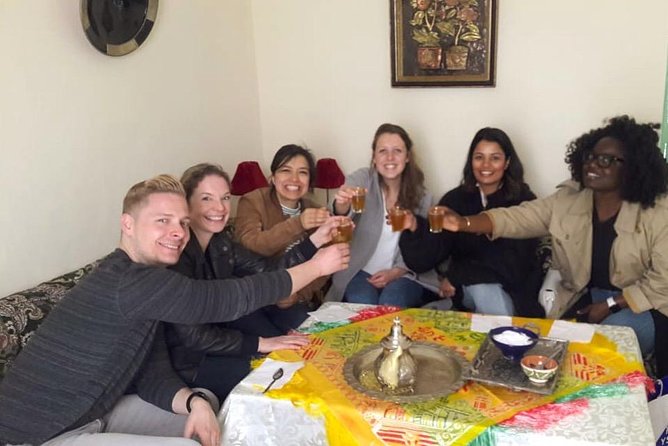
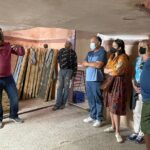
Next comes the change of pace: you return to the Khmisa Workshops, a traditional Moroccan house in the heart of the Medina. You’re welcomed with a traditional mint tea ceremony first, then you get to learn the steps of the ritual before the cooking begins.
This tea moment matters more than it sounds. It sets the tone for the whole session: family-style hospitality, everyone relaxing for a minute, and then getting into rhythm together. Some guests also mention feeling like the hosts carefully matched the kitchen layout to the size of their group, which helps when everyone is cooking at the same time.
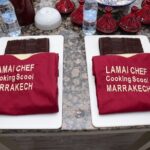
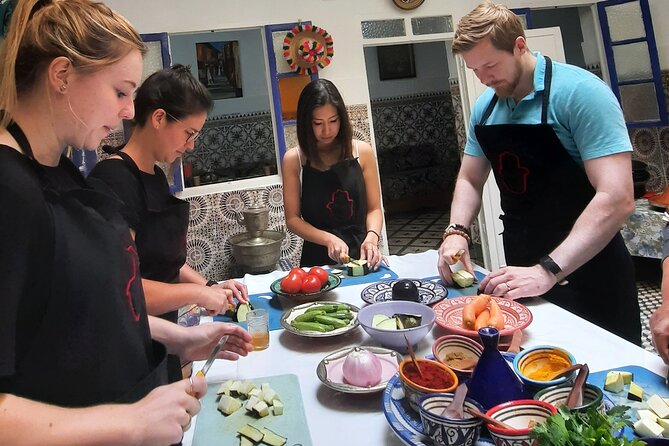
In the kitchen, you’ll work at stations that are stocked and ready. The class is built for a hands-on outcome, not just a guided walk-through.
Choosing your menu: starter, main, dessert, plus vegetarian and vegan
Once you’re settled, you talk through what you’ll cook, because your menu choice comes after checking allergies and restrictions. The format is straightforward: starter + main course + dessert. That structure is great for travelers who want a complete meal without worrying about what dish comes next.
Chef Khmisa specializes in Moroccan cuisine and pastry, so don’t be surprised if the dessert portion feels more thoughtful than a quick afterthought. Past menus referenced by guests include tagine-style dishes, including a chicken tagine with lemon preserves, and also vegetable tagine options.
Vegetarian and vegan versions are offered too, so if that’s your diet, you’re not limited to “side dishes only.” The best approach is to tell the chef early about your preferences when you discuss restrictions.
Team cooking in a real Moroccan kitchen (not a demo)
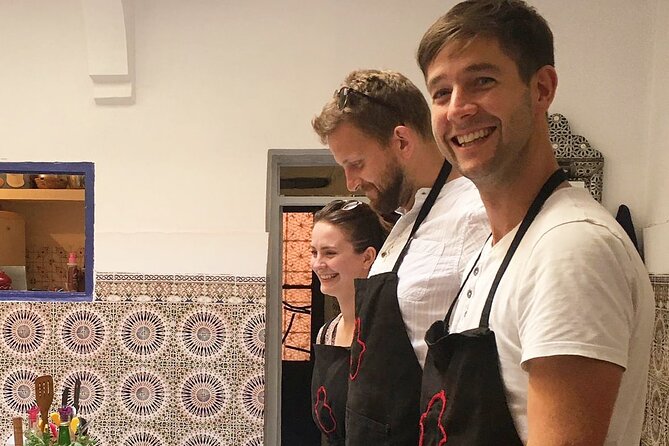
This is the part most people remember, because you’re not just standing there. The session is shared, and the way it’s described and praised is that everyone participates in the preparation and the spice work, with guidance throughout.
You’ll learn the steps of Moroccan cooking as a group, including how ingredients and spices come together. That sounds basic, but it’s actually one of the biggest advantages of doing it in a home kitchen: you can ask questions while you’re doing the task, not after the food is already plated.
Communication support is part of the experience as well. Kawtar helps with French & English communication between you and the chef, so you’re more likely to understand what you’re doing and why. Some groups also mention additional help from a guide named Marwin or Laila, but regardless of who’s assisting, the goal stays the same: keep you involved and make sure you can follow along.





Tasting what you made: a lunch that feels earned
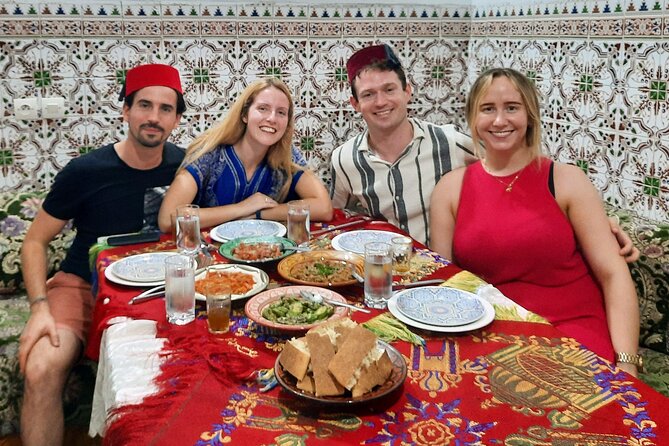
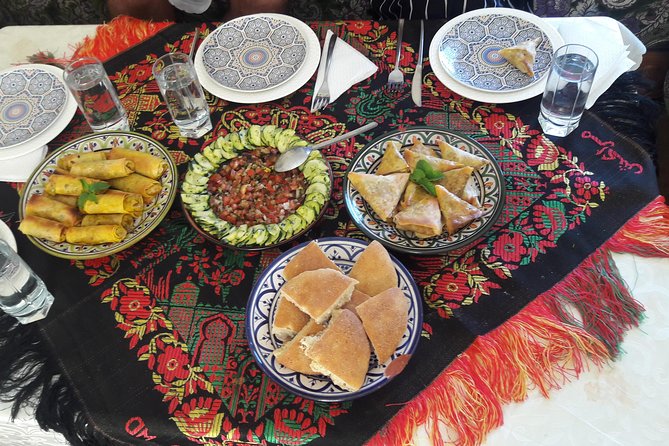
After the cooking, you sit down to enjoy everything you prepared. The experience is designed around tasting the results, not rushing you out the door after the last step.
In many classes like this, the best moments are usually simple: the first aroma when the spices heat up, the look on people’s faces when the tagine is finally ready, and the satisfying feeling of eating something you assembled yourself. Reviews frequently highlight the food quality, especially the tagine dishes and how delicious the final meal is.
Also included is coffee and/or tea, which makes the meal feel like a complete Moroccan hospitality moment. It’s not just a snack between markets; it’s a real lunch.
Time, group size, and what it means for your experience
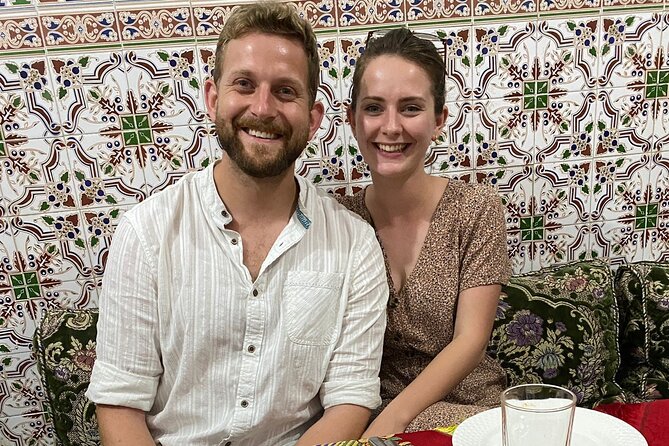
The tour runs about 3 hours and keeps group sizes to a maximum of 15 travelers. That matters. Smaller groups make it easier for the chef to explain, for you to get hands-on time, and for everyone to move smoothly through the cooking steps.
Because it’s a shared session, you should expect a cooperative vibe. This is a good fit for couples, solo travelers who like meeting people, and groups of friends. It’s less ideal if you want total quiet or a private chef who only focuses on you.
Price and value: why $39.39 can be a smart buy
At $39.39 per person, the value comes from what you’re actually getting for that time. You’re paying for:
- Lunch (the meal you cook)
- A local French & English-speaking guide and chef
- Coffee and/or tea
- A market walk where ingredients are bought for your class meal
You’re also paying for access to a traditional home kitchen inside the Medina, plus the chef’s expertise. Chef Khmisa has been a chef for 25 years and is specialized in Moroccan cuisine and pastry, and Kawtar brings hospitality training support. That kind of experience is hard to replicate for the price.
What’s not included is also worth knowing: there’s no hotel pickup/drop-off, and gratuities are optional. So your real cost depends a bit on how you’re getting to Bab Doukkala.
One more value signal: the activity is booked about 22 days in advance on average, which usually means it stays popular. If you have a tight itinerary, book early rather than hoping for last-minute openings.
Who this Moroccan cooking class is perfect for
I’d point this class at people who want more than a food photo. If you like learning how dishes get built—how spices work together, how tagine-style cooking changes flavor—you’ll enjoy the practical format.
It also fits travelers who want an authentic Medina day without doing a full restaurant tour. You’ll see the ingredients first, then you cook with them. That connection makes the food more meaningful once you’re eating it.
If you’re traveling with dietary needs, this is one of the better options because vegetarian and vegan adaptations are available, and you discuss restrictions before the market shopping.
Who might want to choose something else
If you strongly dislike markets, crowded alleys, and shared kitchen spaces, you might find the souk portion and group cooking less enjoyable. It’s also not framed as a private, silent, one-on-one class, even though private sessions are available only on request.
And if you specifically want a printed recipe packet handed to you at the end, there’s a fair chance you’ll leave wanting more support. Some guests noted that they were told recipes would be sent after the class but didn’t receive them. That doesn’t mean you won’t get helpful guidance, but it’s wise to plan to take a few notes during the cooking steps if recipes are important to you.
Should you book Chef Khmisa’s Marrakech cooking class?
Yes, I think you should book it if you want an authentic Medina experience built around real cooking skills. The combo of market shopping with the chef, the mint tea ritual, and a full starter-main-dessert lunch makes it great value for the price, especially with a max group size of 15 and everyone involved.
Book it especially if you’re hungry for hands-on learning and want to eat something you helped create. If you’re sensitive to crowds or you want a strictly private experience, look for alternatives or request a private session. Otherwise, this is the kind of Marrakech activity that gives you both a great meal and a practical takeaway you can use back home.
FAQ
Where does the experience start and end?
It starts at Bab Doukkala Mosque (Mosquée Bab Doukkala, Marrakech 40000, Morocco). The tour ends back at the same meeting point.
How long is the Moroccan cooking class?
The duration is about 3 hours.
What’s the price and what’s included?
The price is $39.39 per person. Lunch, a local French & English-speaking guide and chef, and coffee and/or tea are included.
Is hotel pickup provided?
No, hotel pickup and drop-off are not included.
Do they accommodate vegetarian or vegan diets?
Yes. The class offers vegetarian and vegan options.
What do you do during the Marrakech market visit?
You walk through the souks/Old Souk to buy fresh groceries and ingredients used in your menu, guided by the chef.
Is it a private tour?
It is usually a shared session. Private sessions are available only on demand, by contacting the provider directly.
What is the cancellation policy?
You can cancel for a full refund up to 24 hours before the experience starts. Free cancellation is offered, but cancellations made less than 24 hours before don’t receive a refund.