REVIEW · MARRAKESH
From Marrakech: 2-Days luxurious experience to Zagora Desert
Book on GetYourGuide →Operated by Discover Sahara Tours LLC · Bookable on GetYourGuide
Marrakech to the edge of the Sahara, fast. This 2-day luxury-style route hits Ait Ben Haddou (UNESCO) and then swaps highway views for a sunset camel ride into the Zagora desert. You get real Berber-camp life for one night under the stars, with a vehicle that’s comfortable enough to make the long drive feel manageable.
Two things I really like: first, the UNESCO stop at Ait Ben Haddou is handled with a local guide option, so you’re not just walking around staring at walls. Second, the desert camp experience is consistently praised for being clean and well-run, and the evening program (fire, music, dancing) makes the whole night feel like a planned event, not an afterthought.
One drawback to plan for: this is a long-drive tour. Even with photo stops, most of your time is spent on the road both days, and lunch costs extra once you’re out there.
In This Review
- Key things you’ll notice right away
- Marrakech to Ait Ben Haddou: the long road that actually feels worth it
- Ait Ben Haddou: UNESCO kasbah views plus a guide moment
- Draa Valley to Zagora: palms, villages, and the slow shift into desert country
- Camel ride at sunset: the moment everyone remembers
- Berber camp night: dinner, music, and sleeping in a real tent
- The morning surprise: sunrise return through Ouarzazate and the Atlas
- Price and value: why $89 can feel like a bargain (or not)
- Who this trip is best for
- Practical tips so your desert night feels smooth
- Should you book this Marrakech to Zagora 2-day trip?
- FAQ
- What’s the duration of the Marrakech to Zagora desert experience?
- How much does the tour cost?
- Is hotel pickup and drop-off included?
- What’s included in the price?
- Are lunches included?
- What’s the difference between the standard and luxury camp options?
- Do I need WhatsApp for this trip?
- Is the vehicle air-conditioned?
- Can I rent a quad bike?
- Who should not book this tour?
- Can I cancel for a refund?
Key things you’ll notice right away
- Ait Ben Haddou gets real guide time, so you understand what you’re seeing instead of just snapping photos
- AC transport + private tents mean comfort is built in for a fast desert hit
- Sunset camel ride and sunrise return give you the desert lighting most people only dream about
- Berber camp dinner, live music, and stargazing turn one night into the highlight of the trip
- Standard vs luxury camps change the bathroom setup and bedding, and it’s worth thinking about
Marrakech to Ait Ben Haddou: the long road that actually feels worth it
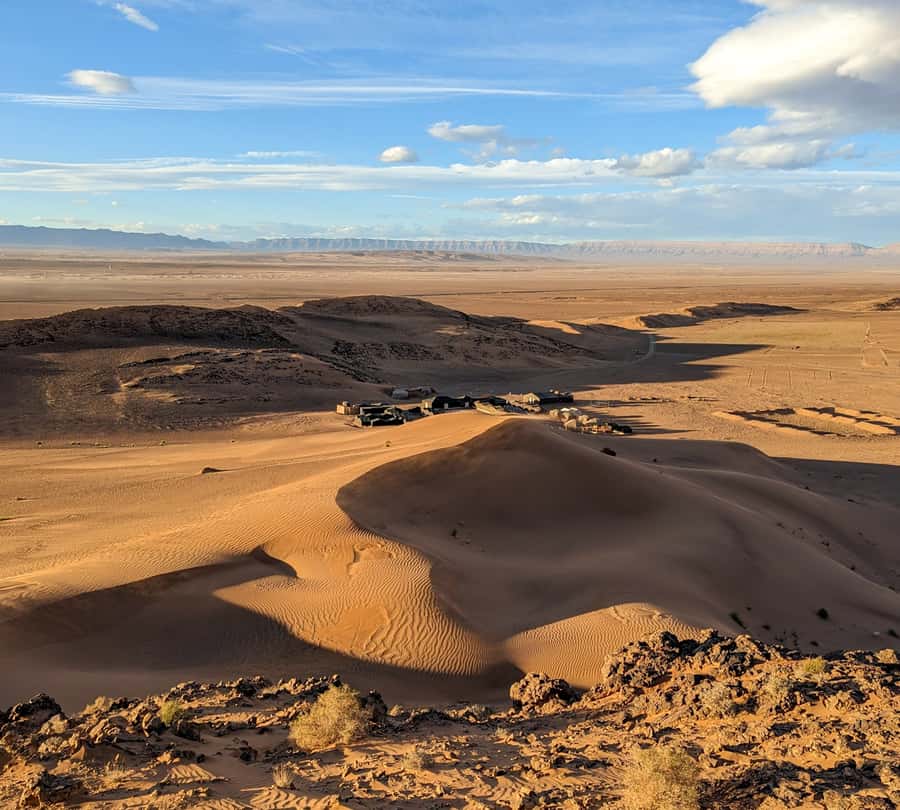
Leaving Marrakech for Zagora means committing to the road. The drive is about 7 hours on Day 1 when you include stops, but this tour doesn’t treat the journey like wasted time. The High Atlas Mountains line the route, and you’ll have photo stops along the way, which is key for two reasons: you stretch your legs, and you break up the mental fatigue of sitting in a van.
The practical win here is the transportation. You ride in a comfortable vehicle with AC, and that matters more than you’d think when you’re doing a quick desert getaway. I also like that pickup and drop-off are built into the experience—your day starts with less logistics work on your end.
If you’re the type who hates long transfers, be honest with yourself: this isn’t a slow, multi-day wandering caravan. It’s a fast gateway to the Sahara. So you’re buying time-saving and structure, not lingering.
You can also read our reviews of more tours and experiences in Marrakesh.

Ait Ben Haddou: UNESCO kasbah views plus a guide moment
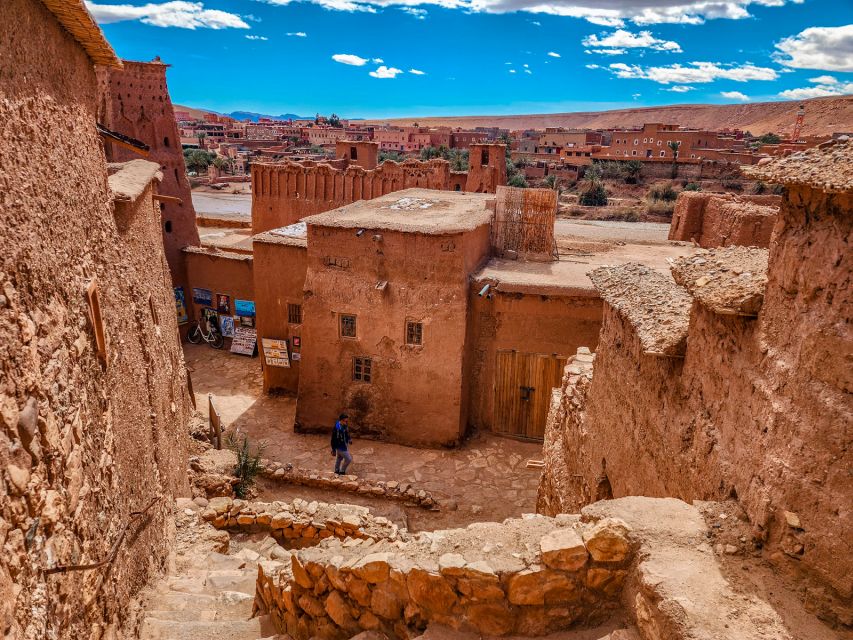
Ait Ben Haddou is the big cultural anchor of the trip, and it’s a place that rewards attention. It’s listed as a UNESCO World Heritage Site, and the way this tour handles it is what makes it feel more meaningful than a quick photo stop.
You’ll arrive with the option for an Ait Ben Haddou local guide in a private format. That’s the difference between wandering through kasbah streets and getting the context for how these fortified villages work—why they’re built the way they are, how the architecture supports life in a harsh environment, and what to look for as you move around.
Even if you’re not a “history mode” traveler, you’ll probably enjoy this part because the kasbah is visual first: layered walls, earthen tones, and angles that look good in every season. Add a guide, and the place starts to make sense.
Draa Valley to Zagora: palms, villages, and the slow shift into desert country
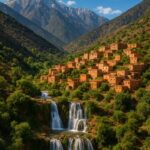
After Ait Ben Haddou, the route continues through the Draa Valley. This is where the scenery transitions: palm groves and scattered villages give you a sense of how life threads through an area that’s otherwise tough and dry.
You’ll make stops for photos and viewpoints, which helps, because you’re not just watching scenery slide by—you’re choosing moments. The Draa region is known for palm-lined areas and older kasbahs, so these stops give you variety before you hit the more rocky desert setting around Zagora.
This stretch is also where I’d keep expectations realistic: the trip is designed to reach the desert fast. That means you’re seeing a lot by car, not slowly exploring on foot for hours and hours. If you like efficient itineraries with a few strong moments, you’ll fit right in.
Camel ride at sunset: the moment everyone remembers
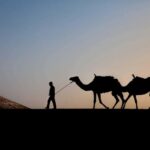
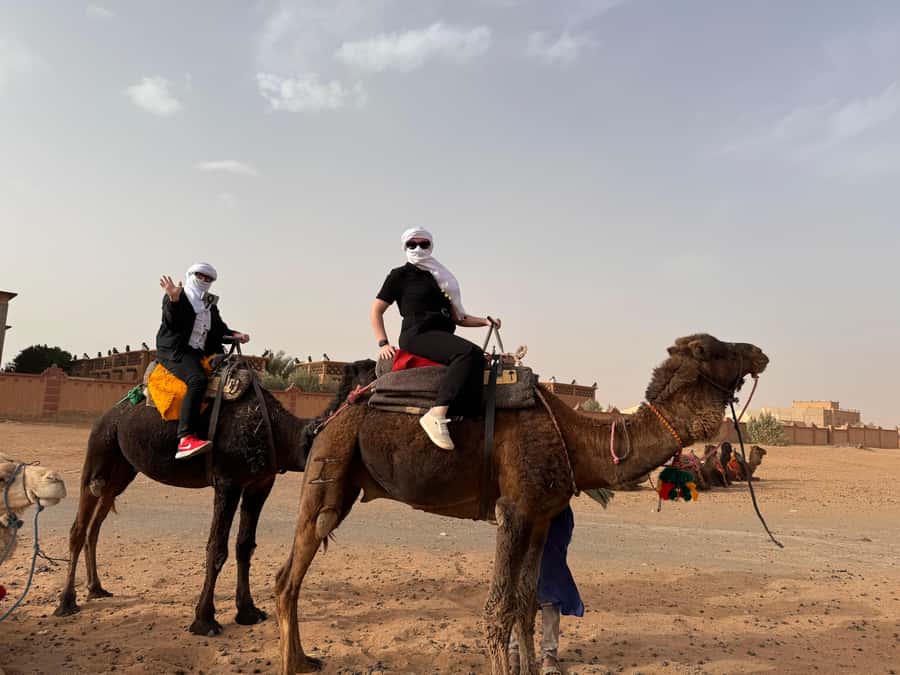
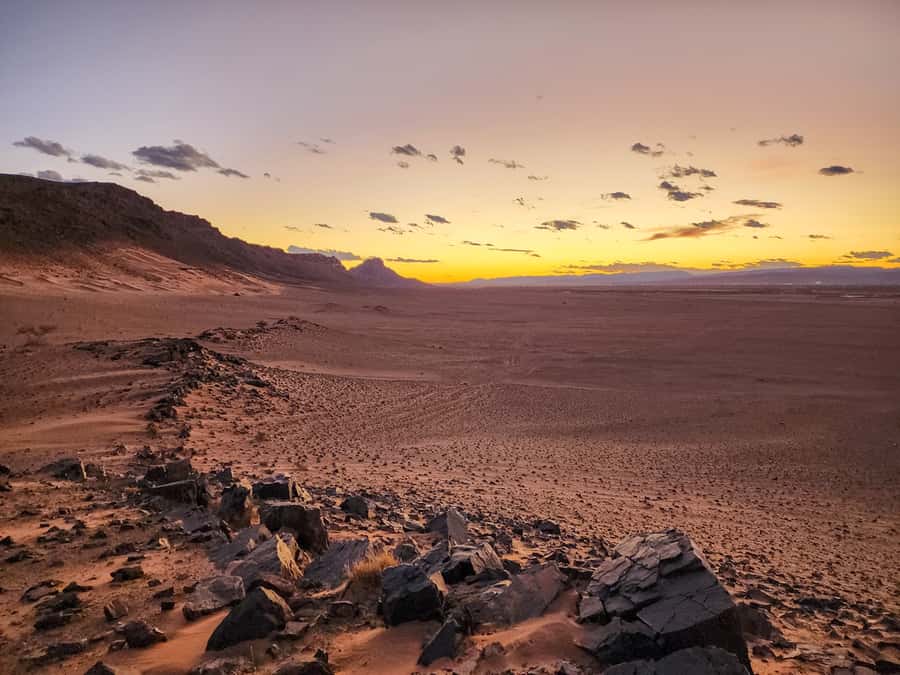
The camel ride is the headline act, timed for sunset. It’s not just scenery—this part changes your pace completely. You’re moving through Zagora’s rocky desert area, and the light at sunset turns everything warmer and more dramatic.
I’m glad the ride is included with a camel for each person. That reduces waiting and makes the experience feel smoother for groups. You’ll also have the chance to do the classic desert framing for photos, but the ride itself tends to be the real memory. People talk about it because you’re physically involved, not just observing.
A heads-up from the field: the ride can be long, and some people mention discomfort like leg chafing afterward. Plan for it like you would a long horseback ride. Comfortable clothes and a willingness to tolerate a bit of saddle soreness will make a big difference.
Berber camp night: dinner, music, and sleeping in a real tent
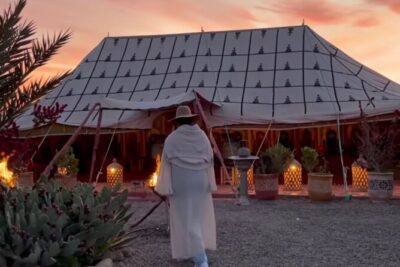
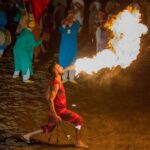
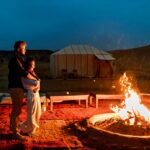
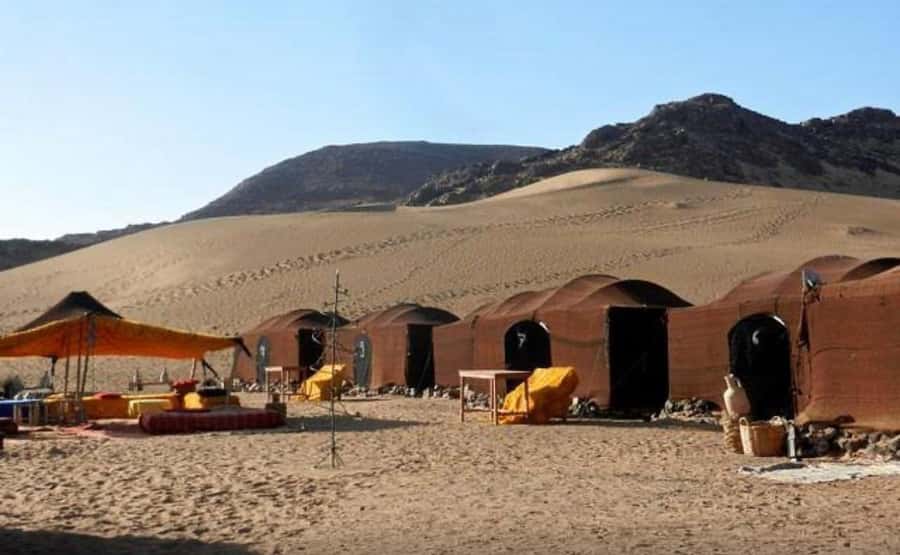
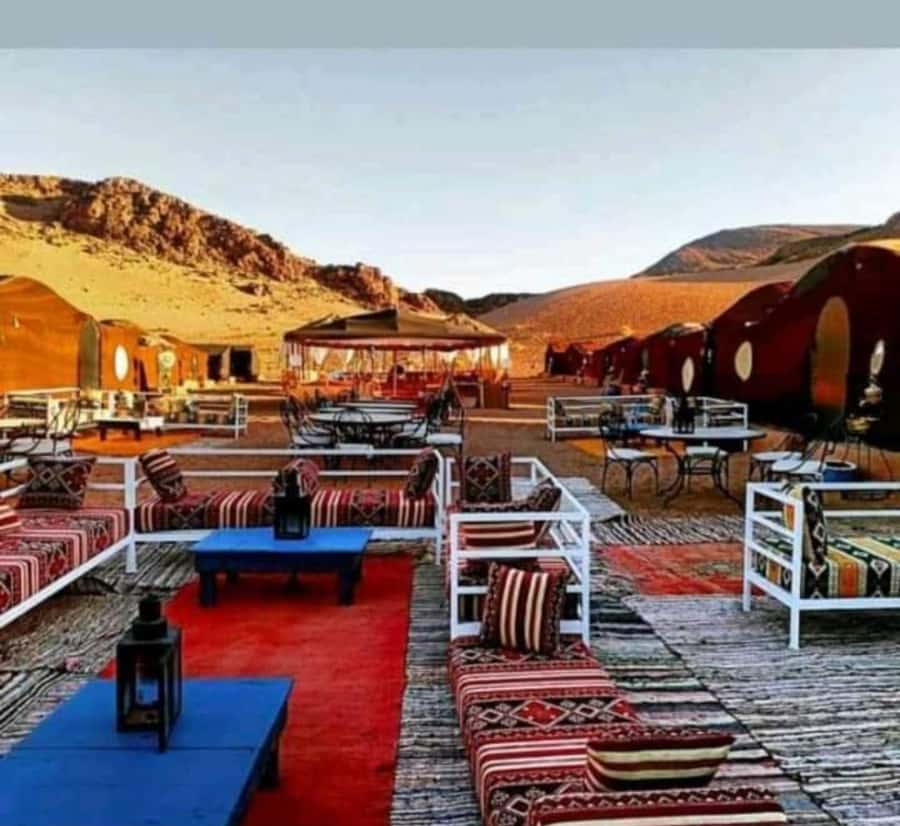
Once you reach the desert camp, the tone shifts from road trip to overnight experience. You’ll settle into your private tent, and the camp program is built around the basics: dinner, live Berber music, and gathering around a fire before the stars take over.
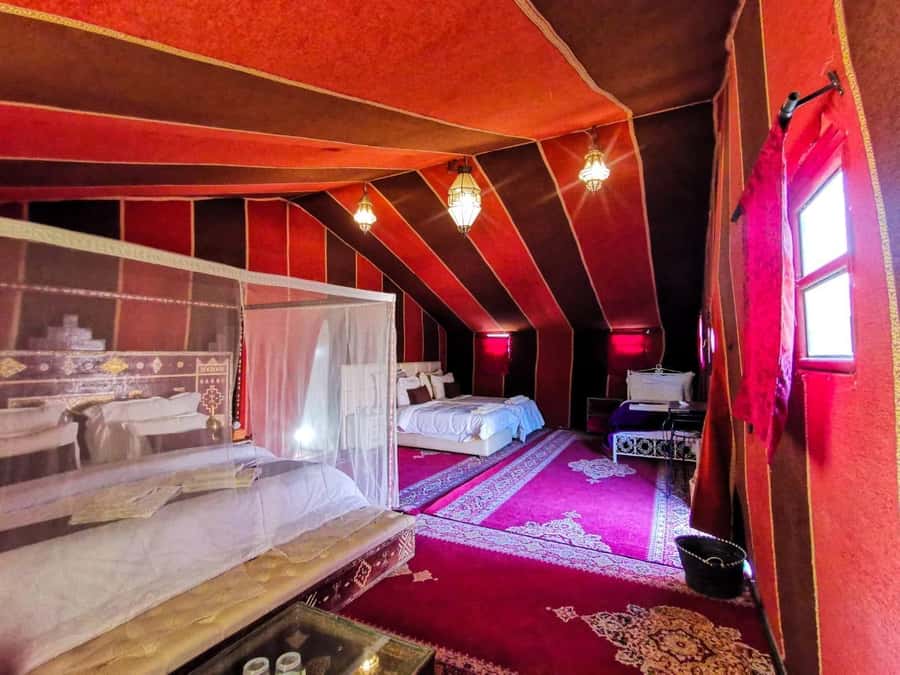
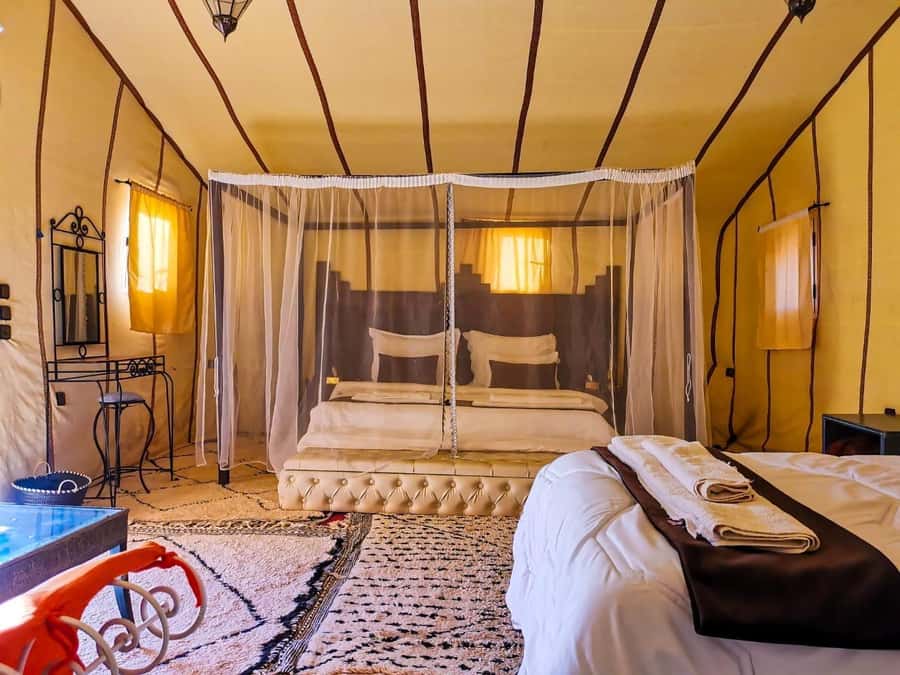
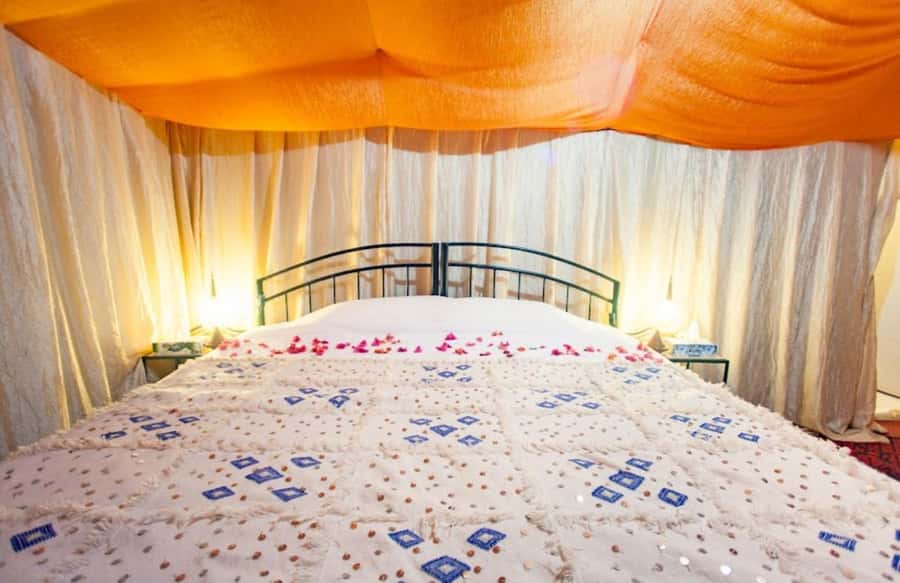
This is where I see the most consistent praise. The camp setups are described as clean with well-maintained facilities—an important point in the desert. If you choose the standard option, the tent has private space but bathroom facilities are shared. If you choose the luxury option, you’ll get upgraded bedding and an ensuite bathroom, which many people find worth the extra cost for the convenience.
Food is included as one dinner and one breakfast. Lunch is not included, so plan to pay separately later. For dinner, you’ll also get a cold bottle of water in the camp. That small detail matters because it helps you settle in without immediately hunting for supplies.
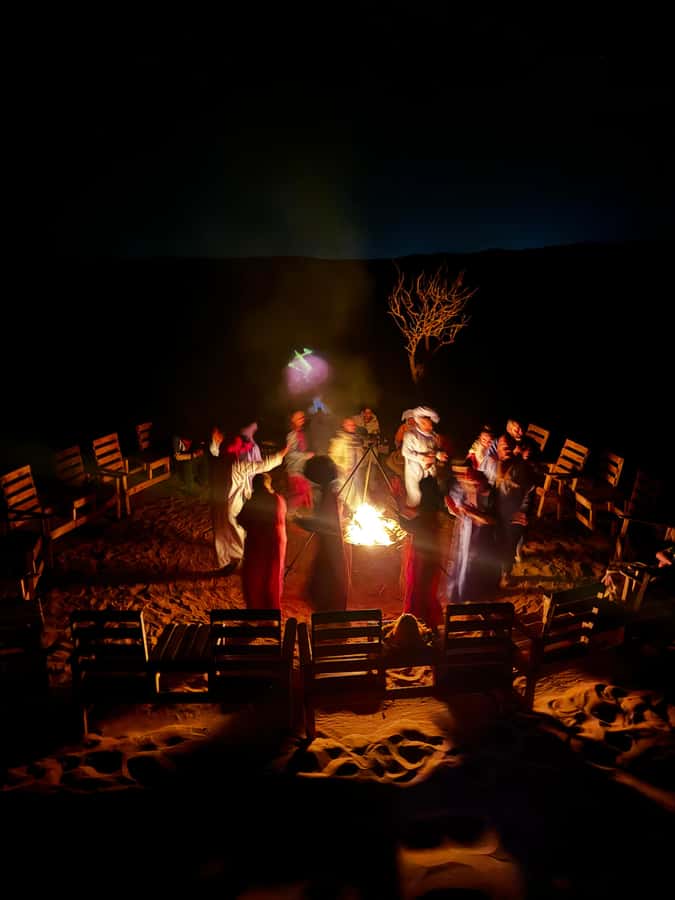
Stargazing is a highlight. At night, with fewer city lights, you get that classic desert sky effect people travel for. And the camp atmosphere—drumming, singing, and dancing—makes the evening feel like an event you’re part of, not just something you passively watch.

The morning surprise: sunrise return through Ouarzazate and the Atlas
Day 2 starts early enough to catch sunrise over the desert. That early start is part of the deal, and it’s often the payoff for the night: the quiet, the changing colors, and the feeling that the desert has its own schedule.
After breakfast at camp, you head back toward Marrakech. The driving route includes Ouarzazate, and you’ll pass through the Atlas Mountains again on the way back, arriving in Marrakech between about 5:00 and 6:30 pm.
This return day is why the tour works for people who want the desert without losing two full extra days. You get the full arc—sunset ride, night camp, sunrise—then back to Marrakech at a reasonable hour. You’re not left guessing how to connect or where to sleep another night.
Price and value: why $89 can feel like a bargain (or not)
At around $89 per person for a 2-day experience, the value comes from the mix of components that add up fast if you price them separately: Marrakech pickup and drop-off, private driver-guide support, AC transport, camel rides, one night of camp accommodation, plus dinner and breakfast.
The tour also gives you choices that directly affect comfort:
- Standard camp: private tent, shared bathroom facilities
- Luxury camp: private tent with ensuite bathroom and upgraded bedding
If you hate the idea of shared bathrooms in a sandy environment, the luxury upgrade often makes sense. Several people have specifically mentioned that the tent and bathroom setup were a big part of feeling comfortable at night.
If you’re trying to travel at the lowest price and you’re okay with basic comfort, standard can still work well, especially since the camp conditions are described as clean and maintained.
One “value math” note: lunches aren’t included. That’s normal on many Morocco road trips, but you should still budget for it. The tour stops at trusted restaurants with cleanliness and food safety in mind, but tourist-route pricing can be higher than local spots.
Who this trip is best for
This tour is a strong match if you:
- want the Zagora desert experience without a longer, multi-night plan
- enjoy seeing more than one region in a short window (Marrakech, High Atlas, UNESCO kasbah, Draa Valley, desert)
- appreciate structured activities like the live music and fire gathering
- want a guide and driver who can keep the long drive organized
It may be less suitable if you:
- hate long travel days and prefer calmer pacing
- have difficulty with early mornings
- are sensitive to the physical discomfort that can come with camel riding
- need flexibility beyond what a fixed 2-day schedule provides
The tour also notes it is not suitable for pregnant women and people over 80 years.
Practical tips so your desert night feels smooth
Here’s what will help you enjoy the experience instead of coping with it:
- Bring layers. Desert nights can get cool, especially November–March.
- Wear comfortable clothes for the camel ride and sun exposure.
- Use sun protection. You’re dealing with bright open-air conditions.
- Bring cash in Moroccan dirhams for lunches and small purchases.
- Bring your own water if you tend to drink a lot; water is not included beyond what’s provided in the camp.
- Use WhatsApp: a working number is required so the team can coordinate your pickup once you’re in Morocco.
Also, think about luggage. There’s luggage service where you can leave your suitcase in the van and carry only small bags to the camp. That reduces hassle and keeps you from hauling bulky items across sandy terrain.
Should you book this Marrakech to Zagora 2-day trip?
I’d book it if you want a “best hits” desert experience: UNESCO kasbah first, then camel sunset, then one night in a Berber camp with music and stargazing, followed by sunrise and a return to Marrakech before you’re exhausted.
I would think twice if your priority is slow travel. This is mostly an efficient road trip with planned stops, and the desert portion is one night—beautiful, but not a long stay.
If you can handle long drives and you’re excited by the idea of sleeping under a real desert sky, this is solid value at $89. And if you’re debating standard vs luxury, choose based on how much you want ensuite comfort after the camel ride.
FAQ
What’s the duration of the Marrakech to Zagora desert experience?
It’s a 2-day experience, with Day 1 traveling from Marrakech to Zagora and Day 2 returning to Marrakech in the evening.
How much does the tour cost?
The price is listed as $89 per person.
Is hotel pickup and drop-off included?
Yes. Hotel pickup and drop-off are included, and you’ll be returned to Marrakech on the last day between 5:00 and 6:30 pm.
What’s included in the price?
Included items are hotel pickup and drop-off, private driver-guide with AC transportation, camel ride (one camel per person), 1-night desert camp accommodation (standard or luxury), private tents, 1 dinner and 1 breakfast, Ait Ben Haddou local guide option, luggage service, Wi-Fi, cold bottled water at dinner in the camp, and live Berber music show.
Are lunches included?
No. Lunches are not included. You’ll stop at trusted restaurants, and you should bring cash in Moroccan dirhams.
What’s the difference between the standard and luxury camp options?
Standard camp includes a private tent and shared bathroom facilities. Luxury camp includes a private tent with an ensuite bathroom and upgraded bedding.
Do I need WhatsApp for this trip?
Yes. A working WhatsApp number is required to coordinate pickup once you’re in Morocco.
Is the vehicle air-conditioned?
Yes. Transportation includes AC.
Can I rent a quad bike?
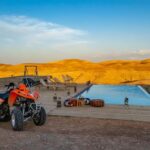
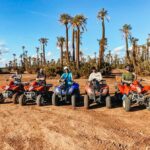
Yes, quad bikes are available for rent at 60€.
Who should not book this tour?
It’s listed as not suitable for pregnant women and people over 80 years.
Can I cancel for a refund?
Yes. Free cancellation is available up to 24 hours in advance for a full refund.