REVIEW · MARRAKESH
Marrakech: Street Food Tour by Night
Book on GetYourGuide →Operated by Marrakech Guided Experience · Bookable on GetYourGuide
Night in Marrakech tastes like trouble—in a good way. This guided street food tour leads you through the Medina after dark, where markets smell like spices and you eat your way across real local routines.
I really like the sheer variety. You’ll sample sweet and savory bites—think tagine-style flavors, dates, olives, and more—then keep going until your mind (and stomach) understands Morocco’s food logic. I also love the ending: you finish with mint tea in a cozy café overlooking a courtyard, plus plenty of time to slow down and actually take it in.
One thing to consider: this tour is not a light snack. You’ll eat a lot, so if you show up already full, you might end up skipping some of the later tastings.
In This Review
- Quick hits before you go
- Why Marrakech Night Street Food Clicks
- Meeting at Jemaa el-Fnaa and Getting Oriented Fast
- Mellah Market Moments: Pastry Making, Fresh Stalls, and Haggling
- Souk Semmarine and Side Streets: Eating Stops Most Visitors Miss
- Tagine Logic: Why Each Bite Comes With a Lesson
- The Almond Drink Break and the Sweet-to-Savory Flow
- Pit-Oven Mäechoui at Night: Whole Lamb Energy, Moroccan-Style
- Hidden Restaurant Stop: Tangia, Kofte, Salads, and Bread
- Koutoubia Mosque Photo Stop and the Shift to Rooftop Relaxation
- Local Recipe Souvenir: Take the Flavor Home
- Price and Value: What $43 Buys in Real Eating Stops
- Who This Tour Fits Best (and Who Should Think Twice)
- My Booking Advice: Should You Grab This Tour?
- FAQ
- How long is the Marrakech Street Food Tour by Night?
- Where do I meet for the tour?
- What’s included in the price?
- Is hotel pickup included?
- What languages is the guide available in?
- What should I bring?
Quick hits before you go
- Jemaa el-Fnaa start: You meet at the heart of Marrakech and begin walking from there.
- Big market energy: Mellah and the souks mean meat, fruit, spices, and street-level bargaining culture.
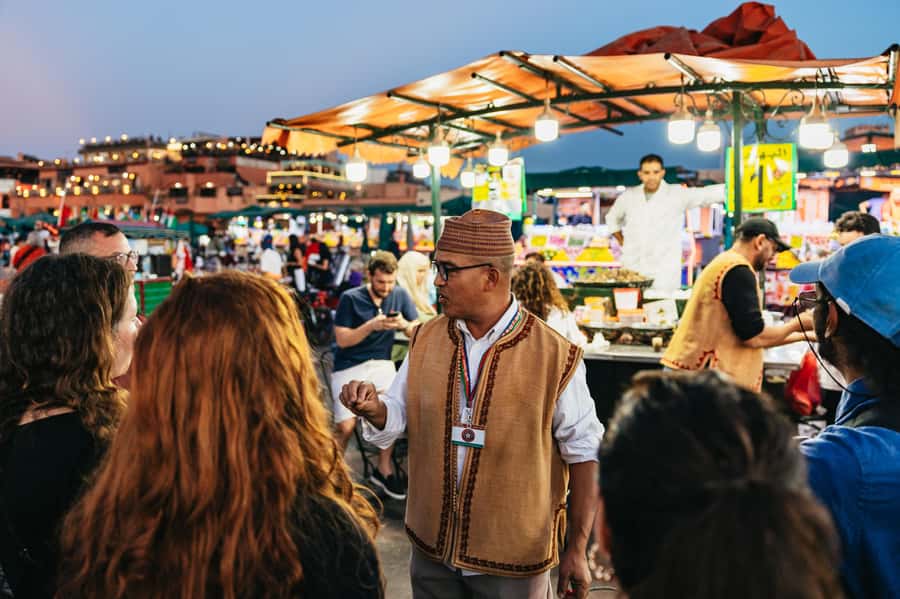
- Guides make the food make sense: Names you may meet include Mohammed, Omar, Ali, and Yahya, all focused on explaining what you’re eating.
- You don’t just nibble: The tour includes multiple tastings and a sit-down style finale.
- Tea with a view of the courtyard: The night ends on a rooftop café scene with mint tea and décor you can’t miss.
- Shared or private options: Choose a group tour or go private if you want more control over pacing.
Why Marrakech Night Street Food Clicks
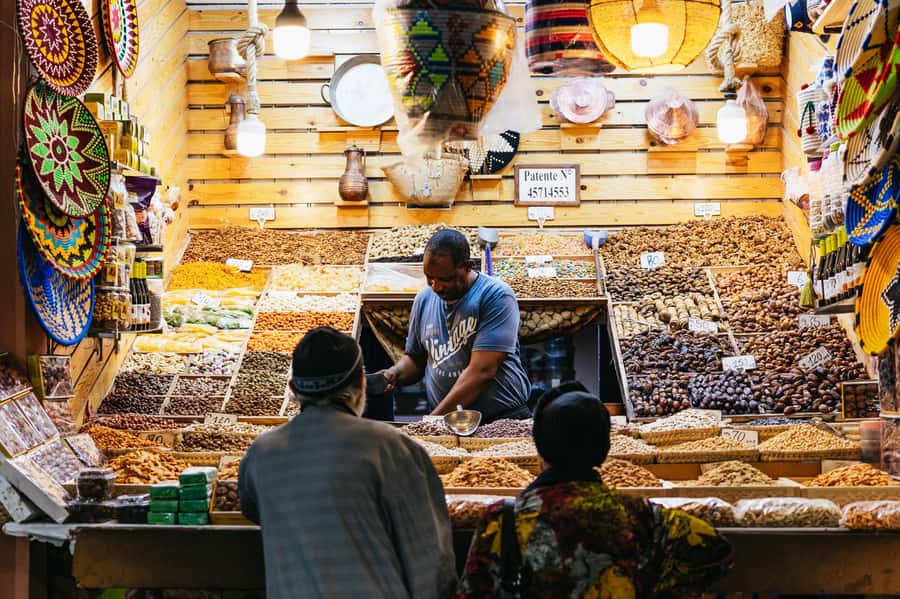
Marrakech at night has a different rhythm than it does at noon. The Medina feels more intimate after sundown—less about crowds for sightseeing, more about locals feeding themselves, trading, and cooking through the evening.
What makes this tour work so well is that it’s structured around eating. You’re not wandering randomly through alleys hoping something good is happening. A guide brings you to stops where the food is part of the neighborhood routine, and the night’s smells—cumin, saffron, fresh herbs—are part of the lesson.
You can also read our reviews of more tours and experiences in Marrakesh.



Meeting at Jemaa el-Fnaa and Getting Oriented Fast
You’ll meet your guide in the heart of the city at Jemaa el-Fnaa Square. From there, the whole night starts to click because you’re grounding yourself in the main stage of Marrakech before slipping into side streets.
I like this approach for first-timers. You get the big-picture context right away, then the tour turns into a “follow the scent” walk through smaller lanes. If you’re the type who wants to get your bearings fast, this is a good first-evening move.
Depending on your booking option, you may start near Hôtel Restaurant Café de France and then still end up moving from the central square area. Either way, you should plan for a true walking experience, not a sit-and-watch food tasting.
Mellah Market Moments: Pastry Making, Fresh Stalls, and Haggling
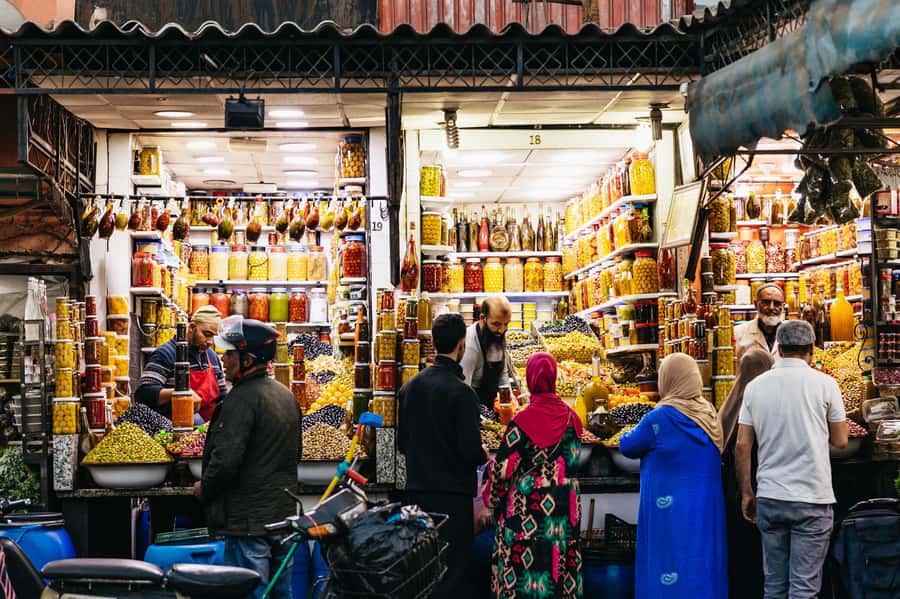
One of the best parts of the evening is the route through the Mellah, Marrakech’s historic Jewish quarter area. The vibe here is hands-on and real: stalls with fresh fruit, meat, poultry, and vegetables, plus the constant motion of people buying for dinner.
You also get a cultural peek while you’re eating. The guide may show you how artisans make a local pastry, and you’ll see how bargaining works in practice. That’s useful even if you don’t plan to shop—because you’ll stop interpreting prices and interactions as confusing theater. It becomes a system.
Food-wise, this is where the tour often builds your palate for what’s coming next. You might start with sweet pastries, and you’ll also encounter tagine-style flavors described as traditional charcoal-baked cooking. The guide can explain the different types of tagines and the practical cooking secrets behind them.
Souk Semmarine and Side Streets: Eating Stops Most Visitors Miss
After the main square energy, the tour shifts toward the souks, including Souk Semmarine. This is where you begin to understand Marrakech’s maze logic: main corridors feed into side lanes, and the lanes lead you to places you’d never find on your own.
You’ll follow the guide down narrower streets to food stops that are easy to overlook without a local. Expect a strong focus on sampling—small bites, quick tastes, and the kind of street food you eat standing up while listening to the market.
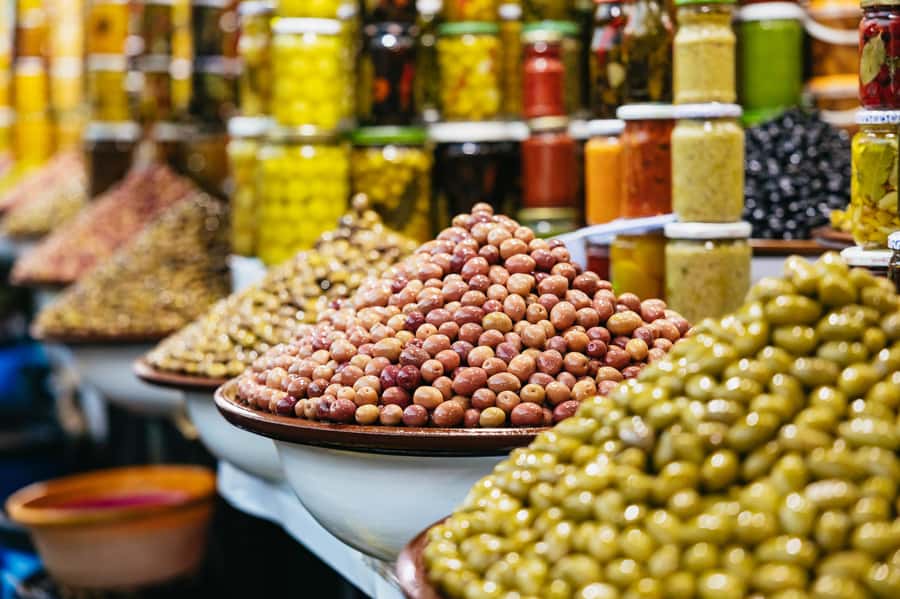
What I like here is the variety. You may try olives and dates, then move through other sweet and savory hits that keep things interesting instead of turning into one long meal that blurs together.
Tagine Logic: Why Each Bite Comes With a Lesson
Tagine is more than a dish name in Morocco—it’s a whole cooking style. On this tour, you get more than taste; you get explanations of why the flavors show up the way they do, and how tagines differ.
If you’ve ever wondered why some tagines taste deeper, sweeter, or spicier, this kind of guided context helps. The guide may also give you a feel for what to look for if you try ordering tagine later, so you can speak the food’s language instead of guessing.
One practical upside: tagine shows up in a way that doesn’t require you to commit to a full plate yet. That lets you keep exploring while your palate is still fresh.






The Almond Drink Break and the Sweet-to-Savory Flow
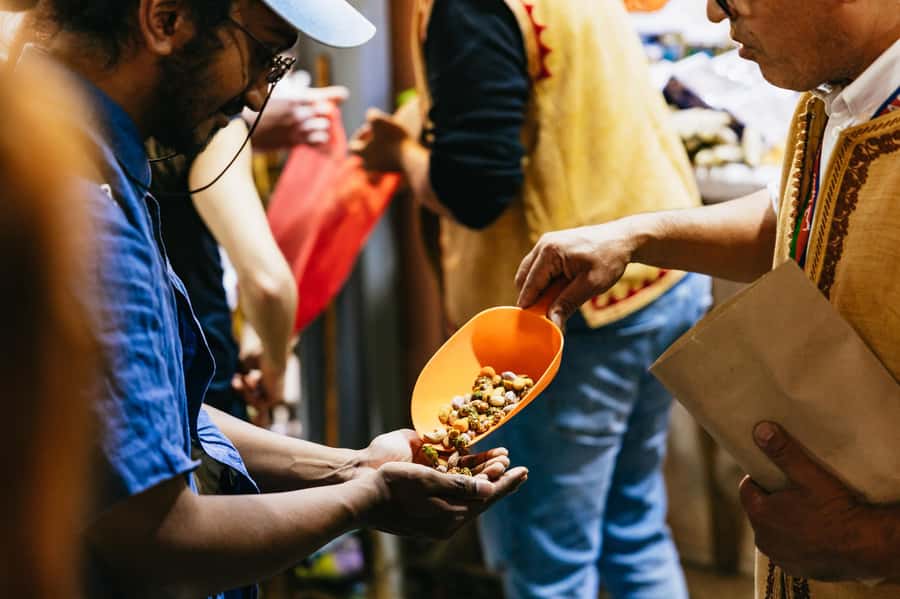
Midway through the evening, there’s a refresher moment with an almond drink that locals adore. This is one of those small moves that makes the rest of the tastings easier. Spices and sweets stack quickly on a street-food tour, and that kind of drink can reset your taste buds so later stops don’t all run together.
The tour’s flow matters. You’ll often move from savory bites into sweet treats (and back again), which keeps the experience lively. In a city where every stall smells amazing, having a guide controlling the order is a big deal. It makes the tour feel like a planned tasting course rather than random sampling.
Pit-Oven Mäechoui at Night: Whole Lamb Energy, Moroccan-Style
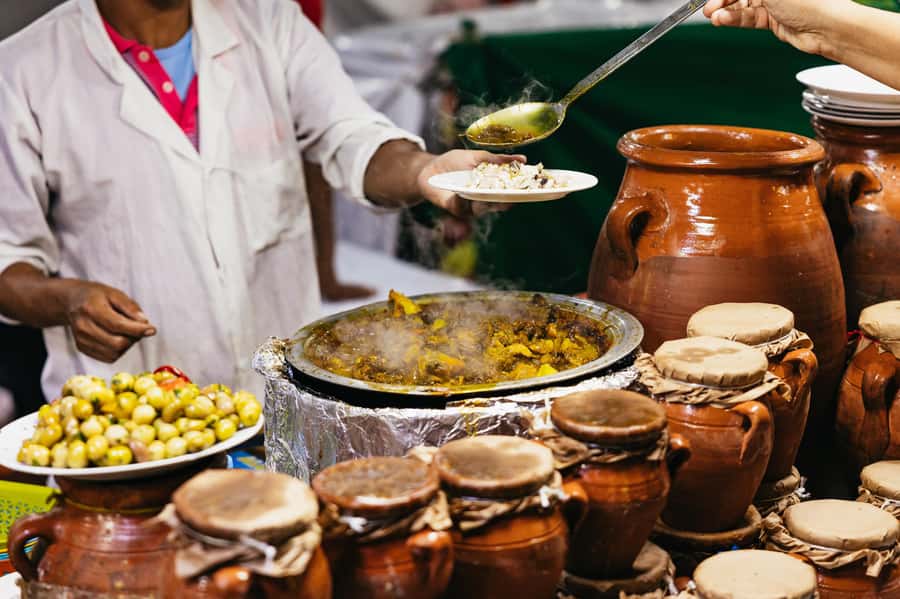
One of the most memorable sights on the route is the méchoui maker using a traditional pit oven. The idea isn’t subtle: you’re seeing roasted whole lamb or sheep prepared in a way that’s deeply tied to local cooking.
If you’re food-curious, this stop is a reminder that Moroccan street eating isn’t only about small snacks. Some of the tastiest street food traditions come from big, slow-cooked processes—just served in a way that fits an evening market.
Even if you don’t want to try every single item, watching the pit-oven preparation gives you a stronger sense of where the flavors come from. And since the tour is guided, you’re not just looking—you’re learning what you’re seeing.
Hidden Restaurant Stop: Tangia, Kofte, Salads, and Bread
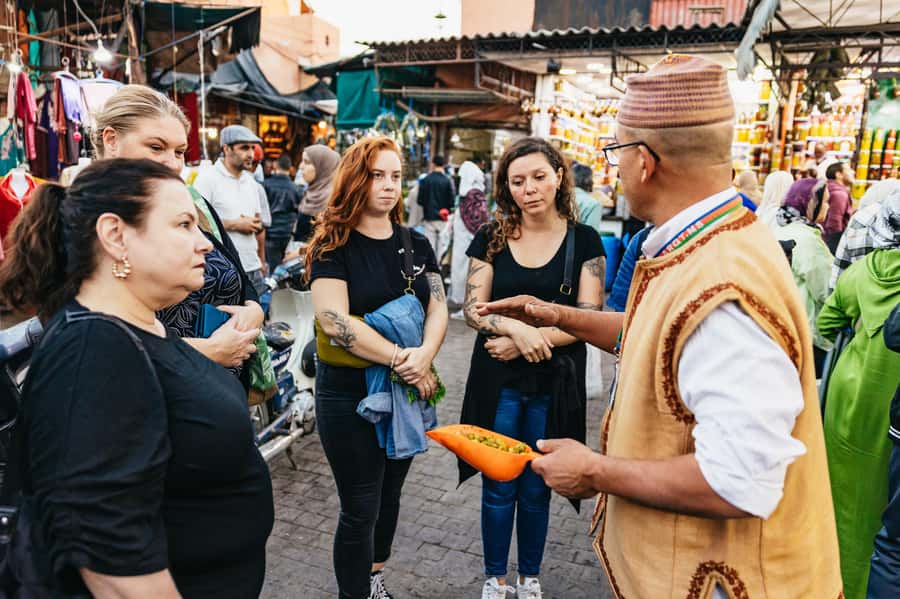
At some point, you’ll move from street stops into a more tucked-away restaurant experience. This is where you may try tangia and kofte, typically served with freshly baked bread.
That bread piece matters more than you might think. On a tasting tour, bread helps you manage spice levels and texture differences, which means you can enjoy a wider range of foods without feeling overwhelmed.
You may also sample three different types of salads made from fresh local ingredients. This is a nice palate reset between richer items. And because the tour is guided, you’ll usually get enough context that you understand what each salad is doing on the table—cooling, crunching, balancing, or adding brightness.
Koutoubia Mosque Photo Stop and the Shift to Rooftop Relaxation
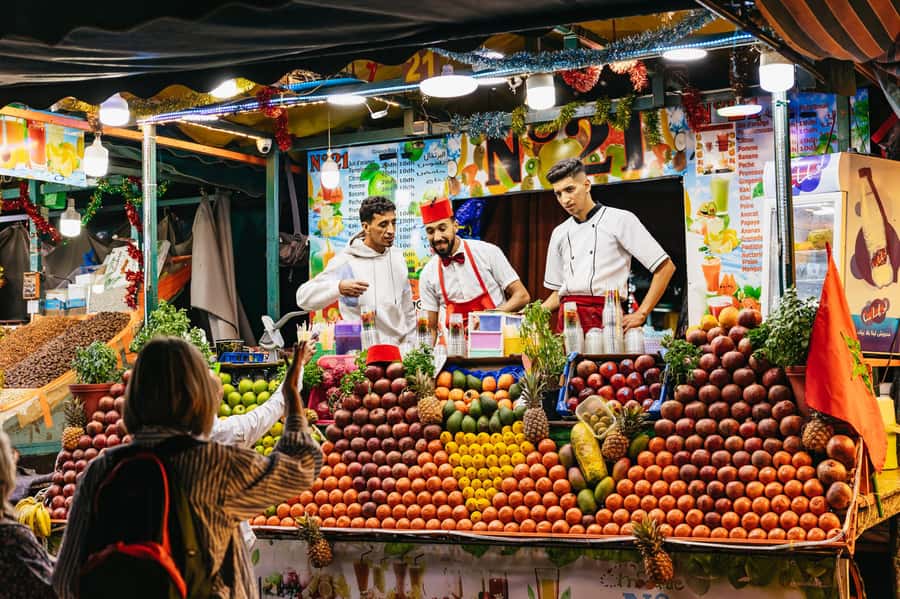
The night doesn’t stay only in alleys. You’ll also get a Koutoubia Mosque photo stop, with time to see and photograph the area as part of the walking route.
This makes a difference for energy. After hours in tight lanes, stepping into a more open visual moment helps your brain reset. It also gives you a “check-in point” so the night feels connected instead of purely exhausting.
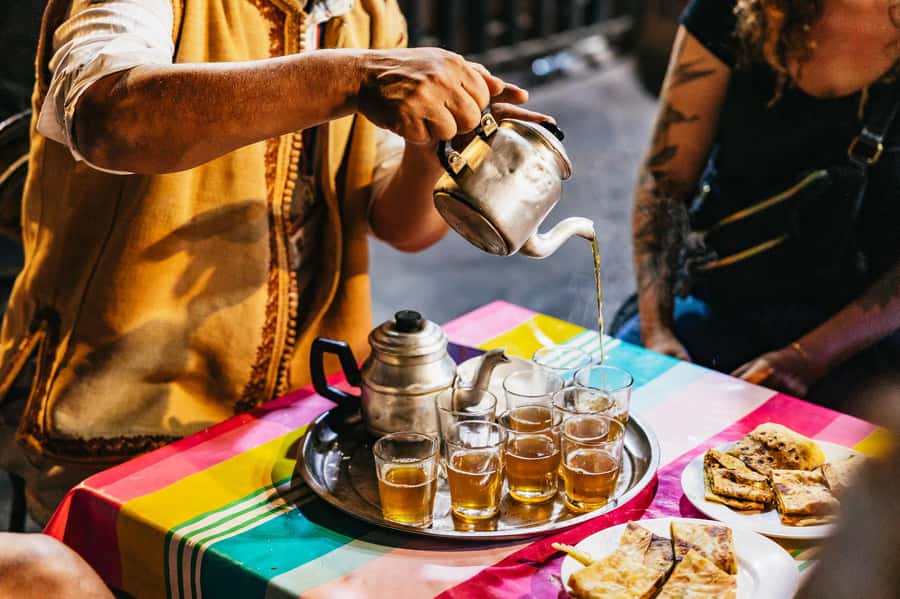
Then the tour transitions into the finale: a rooftop café where you finish with mint tea and a relaxed sit-down feel. The café overlooks a courtyard with décor like rugs, mosaic lamps, and fountains. It’s the kind of ending that makes the whole evening feel complete, like the tour planned for both taste and atmosphere.
Local Recipe Souvenir: Take the Flavor Home
You’ll receive a local recipe as a souvenir. That’s more useful than a random postcard, because it gives you something practical to reference once you’re back home and trying to recreate the flavors you sampled.
I like these kinds of take-home items when they’re tied to what you actually ate during the tour. It turns the experience into a memory you can use, not just one you tasted.
Price and Value: What $43 Buys in Real Eating Stops
At $43 per person for a 2–3 hour guided walk, this tour is priced in the range where you want to feel real value. The key here is the amount of food and the fact that your guide handles the “how do I find this” problem for you.
You’re not paying only for walking. You’re paying for:
- guided access to markets and souks at night,
- multiple tastings (sweet and savory),
- food explanations tied to Moroccan cooking styles,
- drinks included, and
- a sit-down style finale with tea in a courtyard café.
In the experiences I’d call a “good deal,” you leave feeling like you ate meals, not samples. This tour has a strong reputation for that. People often describe the finale as substantial, and several mentions point to ending with a traditional meal-style finish at a rooftop spot—so you may not need to plan extra dinner after.
Who This Tour Fits Best (and Who Should Think Twice)
This tour suits you if you’re:
- on your first evening in Marrakech and want to learn your way around fast,
- a food lover who enjoys street stalls, not just restaurants,
- curious about Moroccan staples like tagine, dates, olives, and regional items such as tangia and kofte,
- open to trying items you might not pick on your own (though you can always ask for guidance),
- traveling with a group where shared fun matters, or you prefer a private tour for a calmer pace.
It might not be ideal if you’re:
- not willing to eat much. This is an evening where you’re expected to work up an appetite and keep going.
- sensitive to the idea that you’ll be guided through markets with vendor interaction. The tour is designed to feel like Morocco, not a sealed-off tasting room.
There’s also one small consideration to keep in mind: you may encounter a stop connected to herbal products, and the tone can include a sales pitch. If you’re not interested, just say so politely and keep your focus on the food.
My Booking Advice: Should You Grab This Tour?
If you’re in Marrakech for only a couple days, this is one of the easiest ways to get value fast. It helps you understand the Medina at night, learn how Moroccan dishes work, and leave with a belly full of flavor and a clearer sense of what to order later.
I’d book it if you want a guided night walk that tastes like a full evening—not a quick snack. I’d skip it or choose another option if you already have a strong dinner plan and you know you won’t have room for many tastings.
FAQ
How long is the Marrakech Street Food Tour by Night?
The tour lasts about 2 to 3 hours.
Where do I meet for the tour?
You meet at Jemaa el-Fnaa Square for the main option. Meeting point can vary depending on the option you book.
What’s included in the price?
The tour includes a guide, food tastings, and drinks. You can choose between a shared group tour or a private tour.
Is hotel pickup included?
No. Hotel pickup and drop-off are not included.
What languages is the guide available in?
The live guide is available in English, Arabic, French, German, and Spanish.
What should I bring?
Bring comfortable shoes since it’s a walking tour through the Medina.