REVIEW · MARRAKESH
From Marrakech: Unforgettable 3-Day Desert Tour to Fes
Book on GetYourGuide →Operated by MOROCCO TRIP · Bookable on GetYourGuide
Stars over sand beats any postcard. This 3-day run from Marrakech to Fes strings together camel trek moments and a starlit desert camp experience, plus big scenery changes from mountain passes to desert hush. I love that it mixes iconic Morocco stops with real time in the desert. One thing to weigh: it is a lot of hours in the van, and desert nights can turn cold in winter.
What makes the whole trip work is the on-the-road teamwork. Many people praise the same winning combo: a steady, safe driver and a guide who keeps the day flowing, like Moha, Hanan, Hisham, and guides such as Zaid and Iddir who are repeatedly singled out for caring, clear communication, and good pace.
In This Review
- Quick hits you’ll actually care about
- Why this Marrakech to Fes route feels more meaningful
- Day 1: High Atlas pass, Ait Benhaddou kasbahs, and a hotel night in Tinghir
- Day 2: Todra Gorge walk, then Sahara dunes and sunset camp energy
- Day 3: Sunrise camel moments, Erfoud fossils, cedar forests, and arrival in Fes
- Desert camp reality check: what comfort looks like (and what can vary)
- Price and value: is $202 per person fair for what you get?
- Getting there comfortably: timing, pickup rules, and what to pack
- The guide and driver factor: why certain names show up a lot
- Who should book this tour (and who might want a different format)
- Should you book this Marrakesh to Fes Sahara tour?
- FAQ
- What time does the tour start and end?
- Where do you get picked up in Marrakech?
- How do I know the exact pickup location and time?
- Are camel rides included in the price?
- Is sandboarding included?
- Do you visit Ait Benhaddou?
- Is a local guide inside Ait Benhaddou included?
- Where do you sleep during the tour?
- What’s included for meals?
Quick hits you’ll actually care about
- Tizi n’Tichka views first thing: the High Atlas pass is a wow-start before the UNESCO stop.
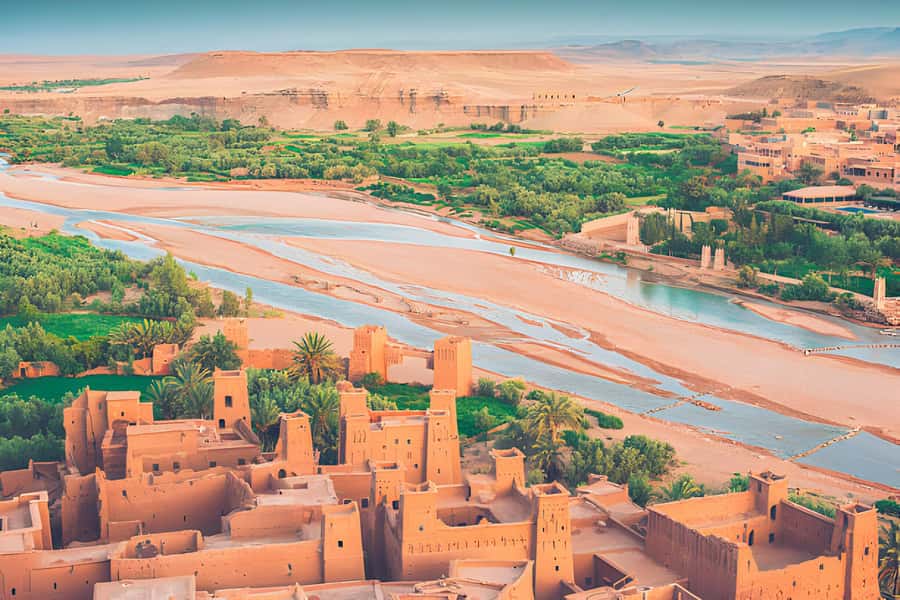
- Ait Benhaddou, UNESCO kasbah time: you get the famous film-town setting and time to wander.
- Todra Gorge guided walk: towering rock walls and a river that makes the gorge feel alive.
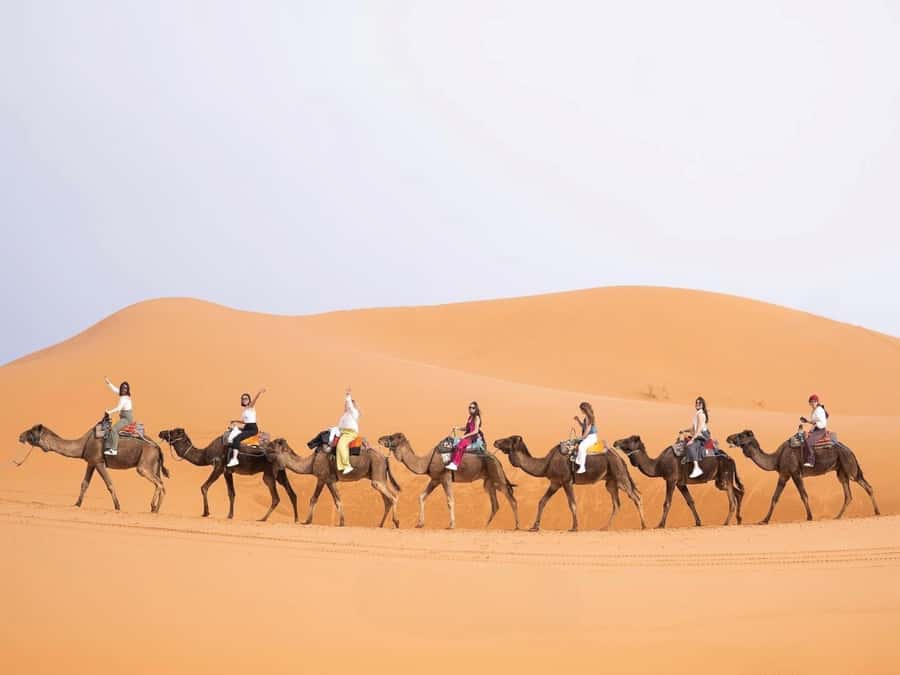
- Sunset and sunrise camel rides: plus sandboarding on the dunes.
- Erfoud fossils and Middle Atlas stops: you’re not just going from one highlight to the next.
- Private tents with real comfort options: standard tents with shared bathrooms or luxury tents with private bathrooms.
Why this Marrakech to Fes route feels more meaningful
The route isn’t random. You’re moving with the geography: mountains to roses to canyon to sand, then back through cedar forests and into the cool rhythm of Fes.
That matters because it keeps the trip from feeling like a checklist. Yes, you see the famous names—Tizi n’Tichka, Ait Benhaddou, Todra Gorge, the Sahara, Erfoud—but the order helps you feel how Morocco changes. The best part is that you get desert time that actually feels calm, especially after dinner when the camp turns quiet and the sky comes alive.
You can also read our reviews of more tours and experiences in Marrakesh.

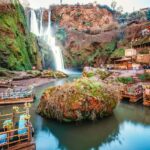
Day 1: High Atlas pass, Ait Benhaddou kasbahs, and a hotel night in Tinghir
You start bright and early, 7:00 AM, heading out from Marrakech in an air-conditioned van with onboard Wi‑Fi. The first payoff is the High Atlas climb to Tizi n’Tichka, the highest mountain pass in Morocco. Even if you’ve seen lots of mountain roads, this one keeps widening into big panoramas.
Then comes Ait Benhaddou, a UNESCO World Heritage site famous for its kasbah architecture and its film-history reputation. You’ll stroll through the area and see the chunky, sun-baked walls that look like they belong in an old story. If you want a more detailed inside explanation, a local guide inside the kasbah costs about €2 per person and is not included.
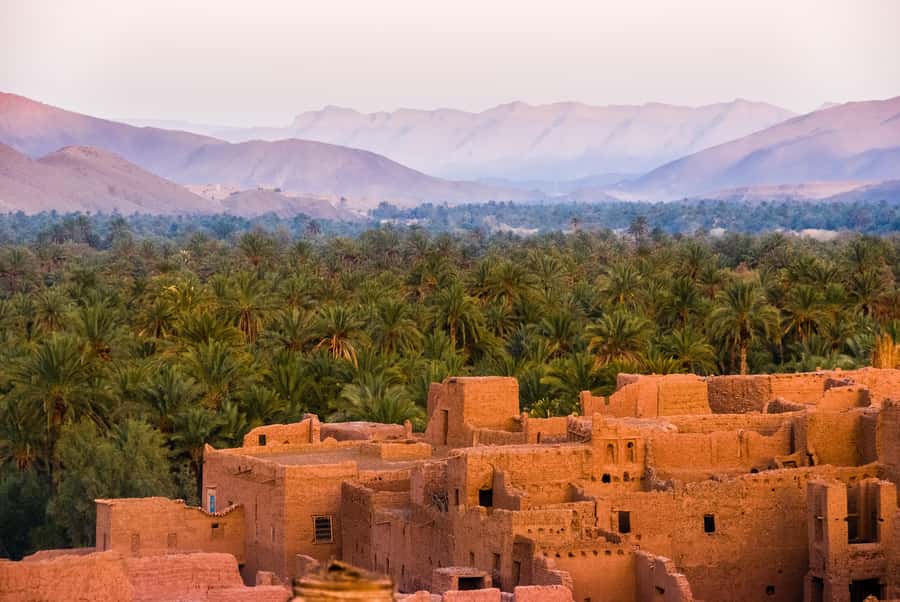
After that, you’ll pass through the Valley of the Roses, a great contrast to the mountain air. Day 1 ends in Tinghir, where you check into a comfortable hotel for a private room and bathroom. Tinghir is also a nice reset: you’re not sleeping in the desert yet, but you’re close enough to feel like the trip is building toward the dunes.
What to watch for on Day 1: long driving time. You’ll want comfortable shoes and layers, since mountain temperatures can swing.
Day 2: Todra Gorge walk, then Sahara dunes and sunset camp energy
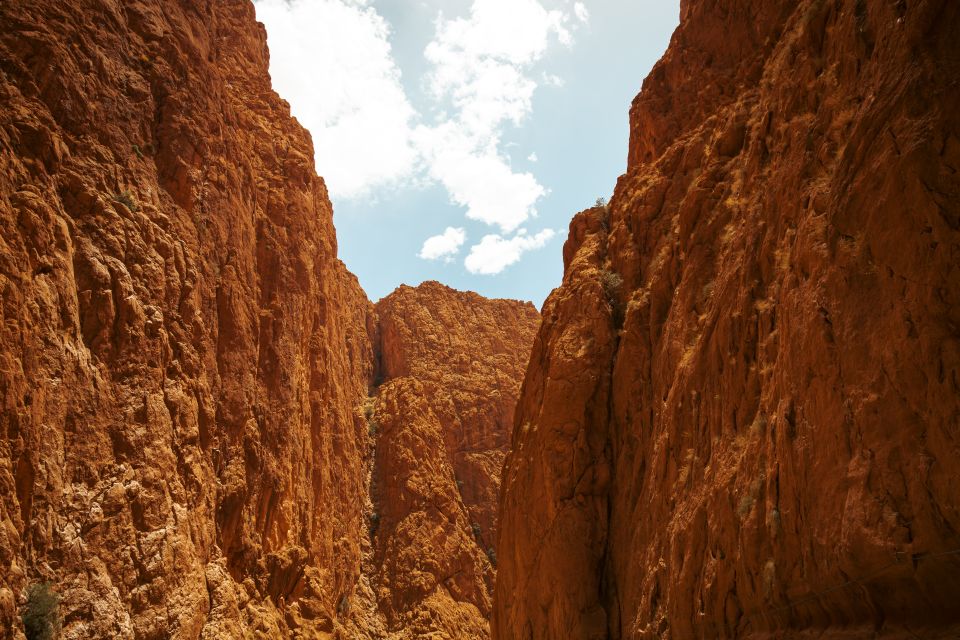
Morning continues with a major nature stop: Todra Gorge. Expect towering cliffs and a flowing river that makes the gorge feel focused and dramatic, like it has walls on every side. You’ll do a guided walk, which helps you slow down and notice details you’d miss if you just drove past.
After the gorge, you move toward the edge of the Sahara. This is when the day starts feeling different—less road noise, more open sky, and long stretches where your brain finally catches up.
The Sahara part is built around two key moments:
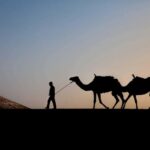
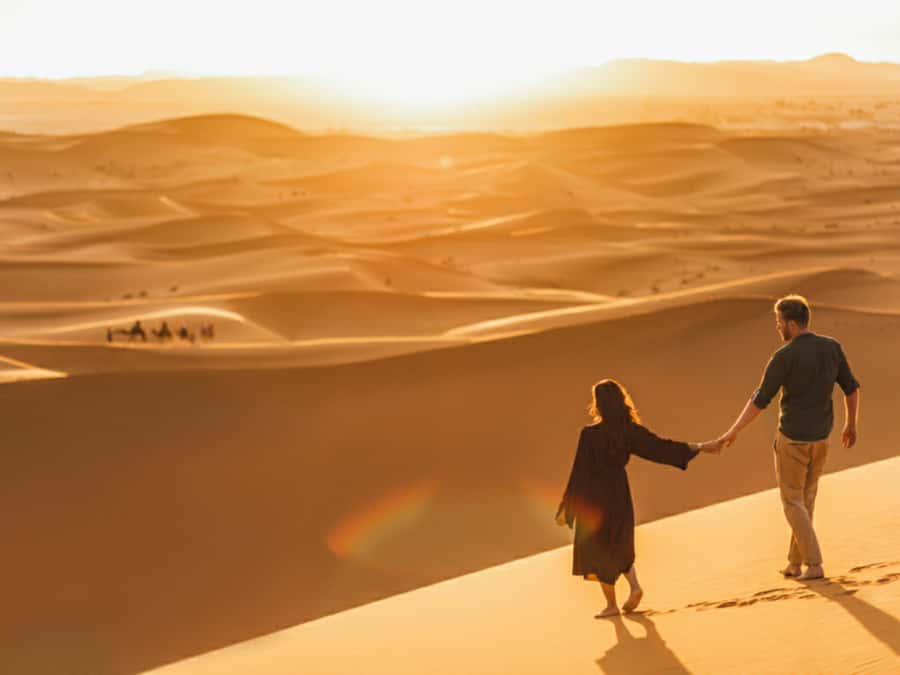
- Sunset camel ride on the dunes
- A traditional desert camp for the night
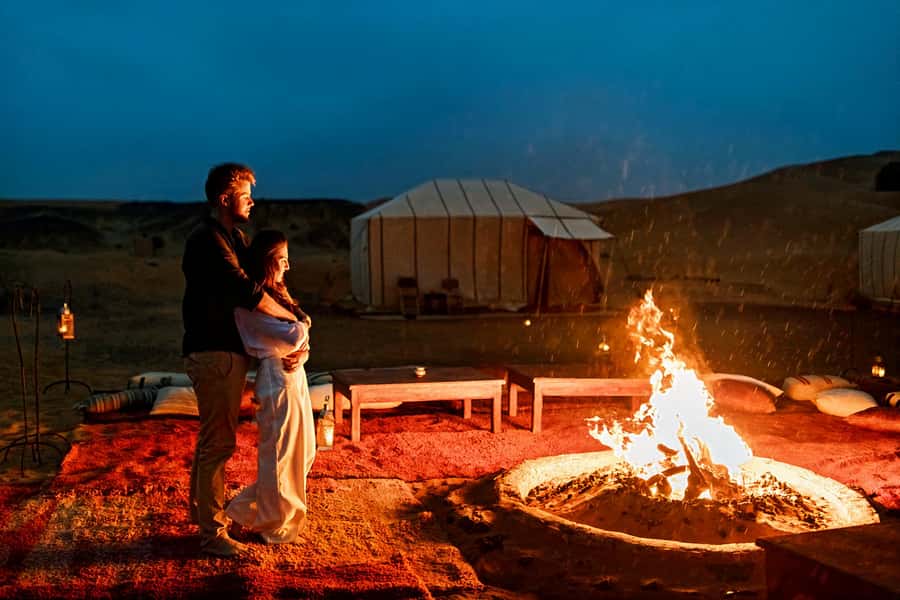
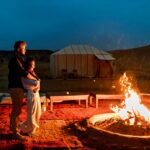
Dinner is served in the camp setting, and you’ll get Berber drumming and music, often paired with a shared fire-and-stargaze atmosphere. The tents are described as comfortable, and you’ll choose between standard tents (private tents with shared bathrooms) or luxury tents (private bathrooms). Either way, this is the night where you’ll feel the silence people talk about.
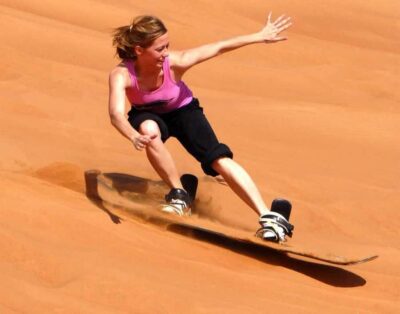
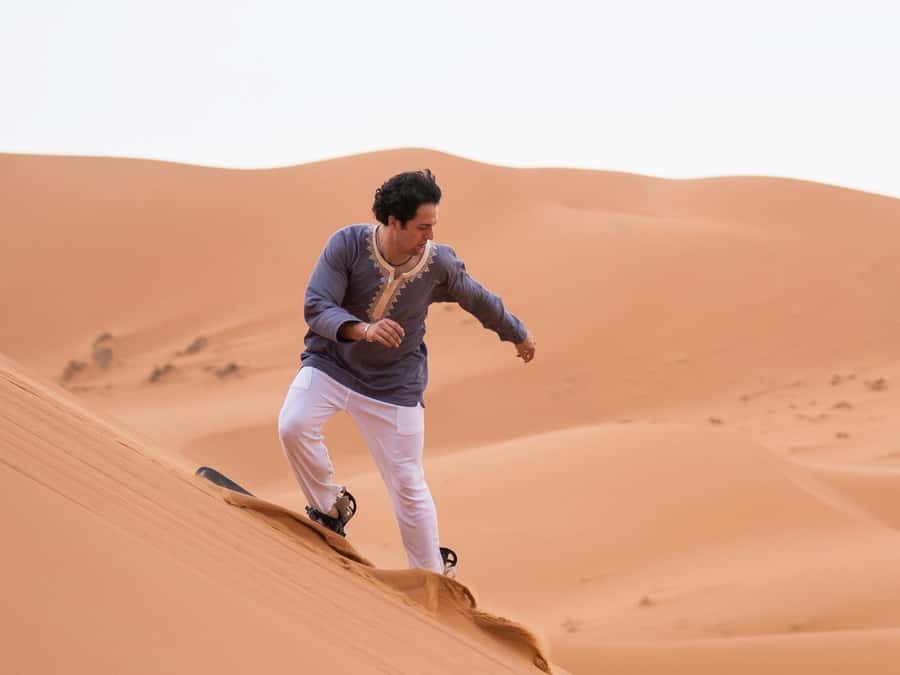
One practical bonus: you’re also included for sandboarding on the dunes. It’s the kind of activity that turns the Sahara from scenic into hands-on fun.
A useful choice: camel riding is included, but the tour also offers a free 4×4 transfer to the camp instead of the camel ride on request. If you want the desert vibe without the saddle time, this is a smart option—especially in heat or if you’re worried about comfort.
Day 3: Sunrise camel moments, Erfoud fossils, cedar forests, and arrival in Fes
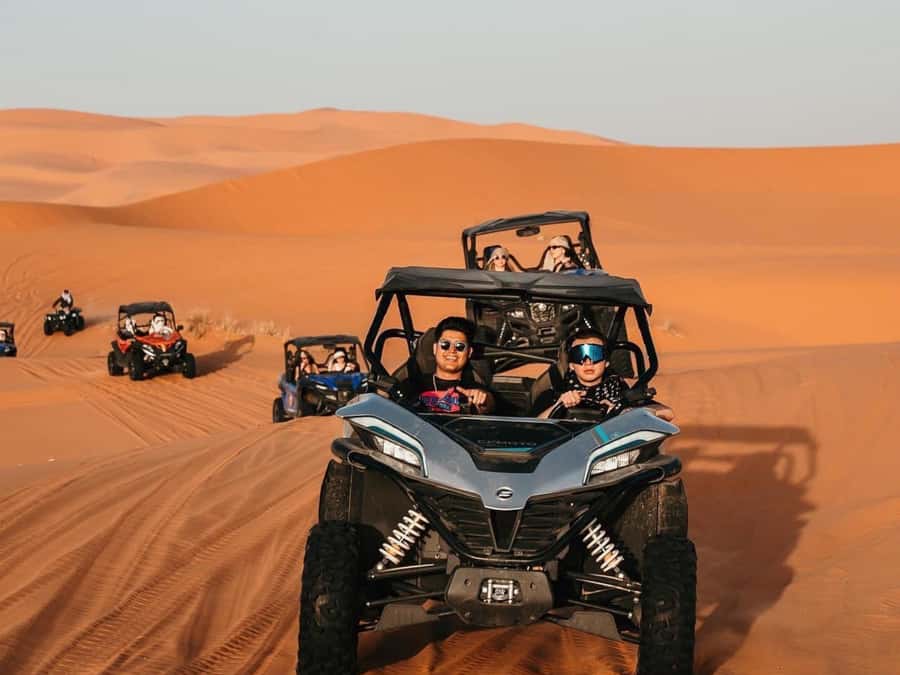
Day 3 starts with one of the best timing combos in Morocco: sunrise in the Sahara, paired with another camel ride at dawn. Sunrise is when the dunes look soft and textured, and the desert starts feeling less like a location and more like a world. It’s also why this tour is usually worth it: you don’t just visit the dunes, you experience their light.
After the camp, you head to Erfoud, a city known for fossils. This is a nice curveball after sand and stone. It’s different enough to stop the trip from feeling like repeating scenes with different camera angles.
Then you roll through places that bring you back toward comfort: you’ll stop in Ziz Valley and ride through cedar forests toward the Middle Atlas Mountains. One of the most fun breaks here is a stop to see Barbary macaque monkeys. It’s quick, but it adds movement and wildlife energy right before you reach Fes.
The final stretch ends with your arrival in Fes, with a drop-off at your hotel.
Day 3 timing reality check: it’s not a short day. You’re swapping desert time for road time, then swapping road time for city navigation. Plan on being a little tired at the end.
Desert camp reality check: what comfort looks like (and what can vary)
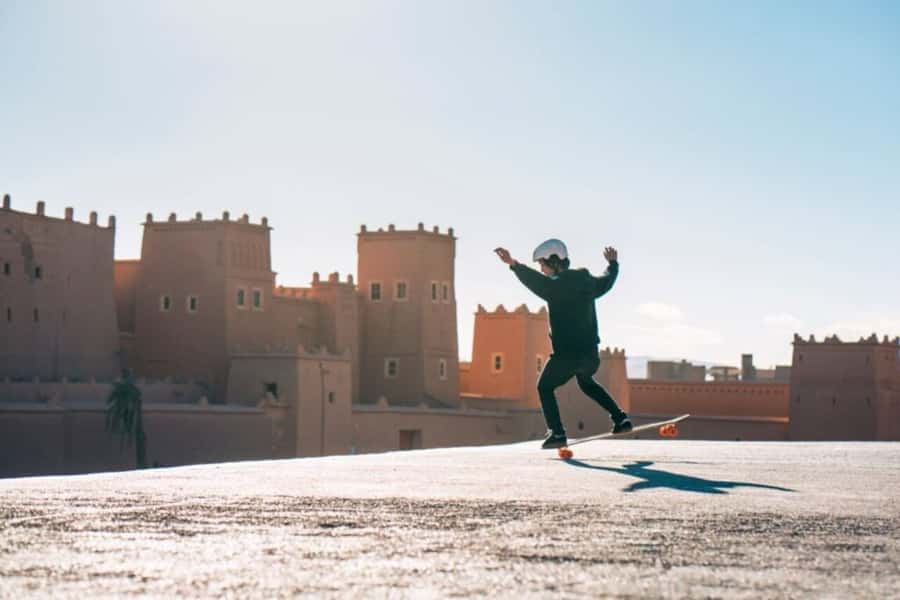
The desert camp is the emotional center of this tour. You’ll get Berber music, dinner at camp, and that stargazing feeling you can’t fake with a photo filter.
Comfort options are clear:
- Standard camp: private tent, but shared bathrooms
- Luxury camp: private tent with private bathrooms
From feedback patterns, most people feel the camp is a highlight for its setting and staff vibe. That said, desert conditions are real. One person noted issues like holes in tents letting in small animals, which affected sleep. It’s not something you can plan around entirely, but it’s a reason to treat desert nights as rustic experience, even with upgrades.
My practical advice: if you’re booking standard, bring or plan for better sleep comfort (sleeping layers and patience). If private-bathroom comfort matters most to you, the luxury option is worth considering.

Price and value: is $202 per person fair for what you get?
At $202 per person for 3 days, you’re paying for two things: transportation over a big distance and a bundled set of Morocco icons that would cost more to arrange separately.
What’s included (and where the value shows):
- Air-conditioned van with Wi‑Fi, plus fuel and tolls
- A local driver-guide throughout
- Hotel/riad pickup and drop-off (or a nearby meeting point if the car can’t reach)
- Luggage service
- 1 night in a hotel/riad in Tinghir (private room, private bathroom)
- 1 night in a desert camp
- 2 breakfasts and 2 dinners
- Sunset and sunrise camel rides
- Sandboarding
- Todra Gorge guided walk
- Ait Benhaddou visit
- Scenic stops including Erfoud, Ziz Valley, cedar forest/monkeys, and Ifrane
- Optional perk: free 4×4 transfer to camp instead of camel ride (on request)
What is not included:
- Lunches and drinks
- A local guide inside Ait Benhaddou (about €2 per person)
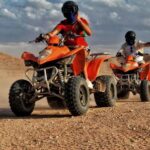
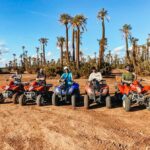
- Optional thrill activities like quad biking (€40 per person for 1 hour, min. 2 people)
So the value is pretty solid if you want the whole chain: pass + UNESCO kasbah + gorge + dunes + fossils + cedar forest. If you already have your own driver, or you only care about the Sahara night, it might feel pricey. But for most people doing Marrakesh-to-Fes anyway, this works as a “one booking, many worlds” deal.
Spending heads-up: lunches can be an extra cost because they aren’t bundled. A few people also flagged that some lunch stops felt less impressive than the price. I’d budget extra cash just in case, and don’t expect every lunch stop to be a winner.
Getting there comfortably: timing, pickup rules, and what to pack
The tour starts 7:00 AM on Day 1 and ends around 8:00 PM on Day 3. Pickup details arrive the day before by 5:00 PM via WhatsApp and email, which means you should keep your phone reachable and check both messages.
Pickup works like this:
- If your hotel/riad is reachable by car, pickup is there.
- If not, you meet at a nearby spot within 5 minutes’ walk.
Drop-off in Fes follows the same rule.
What to bring is very practical, and the list is solid:
- Comfortable shoes
- Sunglasses, sun hat, sunscreen
- Jacket (desert nights can be cold in winter)
- Scarf (nice for sun and wind)
- Camera, cash, and comfortable clothes
- Flip-flops for camp downtime
One more small but important tip: camel rides and sandboarding can mean dust. Keep a scarf handy. It helps you stay comfortable without turning the day into a chore.
The guide and driver factor: why certain names show up a lot
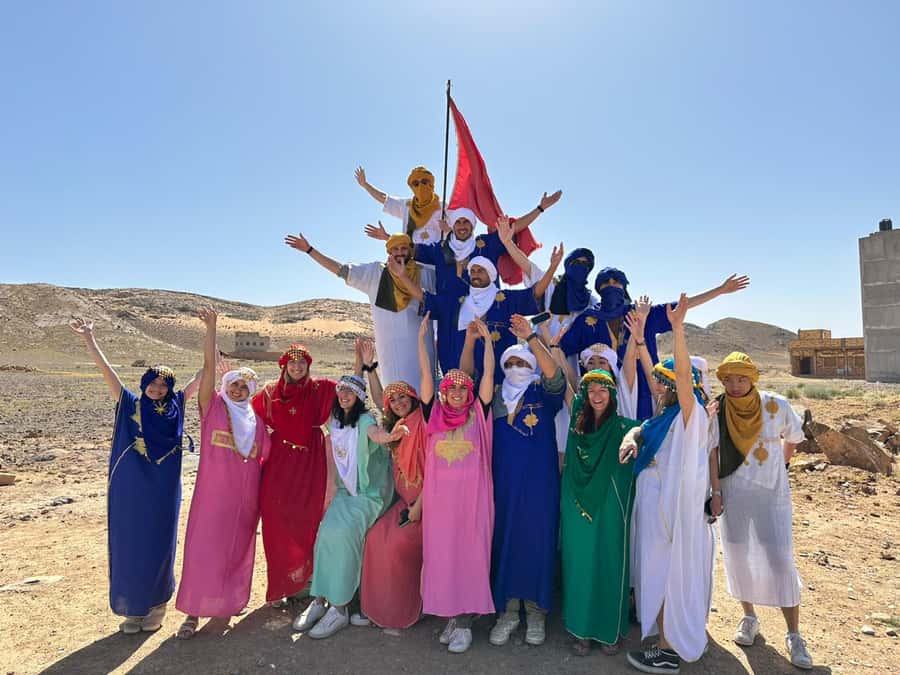
This tour’s success depends heavily on driving style and pacing. A big chunk of the positive feedback praises drivers for safe, careful driving on mountain roads, and guides for keeping the day relaxed and informative.
Names that come up often in strong feedback include:
- Moha and driver Houssin (called out for making the experience what it was)
- Hanan (praised for caring, like a constant helper for the group)
- Hisham (praised for smooth organization and timing updates)
- Zaid and iddir (praised for friendly service and helpful explanations)
- Hakim, Mustafa, Haadi, and Omar Faiz (praised for knowledge, safety, and accommodating the group)
I’d treat this as a selection guide for your expectations. Even with the same itinerary, the experience quality often tracks back to who’s steering the van and who’s doing the translating on the stops.
One caution from feedback: if you’re sensitive to communication timing or your language level, it’s worth double-checking pickup details early. In one case, a guide contacted the group late, which made pickup location uncertainty stressful. Keeping your WhatsApp available helps you avoid that kind of hiccup.
Who should book this tour (and who might want a different format)
This is a great fit if you want:
- A 3-day, packed-but-not-chaotic route from Marrakesh to Fes
- Sahara time that includes sunset and sunrise camel rides, plus sandboarding
- Stops that go beyond the dunes: Ait Benhaddou, Todra Gorge, Erfoud fossils, Ziz Valley, cedar forest, and Ifrane
- A guided experience where you don’t have to coordinate guides at each stop
You might rethink it if:
- You hate long road days. This is primarily a highway-to-desert-and-back tour.
- You’re very picky about lunch stops. Lunches and drinks are on you, and not every stop is equally loved.
- You’re expecting the desert camp to be a hotel. Even with luxury tents, it’s still a desert night.
If you’re traveling solo, this can also feel good because the guide keeps the group moving, and drivers are often praised for handling the logistics smoothly.
Should you book this Marrakesh to Fes Sahara tour?
If your goal is a classic Morocco arc—Atlas peaks, UNESCO kasbah walls, canyon cliffs, then Sahara dunes with stars—you should strongly consider booking. The price feels fair because it bundles transport, lodging, multiple guided elements, and the big Sahara inclusions you’d otherwise pay for separately.
I’d book especially if stargazing, camel rides (sunset and sunrise), and a guided Todra Gorge walk are on your must-do list. And if you’re worried about camel comfort, request the free 4×4 transfer to the camp instead.
If you want a slower pace, more city time, or you’re not into long drives, then a different format might suit you better. But for most first-timers doing Marrakesh to Fes in one sweep, this is one of the most practical ways to get the full story of Morocco in just three days.
FAQ
What time does the tour start and end?
The tour starts at 7:00 AM on Day 1 and ends around 8:00 PM on Day 3.
Where do you get picked up in Marrakech?
Pickup is from your hotel/riad if it’s accessible by car. If not, you meet at a nearby meeting point within 5 minutes’ walk.
How do I know the exact pickup location and time?
You receive pickup details by 5:00 PM the day before, sent via WhatsApp and email. The tour itself starts at 7:00 AM, so the message time is the day before, not the morning of departure.
Are camel rides included in the price?
Yes. Sunset and sunrise camel rides in the Sahara Desert are included.
Is sandboarding included?
Yes. Sandboarding on the Sahara dunes is included.
Do you visit Ait Benhaddou?
Yes. The tour includes a visit to Kasbah Ait Benhaddou (UNESCO site).
Is a local guide inside Ait Benhaddou included?
A local guide inside the kasbah is not included. It costs around €2 per person.
Where do you sleep during the tour?
You sleep one night in Tinghir (hotel or riad, private room and bathroom), and one night in a Sahara desert camp in private tents. Standard tents have shared bathrooms; luxury tents have private bathrooms.
What’s included for meals?
You get 2 breakfasts and 2 dinners. Lunches and drinks are not included.