REVIEW · BAKU
Full Day Sightseeing Tour of the main Attractions around Baku
Book on Viator →Operated by Enjoy Azerbaijan Travel · Bookable on Viator
Fire, oil, and rock art in one day.
This full-day Baku tour strings together the area’s big themes—oil history, ancient faith sites, and geology that won’t quit—over about 9 hours. You’ll start near Baku with the World’s First Oil Well, then head out to Gobustan’s open-air rock art reserve, plus mud volcanoes, Bibi-Heybat Mosque, and the flaming hillside at Yanardag.
I like the structure: short stops where you get the story fast, then longer time where it pays off—especially at Gobustan. Two things stand out for me: you get included entry tickets and lunch, and the tour runs in a small group (max 18), so your guide can actually answer questions instead of racing through everything.
One drawback to consider is motion and pacing. There’s a specific heads-up to make if you’re prone to motion sickness, since the route includes time at the mud volcano area and lots of driving between sites. If that’s you, plan for it before you go.
In This Review
- Quick hits before you go
- A 9-Hour Circle Around Baku’s Weirdest Wonders
- First Stop: The World’s First Oil Well (and the 1846 Story)
- Bibi-Heybat Mosque: Faith, Healing Legends, and a Cemetery Setting
- Mud Volcanoes: Cool Geology in 25 Minutes (Plus Motion Sickness Tip)
- Gobustan Rock Art: The Day’s Best Time to Slow Down
- Ateshgah Fire Temple: Zoroastrianism Before the Flames Became a Story
- Yanar Dag Flaming Mountainside: The Simple Science Behind the Big Fire
- Lunch and Vehicle Comfort: The Details That Make the Day Work
- Price and Value: Is $60 Worth 9 Hours and Multiple Tickets?
- Who Should Book This Baku Day Tour
- Should You Book This Tour?
- FAQ
- How long is the full day sightseeing tour?
- What’s included in the price?
- How much does it cost per person?
- What are the main stops on the itinerary?
- Does the tour have a group limit?
- Are tickets and lunch included?
- Is hotel pickup available everywhere in Baku?
- When is the tour likely to be canceled?
- Can I cancel for a refund?
Quick hits before you go
- Small-group pace (max 18): more back-and-forth with your guide, not a big bus shuffle
- Included lunch and tickets: you’re not constantly pulling out your wallet
- Gobustan Rock Art (1 hour): the day’s best stretch for walking and absorbing the visuals
- Ateshgah Fire Temple: a clear way to understand Zoroastrian roots before Islam became dominant
- Yanar Dag timing (30 minutes): enough time to see the flames without dragging the whole day out
- Motion sickness consideration: mud volcano stop is the one to think about if you’re sensitive
A 9-Hour Circle Around Baku’s Weirdest Wonders
This tour is built for one day that feels like three. You’ll move through Baku’s surrounding area and hit major “how did they even find this?” attractions: ancient rock art in Gobustan, mud volcano eruptions, religious landmarks, and natural fire at Yanar Dag.
It starts at 9:00 am and runs about 9 hours, with hotel pickup available for selected hotels. You’ll travel in an air-conditioned vehicle, and the tour includes a professional guide, entry tickets, lunch, and local taxes. There’s also a mobile ticket, plus group discounts, which helps when you’re comparing options.
The value here is not just the number of stops. It’s the mix. Instead of doing only museums or only “pretty views,” you get a day that explains why this region became a crossroads for religion, trade, and energy—then shows physical evidence of all of it.
You can also read our reviews of more tours and experiences in Baku.
First Stop: The World’s First Oil Well (and the 1846 Story)
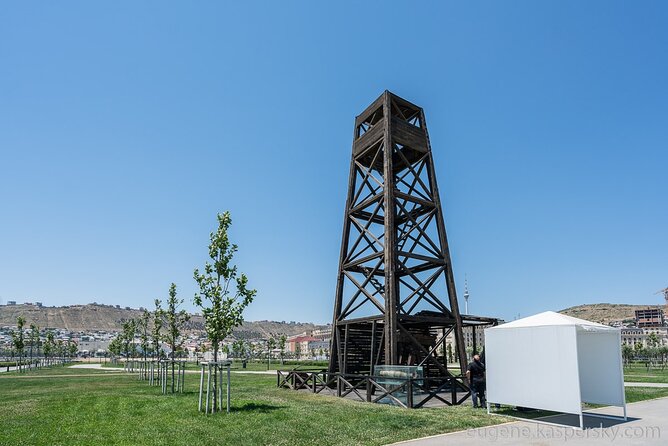
Your first sight is the World’s First Oil Well at Bibi-Heybat field, with a very quick stop—around 10 minutes. The framing is simple: historical documents found in Russian archives suggest an oil well was drilled there in 1846, about 13 years before commercial oil production began in the US.
What makes this stop work is that it sets the tone for the whole day. Oil is not just a modern industry story here. It’s tied to geography, local settlement patterns, and the broader Absheron Peninsula identity. You’re not going to linger like you would in a full oil museum. Instead, you get the key idea quickly, then move on.
A practical consideration: because the stop is short and free-admission, you’ll want to pay attention to your guide’s explanation. If you’re the type who needs time to wander and read everything at your own speed, this opening might feel like a warm-up rather than a full attraction.
Bibi-Heybat Mosque: Faith, Healing Legends, and a Cemetery Setting
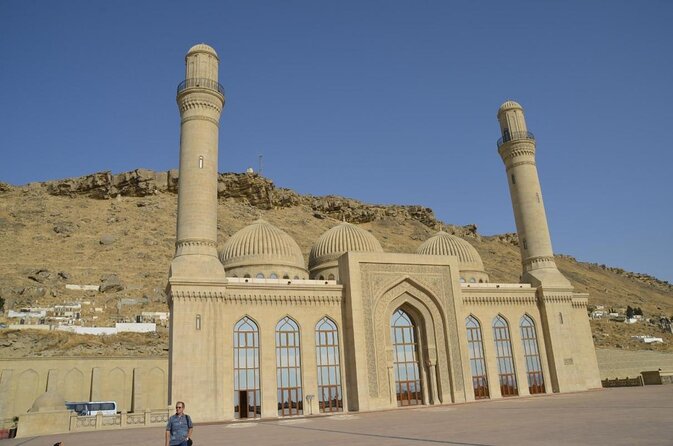
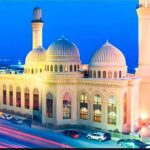
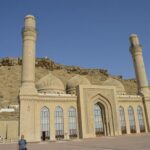
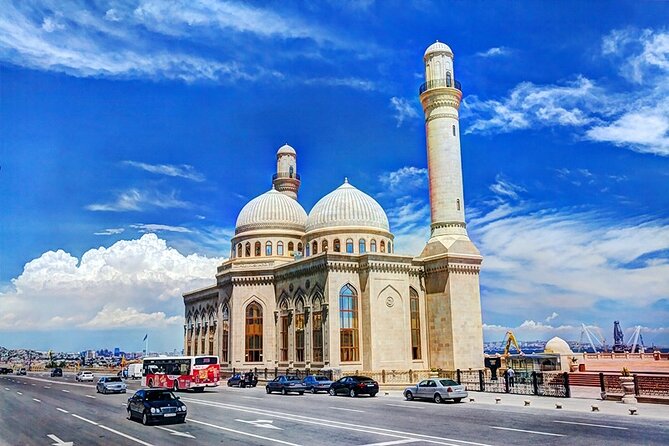
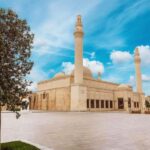
Next up is Bibi-Heybat Mosque, about 20 minutes. This stop is more than architecture. It’s connected to a local religious tradition centered on Bibi-Heybet, described as a pir located near the mountains of Baku, amid a vast cemetery.
The story you’ll hear matters: the tomb of Bibi-Heybet—described as one of the relatives of the Prophet Muhammad—is located within a mosque that Muslims visit willingly. Bibi-Heybet is also known for miraculous power to heal the sick, and many people choose to be buried near the mosque.
Why I think this is a good use of time: it shows how religion in this area isn’t just about monuments. It’s tied to community belief and ritual life. The cemetery setting also gives the mosque a grounded, lived-in feel.
The drawback: you’ll have a limited amount of time, so it helps if you go in expecting a focused stop with explanation rather than a long, slow visit.
Mud Volcanoes: Cool Geology in 25 Minutes (Plus Motion Sickness Tip)
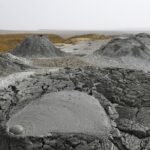
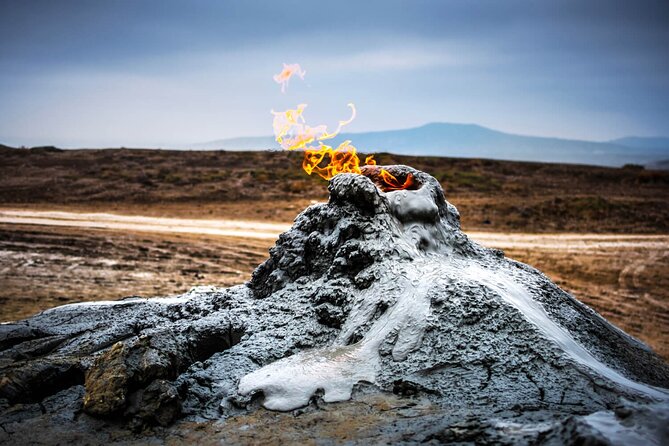
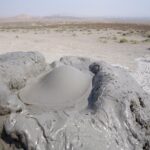
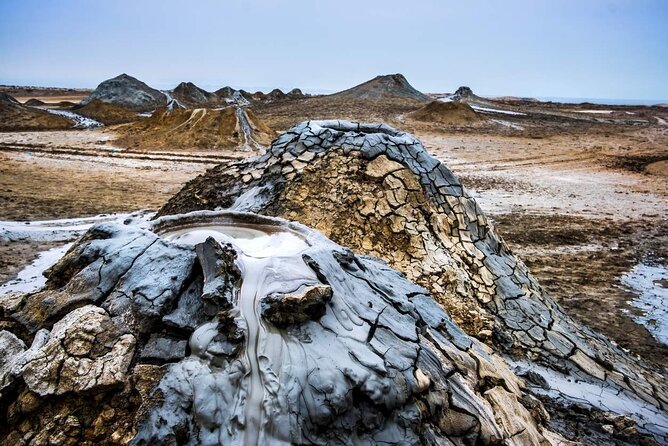
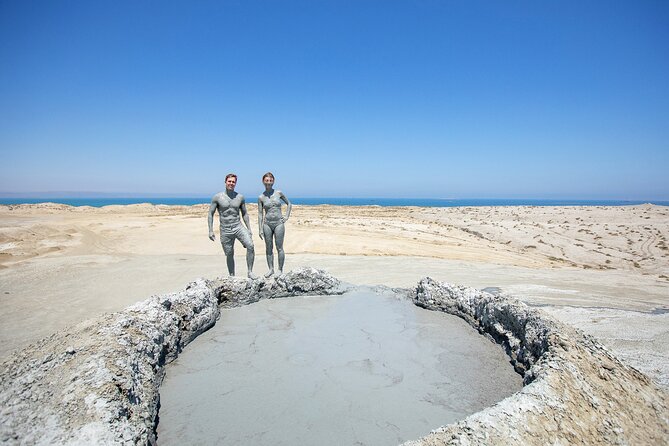
After the mosque, you’ll head to the mud volcano stop (about 25 minutes, ticket included). Mud volcanoes are geological formations where mud and gases erupt continuously or periodically from the earth’s surface. In oil-bearing and volcanic areas, they’re part of the region’s active underground story.
This is one of those stops that often surprises people. You may expect something like lava and smoke. Instead, the attraction is the weird, bubbling process and the sense that the ground is still working under your feet.
One caution is practical and worth repeating: if you’re prone to motion sickness, the mud volcano portion is the one to consider skipping or managing carefully. The rest of the day involves driving, but this is the specific stop that some people flagged as a problem.
Gobustan Rock Art: The Day’s Best Time to Slow Down
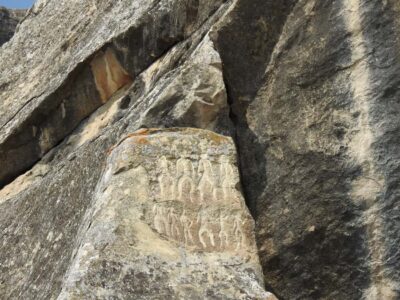
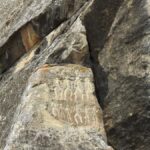
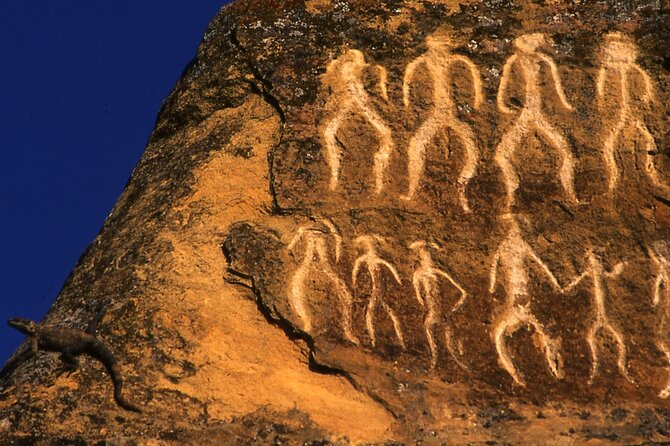
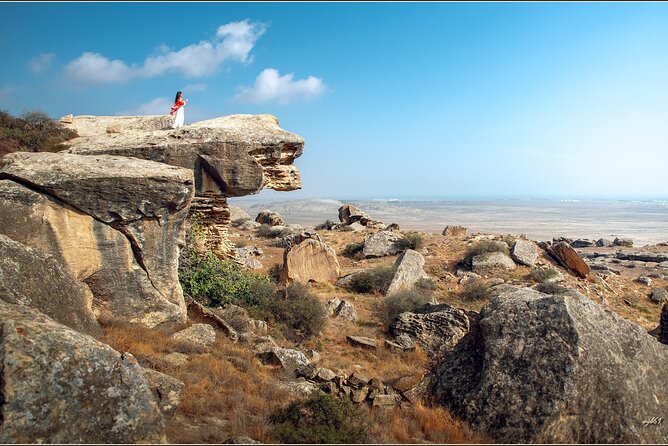
Gobustan is where the tour gives you real breathing space—around 1 hour with the admission ticket included. This open-air museum is described as one of the world’s most famous archaeological reserves, with a huge collection of priceless historical artifacts.
If you’ve ever been disappointed by rock art stops that feel tiny or rushed, this timing is a big deal. You get enough time to actually look. The open-air setting also helps: you’re not boxed into a room, so the site feels connected to the landscape around it, not separated from it.
What you gain here is perspective. Rock art is evidence of human presence and expression that predates modern narratives. Combined with the oil and fire sites later in the day, it gives your brain a longer timeline to hold.
One small drawback: because it’s open-air, your experience depends heavily on weather. The tour requires good weather, and that matters most when you’re walking and standing outside for an hour.
Ateshgah Fire Temple: Zoroastrianism Before the Flames Became a Story
Ateshgah Fire Temple is your religious-history stop that links directly to the region’s name: fire-worshipper temple. You’ll spend around 1 hour here, with admission included.
What makes this stop interesting is the timeline built into the explanation. The first structures of Ateshgah are said to date back to the 2nd and 3rd centuries, when Zoroastrianism spread in Azerbaijan and temples began to be built in regions. The Ateshgah temple at Surakhani is described as functioning until the 7th century, and Islam was adopted in Azerbaijan in the 7th century.
That is the core lesson: fire here isn’t just a spectacle. It’s part of a changing religious landscape—belief systems living side by side, then shifting over time.
If you’re hoping for a modern museum vibe, this stop may feel more like walking through time and structure than browsing exhibits. But if you want meaning behind the visuals, the guide’s explanation is what makes Ateshgah click.
Yanar Dag Flaming Mountainside: The Simple Science Behind the Big Fire
Yanar Dag (Yanardag) is the stop that people often talk about because it’s such a striking natural phenomenon. You get about 30 minutes, with admission included.
It’s described as a flaming mountainside that cannot be extinguished by rain or sand, and that has been burning for several millennia. The explanation is also refreshingly grounded: natural gas is released from the upper layers of soil, and when it meets oxygen, it turns into flames.
That’s why this stop feels like more than a photo opportunity. You’re watching a process, not just an illusion. And it connects back to other parts of the day. Oil history, underground geology, natural gas—this region’s energy story isn’t confined to one industry. It’s embedded in the ground.
A practical note: 30 minutes can be enough to see what you came for without rushing. If it’s windy or conditions make viewing harder, you’ll still have time to absorb the area’s atmosphere.
Lunch and Vehicle Comfort: The Details That Make the Day Work
This tour includes lunch, and it’s one of those “small” inclusions that actually changes your day. When you’re packing multiple stops into one long outing, having food handled means fewer timing problems and less decision fatigue.
The vehicle is air-conditioned, which matters in Baku’s conditions. It also means you can recover between stops while your guide keeps the story going. Reviews commonly praise how guides kept people informed and how communication was smooth—some even highlight WhatsApp-style messaging before pickup and clear coordination.
Also, because the group is capped at 18, you’re less likely to feel lost. You can hear your guide and you have a better chance to understand what’s happening at each stop.
Price and Value: Is $60 Worth 9 Hours and Multiple Tickets?
At $60 per person, this tour is priced for convenience and built-in admissions. What you’re paying for is not just transportation. You’re paying for:
- A professional guide for about 9 hours
- Hotel pickup (selected hotels)
- Entry tickets at multiple sites
- Lunch
- Local taxes
- An air-conditioned vehicle
- A small group with more personal time
If you were to do these stops on your own, you’d be juggling tickets, timing, and transport logistics. Here, the itinerary handles it for you. And because this route includes several ticketed attractions, the included admissions matter.
The average booking window is about 14 days in advance, which is a hint that the tour tends to fill. If you’re set on the dates, it’s smart to book early.
Who Should Book This Baku Day Tour
This one is a good fit if you want a structured introduction to Baku’s surroundings without having to plan a route from scratch. It’s especially well-suited for:
- First-timers who want big landmarks across different themes in a single day
- People who like history explained clearly while still getting to see real sights
- Anyone who values included lunch and ticket handling
- Travelers who prefer a smaller group size (max 18)
If you’re the type who hates group pacing and wants total freedom, you may find the stop lengths feel short—especially at the World’s First Oil Well (10 minutes). And if motion sickness is a known issue, you should pay attention to that mud volcano stop.
Should You Book This Tour?
I’d book it if you want an efficient day that mixes Gobustan Rock Art, religious sites like Bibi-Heybat Mosque and Ateshgah, and the natural fire at Yanar Dag—without spending your time figuring out tickets and transport. The value comes from the included lunch and admissions, plus the small-group format that makes the guide’s explanations actually land.
Skip or reconsider if you know mud volcano viewing will make you feel sick, or if you dislike itinerary-driven pacing. Otherwise, this is a strong way to understand why Baku is called a place of fire and oil, not just a city with buildings.
FAQ
How long is the full day sightseeing tour?
It runs for about 9 hours, starting at 9:00 am.
What’s included in the price?
The tour includes a professional guide, entry tickets, lunch, local taxes, and hotel pickup for selected hotels, plus air-conditioned transport and a mobile ticket.
How much does it cost per person?
The price is $60.00 per person.
What are the main stops on the itinerary?
You’ll visit the World’s First Oil Well, Bibi-Heybat Mosque, mud volcanoes, Gobustan Rock Art, Ateshgah Fire Temple, and Yanar Dag.
Does the tour have a group limit?
Yes. The maximum group size is 18 travelers.
Are tickets and lunch included?
Yes. Entry tickets and lunch are included in the tour.
Is hotel pickup available everywhere in Baku?
Pickup is offered for selected hotels only.
When is the tour likely to be canceled?
The experience requires good weather. If it’s canceled due to poor weather, you’ll be offered a different date or a full refund.
Can I cancel for a refund?
Yes, you can cancel up to 24 hours in advance for a full refund. If you cancel less than 24 hours before the start time, it isn’t refunded.