REVIEW · DUBAI
Dubai: Evening Desert Safari with Camel Ride & Stargazing
Book on GetYourGuide →Operated by OceanAir Travels · Bookable on GetYourGuide
Sand turns into a stargazing classroom at night. This Dubai evening desert safari is built around wildlife in the dunes and real telescope astronomy, not just generic show-and-dance. Guides like Waqar Ahmed often keep the experience smooth and photo-friendly, with stops that make the ride feel more like a guided adventure than a tourist bus detour.
I also like how the camp pacing slows down: tea, dates, falcon and horse meet-and-greet, then sandboarding, a moonlit camel ride, and finally a stargazing session with Bedouin sky navigation stories. The one thing to watch for is weather—stargazing is dependent on clear skies, so if clouds roll in, you’ll still get the program, but the sky highlights can be less dramatic.
In This Review
- Nature, Falcons, and Real Telescopes: Key Reasons This Safari Works
- Why This Dubai Desert Safari Feels Different at Night
- Pickup, 4×4 Ride, and the First Desert Viewpoints
- The Scenic Dune Stops: Sunset Colors and Wildlife Scanning
- Al Marmoom Oasis: Welcome Tea, Sandboarding, Falcons, and Horses
- Sand to Stardust: Camel Ride by Night with Oil Lamps
- Wildlife Walks and Desert Birds: What You’re Actually Looking For
- Stories & Stars: Telescope Stargazing and Bedouin Sky Navigation
- Optional BBQ Dinner: When to Choose the Extended Package
- Price and Value: Why $49 Can Make Sense Here
- What to Bring and How to Plan Your Timing for the Best Night Sky
- Guides Matter: The Small Things That Make the Evening Feel Safe
- Who This Safari Is Best For (And Who Should Skip It)
- Should You Book This Dubai Evening Desert Safari with Camel Ride and Stargazing?
- FAQ
- How long is the Dubai evening desert safari?
- Is pickup and drop-off included, and where does it pick up?
- What activities are included in the camp?
- Is stargazing guaranteed?
- What should I wear for sandboarding and the desert?
- Can kids ride the camel?
- Who should not join this tour?
Nature, Falcons, and Real Telescopes: Key Reasons This Safari Works
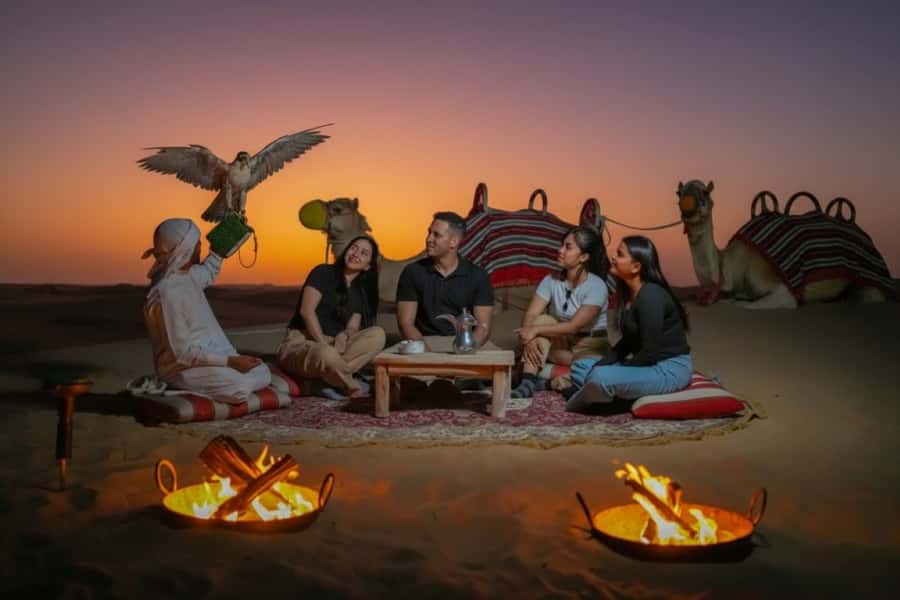
- Stars-first stargazing with high-powered telescopes, plus Bedouin star navigation stories
- Small-group vibe with desert activities spread out away from the most crowded camp scenes
- Wildlife spotting by walk and viewpoints, including gazelles and Arabian oryx
- Al Marmoom Oasis stop with sandboarding and a greener desert photo backdrop
- Moonlight camel ride across the oasis area with traditional oil lamps
- Photo stops at sunset timed for golden dune colors (available on 5:00PM slots)
Why This Dubai Desert Safari Feels Different at Night
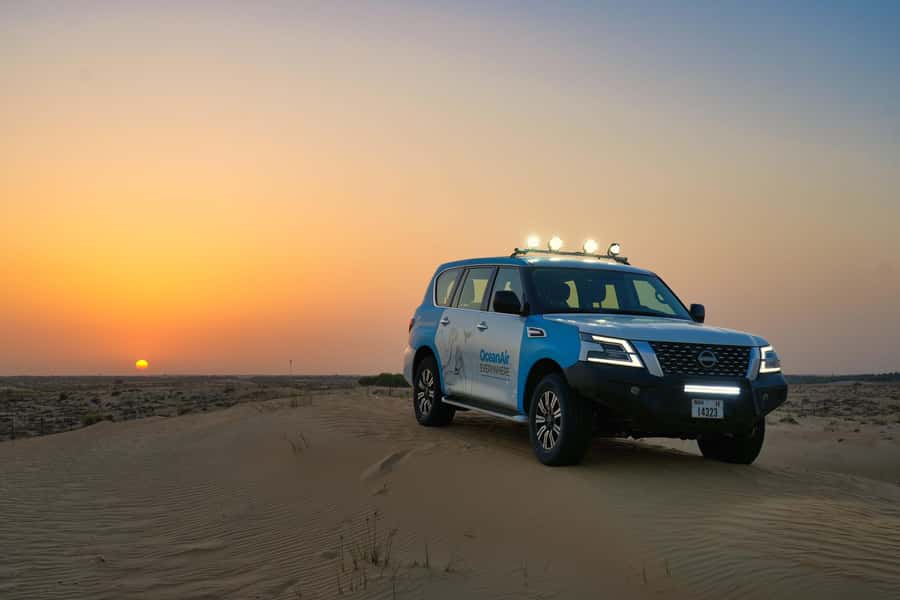
Most Dubai desert safaris follow the same rhythm: dune bashing, dinner, a show, then you’re back in the car. This one leans into something more interesting for a night trip—you get nature and astronomy woven into the evening.
The value is in the order. You see the dunes at sunset, then you transition into camp-time activities that don’t feel rushed. By the time you reach the telescopes, your brain is already in night-mode—cooler air, darker skies, and fewer distractions. It makes the astronomy piece feel earned, not tacked on.
And yes, there’s fun stuff too: sandboarding down dunes, meeting an Arabian falcon, and a moonlit camel ride. But the big draw for me is that astronomy here is treated like a guided experience, with Bedouin storytelling that explains how the night sky served as a map.
You can also read our reviews of more tours and experiences in Dubai.

Pickup, 4×4 Ride, and the First Desert Viewpoints
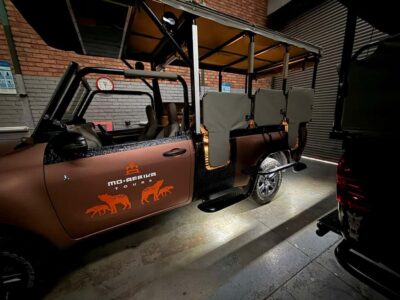
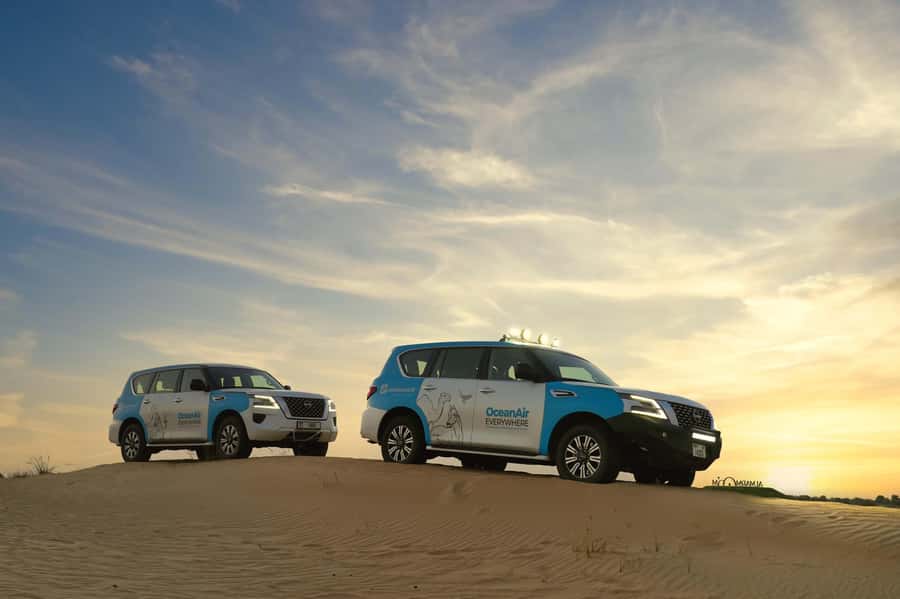
Your evening starts with hotel pickup in an air-conditioned 4×4. You’ll likely have around a 45-minute drive out to the desert area, with enough time for your licensed safari captain/guide to set the tone.
During the ride, expect:
- quick orientation on Bedouin life and traditions
- photo opportunities at the viewpoints on the way in
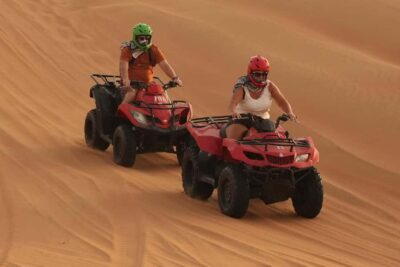
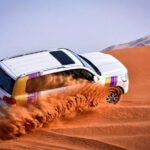
- dune-bashing in the rolling sands after you’ve reached the Red Dunes area
This matters because dune driving can go from fun to exhausting fast if you’re stuck in a long stretch without stops. Here, the plan includes viewpoint stops so you’re not just bouncing the whole time. Guides in past groups—like Humayun—tend to manage the pace well, keeping it safe while still making the ride thrilling.
The Scenic Dune Stops: Sunset Colors and Wildlife Scanning
Before you reach the camp, you’ll pause for scenic dune viewpoints. This is your golden-hour moment: the sun drops low and the sand turns warm and photogenic. The tour also includes wildlife viewing along the dunes.
You may spot animals such as:
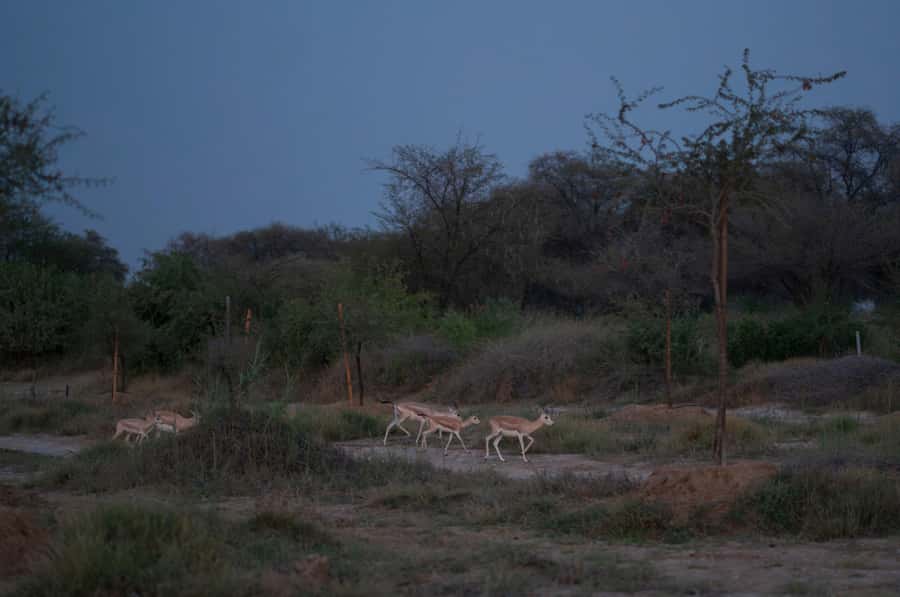
- swift oryx and gazelles darting through bushes
- desert birds during scanning and short pauses
Here’s the practical trick: bring your phone camera with low-light mode ready, and don’t burn time constantly filming. Look first. If you chase video without scanning, you’ll miss the quick movement that makes wildlife watching in the desert feel special.
This is one of the reasons people like this tour so much: you’re not only consuming the desert as a backdrop. You’re actually trying to read it—like habitat, movement, and open space are part of the experience.
Al Marmoom Oasis: Welcome Tea, Sandboarding, Falcons, and Horses
Once you arrive at the camp, you get a proper Arabian welcome: Arabic tea or coffee, dates, chilled water—simple and comforting after the drive. Then the camp introduces several activities that break the evening into manageable chunks.
What happens here:
- Sandboarding under the night build-up (with guidance for safe form)
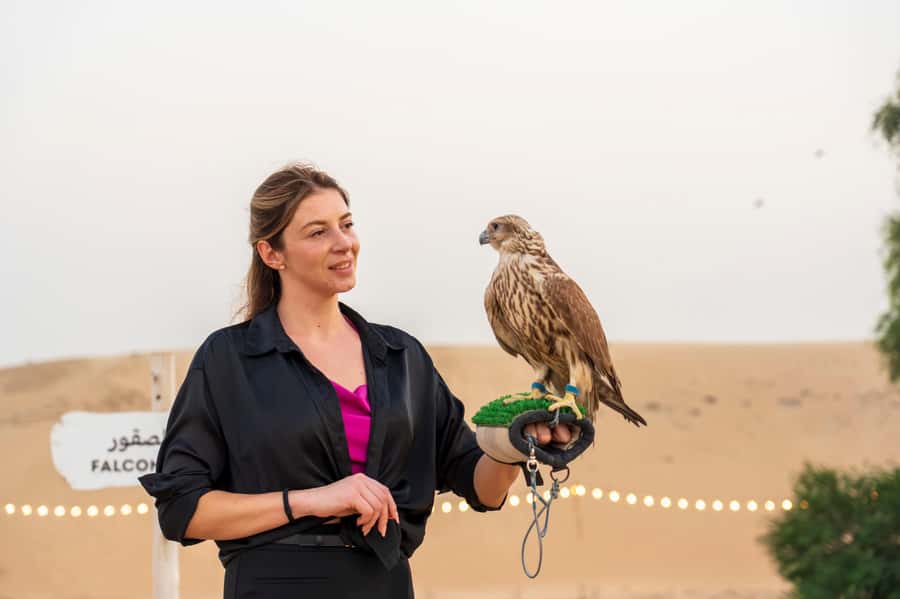
- photo moments with a resident Arabian falcon and majestic horses
- downtime and refreshments so you’re not sprinting between activities
This is also where the location feels different. The camp is set at Al Marmoom Oasis, meaning you get greenery in the middle of the desert. That contrast makes photos pop: golden dunes in the background, darker silhouettes up close, and the oasis greenery creating depth.
One practical note: sandboarding can be tougher than it looks. The tour advises sports shoes for safe boarding. If you wear flip-flops or slippery sandals, you’ll feel it fast—sand is not a forgiving surface.
Sand to Stardust: Camel Ride by Night with Oil Lamps
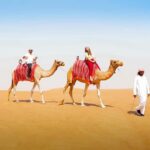
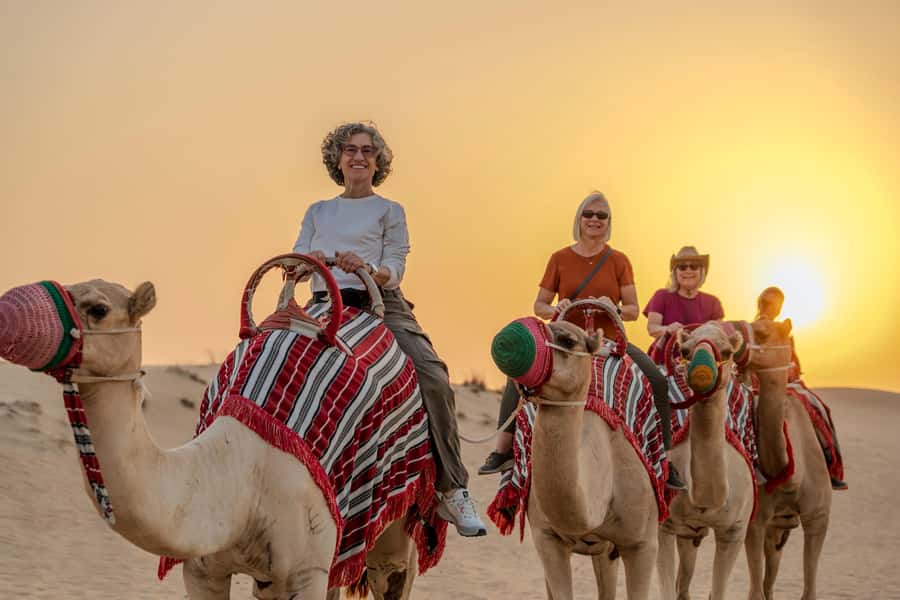
After sandboarding and the animal moments, the experience slows down in a good way. You’ll have a chance for a moonlight camel ride across the oasis, described as gentle and more like the Bedouin-style travel route than a fast thrill ride.
You’ll also get a traditional touch: you hold oil lamps during the ride. That small detail changes the mood. With the dunes dark and the lights glowing, it feels less like a theme park and more like walking into a story.
Some groups also add a fun extra step: a walk-in-the-dark moment that’s described as a thrill and a popular photo opportunity. If you’re the type who likes a little adrenaline at night, this usually lands well because it breaks up the calm.

Wildlife Walks and Desert Birds: What You’re Actually Looking For
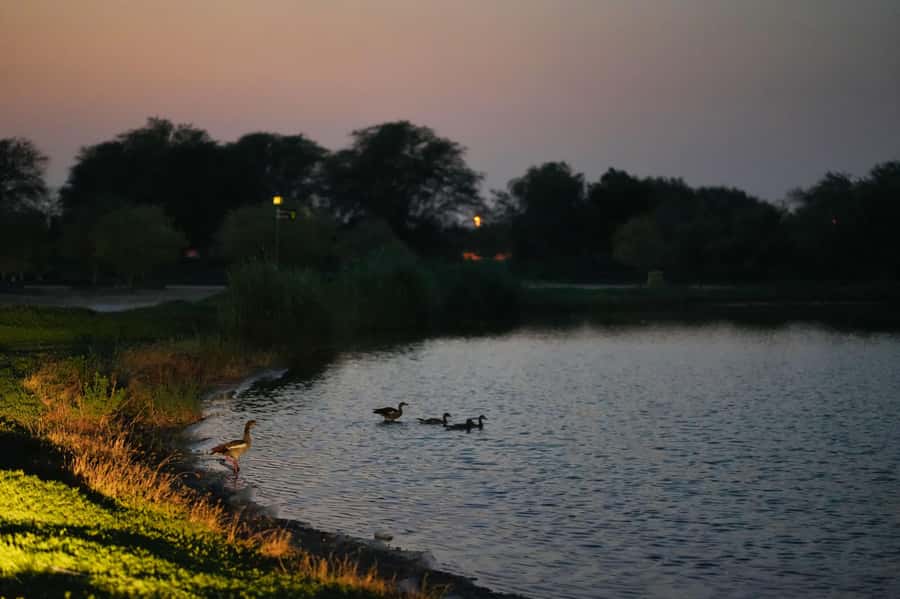
The itinerary includes a guided wildlife walk. This is not just a random “stroll for photos.” The tour specifically calls out the chance to spot desert animals and birds such as:
- peacocks and flamingos
- migratory birds
- guinea fowl, ducks
- gazelles and Arabian oryx
Why this matters: wildlife spotting at night is hit-and-miss everywhere. But a guided walk helps you notice signs—movement patterns, how animals react to light, and where they tend to pause.
The oasis setting also helps. You’re not only scanning barren sand; you’ve got vegetation and water-adjacent habitat patterns. That makes it more likely you’ll see birds or animals moving rather than only hearing them.
Stories & Stars: Telescope Stargazing and Bedouin Sky Navigation
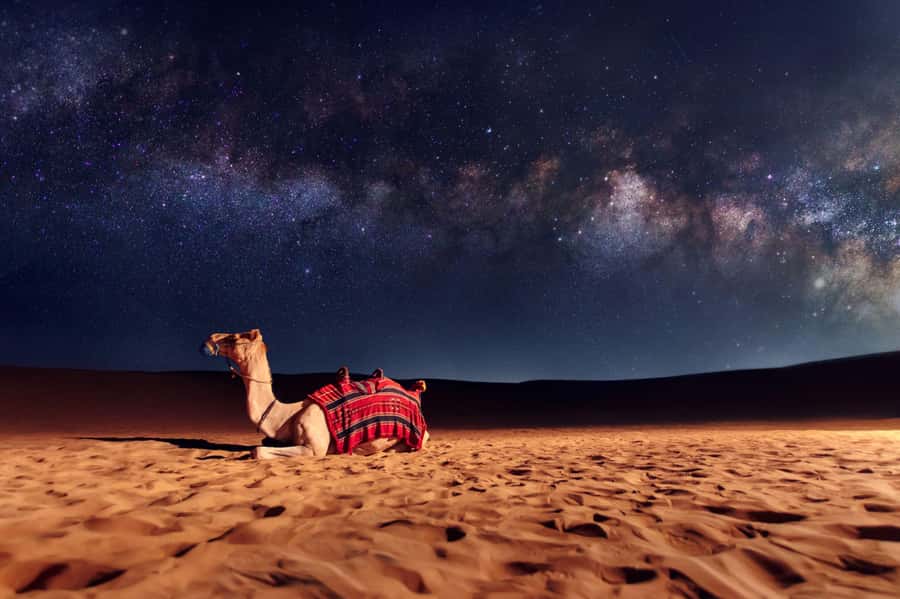
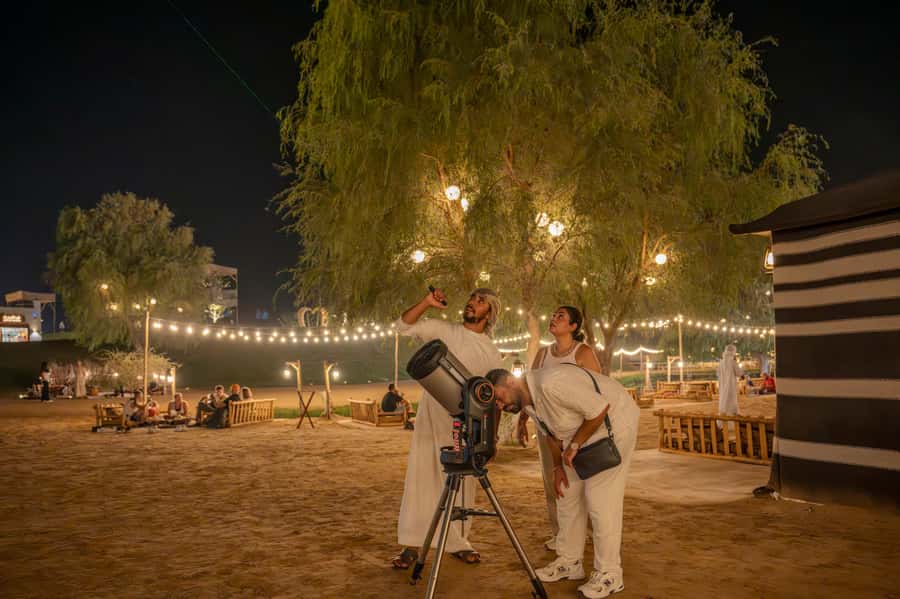
This is the moment you’re really paying for: the Stories & Stars session. As the night deepens, you’ll gather for:
- guided stargazing with high-powered telescopes
- a Bedouin star navigation demonstration, using the night sky as a map
The astronomy here isn’t just point-and-stare. The Bedouin navigation stories add context, which helps you understand why certain stars were so important for travel before modern tools.
The tour also highlights that stargazing is weather-dependent. On clear nights, people have even spotted planets and details like Saturn’s rings through the telescopes. On cloudy nights, you’ll still be led through the program—but the sky show won’t look the same.
If you care about astronomy photos, your guide may also share low-light photography tips so you can capture the sky better. And if you’re traveling solo, you’ll often find guides are willing to help with photos—some guides like Waqar Ahmed are known for stopping for shots and helping independent travelers too.
Optional BBQ Dinner: When to Choose the Extended Package
There’s an extended option that adds an authentic Bedouin dinner after camp activities. If you pick it, you’ll stay a bit longer while you refuel.
How I’d think about this choice: if you’re the kind of person who wants one “main meal moment” without rushing back to your hotel, the extended dinner can feel more complete. If you’d rather keep the whole evening tighter and just focus on the sky, you might prefer the shorter plan.
Either way, you’ll be in the desert at night, moving through activities in a smooth sequence. And for a $49-per-person price point, the biggest value is that you’re not only buying entertainment—you’re buying transport, animals, sand activities, and telescope astronomy in one ticket.
Price and Value: Why $49 Can Make Sense Here
At around $49 per person for a 4–5 hour evening, the math works when the experience includes real guided components—especially stargazing with telescopes.
Here’s the value breakdown in plain terms:
- You’re paying for pickup and drop-off in air-conditioned 4×4 transport
- you get licensed guidance plus multiple activities (falcon, sandboarding, camel ride)
- you’re also paying for a telescope-based astronomy session, which is more specialized than most camp tours
You can find cheaper desert safaris in Dubai, but they often trade away the astronomy or reduce the guided nature-watching. This one keeps the evening structured around night-sky viewing, which is hard to fake and expensive to deliver well.
If you want an evening that feels different from the standard desert-dinner formula, this is one of the better bets for the money.
What to Bring and How to Plan Your Timing for the Best Night Sky
This tour is built around night conditions, so a little preparation improves the experience a lot.
Bring:
- sports shoes for sandboarding
- a light jacket if you’re visiting in the cooler winter months (evenings can be around 20–25°C)
- loose, casual clothing for comfort, especially in warmer months
- a way to keep your phone warm (batteries drain faster in the cold, and desert nights can surprise you)
Timing tip: sunset photo stops depend on the 5:00PM time slots, so if you want those specific golden-dune photos, choose the 5:00PM option.
And keep your expectations realistic about the sky: clear nights are when you’ll get the most dramatic telescope views. On less perfect nights, you’ll still get the camp activities and the guided stories, but the visible sky features will be limited by weather.
Guides Matter: The Small Things That Make the Evening Feel Safe
This experience is heavily guide-driven. The best evenings tend to be led by someone who balances safety, storytelling, and timing.
In recent groups, guides like:
- Asef stood out for making dune driving feel like controlled fun (not chaotic)
- Lucky helped keep the energy up and made the camp feel easy to navigate
- Humayun managed the pace calmly, with safe driving and clear explanations
- Adele Awan and others were praised for extra camp atmosphere when the schedule allowed
You’ll feel these differences in the flow: where the car stops, how you’re guided during sandboarding, and how much time you get to settle in before the telescope session.
If you’re nervous about the desert driving, pick the option where the group is small or private. The tour data also notes private or small groups, which often translates to fewer bottlenecks when you’re switching between activities.
Who This Safari Is Best For (And Who Should Skip It)
This tour is especially good for you if:
- you want a night desert safari with more than just a show
- stargazing is a real interest (telescopes and Bedouin sky navigation matter to you)
- you like animals and guided wildlife spotting
- you want a more paced evening: sandboarding → camel ride → sky session
It’s not suitable if you:
- are pregnant
- have back problems
- have heart problems
Also, camel riding has a child guideline: children under 12 can’t ride alone and must be accompanied by an adult. If you’re bringing kids, plan around that so everyone stays comfortable.
Should You Book This Dubai Evening Desert Safari with Camel Ride and Stargazing?
If you want a Dubai desert night that feels like a guided nature walk plus a real astronomy session, I’d book it. The telescopes, Bedouin star navigation stories, and the calmer camel ride make it more memorable than a typical “dune bashing + dinner” template.
I’d only hesitate if your travel dates often bring cloudy skies (because stargazing depends on weather). But even then, the camp side still has enough to enjoy: sandboarding, falcon and horses, wildlife walks, and a moonlit ride with oil lamps.
For value at roughly $49, this is one of the more convincing ways to experience Dubai at night—when the desert goes quiet and the sky turns into the main event.
FAQ
How long is the Dubai evening desert safari?
The tour runs about 4–5 hours.
Is pickup and drop-off included, and where does it pick up?
Yes. Pickup and drop-off are included from selected areas and hotels/apartments, with multiple pickup options including Downtown Dubai, Deira, Ajman, and Sharjah.
What activities are included in the camp?
You can expect an Arabian welcome with tea/coffee and dates, sandboarding, a camel ride option, a falcon experience, and a stargazing session with telescopes. A wildlife walk and moonlit desert activities are also part of the evening.
Is stargazing guaranteed?
It’s weather-dependent. On clear nights, the telescopes can reveal impressive views, but clouds can limit what you can see.
What should I wear for sandboarding and the desert?
Wear sports shoes for safer sandboarding and choose loose, casual clothing. A light jacket can help in cooler months.
Can kids ride the camel?
Children under 12 can’t ride alone and must ride with an adult.
Who should not join this tour?
The tour is not suitable for pregnant women, people with back problems, or people with heart problems.