REVIEW · FEZ
Fes: Best Fez to Marrakech via Merzouga Desert Dunes, 3 Days Tour
Book on Viator →Operated by Marrakech City Life · Bookable on Viator
Desert first, then Marrakech. I like this 3-day shared-group route because it strings together big scenery without you having to wrestle with connections, including camel trekking and a full night base around Erg Chebbi. It is one of those trips where you trade a lot of seat time for a lot of change in scenery.
I also love the way the days break up: Todra Gorge with a guided moment of scale, then UNESCO-grade Ait Ben Haddou with that classic Moroccan-set vibe. One drawback: you will spend serious hours in the car, and lunches (and drinks) are on you, so bring cash and snacks and don’t plan your day like you’re moving city-to-city by train.
In This Review
- Quick Hitters Before You Go
- Why This Fez to Marrakech Route Is Easier Than DIY
- Day 1 from Fez: Ifrane and Midelt Break the Drive Into Real Stops
- Azrou and the Ziz Valley: Small Stops That Change the Mood
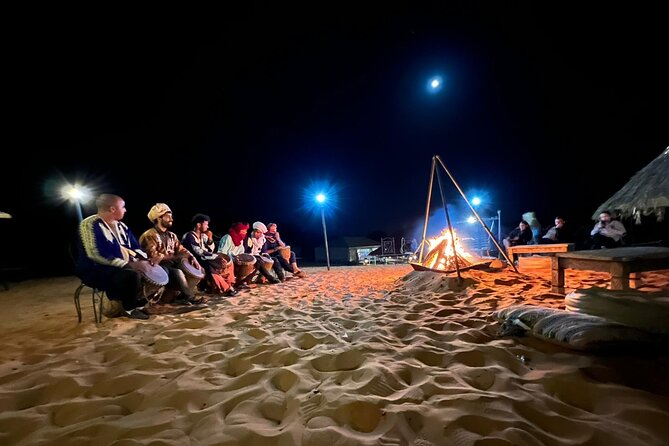
- The Erg Chebbi Night: Camel Time, Desert Camp, and What You Should Expect
- Desert Practicalities: Scarves and Timing Matter
- Day 2: From Merzouga to Dades, Todra Gorge, and Kasbah Roads
- Todra Gorge: Short, Guided, and Worth It
- Boumalne Dades and the Rose Valley Road
- Day 3: Roses, Rosewater Co-ops, Skoura Palms, and Ait Ben Haddou
- The Rosewater Stop: A Small Learning Moment
- Skoura Oasis and Date Palms on the Way to Ouarzazate
- Ait Ben Haddou: UNESCO, Film Sets, and How to Spend Your Time
- The Tizi n’Tichka Pass Into Marrakech: The Scenic Finish
- Price and Value: Is $220 Worth It for What You Get?
- The Real Value Trade-off
- Guides, Groups, and the One Thing That Can Make or Break It
- Who This Tour Fits Best (and Who Should Think Twice)
- Tips to Make the Desert-to-Marrakech Days Easier
- Should You Book This Fez to Marrakech Desert Tour?
- FAQ
- How long is the tour?
- Where does the tour start and where does it end?
- Is pickup from my hotel included?
- What is the maximum group size?
- What’s included in the price?
- Are lunch and drinks included?
- Do I visit Todra Gorge with a guide?
- Is Ait Ben Haddou guided?
- What kind of lodging do I get in the desert?
- Can I get a full refund if I cancel?
Quick Hitters Before You Go
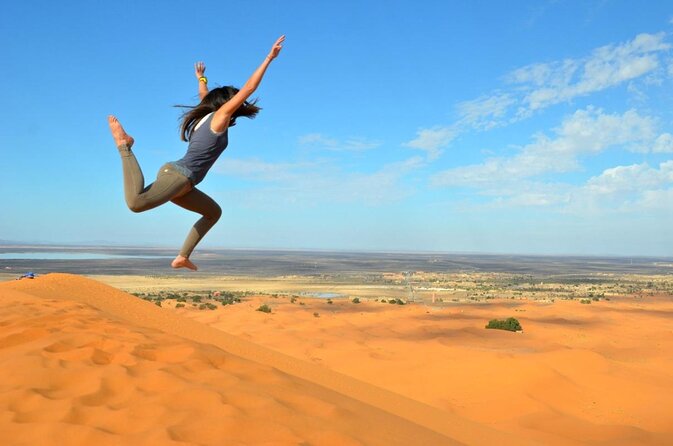
- Erg Chebbi dunes with a tent-night plus camel time, timed for big desert moments
- Atlas Mountain highlights like Ifrane, Azrou area stops, and the Tizi n’Tichka mountain pass
- Guided Todra visit so you get the right context in the gorge
- Ait Ben Haddou UNESCO stop with lunch and an optional local kasbah guide
- Rose Valley detours including a chance to learn rosewater and perfume making
- Group size stays small (max 17), which usually means easier logistics on a shared tour
Why This Fez to Marrakech Route Is Easier Than DIY
Fez to Marrakech sounds straightforward on a map. In real life, it is a chain of mountain roads, long distances, and a few stretches where you’d really rather not be negotiating transport on your own. This kind of shared tour solves that with an air-conditioned vehicle, pickup help, and a built-in pacing that keeps you moving through Morocco’s central and eastern highlights.
You also get value in the parts that are hard to book cleanly when you’re independent: the Erg Chebbi desert overnight, the camel trekking, and the sequence of stops that makes sense for daylight and travel time. The trip ends in Marrakech late afternoon, so you’re not stuck backtracking to the same city.
That said, this is not a “see three places and relax” tour. It is a “see a lot of Morocco fast” tour. If you hate long drives, you’ll feel them.
You can also read our reviews of more tours and experiences in Fez.
Day 1 from Fez: Ifrane and Midelt Break the Drive Into Real Stops
The day starts early, with pickup from your hotel or a meeting point. You’ll depart around 8:00 AM, and the morning is built to get you out of Fez while still giving you a payoff stop.
First up is the pass through Ifrane, a winter ski resort created by the French in the 1930s and styled to resemble a Swiss village. It is a strange little contrast after Fez’s medina energy. If you like odd contrasts, this is a good one: European-looking streets in the middle of Morocco.
Next is Midelt, where you stop for lunch. The area is known for fossils and rocks, and it is also tied to apple country, which makes the stop feel more specific than a random fuel break. This is also the point where you shift from “cooler mountain zone” vibes into the longer approach toward the desert.
Then the route keeps rolling toward Erg Chebbi. The drive time toward the dunes is listed at about 8 hours for this day segment, which tells you what the tour is built around: long scenic transit days with meaningful stops rather than short hops.
Azrou and the Ziz Valley: Small Stops That Change the Mood
Along the way, you pass through the Azrou area for photos and views, including a chance to spot monkeys. The description also points out snow-covered mountain views as part of the region’s appeal (so if conditions allow, you may catch that wintery look).
You also stop for a viewpoint tied to the Ziz Valley, which is known for dates. It is not the kind of stop that lasts forever, but it gives you a sense of how food crops shape the geography here—green pockets and palms cutting into the bigger stretches.
Bring snacks and keep your water handy. Lunch is included on this day’s stop, but drinks are not, and desert-and-mountain roads always seem to come with extra thirst.
The Erg Chebbi Night: Camel Time, Desert Camp, and What You Should Expect
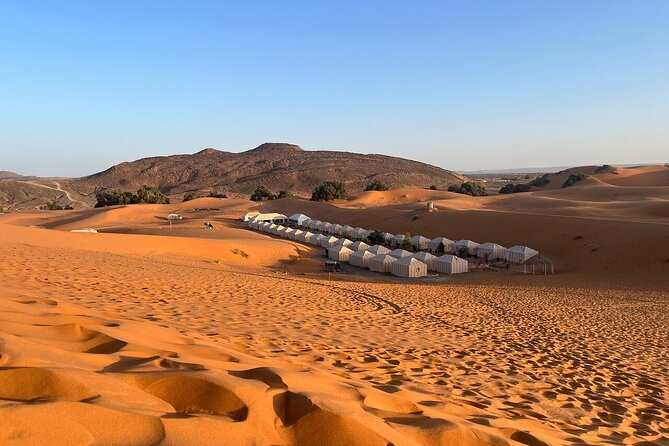
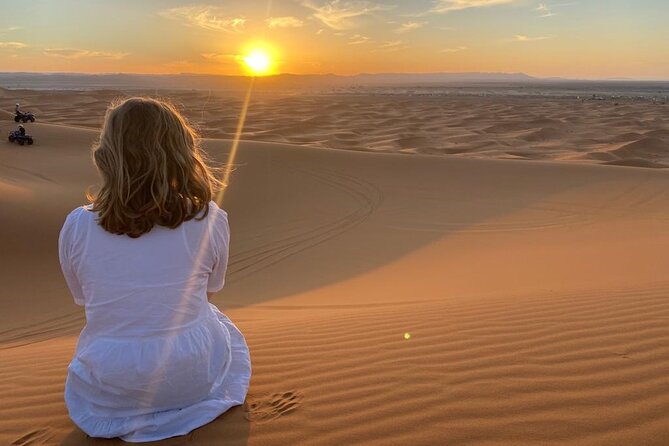
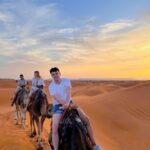
The best part of this whole itinerary is usually the first true desert block. After an early start, you’ll have breakfast and then head for the camel ride to the camp lodge. This is the core “why you came” moment, but it helps to manage expectations.
The camel ride itself is not described as an all-day ordeal in the available details. In past groups, camel time has been experienced as roughly 1/2 to 3/4 of an hour going in and similar time coming out. That is still plenty for getting the feel of the dunes and arriving for the night’s desert rhythm.
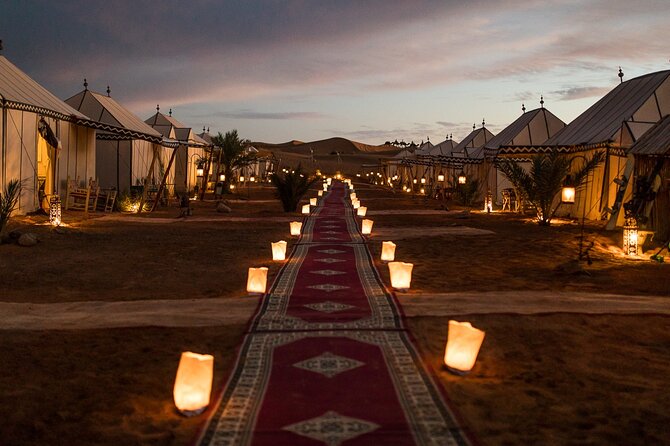
At the camp, you’ll sleep in a tent setup around the dunes. Reviews point out that accommodation quality can vary depending on whether you chose economy or luxury options. One important caution from the feedback: there can be confusion about upgrades, and sometimes the second night ends up the same for everyone in the group regardless of what was chosen. If the camp category matters to you, double-check what you booked and what “upgrade” actually changes.
Desert Practicalities: Scarves and Timing Matter
You should plan for wind. You will be happier with a scarf for dust and for warmth when the air cools after sunset. Also, bring some patience for the rhythm of dinner and camp timing, because once you’re out near the dunes, the day is about being present, not about squeezing in extra sightseeing.
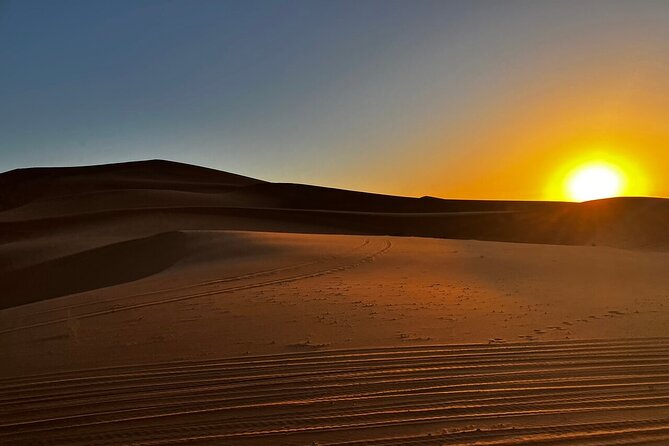
If you’re chasing big light moments, prioritize the basic desert timing: sunrise and sunset are the obvious wins here. The trip is built to reach the dunes in time for that kind of payoff rather than arriving after dark.


Day 2: From Merzouga to Dades, Todra Gorge, and Kasbah Roads
Day 2 is your “mountains plus drama plus gorge” day. After early breakfast and the desert morning flow, you travel from Merzouga toward Dades Gorges.
This is where the trip gets scenic in a different way than Day 1. You’ll see more rugged mountain views, changing vegetation, and the kind of roads that feel like Morocco’s got a sense of timing: curve, pause, look, curve again.
Todra Gorge: Short, Guided, and Worth It
The tour includes a guided visit to Todgha/Todra Gorge. The listing shows about 40 minutes for this stop, and that’s not long in the grand scheme, but a guided approach helps you understand what you’re looking at rather than just snapping photos and walking.
It is a classic gorge moment: steep rock walls, tight space, cool air compared to the open desert, and that feeling that water carved something enormous long ago.
If you want more than pictures, come with comfortable shoes and a willingness to move a bit. The payoff here is in the scale.
Boumalne Dades and the Rose Valley Road
You’ll also stop at Boumalne Dades for photos, then continue along toward the Dades Roses Valley. This portion of the trip is sometimes described as a road of kasbahs, which makes sense: stone-and-mud architecture appears in ways that feel lived-in rather than staged.
By late afternoon, you’ll reach your guest house/boutique lodging for dinner and overnight. The location is listed as either Kelaat Mgouna in the Dades Valley or Ouarzazate, depending on availability. That flexibility is useful, but it also means you should not expect the same exact base if you’re traveling with very specific lodging preferences.
Day 3: Roses, Rosewater Co-ops, Skoura Palms, and Ait Ben Haddou
Day 3 starts with another transition day: breakfast, then driving through the Valley of the Roses toward Kalaa Mgouna. It is a gentler-feeling morning compared to the gorge and desert blocks, with more agricultural atmosphere.
The Rosewater Stop: A Small Learning Moment
The tour includes a chance to visit a rosewater cooperative. You learn how locals prepare rose-scented perfumes based on distilled rose water. This stop is short in the schedule (around 30 minutes), but it is one of those experiences that adds meaning. You are not just collecting sights; you’re seeing how a product becomes a tradition.
If you care about food, scent, and craft, this is the kind of stop that sticks in memory because it is practical and human-scale.
Skoura Oasis and Date Palms on the Way to Ouarzazate
As you drive on toward Ouarzazate, you pass Skoura oasis, famous for its date palm trees. You get that “green pocket” feeling again, which is helpful because it breaks up the mental load of nonstop stone and sand.
Ait Ben Haddou: UNESCO, Film Sets, and How to Spend Your Time
Your next major anchor is Kasbah Ait Ben Haddou, a UNESCO world heritage site used as a set for multiple movies and other productions. The schedule includes lunch and a visit to the kasbah complex.
One practical note: the listing says the kasbah guide is not included and gives a cost of 2€ per person for the guide. If you like context, it can be worth it, because a good guide turns a photo stop into something you can actually picture in time—who built it, how it held life, and why it became a go-to filming location.
Give yourself space to wander a bit. Even if you’re rushing, this is one place where you’ll naturally slow down.
The Tizi n’Tichka Pass Into Marrakech: The Scenic Finish
In the afternoon, you start the descent through the Atlas Mountains via the Tizi n’Tichka pass. There are photo stops along the way, plus pass-by views of Berber villages where houses are built with stone and mud.
This portion of the day matters because it’s where Morocco looks mountainous and vast in one frame. You’re not stuck in cities. You’re seeing the “how did people live here?” geography.
Finally, you arrive in Marrakech late afternoon and transfer to your riad or hotel. That late-day arrival is convenient because it keeps you from needing another night on the road. You also get a clean handoff, which is nice when you are already tired from driving.
Price and Value: Is $220 Worth It for What You Get?
At around $220 per person, this tour sits in the “good deal if you want the whole package” category. Here’s what you’re effectively buying:
- Transport in an air-conditioned vehicle across long distances
- Camel trekking tied to the Erg Chebbi overnight
- Two breakfasts and two dinners included
- Two nights accommodation (one in the desert camp area, plus the second night depending on availability)
- A group setup capped around 17 people, which keeps the bus feeling manageable
What is not included is equally important:
- Lunches and drinks are not included
- Ait Ben Haddou kasbah guide is listed as an add-on (2€)
- You will likely need to budget for extra bottled water and drinks on the road
Based on feedback from similar groups, lunches commonly run around 120–130 dirhams for a three-course menu, with optional drinks adding more. One practical travel habit helps here: bring cash and don’t wait until you’re hungry and thirsty to make the money decision.
The Real Value Trade-off
You are paying for fewer decisions. You don’t have to stitch together desert transport, coordinate lodging, or time the return to Marrakech. The trade-off is that you cannot control pacing completely, and driving time is a real part of the deal. If you’re okay with that, the price feels fair.
If you want a low-stress, stop-and-stroll itinerary, you might find this route a bit intense.
Guides, Groups, and the One Thing That Can Make or Break It
A tour like this lives and dies by the people steering it. Names that have appeared in this tour’s feedback include Ayoub, Yosef, Hamza, Omar, Abdul, Hasan, Iddir, Jawd, and Hesham. Across those accounts, the repeated theme is that good guides keep things moving, explain what you’re seeing, and make the long drive feel less like punishment.
It also helps that the group size is capped at 17, which tends to keep schedules from turning into chaos. Some groups have highlighted how the shared group vibe makes it easier to manage the day-to-day.
One caution: organization and communication can be uneven. Some people reported slow replies when they messaged and issues around lunch logistics or accommodation upgrades. My practical advice is simple: message early if you have questions, then confirm the next-day pickup details the evening before with the contact you’re given.
Who This Tour Fits Best (and Who Should Think Twice)
This is a strong pick if you want:
- A desert overnight without the planning headache
- A single package that connects Fez and Marrakech with meaningful stops
- You enjoy roads and scenery even if it means long days
It might be a weaker fit if you:
- Want minimal driving and lots of free time
- Hate add-on costs for lunch and drinks
- Need strict certainty about upgrade levels and accommodation category
Also, consider season. If you’re going when desert nights are cold, your scarf and layers will matter. If you’re going when it’s hot, you’ll care more about airflow in accommodations (some feedback suggests air conditioning can be a key difference between economy and luxury options).
Tips to Make the Desert-to-Marrakech Days Easier
These are the small moves that keep the tour feeling smooth:
- Pack a scarf for dust and warmth during desert time
- Bring snacks for long drives between included meals
- Budget cash for lunches and drinks since they are not included
- Bring a simple camera setup and expect lots of photo stops
- If you booked a specific camp tier, confirm what that tier changes
- Keep some flexibility in your plans. Lunch stops can eat time, and the day still needs to move
If you follow that, you’ll spend less energy worrying and more energy actually seeing Morocco move past your window.
Should You Book This Fez to Marrakech Desert Tour?
I’d book it if you want a “big Morocco sampler” that covers the Atlas Mountains, desert dunes, a major gorge, rose country, and Marrakech in just three days—without DIY logistics. The biggest wins are the Erg Chebbi desert night, the camel trekking, and the fact that the route is designed to include real stops rather than pure driving.
I would think twice only if you’re sensitive to long car days or you hate paying extra for lunches and drinks. If that’s you, it may be worth looking for a slower format.
FAQ
How long is the tour?
It runs for about 3 days.
Where does the tour start and where does it end?
It starts in Fez and ends in Marrakech.
Is pickup from my hotel included?
Yes. Pickup is offered from your hotel or a meeting point.
What is the maximum group size?
The group size is capped at 17 travelers.
What’s included in the price?
An air-conditioned vehicle, camel trekking, 2 breakfasts and 2 dinners, and 2 nights of accommodation are included.
Are lunch and drinks included?
No. Lunches and drinks are not included.
Do I visit Todra Gorge with a guide?
Yes. There is a guided visit to Todgha/Todra Gorge included.
Is Ait Ben Haddou guided?
Ait Ben Haddou has a kasbah visit. Ait Ben Haddou kasbah guide is listed as not included for an extra cost.
What kind of lodging do I get in the desert?
You sleep in a tent in the Erg Chebbi dunes area, with the second night in a guest house or similar lodging depending on availability.
Can I get a full refund if I cancel?
You can cancel for a full refund up to 24 hours before the experience start time.