REVIEW · JERUSALEM
From Jerusalem: Masada&Dead Sea Tour INCLUDING ENTRANCE FEES
Book on GetYourGuide →Operated by Rent-a-Guide | est.1985 · Bookable on GetYourGuide
A long day, with two of Israel’s most striking stops. This Masada and Dead Sea tour pairs a cable-car climb to Herod’s desert fortress with real time in the Dead Sea for that famous float. You get a guided route that keeps the story clear, even when the sun is doing its best to cook everyone.
I especially like the way the day is paced: you start with an early-but-late hotel pick-up, then road-trip through the Judean hills before Masada. I also like that the guide handles the “why it matters” part well, walking you through what you’re actually seeing at Masada—walls, palaces, cisterns, mosaics, and even Roman baths. If you’re relying on this day for maximum beach time, the one watch-out is that the Dead Sea and Masada time can feel short depending on conditions and how the schedule lands.
In This Review
- Key Points You’ll Care About
- From Jerusalem to the Judean Desert: What the Road Trip Sets Up
- The Dead Sea Cosmetics Stop: A Detour That Might Pay Off
- Masada by Cable Car: Why This Shortcut Feels Worth It
- Herod’s Fortress: Walls, Palaces, Synagogue, Cisterns, and Roman Baths
- The Dead Sea Float: Time, Shore Conditions, and Footwear
- Your Guide Makes or Breaks the Experience
- Price and Value: Why $111 Can Be Reasonable Here
- What to Bring (So You Don’t Lose Time at the Wrong Moment)
- Who This Tour Fits Best (and Who Might Want a Different Option)
- Should You Book This Jerusalem to Masada and Dead Sea Tour?
- FAQ
- How long is the tour?
- Are entrance fees included?
- Is hotel pick-up included, and where does it cover?
- Does the tour include meals?
- Is there time to swim or float in the Dead Sea?
- What should I bring for the Dead Sea portion?
Key Points You’ll Care About
- Cable car up, ruins down: you skip the steep climb and still get sweeping views.
- Masada sights are specific: palaces, synagogue, cisterns, mosaic floors, and Roman baths are part of the walk.
- Dead Sea time is built in: you get a chance to float and swim, not just stop for photos.
- Footwear matters: bring waterproof sandals or plastic slippers for the shore.
- You’ll likely meet a strong guide: names like Lea, Dan, Sharon, Mali, Enrique, and Dani show up in guide reports for this route.
- Entrance fees are included: the price covers the key site entries, but meals are on your own.
From Jerusalem to the Judean Desert: What the Road Trip Sets Up
This is a full-day outing (about 10 hours) that starts with hotel pick-up in central Jerusalem, then heads south. You’ll ride through the Judean desert and hills, which is part of the fun because the scenery slowly shifts from city life to wide-open dry country.
Expect a mix of comfort and time on the bus. That matters because your day will be more enjoyable if you come prepared for a long sit—water, sunscreen, and a hat go a long way when the heat ramps up.
You can also read our reviews of more tours and experiences in Jerusalem.
The Dead Sea Cosmetics Stop: A Detour That Might Pay Off
On the way, you’ll stop at a Dead Sea cosmetics shop. The guide typically takes a moment to explain how the region’s minerals are used in products, so it’s not just a random sales stop—you’re given a quick “why” behind what you’re seeing.
Should you buy something? You don’t have to. If you’re curious, this can be a useful break, and you may find items you can’t easily get back home. If you’re not interested, keep your expectations simple: think “stretch and optional shopping,” not a highlight.
One more practical note: this stop can affect the rhythm of the day. If you’re the type who wants every minute at Masada and the Dead Sea, mentally budget a bit for these short side stops.
Masada by Cable Car: Why This Shortcut Feels Worth It
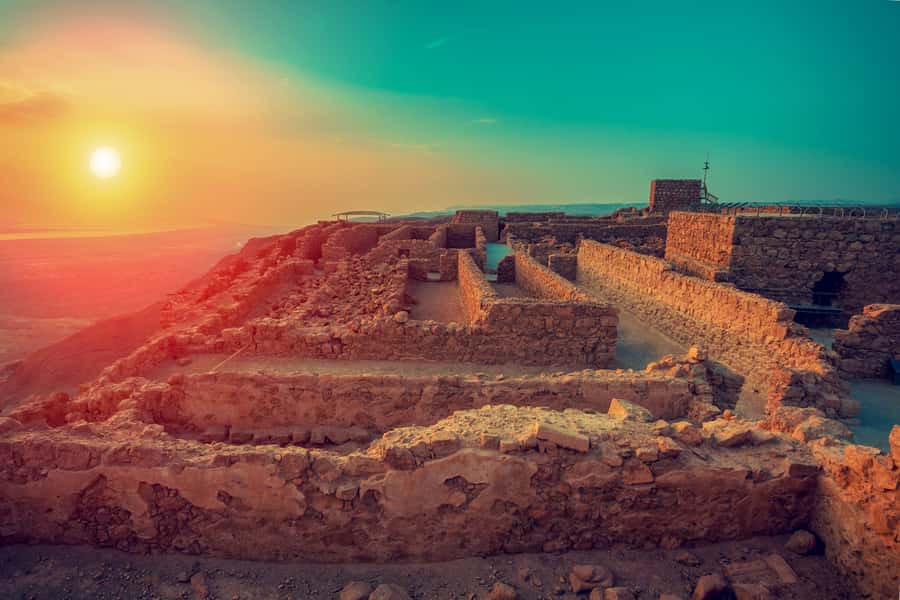
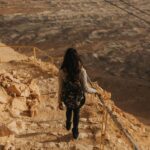
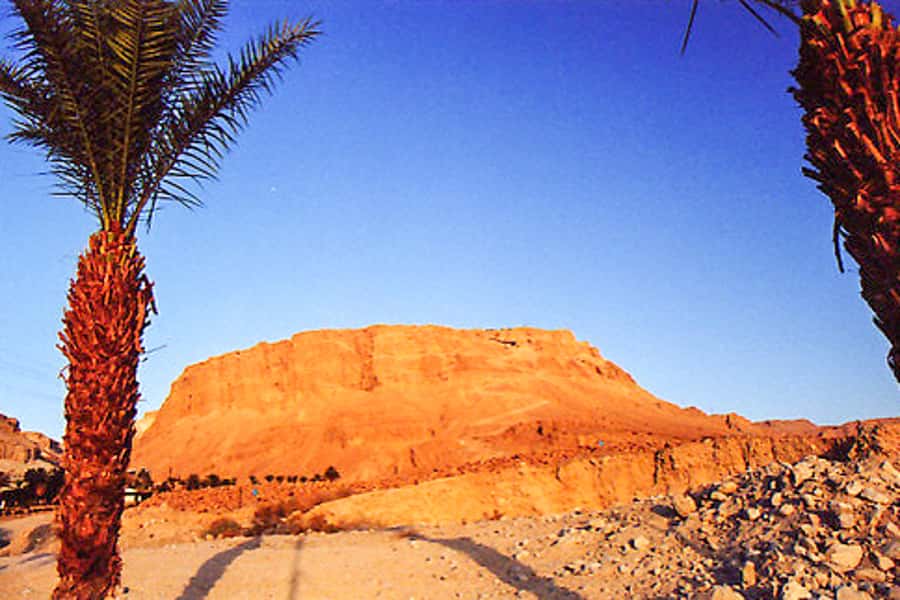
Getting up Masada by cable car is a big part of why this tour works well for a one-day visit. You trade an exhausting hike for an easier ascent, and you still get those dramatic views as the fortress comes into view.
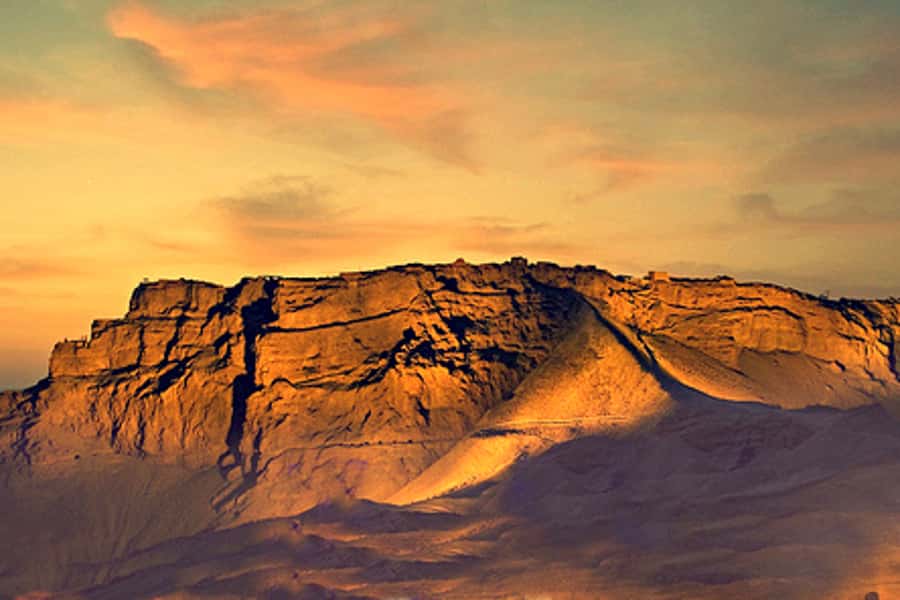
Once you arrive, your guide sets the historical scene. Masada is remembered for the last stand of the Zealots against Roman troops in the 1st century, and the way this story is told can change the entire experience of walking around ruins.
I like that the cable car also helps keep the day moving. If you’re traveling with limited time or you don’t want to gamble on a steep climb, this is a smart way to protect your energy for the guided walk.
Herod’s Fortress: Walls, Palaces, Synagogue, Cisterns, and Roman Baths
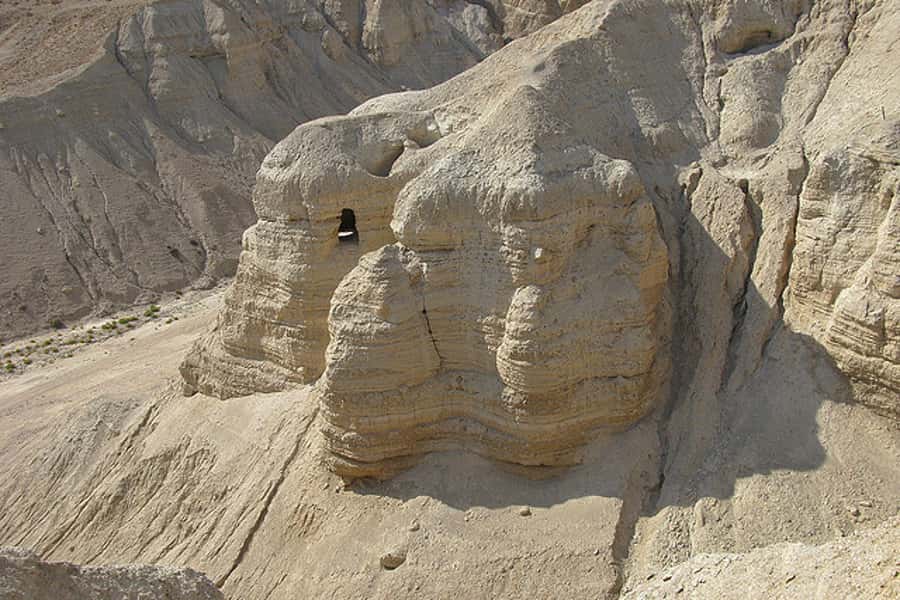
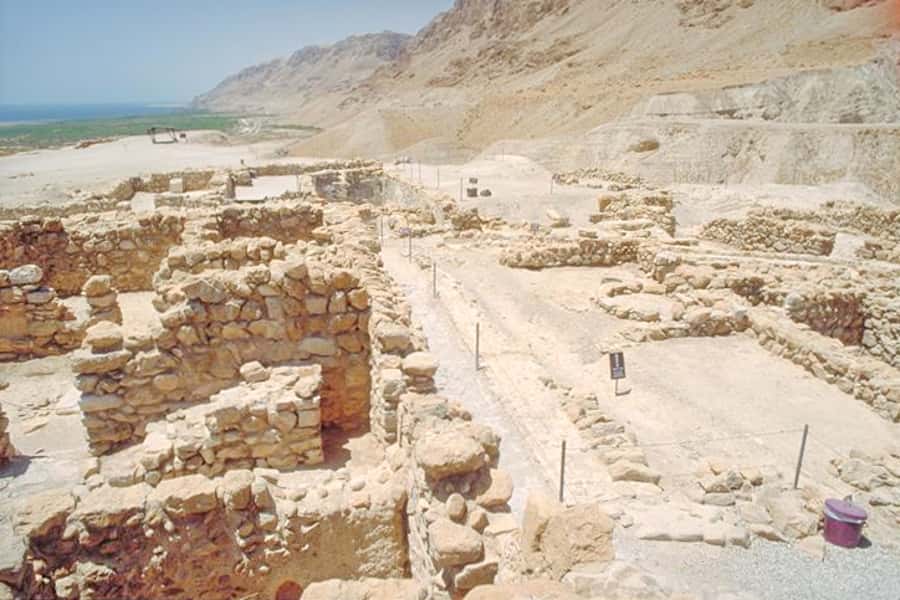
The heart of Masada is not one single building. It’s the way the site is laid out—how defensive walls, royal spaces, and everyday life features all sit inside one dramatic setting.
Here’s what you can expect to see as part of the Masada tour:
- Remains of the walls, which show how the fortress was designed to hold out
- Palaces built by King Herod, reflecting wealth and power
- A synagogue, which connects the site to Jewish religious life
- Water cisterns, one of the most important practical features for a fortress in the desert
- Mosaic floors, which bring a level of artistry you might not expect in this harsh environment
- Roman baths, a reminder that different cultures and influences overlapped here
Walking between these points gives you a clearer picture than looking at one viewpoint and calling it a day. And if you like ruins that explain daily life—water storage, living spaces, and public areas—Masada delivers.
The one downside: some people end up wanting more time on the mountain. On tight days, it can feel like you get the big stops but not enough slow wandering. If Masada is your top priority, accept that this is still a time-boxed tour and plan to focus on the guided route rather than trying to do everything independently.
The Dead Sea Float: Time, Shore Conditions, and Footwear
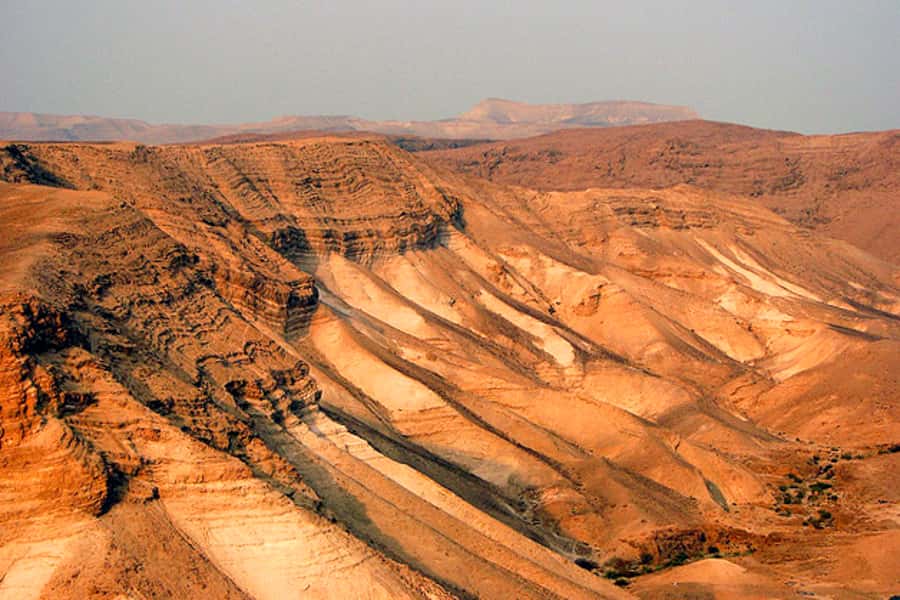
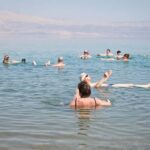
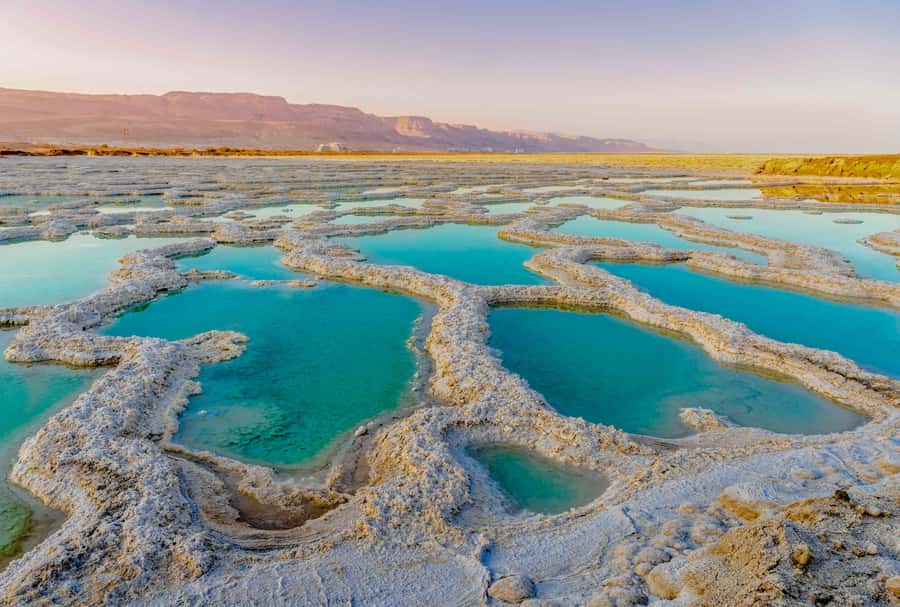
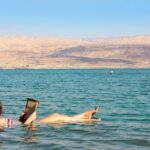
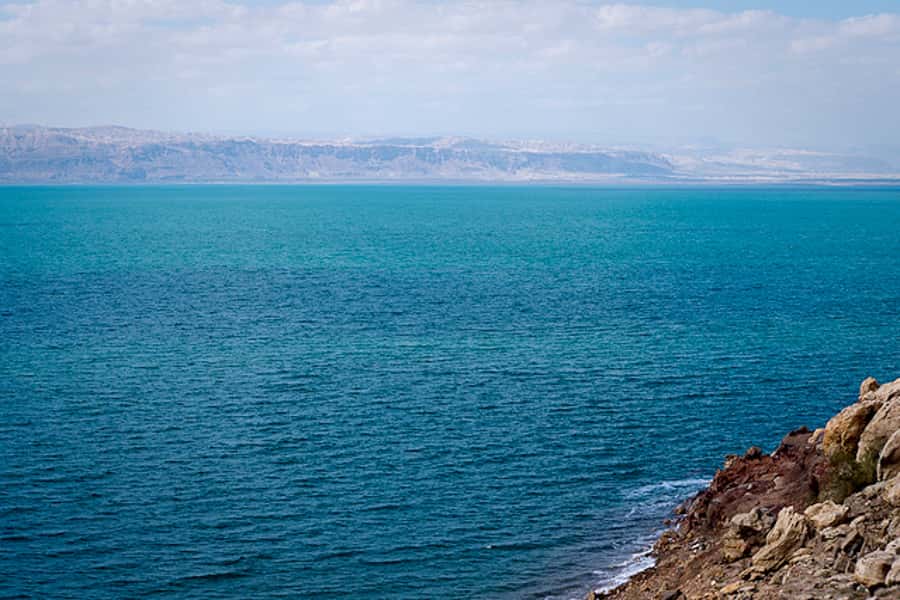
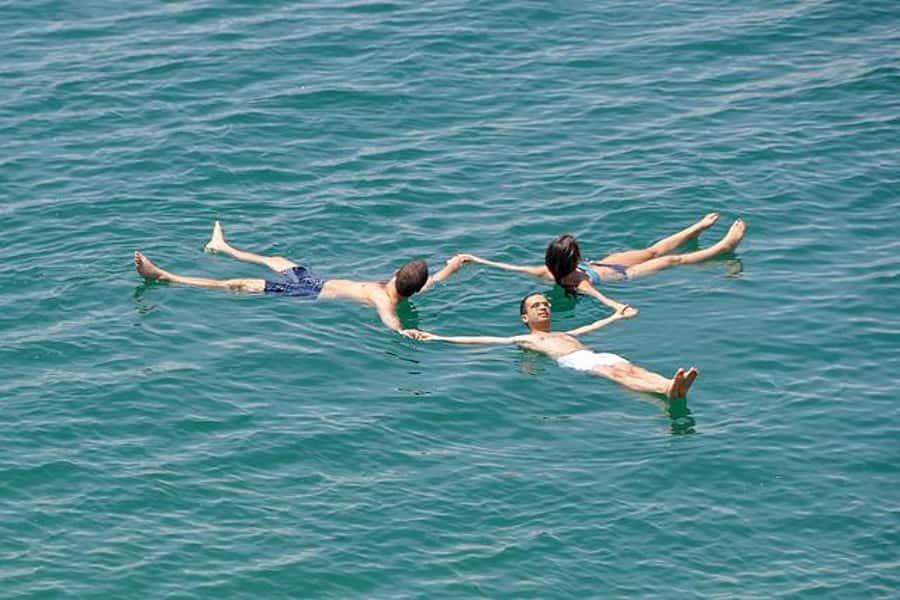
Then comes the Dead Sea, the lowest point on dry land on Earth. You’ll have a chance to float and swim, which is the whole point here—this isn’t the kind of stop where you “mostly observe.”
What I’d prepare for:
- The shoreline can be stony, so bare feet aren’t a joy.
- The water can feel oily, which is part of the sensation—expect a slick layer rather than “clean pool water.”
- You’ll want time enough to enjoy the float without feeling rushed.
Water shoes or plastic slippers are a smart move. One of the most repeated pieces of advice is to bring waterproof sandals, because stepping in can be difficult without them. You’ll also be glad you brought a towel.
How much time you get matters. A lot of people feel they get enough time at the Dead Sea, but there are also reports of it feeling short. So if floating is your main goal—more than the ruins—keep your schedule flexible and don’t treat the Dead Sea stop like an open-ended beach day.



Your Guide Makes or Breaks the Experience
This type of tour lives and dies by the guide’s pacing and explanations. From the guide names that show up again and again—Lea, Dan, Sharon, Mali, Enrique, and Dani—you can expect a range of styles, but a consistent focus on making Masada and the Dead Sea make sense.
I like how the best guides handle the flow. When the group is moving, they keep the story attached to what you’re seeing: why cisterns matter, what Herod’s luxury adds to the picture, and how the Dead Sea’s unusual properties connect to the modern experience of floating.
Also, group size can influence comfort. One report described a group of about 16 people plus guide and driver, which is large enough for variety but small enough that you still feel like you’re part of the day, not an anonymous body on a bus.
Price and Value: Why $111 Can Be Reasonable Here
At $111 per person for a roughly 10-hour day, the value comes from two things: transportation plus entrance fees. If you tried to arrange the same pair of sites separately, you’d likely spend more time coordinating and paying for access on top of travel.
Meals are the catch: this tour does not include food. That’s not unusual for day trips, but it does mean you should plan for either buying something on-site or bringing your own snacks if the schedule allows it (the tour info doesn’t guarantee a meal stop, so don’t count on that).
If you want a smooth, guided day with the core costs handled, this price can make sense. If you’d rather spend extra time at Masada or linger longer at the Dead Sea, you might feel the limits of a packaged schedule.
What to Bring (So You Don’t Lose Time at the Wrong Moment)
This is a “bring the basics and you’ll be happy” tour. The most useful packing list is straightforward, and you’ll see why once you’re standing in the desert sun and then stepping onto a stony shore.
Bring:
- Swimwear
- Sunglasses
- Sun hat
- Towel
- Comfortable walking shoes
- Sun protection lotion
- A change of clothes for after the Dead Sea
Add one more item from real-world shore logic: waterproof sandals or plastic slippers. They’re not optional if you want an easy transition from dry steps to the water’s edge.
If you’re a person who gets cold easily, pack a light layer for the bus rides—vehicles can swing from hot to chilly fast, especially in seasonal weather.
Who This Tour Fits Best (and Who Might Want a Different Option)
This tour is a good match if you:
- Want one day that hits Masada and the Dead Sea without logistics stress
- Like guided explanations tied to ruins (not just photo stops)
- Are okay with a long day and a structured pace
It may not be the best choice if you:
- Need lots of free time for slow wandering at Masada
- Want a long, beach-style Dead Sea session
- Dislike group tours or tightly managed schedules
Also consider your priorities. Masada gives you the story and the walking route; the Dead Sea gives you the physical experience. When you’re happy with both, this works well. If one is your main mission, make sure you’re comfortable with a fixed schedule.
Should You Book This Jerusalem to Masada and Dead Sea Tour?
I’d book it if you want a guided day that covers the headline stops with entrance fees included, plus a realistic chance to float in the Dead Sea and see Masada’s major features. It’s especially appealing if you don’t want to plan transportation or figure out entrances and timing on your own.
I’d hesitate if you’re expecting a slow, unhurried beach day or you’re extremely sensitive to time limits on-site. This is built to be efficient, and you’ll likely leave with the big highlights—just be okay with the fact that you’re not treating Masada or the Dead Sea like an all-day lounge.
If you want history plus a memorable physical experience, this is a solid use of a day from Jerusalem.
FAQ
How long is the tour?
It runs for about 10 hours.
Are entrance fees included?
Yes. Entrance fees to the sites are included in the price.
Is hotel pick-up included, and where does it cover?
Yes, pick-up is included from centrally located hotels in Jerusalem. If your hotel isn’t central, you’ll be given the address of the closest meeting point.
Does the tour include meals?
No. Meals are not included.
Is there time to swim or float in the Dead Sea?
Yes. The itinerary includes time to float and swim in the Dead Sea.
What should I bring for the Dead Sea portion?
Bring swimwear, a towel, sunglasses, and a sun hat. Comfortable walking shoes and swim-friendly footwear are also recommended.