REVIEW · HURGHADA
Hurghada: Sea & Desert Camel Ride w/Dinner, Show, Stargazing
Book on GetYourGuide →Operated by Egypt Excursions Online · Bookable on GetYourGuide
Camel rides have a way of slowing you down. This Hurghada trip pairs desert silence with Red Sea views, and for the full version you add dinner, a dance show, and stargazing.
Two things I especially like: the relaxed pacing (you’re not rushed off a camel like a race), and the amount of photo time with guides who actually help you get good angles. One drawback to consider: the evening entertainment quality can be a little mixed, and windy desert days can mean sand in your face unless you’re prepared.
If you’re choosing between a quick “tick the box” ride and a real evening in the desert, this one does the second better—especially on sunset/sunrise options. You’re riding in a small group with a professional camel guide and desert escort, with helmets provided and safety steps taken before you mount up. The trade-off is simple: it’s a longer, dustier day than you think, and drinks/water are not included (so plan for that).
In This Review
- Key things to know before you go
- Hurghada Camel Riding: Why This Desert-Red Sea Mix Feels Special
- Choosing Your Time Slot: Morning Calm vs Sunset Magic vs Sunrise Breakfast
- Pickup and Transfer Reality: What It Means for Your Day
- Mounting Up: Safety Briefing, Helmets, and Grouping That Helps
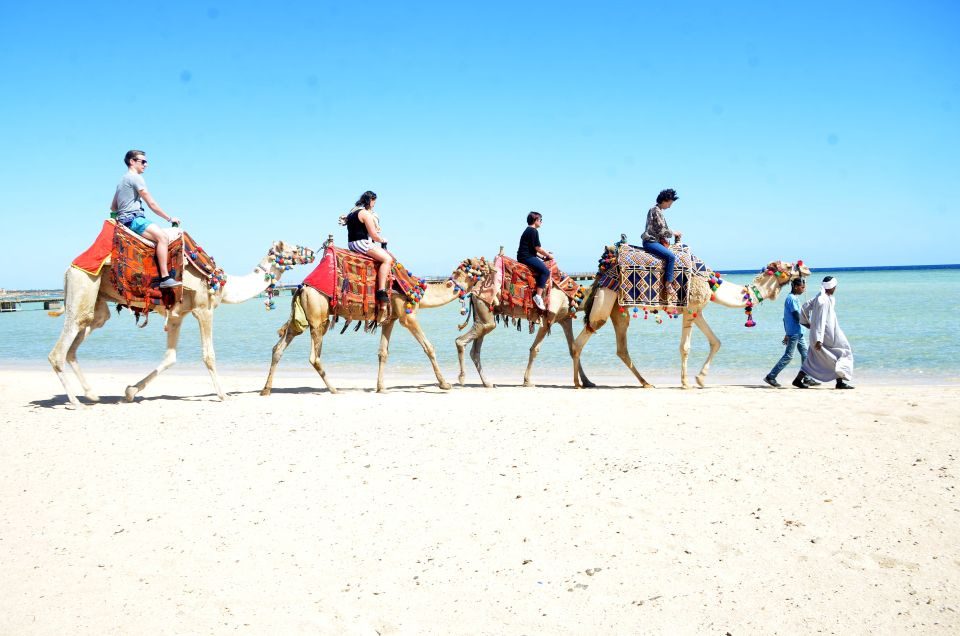
- The Camel Route: Desert Valleys, Sea Views, and Those Photo-Perfect Stops
- Sunset Dinner, Dance Show, and Stargazing: The Best Part of the Full Tour
- Dinner and the “Egyptian village” atmosphere
- The dance show: fun, but style can vary
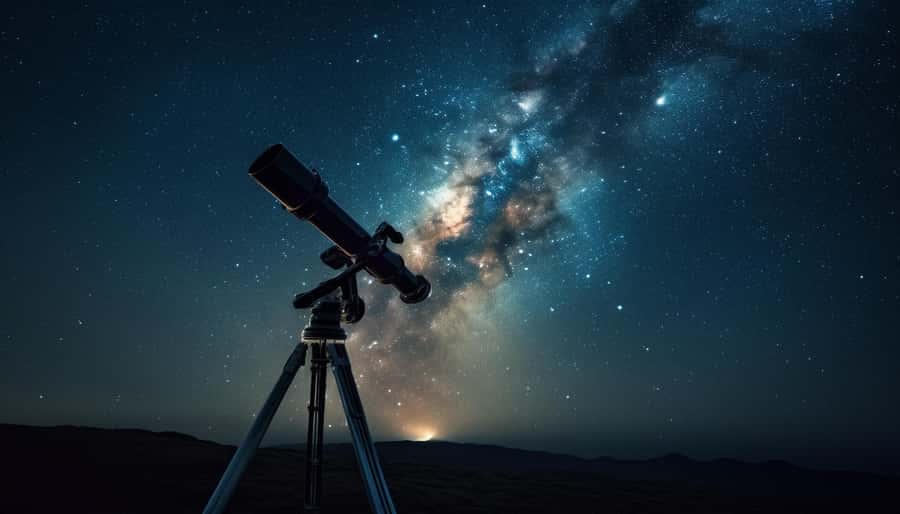
- Stargazing under desert skies
- Price and Value: Why $26 Often Feels Like a Deal
- Comfort and Packing: What to Bring (and What to Skip)
- Guides and Photo Help: The Little Service That Adds Up
- Who This Tour Suits Best (and Who Should Pass)
- Should You Book This Hurghada Sea & Desert Camel Ride?
- FAQ
- How long is the camel ride?
- How much does it cost?
- What options are available for this activity?
- Is hotel pickup included?
- How do transfer times vary by area?
- Are helmets provided?
- Is the tour guide available in English?
- What should I bring?
- What is not allowed during the activity?
- Who is this not suitable for?
Key things to know before you go
- 2-hour camel ride options range from entry ticket only to hotel pickup, so you can match it to your schedule.
- Sunset to stargazing is the big draw, with dinner and live entertainment before the sky show.
- Helmets are provided and must be worn during the ride, which makes the whole thing feel more controlled.
- Guides focus on comfort and photos, and many of them are fluent enough in English to explain what you’re seeing.
- Wind matters: on breezy nights, sand can get rough, so bring (or buy) something to cover your face.
- Value is strong at $26, but budget a few extras like water or a headscarf.
Hurghada Camel Riding: Why This Desert-Red Sea Mix Feels Special
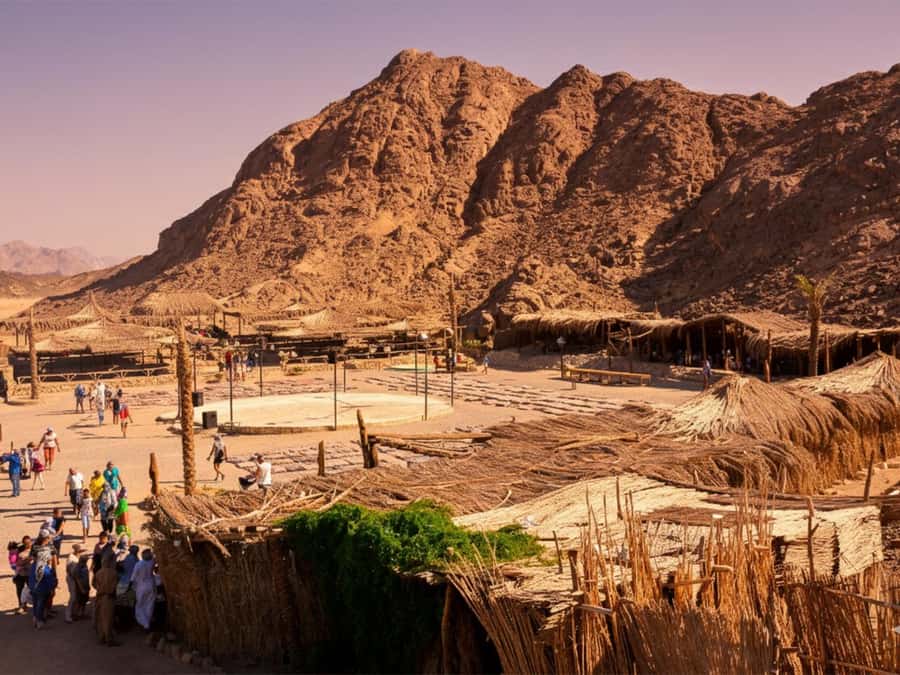
This isn’t just a ride where you look forward and bounce for two hours. The route is designed to give you that classic Egypt combo: camel travel through sandy terrain plus stretches where the Red Sea shows up in the distance. In Hurghada’s desert, that contrast is the whole point. One moment you’re in wide-open sand valleys; the next, you can catch the sea and the shapes of the mountains.
I also like that the tour keeps the pace realistic. You’re not shoved into a “do it fast” routine. There’s a short rest before mounting, clear instructions, and a guide who stays with you rather than disappearing once everyone lines up.
The other big plus is cultural context. Guides explain the camel heritage and the desert setting while you ride. When you hear how camels historically worked across these regions, the experience stops feeling like a photo stunt and starts feeling like a living tradition.
You can also read our reviews of more tours and experiences in Hurghada.
Choosing Your Time Slot: Morning Calm vs Sunset Magic vs Sunrise Breakfast
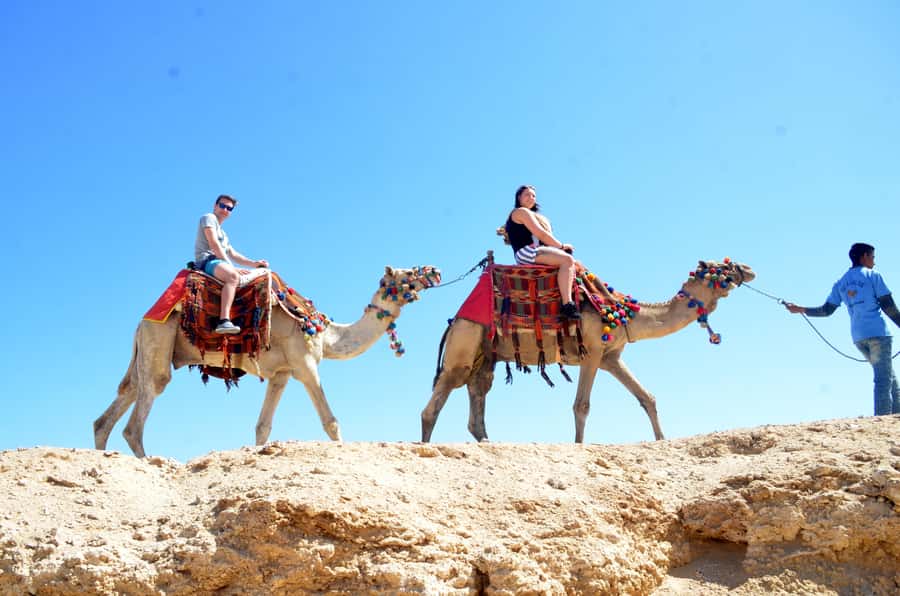
You’ll usually see three moods available: morning, afternoon, and sunset (with the full dinner/show/stargazing option). Each one changes what you notice.
- Morning rides give you cooler air and softer light for photos.
- Afternoon rides feel quieter—more slow desert time, less “golden-hour rush.”
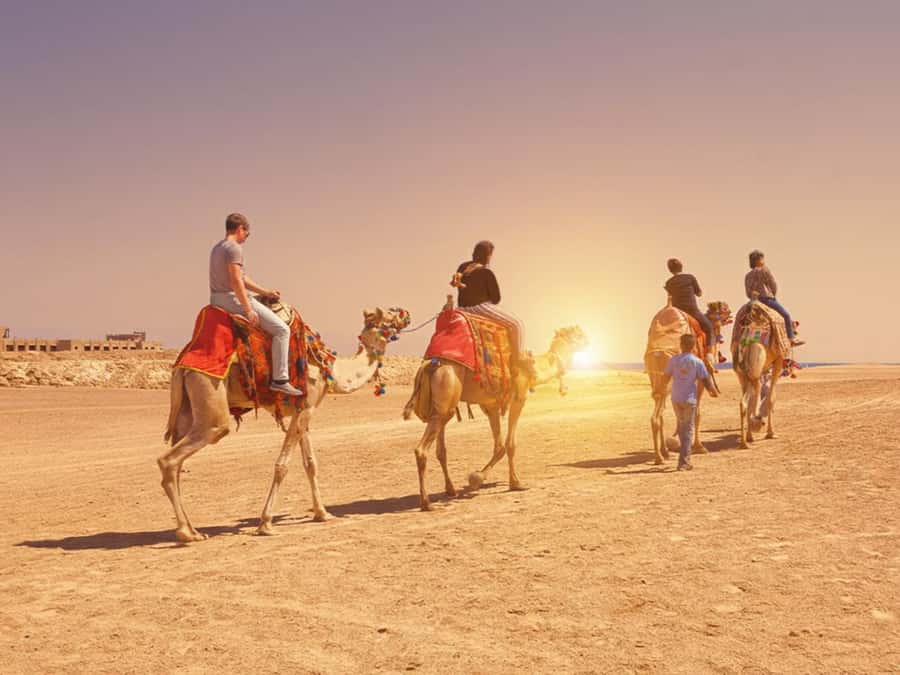
- Sunset rides are built around the moment you’ll remember: camel silhouettes against desert light, followed by dinner and entertainment.
If you book the sunrise option, you’re not just waking up early—you’re riding when the desert still feels cool and the sky is opening. Some people even describe sunrise rides as life-changing because you’re watching that shift in real time, not through a screen.
One practical note: sunrise and sunset programs generally mean you’ll be away longer than the plain 2-hour ride. If you hate late nights or early mornings, choose the time that matches your energy, not your ambition.
Pickup and Transfer Reality: What It Means for Your Day
Most people do this with hotel pickup in a shared air-conditioned vehicle. Travel time depends on where you’re staying:
- About 25–30 minutes from Makadi Bay or Sahl Hasheesh
- About 40–45 minutes from Hurghada
- Up to an hour from El Gouna, Soma Bay, Al Ahyaa, or Safaga
That shared-vehicle setup can add stops. Some people get picked up first and arrive early; others get grouped with other hotels. If you’re on a tight schedule, a private transfer upgrade may be worth it.
You also have an option to skip pickup and use an entry ticket (you make your own way to the base). That’s a good choice if you’re already mobile and want to control timing.
One thing I’d watch for: car space. A small number of bookings mention getting to the departure point by another route when there wasn’t room in the vehicle. You can avoid that stress by confirming your pickup details the day before and being ready a little early.
Mounting Up: Safety Briefing, Helmets, and Grouping That Helps
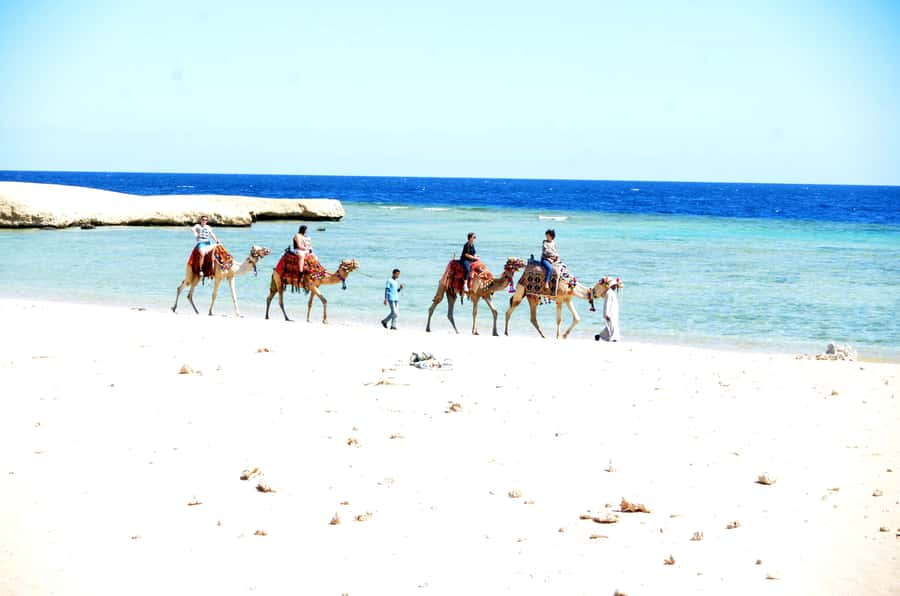
Before the ride starts, there’s typically a short rest period and a safety briefing with camel orientation. Then you ride. This matters, because camel mounting can feel intimidating if you’ve never been on one.
Here’s what helps most:
- Helmets are provided and you’re expected to wear them the whole time.
- Guides do a quick “how to” before you start moving.
- Groups are organized by skill level, so total beginners aren’t thrown in with fearless riders.
I also like the human side. In multiple accounts, guides like Ramadan, Hussain (and guides referenced as Edge/Hussain), and Rashid are described as attentive and good at calming nerves. One person even noted they handled a nervous child by walking beside them, rather than forcing the issue.
Just don’t assume the ride is “gentle enough to ignore.” Camels are tall. Sand is slippery. So you’ll want to follow instructions and keep your balance—especially when the camel shifts speed.
The Camel Route: Desert Valleys, Sea Views, and Those Photo-Perfect Stops
The actual riding experience is built around variation. Depending on the route that day, you may pass:
- sandy valleys and desert plains
- areas where the Hurghada Mountains show up clearly
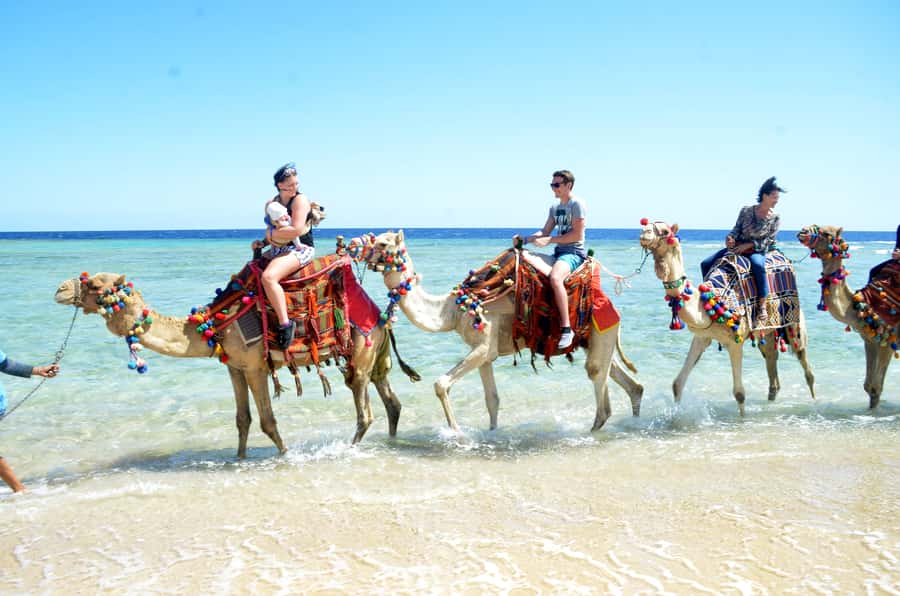
- stretches closer to the Red Sea coastline
Some rides include a stop where you’re near the sea long enough to soak in the view and take pictures. If your guide is in a playful mood, you might even see camels move faster on certain segments. A few accounts describe camels running across parts of the desert, which adds an extra adrenaline hit.
Expect a bumpy rhythm. Camel saddles are not designed like padded theater chairs. If you’re sensitive to discomfort, wear trousers you don’t mind getting dusty and plan for some motion in your legs.
Also, don’t underestimate how long the “photos” part can take. Guides often take your pictures on your phone too (not just with a separate camera). People mention guides making constant video/photo attempts from different angles. That’s great—just make sure your phone is charged or bring a power bank if you’re the type who burns battery quickly.



Sunset Dinner, Dance Show, and Stargazing: The Best Part of the Full Tour
If you book the longer program (sunset camel ride plus dinner/show/stargazing), this is where the experience earns its keep.
Dinner and the “Egyptian village” atmosphere
Dinner is typically described as Oriental food and often as tasty and filling. People mention good portions and a friendly atmosphere where everyone is relaxing after the ride.
One realistic drawback: there can be a wait between dinner and the show. That doesn’t mean it’s poorly run—it just means your evening flow may feel a bit stop-and-start. Bring patience, not just enthusiasm.
The dance show: fun, but style can vary
The entertainment is live and cultural-leaning. Some reports praise it as colorful and enjoyable, and others say it didn’t match what they expected (for example, shifting into disco-style dancing rather than a more traditional belly-dance/focused performance). So go in expecting live energy more than a guaranteed “perfect show script.”
Stargazing under desert skies
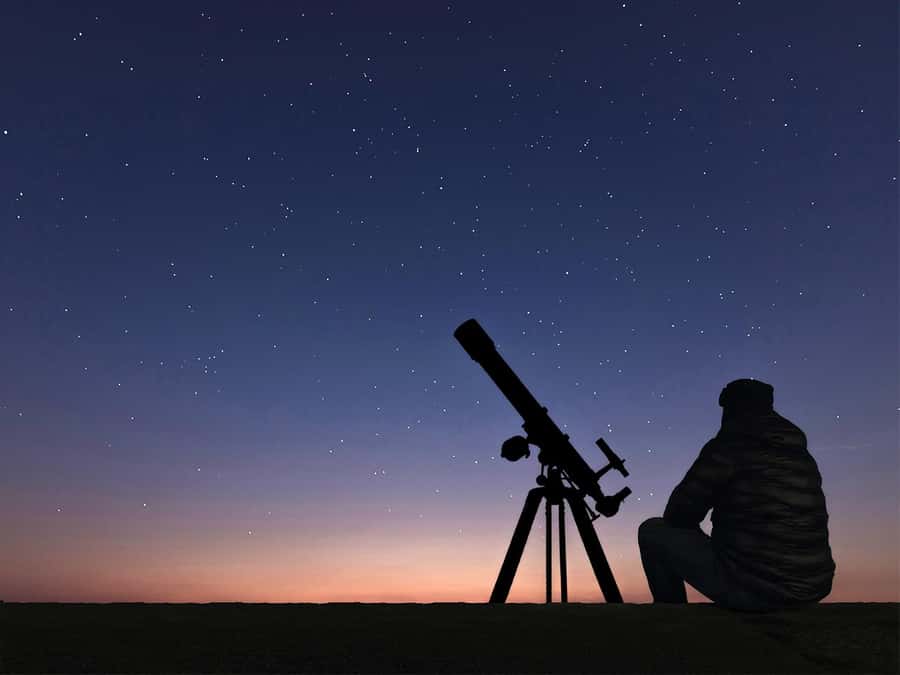
Then comes stargazing, and this is consistently the highlight for the full program. Desert skies make a difference. People report seeing Saturn, and guides give explanations while you look up. The key is that you’re not just pointing at stars—you’re learning what you’re seeing.
If you’re worried about cold nights: it’s the desert. Even if Hurghada is warm during the day, evenings can feel cooler once you’re sitting around for the program. A light layer can be smart.
Price and Value: Why $26 Often Feels Like a Deal
At around $26 per person, this experience is priced to feel accessible. The best value shows up when you choose the option that matches the “full desert evening” idea.
Here’s what makes the value work:
- 2-hour ride time (not a quick 20-minute loop)
- professional guide/escort included
- pickup and drop-off are available (for many hotels) instead of forcing you to figure everything out
- the full program can add dinner + show + stargazing, which makes it feel like an all-in-one night out
The main “value leak” is extras. Drinks are often not included, and water may be chargeable. Several people advise bringing your own bottle, especially if you hate paying for basic hydration mid-excursion.
Also consider head/face protection. On windy days, sand can become a real annoyance. Some people mention needing headscarves (one even noted purchasing them). Even if you don’t plan to buy one, having a scarf ready at least gives you options.
Comfort and Packing: What to Bring (and What to Skip)
This tour asks for simple desert prep. Your list should look like a mini beach-and-sand kit:
Bring:
- Passport or ID card
- Comfortable shoes (closed-toe is best)
- Sunglasses and a sun hat
- Sunscreen
- Comfortable clothes for heat and dust
On the riding day:
- Wear something that won’t chafe. One tip that comes up: long trousers help because camel movement and saddle blankets can rub.
- If it’s breezy, protect your face. If you don’t have a scarf, you might feel sand more than you want.
Skip:
- Jewelry (you’re told not to wear it)
- Large bags/luggage (keep it minimal)
- Smoking in the vehicle
- Alcohol and drugs
A small but useful tip: many guides also act like impromptu photographers. If you want crisp images, keep your phone strap secure and consider wiping the lens before key moments.
Guides and Photo Help: The Little Service That Adds Up
The “best” tours often come down to people. In this experience, guides are a major part of the outcome.
A few names you may hear:
- Ramadan: described as taking tons of photos/videos while also giving riders space to enjoy the sunset
- Hussain (also referenced as Edge/Hussain): praised for calming nerves and giving a riding lesson to a nervous child
- Mohamed and others: noted for capturing moments carefully throughout the ride
- Rashid: praised for continuing to record even when a rider’s phone battery died by using his own device
- Mooka: mentioned for letting someone take the reins of the camel for a “walk and gallop” toward the beach
Not every guide will match the same style, but the pattern is consistent: they want you to leave with memories. That doesn’t mean you should ignore your own comfort. It means you can relax, follow directions, and let the guide handle the moments you’d otherwise rush to photograph.
Who This Tour Suits Best (and Who Should Pass)
This works best for:
- couples and friends who want a real Egyptian-feeling evening
- first-timers to camel riding who appreciate safety guidance
- people who want a photo-friendly experience without turning it into a theme park
It may be a poor fit if you:
- are pregnant (not permitted)
- have back problems
- have mobility limitations, or use a wheelchair
- weigh more than 243 lbs / 110 kg
Also, plan your expectations for comfort. This isn’t a spa day. It’s a desert day with motion, sun, and sand.
One more honesty point: a few mentions call out litter around dunes and near the sea. That’s not something you can fix on your ride. But if cleanliness affects your enjoyment, keep it in mind.
Should You Book This Hurghada Sea & Desert Camel Ride?
I’d book it if you want a low-cost way to do something genuinely different from beach-only time. The combination of camel riding + desert scenery + (optional) dinner/show/stargazing is a strong formula, especially if you pick sunset or sunrise.
I’d skip or reconsider if:
- you’re extremely sensitive to motion bounces and dust
- you expect a perfectly traditional, single-style show with fire/belly dancing guaranteed
- you don’t want to handle basic desert discomfort (sun, sand, and the reality that you may pay for water)
If you do book, do two things that make a big difference: bring a bottle of water (and a little sun/sand protection), and choose your time slot based on your energy level—not just on photos you’ve seen online.
FAQ
How long is the camel ride?
The camel ride experience is listed as about 2 hours, and the full program can run up to around 5 hours depending on which option you pick.
How much does it cost?
The price is listed at about $26 per person.
What options are available for this activity?
You can book an entry ticket for a 2-hour camel ride, choose the 2-hour ride with shared hotel transfer, or book a longer sunset option that includes stargazing, dinner, and a show.
Is hotel pickup included?
Pickup is included if you select the option with shared transfer. There is also an entry-only ticket option if you prefer to reach the base on your own.
How do transfer times vary by area?
Pickup transfer time varies by hotel area: roughly 25–30 minutes from Makadi Bay or Sahl Hasheesh, 40–45 minutes from Hurghada, and up to about an hour from El Gouna, Soma Bay, Al Ahyaa, or Safaga.
Are helmets provided?
Yes. Helmets are provided and must be worn throughout the ride.
Is the tour guide available in English?
Yes. The live tour guide is listed as speaking English.
What should I bring?
Bring your passport or ID card, comfortable shoes, sunglasses, a sun hat, and sunscreen. Comfortable clothing is also recommended.
What is not allowed during the activity?
Pets, luggage or large bags, jewelry, smoking in the vehicle, and alcohol/drugs are listed as not allowed.
Who is this not suitable for?
Pregnant women are not permitted, and it is also listed as not suitable for people with back problems, mobility impairments, wheelchair users, and people over 243 lbs (110 kg).