REVIEW · IMLIL
Marrakech: Atlas Mountains & Agafay Desert Tour w Camel Ride
Book on GetYourGuide →Operated by Marrakech Day Trips - Tours · Bookable on GetYourGuide
Atlas Mountains in one day beats the Marrakech grind. I love the stop at a women-managed argan co-operative, where you see how argan oil products are made, and the warm rooftop meal in Imlil Valley with mint tea and big mountain views. One consideration: the day includes walking on uneven ground with uphill and downhill sections, so comfortable shoes are essential.
This is a well-paced small-group outing (up to 12 people) with an English-speaking guide and pickup from your hotel or riad in Marrakech. If you want an honest taste of Berber village life—without spending days in a rental car—this hits the sweet spot.
In This Review
- Key reasons this day trip works
- Marrakech to Atlas Mountains and Agafay: What You’re Really Signing Up For
- Pickup, Van Time, and Why Timing Matters on This Route
- Tahnaout and the Women-Managed Argan Oil Co-operative
- Imlil Valley Welcome: Mint Tea, Waterfalls, and Berber Villages
- When waterfalls get tricky in winter
- Tamatert Views and Irrigated Terrace Fields
- Lunch at a Berber Family Home: Rooftop Tagine Over the Valley
- Kik Plateau Photo Stop: 360 Degrees of High Atlas Territory
- High Atlas Pass and Agafay Desert: From Mountain Stone to Quiet Stony Dunes
- Optional camel or horse ride
- Barrage Lalla Takerkoust: A Final Photo Stop Before Returning to Marrakech
- Comfort, Weather, and What to Pack (So You Enjoy Every Step)
- Price and Logistics: Is the $14 Per Person Value Real?
- Who Should Book This Day Trip (and Who Might Want Something Easier)
- The People Factor: Guides and Drivers Make or Break the Day
- Should You Book This Tour?
- FAQ
- How long is the Marrakesh Atlas Mountains & Agafay Desert Tour?
- Is pickup from my hotel or riad included?
- Is there a guide, and what language do they speak?
- What is included for food and drinks during the day?
- Do I get to ride a camel or horse?
- Where does lunch happen?
- Is the tour suitable for everyone?
- What should I bring to stay comfortable?
Key reasons this day trip works
- Women-run argan co-operative visit with a hands-on look at how oil is pressed and products are produced
- Imlil Valley welcome with mint tea before the scenic walking portions
- High Atlas photo points and panoramic viewpoints including Kik Plateau and 360-degree vistas
- Agafay Desert time with an optional camel or horse ride
- Traditional lunch with valley views at a Berber family home setting in Imlil area
- A guide who comes from the region and can connect the dots between villages, farming, and daily life
Marrakech to Atlas Mountains and Agafay: What You’re Really Signing Up For
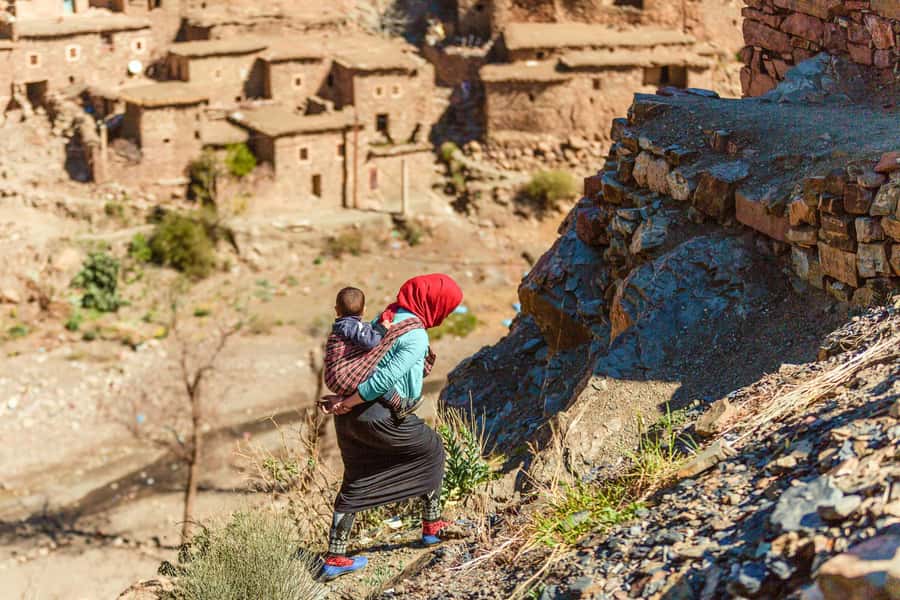
This isn’t just a drive out of town for photos. You’re doing a people + place day: mountain villages, irrigation terraces, an argan oil co-op, and then a dry, quiet finish in the Agafay Desert.
The itinerary strings together several distinct environments that feel worlds apart: High Atlas stone-and-plateau scenery, terraced fields near Imlil, and the flatter, stony Agafay terrain that’s perfect for slow desert pacing. You’ll also get a traditional meal, plus snacks and drinks along the way, so you’re not stuck hunting for food once you leave Marrakech.
And yes, the camel or horse ride is part of the fun—just don’t expect it to be a long trek. In practice, it’s more like a short, memorable experience before you return to the sightseeing.
Pickup, Van Time, and Why Timing Matters on This Route
You start with pickup in Marrakech from your hotel or riad. If the van can’t reach your exact door, you’ll be given a nearby meeting point. Pickup timing is usually confirmed the evening before, and if departure is set for 9:00 AM, drivers may arrive somewhere in the 8:30–9:30 AM window.
That matters because the day is about flow, not rushing. The van ride out and back gives you a chance to settle in and let the guide talk through what you’re about to see—Berber village life, irrigation, and why certain stops make sense.
You’re also going in a small group (up to 12). That keeps the day from feeling like a conveyor belt. It also makes it more likely the guide can manage the walking pace when conditions are icy, muddy, or simply slippery.
Tahnaout and the Women-Managed Argan Oil Co-operative
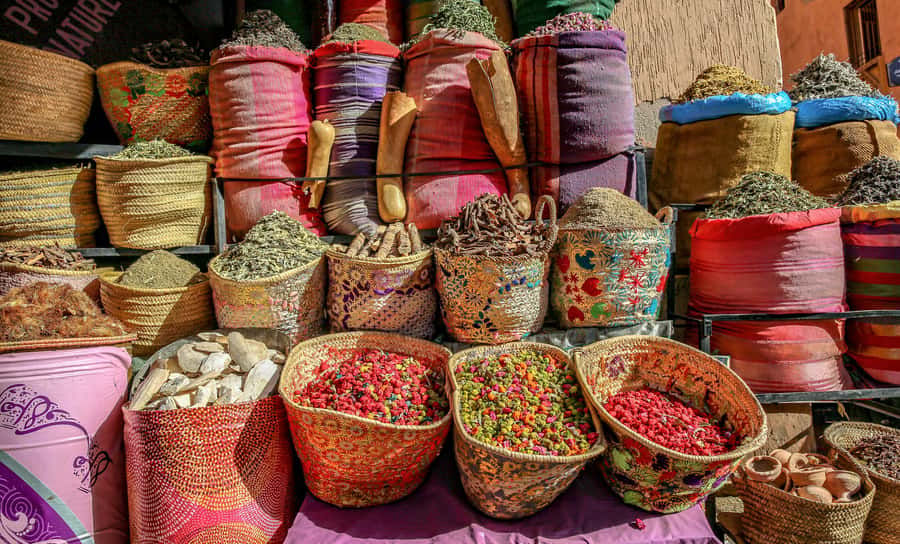
One of the most valuable parts of this tour is the stop at the women-managed argan oil co-operative. This is where the day shifts from scenic viewing into something practical: you see how the argan nut is pressed and how the famous oil becomes real products.
What I like about this stop for your experience is that it adds context. Argan oil isn’t just a souvenir; it’s tied to local livelihoods and local processing. Even if you’ve heard the basics before, being shown the process in a co-op setting makes it feel less like marketing and more like work you can understand.
It’s also a genuinely good pause in the middle of the day. You get a structured break, usually including coffee or mint tea during the overall tour food/drink rhythm, and then you keep moving into the Imlil area.
Imlil Valley Welcome: Mint Tea, Waterfalls, and Berber Villages
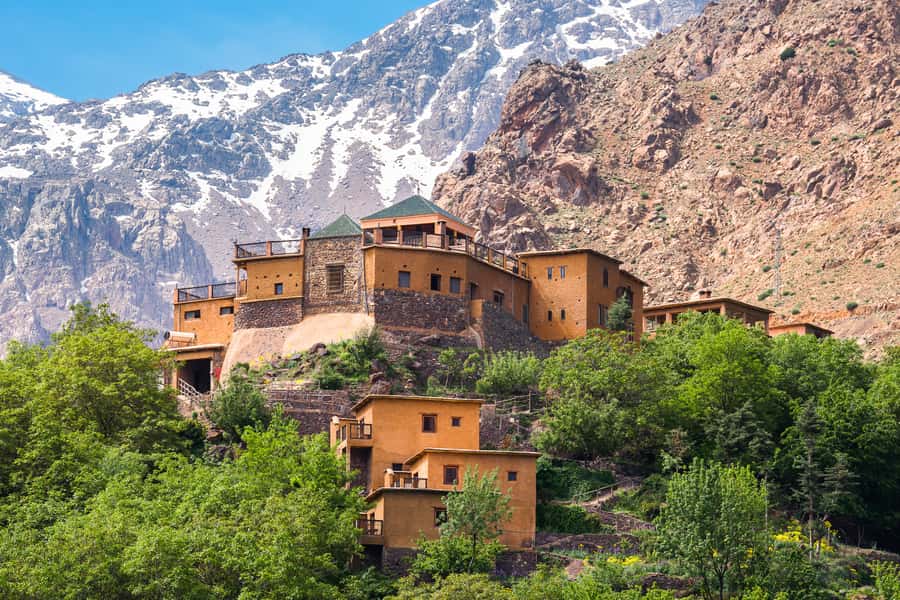
Once you reach the Imlil Valley region, the tone turns warmer and more human. You’ll have a welcome with mint tea before heading toward waterfalls and small Berber settlements.
From a practical standpoint, this is where your footwear choice shows up. The tour includes walking on uneven ground with uphill and downhill sections. That’s not a “museum floor” day. It’s a countryside day, and you’ll feel it.
When waterfalls get tricky in winter
In colder months, the waterfall portion can be affected by ice and slippery ground. The key here is flexibility: the guide may adjust the route or offer an alternative walk that still lets you see views above Imlil and keep the day moving safely.
So if you’re planning a winter trip, pack like you mean it: layers, warm hat, and shoes with decent grip. You don’t need to guess—just plan for the fact that the mountains can be stubborn.
Tamatert Views and Irrigated Terrace Fields
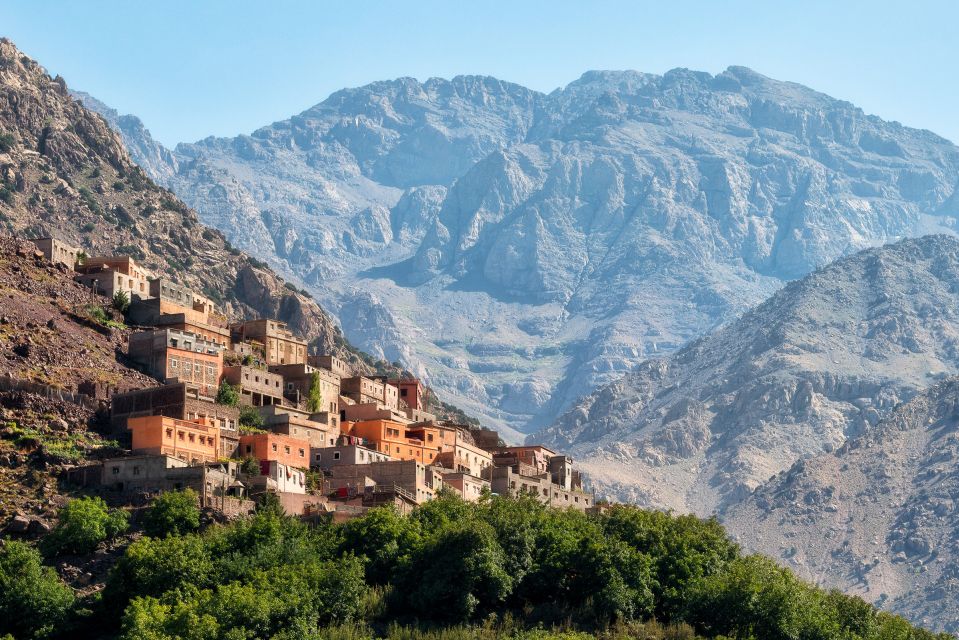
A stop in Tamatert gives you a quieter, farming-focused view. You’ll see ancient irrigated terraced fields surrounded by fruit trees like cherry and walnut.
This is one of those places where the scenery has a job: those terraces exist because the land needs water management to stay alive. When you see that system from a viewpoint, Berber village life stops being a vague concept and turns into something you can literally picture.
It’s also a nice reset between walking segments—sit for a bit, take photos, and let the guide explain how irrigation and agriculture shape where villages grow.
Lunch at a Berber Family Home: Rooftop Tagine Over the Valley
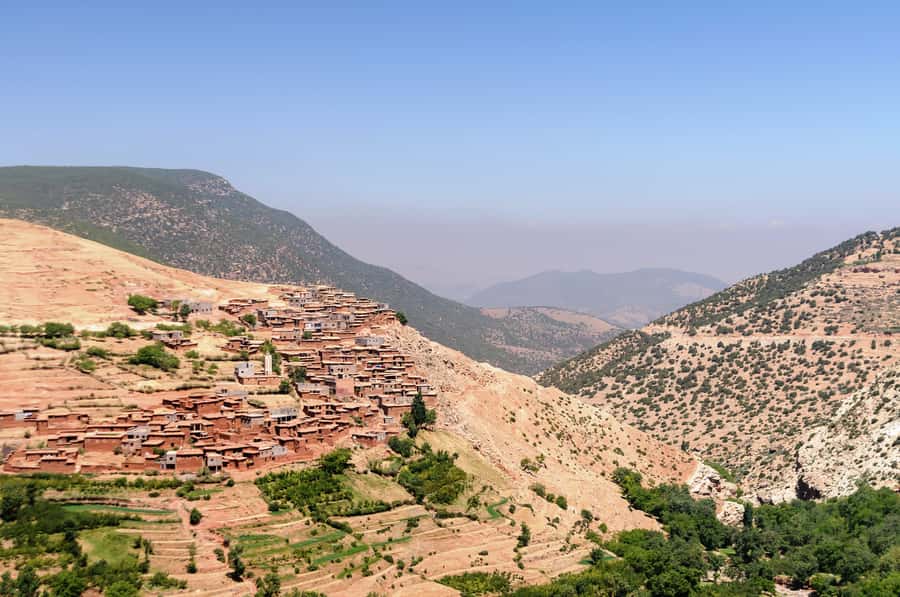
Your lunch is a traditional Moroccan meal served in the Imlil area, at a Berber family home setting in Ait Souka. The meal is served on a rooftop terrace with valley views—exactly the kind of setting that makes the food taste better because you can actually see what the cooking is tied to.
Most meals in this style come in generous portions, and the tone is “family welcome,” not “tour stop.” You’ll typically eat after the walking portion, which helps you avoid the classic day-trip mistake of getting hungry before you’ve even reached the best part.
If you care about meal planning: the tour includes traditional lunch plus mint tea, coffee, water, and snacks. Dietary restrictions are accommodated as best as possible, but still message in advance if you have anything specific.
One extra note: the day is built for a long middle section, so if you’re the type who gets snacky fast, having a few small extras from your own bag can save you from any in-between hunger gaps.
Kik Plateau Photo Stop: 360 Degrees of High Atlas Territory
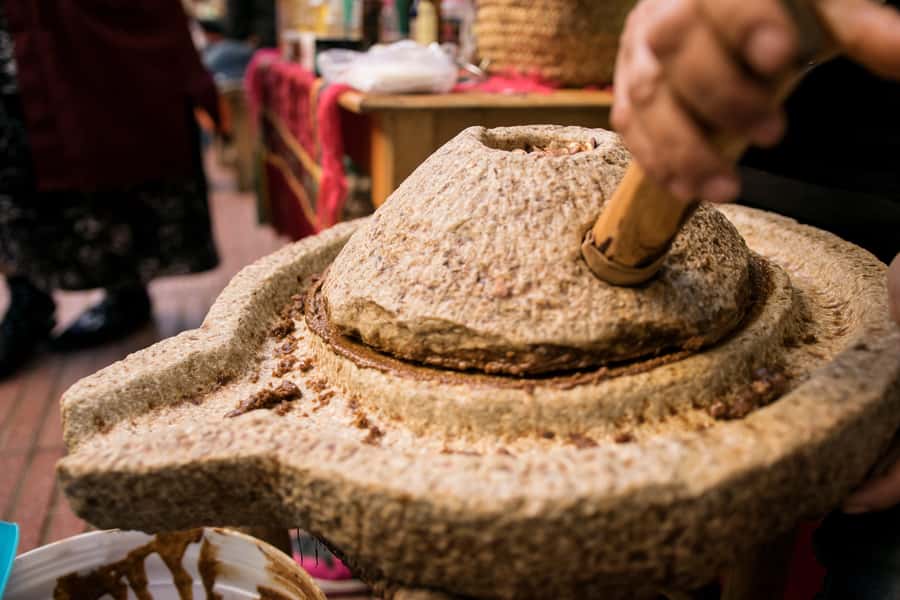
After lunch (and some rest time), the tour heads through the Kik Plateau for a photo stop with expansive viewpoints. This is your “look in every direction” moment—360-degree views where you can see plateaus, valleys, and the scale of the High Atlas Mountains.
This part works well even if you’re not the type who takes 500 photos. The viewpoints help you understand the geography you’ve been driving through. You start to see how the terraces and villages connect to the wider mountain environment.
Expect long sightlines and wide angles. Bring sunglasses and keep an eye on wind—plateau weather can shift faster than you think.
High Atlas Pass and Agafay Desert: From Mountain Stone to Quiet Stony Dunes
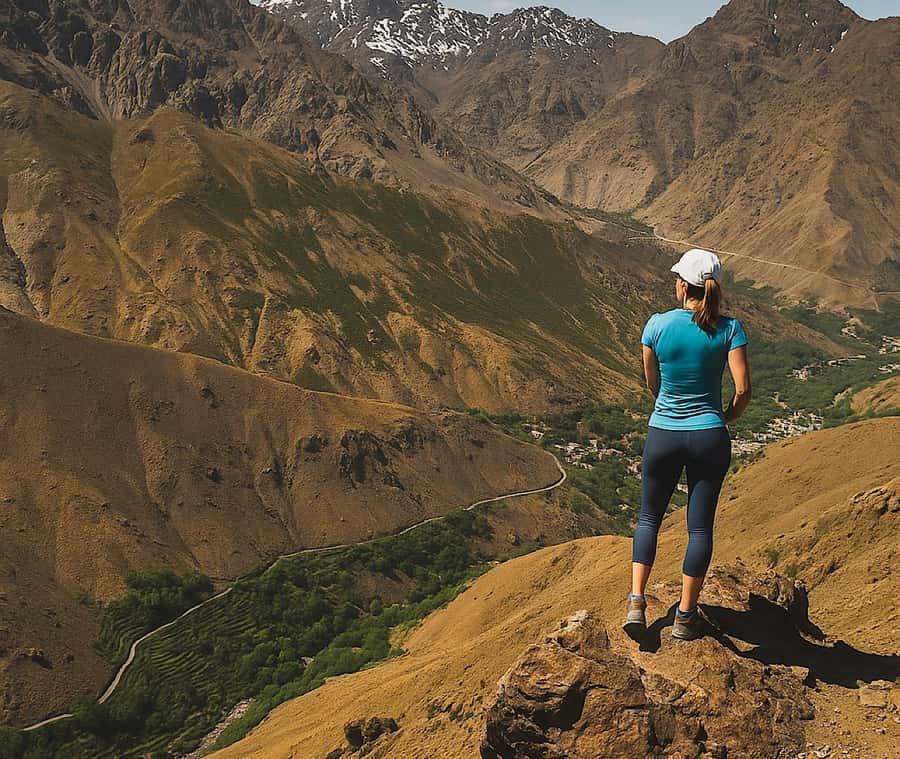
The route after Kik Plateau turns into a scenic drive through the High Atlas region—stone desert, light brown plateaus, oases, and rolling hills. It’s the “get the big picture” part of the day, linking your earlier village experience to the wider mountain world.
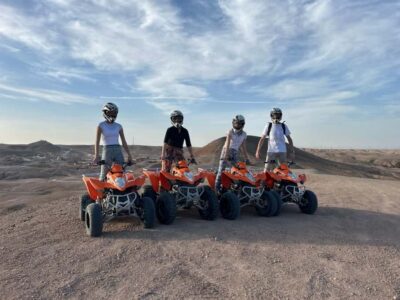
Then you finish in the Agafay Desert. This is not Sahara sand, and that’s part of the charm. It’s a stony, dry desert-like terrain where the light and openness feel very different from the mountains.
Optional camel or horse ride
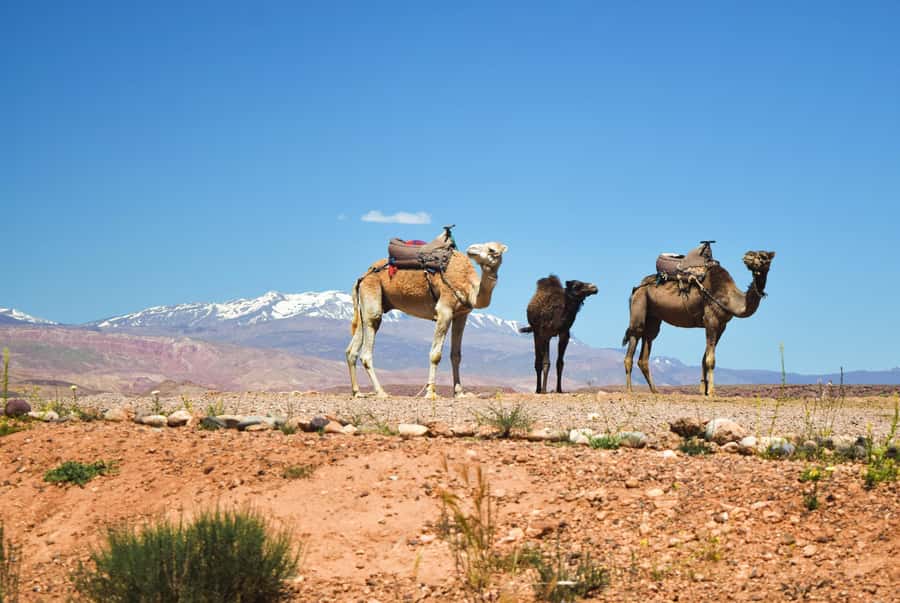
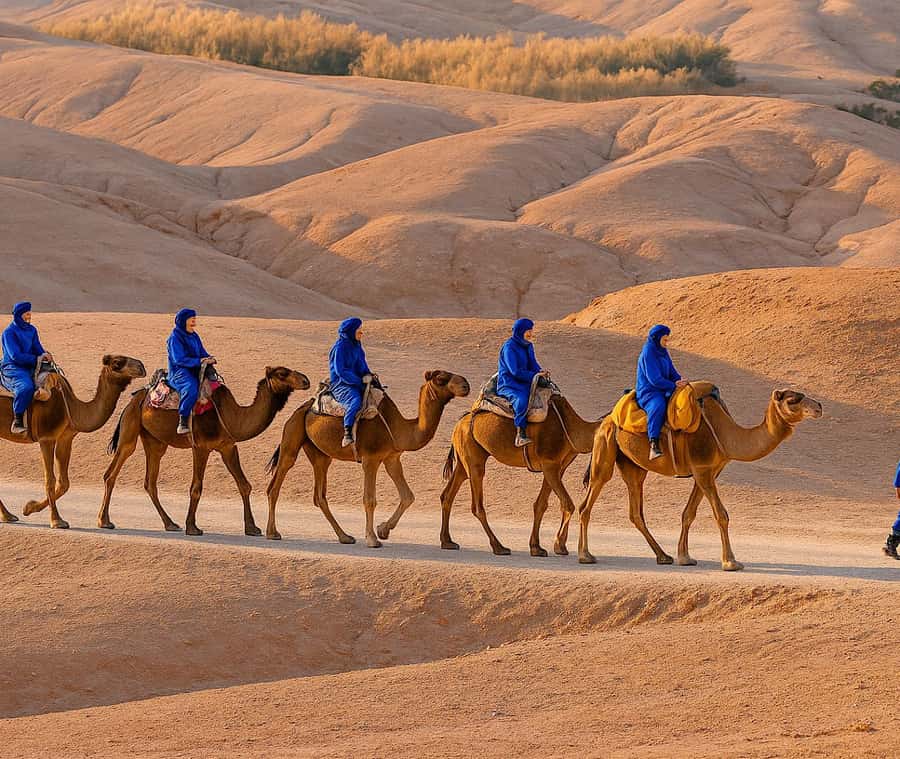
In Agafay, you can do an optional camel or horse ride. If you want this part, select the option ahead of time—this ride isn’t automatic for every booking.
Also, keep expectations realistic. Multiple people found the ride relatively short. Still, it’s fun, and it gives you the desert feel in a manageable timeframe that fits the whole 8-hour day.
If you decide the ride isn’t for you, you can usually stick with tea and slower pacing. Many guides also keep the vibe relaxed with mint tea during the desert stop.
Barrage Lalla Takerkoust: A Final Photo Stop Before Returning to Marrakech
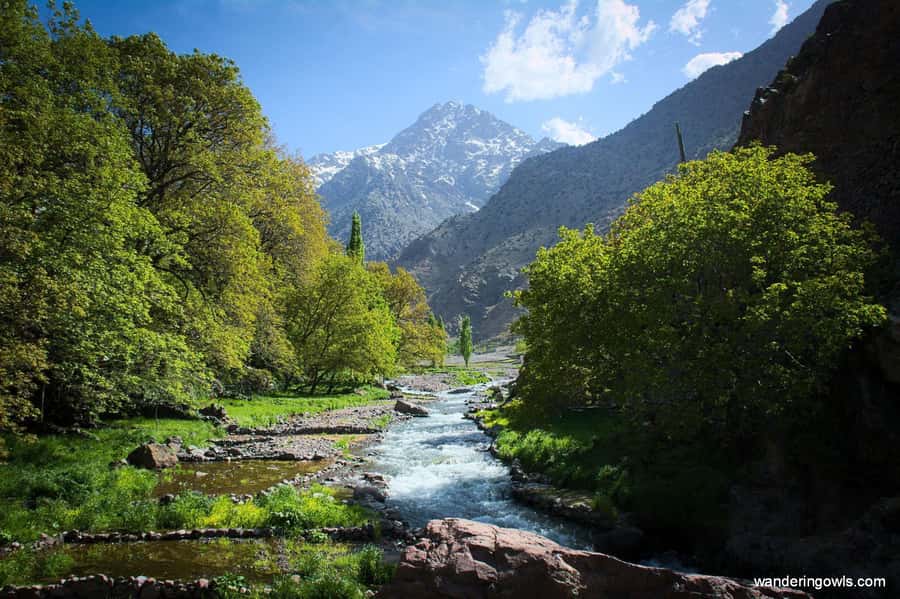
On the way back, you’ll stop at Barrage Lalla Takerkoust for photos. It’s a good last scenic break to stretch your legs and reset before the drive into Marrakech.
This is also where timing becomes noticeable. The tour runs about 8 hours total. If you’re sensitive to long van rides, plan small comforts: water sips throughout, a light snack if you need it, and a layer for temperature swings.
Comfort, Weather, and What to Pack (So You Enjoy Every Step)
The tour involves uneven ground, uphill/downhill walking, and plenty of time outdoors. That means packing isn’t optional.
Bring:
- Comfortable shoes (traction matters)
- Sunglasses and sunscreen
- Sun hat
- Weather-appropriate clothing
In winter especially, pack for cold and wet. If you’re thinking Imlil and waterfalls, remember that mountain conditions can change quickly. Warm layers and a hat can make the difference between tolerating the walk and actually enjoying it.
Also, don’t forget hydration. Water is included, but you’ll still want it within reach since you’ll be outside more than you might expect.
Price and Logistics: Is the $14 Per Person Value Real?
At around $14 per person, this tour’s value comes from how many core items are included. You’re not just paying for a drive. You get:
- Pickup and drop-off
- An English-speaking guide
- Traditional lunch
- Mint tea, coffee, water, and snacks
- A camel or horse ride if you select that option
Where the value gets impressive is the balance: you get multiple “high points” without the typical add-on costs that inflate day trips. You’re also in a small group, which can improve the quality of explanations and pacing.
That said, the day also includes walking, and the waterfall portion may not always be perfect if conditions are rough. So the value is best when you’re flexible and ready to walk a bit.
If you’re the kind of person who only wants flat, easy sightseeing, you might not feel the value as much because the itinerary depends on outdoor movement.
Who Should Book This Day Trip (and Who Might Want Something Easier)
This tour is a strong match if you want:
- A one-day taste of Berber villages around Imlil
- Argan oil context from a women-managed co-operative
- Mountain viewpoints plus a desert-style finish in Agafay
- A day that includes lunch and drinks, not just sights
It’s less ideal if:
- You’re pregnant or have mobility impairments (the tour isn’t suitable for these needs)
- You don’t want uneven, uphill/downhill walking
- You’re only interested in long camel treks (the ride is short)
The People Factor: Guides and Drivers Make or Break the Day
The names that come up often—like Abderriham Didi, Hamza, and Abdellatif—fit the shape of what you want from a guide here: they explain village life, keep the group together, and manage pacing on uneven ground.
Drivers also matter on these roads. People often highlight careful, smooth driving with names like Abdul Aziz, Achraf, Oussama, and Abdeslam. That’s not just comfort; it helps you feel safe when the van is climbing or on rougher mountain stretches.
Should You Book This Tour?
Yes—if you’re aiming for an 8-hour Marrakech day trip that feels real, includes food and drink, and gives you both mountain villages and an Agafay desert moment.
If you book, do it with the right mindset:
- Wear grippy shoes and plan for uneven walking
- Expect the waterfall part to be weather-dependent
- Choose the camel or horse option if that’s part of your day goals
- Bring warm layers in cooler months so you can enjoy the outdoors instead of just surviving it
If you want, tell me what month you’re going and whether you want the camel or horse ride. I can help you decide what to prioritize and what to pack for that exact season.
FAQ
How long is the Marrakesh Atlas Mountains & Agafay Desert Tour?
The tour lasts about 8 hours.
Is pickup from my hotel or riad included?
Yes. Pickup and drop-off are included in Marrakesh. If your riad or hotel is unreachable by van, a nearby meeting point is arranged.
Is there a guide, and what language do they speak?
Yes, there is a live guide, and the tour is in English.
What is included for food and drinks during the day?
You get mint tea, coffee, water, snacks, and a traditional lunch.
Do I get to ride a camel or horse?
You can ride a camel or horse if you select the option. The mule ride is optional and is not included.
Where does lunch happen?
Lunch is served in the Imlil area (Ait Souka) at a Berber family home setting.
Is the tour suitable for everyone?
No. It is not suitable for pregnant women or people with mobility impairments. The walking is on uneven ground with uphill and downhill parts.
What should I bring to stay comfortable?
Bring comfortable shoes, sunglasses, a sun hat, sunscreen, and weather-appropriate clothing.