REVIEW · DUBAI
Old Dubai tour: Local Market, Tasting, Dubai creek with Abra ride
Book on Viator →Operated by Mahmoud Elsayed Tourism L.L.C Walking , Safari and City Tour · Bookable on Viator
Old Dubai hides in plain sight. This small-group walk connects Al Fahidi heritage streets, the Dubai Museum, and the creek crossing, then finishes at the gold and spice markets where bargaining is part of the fun. Guides like Hichem and Mahmoud Ahmed have a reputation for turning short stops into clear, human-scale stories.
I especially love how much you pack into a 2 to 4 hour plan, without feeling like you’re speed-walking through everything. I also like the mix of indoor breaks (Al Fahidi area museum stops, Dubai Museum) and classic Dubai streets (Seef, Old Souq, Bur Dubai creek, Deira markets), plus the little extras like camel milk chocolate tasting and bottled water.
One thing to consider: it’s a heat-heavy outing if you book the wrong time of day. Even with plenty of stops indoors, you’ll still be outside for souks and walking, and a couple of visitors felt the pace was tight for shopping time.
In This Review
- Key moments worth circling on your calendar
- Old Dubai, the non-cookie-cutter way: starting at Al Fahidi
- Price and what you actually get for your money
- Seef stop on the creek: a quick landing into “old and new”
- Al Fahidi Historical Neighbourhood (Al Bastakiya): wind-tower streets and calmer walking
- Coins Museum + Grand Bur Dubai Masjid: quick lessons with big visual payoff
- Dubai Museum at Al Fahidi Fort: pre-oil Dubai in one focused stop
- Old Souk to Abra Station: the creek crossing is the real connector
- Dubai Spice Souk: smells, trading habits, and buying strategy
- Dubai Gold Souk: what to expect when you’re paying cash
- Pace, heat, and how to stay comfortable during the walk
- Should you book Old Dubai with this small-group route?
- FAQ
- How long is the Old Dubai tour?
- Where does the tour start and end?
- What’s included in the ticket price?
- Is the Dubai Museum included?
- Do I need cash for the Gold Souk?
- How big is the group?
Key moments worth circling on your calendar
- Al Fahidi Historical Neighbourhood (Al Bastakiya): wind-tower streets and heritage lanes, plus museum time nearby
- Dubai Museum at Al Fahidi Fort: pre-oil Dubai with life-size dioramas and artifacts dating back to 3000 BC
- Coins Museum stop: included admission tied to the Al Fahidi area (with a note that it will open soon)
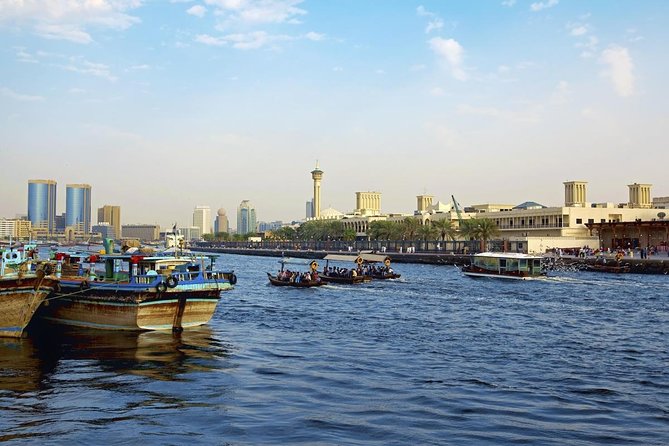
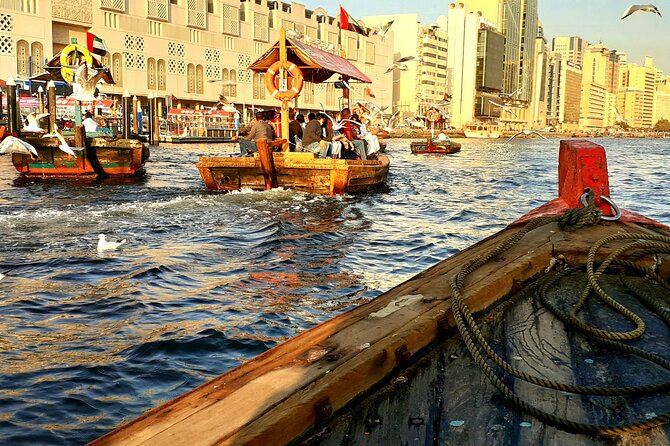
- Abra ride across Dubai Creek: a simple, classic boat crossing that changes how you see the creek
- Dubai Spice Souk + Gold Souk: two different shopping styles, both ending in Deira
- Small group size (max 10): more time for questions and less waiting around
Old Dubai, the non-cookie-cutter way: starting at Al Fahidi
If Dubai’s shiny skyline is your only reference point, Old Dubai can feel like a different country. That’s why this route is a good use of time: it starts in the Al Fahidi Marine Transport area and moves you through the heritage zones that explain how the city worked long before oil.
You get a real sense of geography too. Dubai Creek is the backbone. When you walk along it and then cross it by Abra, the markets and old neighborhoods stop feeling random and start feeling connected.
The best part is the pacing. You’re not doing a 10-hour marathon. You’re doing short segments with specific stops—so you can keep your energy for the parts you actually care about: museums, architecture, and the souks.
You can also read our reviews of more tours and experiences in Dubai.



Price and what you actually get for your money
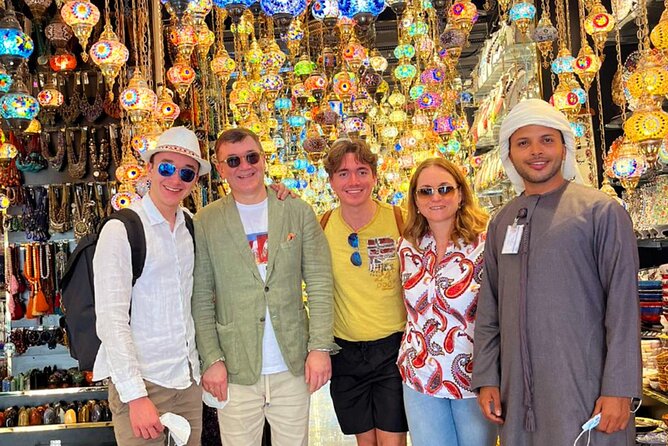
At $22.33 per person for roughly 2 to 4 hours, this can be strong value—mainly because you’re not just paying for a guide. Your ticket includes key costs like entry to multiple heritage stops plus the Abra boat ride and bottled water.
Here’s the practical breakdown of what’s covered:
- Personal guide and explanation
- Bottled water
- Abra ride
- Camel milk chocolate tasting
- Admission tickets listed as included for several heritage stops (and the Coins Museum with a note that it will open soon)
What’s not covered: drop-off at the end point, and snacks unless you select an option.
The value tradeoff is that this is still a guided route with a schedule. If your dream day is spending 90 minutes bargaining for jewelry or collecting spices like a hobbyist, you might wish for more free-market time. That’s not a deal-breaker, but it matters if you’re shopping-focused.
Seef stop on the creek: a quick landing into “old and new”
The route begins with Souk Al Seef by Dubai Retail, a waterfront area along historic Dubai Creek. This stop works as an easy warm-up because it blends traditional commerce vibes with modern comforts like dining and open walking spaces.
For me, Seef is useful because it sets the visual tone. You see how the creekfront works as a corridor for trade—then you keep moving into the older, more maze-like streets where the city’s earlier character feels stronger.
Time is short here (around 15 minutes), so treat it like a taste, not the main course.
Al Fahidi Historical Neighbourhood (Al Bastakiya): wind-tower streets and calmer walking
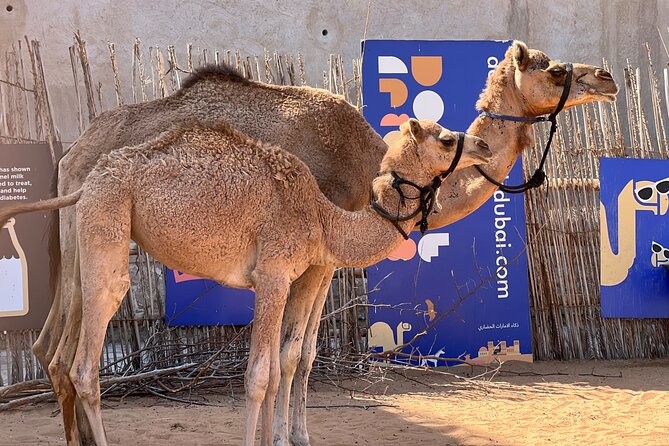
Next comes Al Fahidi Historical Neighbourhood, also known as Al Bastakiya. This is one of those areas where you can immediately feel the difference. Wind-tower architecture isn’t just decoration; it was built for cooling before modern air-conditioning.
This stop is valuable because it combines:
- heritage streets and alleyways
- small museums and cultural spaces nearby
- a more grounded view of Emirati life over time
You also get a short stop connected to the Dubai Museum and related sites in the area, so you’re not just looking at buildings—you’re also getting context about how people lived before oil reshaped the city.
Practical tip: bring water and keep a light pace. The streets are charming, but you’ll still be walking.
Coins Museum + Grand Bur Dubai Masjid: quick lessons with big visual payoff
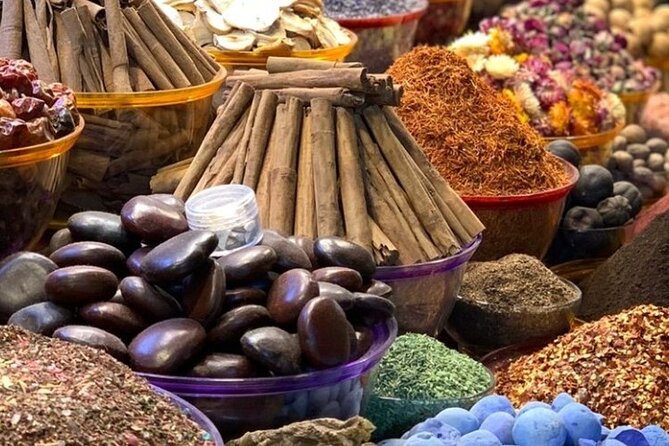
After Al Fahidi, the tour includes the Coins Museum. It’s described as holding over 470 rare coins tied to significant Middle Eastern eras, including connections involving the British Empire and India before independence. Even if your main interest isn’t numismatics, coins are an easy way to understand trade routes and power shifts.
One caution: the inclusion notes Coins Museum free admission will open soon. On paper, it’s listed as included, but that wording is a real heads-up to expect possible timing differences.
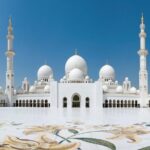
Then you step into a major landmark: Grand Bur Dubai Masjid (also called Bur Dubai Grand Mosque). The details here matter:
- a 70-meter tall minaret
- geometric patterns and Quranic inscriptions
- stained glass windows
- history that traces back to a school built in 1900, then rebuilt in 1960 and again in 1998
This is one of those stops where architecture does half the explanation for you. Even if you keep it to the exterior and short interior time, it helps you understand how religious buildings functioned as community anchors.


Dubai Museum at Al Fahidi Fort: pre-oil Dubai in one focused stop
The Dubai Museum inside Al Fahidi Fort is often the centerpiece on a short Old Dubai itinerary because it answers the big question most newcomers have: what came before the skyscrapers?
It opened in 1971 and focuses on life in Dubai before oil. Expect life-size dioramas and recreated spaces like traditional Arab houses, mosques, souks, and even date farms. The museum also includes artifacts that go back to 3000 BC, including items like pearl diving boats, swords, jewelry, and goods tied to a spice souk with real smells and spices.
If you’re thinking, I don’t want to read a 200-page book before lunch, this museum is the smarter choice. You get the story in the time you have.
If you’re sensitive to crowds or prefer fewer exhibits per stop, you’ll still be fine. The tour doesn’t try to trap you there; it uses the museum as a context hub for the rest of the street-level experience.
Old Souk to Abra Station: the creek crossing is the real connector
From Al Fahidi, the route moves to the Old Souk area in Bur Dubai. This market stop is about materials and everyday trade goods: raw silk, wool, cashmere, perfumes, spices, and dry fruits. It’s also where you might spot classic souvenirs like abayas, thawabs, silk scarves, and tailored garments.
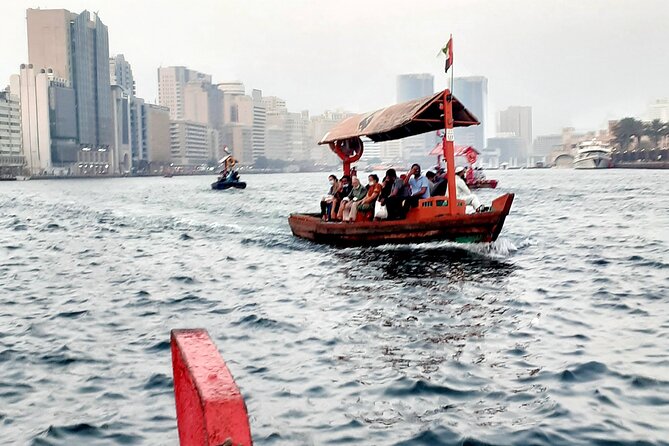
Then comes one of the most memorable parts in the whole plan: the Bur Dubai Abra Station and the short crossing by traditional wooden boat.
You’re crossing a saltwater channel that’s served trade and commerce for centuries. In practical terms, the Abra ride:
- gives you a break from walking
- shows you how the market areas connect across the creek
- gives better photo angles than standing on the same side the whole time
Time for the boat ride is brief, but the effect is real.
Dubai Spice Souk: smells, trading habits, and buying strategy
Next is Dubai Spice Souk in Deira. This is the sensory stop, with aromatic spices, herbs, dried fruits, nuts, and traditional perfumes.
You’ll likely do a lot of browsing here because it’s set up for tasting and talking. Vendors are part of the experience, and the goal is to help you find blends and products that match how you cook or what you want to bring home.
A quick buying strategy:
- decide what you’re taking (tea blend, cooking spice mix, dried fruits, perfumes)
- ask what each item is used for
- taste what you can before you commit
- expect bargaining energy, not a quiet museum vibe
If heat is an issue for you, this is also a place where you can step in and out to cool off between streets.
Dubai Gold Souk: what to expect when you’re paying cash
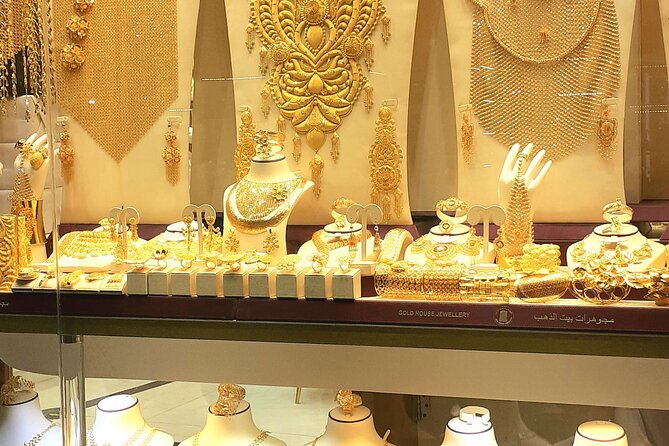
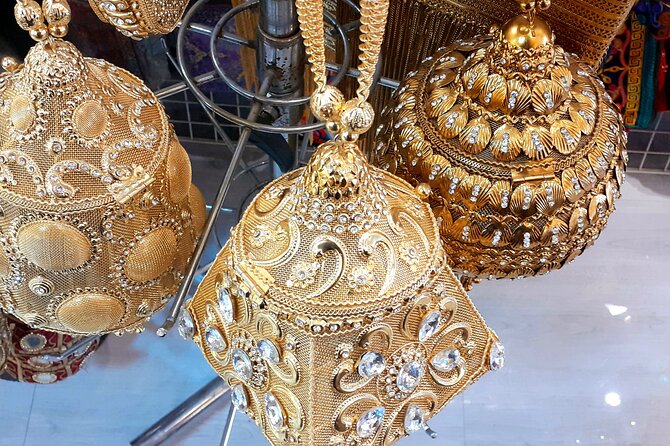
The tour ends at Dubai Gold Souk in Deira. It’s described as having over 350 retailers, and it’s famous for tax-free gold and other precious items like diamonds, stones, pearls, platinum, and silver.
This is where you’ll want to shift your mindset. You’re not just shopping; you’re negotiating in a market built around pricing and payment style. The info provided notes that bargaining happens, and cash payments can help when chasing the best deals.
If you’re buying jewelry, treat this like a guided introduction rather than your final purchase. The end point means you may want to re-check prices after you step out of the immediate “tour flow” and come back with a clearer budget.
Pace, heat, and how to stay comfortable during the walk
This is an outdoors-heavy heritage route, so comfort matters. Your schedule includes multiple market streets and creekfront areas, and the weather can be tough if you hit peak heat.
Here’s what helps, based on what the route asks you to do:
- Wear breathable clothes and comfortable shoes. You’ll be walking for a few hours total.
- Use the museum stops as breathing room. The Dubai Museum and parts of the Al Fahidi area are your indoor resets.
- Stay hydrated. Bottled water is included, but you’ll still want to pace your sips.
- If you’re sensitive to heat, aim for cooler times of day when you can.
Also, pay attention to timing at each stop. This tour is designed to hit a lot of sites without dragging. If you try to slow down at every market, you can feel rushed.
Should you book Old Dubai with this small-group route?
Book it if you want a structured Old Dubai day that connects neighborhoods, museums, and souks into one coherent circuit, and if you like the idea of ending at gold and spice markets rather than calling it quits at a single museum.
Skip or consider a different option if:
- you plan to spend hours shopping and bargaining on your own
- you’re very heat-sensitive and can only handle outdoor time in short bursts
- you’re expecting every site to be open all the time without any chance of a schedule wobble (the Coins Museum inclusion explicitly notes it will open soon)
If weather is an issue, note that good weather is required, and the tour may be adjusted if conditions aren’t right.
My final take: for the price, this tour is a smart primer on Old Dubai. You’ll learn what the city was built around—creek trade, heritage architecture, and market life—without needing to plan five separate tickets on your first day.
FAQ
How long is the Old Dubai tour?
It runs for about 2 to 4 hours.
Where does the tour start and end?
It starts at Al Fahidi Marine Transport Station – Information & Ticket Office near Dubai Creek and ends at Dubai Gold Souk in Deira (near a taxi stop and a metro station).
What’s included in the ticket price?
Included items are bottled water, the Abra boat ride, a personal tour guide, explanation, camel milk chocolate tasting, and free admission listed for the Coins Museum (with a note it will open soon). Market time for the Spice Market and Old Market and the Gold Market is also included.
Is the Dubai Museum included?
Yes. The Dubai Museum is listed as included, with admission tied to the stop at Al Fahidi Fort.
Do I need cash for the Gold Souk?
The Gold Souk information notes bargaining and says paying in cash can help for the best deals.
How big is the group?
The tour has a maximum of 10 travelers.