REVIEW · SANTA MARIA CAPE VERDE
Santa Maria: Sal Island Sea Turtle Watching Experience
Book on GetYourGuide →Operated by sodadetour · Bookable on GetYourGuide
Sea turtles don’t come ashore every night, so when they do, it feels special. On Sal (near Santa Maria), this 3-hour sea turtle watching tour takes you to the beach after dark to follow the nesting process and hear the science from trained guides. I love that it’s small-group and focused on turtle welfare, not crowding.
I also like that the tour is built around what you actually want to see: turtles moving from ocean to sand, nesting behavior, and what’s happening during the full spawning cycle. One thing to consider: you’re walking and standing at night, and you may spend time waiting until activity starts—so patience matters.
In This Review
- Key things to know before you go
- Why Santa Maria’s night nesting tour is so compelling on Sal
- The turtles of Cape Verde: what you’re likely to learn during the tour
- From your hotel to the beach: how the evening setup works
- The Santa Maria guidance stop: your brief before the sand walk
- Kite Beach at night: the real reason you booked
- What you might see (and what to keep expectations flexible about)
- Price and value: is $37 a fair deal for sea turtle watching?
- What to bring (and the do-not list that protects wildlife)
- Conservation-focused guiding: the best part is how the guides manage your impact
- Who should book this Santa Maria sea turtle tour?
- Should you book this sea turtle watching tour on Sal?
- FAQ
- FAQ
- What is the price of the Santa Maria sea turtle watching experience?
- How long is the tour?
- Where is the tour located?
- What time does pickup happen?
- What’s included in the price?
- What is not included?
- How big is the group?
- What languages are the tours offered in?
- Are flash photos allowed?
- Is the tour suitable for wheelchair users?
Key things to know before you go
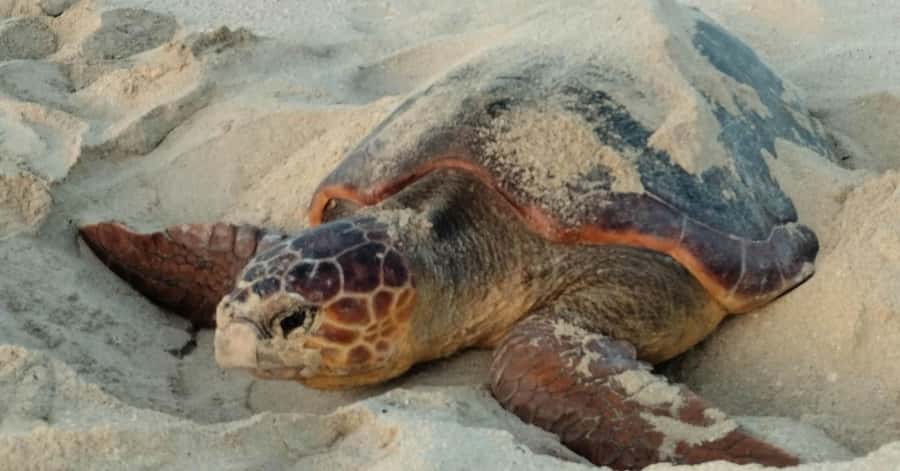
- Small groups (up to 10) keep the beach experience quieter and more respectful of nesting turtles
- Expert guidance explains evolution, characteristics, and the full nesting sequence
- Night walking etiquette is strict: stay silent and give turtles space if you spot them
- Welfare-first approach includes limiting disturbance (including guidance on lighting and behavior)
- Evening timing means comfortable temps and a memorable sky-over-the-beach moment when you’re lucky
Why Santa Maria’s night nesting tour is so compelling on Sal
This is one of those Cape Verde activities where the real show is nature, not a performance. You’re heading to a deserted beach in the evening so you can see common sea turtles come up onto shore to nest—up close, but with rules that protect the animals.
The setting matters. Sal’s sandy beaches are important nesting areas, and the tour is designed specifically around that reality. It’s also a good reminder that “wildlife” doesn’t mean “no rules.” You’ll follow guidance that keeps your experience and the turtles’ needs aligned.
For many people, the best part is the sequence. You’re not just looking at a turtle; you’re learning how nesting starts, how eggs are laid and covered, and what happens afterward when the mother returns to the sea.
You can also read our reviews of more tours and experiences in Santa Maria Cape Verde.



The turtles of Cape Verde: what you’re likely to learn during the tour
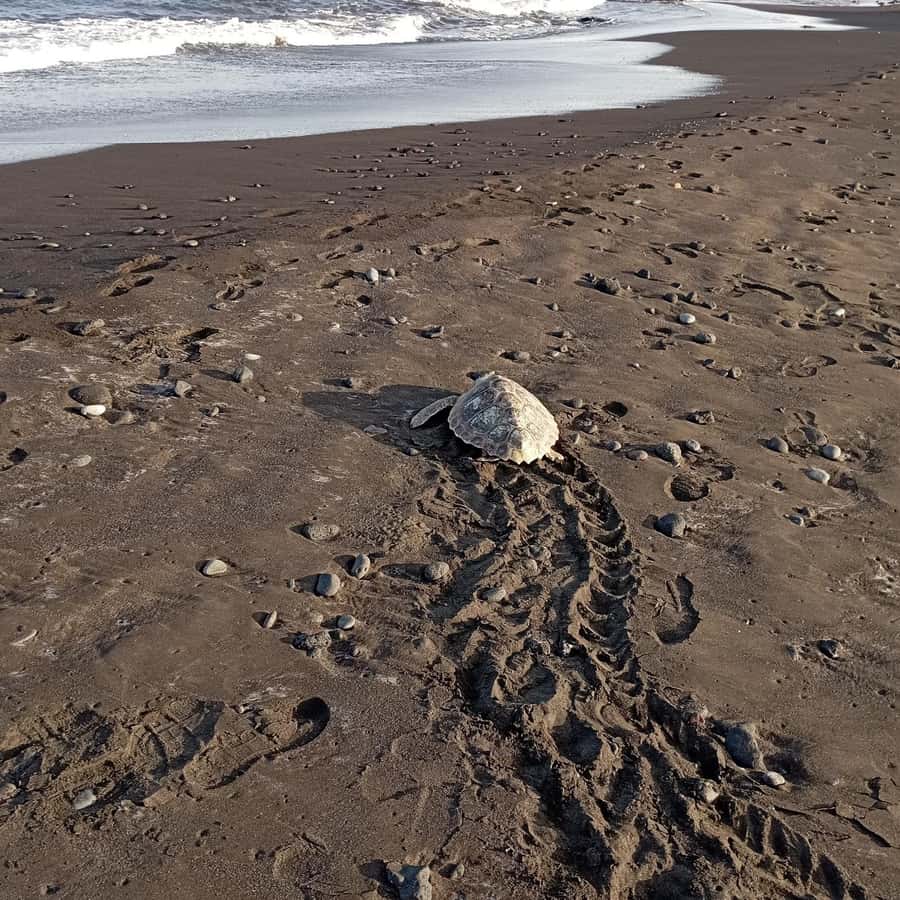
Cape Verde has three species of turtles, and this tour focuses on nesting behavior on island beaches. The yellow turtle, also called the common turtle, is the most common species in Cape Verde.
Your guide’s job is to connect what you’re seeing to what it means biologically. You’ll hear explanations about:
- turtle characteristics and evolution
- the nesting and egg-laying process from start to finish
- why turtle welfare is treated as the top priority on Sal
A detail I find especially useful for first-timers: the guides don’t just talk about turtles in general. They guide you through the behavior step-by-step, so when you see a turtle settle into the sand, you understand what stage you’re watching.
From your hotel to the beach: how the evening setup works
You’ll get pickup from your accommodation at 8:00 PM from the reception area. Transfers are handled in a comfortable, air-conditioned vehicle, which is a big quality-of-life factor at night—no cold waits, no awkward logistics.
The tour duration is listed as 3 hours, but the overall experience window is longer on the clock: it usually starts around 7:00 PM and often ends closer to 11:00 PM. In practice, that means your evening is structured around when turtle activity begins, not just a rigid timeline.
You may also notice how the group is managed. Small groups help with sound and attention, and guides can split guests as needed for language support. If you’re traveling solo or in a multilingual group, that kind of organization makes a big difference to your understanding.
The Santa Maria guidance stop: your brief before the sand walk
Before you get to the main beach time, you’ll have a guided portion in Santa Maria. This part is designed as a primer—so you know how to act once you’re walking in the nesting zone.
Expect a short, guided introduction that sets expectations: what nesting looks like, how the process unfolds, and how guides will prioritize turtle welfare. This is helpful because night wildlife moments can be fast. If you’re waiting for the “right” cue, you’ll feel calmer when you already know what to look for.
It also reduces the temptation to rush. When you understand the nesting cycle, you’re less likely to crowd or move around too much.
Kite Beach at night: the real reason you booked
The heart of the tour happens at Kite Beach, where you’ll spend about 2 hours. This is when small-group beach walking starts, and when guides look for turtles making their way up onto the sand.
Here’s how to think about it: you’re not guaranteed a turtle every minute. You’re going to a place where nesting can happen, and your guides work to find activity. That usually means some waiting—sometimes long enough that you’ll appreciate the value of bringing a camera and staying mentally ready.
When you spot nesting turtles, the rules get very real. Your guide will tell you what to do, and you’ll be asked to:
- remain as silent as possible
- give the turtle space
- stay seated when instructed
That silence isn’t just for politeness. It’s part of minimizing disturbance so the turtle can finish nesting without disruptions.
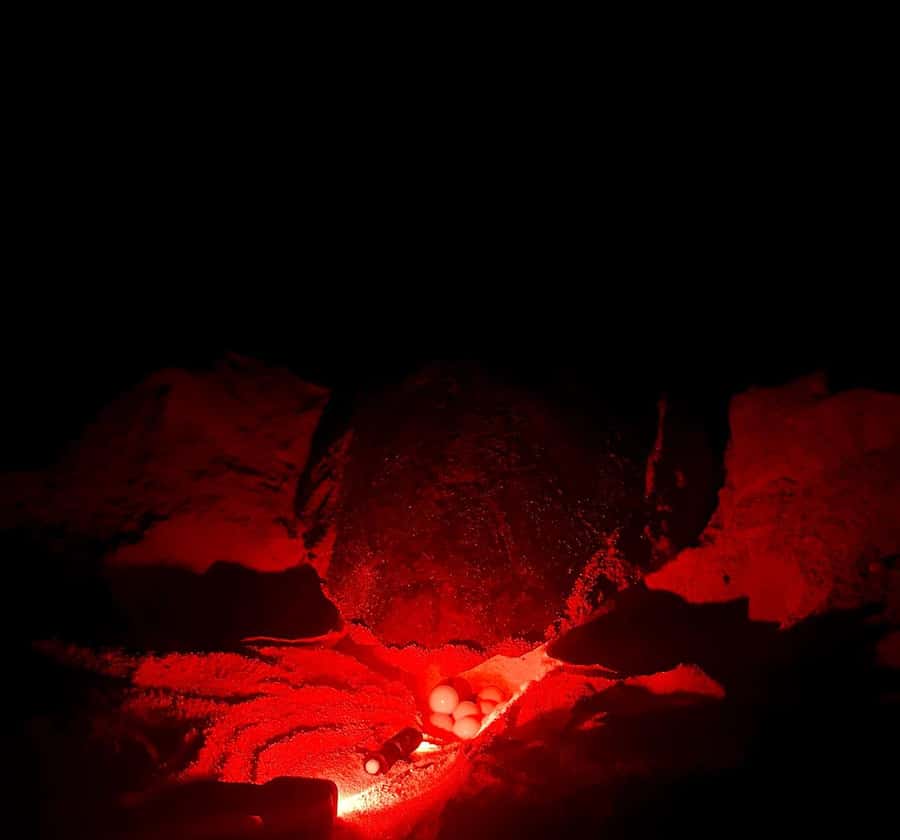
Lighting matters too. Some guides use red light rather than bright white light, because it helps reduce distraction for the turtle. You’ll likely get guidance on how to behave with phones and cameras, and what’s safe to do.
What you might see (and what to keep expectations flexible about)
The tour is built to teach the nesting process from beginning to end, and many departures have the luck factor on their side. You might see:
- a turtle arriving on shore and digging or preparing nesting behavior
- eggs laid and covered
- the mother returning to the ocean
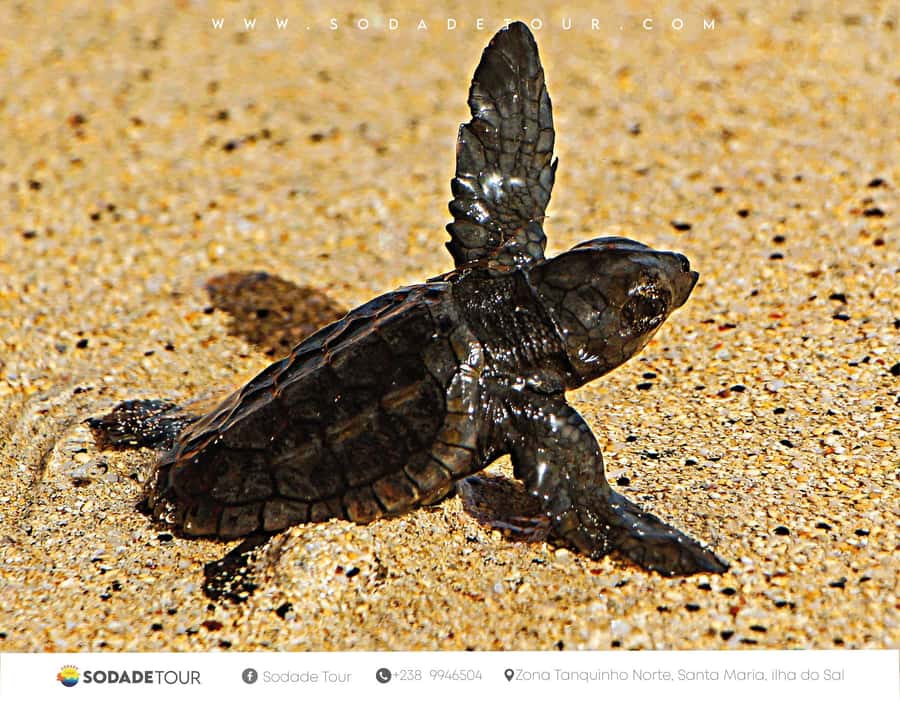
- possibly hatchlings making their way toward the sea (timing permitting)
Even if you don’t see every stage, you should still come away with a clear understanding of how the nesting sequence works and why the guides are so careful about spacing and noise.
Price and value: is $37 a fair deal for sea turtle watching?
At $37 per person for about 3 hours, this tour pricing makes sense if you care about three things: guidance, transportation, and conservation-focused access.
You’re paying for:
- a professional local guide
- hotel transfer (pickup from many Santa Maria-area properties)
- taxes, fuel, and service charges
Food and drinks are not included, so you’ll want to plan a light dinner or snack before pickup. Still, the lack of included drinks keeps the tour simple and focused, and it avoids the “party atmosphere” some wildlife tours struggle with.
The small-group limit (up to 10 participants) is one of the best value markers here. Cheaper wildlife trips sometimes cram people in. This one is structured to keep control and quiet—exactly what turtles need.
In short: if you want a welfare-first night turtle experience with solid guiding and included transfers, the price feels reasonable for Sal.
What to bring (and the do-not list that protects wildlife)
Night beach tours are easy to overpack, but this one has a few practical needs. Bring:
- comfortable shoes (sand plus darkness equals slippery moments)
- camera (with care for lighting rules)
- biodegradable sunscreen
- biodegradable insect repellent
- comfortable clothes for night air
- a garbage bag (you’re expected not to litter)
And read the restrictions closely. You won’t be allowed:
- flash photography
- smoking in the vehicle or indoors
- touching animals
- littering
- alcohol and drugs (and alcohol in the vehicle)
- electric wheelchairs
If you love wildlife, these rules can feel strict. That’s the point. Sea turtles are sensitive during nesting, and your behavior directly affects whether the process continues undisturbed.
Also, plan to move slowly. A quiet beach is not quiet because everyone is bored—it’s quiet because every step counts.
Conservation-focused guiding: the best part is how the guides manage your impact
What makes this tour worth it—beyond the chance of seeing nesting—is the way the guide runs the experience. The tour emphasizes that turtle welfare is the top priority, and the guides act like conservation is the main product, not a side note.
You’ll hear explanations as you go, and you’ll get practical instructions that help you stay out of the turtle’s way. A couple of guide details show up in different groups: names like Johnny Cash and Anastassi salsa have been mentioned with praise for knowledge and care, and guides like Sousa (and even guidance from his daughter on some outings) are noted for respect toward turtles and attention to multilingual groups.
Even if you don’t match with a guide you’ve heard of, the style is consistent: structured walking, careful spacing, and explanations that make the nesting process understandable.
Who should book this Santa Maria sea turtle tour?
This tour is a great fit if you:
- want wildlife watching that’s explicitly tied to conservation behavior
- like learning as you watch (not just taking photos)
- don’t mind a night walk and some waiting for nesting activity
- enjoy small-group tours where you can actually hear the guide
It’s not a great fit if you:
- need wheelchair access (listed as not suitable for wheelchair users)
- rely on visual accommodations (listed as not suitable for visually impaired people)
- can’t follow strict rules about noise, lighting, and staying silent when turtles appear
Also, bring the right mindset. This is not a guaranteed hatchling show. It’s a chance to witness nature’s real rhythm and learn it properly.
Should you book this sea turtle watching tour on Sal?
Yes—if you’re traveling to Sal during the season when nesting is active and you care about doing wildlife watching the right way. The included transfer, the small-group size, and the focus on the complete nesting cycle make it a strong value at $37.
Skip it only if you hate waiting at night, dislike walking on sand, or you can’t comfortably follow strict wildlife rules. If you’re flexible and ready to be quiet for the sake of the turtles, you’ll probably feel like this is one of the most memorable nights of your trip.
FAQ
FAQ
What is the price of the Santa Maria sea turtle watching experience?
It costs $37 per person.
How long is the tour?
The duration is 3 hours.
Where is the tour located?
It takes place on Sal Island, around Santa Maria, Cape Verde.
What time does pickup happen?
Pickup is included and you are picked up at 8:00 PM from your accommodation reception.
What’s included in the price?
A professional local guide, transfer from your hotel, and taxes, fuel, and service charges are included.
What is not included?
Food and drinks are not included.
How big is the group?
It’s a small group limited to 10 participants.
What languages are the tours offered in?
The live tour guide is available in Portuguese, English, French, and Italian.
Are flash photos allowed?
No, flash photography is not allowed.
Is the tour suitable for wheelchair users?
No. It is not suitable for wheelchair users, and it is also listed as not suitable for visually impaired people.