REVIEW · ADDIS ABABA
Addis Ababa: Debre Libanos, Blue Nile Gorge, and Cave Tour
Book on GetYourGuide →Operated by myGuzo Ethiopia Tours · Bookable on GetYourGuide
Canyons and candles in one long day. This trip links Debre Libanos Monastery (founded in 1284) with the sweeping drama of the Blue Nile Gorge, plus cave-church history and wildlife stops. It is the kind of day trip that makes Addis feel like the warm-up act.
What I like most is how much you pack in without it feeling like a checklist. You get real Ethiopian Orthodox monastic life, a classic Portuguese-style stone arch at the Portuguese Bridge, and chances to spot endemic wildlife, including bleeding-heart gelada baboons and birdlife. You also roll up to Entoto Hill at 3,300 meters for big-sky views of Addis Ababa.
One drawback to plan for: the drive is long and the roads can be rough, so you’ll spend plenty of time in the vehicle. If you dislike being stuck on the road, this may test your patience more than your camera battery.
In This Review
- Key highlights you’ll actually care about
- Why this Addis Ababa day trip works so well
- The long drive north: what 8 hours really feels like
- Mount Entoto and Addis views from 3,300 meters
- Debre Libanos Monastery: monastic life with real age
- Portuguese Bridge: a stone arch with Portuguese style
- Blue Nile Gorge: viewpoints, river drama, and wildlife timing
- Saint Teklehaimanot Cave Church: quiet space and heavy history
- Lunch and pacing: where your time goes (and what to expect)
- Entoto on the way back: wrap-up views and photo finish
- Value check: is $94 worth it for this route?
- Who should book this tour (and who should skip it)
- Should you book this tour?
- FAQ
- How long is the Addis Ababa to Debre Libanos, Blue Nile Gorge, and cave tour?
- What does the tour cost?
- Where does pickup happen?
- What’s included in the price?
- Is lunch included?
- What language is the guide?
- What should I bring?
- What clothing is required at the monastery?
- Is the tour suitable for pregnant women or people with mobility impairments?
- Are there English-speaking guides and entry fees covered?
Key highlights you’ll actually care about
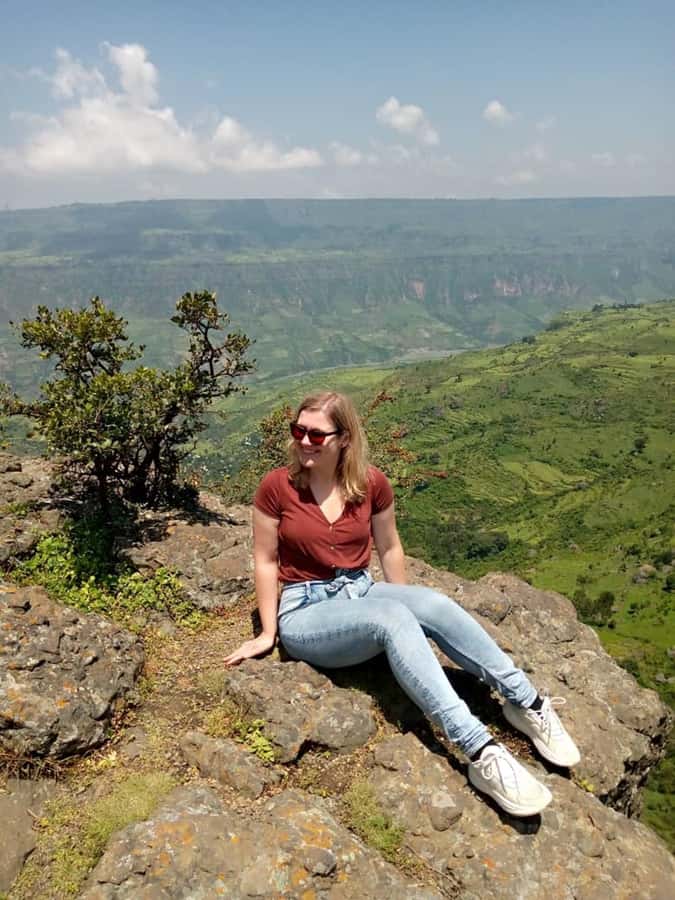
- Debre Libanos Monastery founded in 1284 on a terrace between cliff and gorge
- Blue Nile Gorge viewpoints that people often compare to Arizona’s Grand Canyon
- Portuguese Bridge built by Ras Darge in the 1890s for a classic stone-arch look
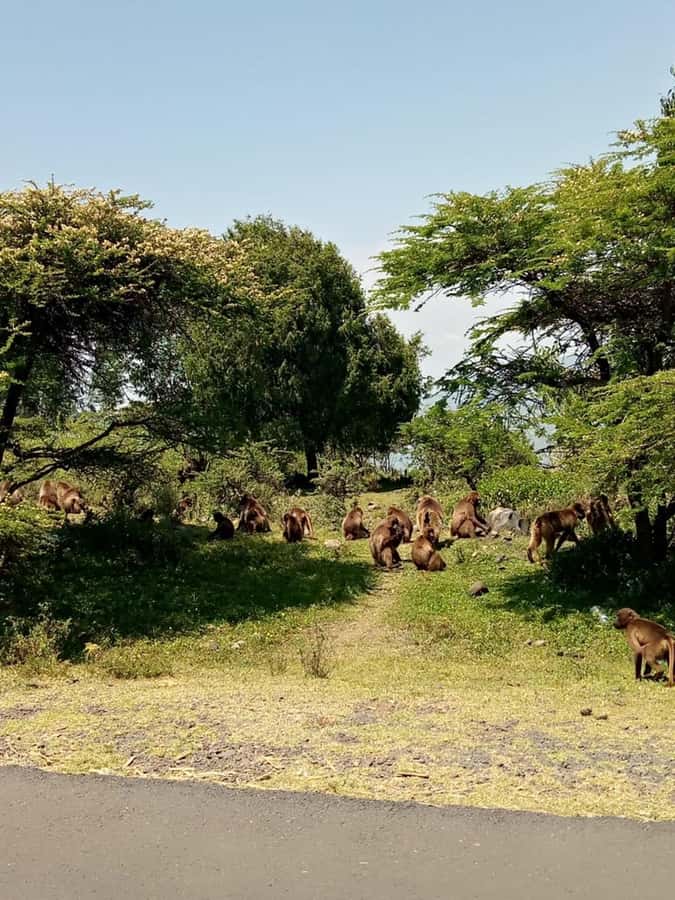
- Endemic wildlife around the Jamma River area, including bleeding-heart gelada baboons and birds
- Entoto Hill at 3,300 meters with panoramic views of Addis Ababa
- Saint Teklehaimanot Cave Church and its heavy 1936 history involving Italian invaders
Why this Addis Ababa day trip works so well
This tour is built for people who don’t want just a city day. You start in Addis Ababa, then head north into higher ground and dramatic river country, where daily life feels more rural and less polished. You’ll move between viewpoints, a working monastery complex, and a cave church—so the day shifts gears a few times instead of feeling one-note.
I also like the “guided with intent” feel. You’re not just dropped at scenic stops. The guide role matters here: you get help reading what you’re seeing, from the monastic spaces to why the gorge is such a standout.
Finally, this route has a good mix of sights and atmosphere. If you’re the type who cares about places having context—religious, cultural, and natural—this day trip fits that mood.
You can also read our reviews of more tours and experiences in Addis Ababa.

The long drive north: what 8 hours really feels like

Yes, the trip is listed as an 8-hour outing, but it’s a full-day rhythm: depart, drive, visit, drive, views, and return. You’ll cover about 100 kilometers north of Addis, with stretches of mountain road where the scenery is part of the fun.
Here’s the practical side: expect sitting time. Some roads can feel challenging, and you’ll likely be glad your day pack includes water and snacks for the moments when you’re not actively sightseeing. The tour includes bottled water and lunch, which helps keep things comfortable even if the road eats up time.
If you’re prone to motion sickness or you’re sensitive to bumpiness, plan for that. The guide and driver are there to keep things safe, but the geography does not smooth out for you.
Mount Entoto and Addis views from 3,300 meters
Before the monasteries and gorge, you ease into the day at Entoto Mountain. You’ll make scenic passes with photo stops at Entoto St. Maryam Church and Entoto St. Raguel Church.
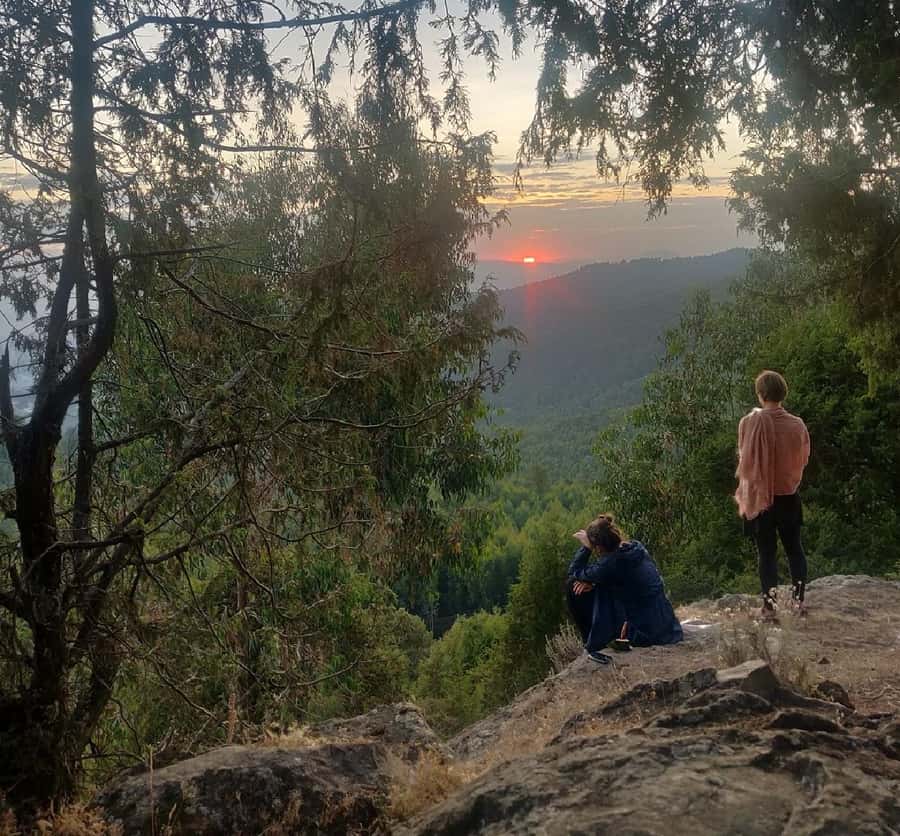
Why this first part matters: Entoto is high, around 3,300 meters, so the air and the light can feel different from Addis. You get a big-picture view of the city—useful if you want to understand what you’re later traveling through. It’s also a chance to reset your eyes after the drive before you head into darker, rockier places later in the day.
This is short by design (especially the church photo stops), so don’t expect long stays. Think of it as getting your bearings fast and grabbing a few strong photos.
Debre Libanos Monastery: monastic life with real age
Debre Libanos is not a quick photo wall. It’s a monastery complex founded by Ethiopian Saint Abune Tekle Haymanot in 1284, and it sits on a terrace between cliff and gorge, tied to one of the Blue Nile tributaries (the Jamma River).
When people talk about this stop, they usually mean two things:
1) You can feel the place is still a religious center, not just a museum.
2) The setting is dramatic, because the complex is carved into a landscape of stone, edges, and drop-offs.
The tour includes a guided visit with a local monastery guide. That local perspective is the difference between seeing church buildings and understanding the Ethiopian Orthodox world—how monks live, how faith shapes daily space, and how history hangs around the walls.
Practical note for your comfort: expect some uneven ground as you move through the complex. Bring comfortable shoes, and wear clothing that’s respectful for religious spaces.
Portuguese Bridge: a stone arch with Portuguese style
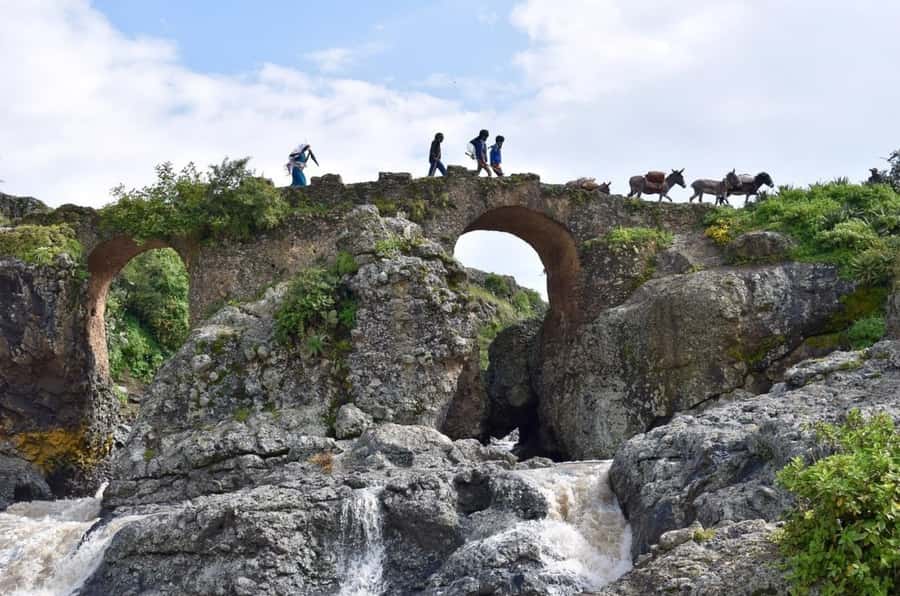
After Debre Libanos, you head toward one of the most iconic moments of the day: the Portuguese Bridge. This is a stone-arch bridge built by Ras Darge in the 1890s, in a classic Portuguese style.
What you’ll love here is the combination of architecture and scenery. A bridge is already a “structure you read,” but in this case the river-country surroundings give you foreground-and-background layers for photos. You also get a short walk, so it’s not just a stand-still look.
This stop is built for people who like small hikes that don’t turn into endurance tests. Keep it steady, watch your footing, and you’ll get the payoff quickly.

Blue Nile Gorge: viewpoints, river drama, and wildlife timing
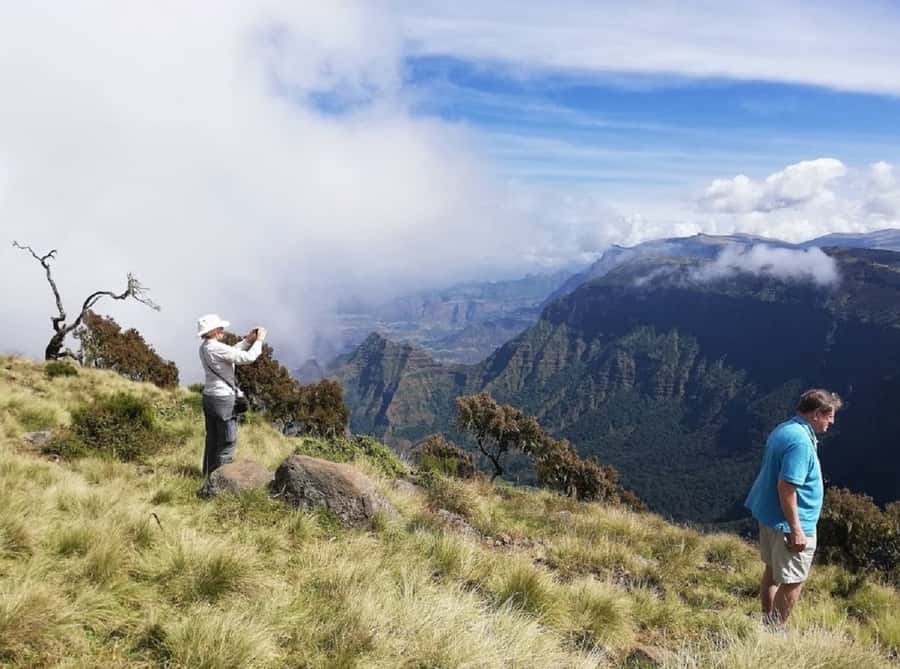
Then comes the showstopper area: the Blue Nile Gorge. It’s often compared to Arizona’s Grand Canyon, and that comparison makes sense once you’re standing at a viewpoint with the scale of cliffs below you.
You’ll be in gorge country long enough to see more than one angle, and there’s also a wildlife component tied to the region. The tour description specifically points toward endemic wildlife, including bleeding-heart gelada baboons, along the mountains and near the area that shelters them.
A few real-world tips:
- If you care about wildlife, move slowly and listen when your guide signals that animals are around.
- Bring sunglasses and sunscreen; gorge days can be bright.
- Wear shoes with grip. Even on a short walk, uneven ground happens.
The gorge experience is also where the day’s pace needs you to be alert. You want your eyes on the view, but you also need attention on where you’re stepping.
Saint Teklehaimanot Cave Church: quiet space and heavy history
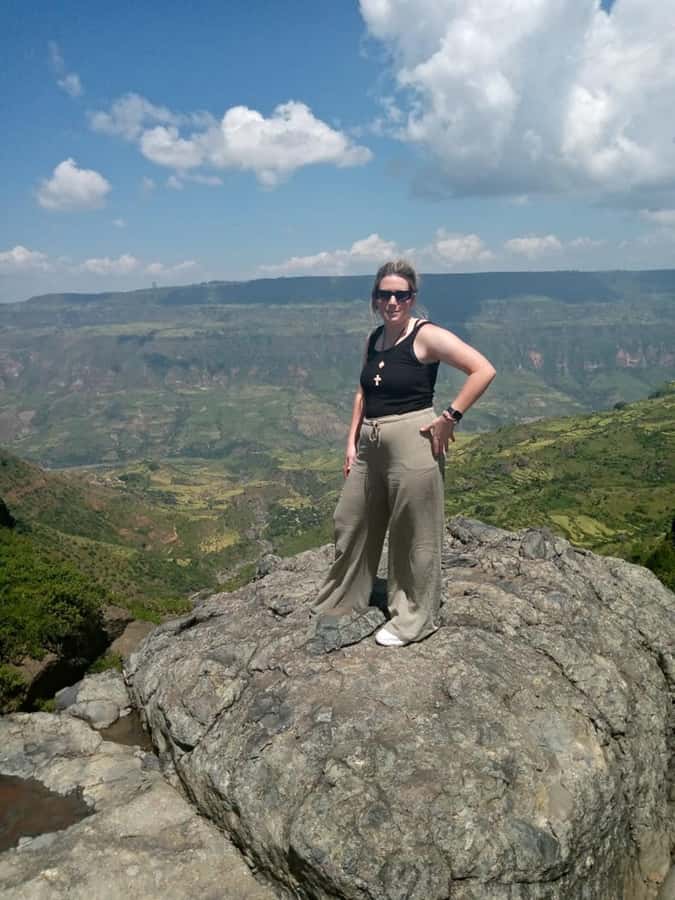
The tour’s final major religious stop is the Saint Teklehaimanot Cave Church. The setting is memorable because it’s a cave church—cooler, quieter, and more enclosed than the monastery spaces above ground.
This stop also carries specific historical weight: the church is connected to the event in 1936, when around 300 monks were slaughtered by Italian invaders. That context can sit in your chest a bit. I like that the guide experience here is not just visual. You learn what the place means, not just what it looks like.
From a traveler’s standpoint, this is the “slow down” moment of the day. If your feet are tired from earlier walking and viewpoints, pace yourself. Sit where you can, take in the atmosphere, and let the story settle before you move on.
Lunch and pacing: where your time goes (and what to expect)
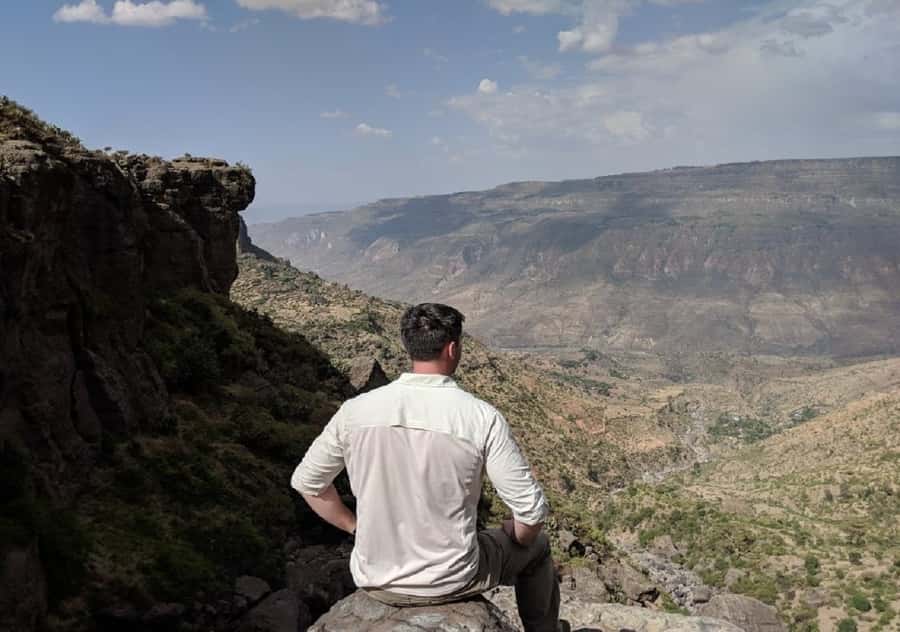
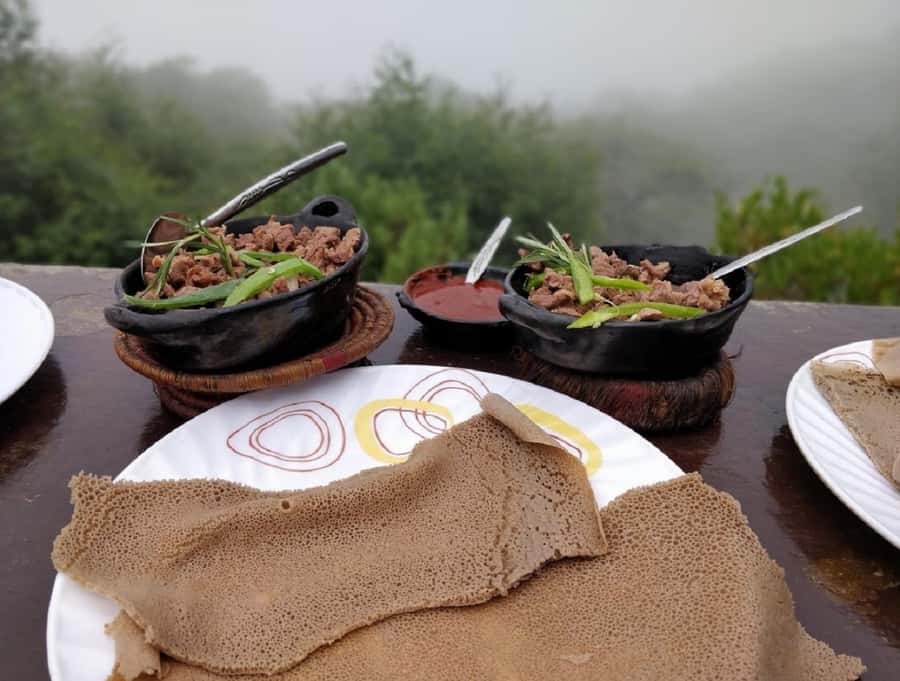
You’ll stop for lunch at a local restaurant with water and hot drinks included. Most people rate this day trip as having good value because lunch, entry fees, and guides are bundled into the price.
Still, it’s a one-day route, so lunch is part of the system, not the centerpiece. You’ll want to eat well, even if the main excitement is outside. It’s also a good time to ask your guide about what you’re about to see next, since the day is packed.
Pacing is usually smooth, but remember the day depends on driving conditions. If there’s traffic or schedule disruption, the guide may adjust timing at stops so you don’t miss the gorge or key religious points.
Entoto on the way back: wrap-up views and photo finish
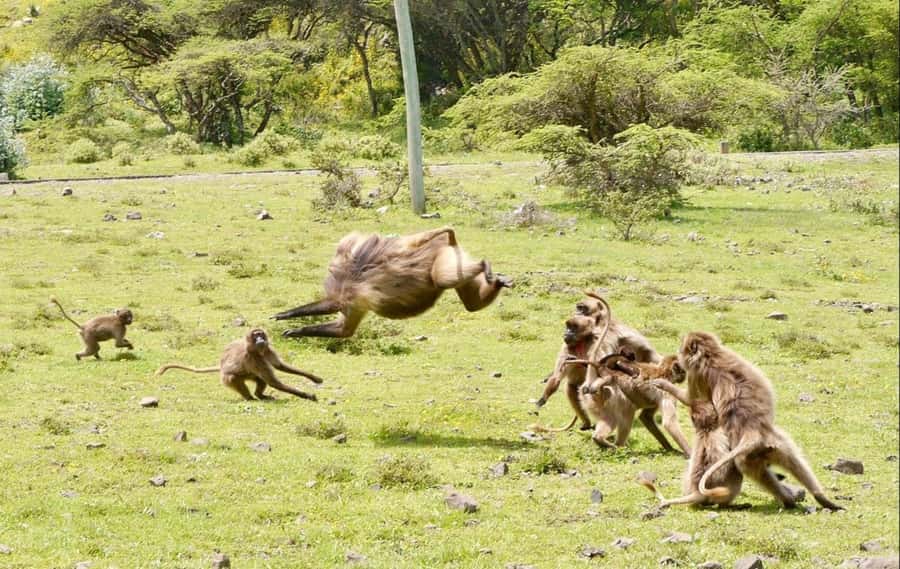
After the gorge and cave church, you return toward Addis Ababa and make the Entoto Hill stop for panoramic views of the city from 3,300 meters.
This is a smart way to close the day. It gives you a sense of scale—rural mountains and river canyons in the morning and a big view of the city at the end. It also works as a photo catch-up, especially if the morning light didn’t cooperate or you were busy focusing on the gorge.
If you like clean “last photo” moments, this is one to plan for. Bring your camera settings and consider a quick check of your battery before you head into the return drive.
Value check: is $94 worth it for this route?
At $94 per person for an 8-hour day trip, the value is mainly about what’s included and how efficiently the day is structured.
You’re getting:
- pickup and drop-off in Addis Ababa (hotel or airport),
- ground transportation,
- an English live guide plus a local monastery guide,
- all entry fees,
- lunch with water and hot drinks.
So the real question is whether you’d rather spend your day driving yourself and researching on the fly—or pay for a driver and guides who handle the sequencing. For most visitors with limited time, this route is the kind of pay-for-efficiency day that makes sense.
Where the value drops for some people is when roads add delays. The day is long, and if the vehicle or timing doesn’t match your expectations, it can feel like more travel than sightseeing. Still, the guide quality is a major factor, and multiple guides have been praised for being professional and attentive, including handling safety on tricky roads.
Who should book this tour (and who should skip it)
This tour is a strong match if you want:
- major sights outside Addis in a single day,
- a blend of religion, architecture, and dramatic river scenery,
- chances to see endemic wildlife like bleeding-heart gelada baboons,
- an English-speaking guide to bring context to what you’re viewing.
Skip it if:
- you’re pregnant or you have mobility limitations, since the tour is listed as not suitable for those needs,
- you’re sensitive to long drives and rugged road conditions,
- you want a relaxed pace with lots of downtime.
If you only have one free day in Addis Ababa, this tour gives you a lot of Ethiopia beyond the city—without requiring more than a day’s commitment.
Should you book this tour?
I’d book it if you want a full north-of-Addis day that combines Debre Libanos, Blue Nile Gorge, the Portuguese Bridge, and the Saint Teklehaimanot Cave Church, with wildlife chances and lunch included. The guide setup is a big part of the payoff, and the route hits famous places without turning into a rushed drive-by.
I wouldn’t book it if you hate long vehicle time, need easy walking only, or are expecting “gentle scenery” more than canyon-and-cave energy. This is a workday-style outing: movement, stops, viewpoints, and enough history to make the cave church feel serious.
If you fit the first group, this is a practical way to see the real countryside feel that Addis day plans often miss.
FAQ
How long is the Addis Ababa to Debre Libanos, Blue Nile Gorge, and cave tour?
The tour duration is listed as 8 hours.
What does the tour cost?
The price is $94 per person.
Where does pickup happen?
Pickup is included in Addis Ababa at your hotel or at the airport.
What’s included in the price?
Included are hotel or airport pickup/drop-off, ground transportation, an escorting English-speaking guide from Addis Ababa, a local guide at the monastery, all entry fees, lunch with water and hot drinks, and bottled water.
Is lunch included?
Yes. Lunch is provided at a local restaurant, along with water and hot drinks.
What language is the guide?
The tour includes a live tour guide in English.
What should I bring?
Bring a passport or ID card, comfortable shoes, sunglasses, a sun hat, and sunscreen.
What clothing is required at the monastery?
For women, clothing should cover well below the knees. Scarfs are encouraged to cover the head when accessing the monastery (optional).
Is the tour suitable for pregnant women or people with mobility impairments?
No. The tour is listed as not suitable for pregnant women and people with mobility impairments.
Are there English-speaking guides and entry fees covered?
Yes, the guide is English-speaking and entry fees are included.